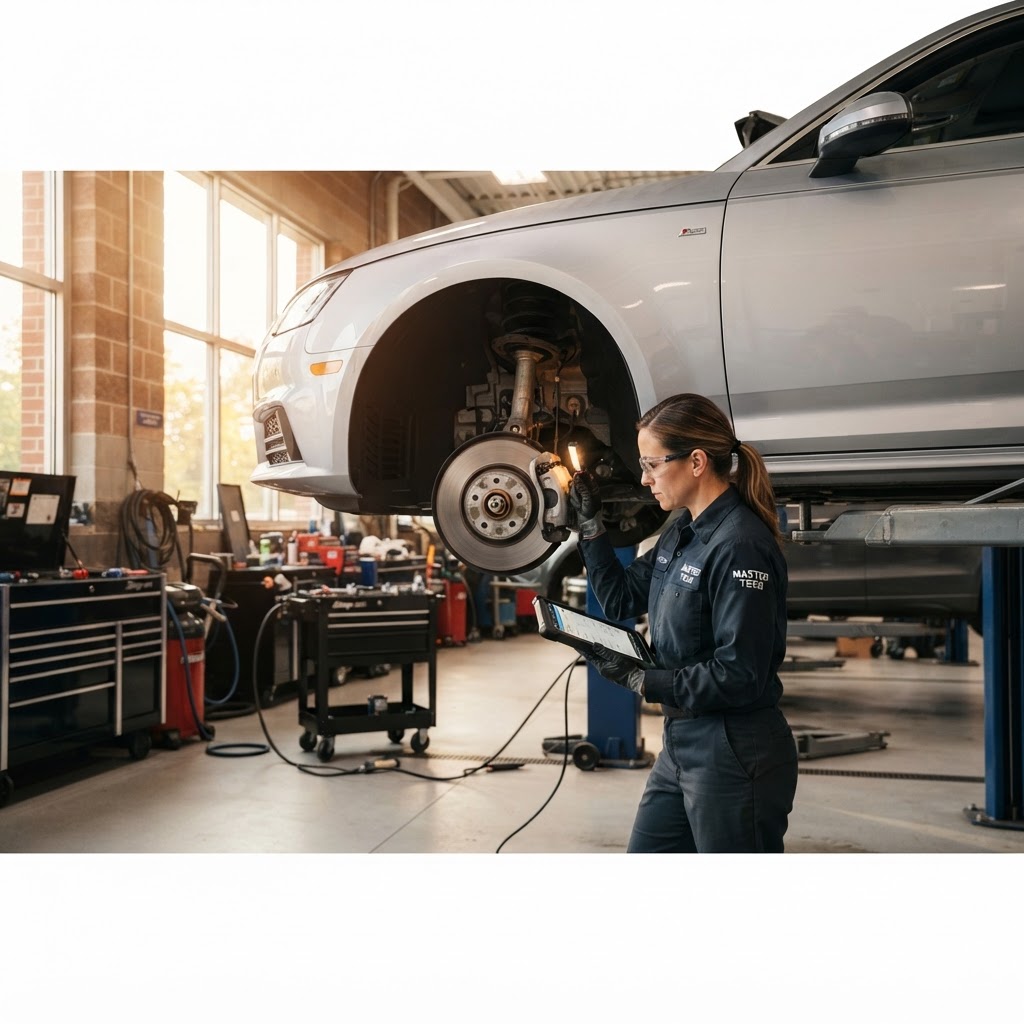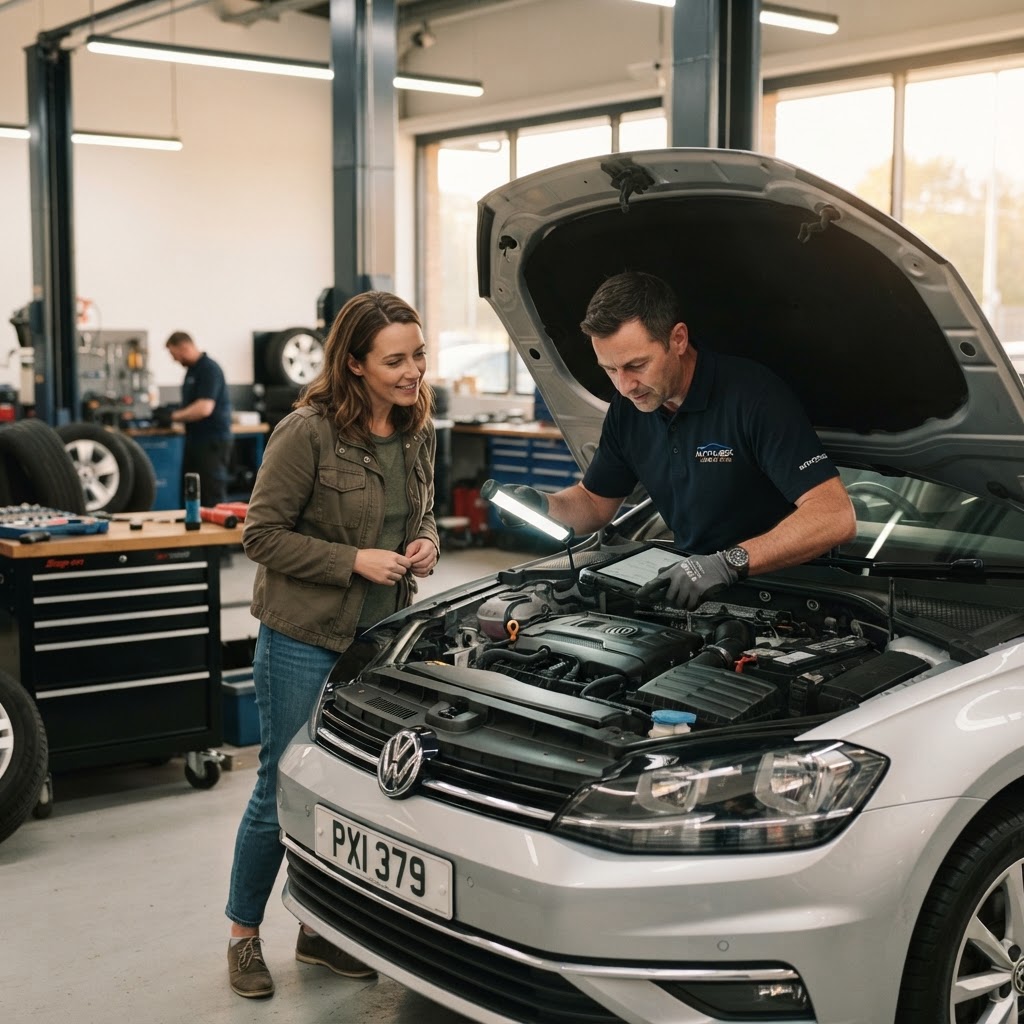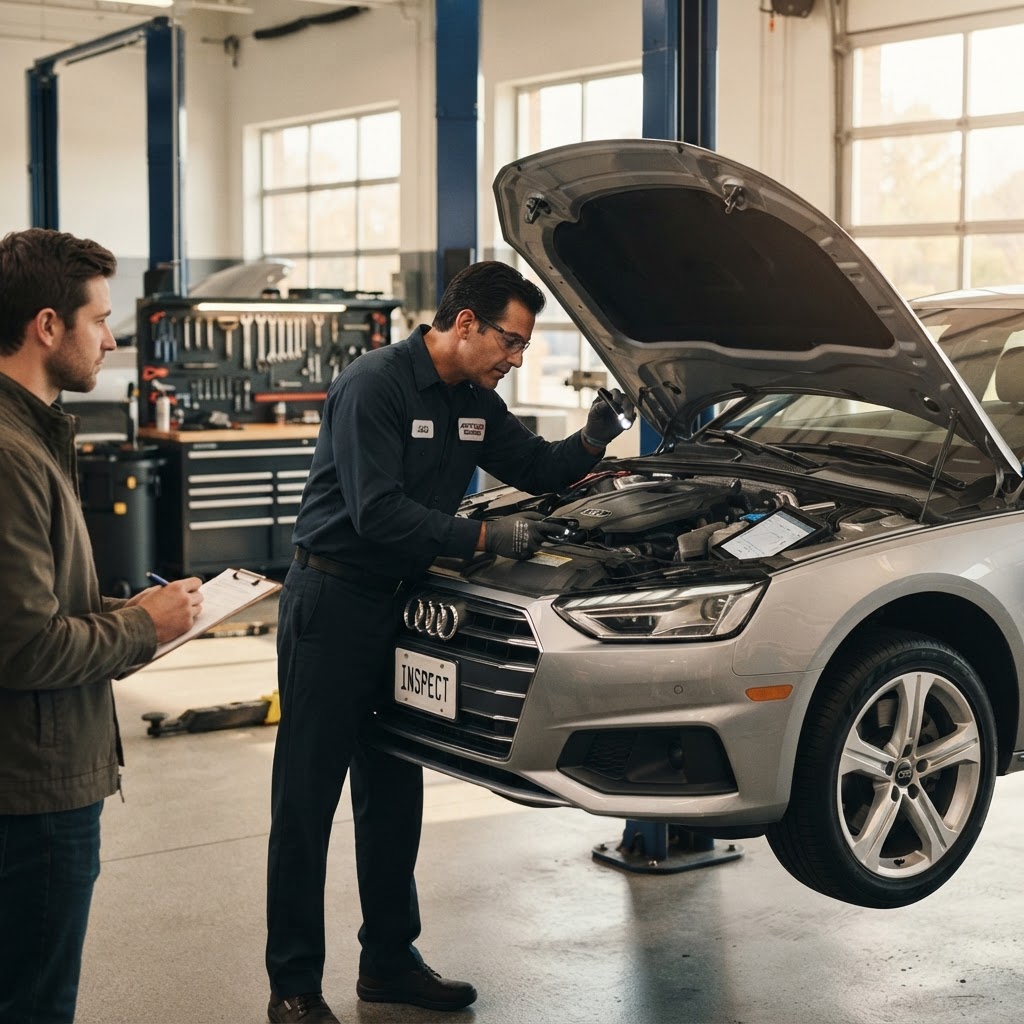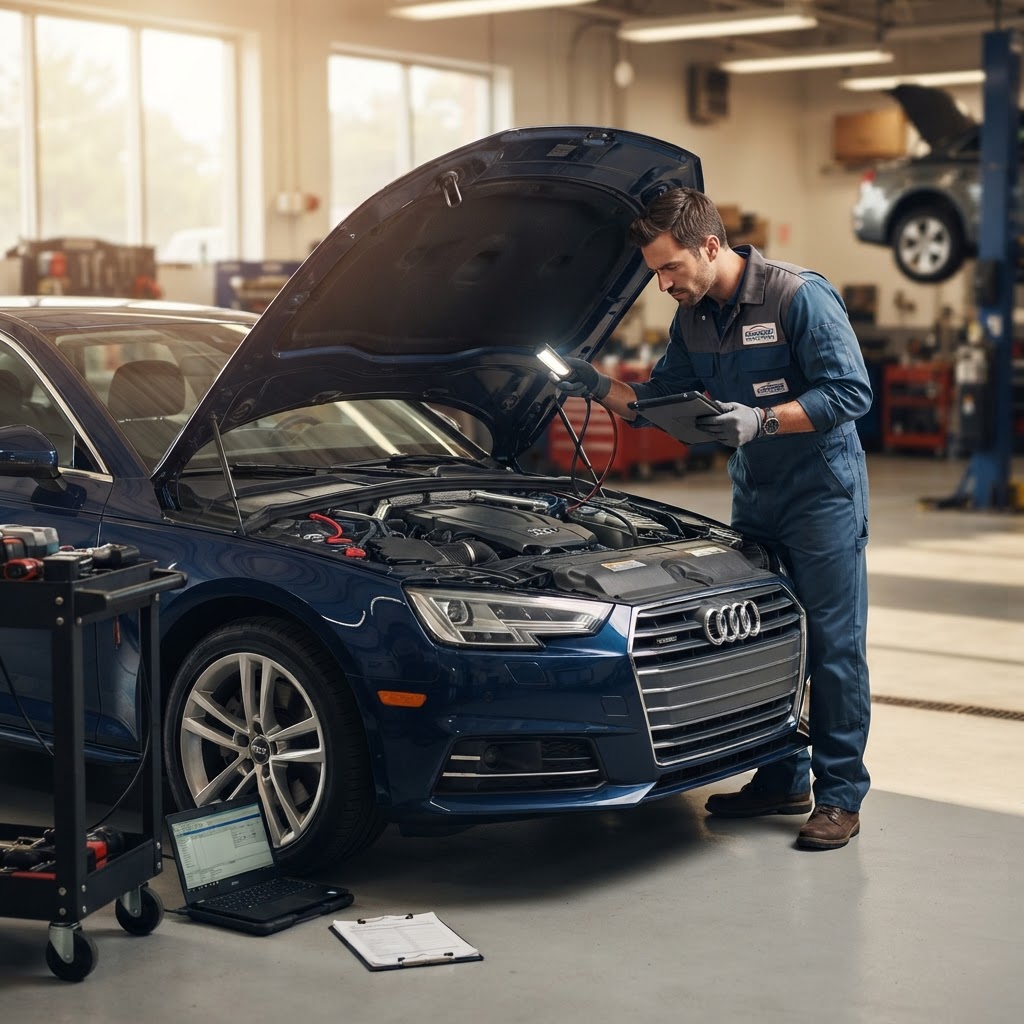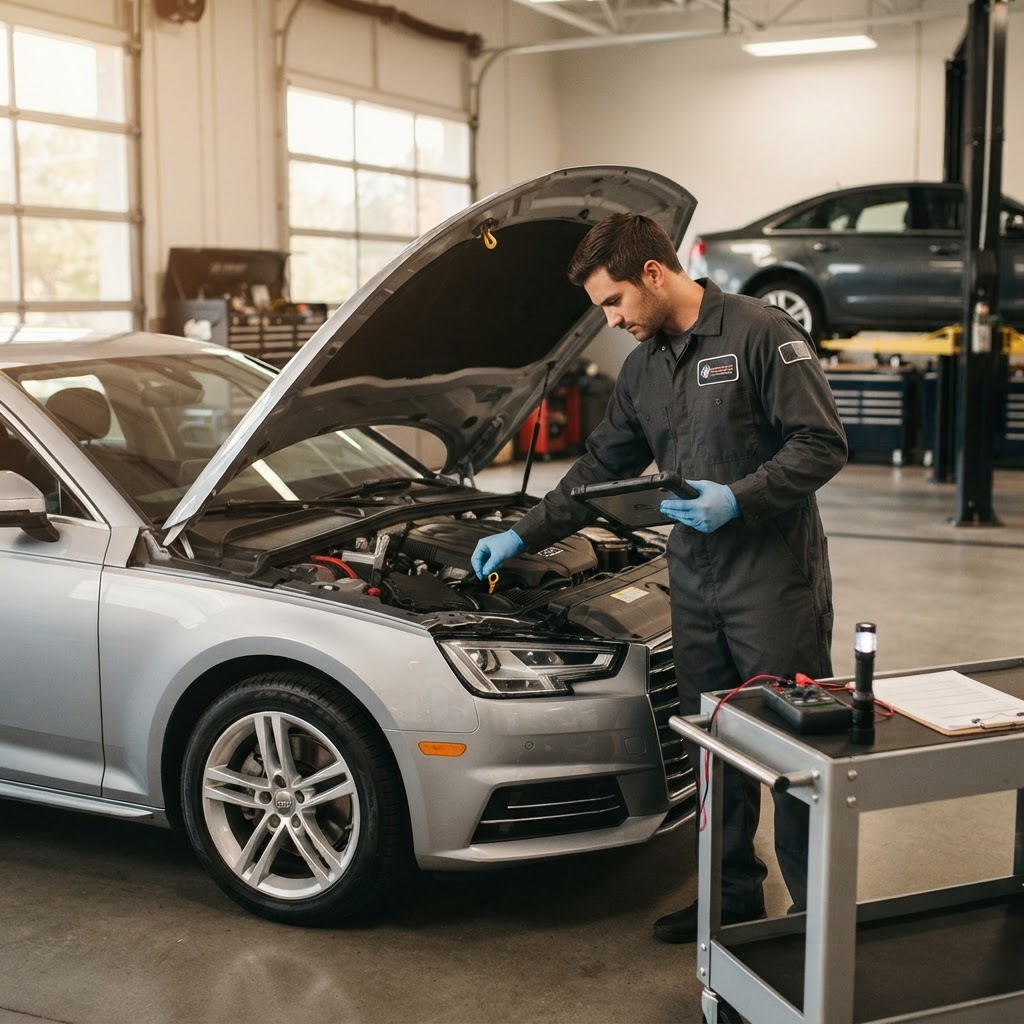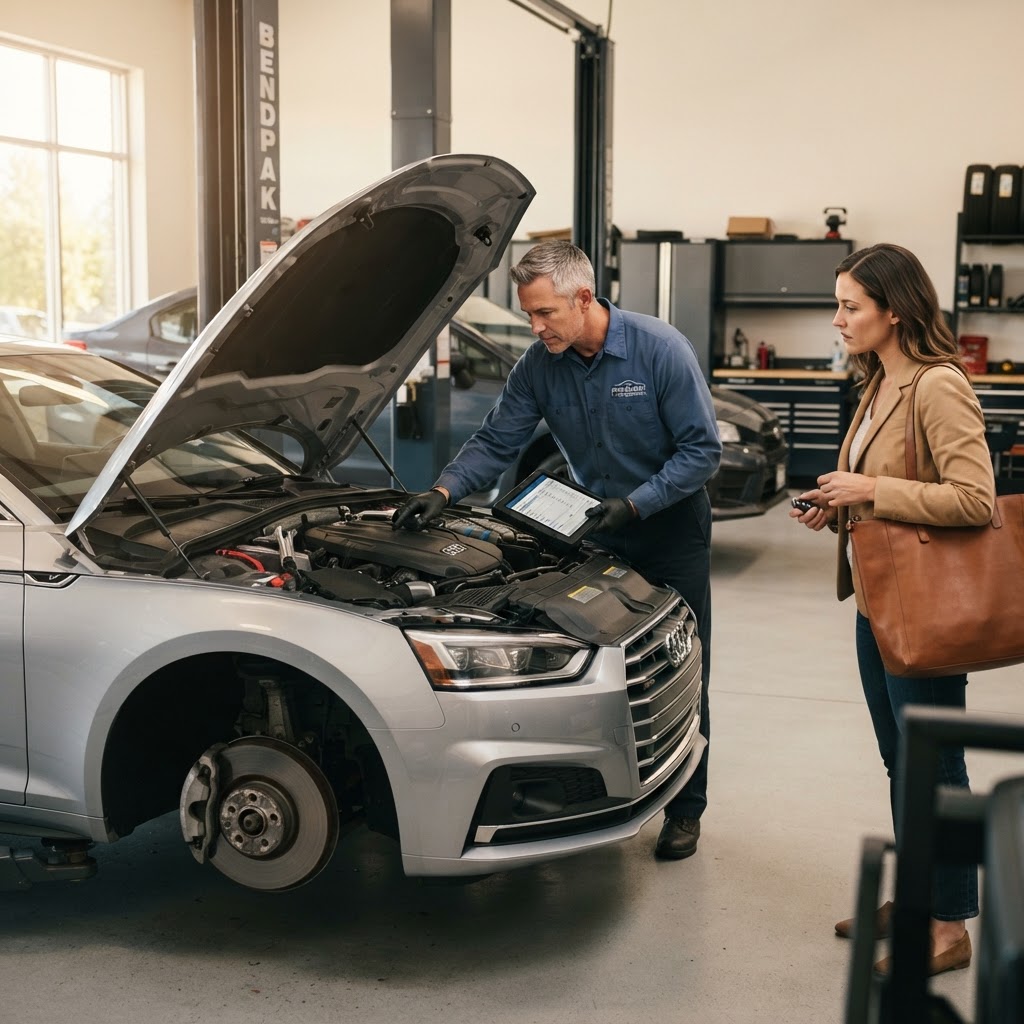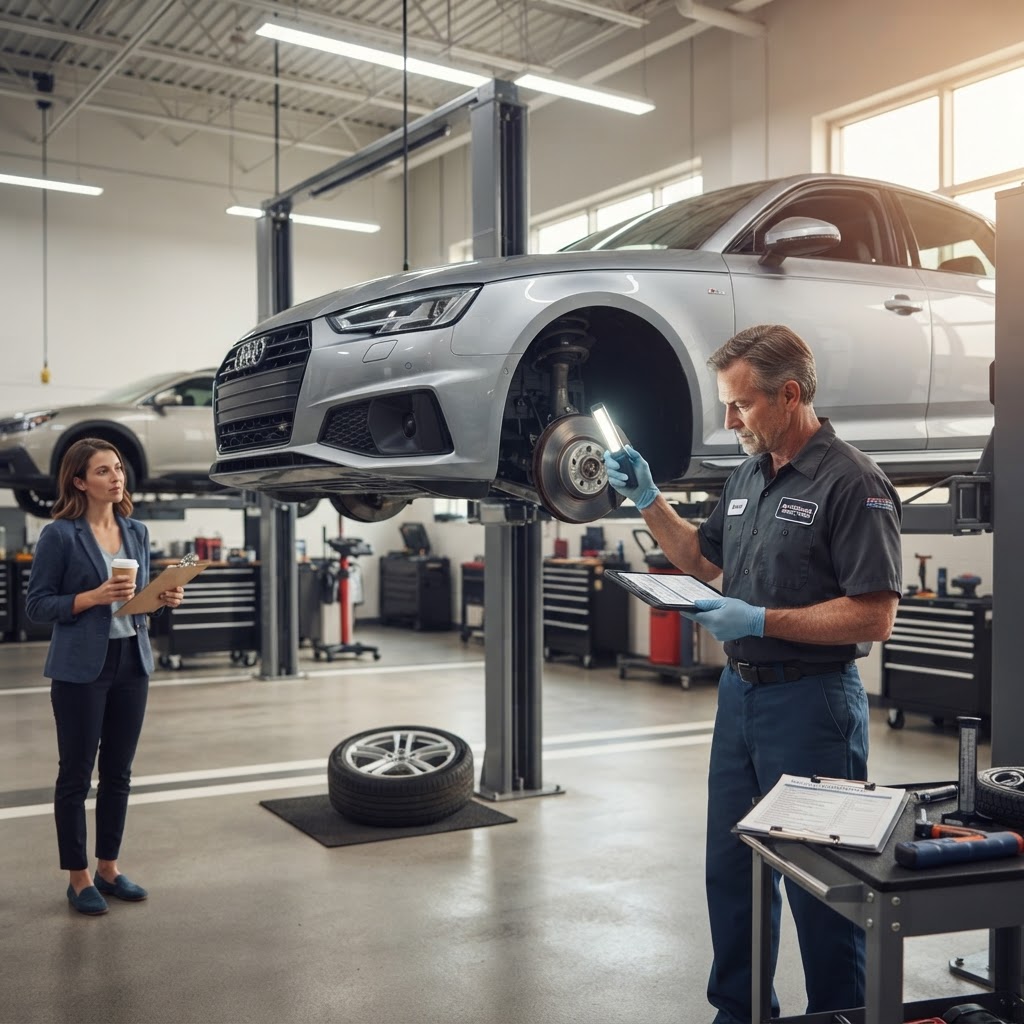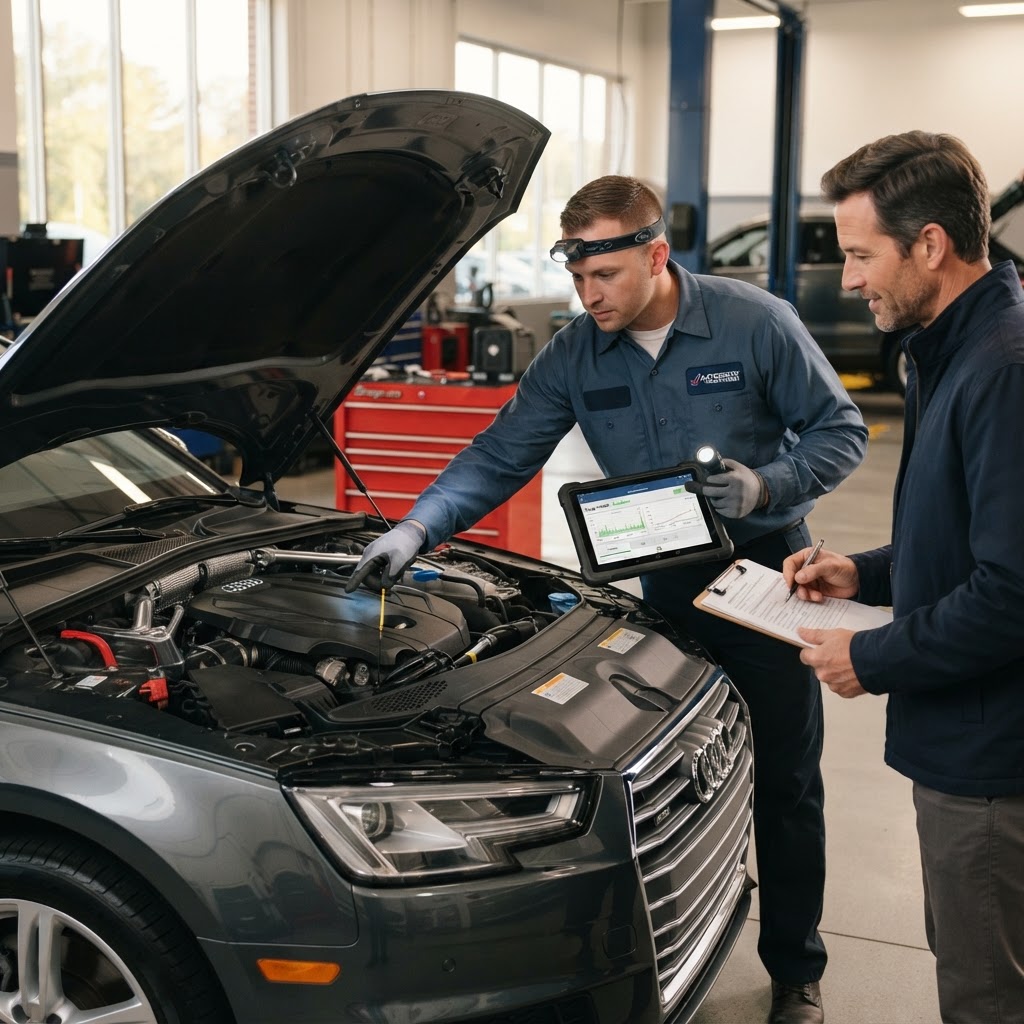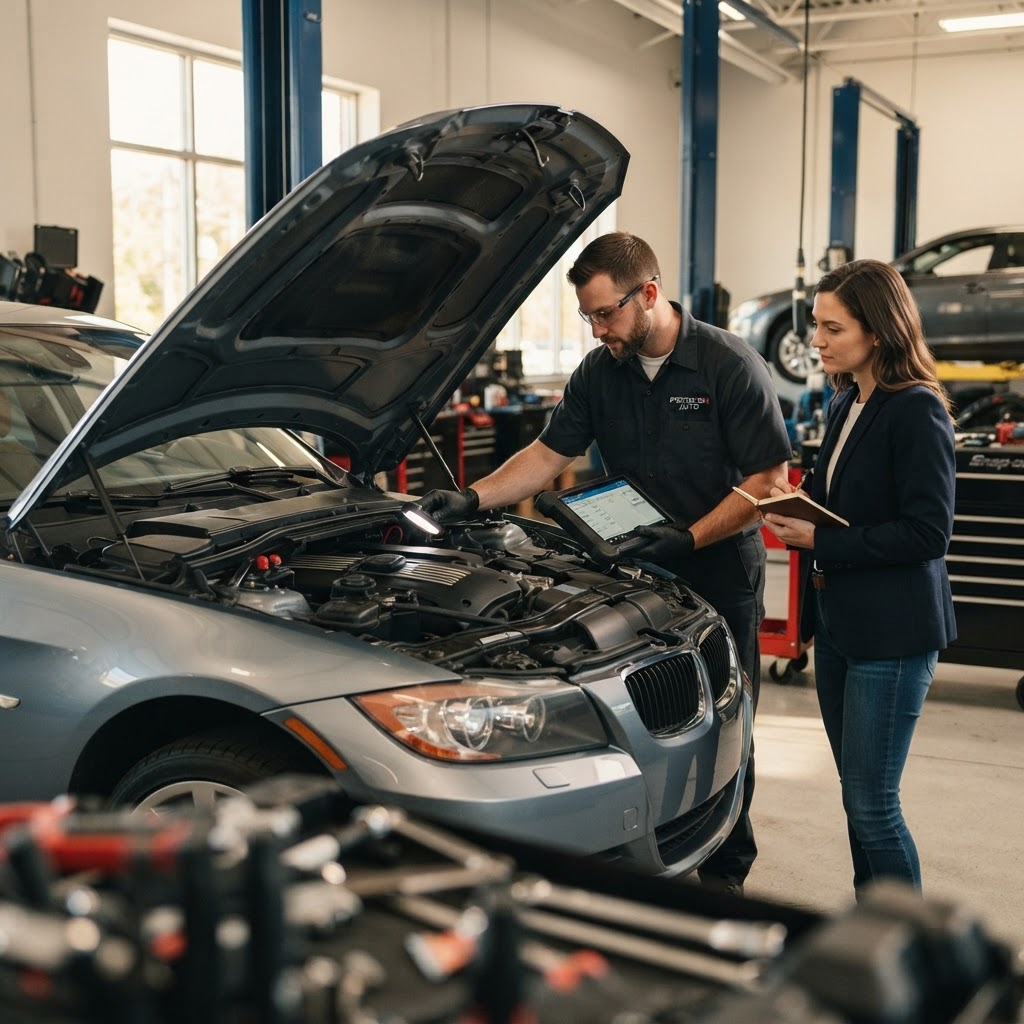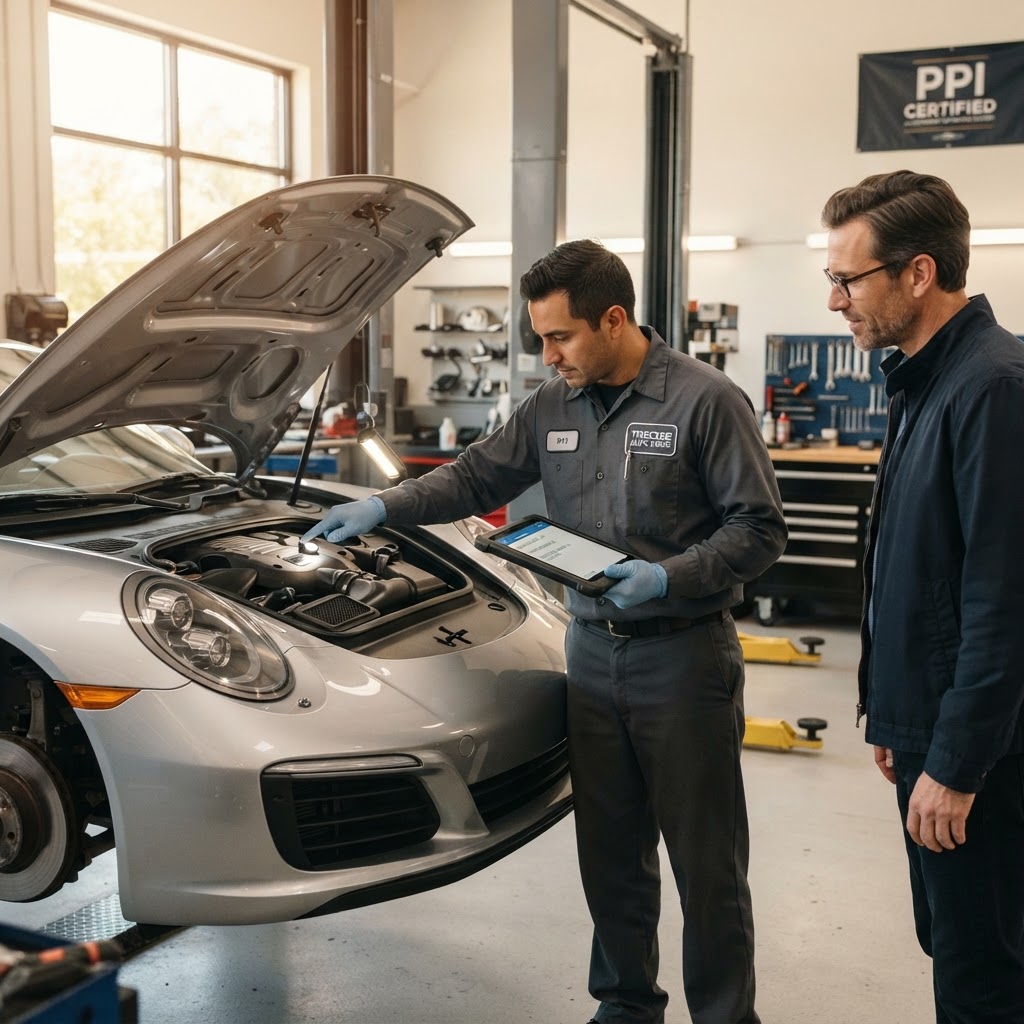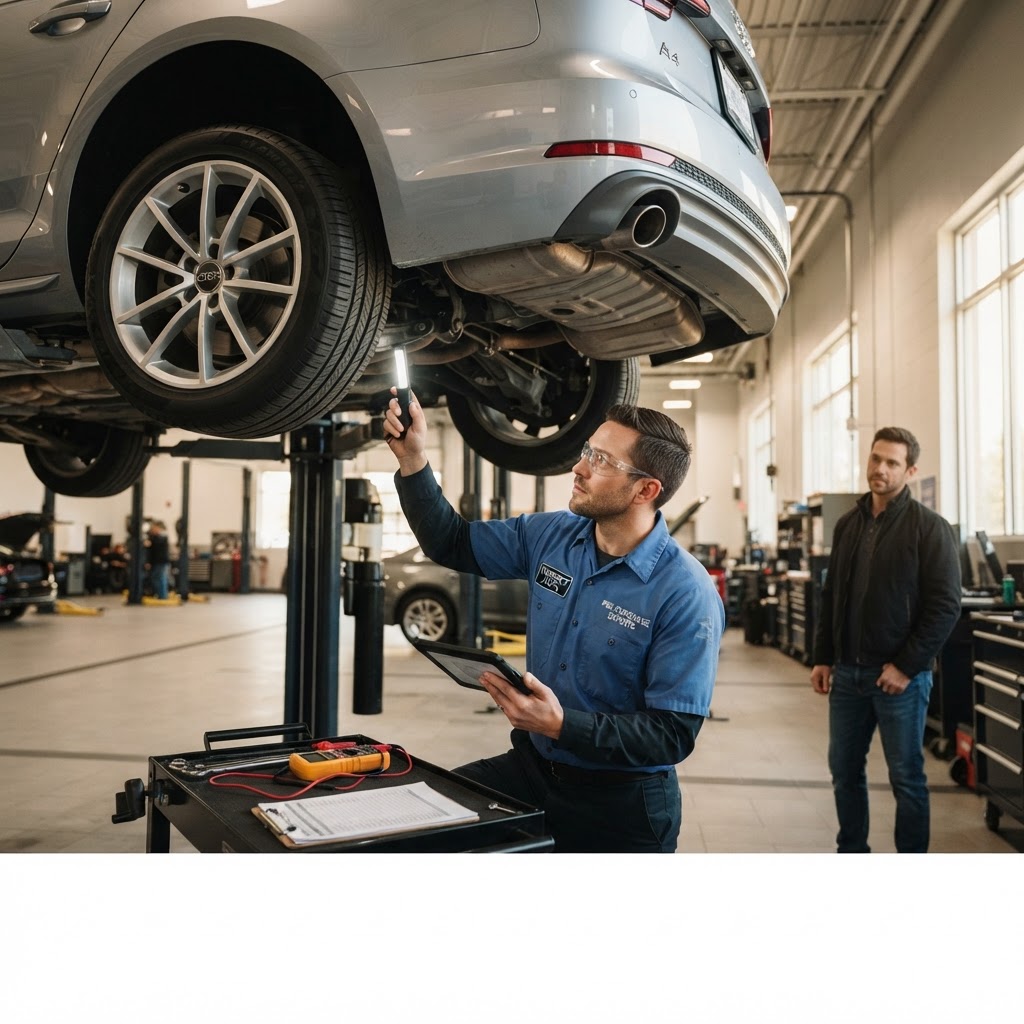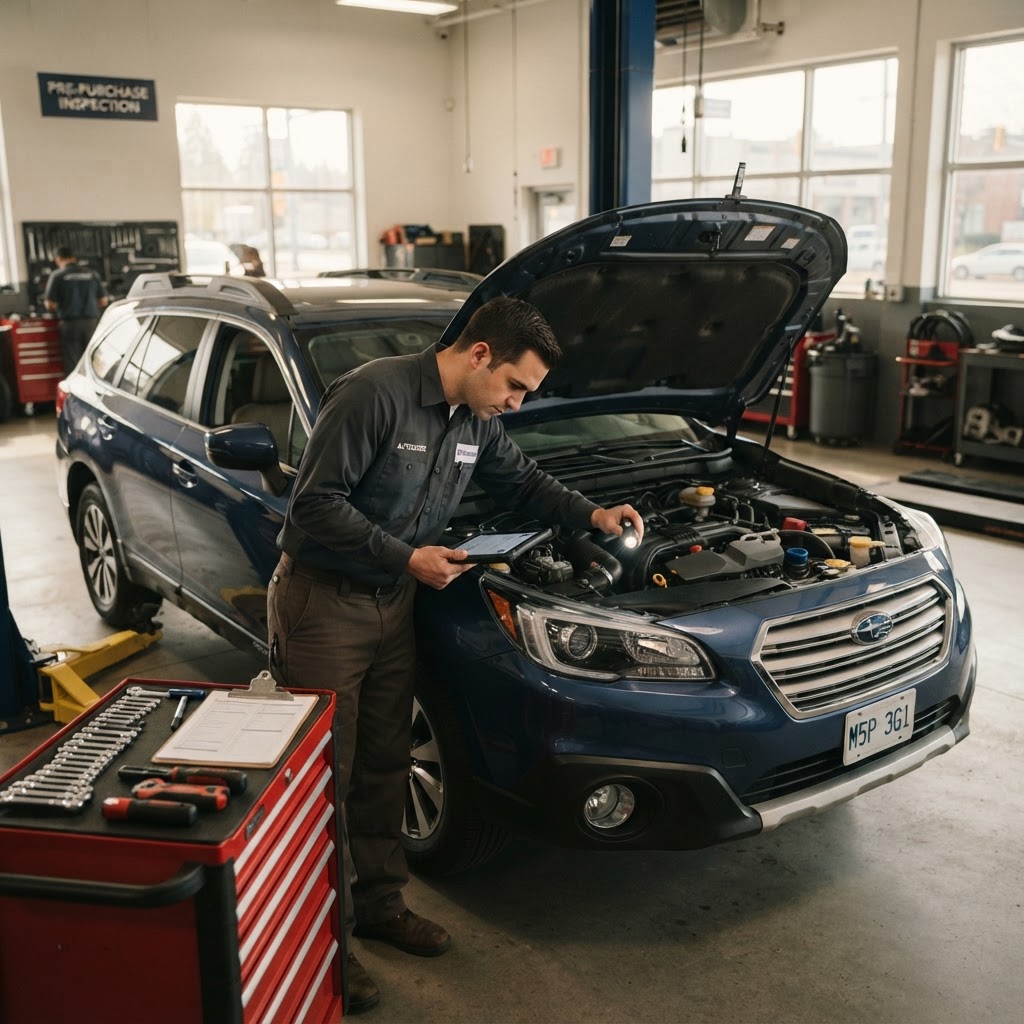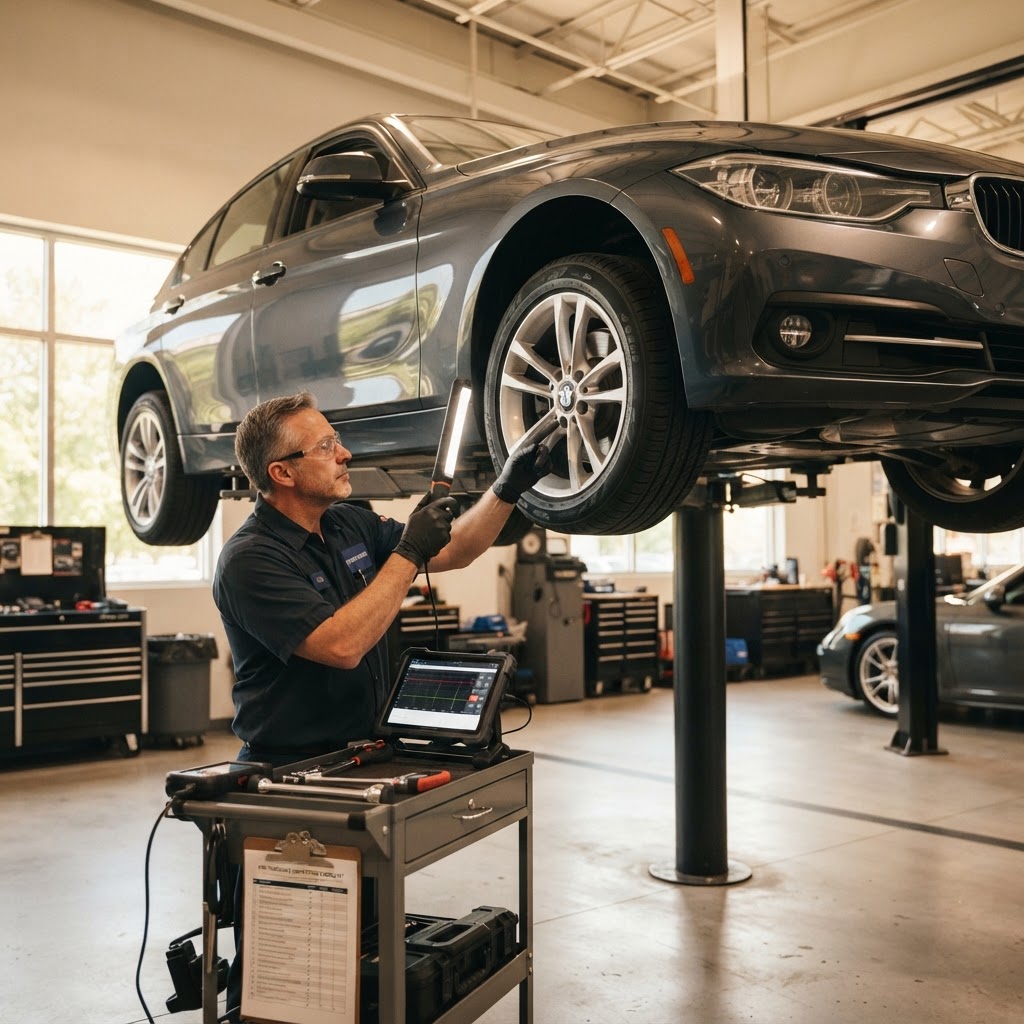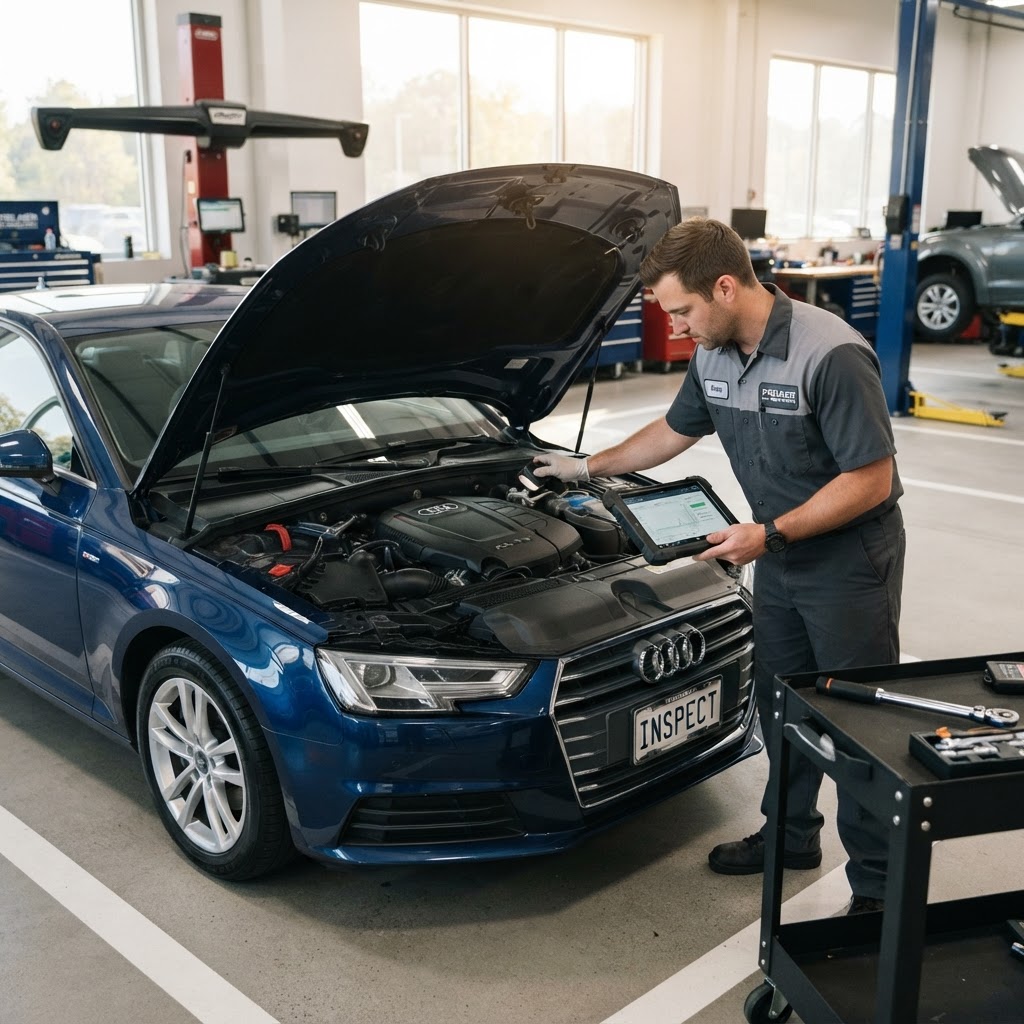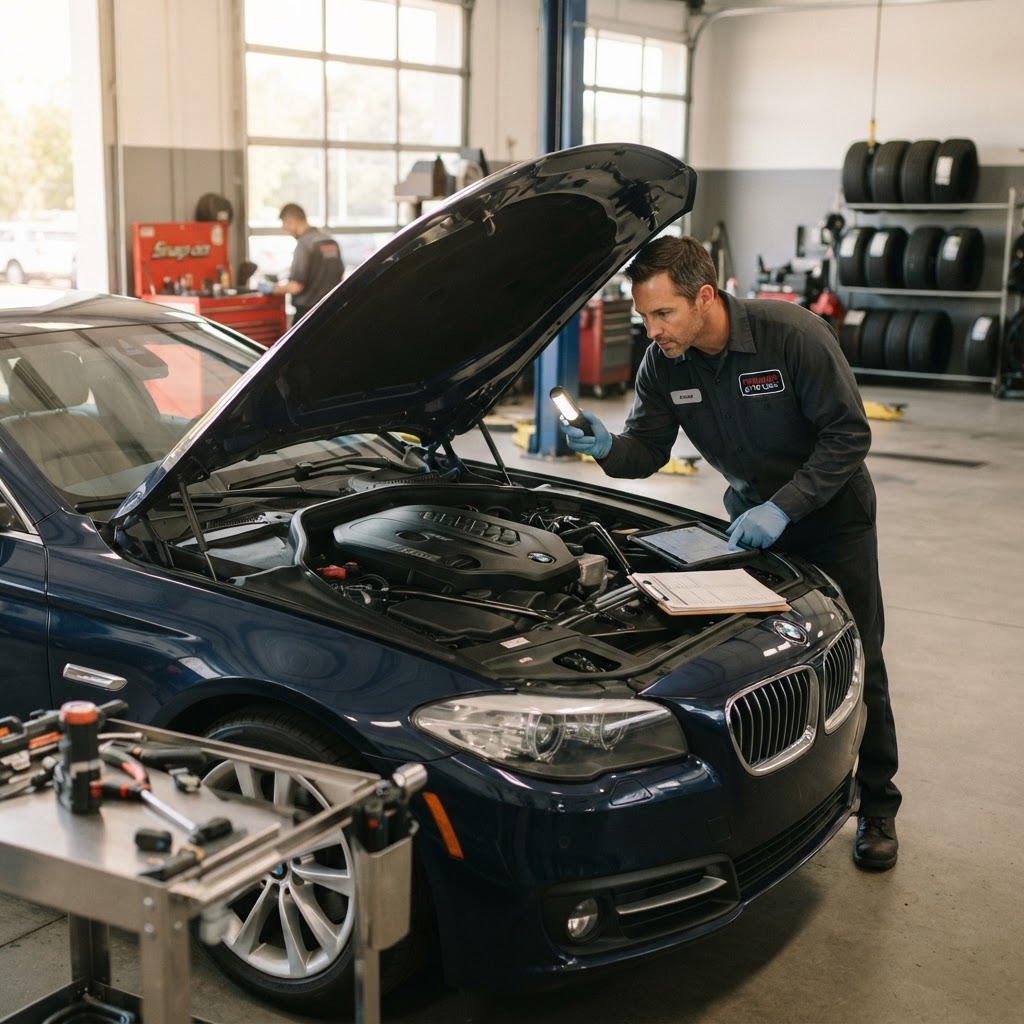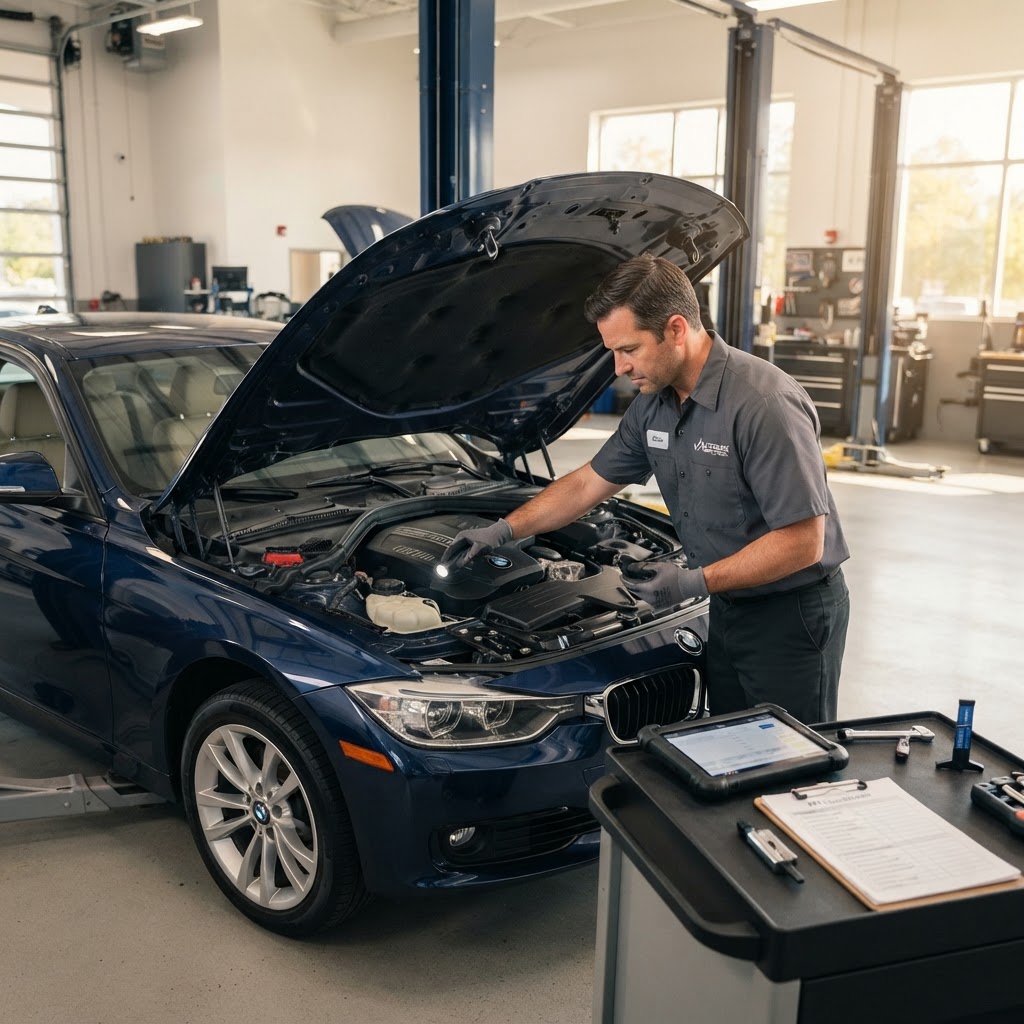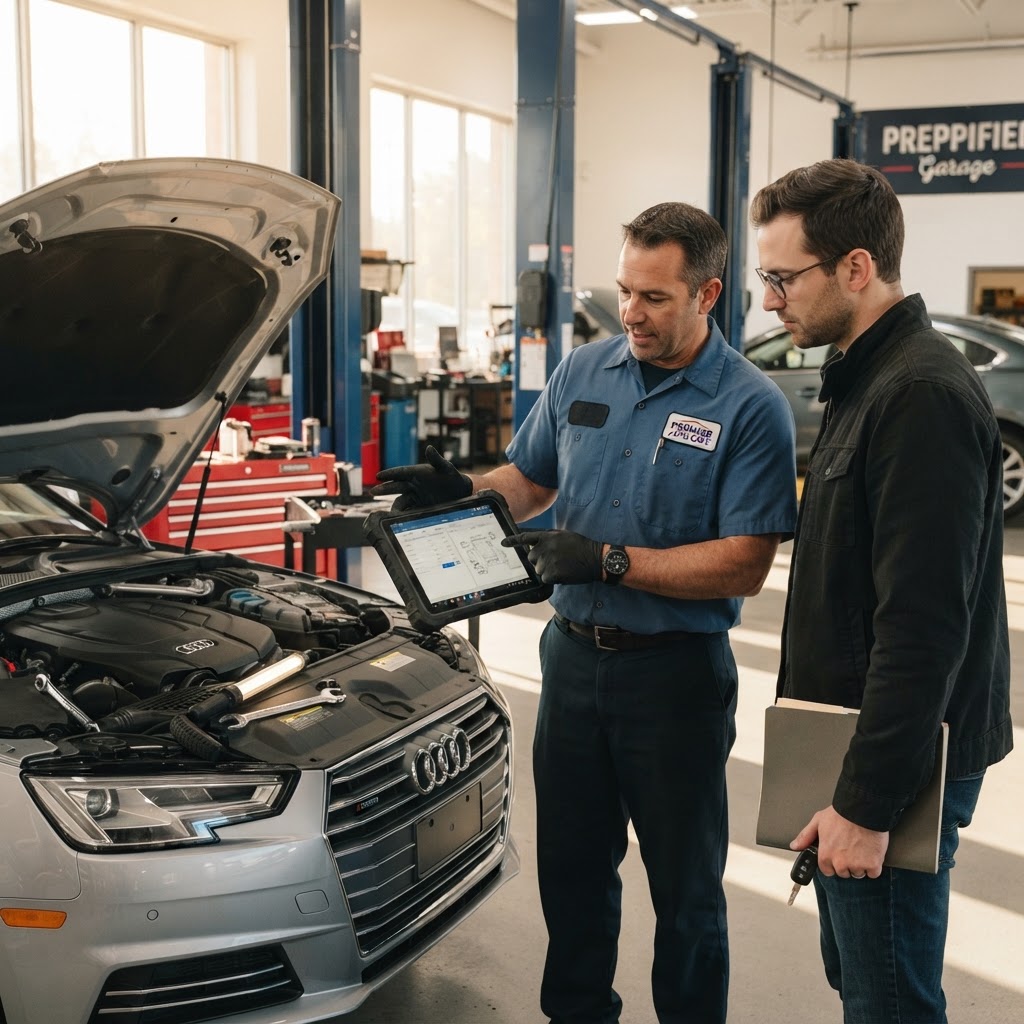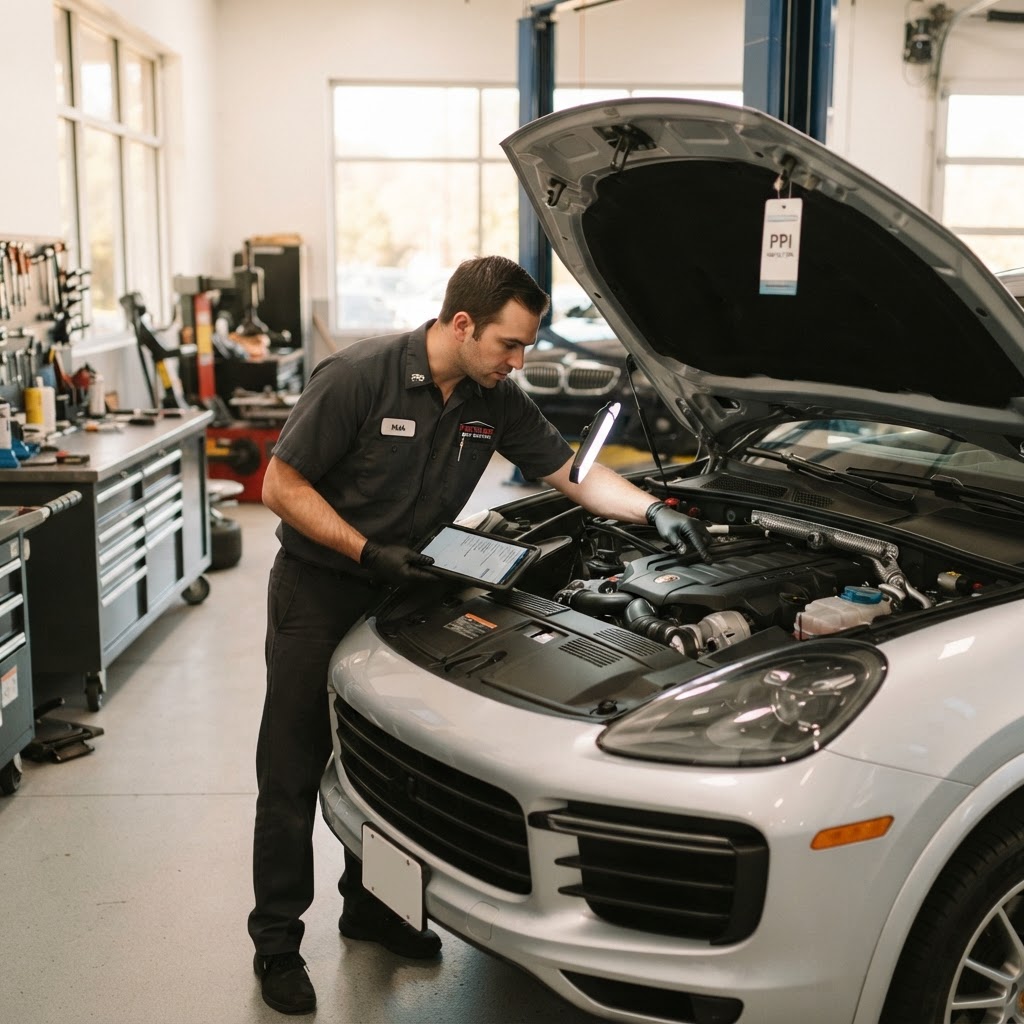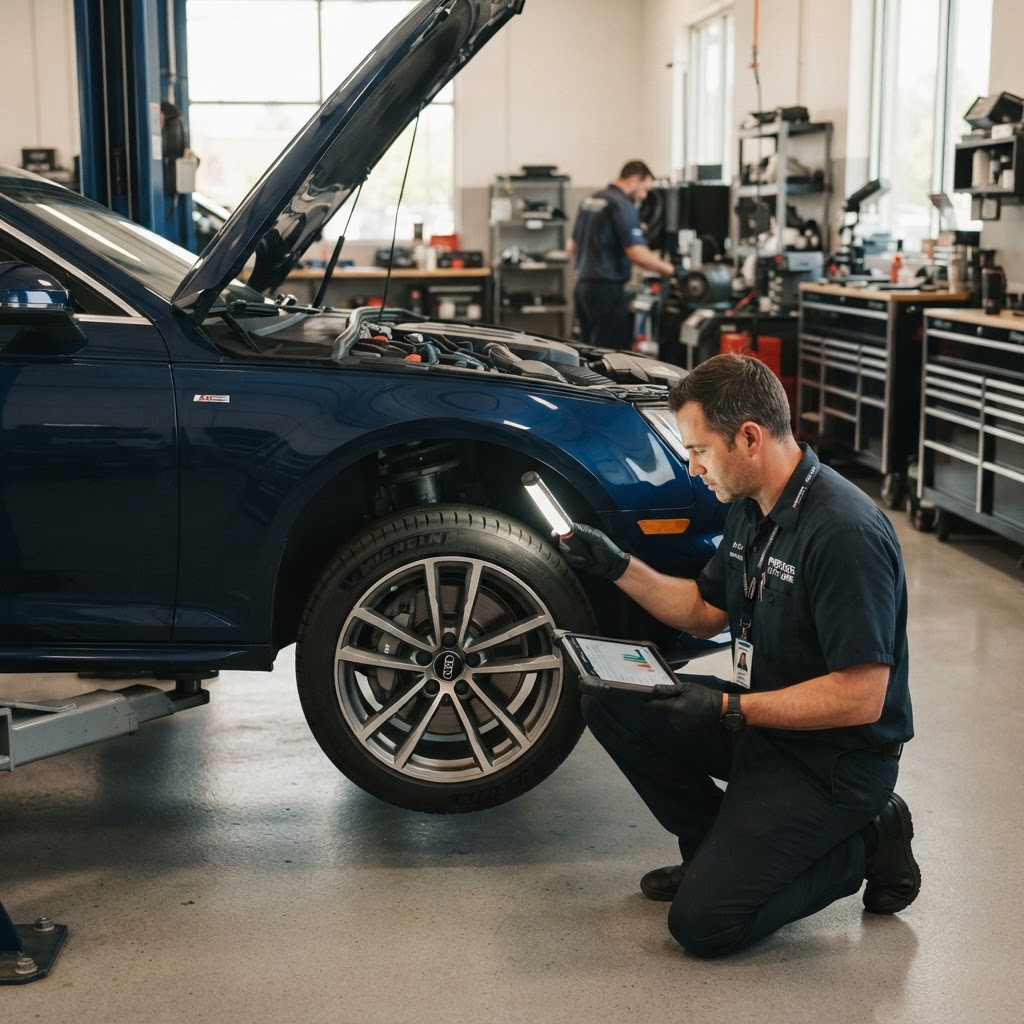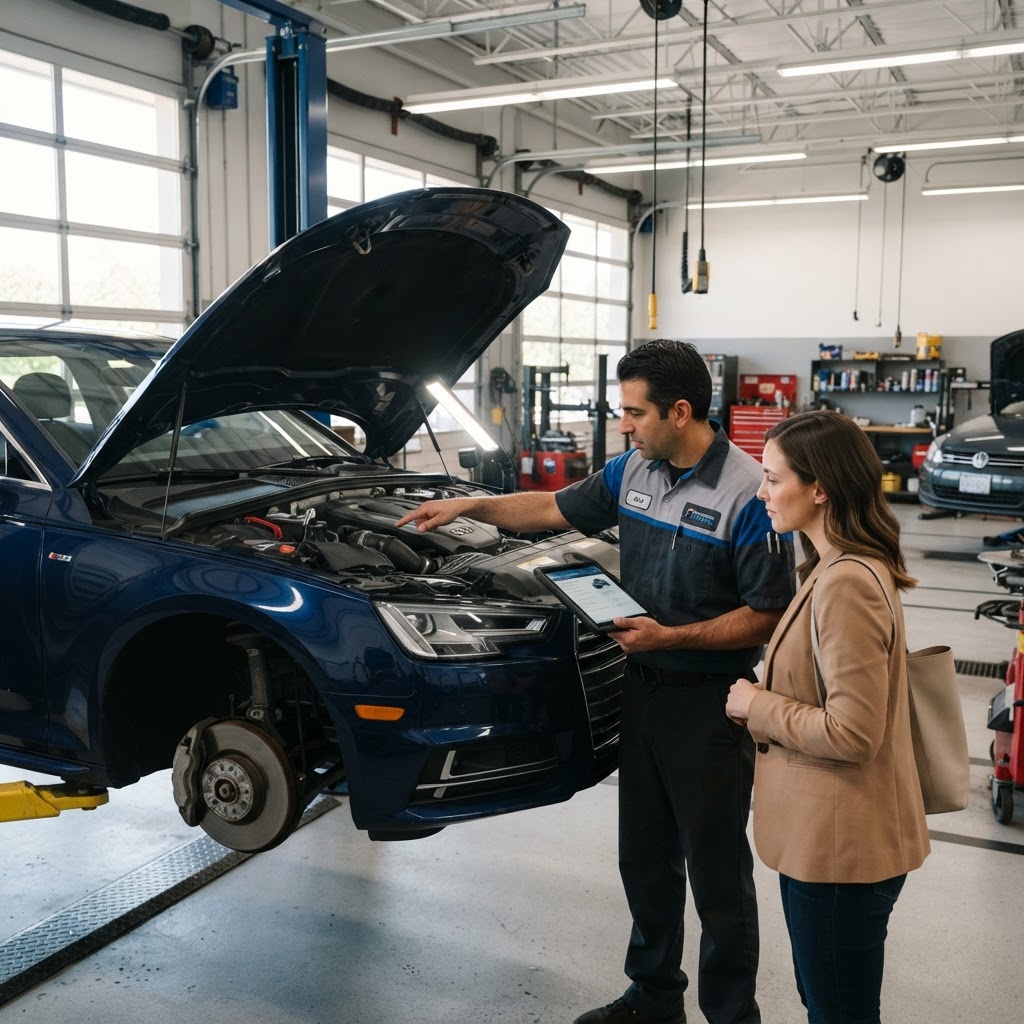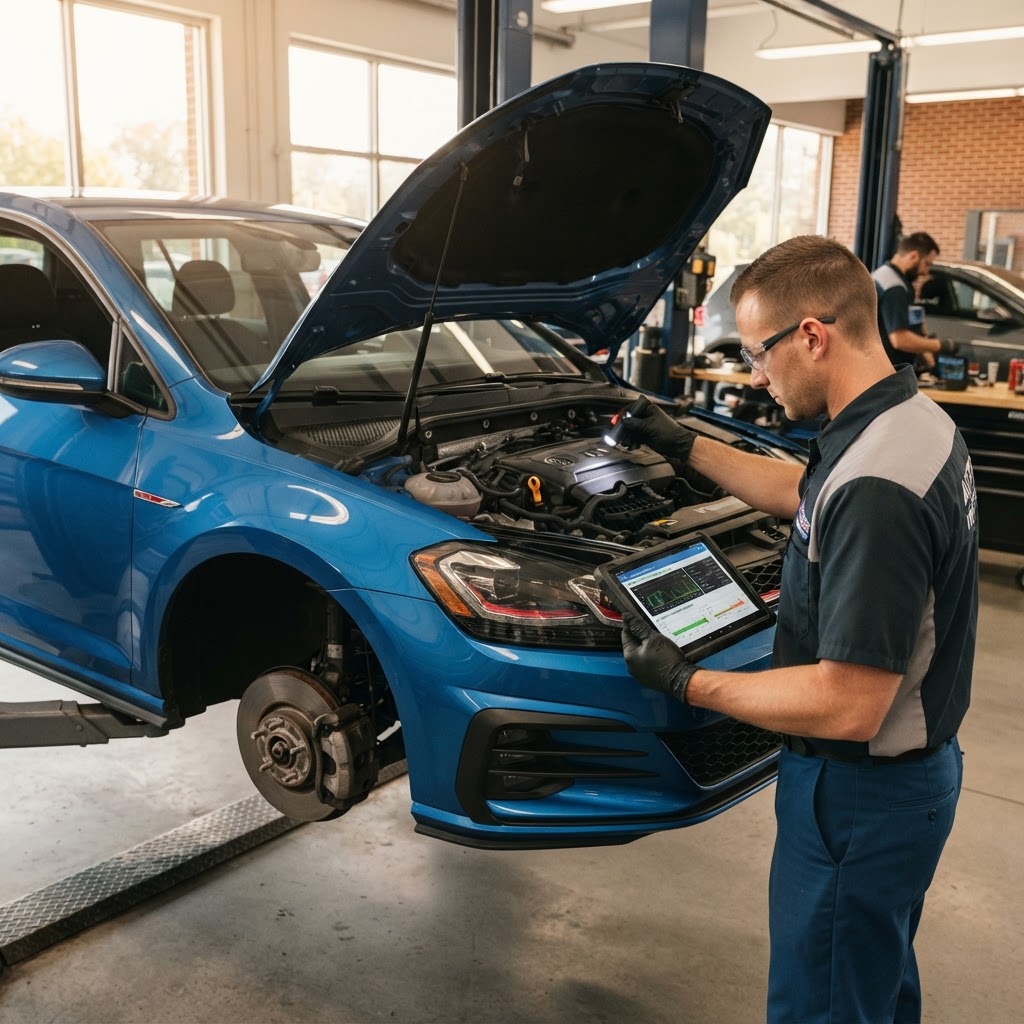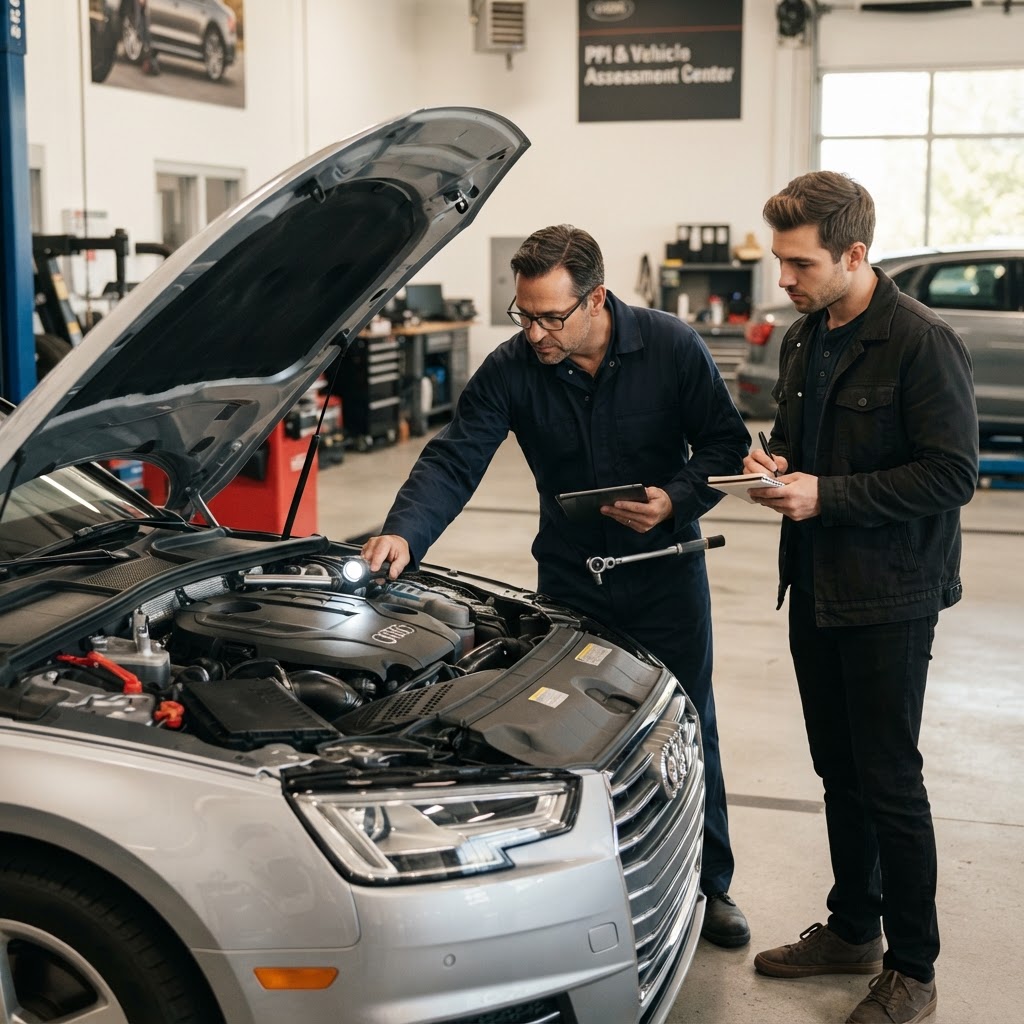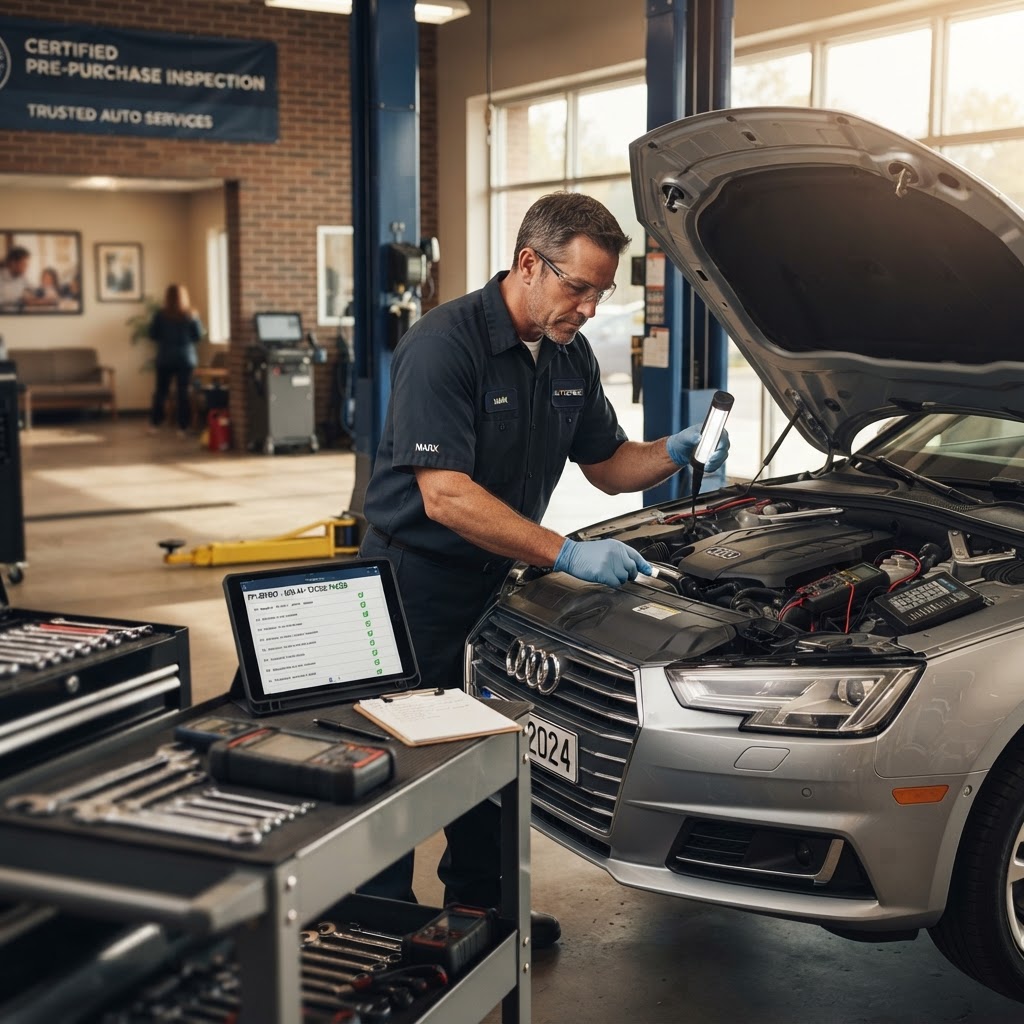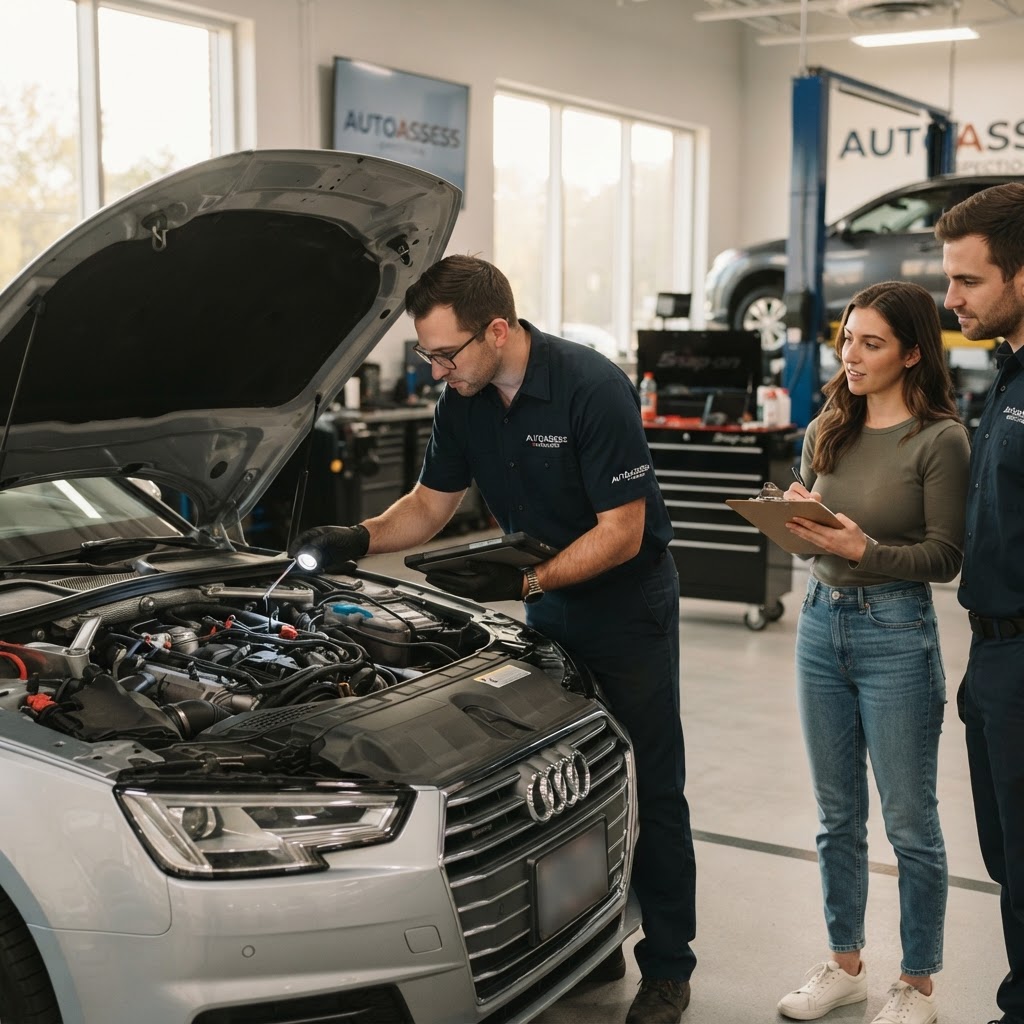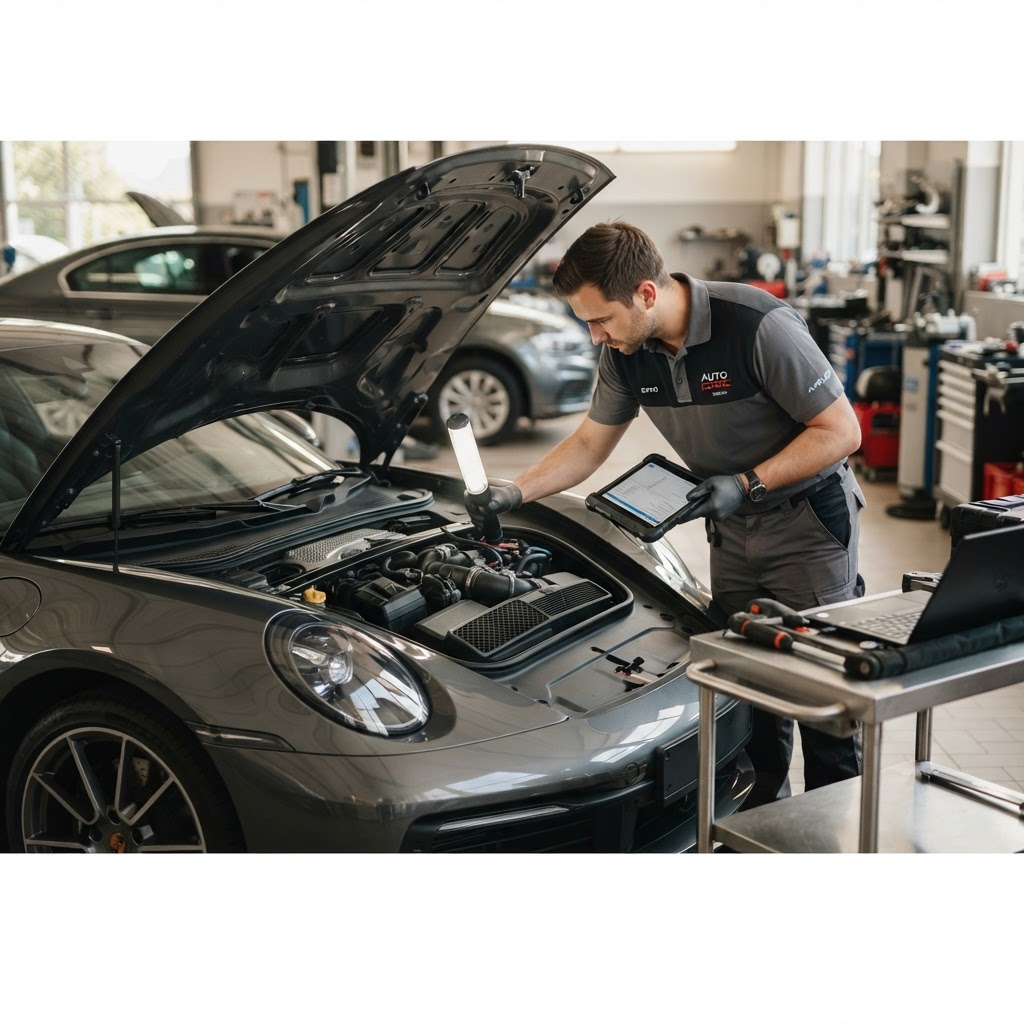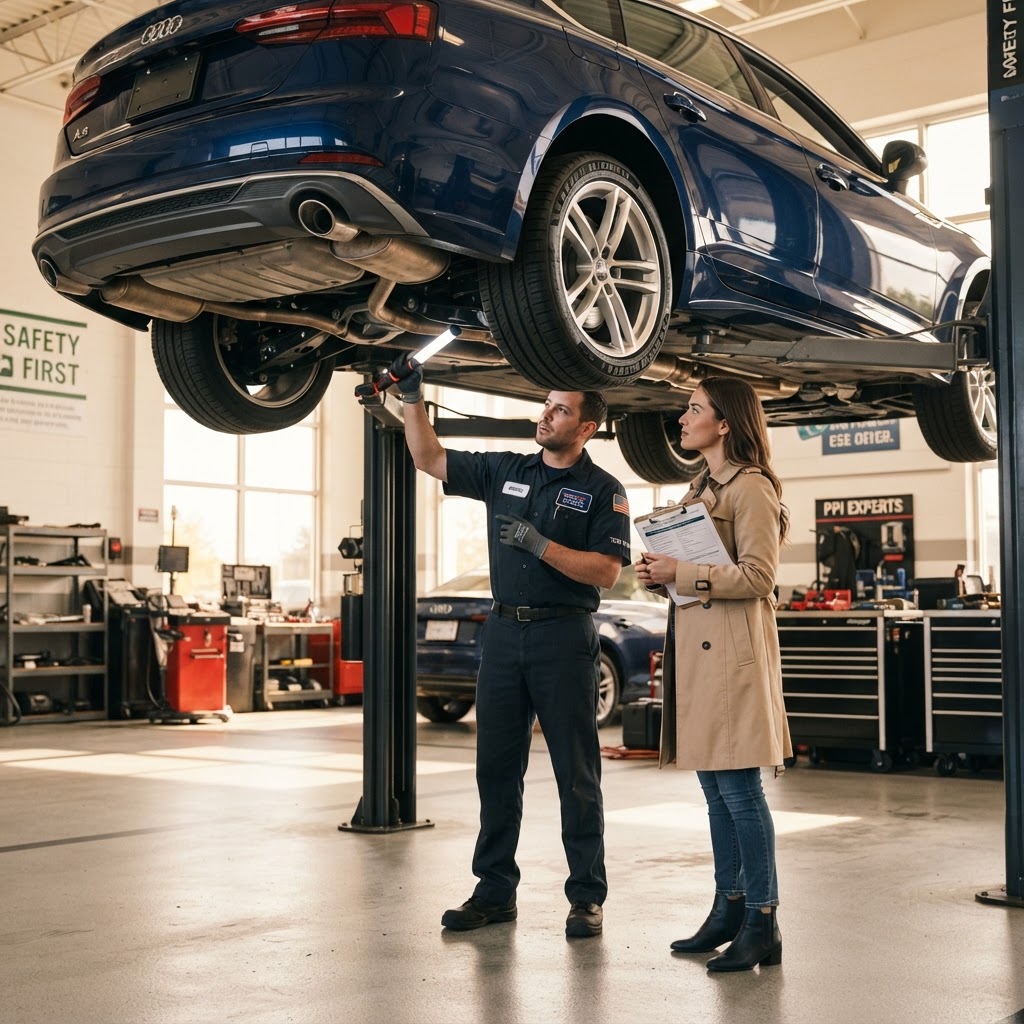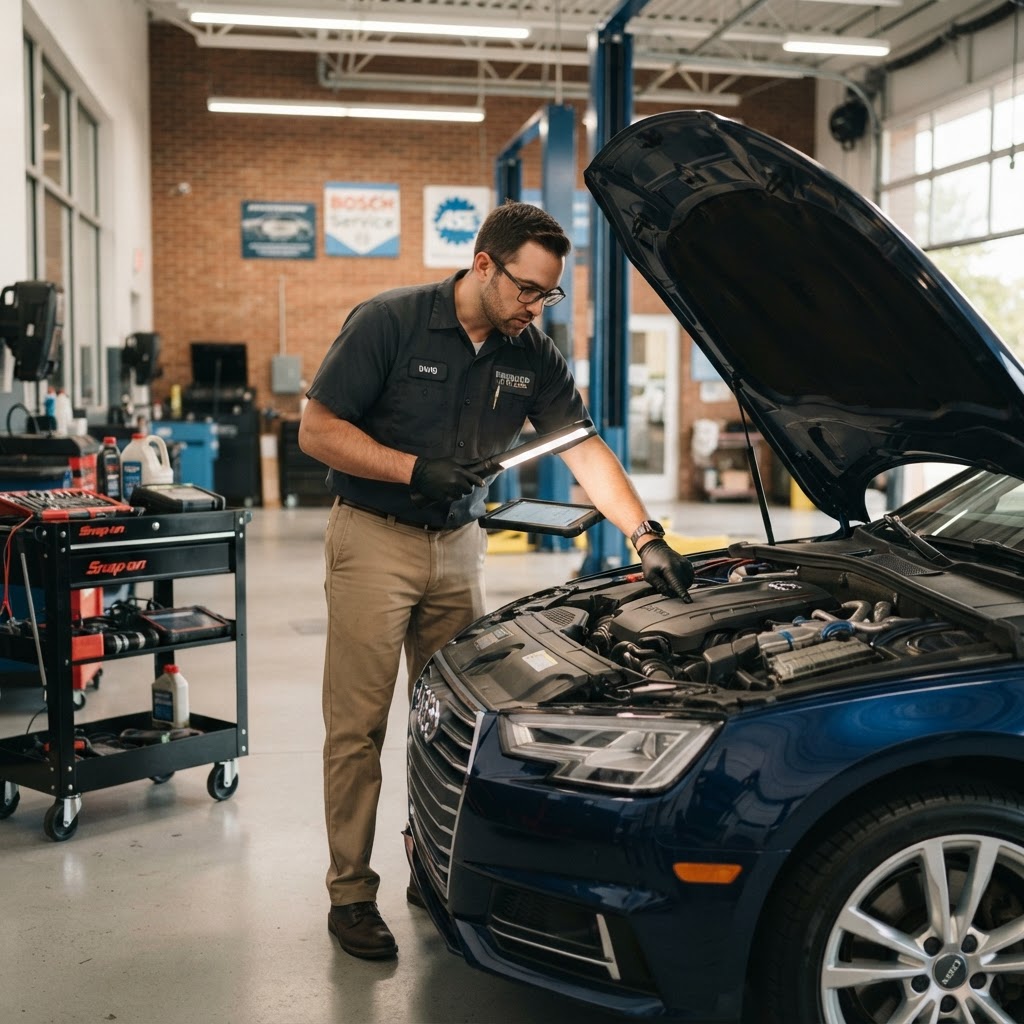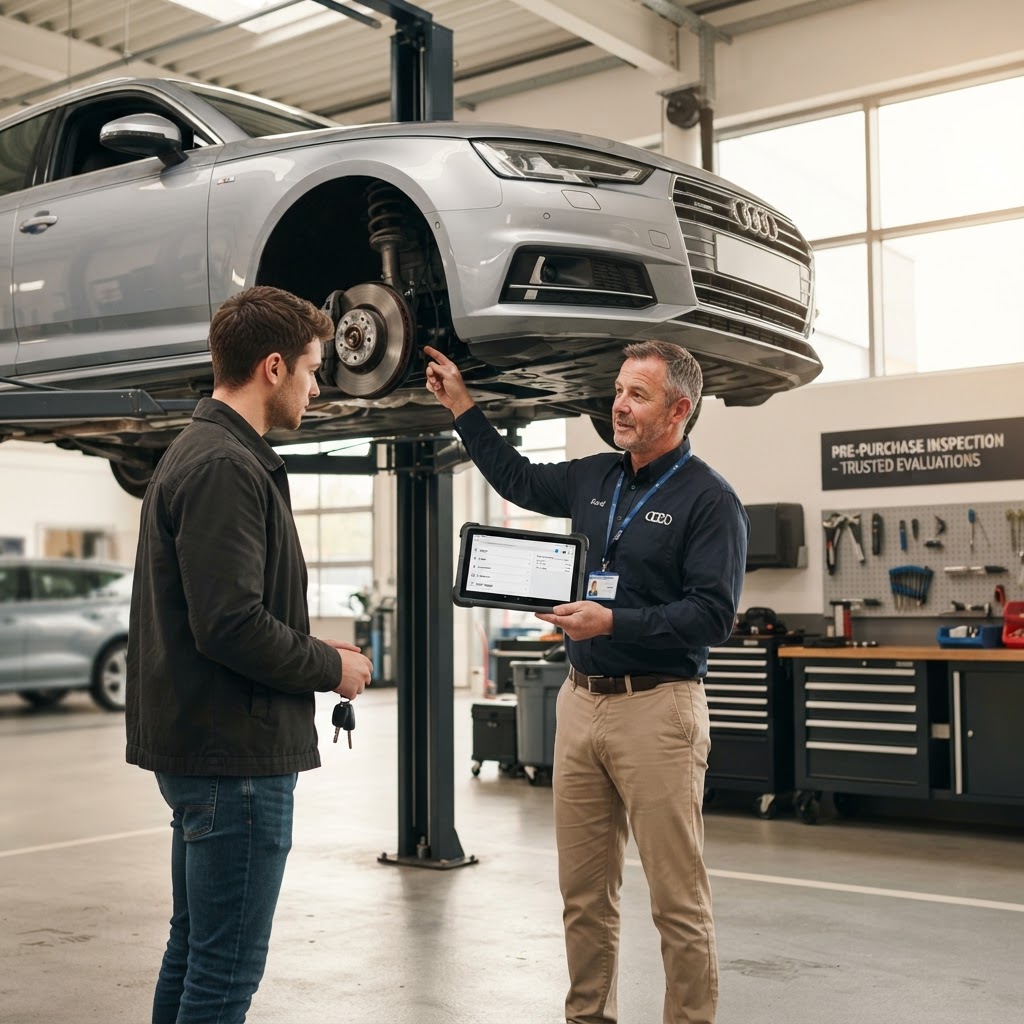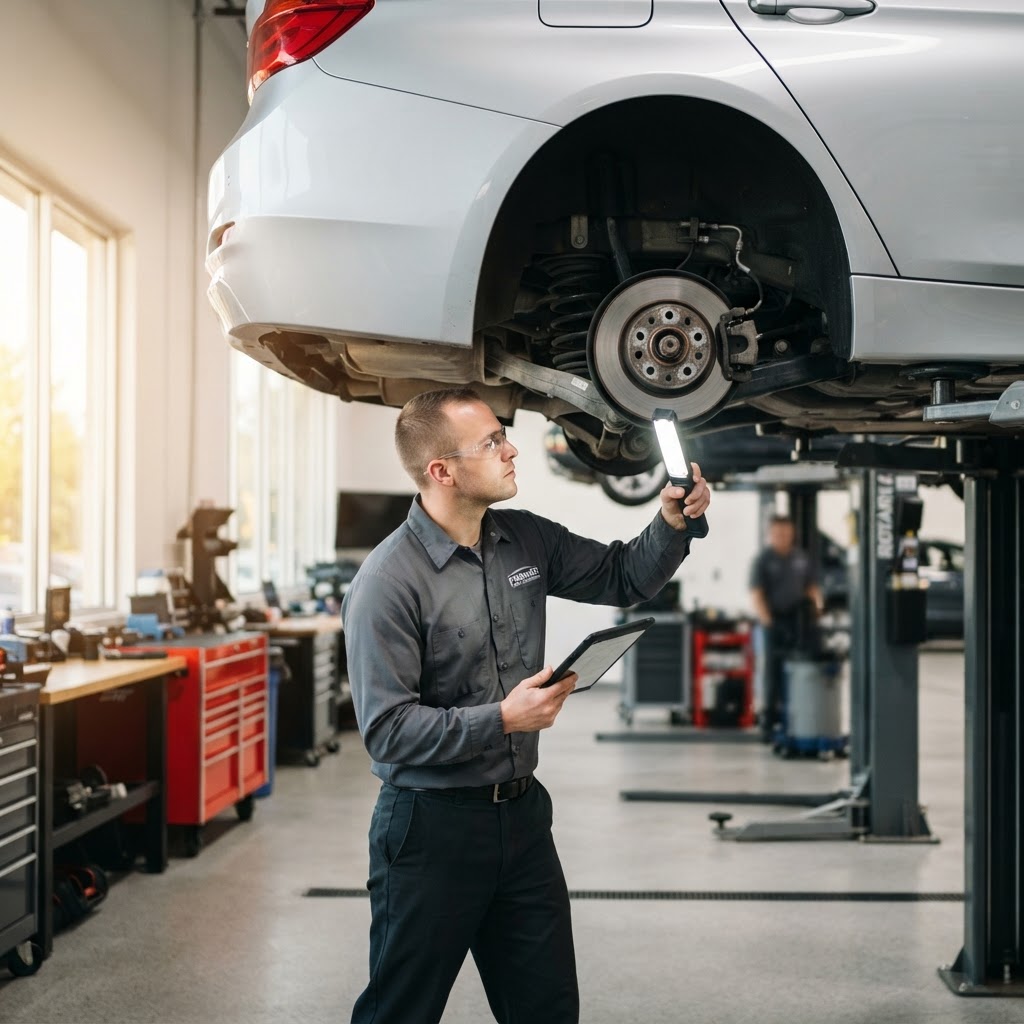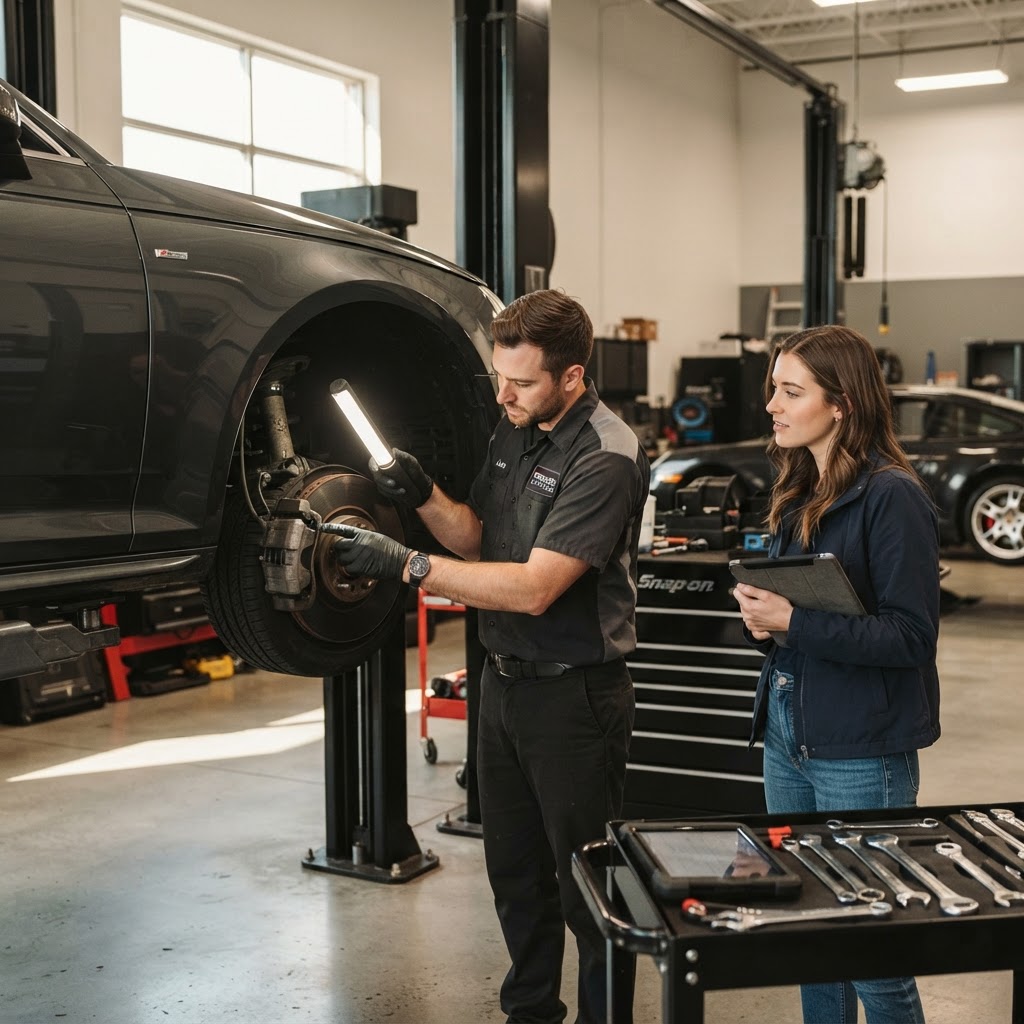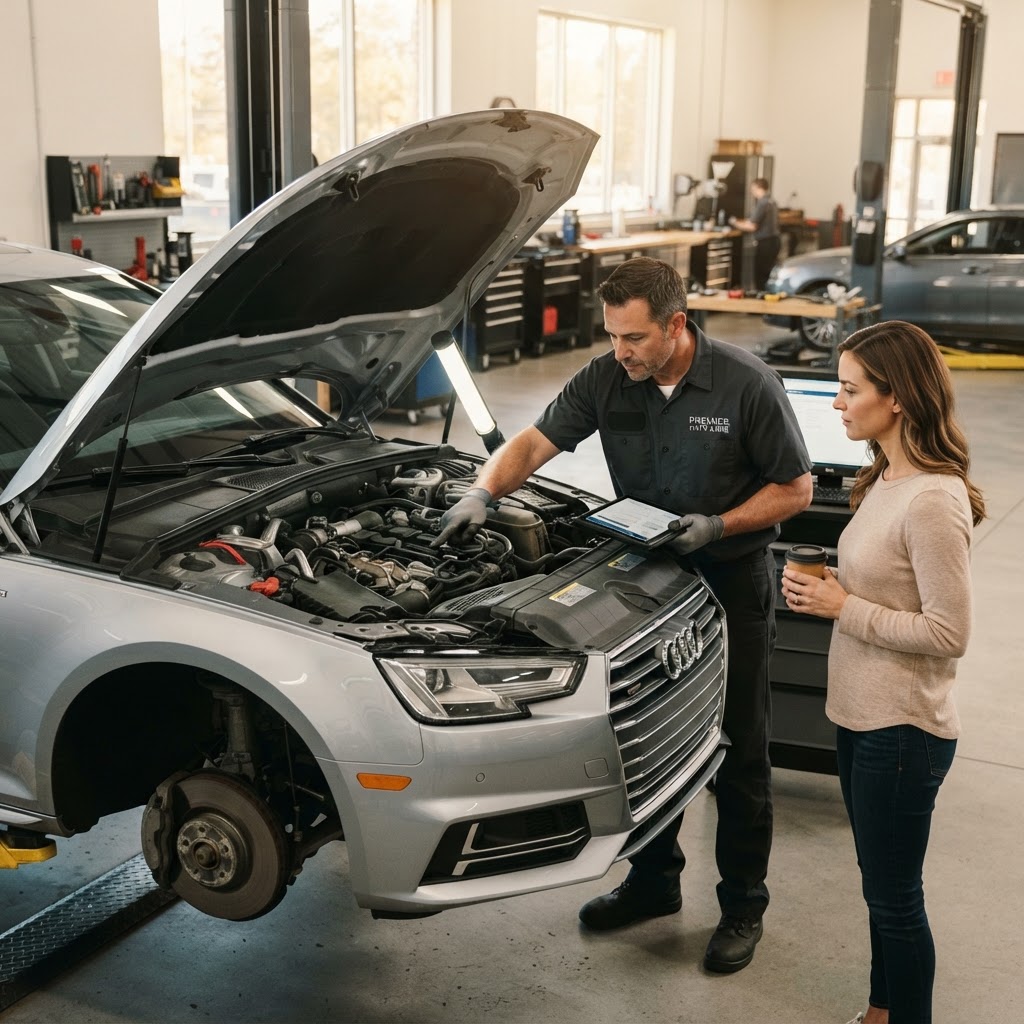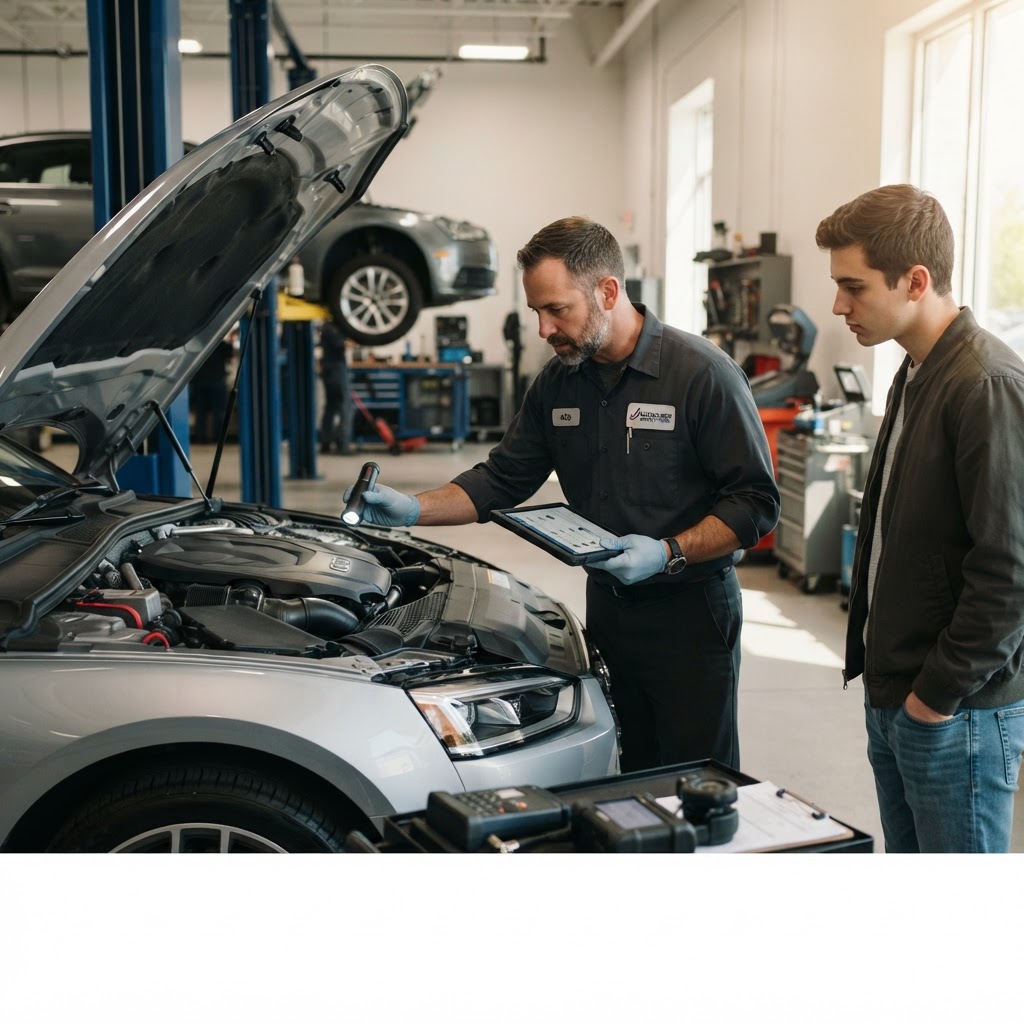
The gap between a seller’s asking price and an actual appraisal usually comes down to documentation, condition, and expectations. Most top car appraisal mistakes sellers make are not dramatic - they are small misses that add uncertainty for the appraiser and reduce buyer confidence.
When a vehicle is being priced for sale, appraisal is not just about mileage and model year. It is a condition-based valuation process shaped by service records, cosmetic defects, warning lights, prior damage, market timing, and how clearly the vehicle’s history can be verified. Sellers who treat appraisal like a quick price check often leave money on the table or create delays that could have been avoided.
Why appraisal errors cost more than sellers expect
A weak appraisal does not only lower a number on paper. It can slow down a sale, trigger more negotiation, and increase the chance that a buyer requests additional inspections before moving forward. For dealerships, fleets, and independent sellers, that creates operational drag. For private owners, it often means relisting, price reductions, or accepting a lower offer under pressure.
The common thread is risk. Appraisers and buyers assign lower value when they cannot verify condition with confidence. Clear records and consistent presentation reduce uncertainty. Missing information does the opposite.
Top car appraisal mistakes sellers make before pricing the vehicle
One of the most common mistakes is using online listing prices as if they were confirmed market values. Asking prices are not selling prices, and they do not reflect reconditioning needs, transport damage, title issues, or deferred maintenance. A seller may see similar vehicles listed high and assume the same value applies, even when the comparison units have lower mileage, better trim packages, cleaner history reports, or stronger service documentation.
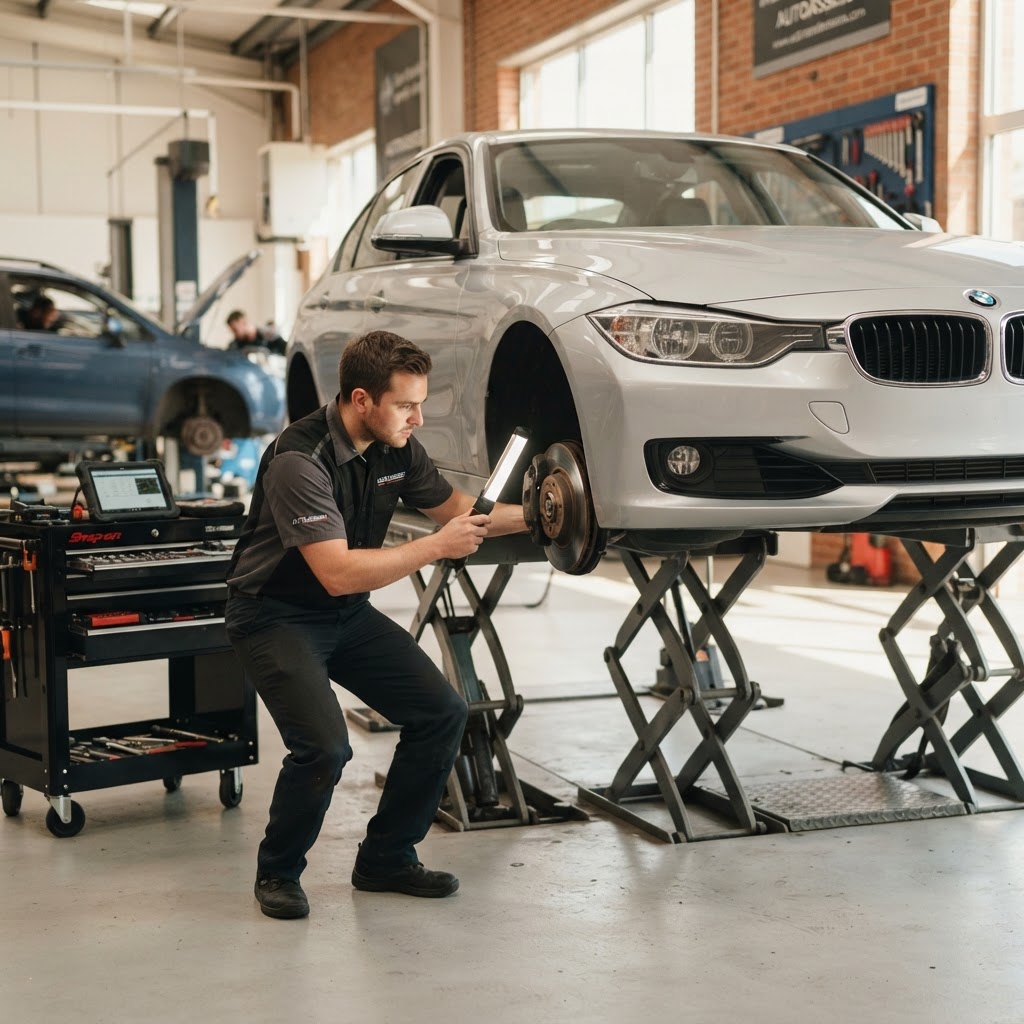
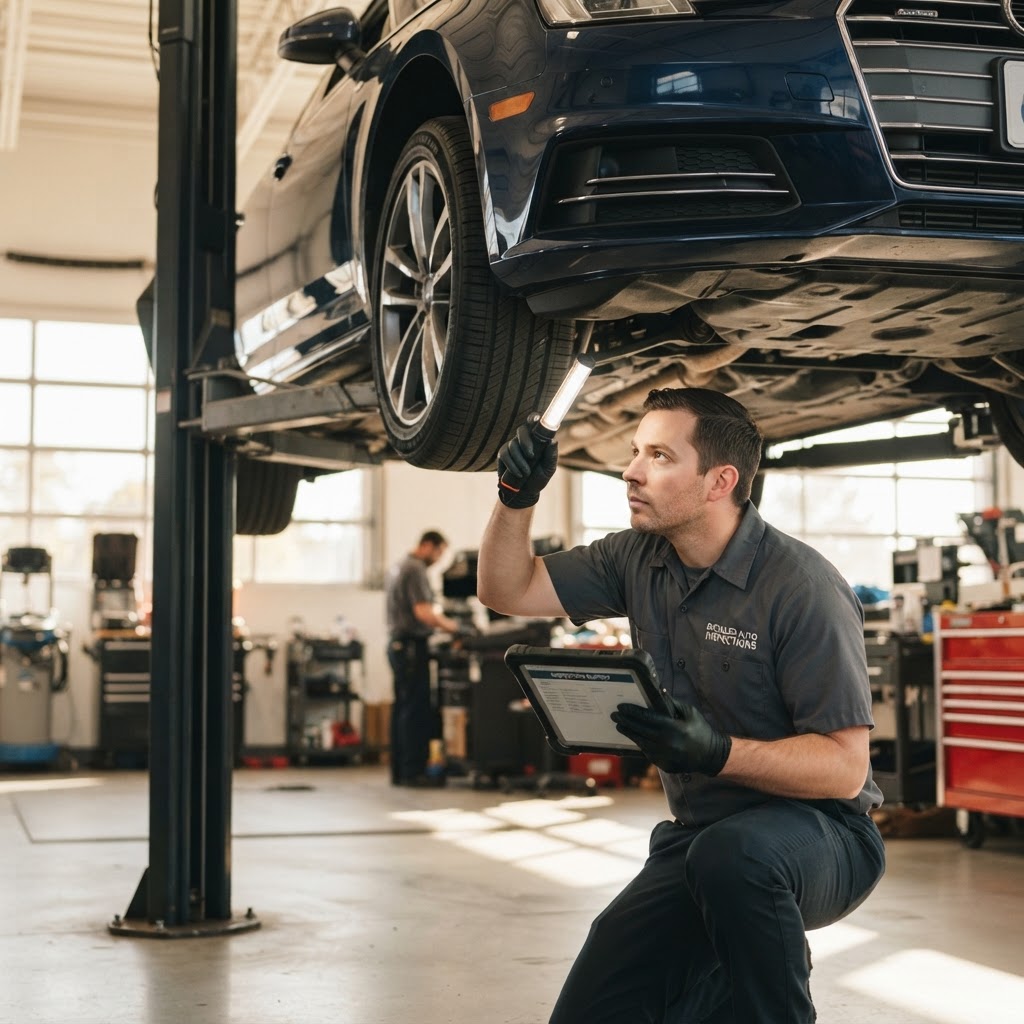
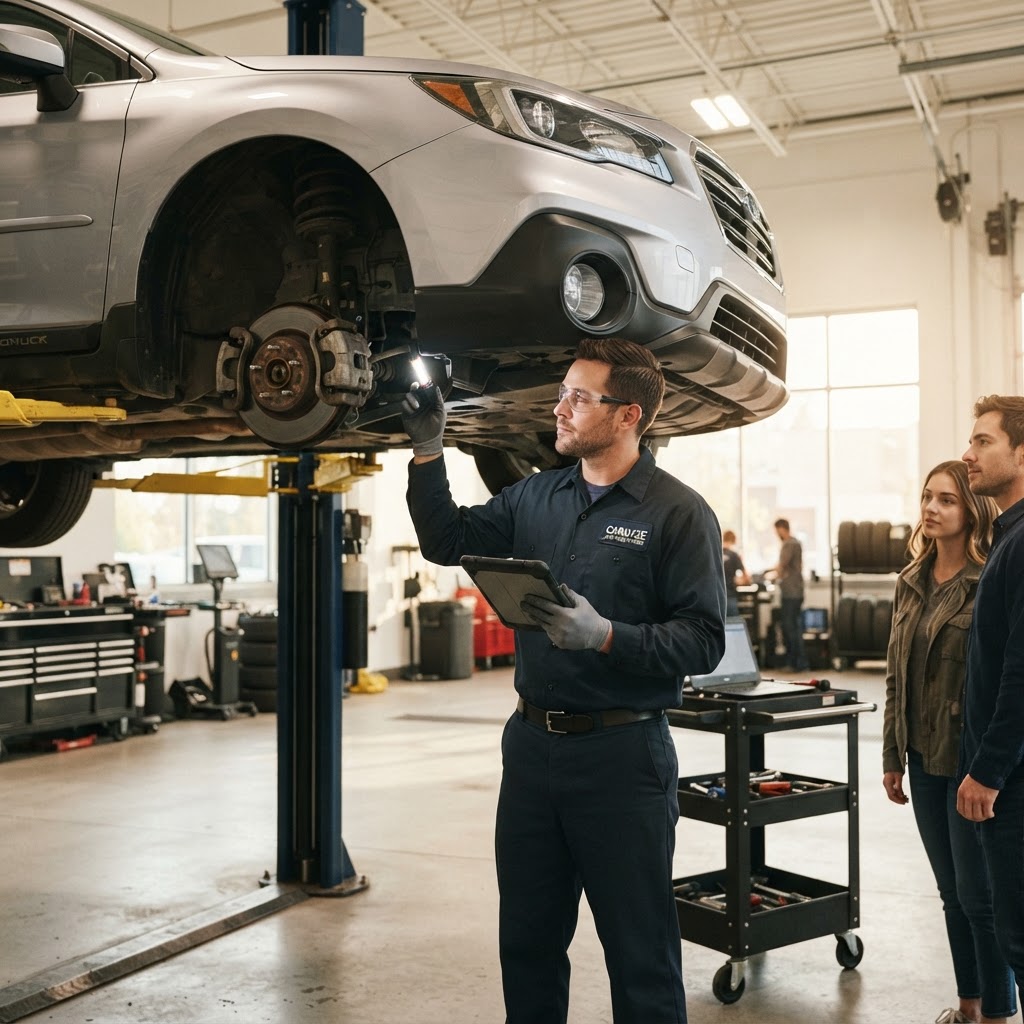
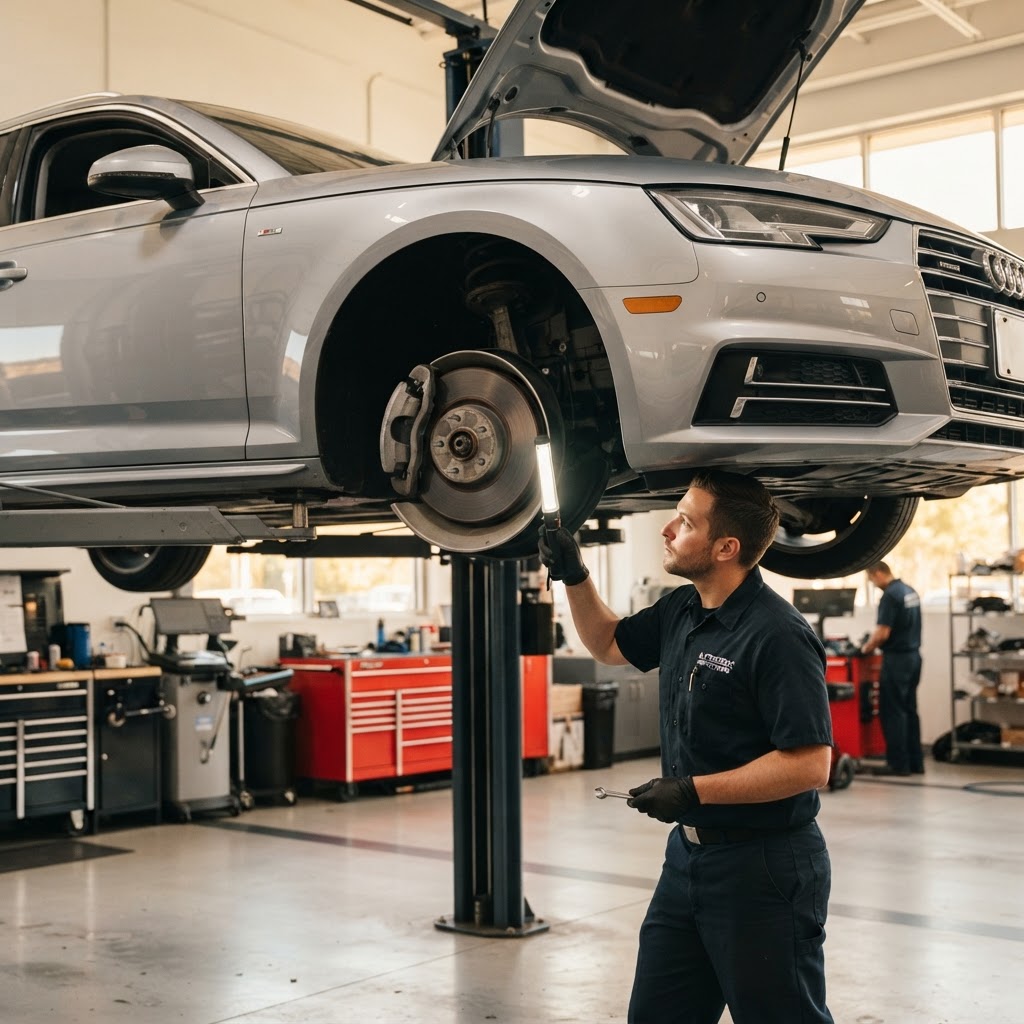
Another frequent mistake is skipping pre-sale condition review. Sellers often assume they already know the vehicle well because they have driven it for years. Familiarity is not the same as an objective assessment. Tire wear, small paintwork issues, fluid seepage, windshield chips, interior odor, and electronic faults all affect value. If those issues show up during appraisal but were not anticipated by the seller, the pricing discussion becomes reactive instead of controlled.
Maintenance records are another major factor. A car may have been serviced properly, but if there is no organized documentation, the appraiser has less evidence to support that claim. This matters most on vehicles where maintenance history strongly influences value, such as luxury cars, performance models, diesel trucks, and higher-mileage fleet units. Verbal reassurance rarely carries the same weight as invoices, dealership records, or a documented service timeline.
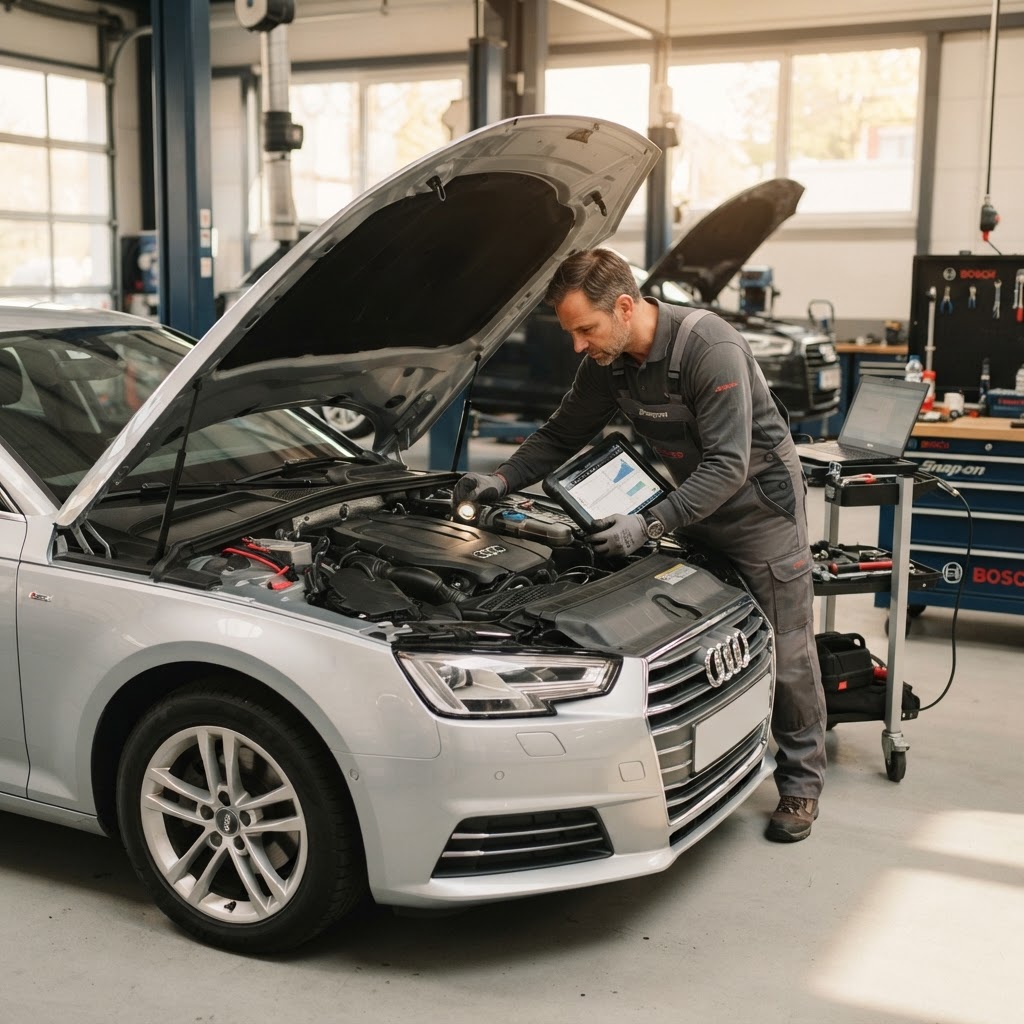
Sellers also make the mistake of ignoring warning lights because the car still feels drivable. A check engine light, airbag light, ABS alert, or TPMS fault introduces questions beyond the immediate repair cost. It raises concern about whether other systems have been neglected or whether diagnostic work has been postponed. Even minor unresolved alerts can affect how an appraiser scores the vehicle.
Condition reporting mistakes that lower appraisal value
Cosmetic issues are often underestimated. Sellers tend to focus on whether the vehicle runs well, while appraisers evaluate the full package a buyer will see. Paint scratches, curb rash, cracked trim, stained upholstery, torn seat bolsters, headliner sag, and smoke odor all change perceived condition. Some defects are inexpensive to fix. Others are not. The problem is not always the severity of one issue, but the accumulation of several visible issues that suggest weak upkeep.
Cleanliness also influences results more than many sellers expect. A dirty vehicle does not automatically mean poor mechanical condition, but it makes inspection harder and weakens presentation. If the trunk is full, the interior is cluttered, or the engine bay is heavily soiled, the appraiser may need more time to verify condition. That added friction works against the seller.
There is also a difference between cleaning and concealing. Fresh detailing helps. Trying to hide defects does not. Wet tires, heavy fragrance, recently cleared fault codes, or selective photo angles can create doubt if the condition does not match the presentation. Once trust drops, value usually follows.
Undisclosed damage history is another serious issue. Some sellers assume older repairs no longer matter if the car looks fine now. In reality, prior collision repairs, paintwork, frame concerns, or replaced panels can still affect market value. The better approach is to disclose what happened and support it with repair documentation when available. A documented repair history is far easier to work with than a surprise discovered during inspection.
Mistakes sellers make when timing and market conditions change
Appraisal is tied to market timing, but many sellers price based on what the car was worth months ago. Used vehicle demand moves with seasonality, fuel prices, inventory levels, interest rates, and local market conditions. Trucks, EVs, hybrids, and convertibles can all shift in value for reasons that have little to do with the individual vehicle.
Waiting too long to sell can also create value loss beyond normal depreciation. If tires are near the end of life, registration is close to expiration, scheduled service is due, or cosmetic issues are getting worse, delay has a measurable cost. Sellers sometimes hold out for a peak number while the vehicle itself is aging into a lower bracket.
Mileage timing matters too. Crossing a major mileage threshold can affect appraisal outcomes. A vehicle approaching 60,000, 100,000, or 150,000 miles may appraise differently before and after that point, especially if there are pending service items tied to those intervals.
Documentation mistakes professionals notice immediately
Title and ownership issues can disrupt appraisal faster than condition problems. If the title is branded, there is an open lien, names do not match, or payoff details are unclear, value discussions become more complicated. Buyers and dealers do not want process uncertainty attached to a vehicle transaction.
Missing keys are another avoidable problem. On newer vehicles, replacing smart keys or programming additional fobs can be expensive. If a seller presents only one key when two originally came with the vehicle, the appraiser will often factor that into value.
Factory equipment and options should also be verified, not assumed. Sellers sometimes advertise trim features that are not actually present, or they forget to mention premium packages that do support value. Window stickers, build sheets, and VIN-based equipment verification help keep appraisal accurate.
For business sellers, poor internal recordkeeping creates the same issue at scale. If a dealership, fleet manager, or remarketing team cannot quickly produce service history, damage records, and status notes, unit valuation slows down and consistency suffers. This is where process matters. Structured inspections and organized reporting create a more defensible appraisal position.
How to avoid the top car appraisal mistakes sellers make
The most effective approach is simple: prepare the vehicle the way an appraiser will evaluate it. Start with condition, not price. Review the exterior, interior, tires, glass, lights, warning indicators, and basic mechanical operation. Gather service records, repair invoices, title information, payoff details, manuals, spare keys, and any documents that explain prior work.
If there are minor defects with clear repair value, decide whether fixing them makes financial sense before listing. It depends on the vehicle class and the issue itself. A windshield chip, dead battery, worn wipers, or basic detailing may improve presentation enough to justify the cost. Major repairs are less automatic. Replacing a transmission or correcting extensive body damage right before sale may not return full value. The key is knowing which issues create confidence and which simply create expense.
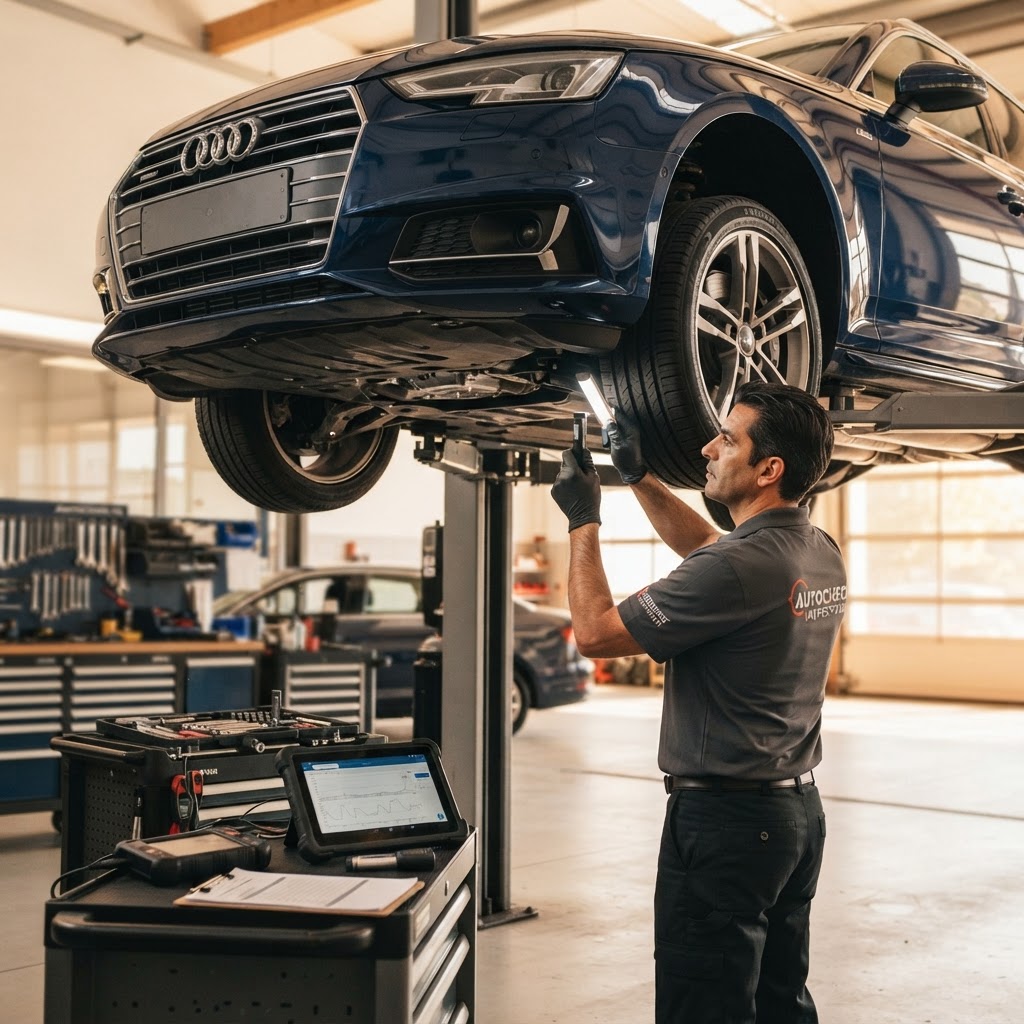
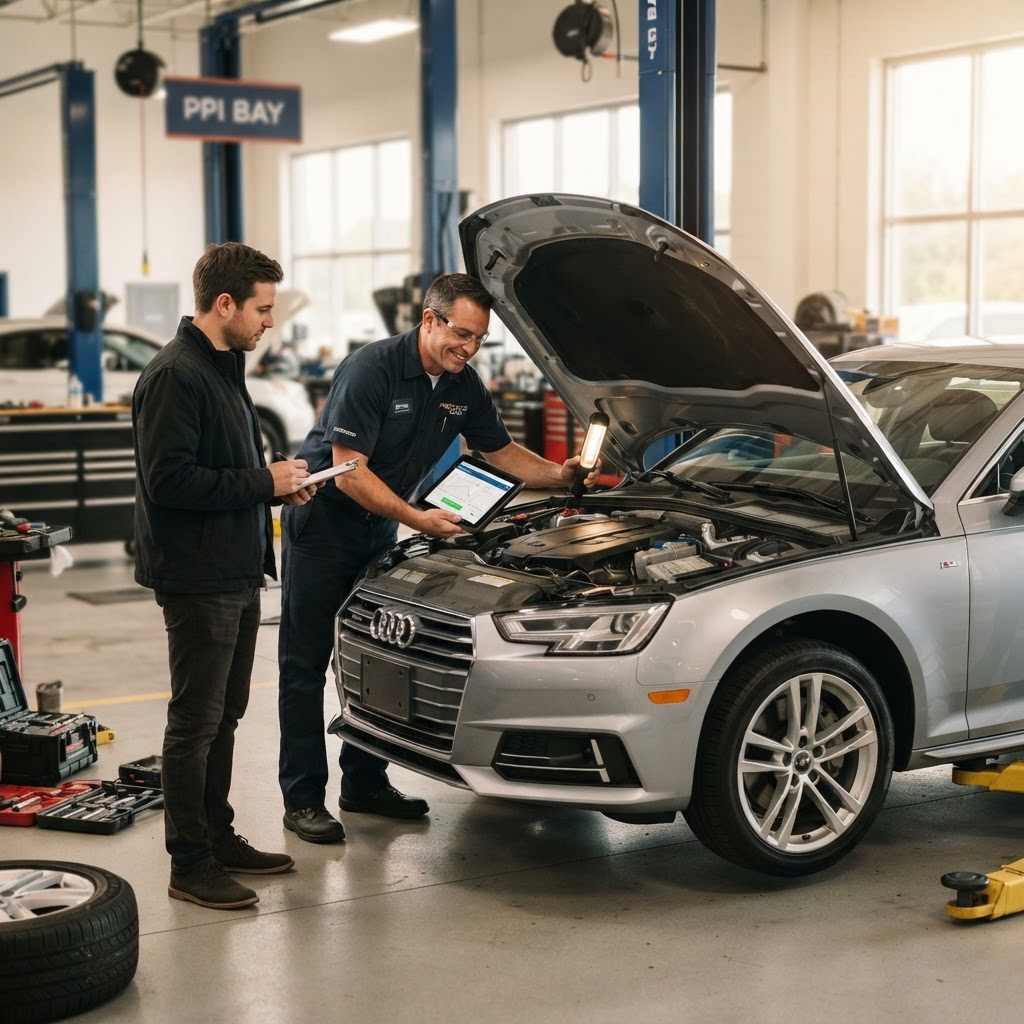
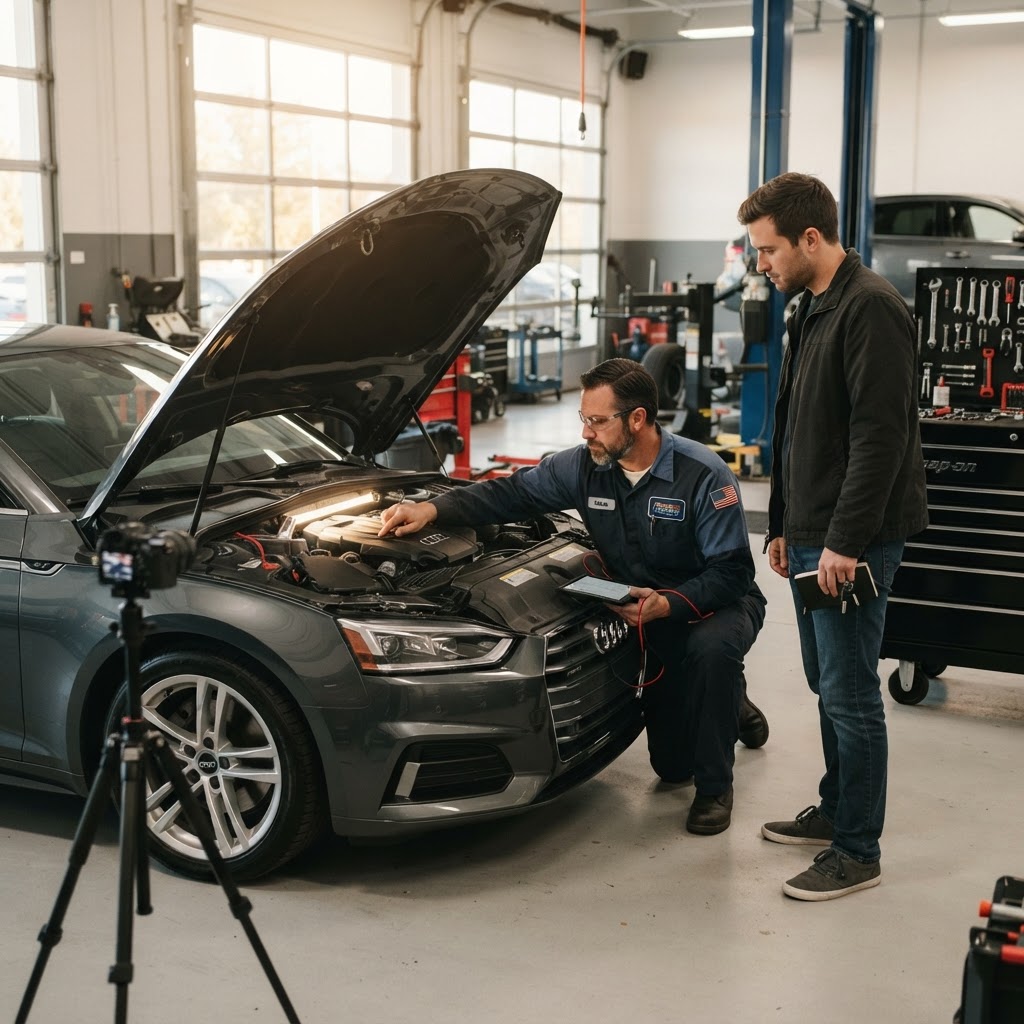
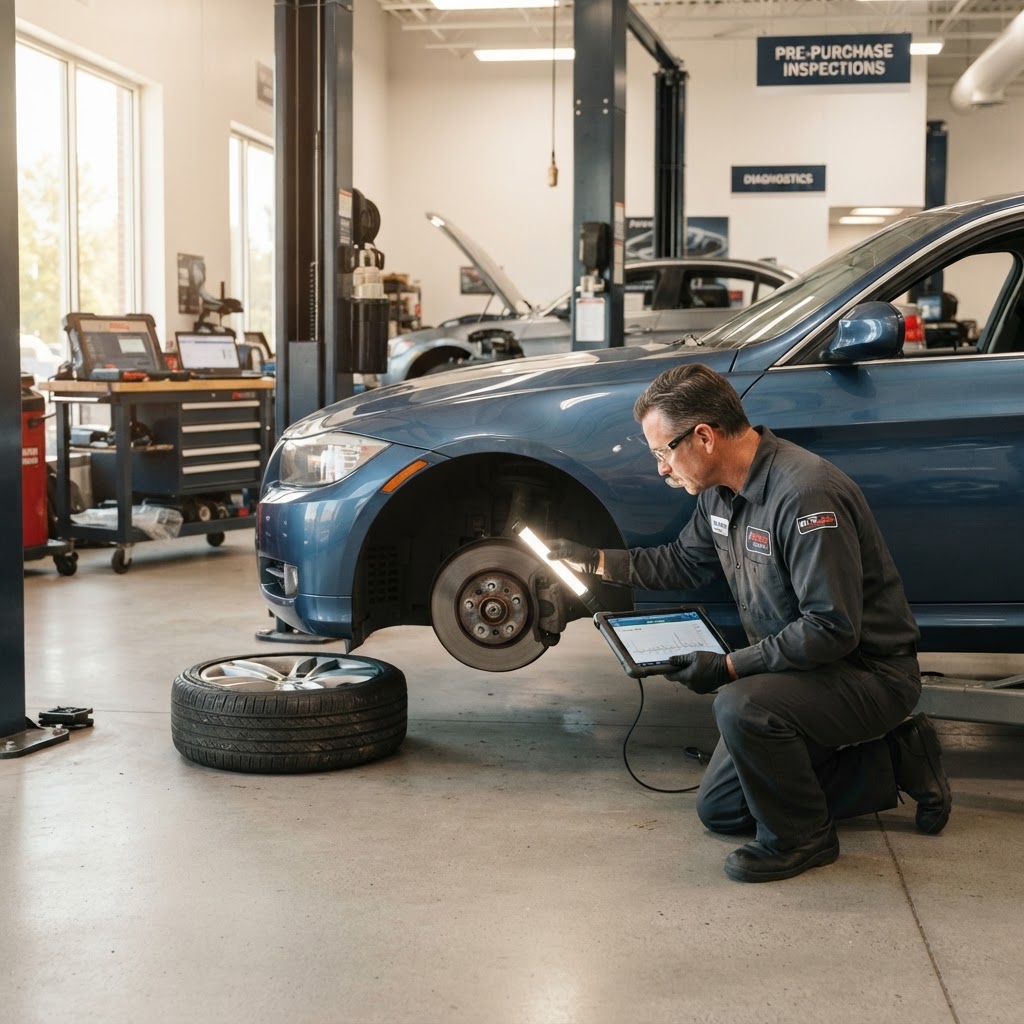
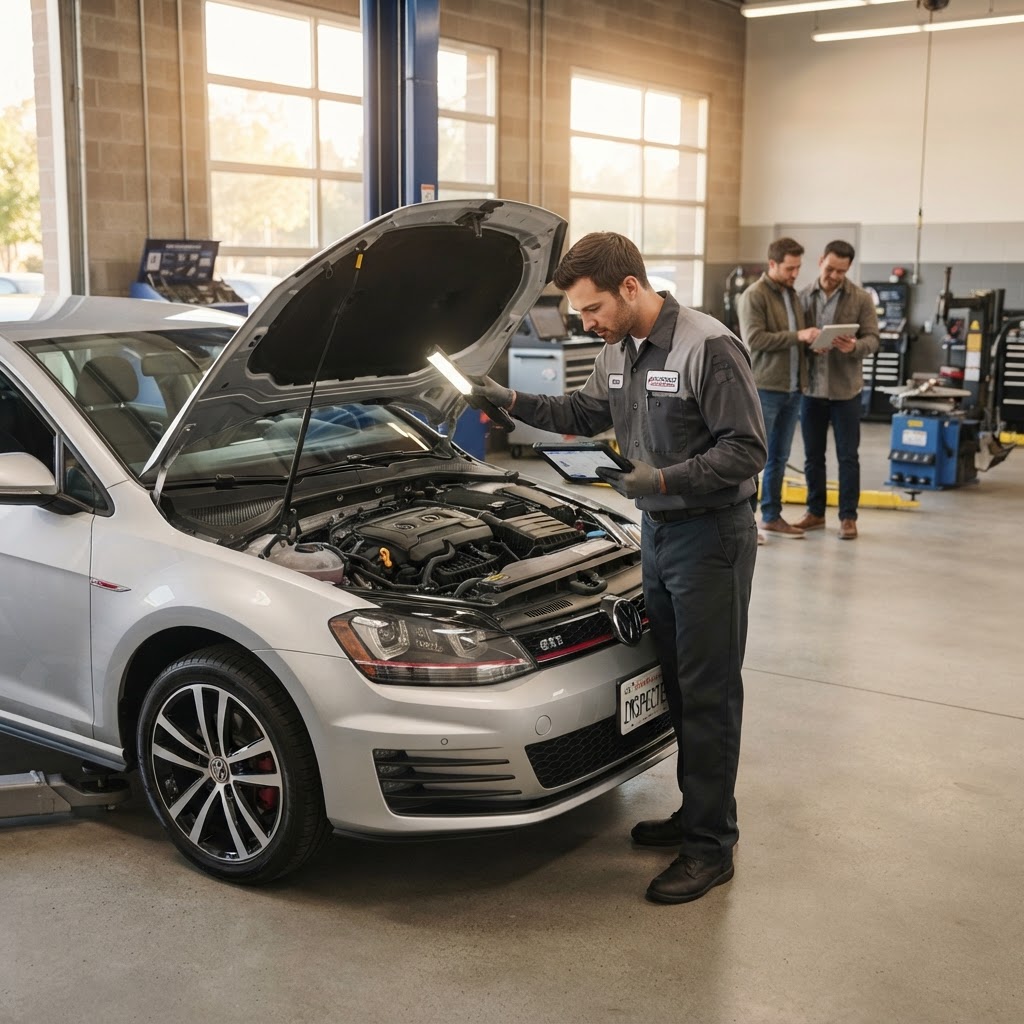
Objective condition reporting is especially useful when the seller wants fewer surprises during negotiation. A documented inspection gives both sides a common reference point. That matters for private sales, dealer acquisitions, trade-ins, and multi-unit operations. Businesses like RIZQ Car Inspection are built around that need for structured reporting, consistent documentation, and clear communication across all parties.
A better appraisal starts before the vehicle is listed
Sellers often think appraisal happens after the hard work is done. In practice, appraisal quality is shaped earlier - by maintenance habits, recordkeeping, disclosure, timing, and preparation. The stronger the documentation and the clearer the condition picture, the less room there is for uncertainty discounts.
If you want a sale process that moves cleanly, treat appraisal as a verification step rather than a guessing exercise. The car does not need to be perfect. It does need to be accurately presented, properly documented, and ready to stand up to review.