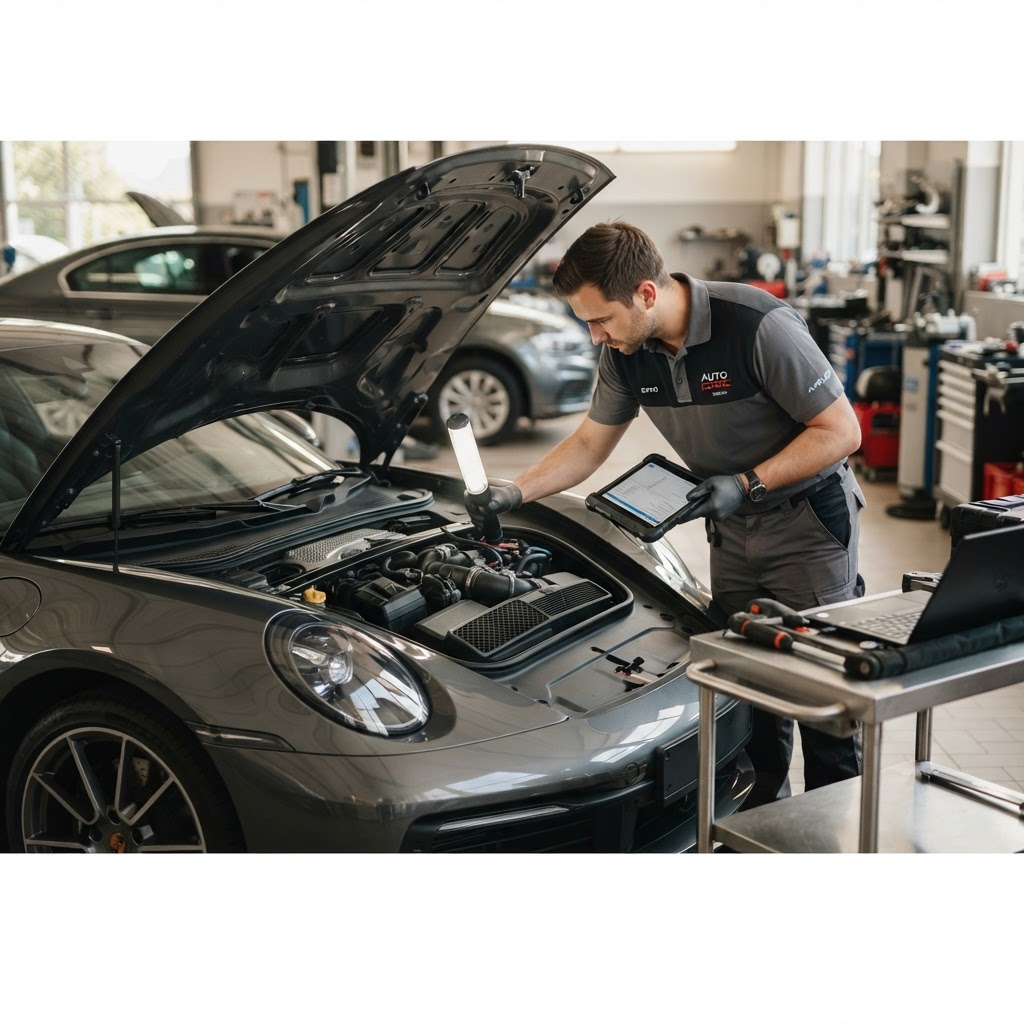
Buying a used car? Learn why a pre-purchase inspection from RIZQ is the most critical step to avoid hidden mechanical disasters and save thousands of dollars.
The True Cost of Buying Without an Inspection
For most buyers, a vehicle is the second-largest purchase they will ever make. Yet, many people treat the process like a game of chance, relying on a cursory test drive and the seller's verbal assurance of 'perfect condition.' When you skip a professional assessment, you are essentially gambling with your savings. A pre-purchase inspection is not just a formality; it is the most important step in the acquisition process, serving as the only true barrier between a smart investment and a mechanical money pit.
The Financial Risks of 'Buying Blind'
When you purchase a used vehicle without an independent audit, you inherit all of the previous owner's deferred maintenance and hidden abuse. Consider the reality of modern vehicle complexity. Today's cars are governed by intricate computer systems, complex turbochargers, and sophisticated suspension setups. A seller can easily mask a failing transmission with fresh fluid or hide an illuminated check engine light by clearing fault codes moments before you arrive. Without an expert eye, you might be buying a car that requires $3,000 in suspension work or $5,000 in engine repairs within the first six months of ownership.
This is where RIZQ Vehicle Inspection provides essential peace of mind. By identifying these latent defects before the money changes hands, you shift the leverage back to yourself. You can either walk away from a dangerous vehicle or use the inspection report to negotiate a price reduction that reflects the true cost of necessary repairs.
The Safety Implications: Beyond the Budget
While the financial hit is significant, the safety risks are far more concerning. A car might look pristine on the surface, but structural damage from a previous, unreported accident can compromise the vehicle's integrity during a future collision. Tires that are structurally compromised by age, brake lines riddled with hidden corrosion, or frame rail damage—these are not things a typical buyer notices during a 15-minute spin around the block.
Professional inspectors look for signs of structural trauma and component fatigue that the untrained eye simply cannot see. If a vehicle has been poorly repaired after an accident, its airbags might not deploy correctly, and its crumple zones may have been structurally altered. Your life and the lives of your passengers depend on the mechanical and structural safety of the vehicle you drive.
Why Lenders and Sophisticated Buyers Demand Inspections
Credit unions and savvy automotive lenders understand the concept of collateral protection better than anyone. They recognize that a car is only as valuable as its mechanical health. When a lender finances a used vehicle, they are securing their loan against the car itself. If that car is a 'lemon,' their collateral value drops to near zero overnight. This is why many financial institutions now require thorough verification of a vehicle's condition before finalizing a loan. By utilizing services like those found at https://rizqvehicleinspection.com, both lenders and private buyers ensure that the asset in question actually warrants the price being paid.
How to Use Inspection Data for Negotiation
A professional inspection report is a powerful bargaining tool. Instead of saying, 'I think the car is overpriced,' you can present a factual document that details specific, repair-verified flaws. Sellers are often more willing to concede on price when they are presented with hard evidence rather than opinion. Whether it is oil leaks, worn-out bushings, or infotainment system glitches, these details allow for an honest conversation about the car's real-world value.
Final Thoughts on Smart Ownership
The goal of buying a used car should be long-term reliability and total cost-of-ownership savings. By integrating a pre-purchase inspection into your buying process, you eliminate the 'information asymmetry' that sellers love to exploit. You are no longer guessing; you are deciding based on data. Investing a small amount in an inspection is the most effective way to avoid the massive, unforeseen costs that turn a dream vehicle into a stressful liability. Protect your wallet and your safety—never close the deal without knowing exactly what is under the hood.