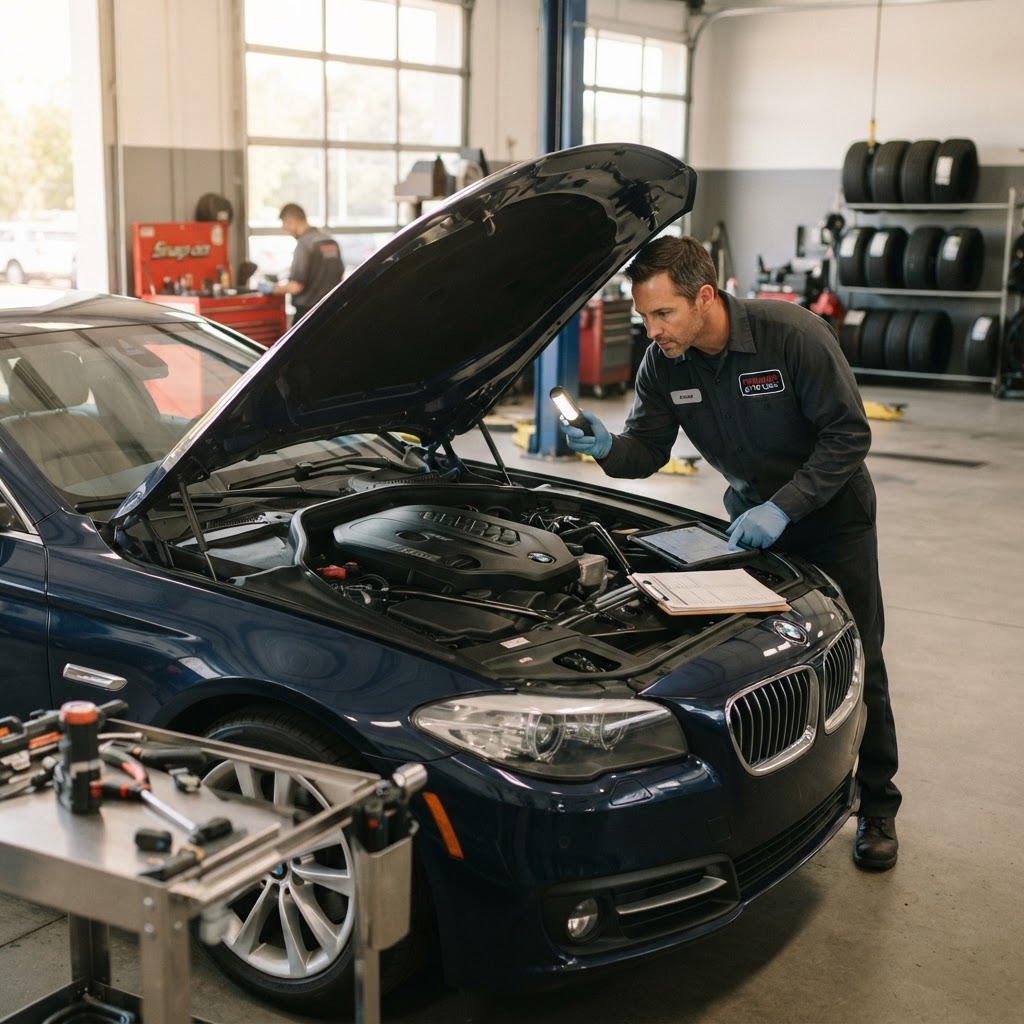
Don't gamble with your next vehicle. RIZQ Vehicle Inspection explains why a pre-purchase inspection is the single most important step when buying a used car.
The High Cost of Buying Blind
Entering the used car market is a financial minefield. While a vehicle may look immaculate on the surface—gleaming with fresh wax and featuring a pristine interior—the most critical mechanical and structural issues are often invisible to the untrained eye. For the average buyer, credit union, or fleet manager, skipping a professional evaluation isn't just a minor oversight; it is a direct invitation to financial loss and potential safety hazards. This is why a pre-purchase inspection (PPI) is the most important step in the entire acquisition process.
Understanding the Hidden Financial Risks
When you purchase a used vehicle without an expert assessment, you are essentially betting that the seller is telling you the whole truth. Unfortunately, sellers are often motivated to conceal defects that could cost thousands to repair. These 'hidden' issues fall into three primary categories: mechanical failures, electrical malfunctions, and structural compromise.
- Mechanical Neglect: An engine might run smoothly during a ten-minute test drive, but a PPI can reveal early-stage oil leaks, cooling system degradation, or imminent transmission failure that would go unnoticed by a standard buyer.
- Electrical Complexity: Modern vehicles are computers on wheels. Without a professional diagnostic scan, you might inherit complex issues like faulty ECU modules or intermittent sensor failures that result in 'check engine' lights appearing only days after you finalize the purchase.
- Structural and Frame Damage: If a vehicle has been in a previous accident and poorly repaired, its structural integrity is compromised. This is not just a value-destroying issue; it is a life-threatening risk in the event of a future collision.
By engaging a service like RIZQ Vehicle Inspection, you shift the power dynamic. You move from a position of 'trusting the seller' to 'verifying the asset.' This verification process serves as a massive buffer against what the industry calls 'lemon' purchases.
Safety as the Ultimate Priority
Beyond the bank account, there is the matter of human life. A vehicle is a heavy, high-speed machine that relies on a complex web of braking, suspension, and steering systems. A private seller or even a busy dealership might overlook worn brake lines, dry-rotted tires, or compromised suspension components that make the car unsafe to drive on the highway. A professional inspection ensures that the machine you are putting your family into is roadworthy and reliable.
Protecting the Lender's Collateral
For credit unions and lenders, the inspection process is even more critical. When a loan is issued against a vehicle, the car serves as the primary collateral. If the vehicle is worth significantly less than the loan amount due to hidden damages—or if it breaks down and the borrower defaults because of repair costs—the lender is left with a worthless asset. Ensuring that the vehicle is inspected before funding protects the loan portfolio and ensures that the asset truly backs the value of the note.
The Leverage of Information
One of the most overlooked benefits of a pre-purchase inspection is its role in price negotiation. When a report provided by experts at rizqvehicleinspection.com identifies specific, documented issues, you gain factual leverage. You are no longer asking for a discount because you 'feel' something is wrong; you are negotiating based on a line-item report of necessary repairs. This often allows buyers to either walk away from a bad deal or negotiate a significantly lower purchase price that covers the cost of those future repairs.
Why Expert Oversight Matters
The market is flooded with vehicles that have been 'curbstoned' (sold by unlicensed dealers pretending to be private sellers) or have rolled back odometers. These sophisticated scams are designed to trap the unwary. Professional inspectors have the experience to spot the subtle signs of title washing, digital odometer tampering, and frame-welding that look perfectly normal to a casual observer. Investing in an inspection is not an added cost; it is an insurance policy that pays for itself by preventing the purchase of a vehicle that is fundamentally flawed.
Ultimately, whether you are an individual purchasing a family car or an equipment buyer looking for a reliable fleet, the pre-purchase inspection is the only way to ensure you are getting exactly what you are paying for. Peace of mind is rare in the automotive world, but with the right inspection, it is well within reach.