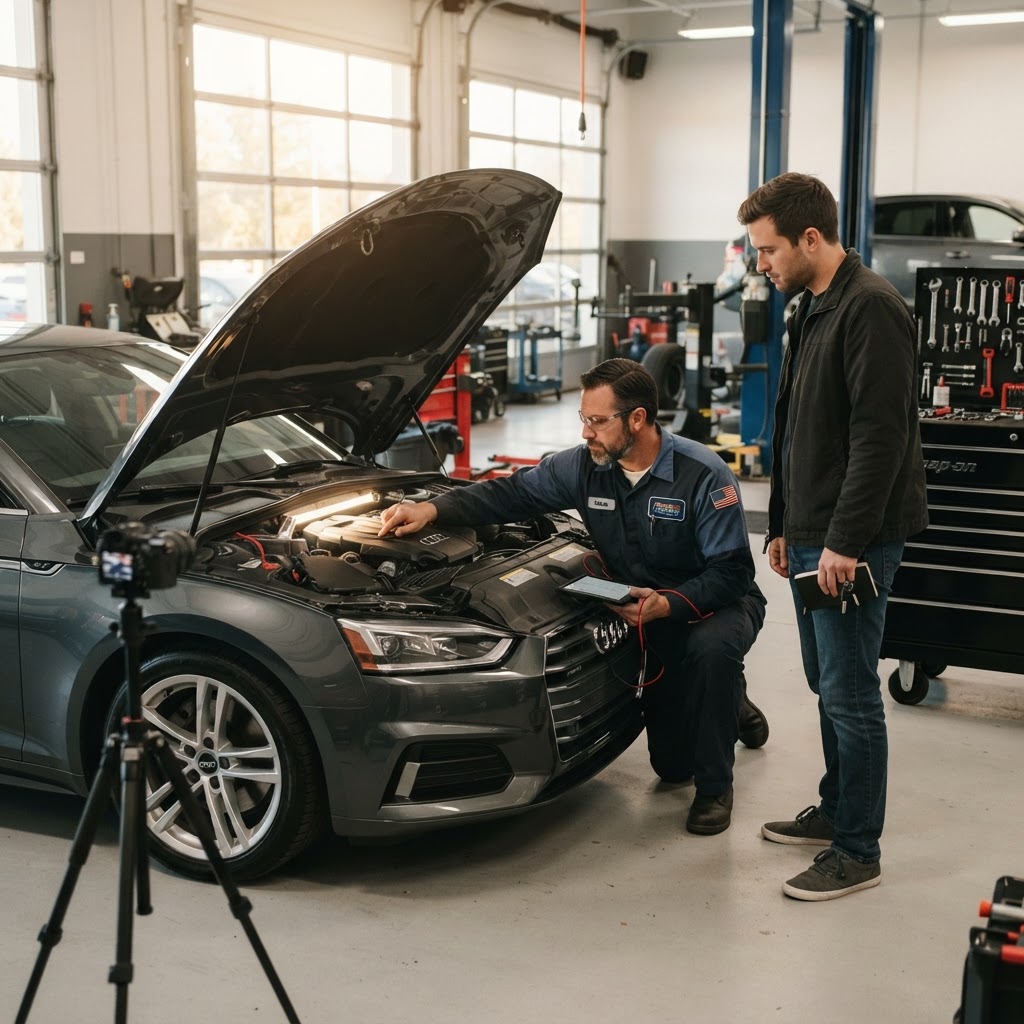
Avoid costly mistakes when buying a used car. RIZQ Vehicle Inspection explains why a pre-purchase inspection is the single most important step for buyers.
The High Cost of Buying Blind
For most people, a vehicle is the second-largest purchase they will make in their lifetime, surpassed only by a home. Yet, ironically, many buyers perform more due diligence on a $20 kitchen appliance than on a $20,000 used car. The automotive market is rife with vehicles that look pristine on the surface but hide catastrophic mechanical, electrical, or structural failures beneath the paint. Skipping a professional inspection is not just a gamble; it is a financial risk that often results in thousands of dollars in unforeseen repair costs.
Understanding the Financial and Safety Risks
The primary reason a pre-purchase inspection (PPI) is the most important step in the buying process is simple: information parity. The seller knows the history of the vehicle—the missed oil changes, the hidden flood damage, or the intermittent engine misfire—and the buyer does not. When you walk onto a dealership lot or meet a private seller without an expert on your side, you are at a distinct disadvantage.
From a financial perspective, a PPI protects your liquidity. Imagine purchasing a sedan that seems reliable, only for the transmission to fail two weeks later. This scenario is all too common. A pre-purchase inspection from a company like RIZQ Vehicle Inspection acts as an insurance policy against 'lemon' vehicles. By identifying pending failures, you gain the leverage to either negotiate a lower price that covers the cost of repairs or walk away from a deal that would have otherwise caused long-term financial strain.
The Hidden Safety Factor
Beyond the wallet, there is the matter of safety. Modern vehicles are complex machines consisting of thousands of interconnected components. A professional inspection goes beyond just checking the engine oil. It looks for issues that impact structural integrity and braking performance. Hidden frame damage from a previous, unreported collision can significantly compromise a car's ability to protect passengers in an accident. Furthermore, corroded brake lines or suspension components nearing failure can turn a standard commute into a life-threatening event. When you verify a vehicle's condition, you are prioritizing the safety of yourself and your passengers.
The Value Proposition for Lenders and Buyers
It is not just individual buyers who benefit. Credit unions and private lenders also rely on the verification of collateral to protect their loan portfolios. When a lender finances a used vehicle, the car is the collateral. If that vehicle is worth significantly less than the loan amount due to hidden damage, the lender is exposed to unnecessary risk. That is why professional, independent inspections are becoming a cornerstone of the modern vehicle purchasing lifecycle at rizqvehicleinspection.com. Whether you are an equipment buyer needing to ensure the operational viability of a fleet or a consumer looking for your next family commuter, objective data is the only way to ensure the asset matches the price tag.
Common Pitfalls of Skipping the Inspection
- Undisclosed Flood Damage: Vehicles submerged in water often run fine for a few months before electrical gremlins begin to destroy the vehicle's computer systems.
- Frame and Structural Damage: Cosmetic repairs can easily hide a chassis that is no longer safe for the road.
- Deferred Maintenance: Sellers often perform the bare minimum to get a car ready for sale, leaving expensive maintenance items like timing belts or water pumps for the new owner to discover.
- Odometer Rollbacks: Digital odometers are harder to manipulate, but they are not immune. Expert technicians can spot signs of wear that contradict the stated mileage.
Conclusion: Empowering Your Purchase
In the world of used vehicles, 'as-is' is a dangerous term for the buyer. It shifts all the risk onto your shoulders the moment the keys are handed over. By integrating a pre-purchase inspection into your buying strategy, you transform a high-risk transaction into an informed business decision. You aren't just checking the condition of a car; you are validating the future reliability and safety of an essential tool in your life. Don't leave your investment to chance—verify the asset before you sign on the dotted line.