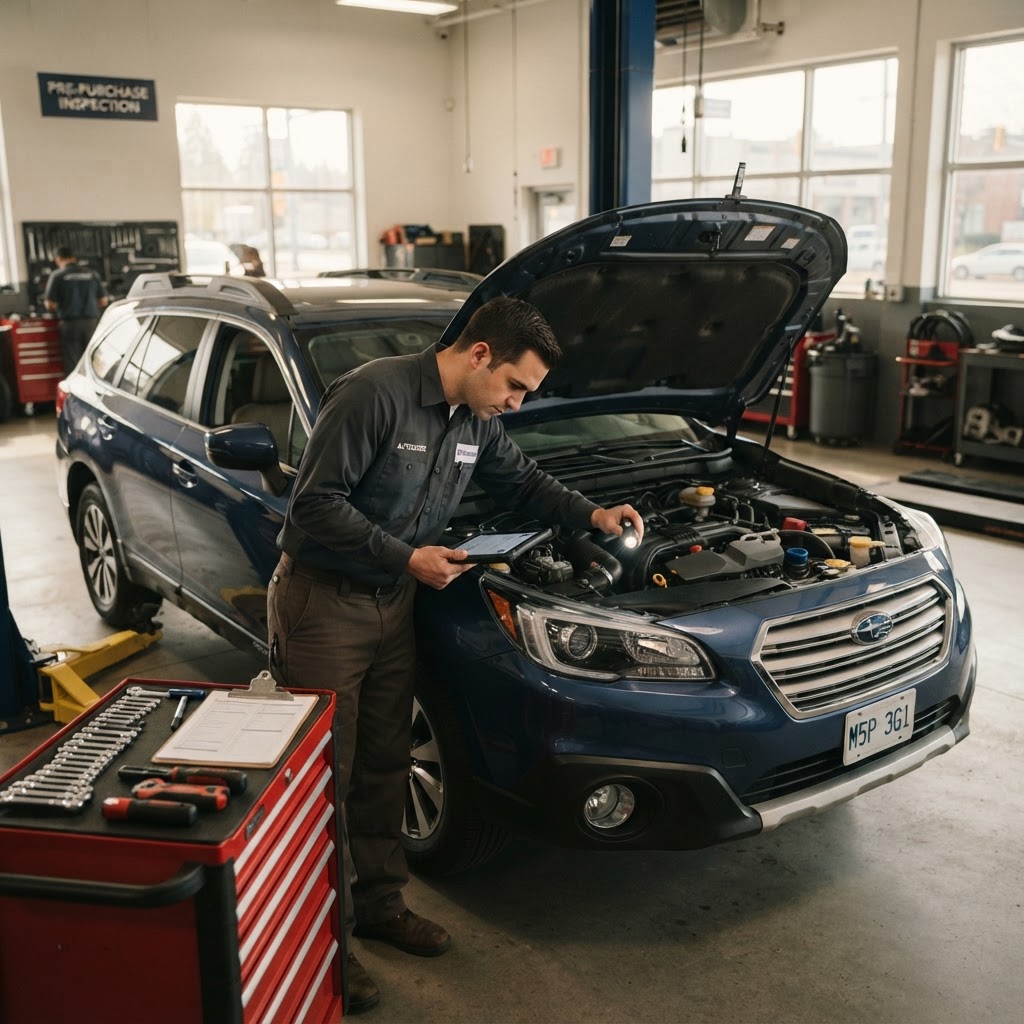
Don't gamble on your next vehicle. Learn why a pre-purchase inspection from RIZQ is the most critical step to avoid hidden costs and safety hazards.
The High Cost of Buying Without an Inspection
When you walk onto a dealership lot or meet a private seller, you are looking at a machine designed to perform, but you are also looking at a history you cannot see. The used car market is inherently asymmetric; the seller knows the vehicle’s quirks, neglected maintenance, and potential failures, while the buyer is left to rely on a polished exterior and a pleasant test drive. This information gap is exactly where financial disasters are born. A pre-purchase inspection (PPI) is not merely a formality; it is your only true defense against inheriting someone else's mechanical liability.
Understanding the Financial Risks of Hidden Defects
Many buyers operate under the misconception that a vehicle 'looks and drives fine,' therefore it must be in good condition. However, internal engine wear, looming transmission failures, and electronic gremlins often remain silent during a ten-minute neighborhood drive. Consider the cost of a transmission rebuild or a complete engine replacement—expenses that can easily exceed the value of an older used vehicle. When you skip an inspection, you are effectively accepting the risk of these "time bomb" repairs. By utilizing services like RIZQ Vehicle Inspection, you shift that risk away from your wallet and toward a factual assessment of the vehicle's true condition.
The Safety Imperative
Beyond the bank account, safety is the primary reason for a PPI. While modern cars are engineered with robust safety features, those systems are only as reliable as their maintenance. A vehicle that has been in an unreported accident may suffer from compromised frame integrity or faulty airbag sensors that a casual glance will never reveal. Whether you are buying for yourself, your family, or as a lender looking to verify collateral at rizqvehicleinspection.com, the inspection is the definitive measure of whether the vehicle is roadworthy or a hazard waiting to happen.
Why Sellers Often Fear the Inspection
If a seller is hesitant or outright refuses a pre-purchase inspection, that is your single biggest red flag. A transparent seller who has maintained their vehicle properly usually welcomes a professional audit because it confirms the value of the car and justifies the asking price. Those who discourage inspections often know that an expert eye will uncover issues that they haven't disclosed. By insisting on an inspection, you act as a filter, automatically removing dishonest or negligent sellers from your search pool.
A Tool for Negotiation, Not Just Rejection
Many buyers fear that an inspection will "kill the deal," but the reality is that it often makes the deal better. If an inspector finds minor issues—such as worn brake pads, aging tires, or a minor fluid leak—you are suddenly armed with documented evidence. This data allows you to negotiate a lower price that accounts for the necessary repairs. In many cases, the cost of the inspection pays for itself multiple times over through the leverage you gain during price discussions. It transforms the purchase from an emotional decision based on appearance to a logical transaction based on objective data.
Protecting the Lender and the Buyer
For credit unions and lenders, the inspection is the primary tool for collateral verification. A loan secured by a vehicle that is essentially a "total loss" waiting to happen is a massive risk to a portfolio. Ensuring that the asset exists, is in the reported condition, and holds the expected market value is paramount to risk reduction. Whether for a retail buyer or a financial institution, a professional, unbiased assessment provides the clarity required to make an informed decision in a volatile used car market.
The Verdict: Don't Buy Without It
The used car market rewards the prepared and punishes the impulsive. Buying a vehicle is often the second-largest purchase an individual makes after a home, yet people often spend less time investigating a car's mechanical state than they do picking out the paint color. A pre-purchase inspection is the ultimate "due diligence" exercise. It provides you with the peace of mind that you are paying a fair price for a reliable machine, rather than financing a future repair bill. Take the guesswork out of your next vehicle purchase and ensure your investment is built on a foundation of verified facts rather than hope.