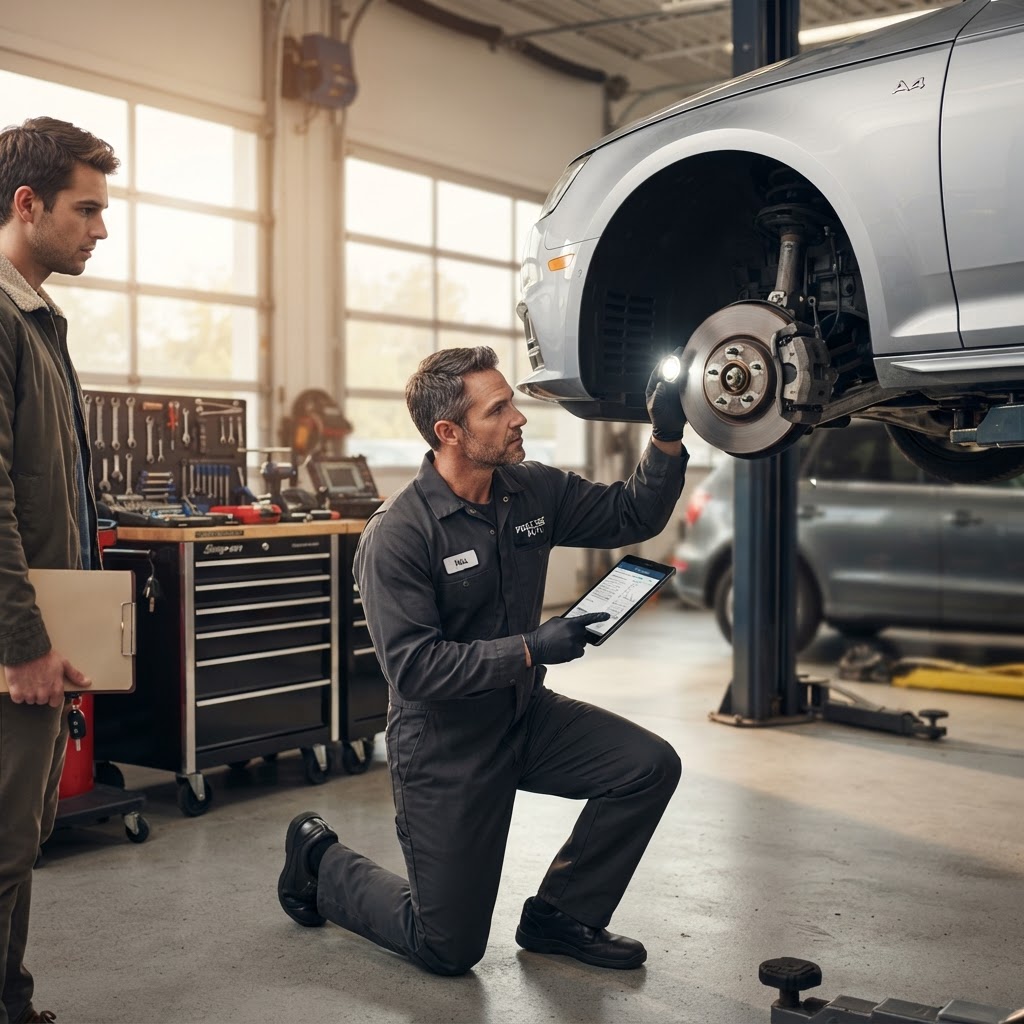
Don't gamble with your money. Learn why a pre-purchase inspection from RIZQ is the most vital step to avoiding hidden costs and ensuring safety in used car buying.
The Invisible Risks of the Used Car Market
When you walk onto a dealership lot or meet a private seller, you are looking at a machine designed to present its best face forward. A freshly detailed interior, a polished exterior, and a smooth-running engine at idle can mask a multitude of sins. The reality of the used car market is that a vehicle doesn't have to be 'broken' to be a bad investment. It simply has to be hiding a problem that will cost you thousands in the future.
A pre-purchase inspection (PPI) is not just a 'check-up'; it is the single most important step in the buying process because it bridges the information gap between the seller—who knows the history of the car—and the buyer, who is operating on hope. Without an objective assessment, you are essentially gambling with your financial security.
Understanding the Financial Exposure
Buying a used vehicle without a professional inspection is akin to buying a house without a structural survey. The financial risks are immediate and compounding. For instance, a vehicle might pass a state safety inspection, yet possess a transmission that is on the verge of failure or an electrical system plagued by intermittent shorts. These issues often remain dormant during a quick test drive but manifest shortly after the paperwork is signed.
By engaging a service like RIZQ Vehicle Inspection, you are essentially purchasing an insurance policy against 'buyer's remorse.' When you discover a hidden issue, you gain immense leverage. You can either walk away from a dangerous or overpriced purchase, or use the findings to negotiate a lower price that accounts for necessary repairs. This shift in power dynamics can save you thousands of dollars—far more than the cost of the inspection itself.
The Safety Imperative
While the financial aspect is significant, the safety implications of buying a used car are non-negotiable. Modern vehicles are complex ecosystems of sensors, mechanical components, and safety systems. A previous collision, even one that was 'professionally repaired,' can impact the structural integrity and airbag deployment readiness of the vehicle. A pre-purchase inspection goes beneath the surface to identify signs of previous frame damage or subpar repair work that could put you and your family at risk during an accident.
Furthermore, many sellers—even well-intentioned private owners—may be unaware of looming failures in suspension components or braking systems. These aren't just maintenance items; they are safety-critical systems. Knowing the true state of these components before you finalize the purchase ensures that you are stepping into a reliable vehicle, not a liability.
Lender Collateral and Asset Protection
If you are a credit union or a lender, the importance of the PPI extends to collateral verification. You are lending money against the value of an asset, but how can you be certain that the asset is worth the loan amount if you haven't confirmed its condition? A vehicle with undisclosed mechanical issues is an asset with depreciating value that can quickly fall below the loan-to-value (LTV) ratio. For lenders, requiring a professional inspection is a proactive strategy to reduce risk within their loan portfolios.
The RIZQ Advantage: Professionalism and Objectivity
In the digital age, it is easier than ever to browse cars online at sites like rizqvehicleinspection.com, but convenience shouldn't come at the cost of due diligence. Because we operate as an independent third party, our inspectors focus solely on the facts. We don't have a vested interest in the sale, which means our objective is purely to provide you with the information you need to make a sound decision. We act as your eyes and ears on the ground, ensuring that you aren't misled by a beautiful coat of wax or a friendly sales pitch.
Conclusion: An Investment, Not an Expense
The biggest mistake most buyers make is viewing the pre-purchase inspection as an added cost rather than a vital component of the vehicle's purchase price. When you look at the total cost of ownership—including financing, insurance, and long-term maintenance—the cost of an inspection is a negligible fraction of the total. It is the most effective way to ensure your next vehicle is a true asset rather than a financial anchor. Before you hand over your hard-earned money, make the decision that protects your wallet, your safety, and your peace of mind.