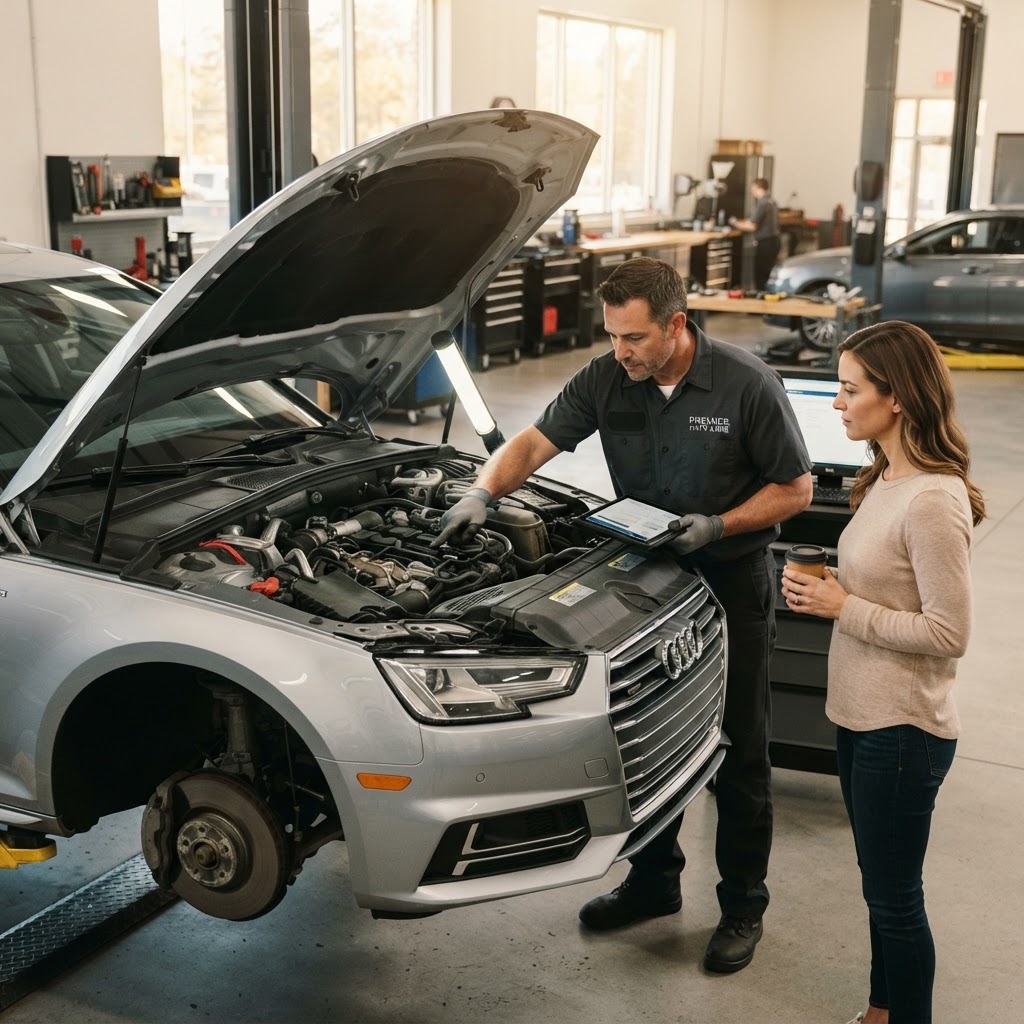
Buying a used car carries hidden risks. Discover why a pre-purchase inspection from RIZQ is the most critical step to protect your safety and wallet.
The Hidden Risks of the Used Car Market
Entering the used car market is a high-stakes transaction. Whether you are browsing listings on private marketplaces or visiting a dealership, you are often looking at a product designed to look its absolute best. However, beneath the polished exterior, freshly vacuumed carpets, and a well-detailed engine bay can hide thousands of dollars in mechanical liabilities. For most buyers, a vehicle is the second-largest purchase they will make in their lifetime. Yet, many people treat the process as a casual errand, skipping the most vital step: a professional pre-purchase inspection.
Understanding the Financial Fallout of Buying Blind
The primary reason a pre-purchase inspection is indispensable is the mitigation of extreme financial risk. When you purchase a vehicle without an independent assessment, you are essentially accepting the seller's word as gospel. If you buy a car with a compromised transmission, a failing cooling system, or structural damage from a previous undisclosed accident, you aren't just buying a car—you are buying someone else's expensive headache.
Consider the "Hidden Costs" scenario: A buyer purchases a used SUV that appears mechanically sound during a 15-minute test drive. Two weeks later, the check engine light illuminates, revealing a catalytic converter failure and a blown head gasket. The repair bill for these items can easily exceed $3,000 to $5,000. Suddenly, the "good deal" you thought you secured has become a financial burden. By investing in a comprehensive assessment from experts like RIZQ Vehicle Inspection, you gain the leverage to either negotiate the price down based on legitimate repair costs or walk away from a dangerous investment entirely.
Safety: The Non-Negotiable Factor
Beyond the bank account, the safety of you and your family is at stake. Modern vehicles are complex machines consisting of thousands of moving parts. A standard test drive around the block simply cannot reveal underlying issues like rusted-through subframes, worn-out steering components, or failing braking systems that may hold up for a few miles but fail under highway conditions. A pre-purchase inspection acts as a safety audit, ensuring that the vehicle you are about to operate is structurally sound and roadworthy. Trusting that a vehicle is safe simply because it "looks good" is a gamble that no responsible buyer should take.
Lenders and Credit Unions: Protecting Your Collateral
It is not just individual buyers who benefit from this oversight. For credit unions and lenders, the collateral behind an auto loan is the only thing standing between them and a total loss in the event of a default. If a lender finances a vehicle that turns out to have frame damage or a tampered odometer, the collateral value is effectively zero. Encouraging or requiring a pre-purchase inspection—often facilitated by professional services like those found at https://rizqvehicleinspection.com—helps institutions verify that the asset they are securing is actually worth the loan amount. It minimizes risk, prevents bad loans from entering the portfolio, and protects the long-term financial health of the institution.
Why Expert Oversight Beats DIY Checks
While many enthusiasts watch online videos on "how to check a car before buying," these quick tips pale in comparison to a professional inspection. Expertise is not just about knowing where the oil dipstick is; it is about recognizing the patterns of wear, the history of previous repairs, and the nuances of vehicle diagnostic data that only trained professionals can interpret. An experienced inspector looks for the things that sellers actively try to hide—signs of flood damage, subtle body filler applications that indicate past collisions, and engine block repairs masked by specialized cleaners.
The Bottom Line: Clarity is Power
Ultimately, a pre-purchase inspection is an exercise in information symmetry. It ensures that you, the buyer, have the same level of knowledge about the vehicle as the person selling it. When you have an objective, third-party report in your hands, the pressure to make a rushed, emotional decision vanishes. You aren't buying on "hope"; you are buying on data. Before you sign any paperwork or hand over a down payment, remember that a few hours of due diligence is the only reliable insurance policy against purchasing a lemon. Protecting your investment starts with knowing exactly what you are driving home.