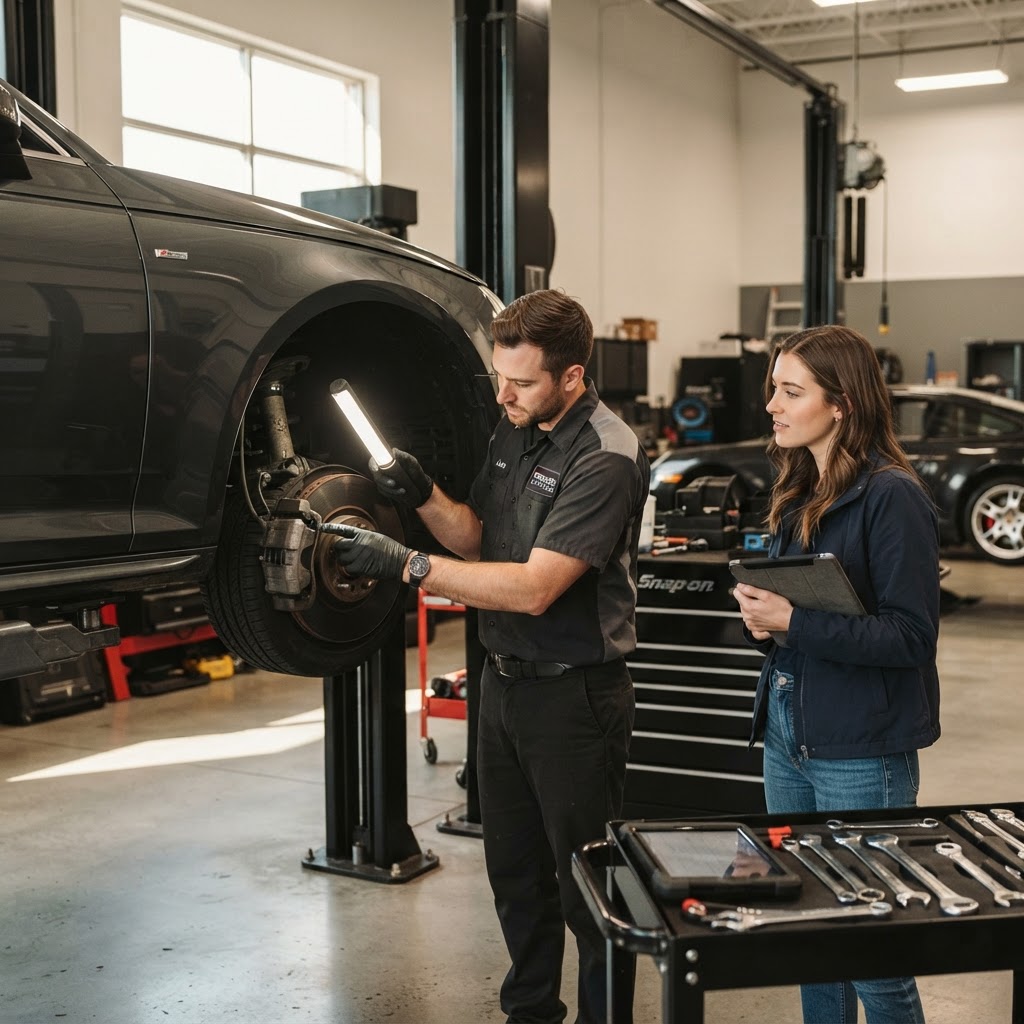
Buying a used car? Learn why a pre-purchase inspection is the ultimate way to protect your investment and safety. Discover how RIZQ saves you from hidden risks.
The True Cost of Skipping an Inspection
For most buyers, a vehicle is the second-largest purchase they will make in their lifetime. Yet, many treat the process of buying a used car like a game of chance, relying on a polished exterior and a quick test drive to determine the value of a high-stakes investment. When you bypass a professional evaluation, you aren't just saving time; you are effectively assuming the financial liability for every mechanical failure, electrical gremlin, and structural compromise hidden beneath the hood. A pre-purchase inspection is not merely a formality—it is the most critical checkpoint in the acquisition process, acting as the final barrier between a smart purchase and a financial catastrophe.
The Illusion of "Looks Good"
Modern vehicles are marvels of complex engineering, but that complexity makes them difficult to judge by appearance alone. A car can have a pristine interior and a freshly detailed engine bay while concealing catastrophic frame damage, flood history, or an engine block on the verge of failure. Without a neutral expert analyzing the vehicle, the buyer remains at the mercy of the seller’s disclosure, which is rarely comprehensive. Whether buying from a private party or a dealership, the goal of the seller is to maximize the sale price, not necessarily to illuminate potential future repairs.
Understanding the Real Financial Risks
When you purchase a used vehicle without an inspection, you are inheriting the previous owner's maintenance history—or lack thereof. Consider the "blind buy" scenario: you purchase a car that looks reliable, only to discover a faulty transmission three weeks later. What started as a budget-conscious decision quickly escalates into a repair bill that exceeds the car's market value. By engaging a service like RIZQ Vehicle Inspection, you obtain an objective report that translates the vehicle's condition into actual dollar values for future maintenance. This allows you to negotiate the price down, walk away from a lemon, or plan your finances with full awareness of what lies ahead.
Protecting the Lender and the Borrower
It isn't just retail buyers who rely on this process; credit unions and lenders also face significant risk when financing used vehicles. If a car is overvalued or structurally compromised, it represents poor collateral. A professional pre-purchase inspection provides the data necessary to verify that the asset being financed actually holds the value claimed. Through professional platforms like rizqvehicleinspection.com, lenders can ensure that their loan-to-value ratios are accurate, protecting their portfolio from vehicles that might become total losses prematurely. For the borrower, this oversight ensures they aren't paying interest on a loan for a vehicle that is worth significantly less than the contract price.
Safety as an Economic Factor
While the financial implications are significant, safety is the primary non-negotiable factor. Tires, brakes, steering components, and airbags are often subjects of neglect. A vehicle might run well enough to cruise through a neighborhood at 30 mph, but hidden corrosion in the subframe or compromised brake lines could be fatal at highway speeds. A formal inspection provides peace of mind that goes beyond the balance sheet. It confirms that the vehicle you are entrusting your family to is roadworthy and that the safety systems are functioning exactly as the manufacturer intended.
How to Leverage an Inspection for Negotiation
The beauty of a professional inspection is that it turns the power dynamic back in favor of the buyer. Once you have a detailed report outlining necessary repairs, you gain the leverage to either request a reduction in the sale price to cover the cost of repairs or demand that the seller address the issues before the transaction is finalized. In many cases, the cost of the inspection pays for itself multiple times over simply by revealing a single red flag that would have cost the new owner thousands to fix down the road.
Conclusion: An Investment, Not an Expense
Ultimately, a pre-purchase inspection is a form of insurance against regret. Whether you are a first-time buyer or a professional investor, the cost of an inspection is negligible compared to the potential loss of a bad purchase. By prioritizing transparency and expertise, you ensure that your next vehicle isn't just a purchase, but a reliable asset. If you are ready to move forward with a purchase, don't leave your investment to chance—ensure you have the objective data you need to drive away with confidence.