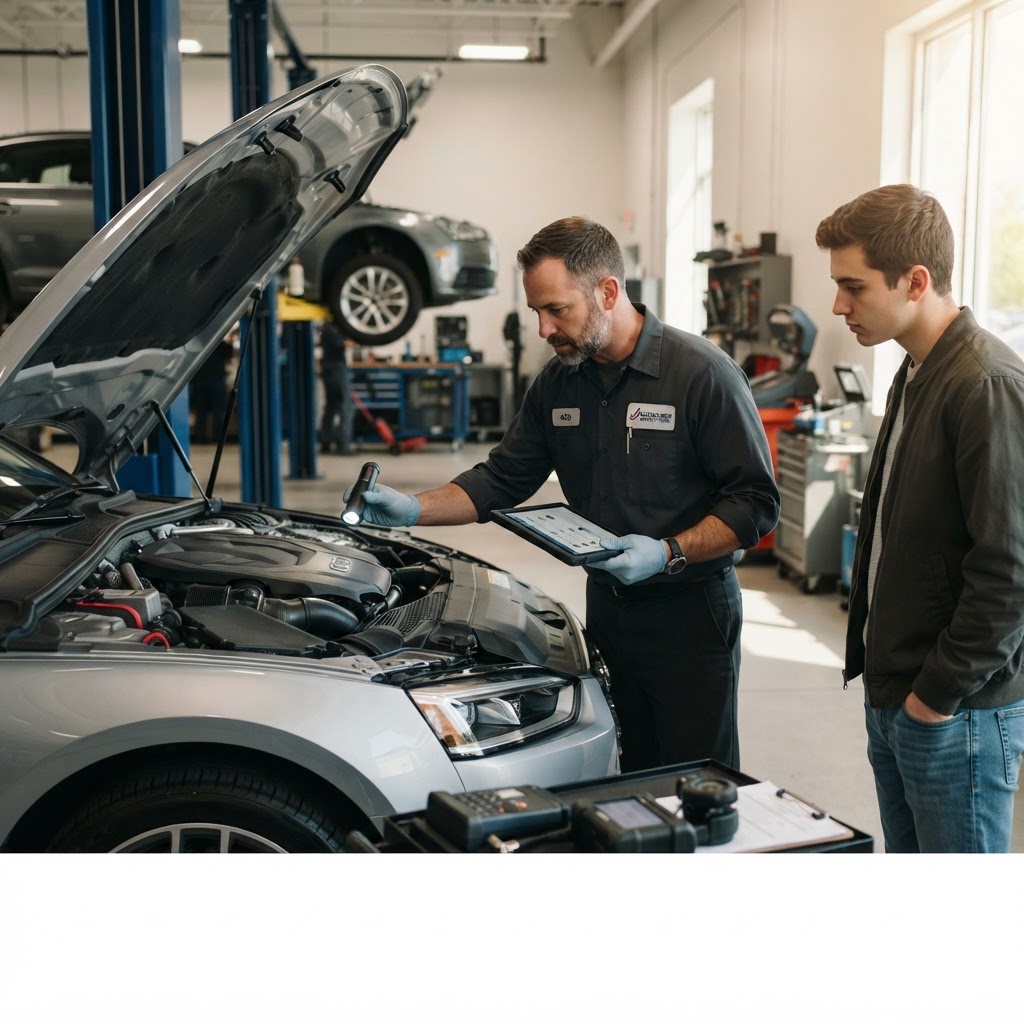
Don't risk a lemon. Learn why a pre-purchase inspection from RIZQ is the most important step to protect your safety and wallet when buying a used car.
The Hidden Risks of the Used Car Market
Entering the used car market is a balancing act of excitement and apprehension. While the prospect of driving home a new-to-you vehicle is thrilling, the reality is that you are often inheriting someone else's mechanical problems. The most critical error a buyer can make is treating a visual inspection or a quick test drive as a complete assessment of the vehicle’s health. Without a professional pre-purchase inspection (PPI), you are essentially operating in the dark, hoping the previous owner was as diligent with maintenance as they claim.
Understanding the Financial Liability of 'Buying Blind'
When you purchase a vehicle, you are not just paying the asking price; you are accepting responsibility for every latent defect present at the moment of sale. Consider the scenario of a modern transmission failure. A simple road test rarely reveals the subtle slipping or cooling issues that indicate a failing transmission. Once the title is signed, that repair bill—which can easily exceed $3,000 to $5,000—becomes yours alone to cover. Professional inspection services like RIZQ Vehicle Inspection help mitigate this risk by identifying these 'time bomb' repairs before they transition from the seller's headache to your financial burden.
Safety: More Than Just Cosmetic Flaws
Beyond the financial impact, there is the undeniable element of personal safety. A car can look pristine on the outside while harboring critical safety hazards underneath. We often see vehicles with compromised braking systems, worn-out suspension components, or evidence of previous frame damage that was improperly repaired. Frame damage, in particular, can drastically alter the way a vehicle performs in a collision, potentially failing to deploy airbags correctly or causing structural collapse in ways the manufacturer never intended. Investing in an expert set of eyes provides peace of mind that the vehicle you are purchasing is safe for your family.
How an Inspection Changes the Negotiation
Many buyers mistakenly believe that a pre-purchase inspection is only for 'killing' a deal. On the contrary, it is an invaluable tool for negotiation. When you have a documented report detailing specific areas of concern, you move from a position of guesswork to a position of leverage. You can negotiate the final price to account for necessary repairs, or you can walk away from a deal that would have left you underwater financially. Using a mobile service like the ones offered at rizqvehicleinspection.com allows you to get this expert data regardless of where the car is located, ensuring you never feel pressured to close a deal based on incomplete information.
Why Expert Oversight Matters to Lenders and Credit Unions
It is not just individual buyers who benefit from this process. Lenders and credit unions also face significant risk when financing used vehicles. If a borrower defaults on a loan for a vehicle that turns out to be a 'total loss' due to undisclosed structural issues, the collateral value is effectively zero. A pre-purchase inspection acts as a form of risk reduction for the lender, confirming that the asset being financed is actually worth the amount requested and is not a liability waiting to happen. For the savvy buyer, showing a seller that you are serious enough to invest in a professional inspection often signals that you are an informed consumer who cannot be easily misled.
The Bottom Line
In the world of pre-owned automotive sales, 'Caveat Emptor'—or 'let the buyer beware'—remains the golden rule. A pre-purchase inspection is not an optional luxury; it is the most vital step in the acquisition process. By uncovering the unseen, you protect your investment, your safety, and your sanity. Do not leave your next vehicle purchase to chance; ensure that the car you buy is as reliable as the seller promises by choosing professional, third-party verification every single time.