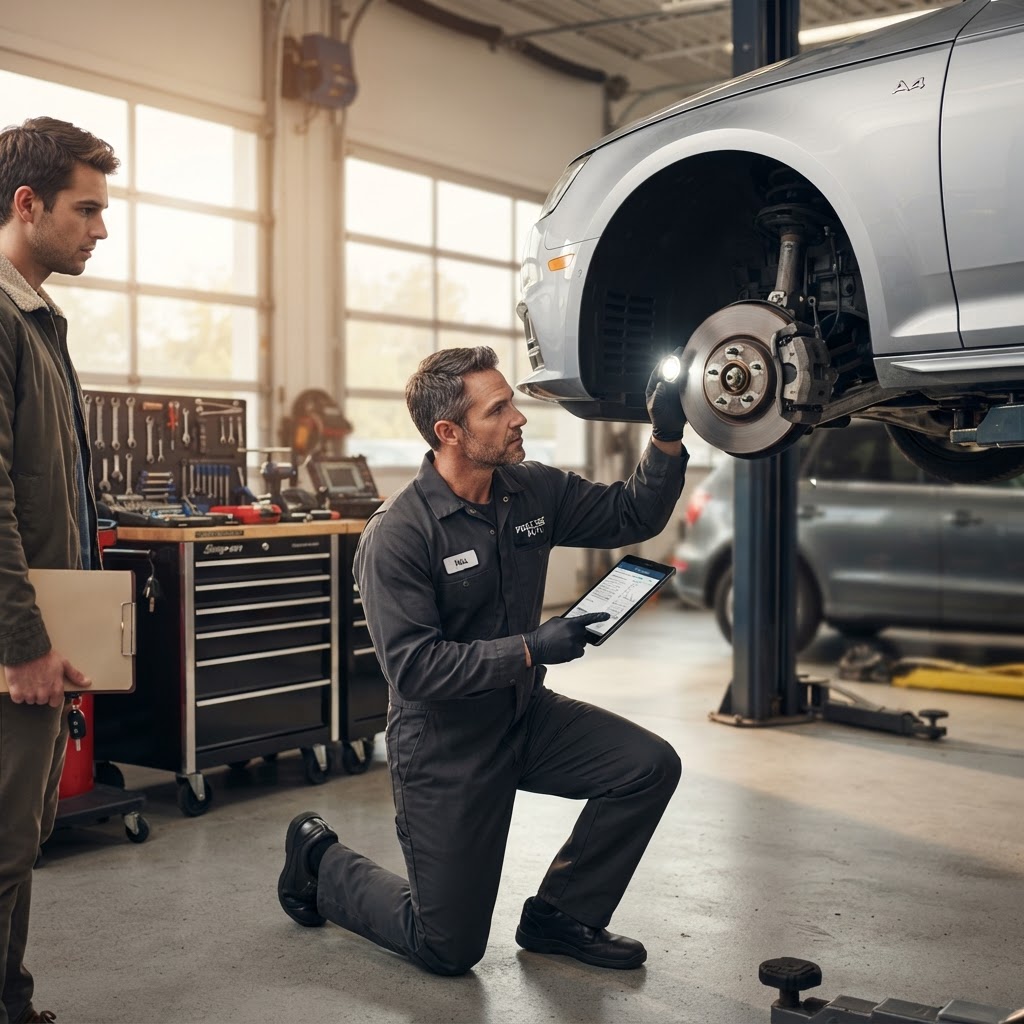
A vehicle can look clean, drive fine for ten minutes, and still carry expensive problems or a value gap that changes the deal. That is why the question of pre purchase inspection vs appraisal matters before money changes hands. These are not competing services. They answer different questions, and using the wrong one can leave a buyer, seller, or dealership working with incomplete information.
A pre-purchase inspection is built to verify condition. An appraisal is built to estimate value. Those goals overlap at points, but they are not interchangeable. If you are buying a used car, managing dealer inventory, settling a claim, or documenting a vehicle for sale, the difference affects risk, pricing, and negotiation.
Pre purchase inspection vs appraisal: the core difference
The simplest way to separate the two is this: an inspection looks at what the vehicle is, while an appraisal looks at what the vehicle is worth.
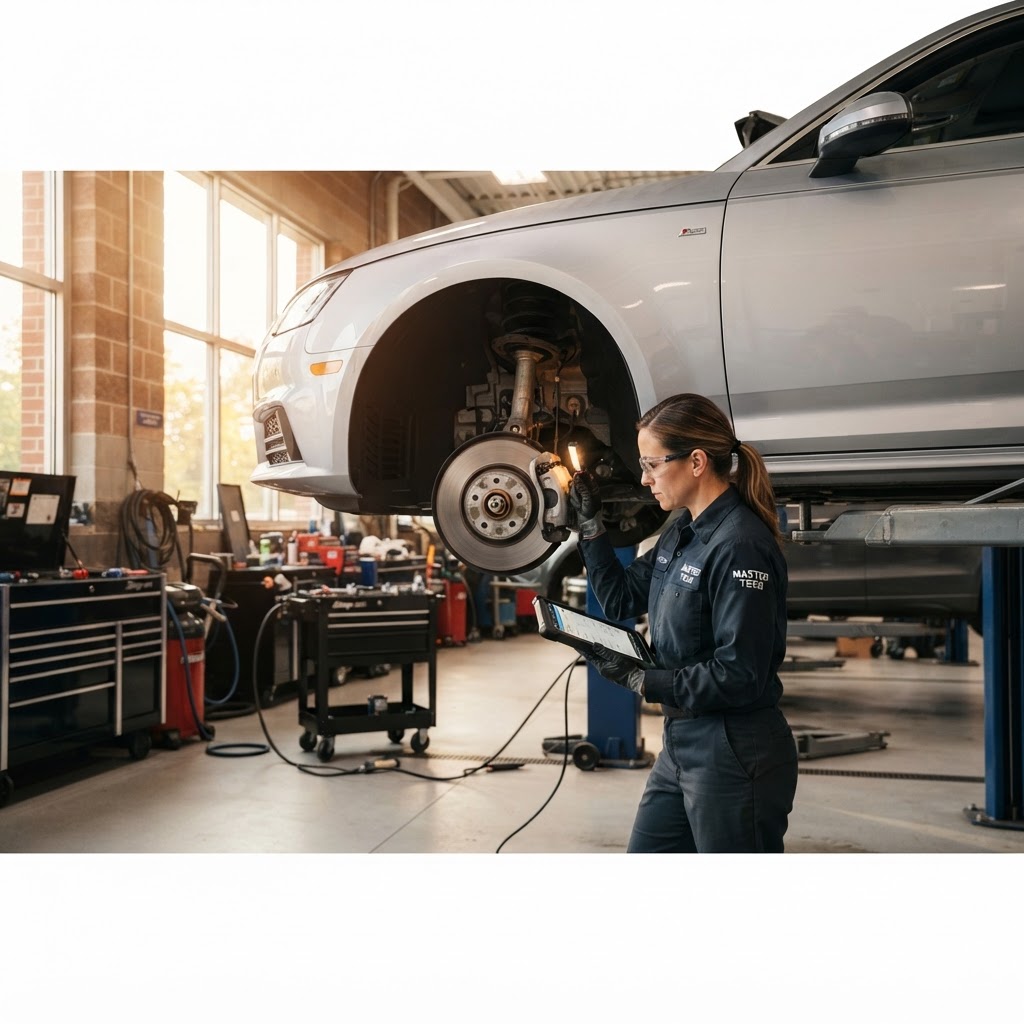
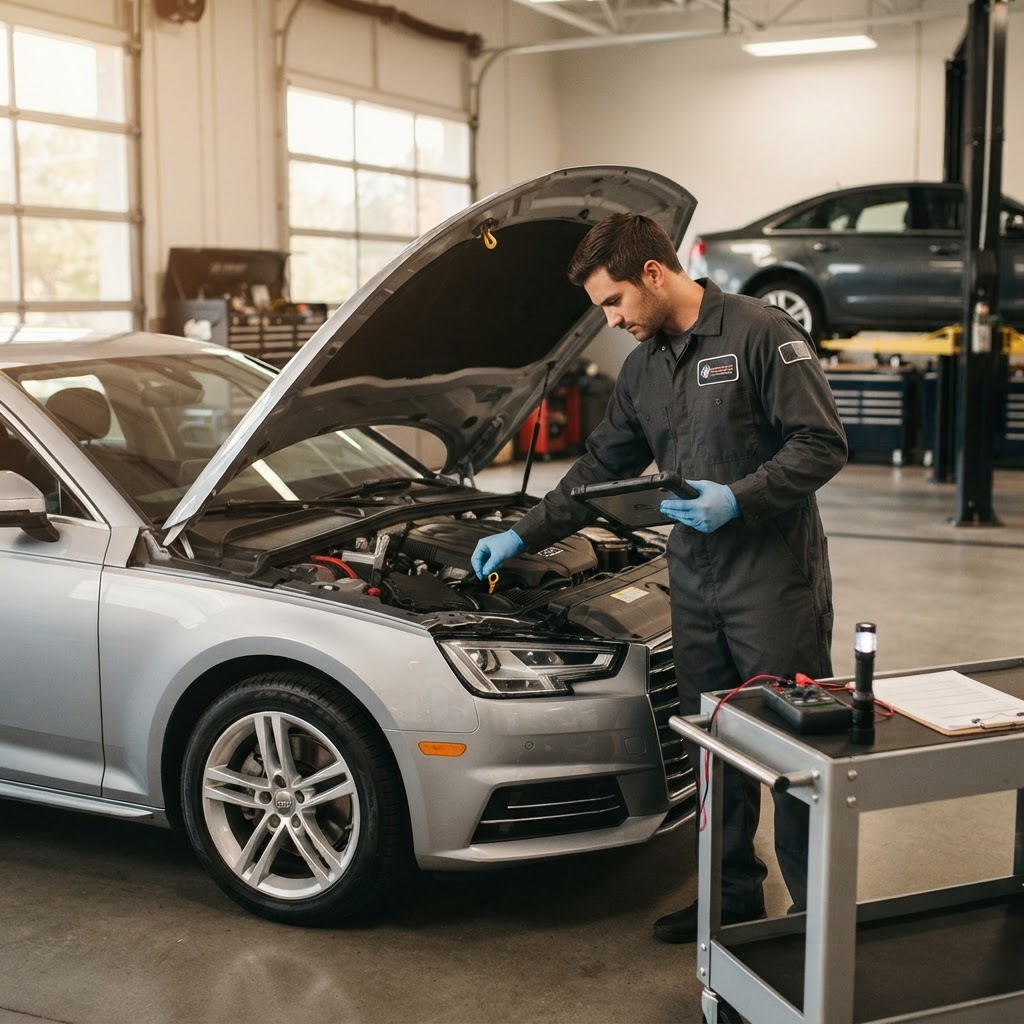
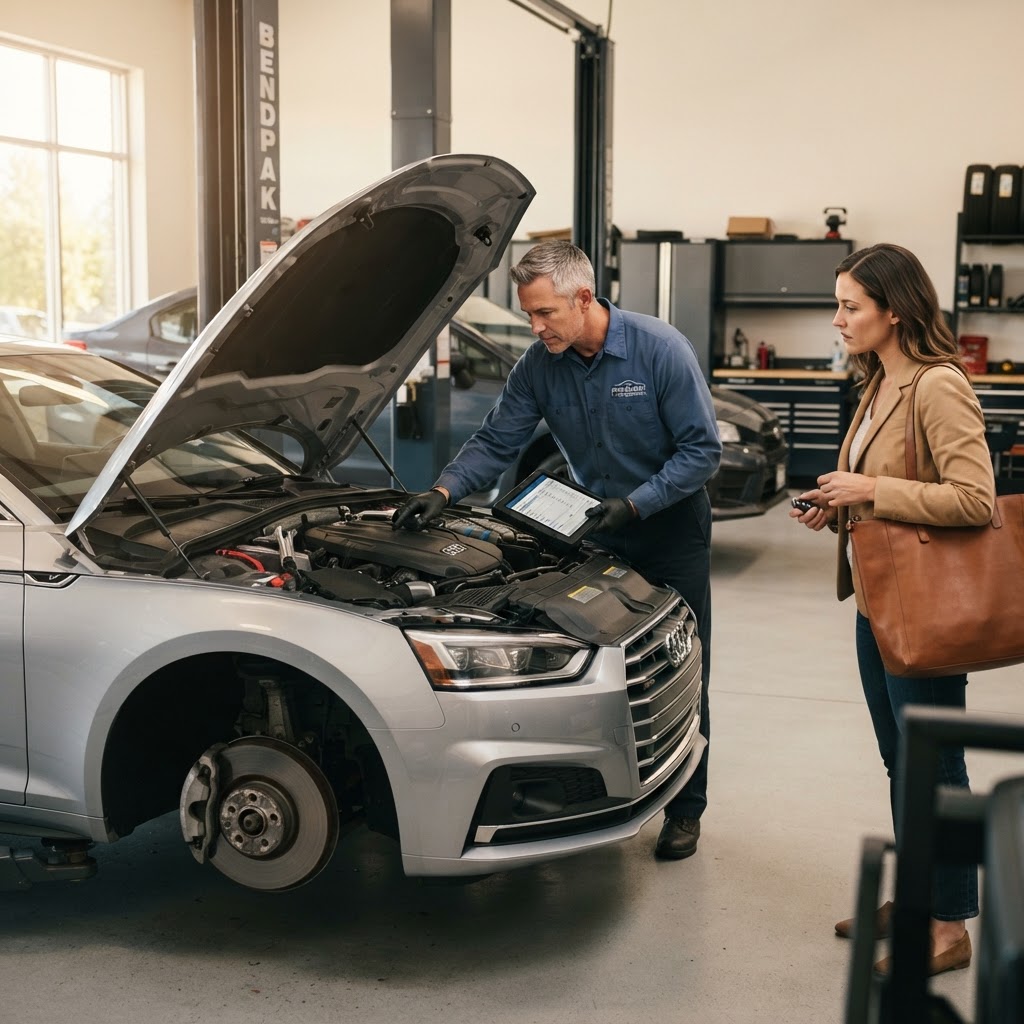
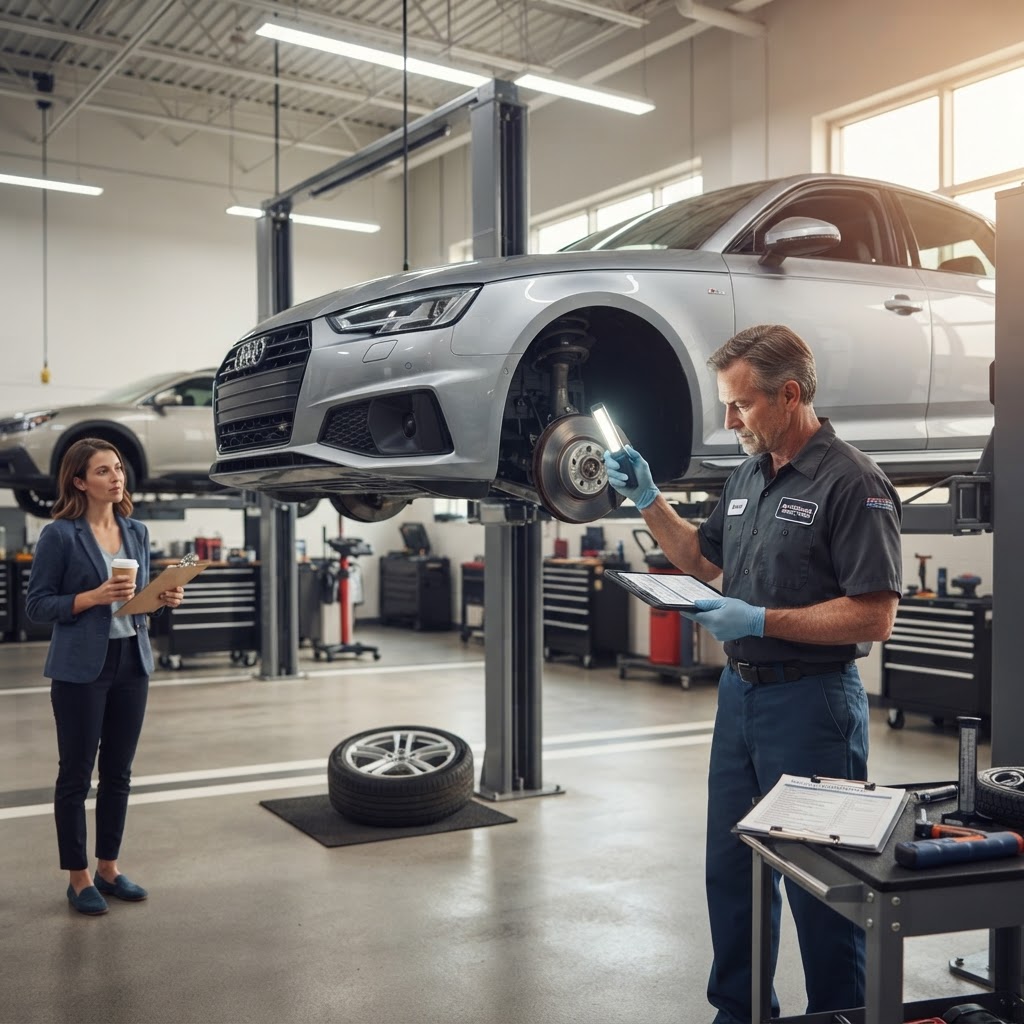
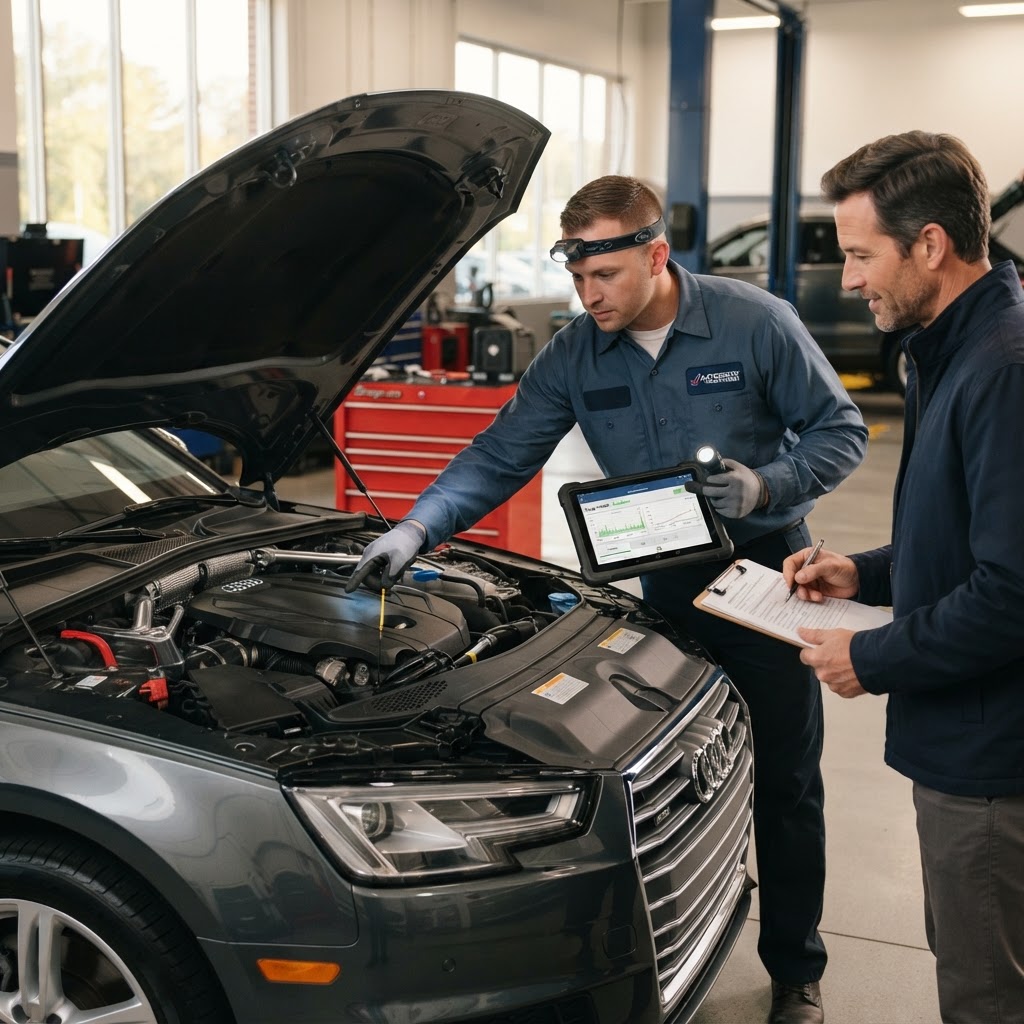
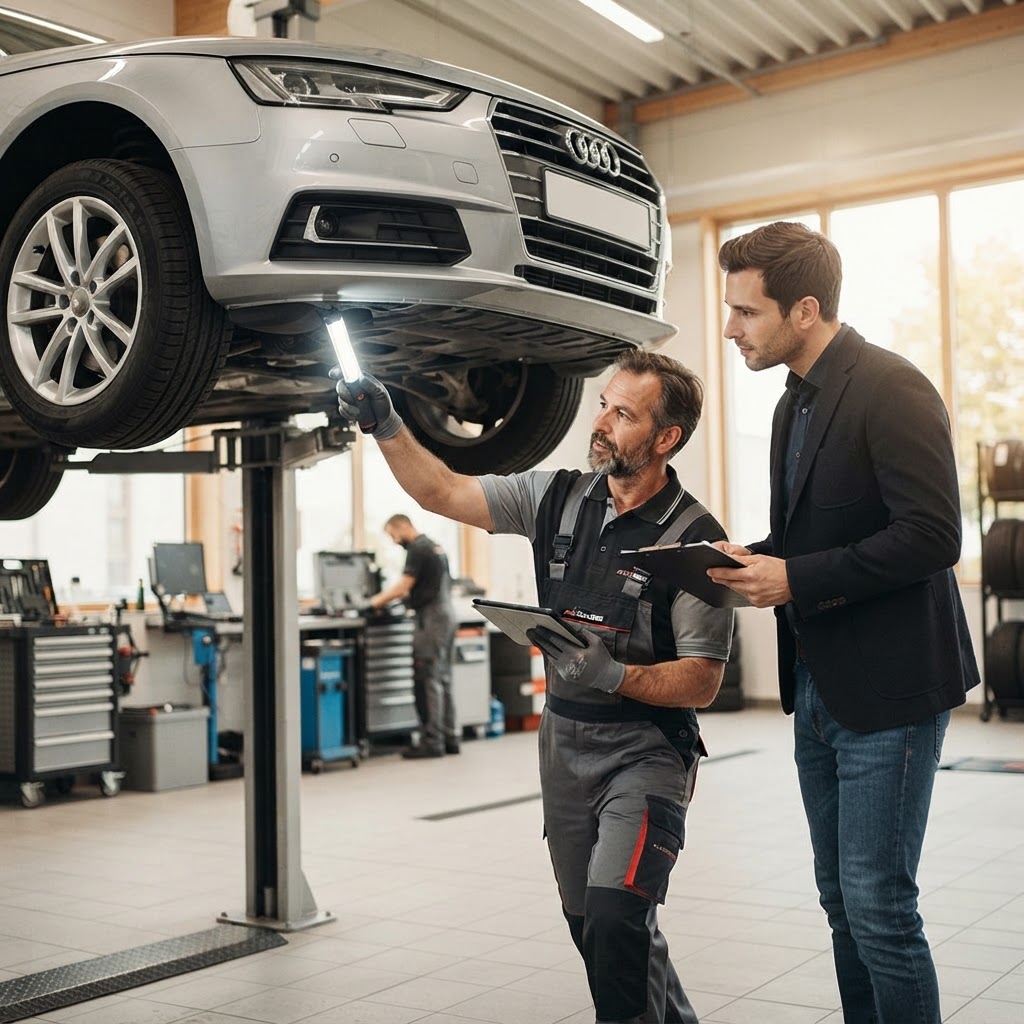
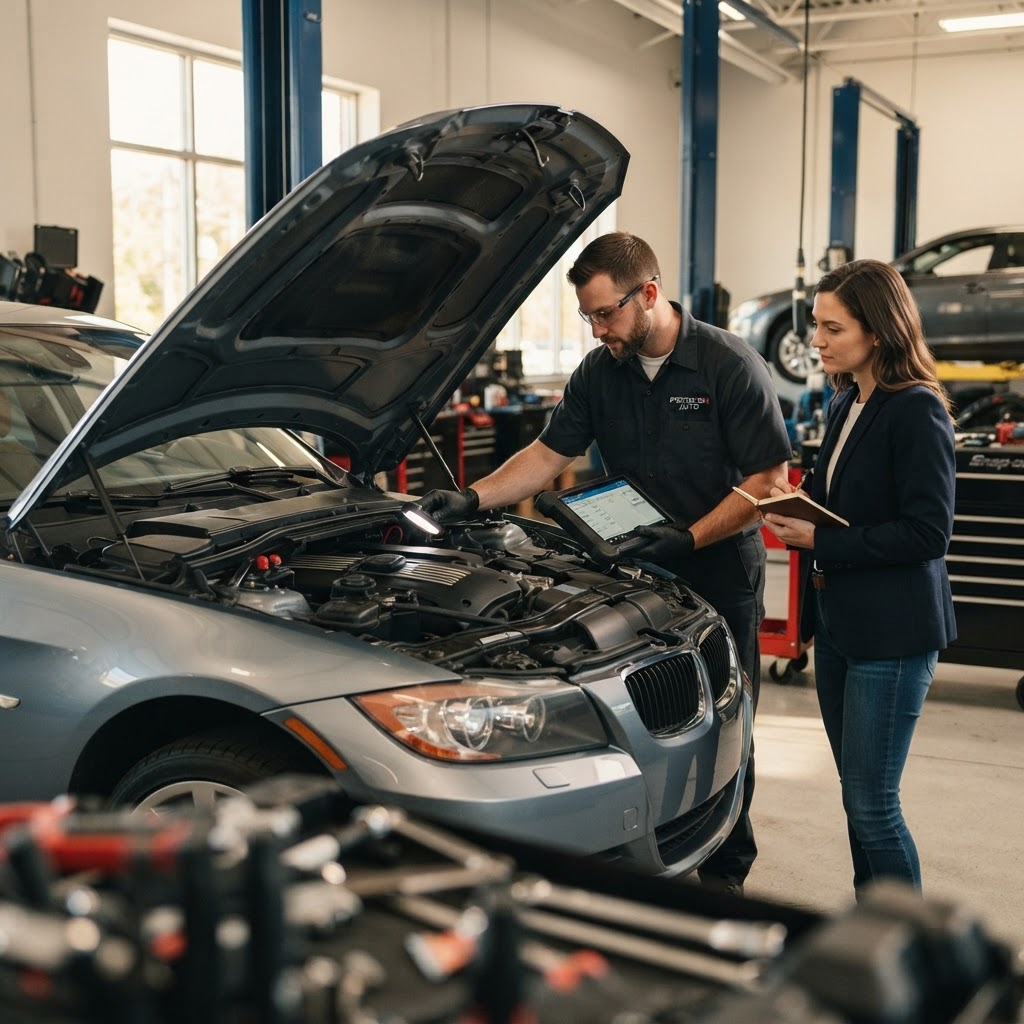
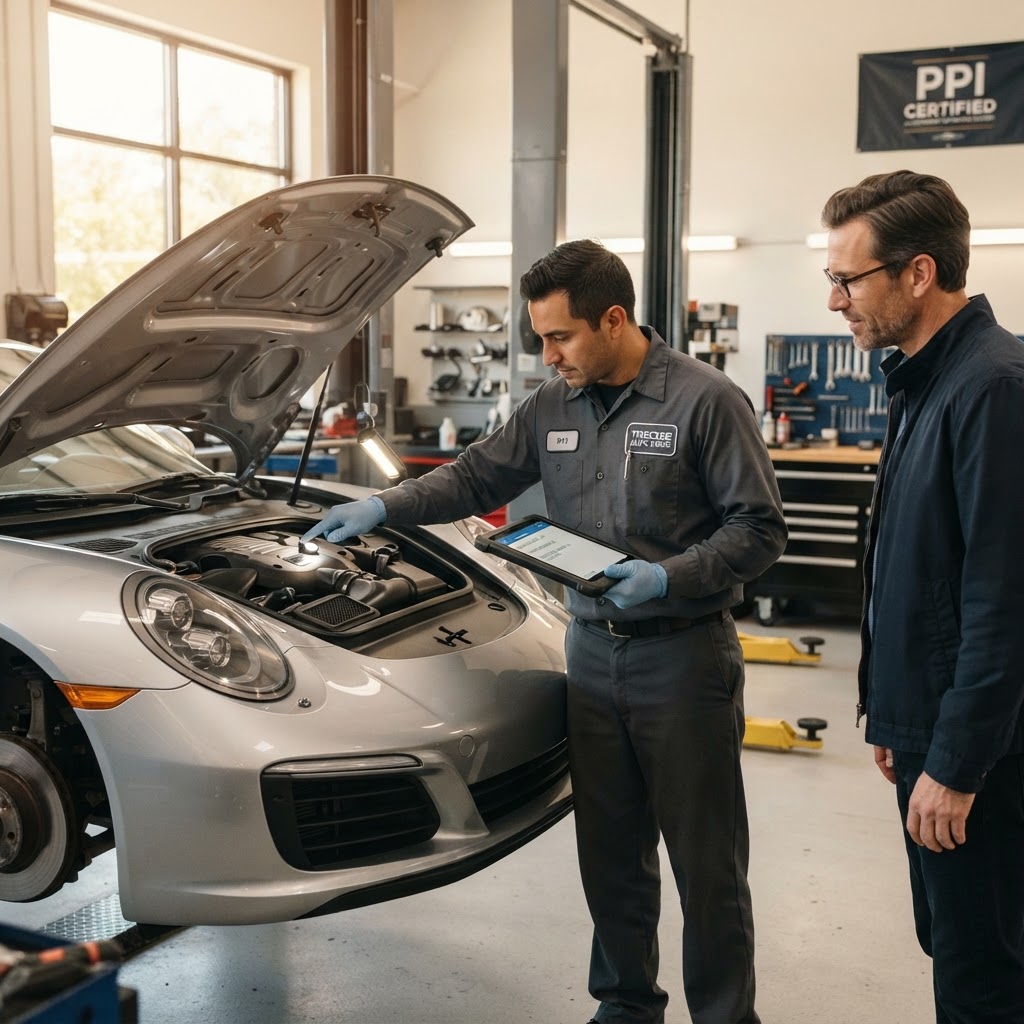
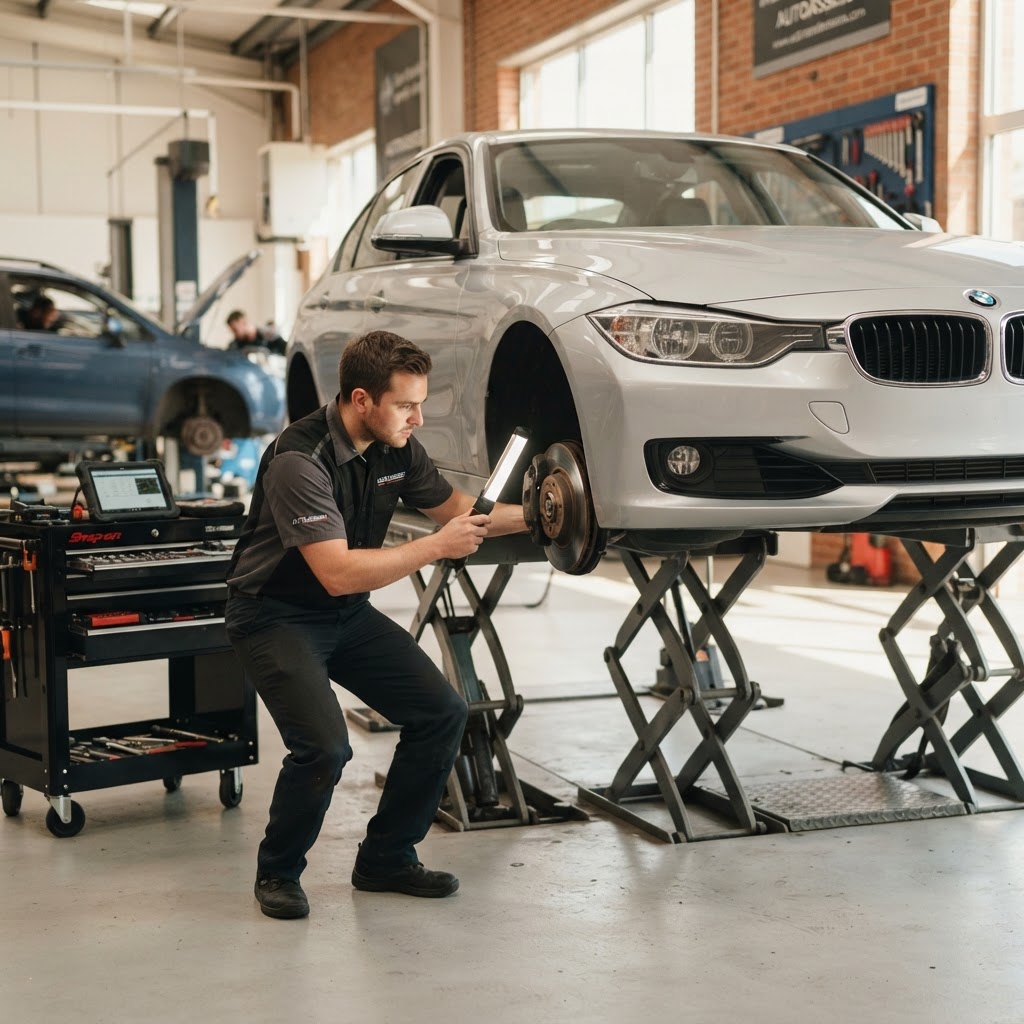
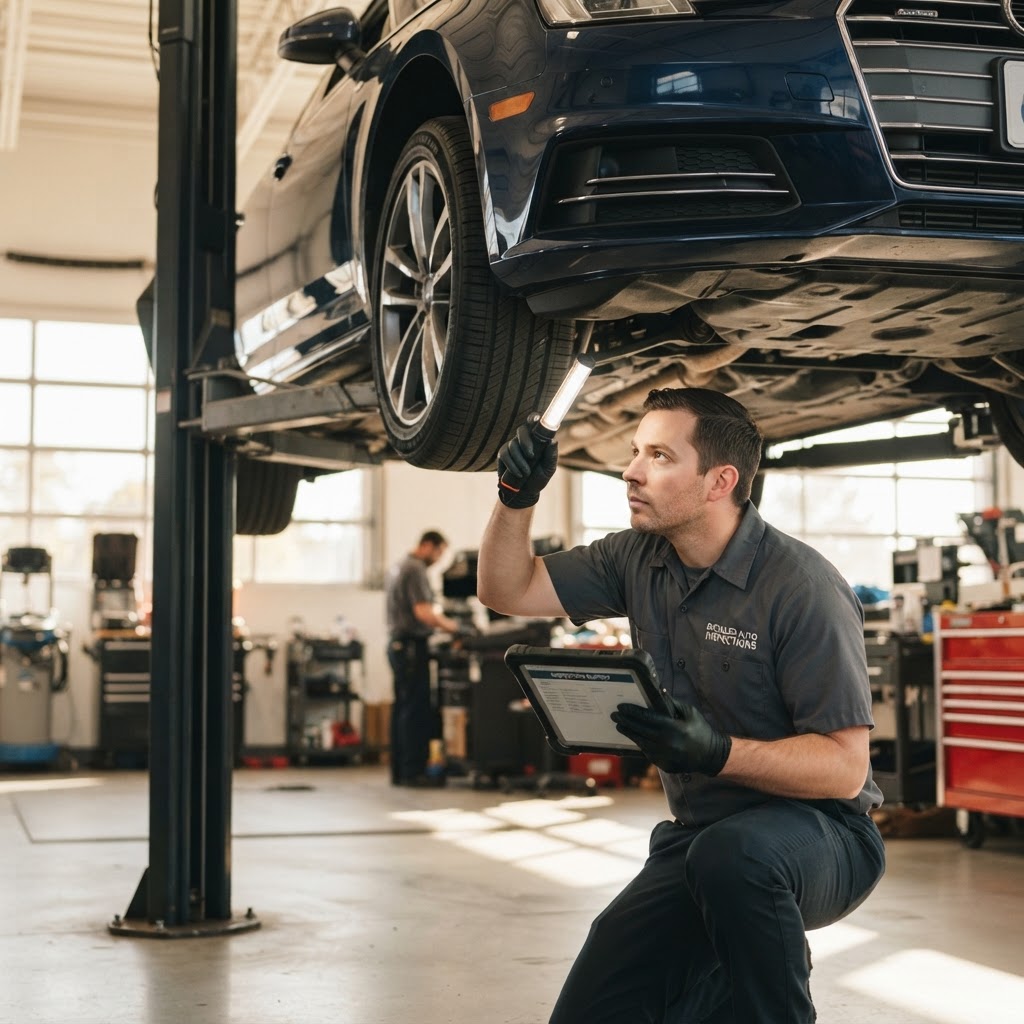
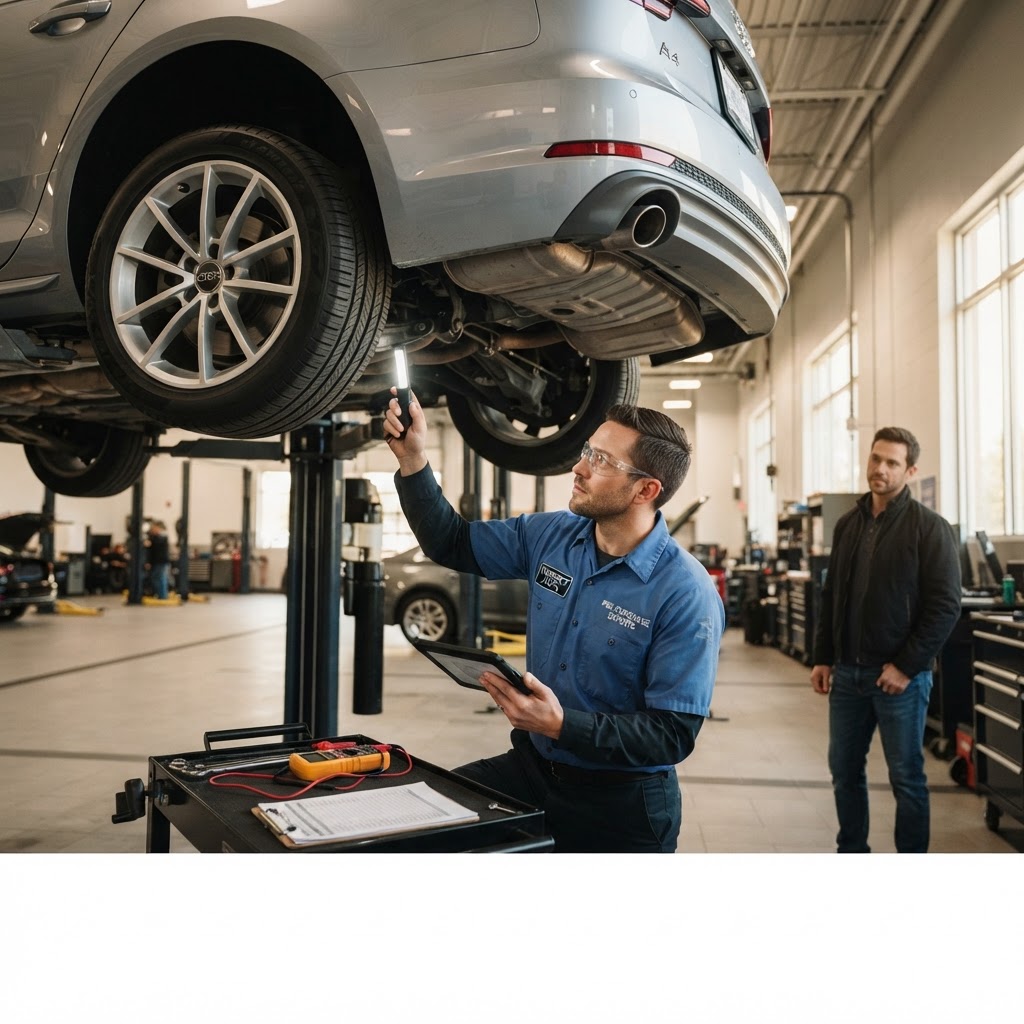
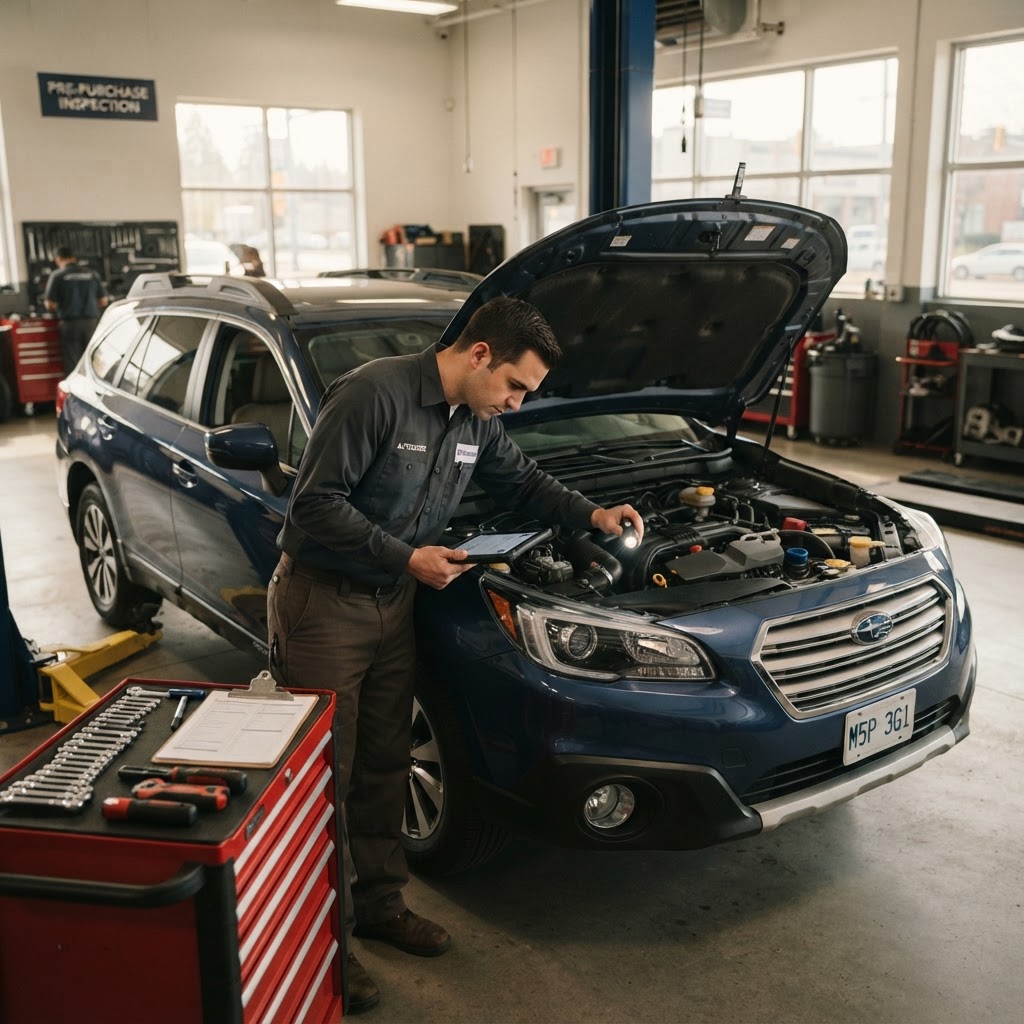
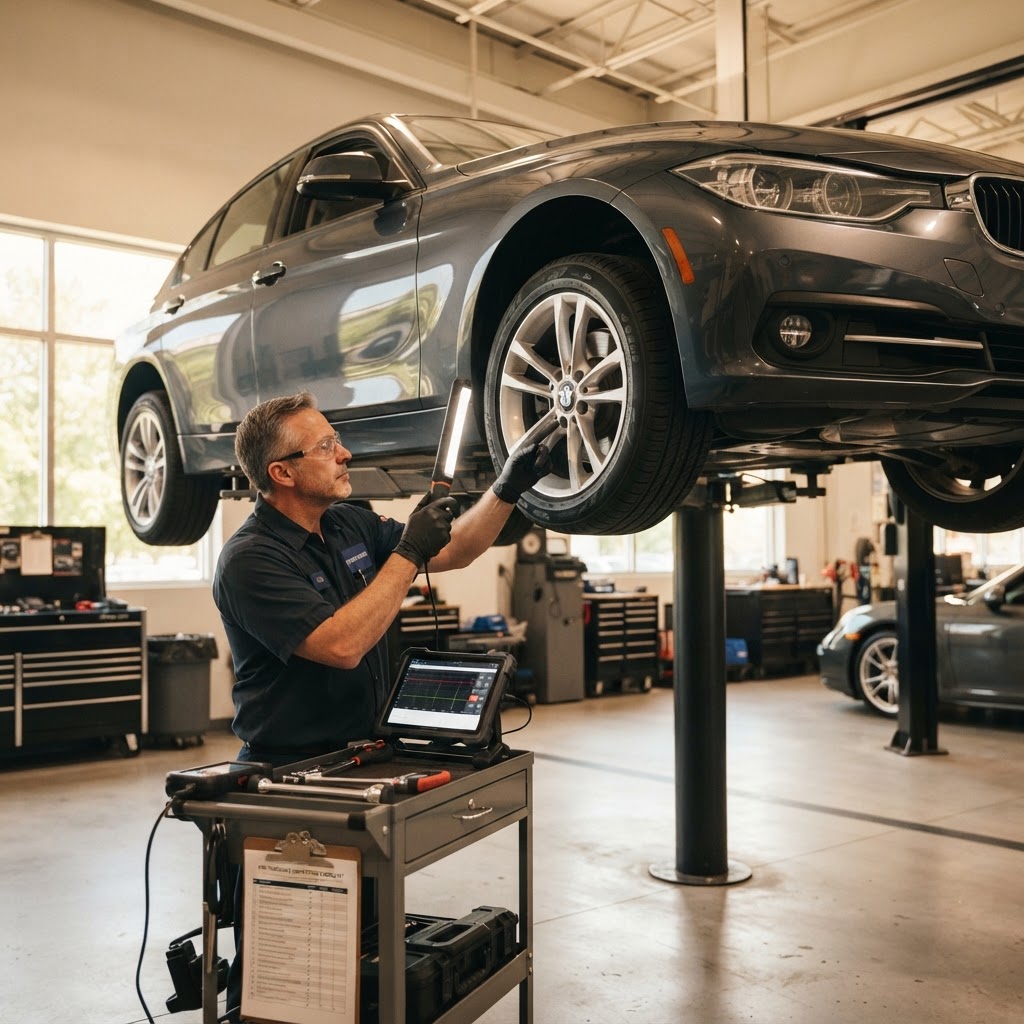
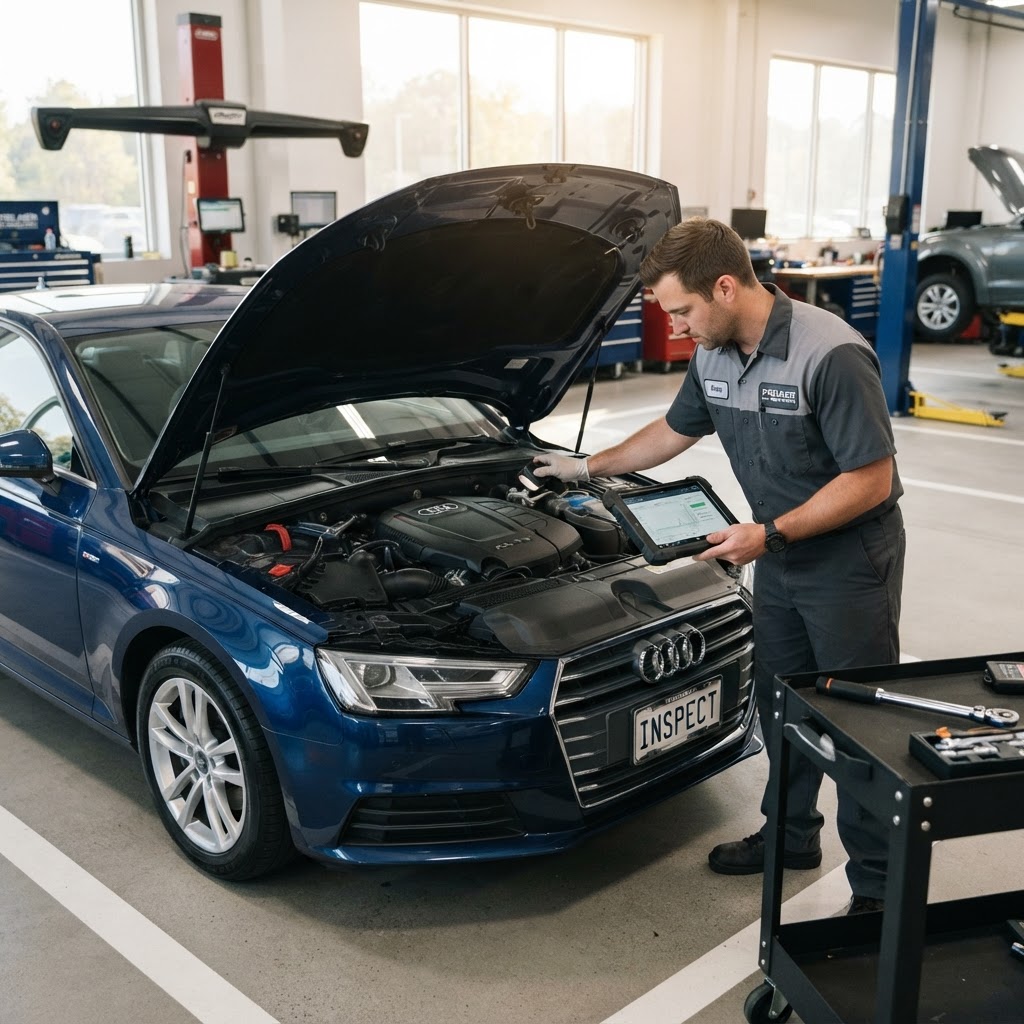
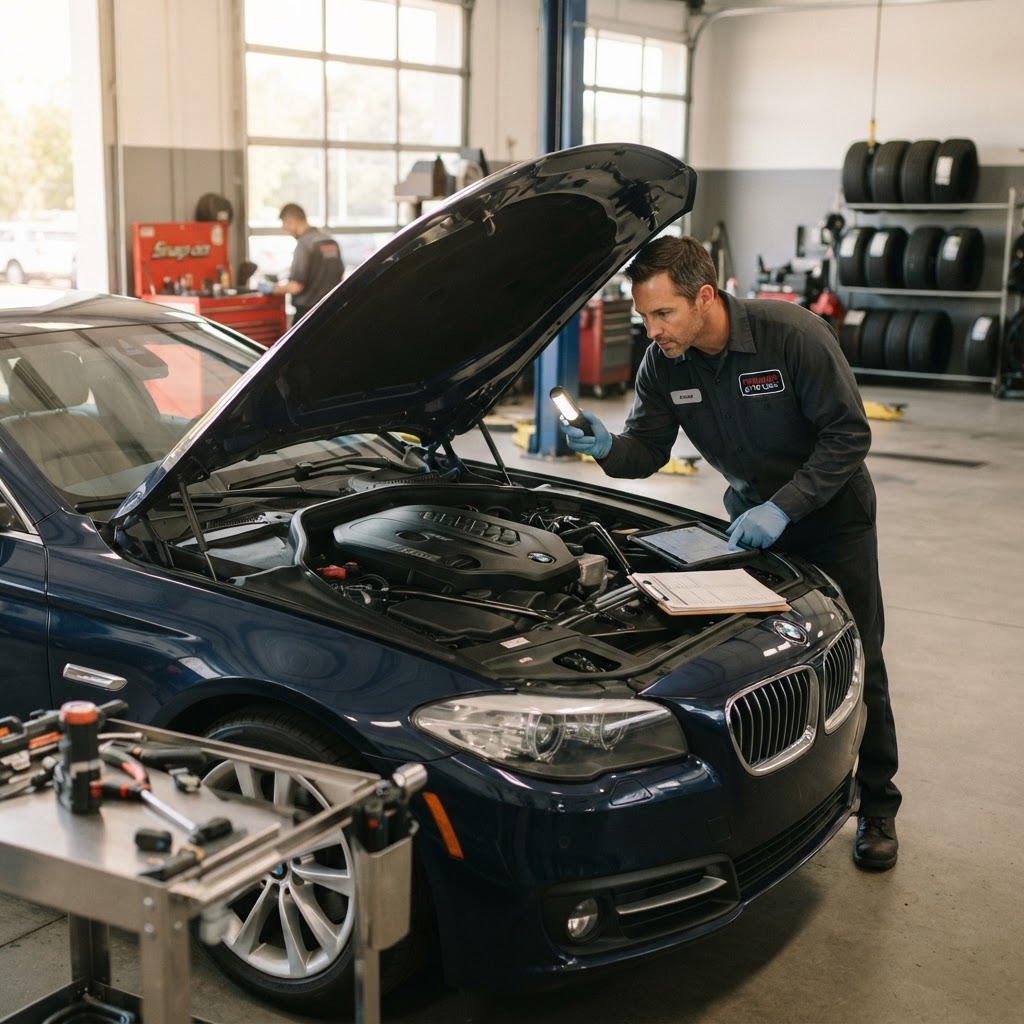
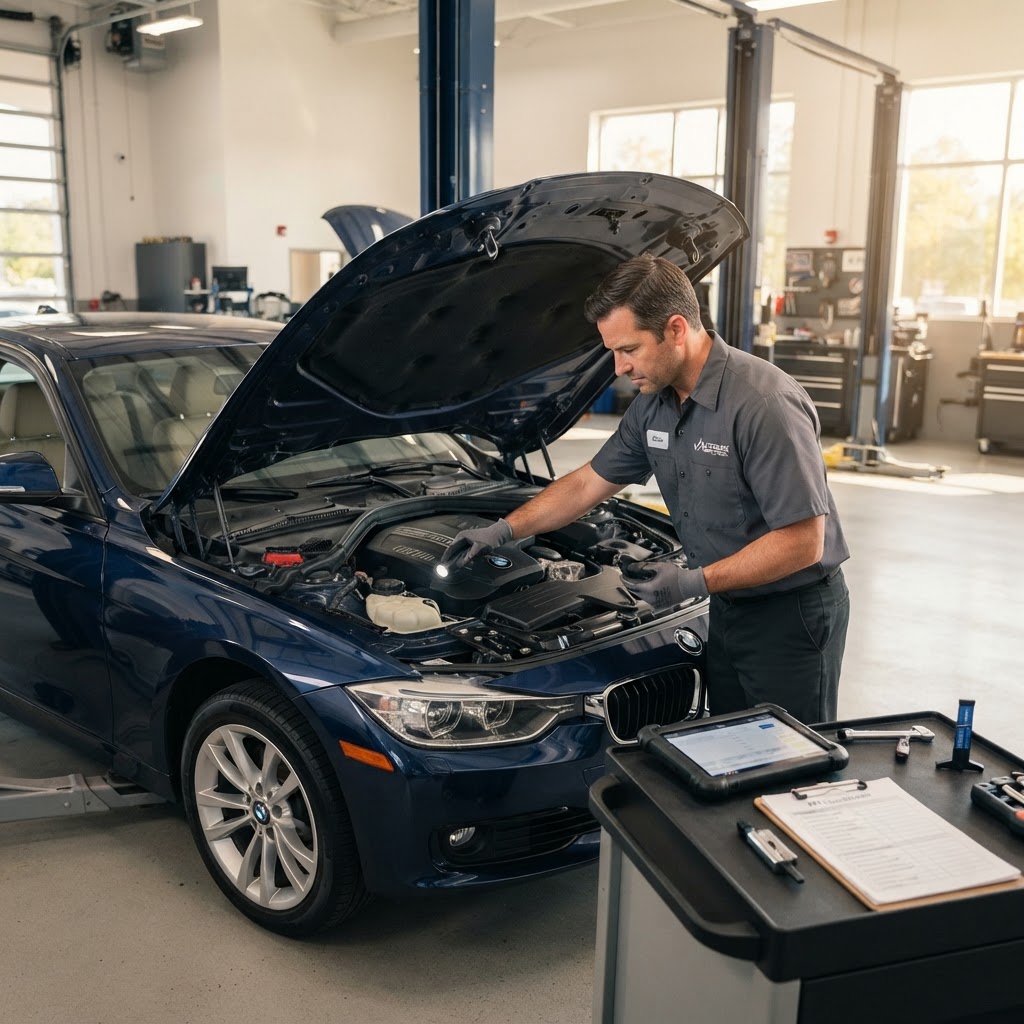
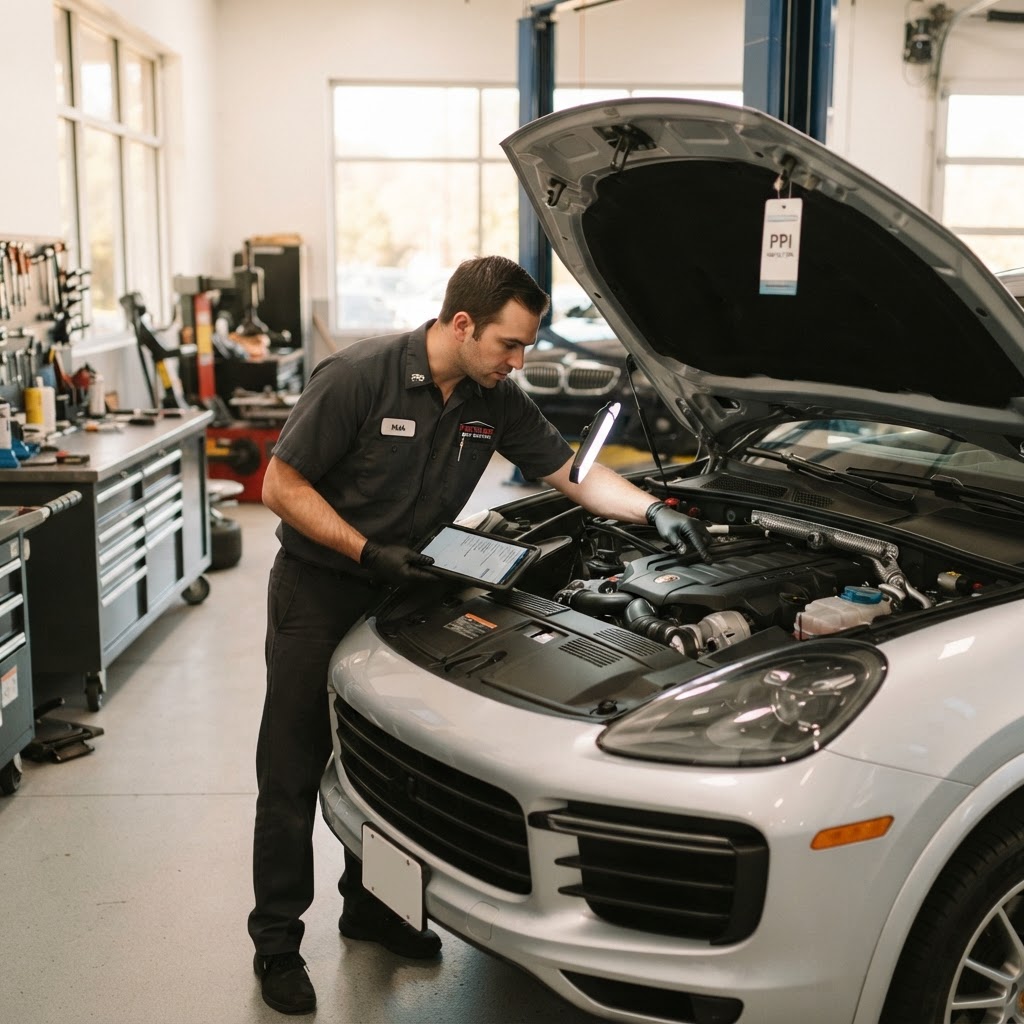
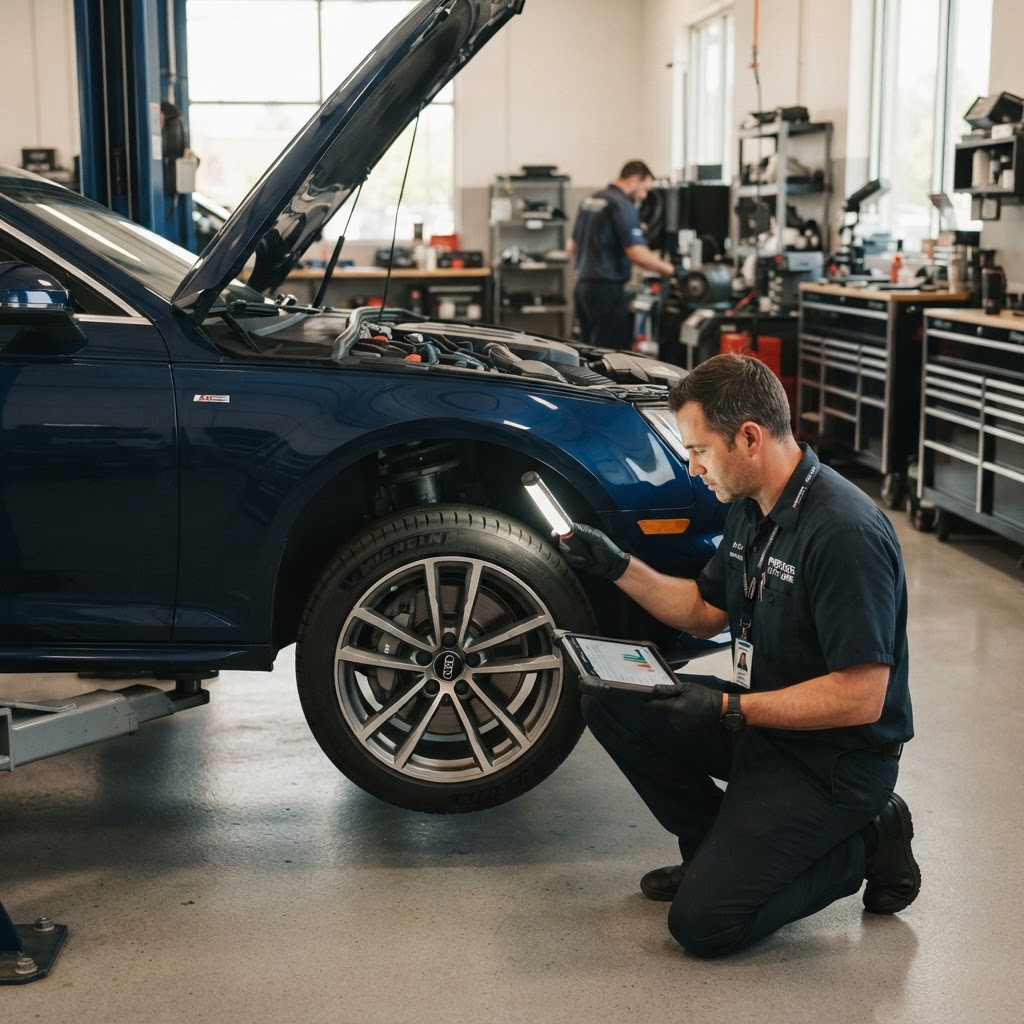
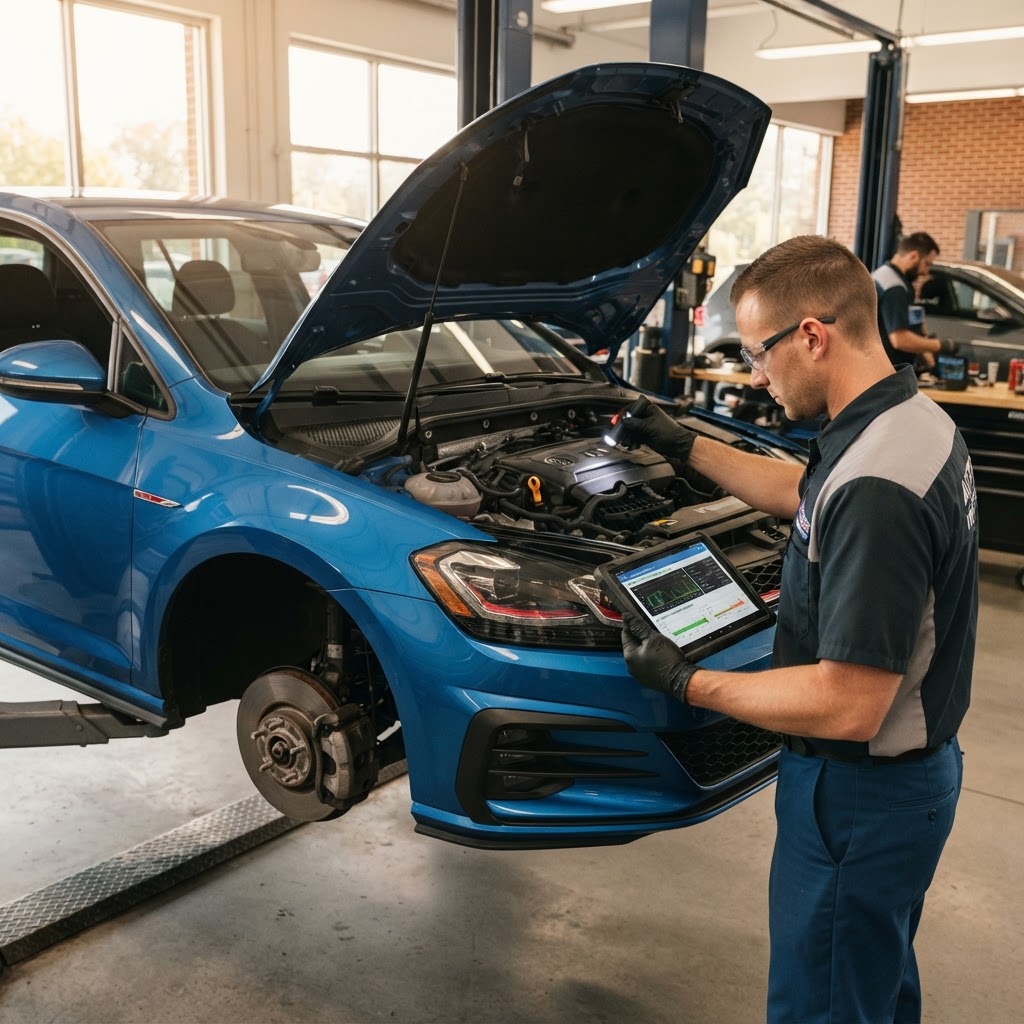
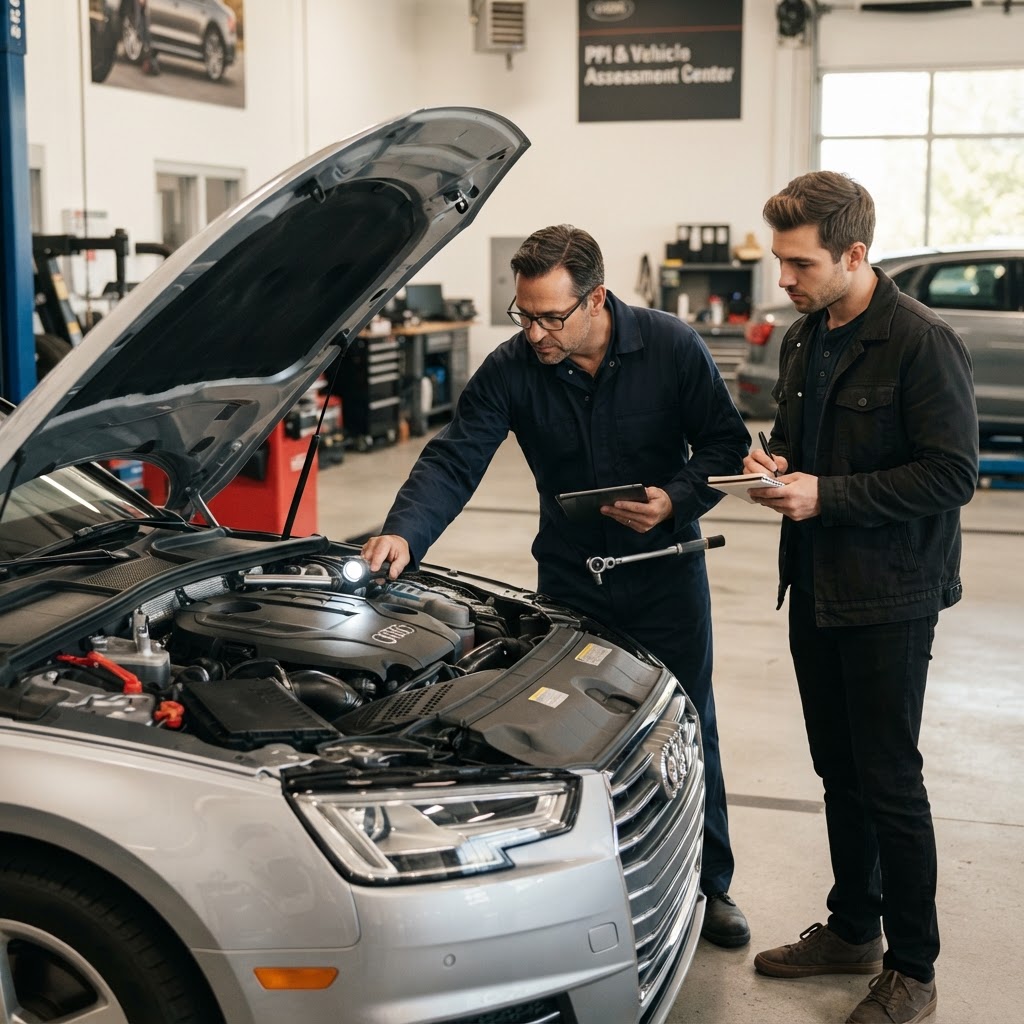
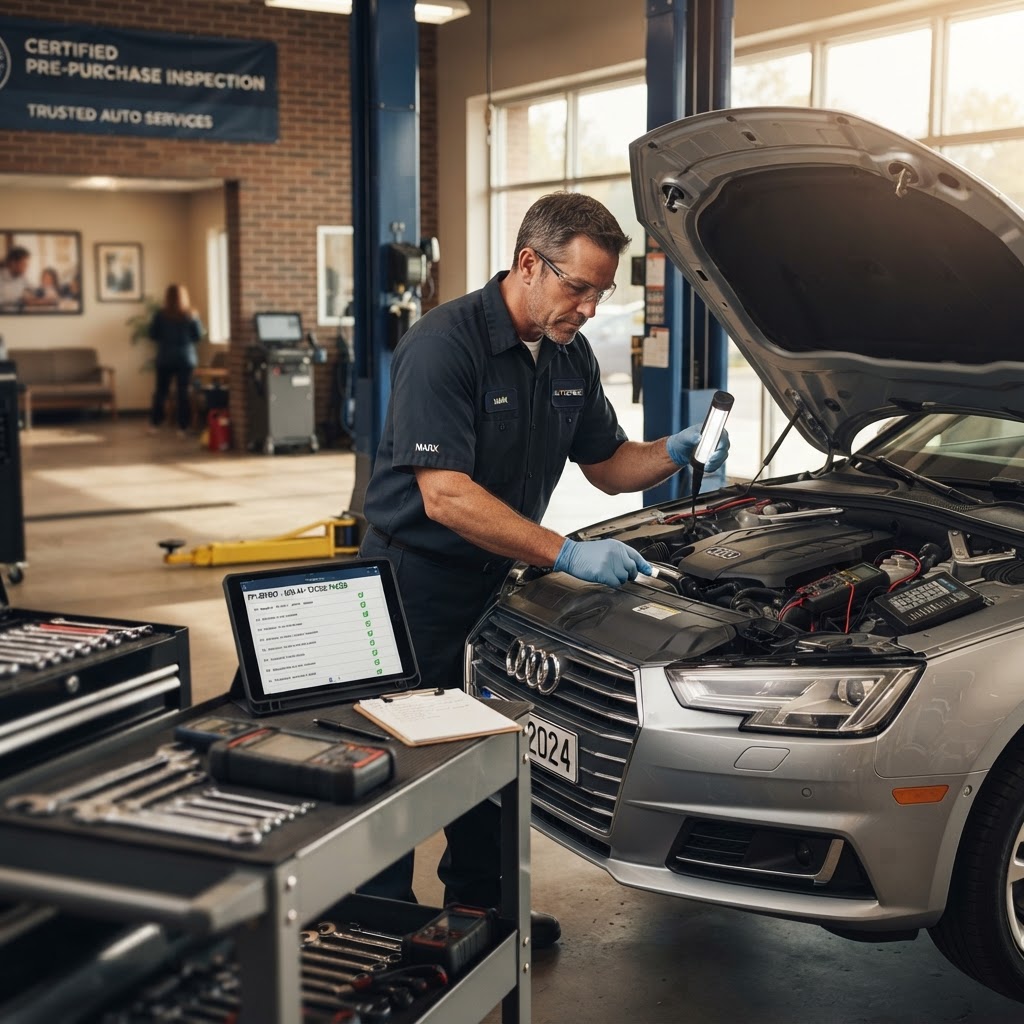
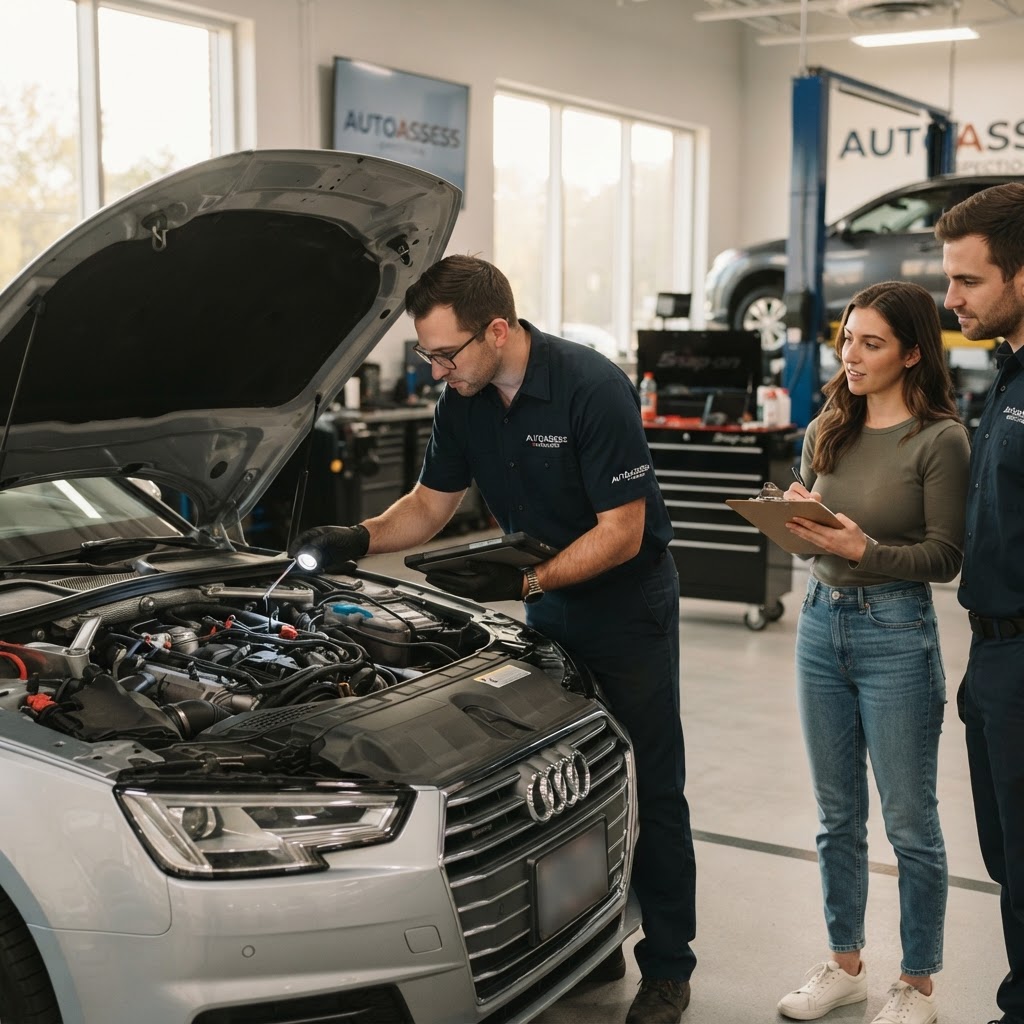
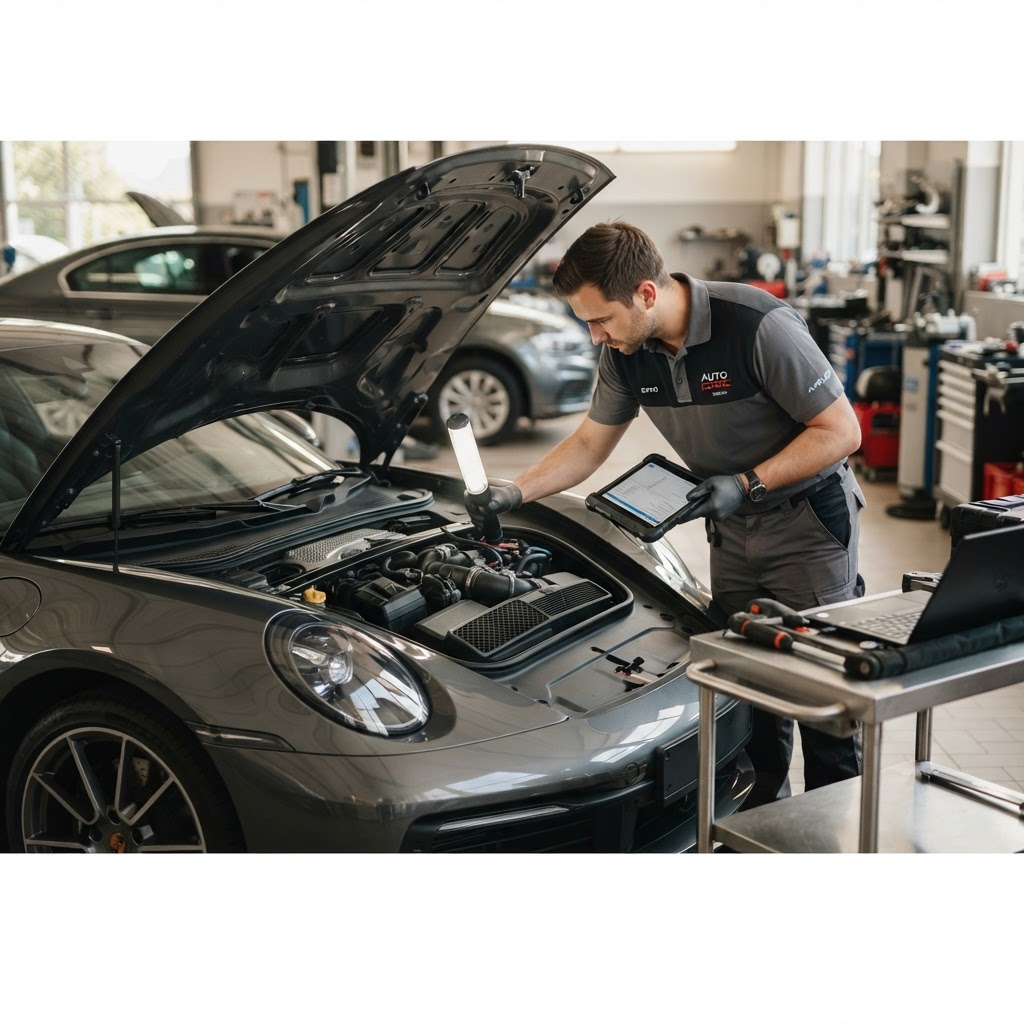
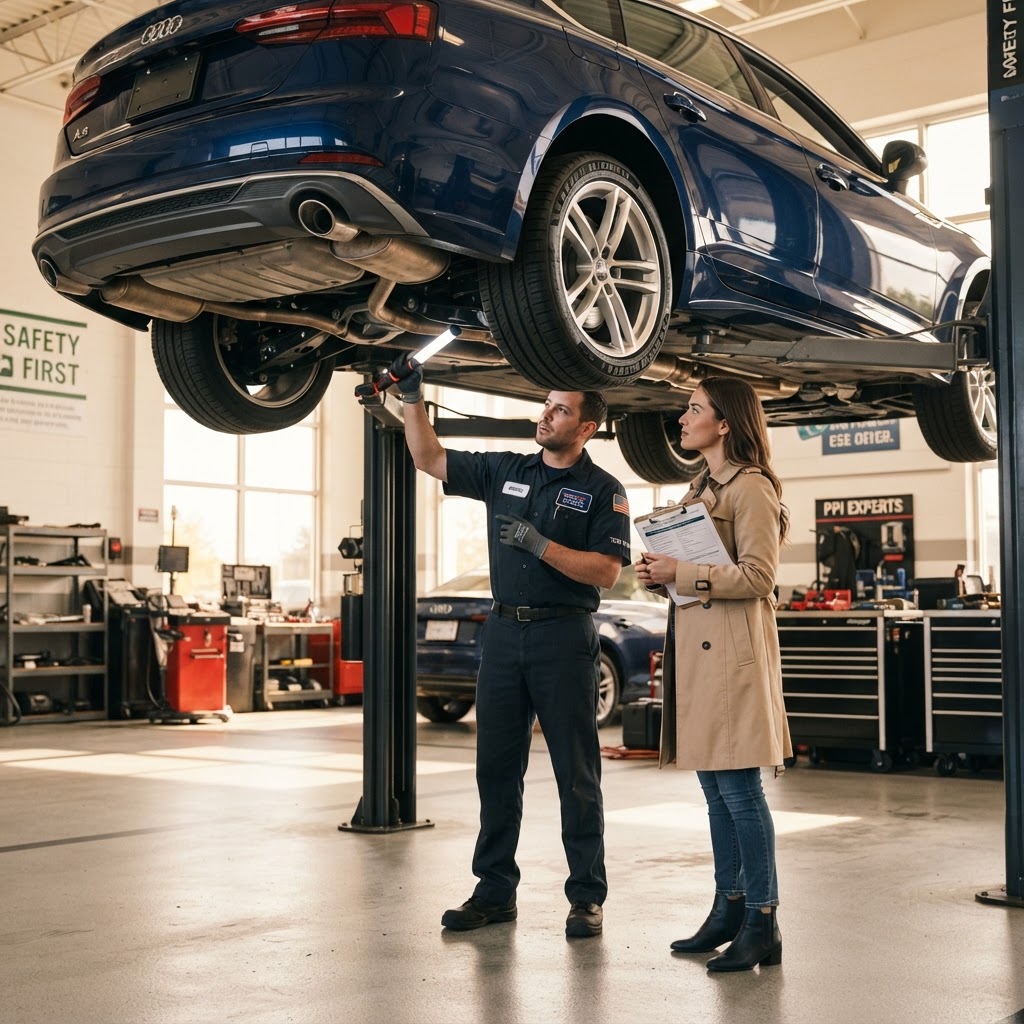
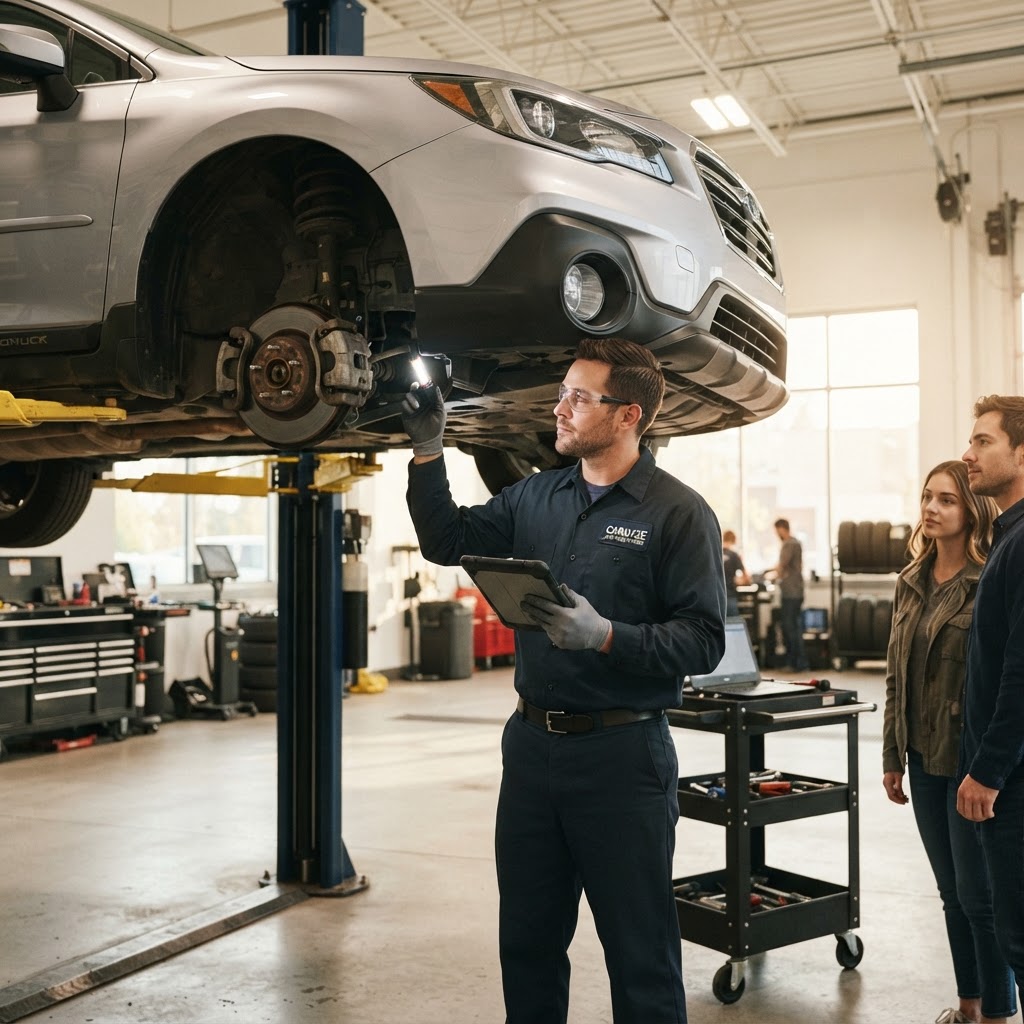
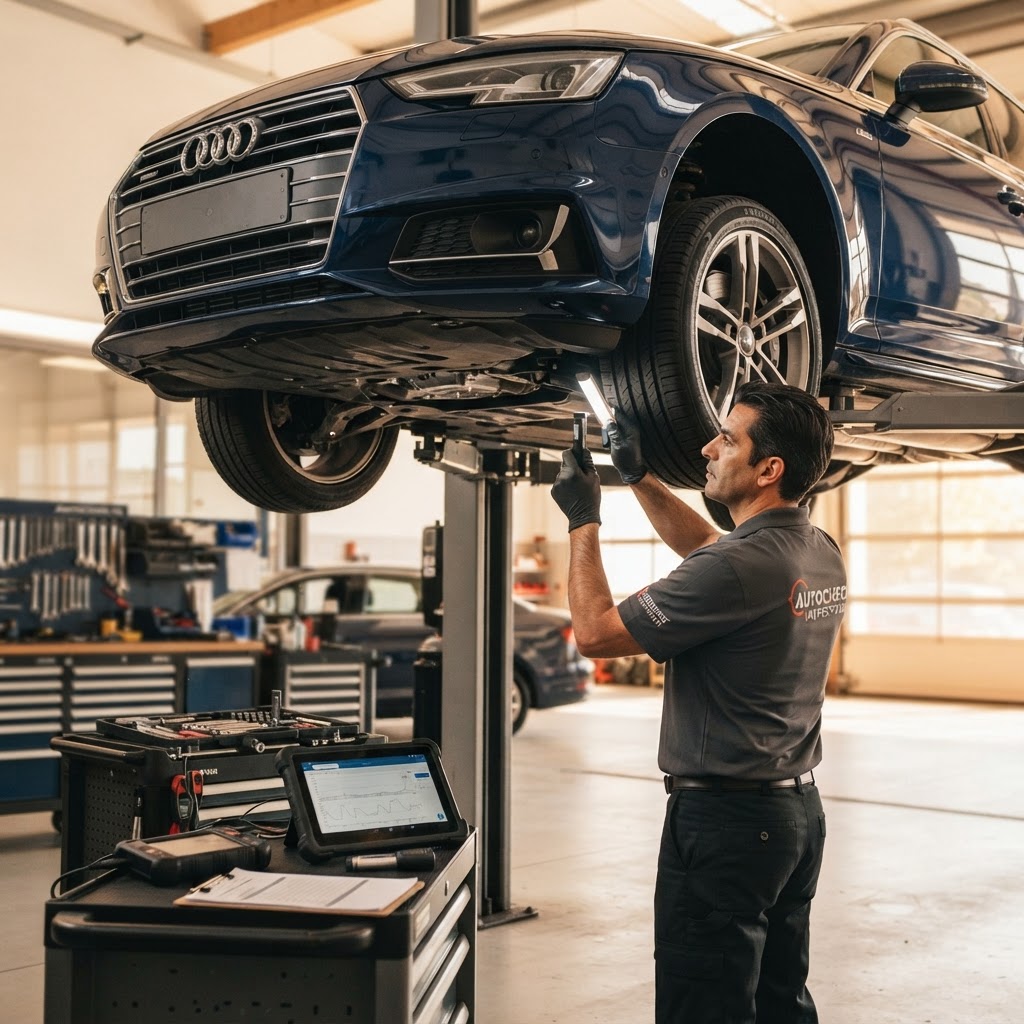
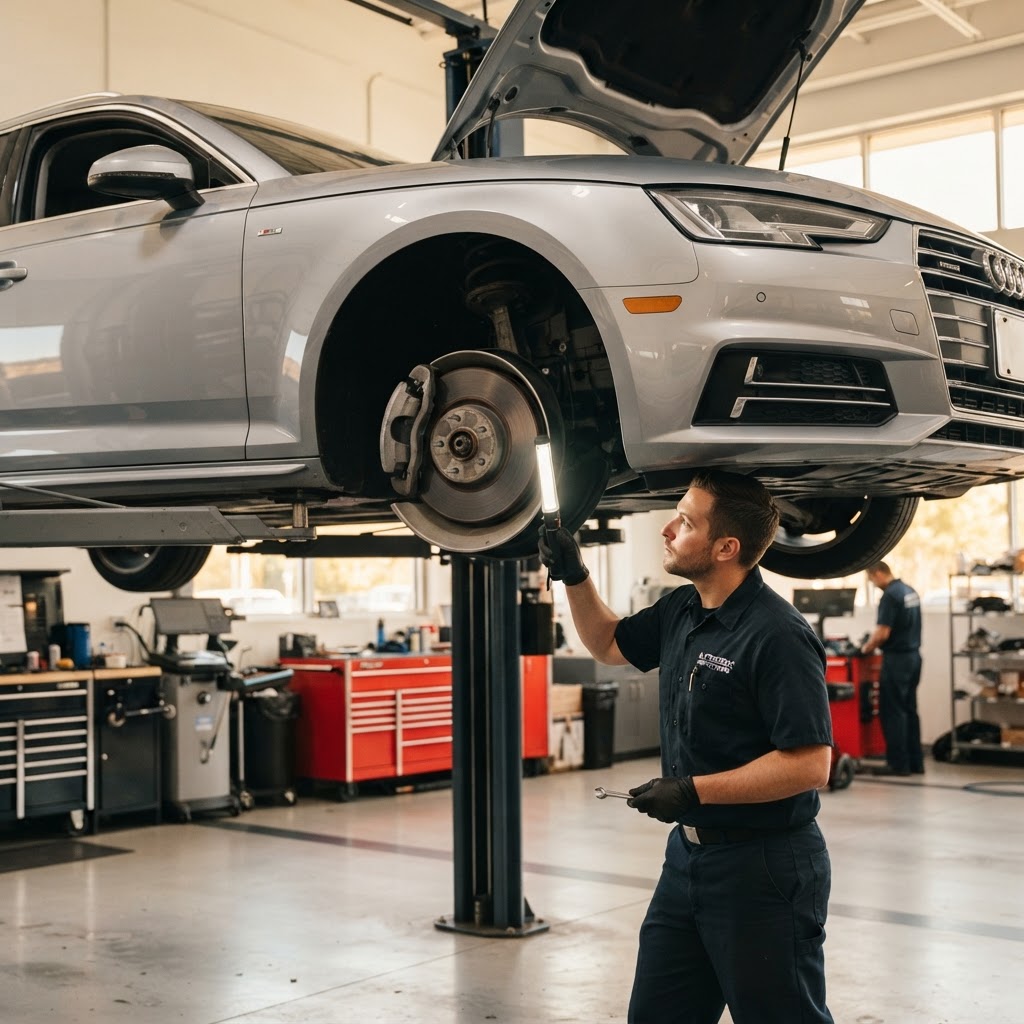
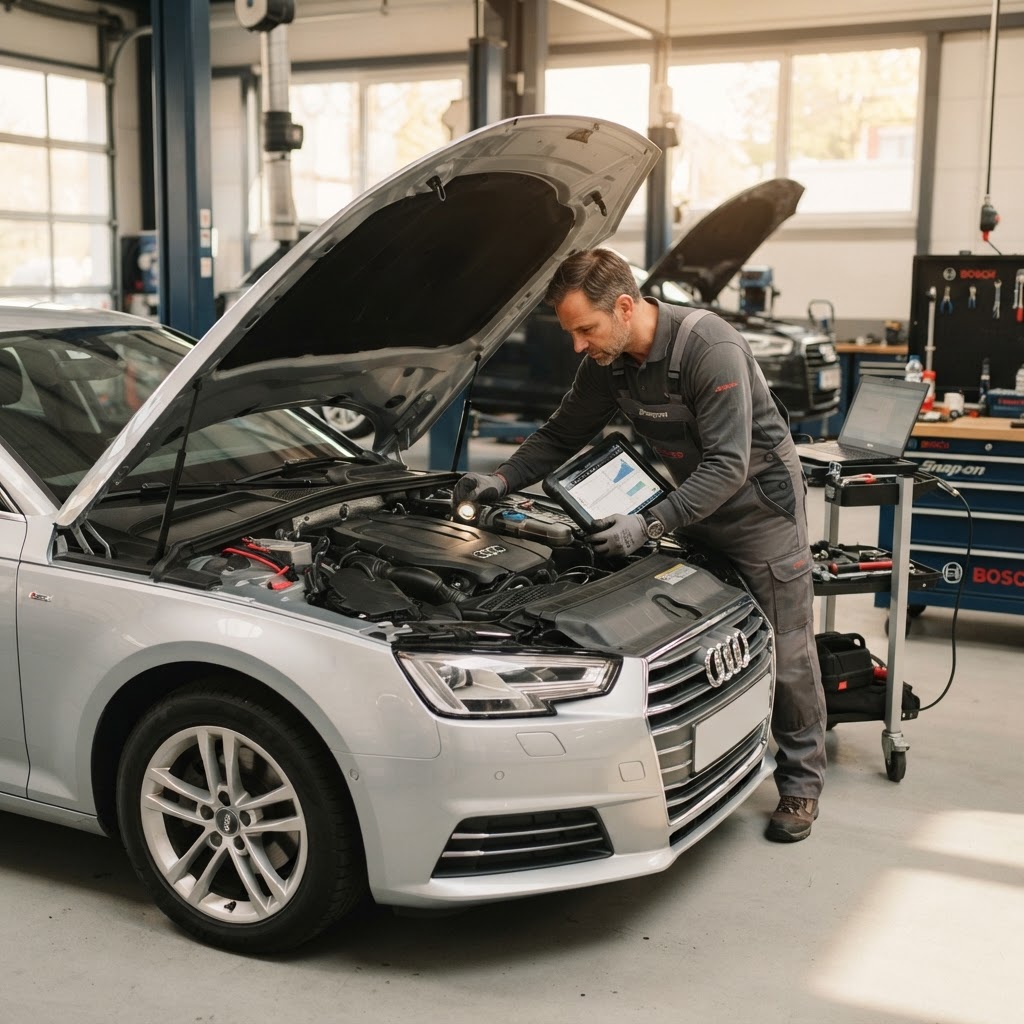
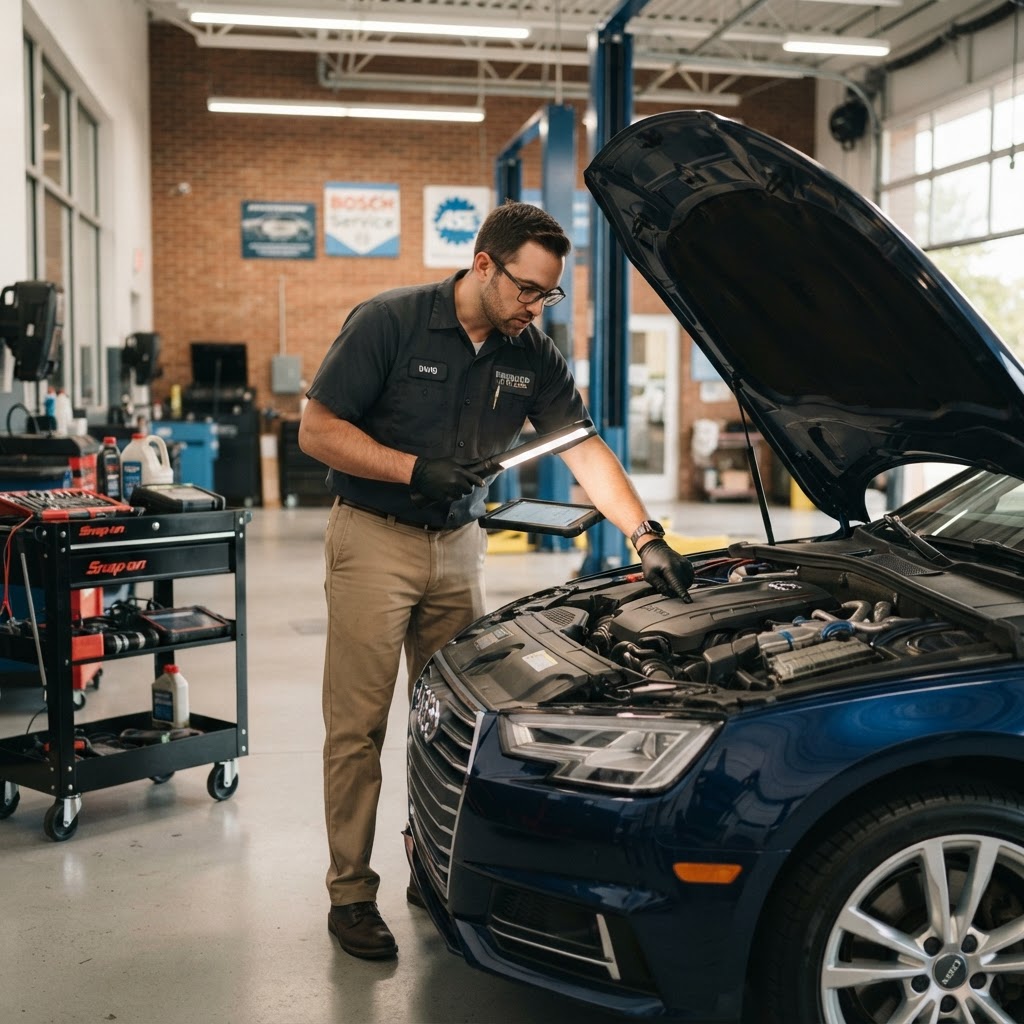
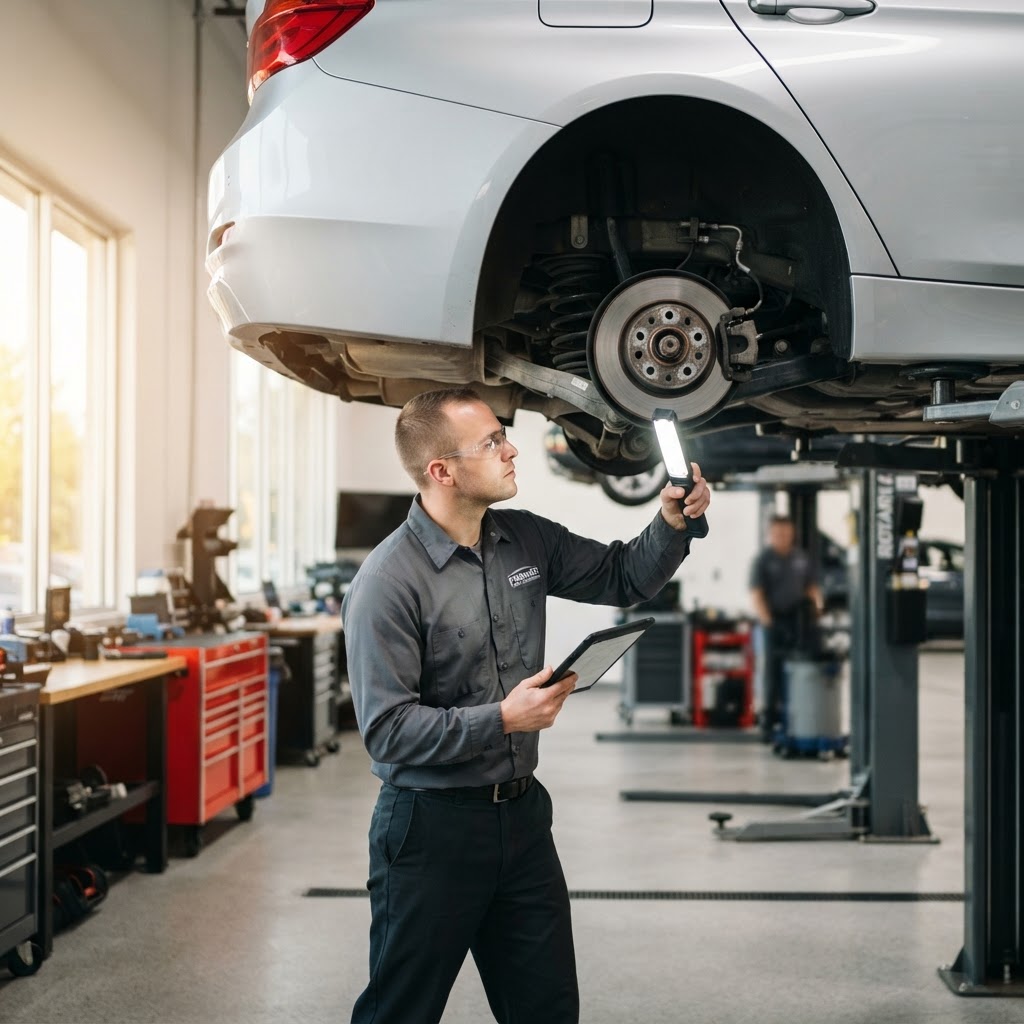
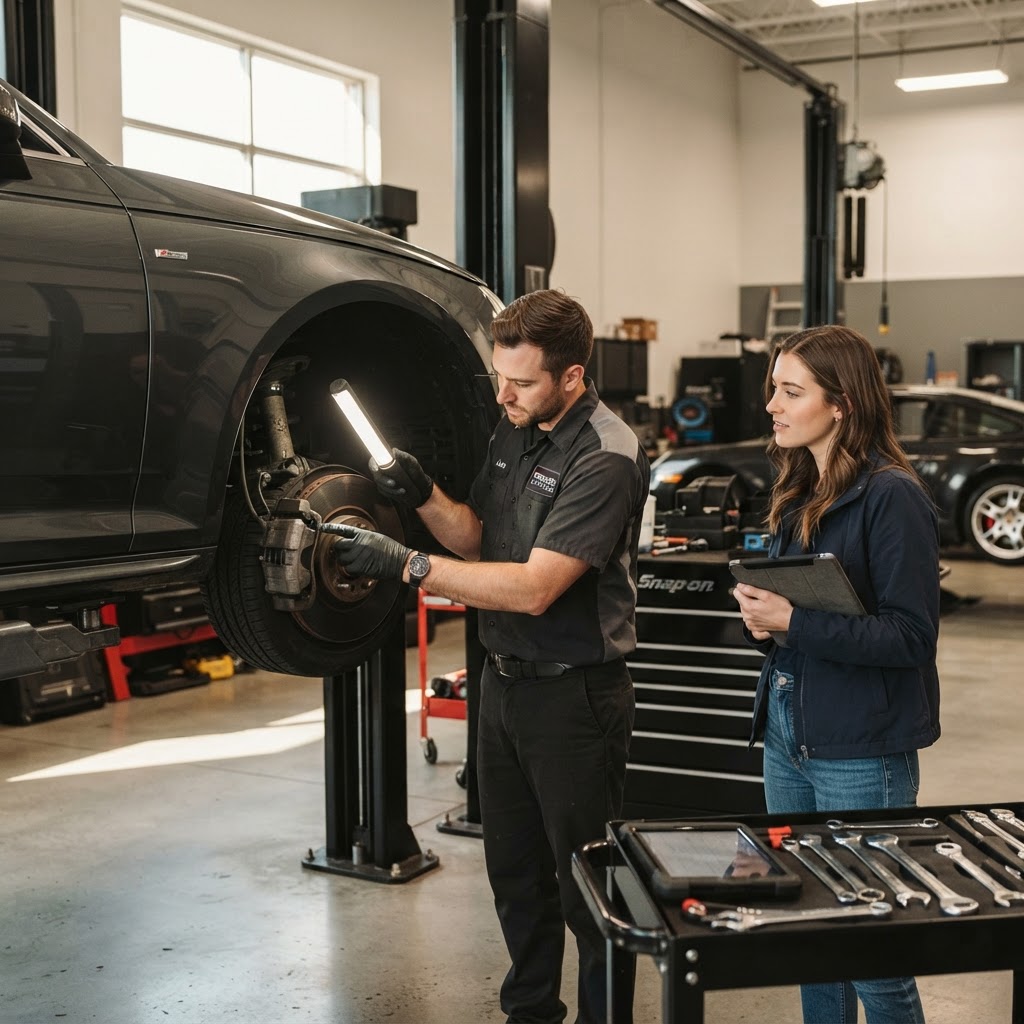
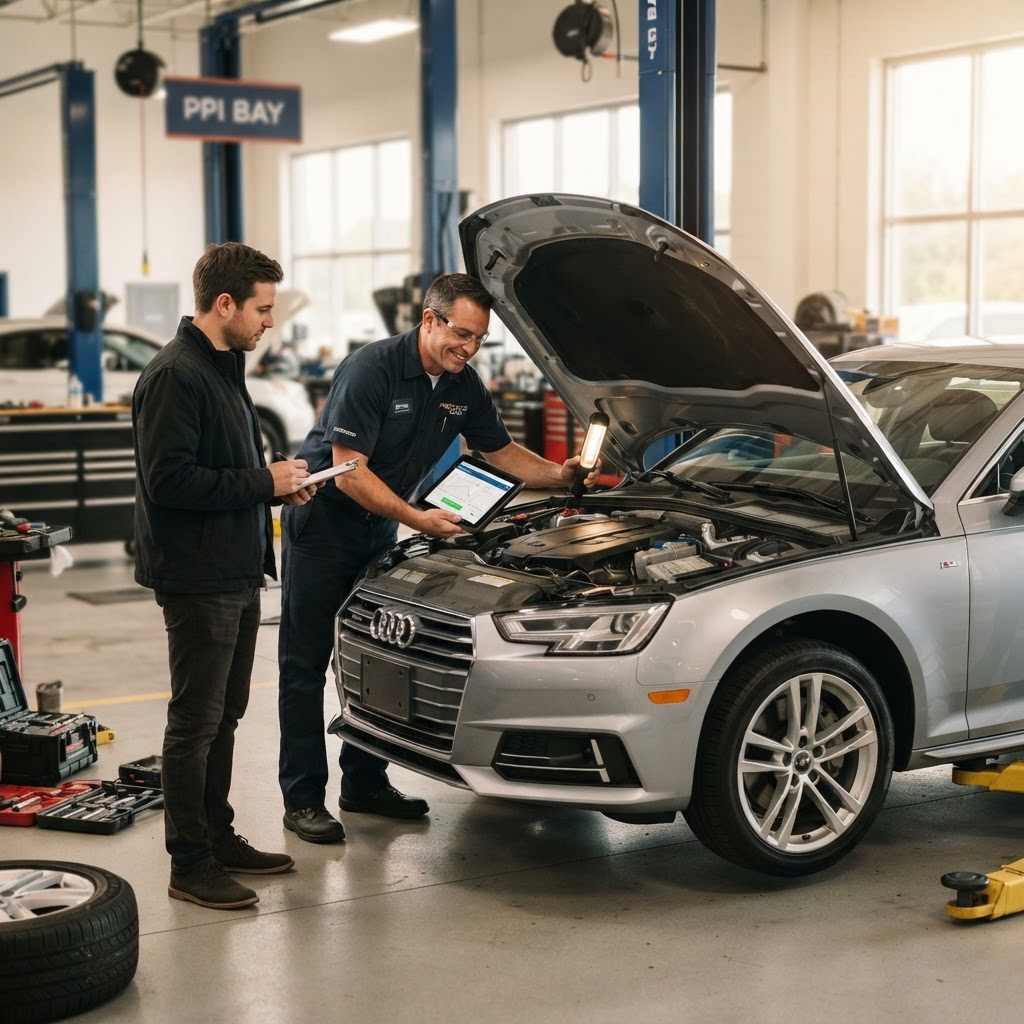
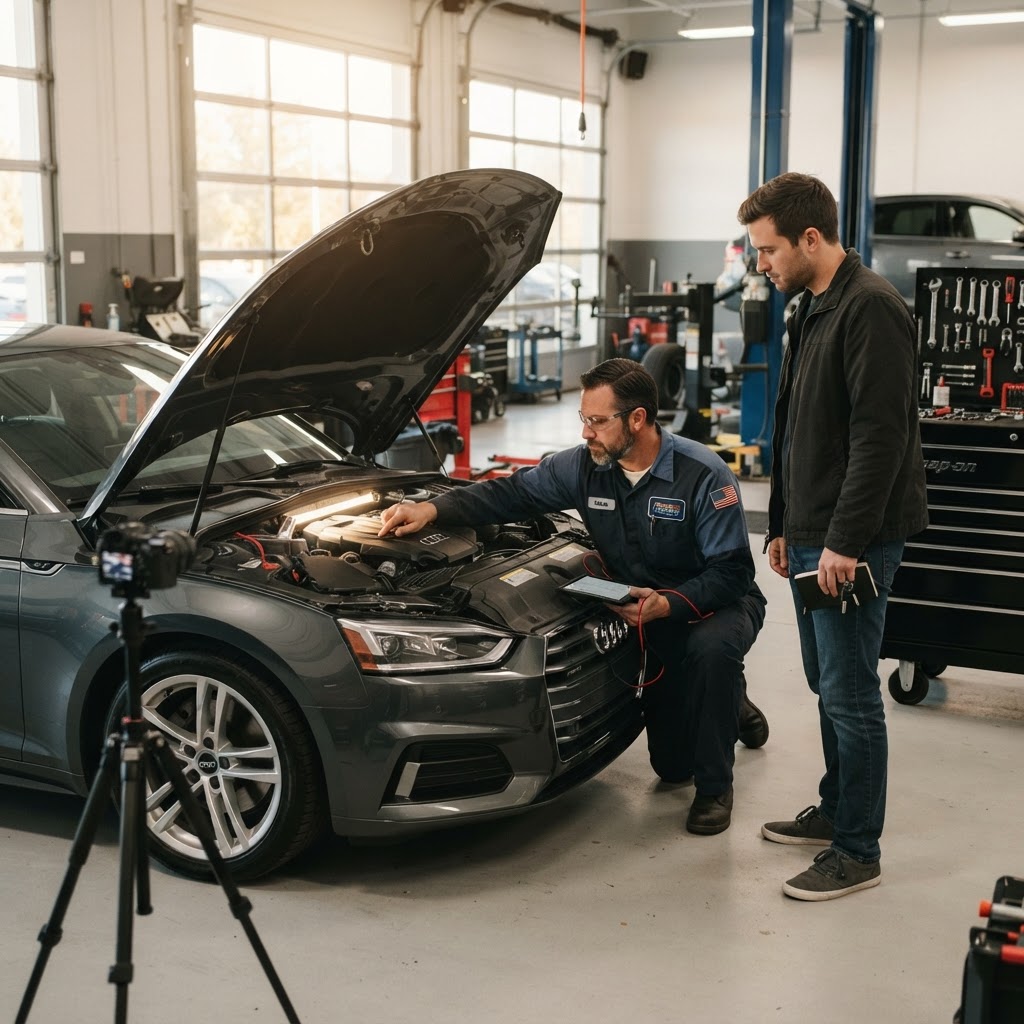
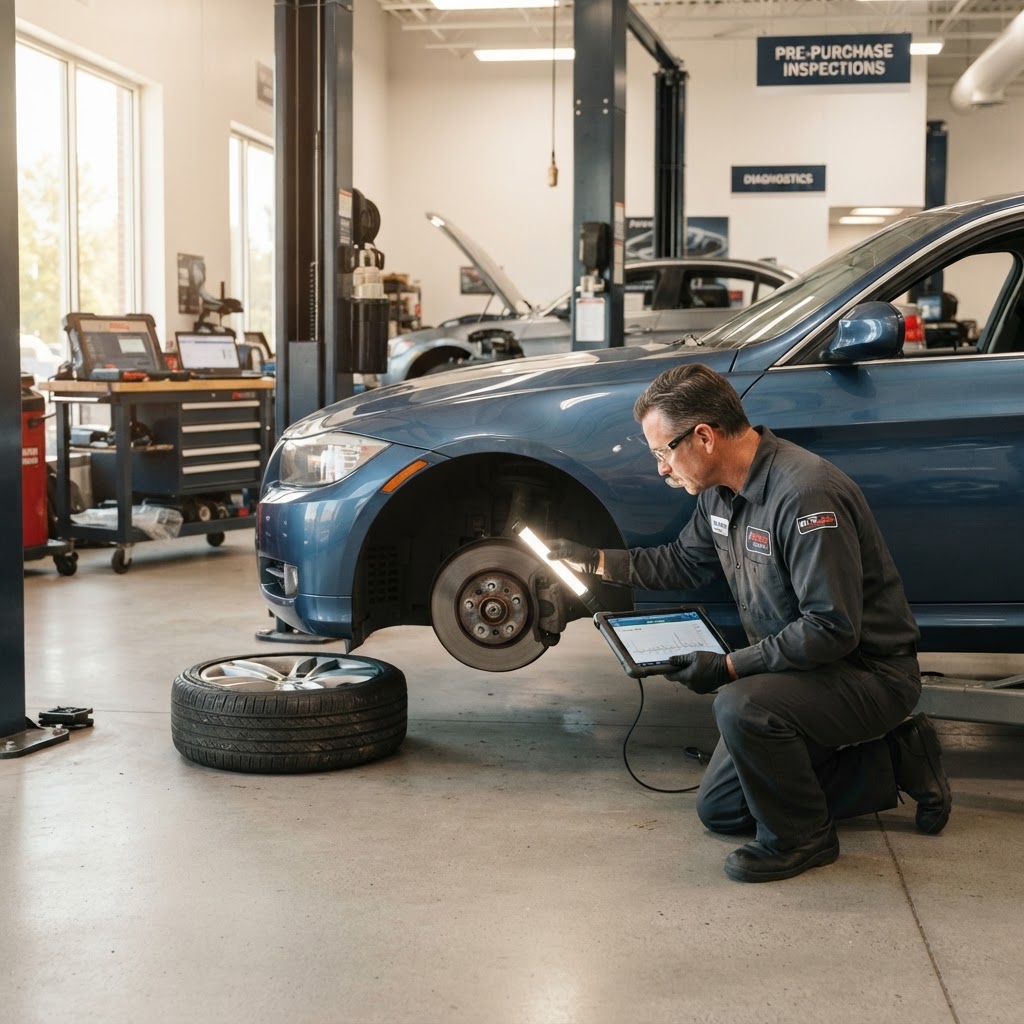
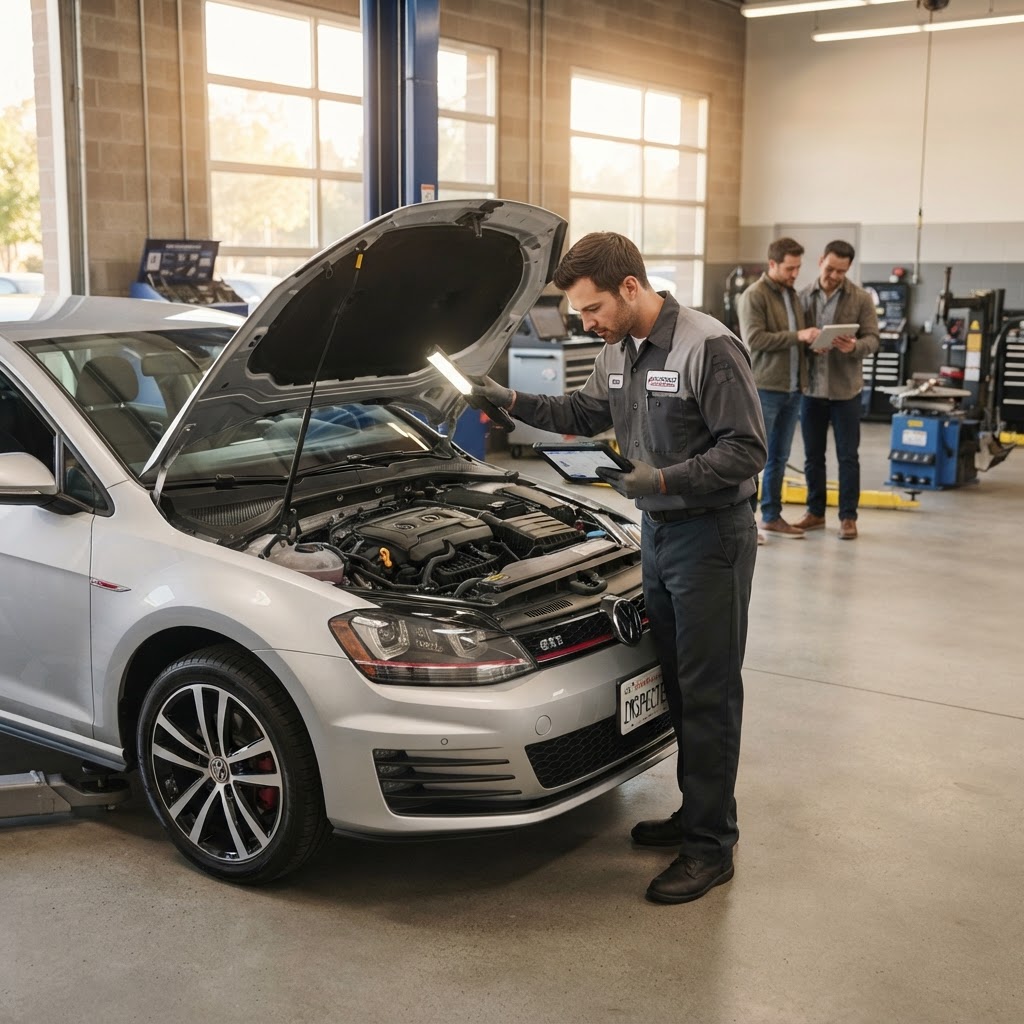
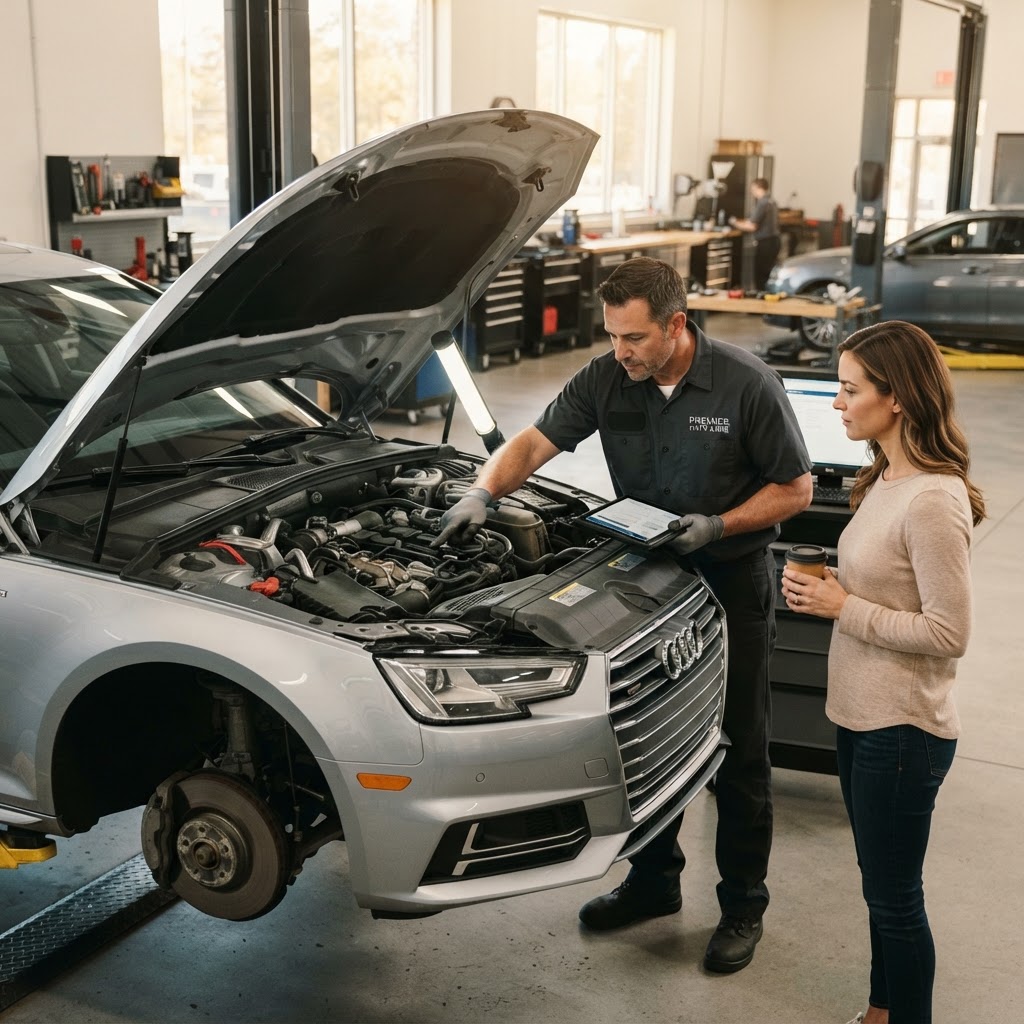
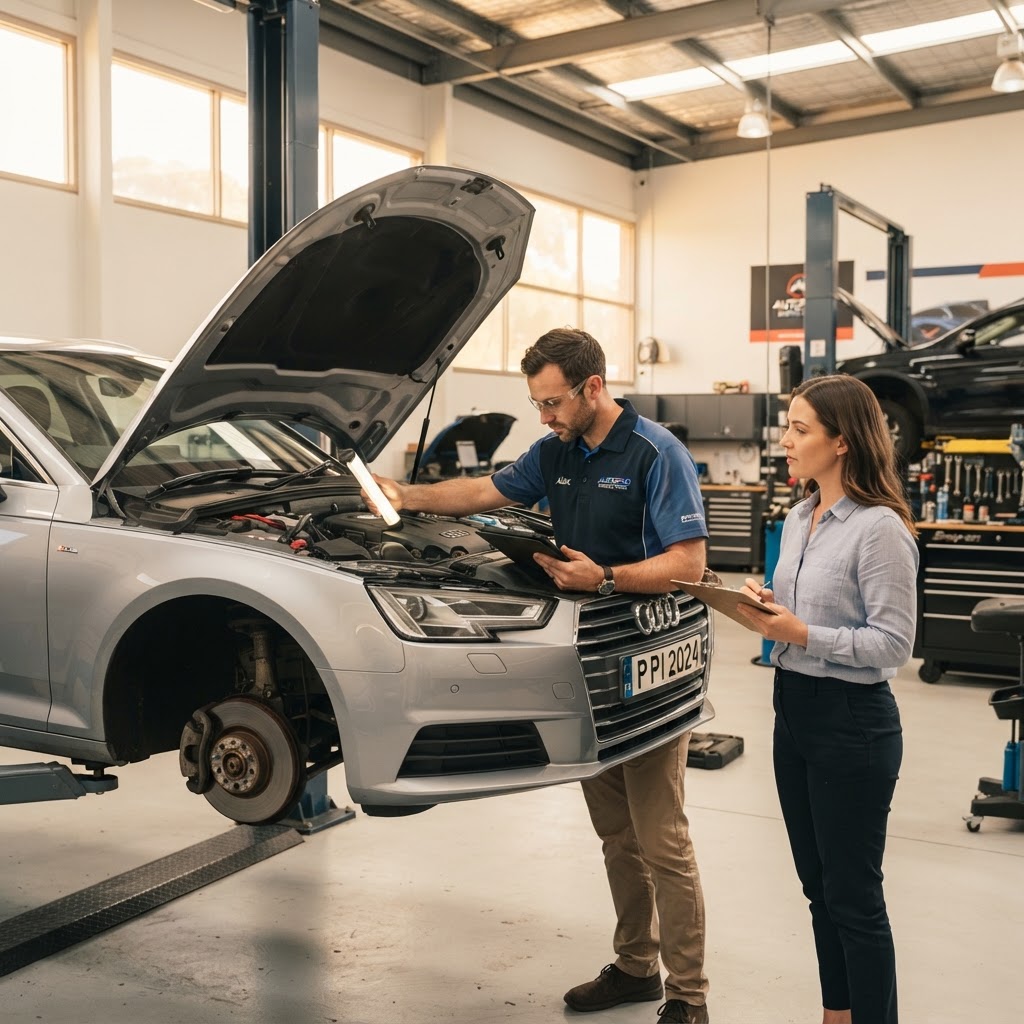
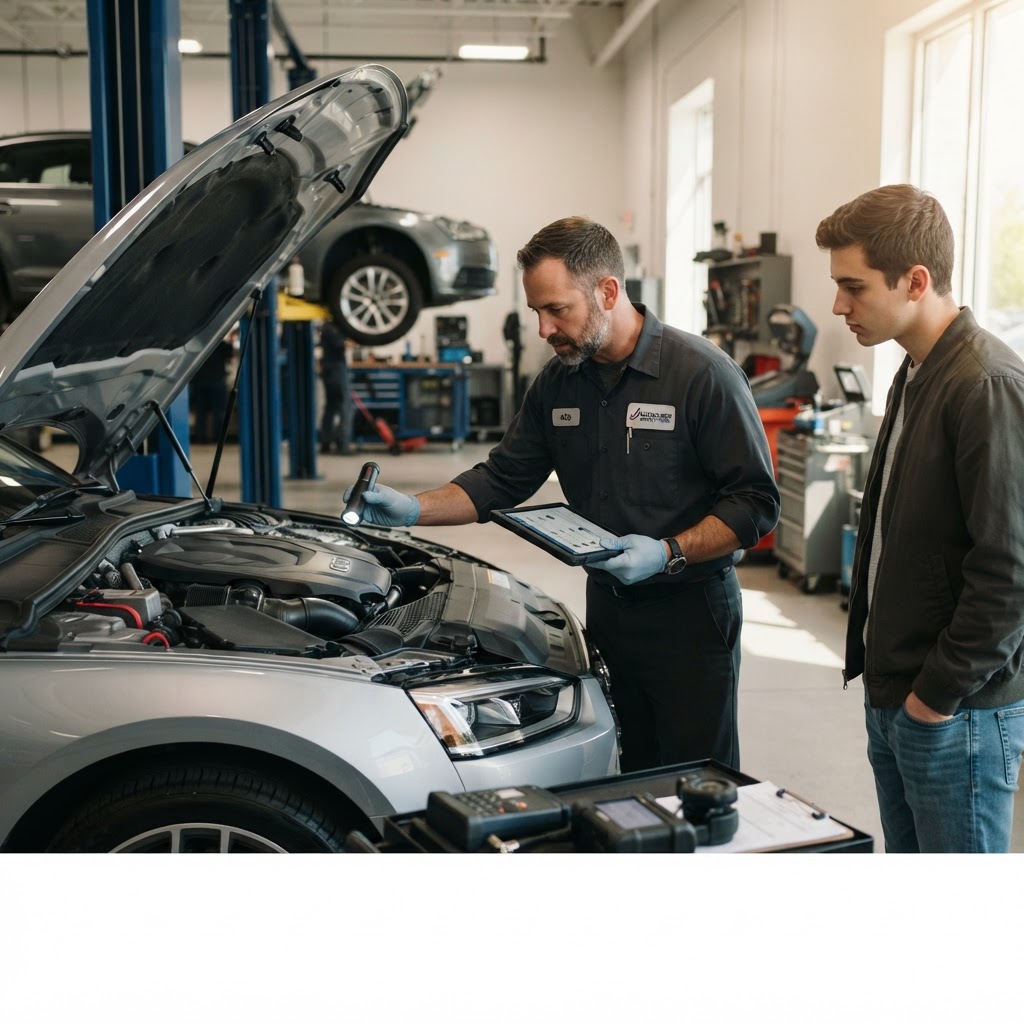
A pre-purchase inspection focuses on mechanical condition, visible defects, wear, safety concerns, prior damage indicators, and overall roadworthiness. Depending on the provider and scope, it may include photos, system checks, tire and brake observations, fluid condition, body panel review, scan tool findings, and a documented summary of issues that could affect purchase decisions.
An appraisal focuses on market value or declared value. It uses the vehicle's year, make, model, mileage, trim, condition, options, and local market context to estimate what the unit is reasonably worth. In some cases, the appraisal is needed for insurance, financing, estate matters, claims, tax reporting, or sale pricing. The output is typically a value opinion supported by condition notes and documentation.
That distinction matters because a car can pass one test and still fail the other. A vehicle may appraise well because it is a desirable model in a strong market, yet still need major suspension work. Another vehicle may be mechanically sound but appraise lower than expected because of prior accident history, cosmetic damage, title issues, or weak resale demand.
What a pre-purchase inspection is designed to do
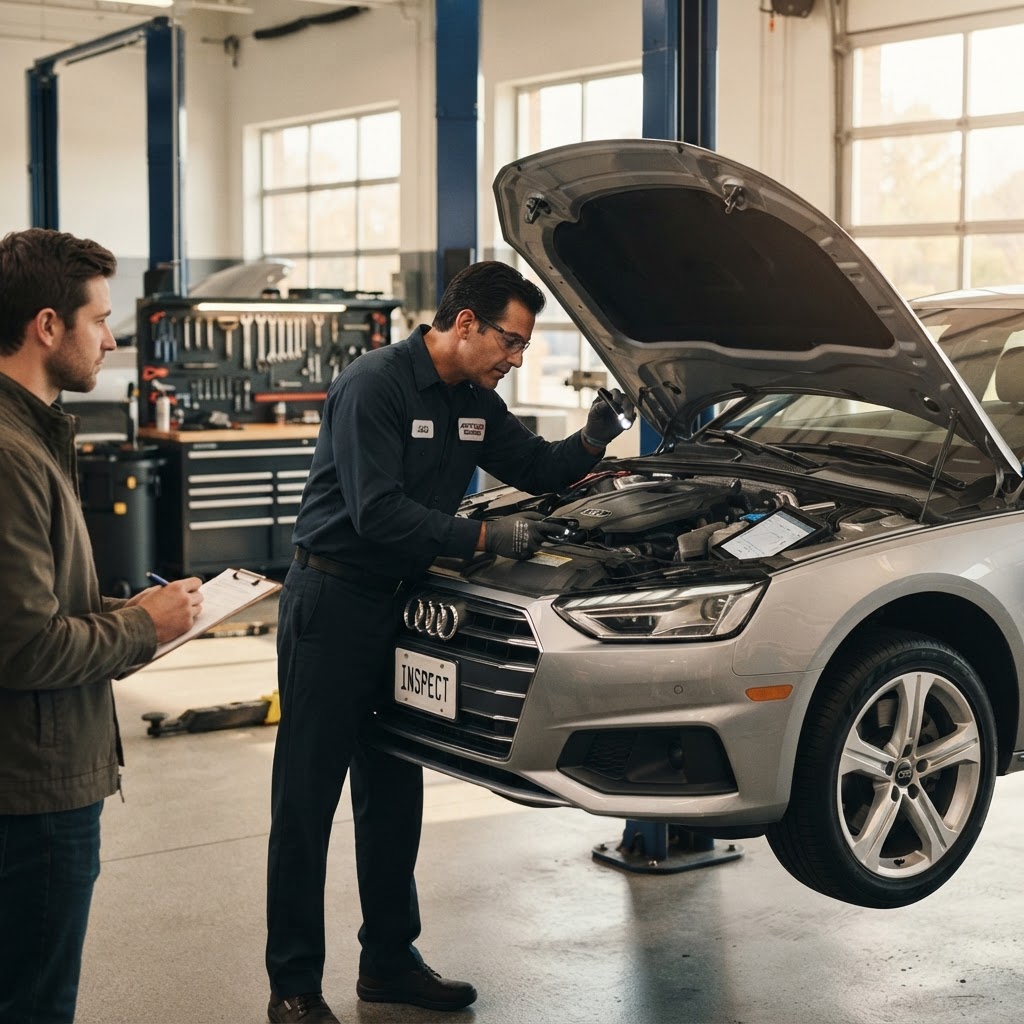
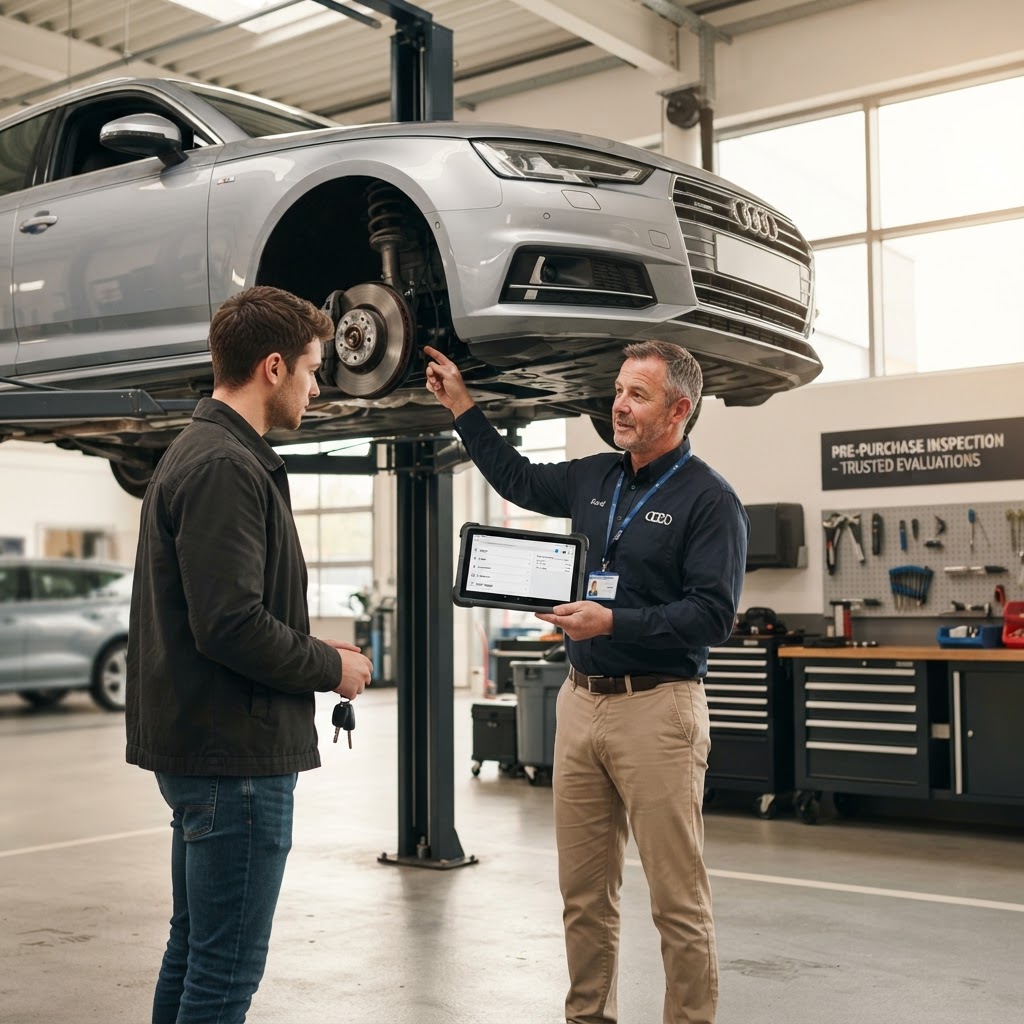
A pre-purchase inspection is a decision support tool. It helps a buyer understand whether the vehicle's current condition matches the asking price and the seller's claims. For dealers and fleet buyers, it also creates a repeatable intake process that reduces dependence on verbal descriptions and rushed lot-side checks.
The value of the inspection is not just the checklist. It is the documentation. A structured report with condition notes and images creates accountability. It gives a buyer leverage to renegotiate, request repairs, or walk away. It gives a seller or dealership a factual record of the vehicle at a point in time.
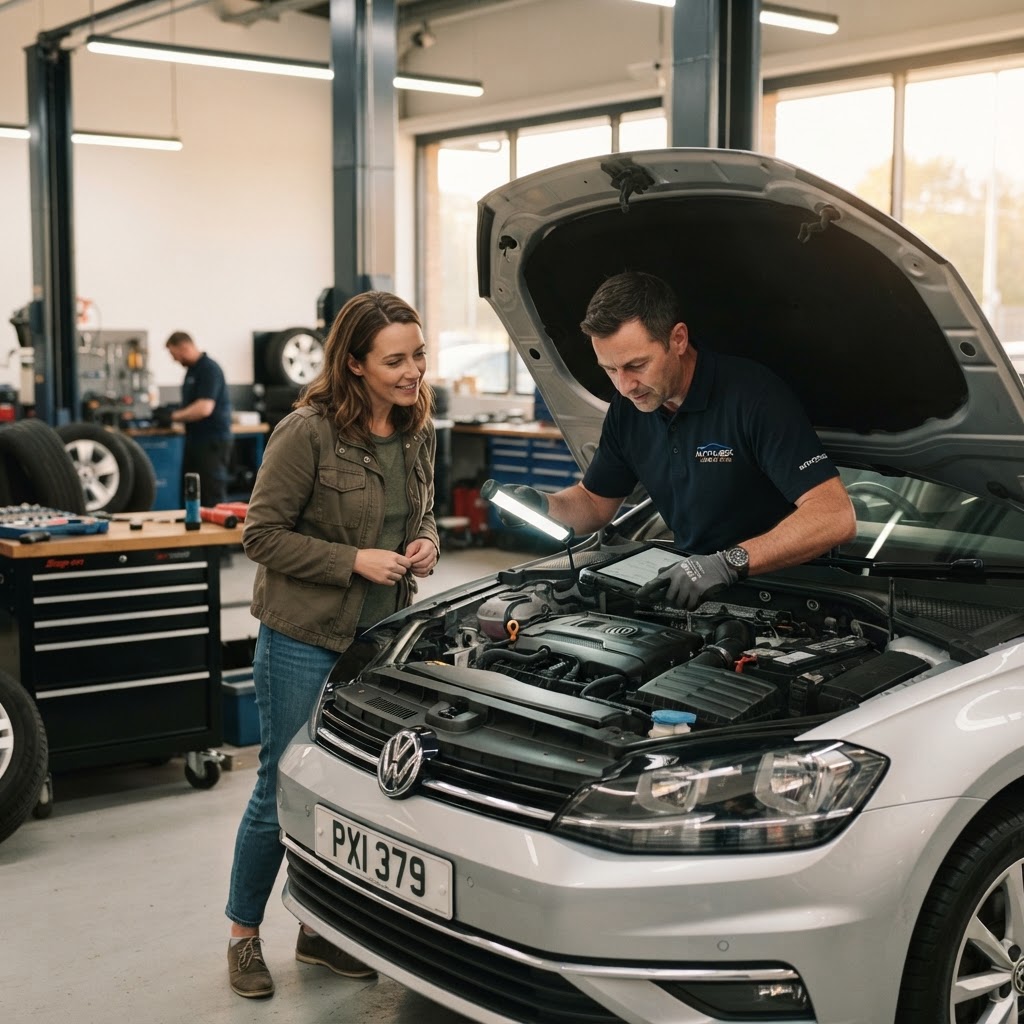
The inspection is especially useful when the transaction includes distance, urgency, or limited trust. If the buyer cannot evaluate the car in person, or if multiple people need to review findings before approving a purchase, a formal report becomes more than a convenience. It becomes part of the transaction workflow.
There is also a practical limit to what an inspection can do. It is not a guarantee against future breakdowns, and it does not replace every type of diagnostic teardown. Some issues only appear under extended driving conditions or after parts are disassembled. A strong inspection reduces unknowns, but it does not eliminate them.
What an appraisal is designed to do
An appraisal converts condition and market context into a value conclusion. That value may be used for private-party sales, dealership acquisition decisions, insurance documentation, financing files, legal matters, donation support, or loss-related disputes.
Unlike a pre-purchase inspection, the appraisal is not mainly asking, "Should I buy this car?" It is asking, "What is this car worth in its current state?" That means condition still matters, but the final purpose is financial positioning.
A credible appraisal considers both the vehicle itself and the market around it. Mileage, trim level, factory options, service history, visible defects, aftermarket modifications, title branding, prior damage, and comparable vehicle demand can all influence the result. For specialty vehicles, classics, heavily modified units, or rare configurations, the appraisal process may require even more detailed documentation because broad pricing averages are less reliable.
An appraisal also has limits. It does not substitute for a mechanical inspection, and it should not be treated as proof that a vehicle is problem-free. A valuation can be reasonable even when the car has defects, as long as those defects are accounted for in the value conclusion.
When you need one, the other, or both
If you are buying a used vehicle for personal use, a pre-purchase inspection is usually the first priority. You need to know the condition before you need to know the exact value range. Mechanical issues, accident repairs, frame concerns, warning lights, tire wear, or fluid leaks can change whether the deal should move forward at all.
If you already know the vehicle is in acceptable condition and need support for pricing, an appraisal becomes more relevant. This often happens when a seller wants to justify asking price, when a dealership is evaluating a trade or acquisition, or when a business needs a documented value for administrative or legal purposes.
In higher-risk or higher-value transactions, both services make sense. A buyer may use an inspection to identify defects, then use an appraisal to understand how those defects affect market value. A dealership may want a condition report for internal reconditioning decisions and a value conclusion for pricing strategy. A lender, insurer, or estate administrator may need documented condition and documented value in the same file.
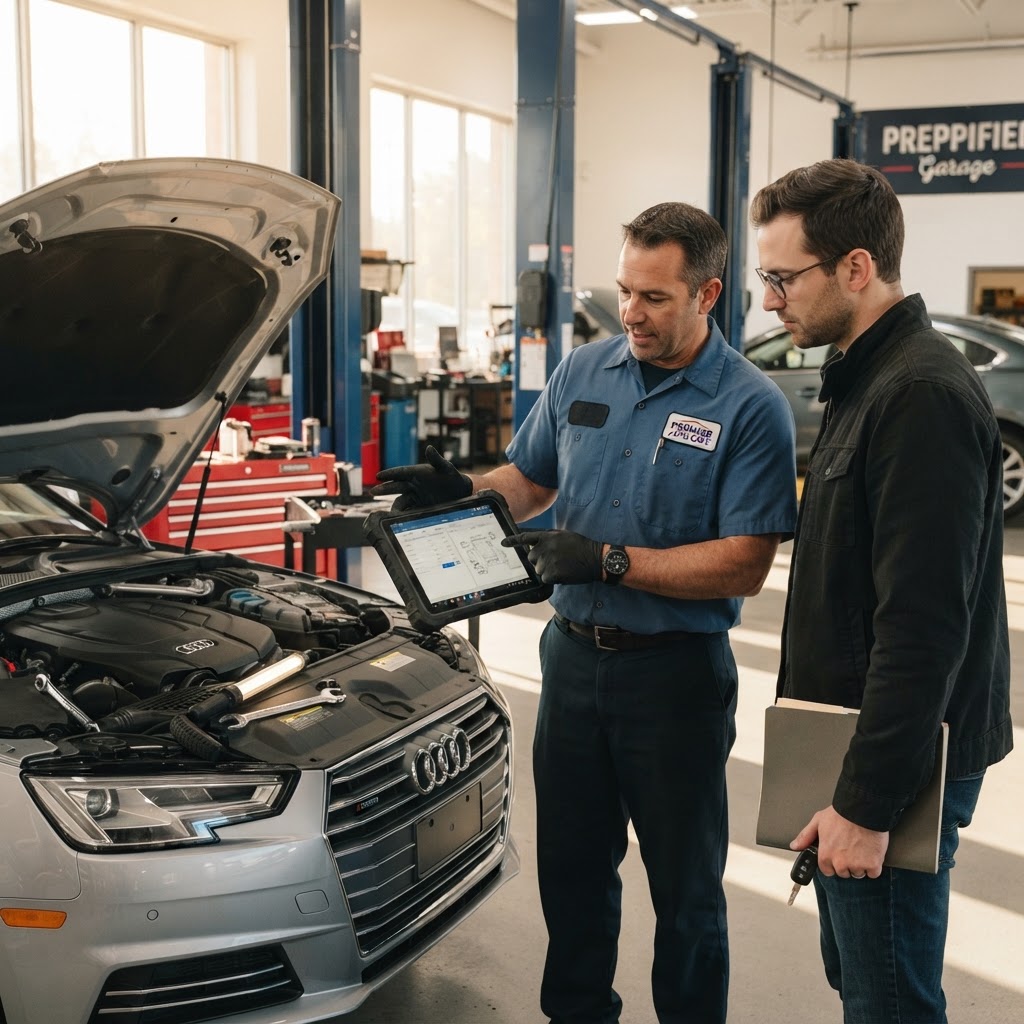
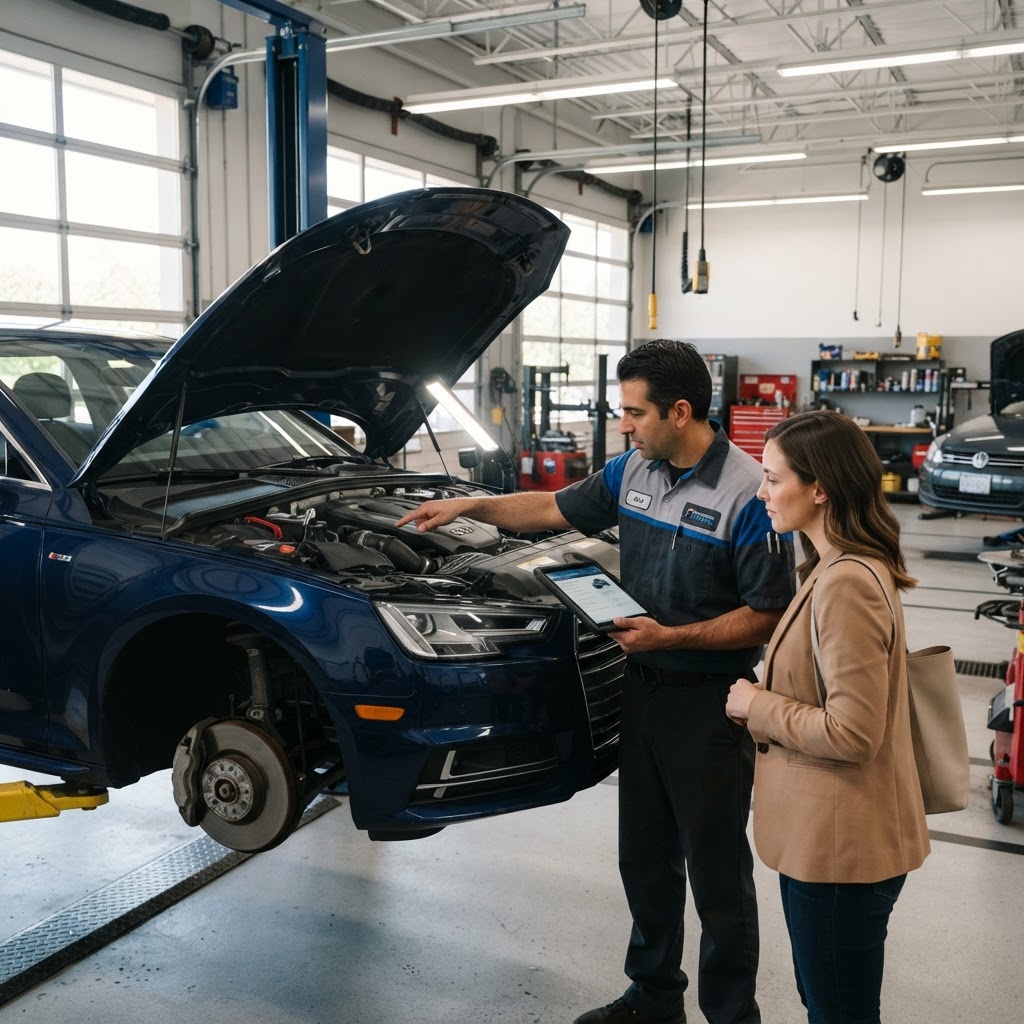
This is where process matters. When the reporting is organized and shareable, teams can move faster. Buyers, sellers, managers, and third parties are not relying on fragmented texts, verbal descriptions, or a few phone photos. They are working from a documented record.
Why people confuse pre-purchase inspections and appraisals
The confusion is understandable because both services involve looking at the vehicle and producing documentation. Some appraisals include condition observations. Some inspections comment on whether the asking price appears reasonable. But the presence of overlap does not erase the different objectives.
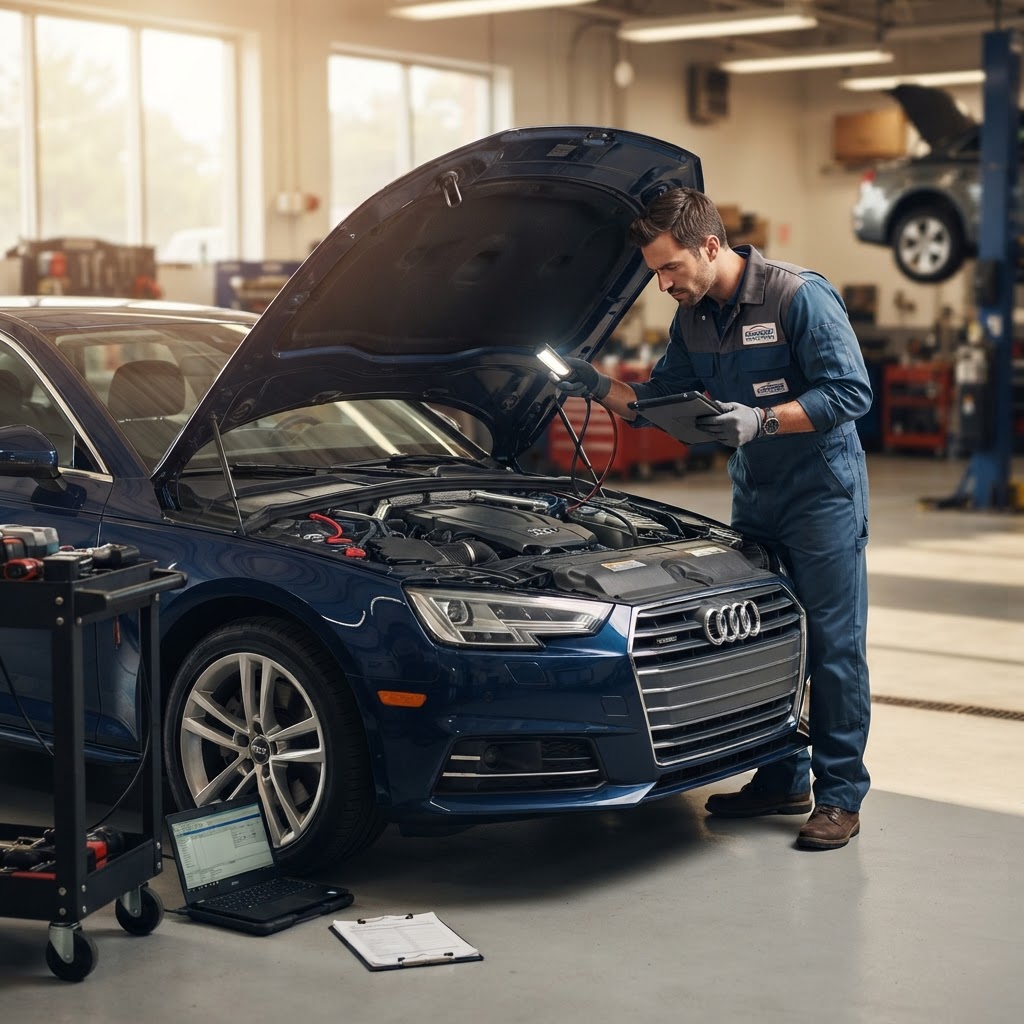
A useful way to think about it is that condition reporting feeds value, but it does not automatically become value. A technician can document that the brakes are worn, the paint meter suggests prior repair, and the check engine light is active. An appraiser then considers how those findings influence price in the current market.
This distinction becomes even more important in operational settings. Dealership groups, fleet buyers, and independent inspectors need clear service definitions so reports are used correctly. If a client orders an appraisal when they actually need a purchase-risk assessment, the report may be informative but still fail the decision at hand.
How to choose the right service
Start with the decision you need to make.
If the question is, "Is this vehicle in the condition I expect?" order a pre-purchase inspection.
If the question is, "What is this vehicle worth for sale, insurance, financing, or documentation?" order an appraisal.
If the question is, "Should I buy it, and what should I pay?" you may need both.
It also helps to consider who will rely on the report. A private buyer may only need enough information to avoid a bad purchase. A dealership may need standardized records that can move through inventory, pricing, and sales teams. An inspection partner or platform-based service provider like RIZQ Car Inspection adds value here by keeping booking, reporting, image capture, and report delivery organized rather than informal.
The right scope depends on the vehicle as well. A late-model commuter car with clean history may only require a straightforward inspection before purchase. A specialty vehicle, commercial unit, or disputed-loss vehicle may need a more detailed condition review and a formal valuation opinion.
The cost of choosing wrong
The real issue in pre purchase inspection vs appraisal is not terminology. It is decision quality. If a buyer skips the inspection and relies on a value estimate, they may pay fair market price for a car that needs immediate repairs. If a seller skips the appraisal and relies only on a clean condition report, they may misprice the vehicle and create delays or mistrust.
Good vehicle decisions come from matching the service to the risk. Condition tells you what problems exist today. Value tells you how the market sees that condition. One protects against mechanical and structural surprises. The other protects against financial misalignment.
Before the next transaction, pause and define the actual question behind the report request. That step alone usually tells you whether you need an inspection, an appraisal, or both.