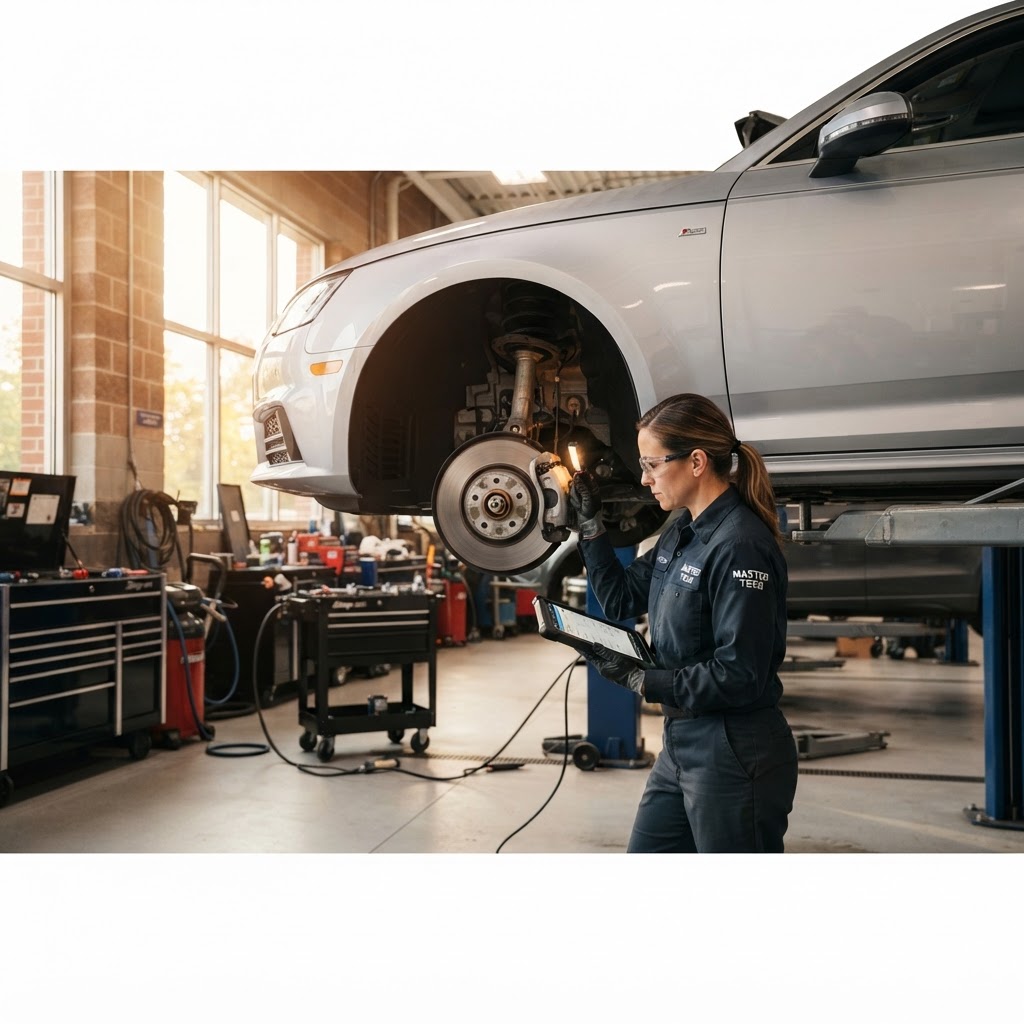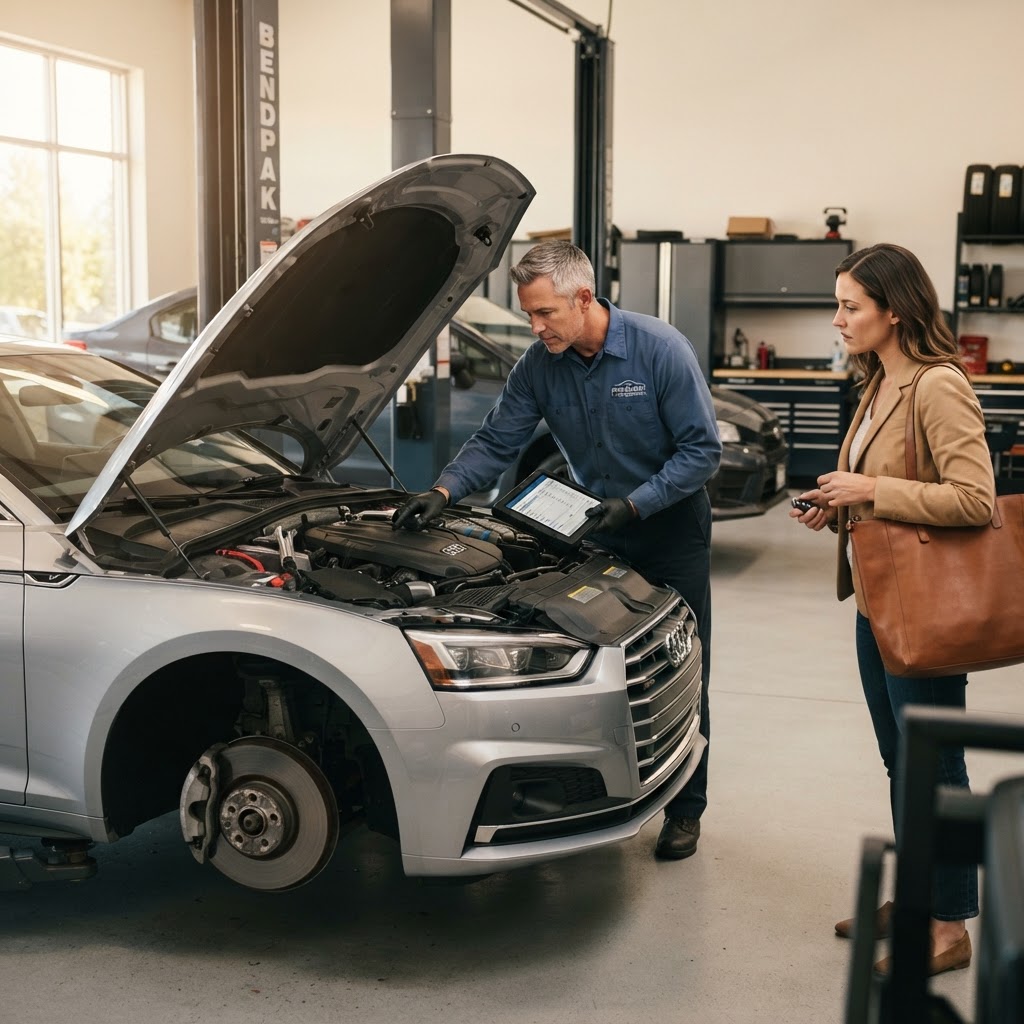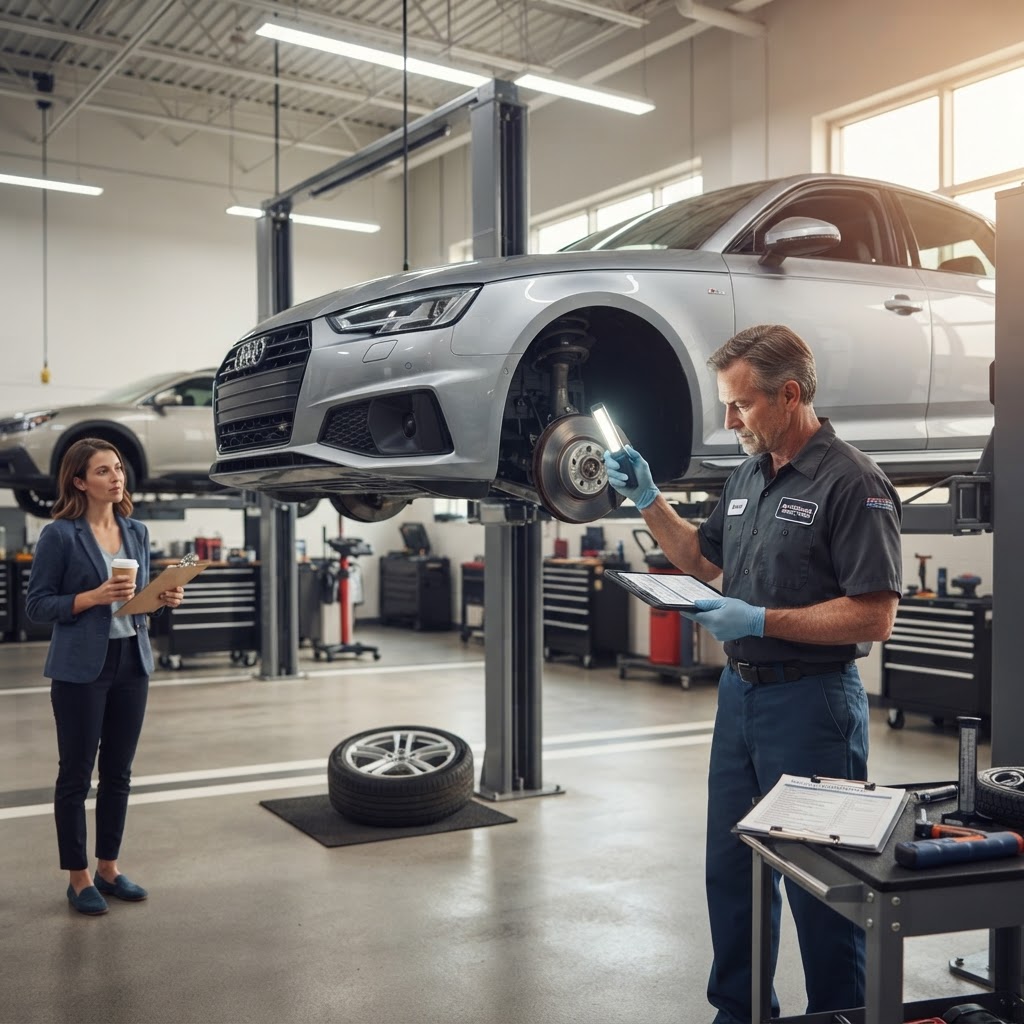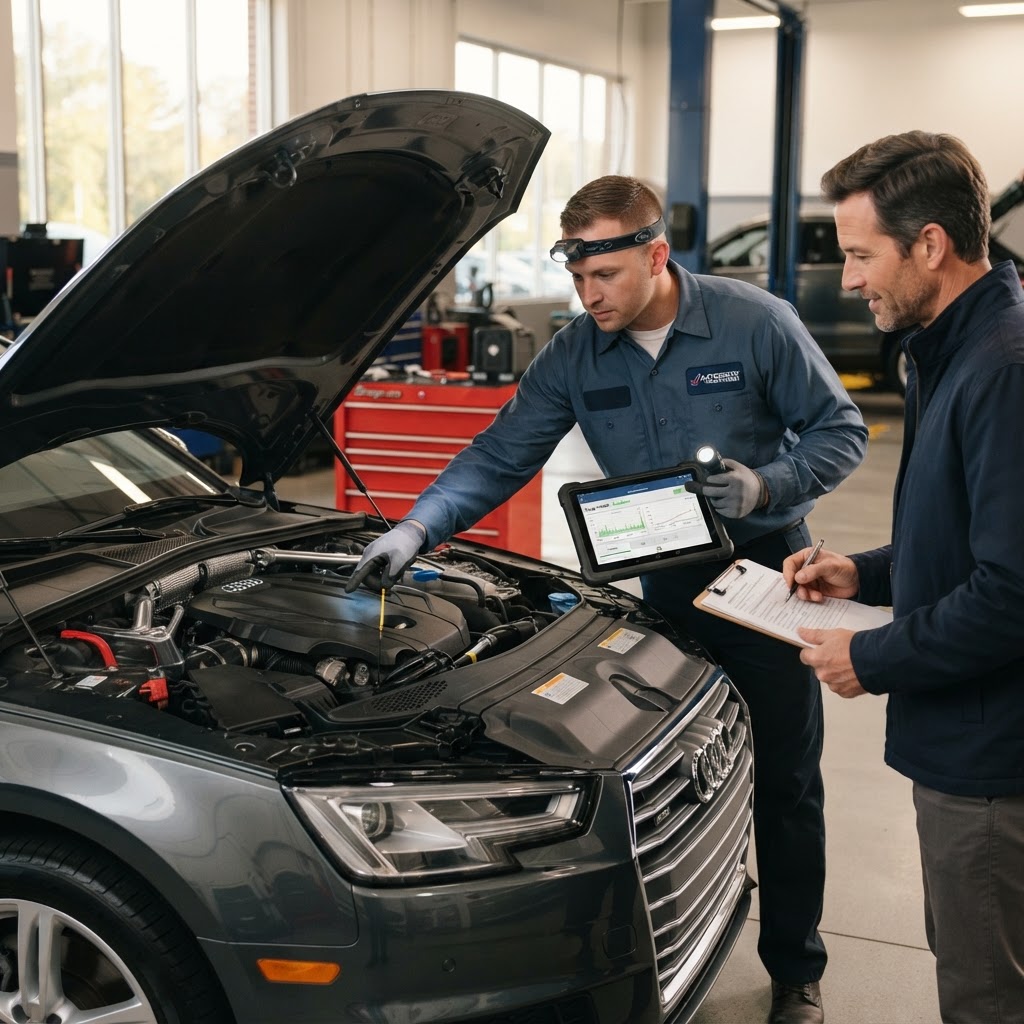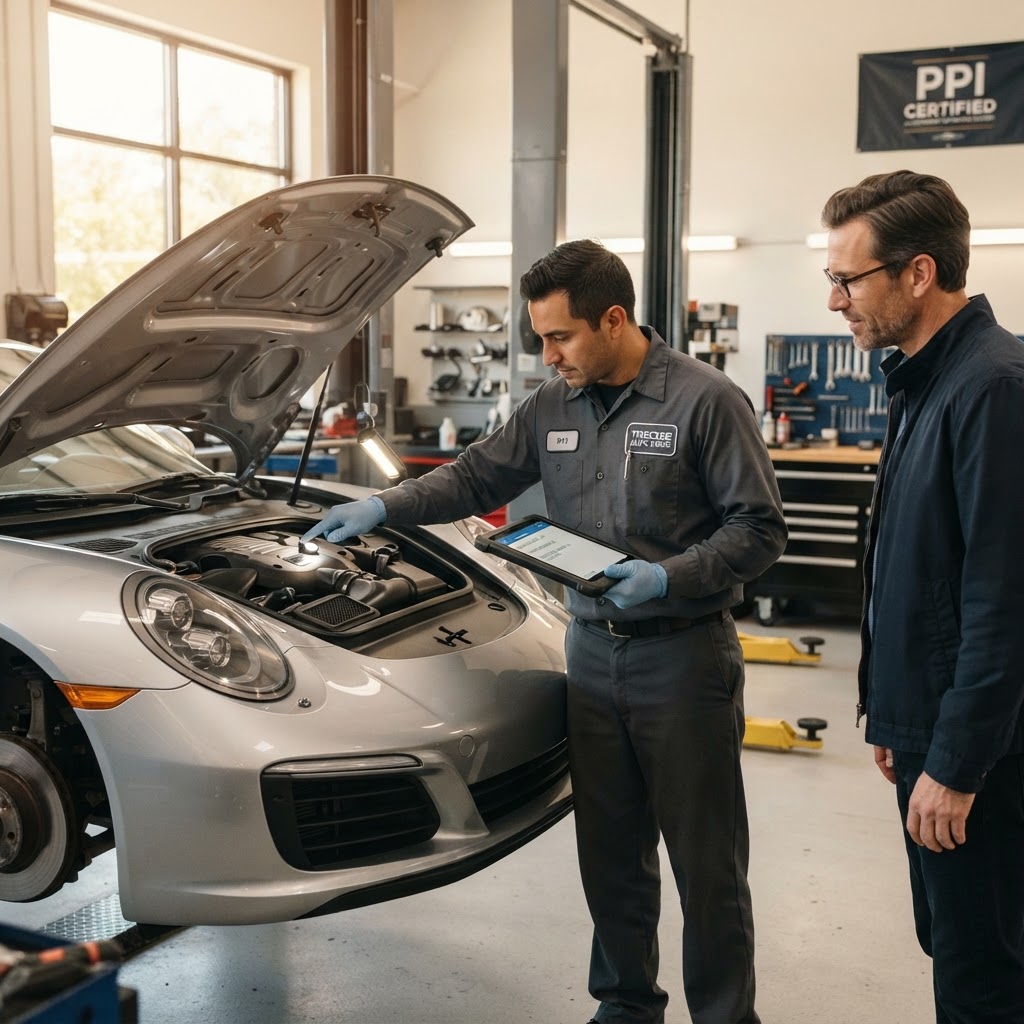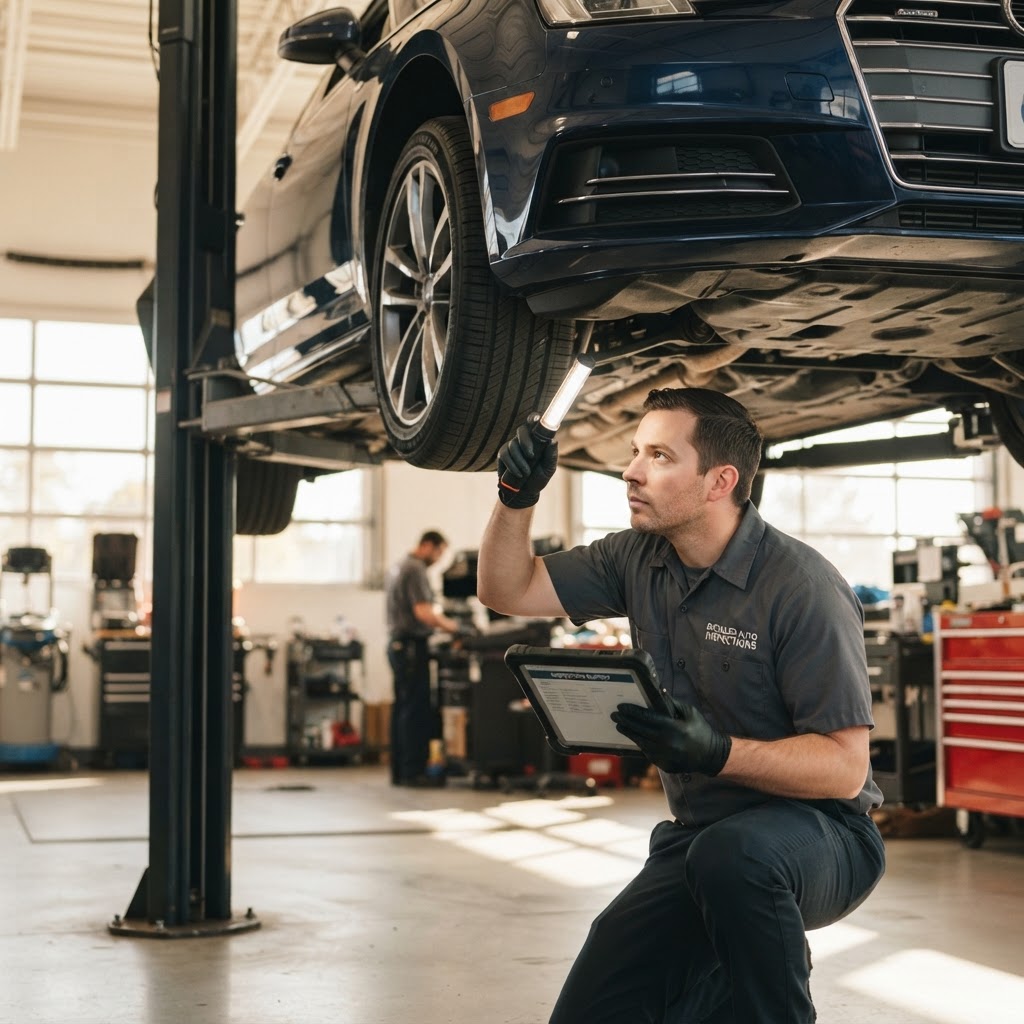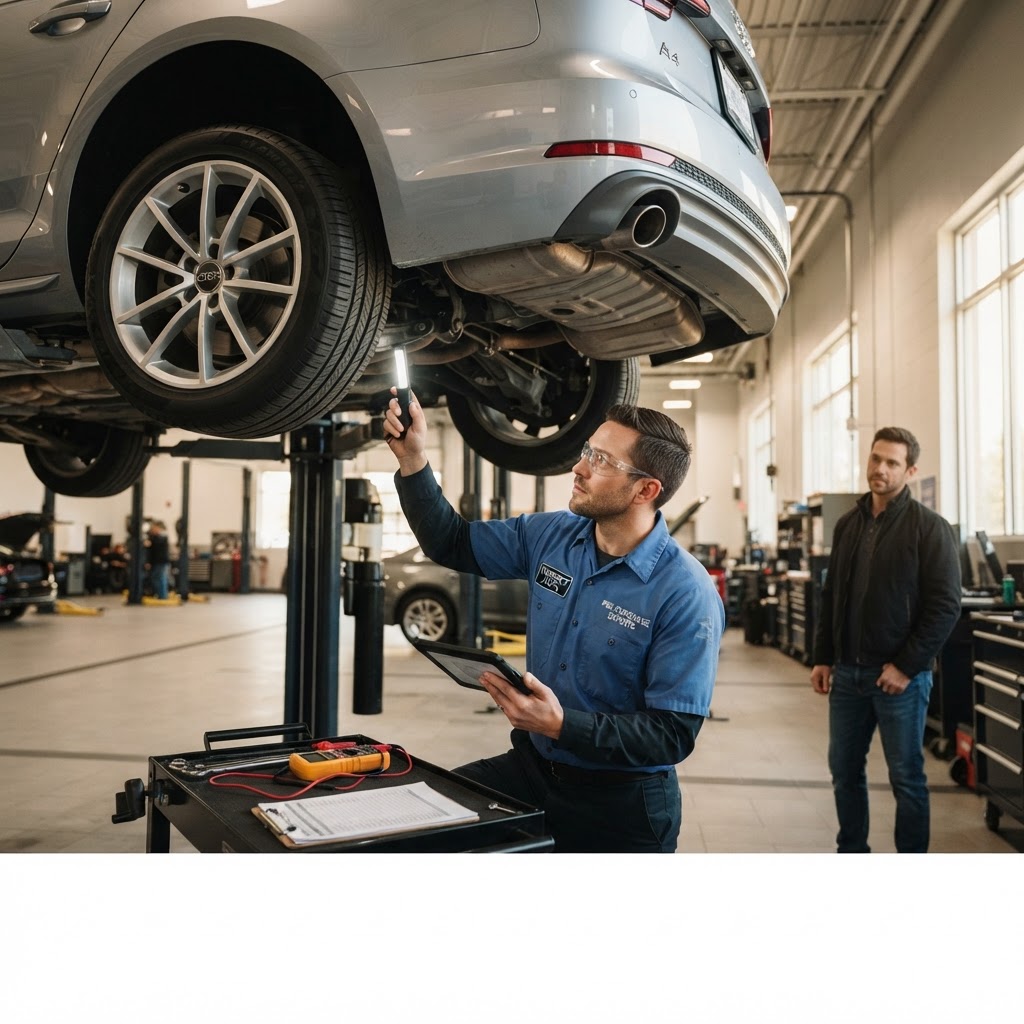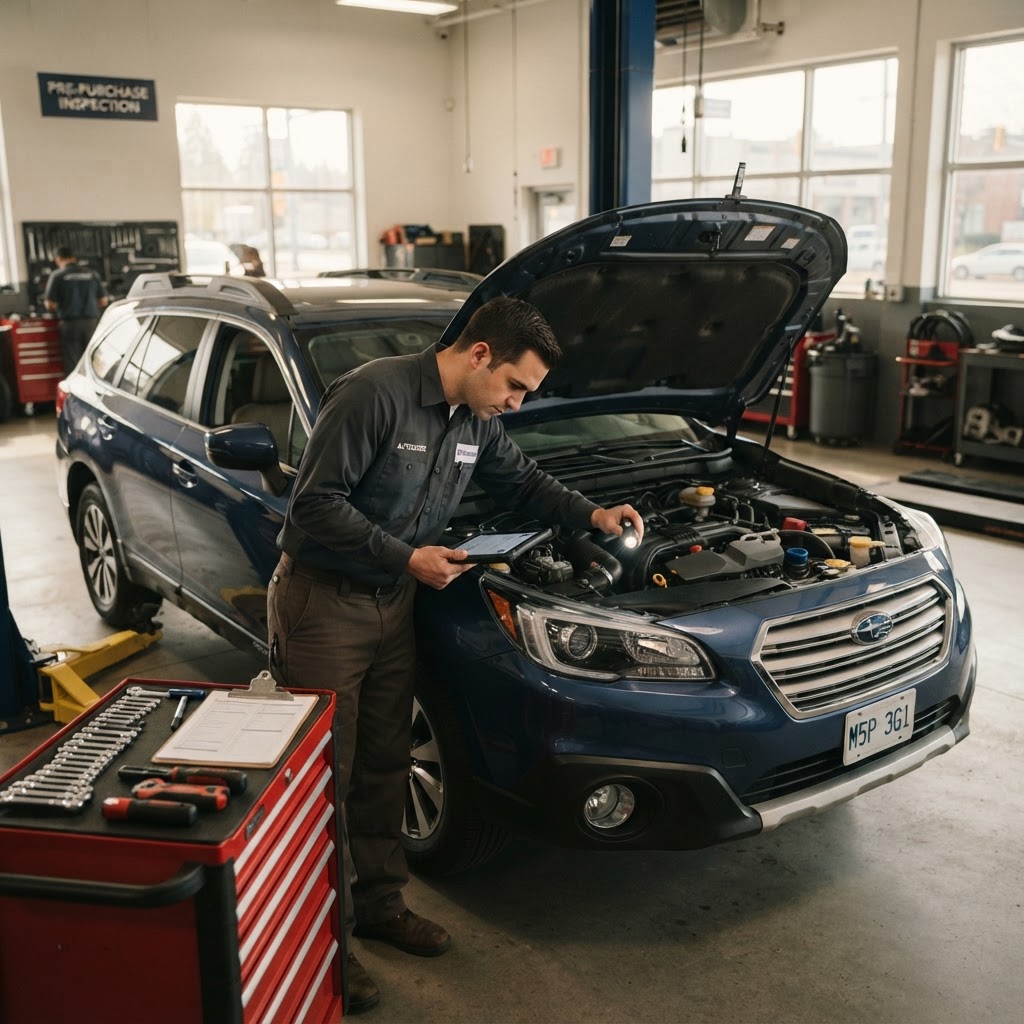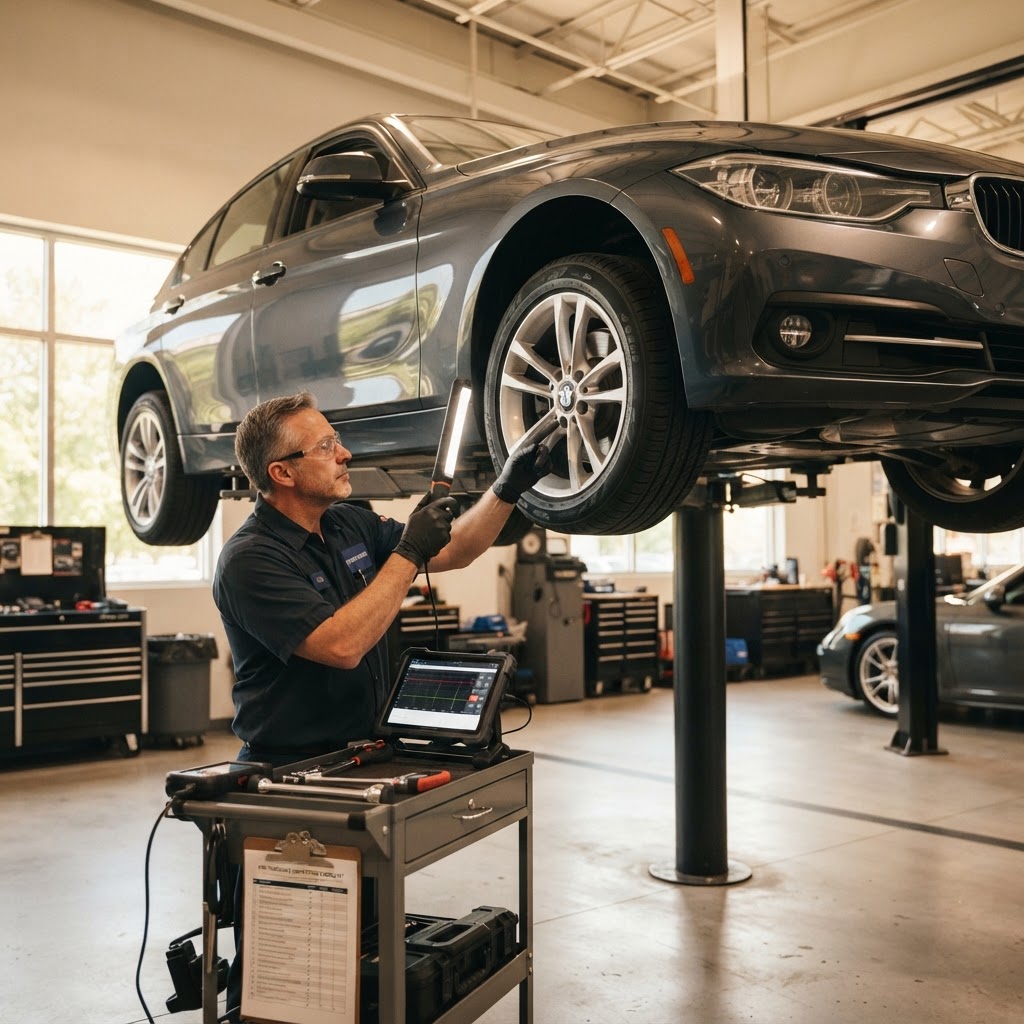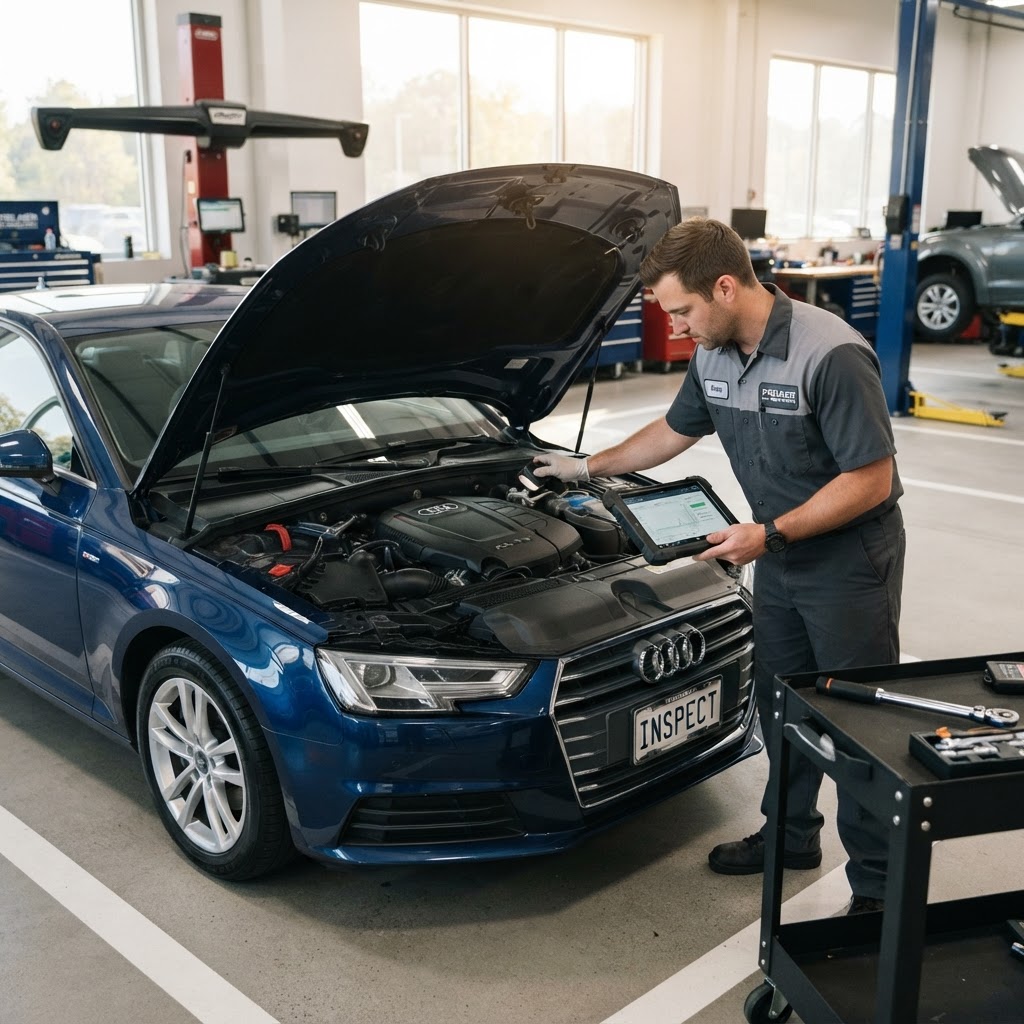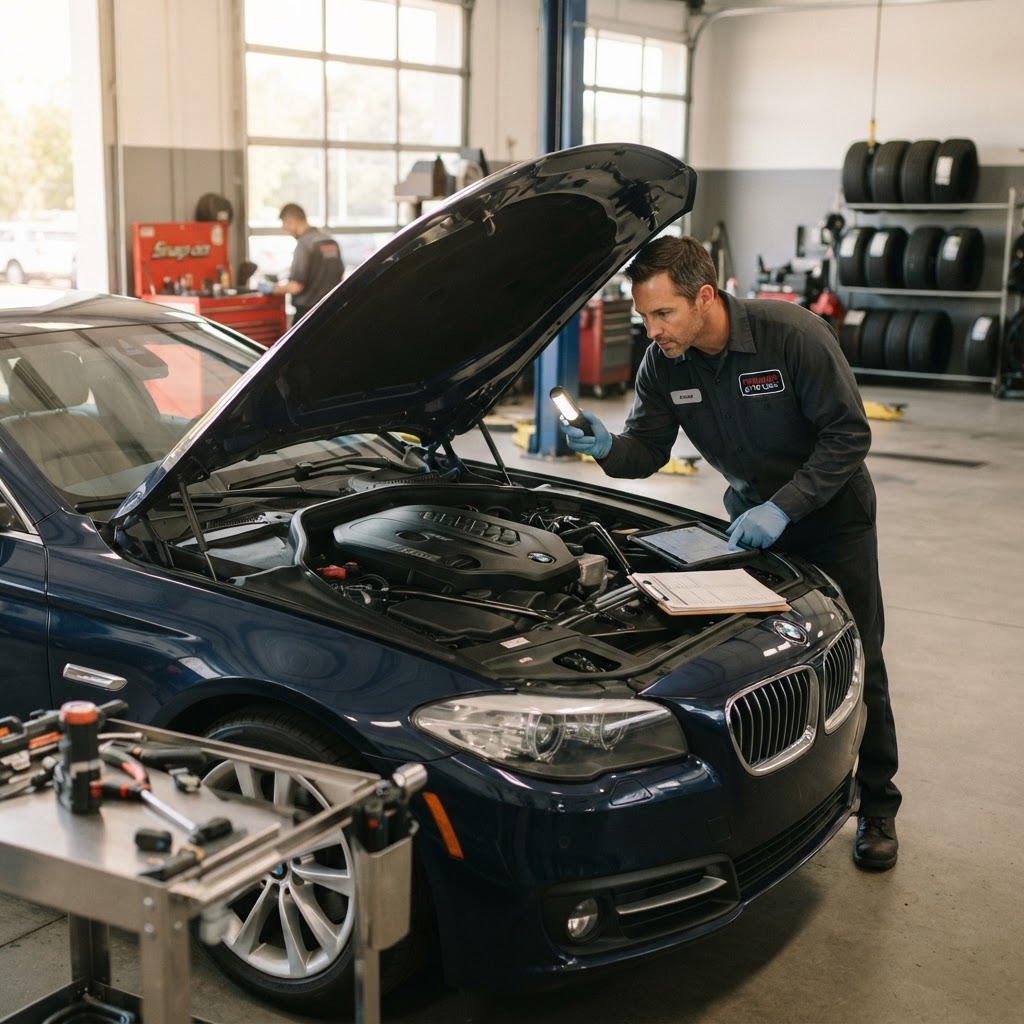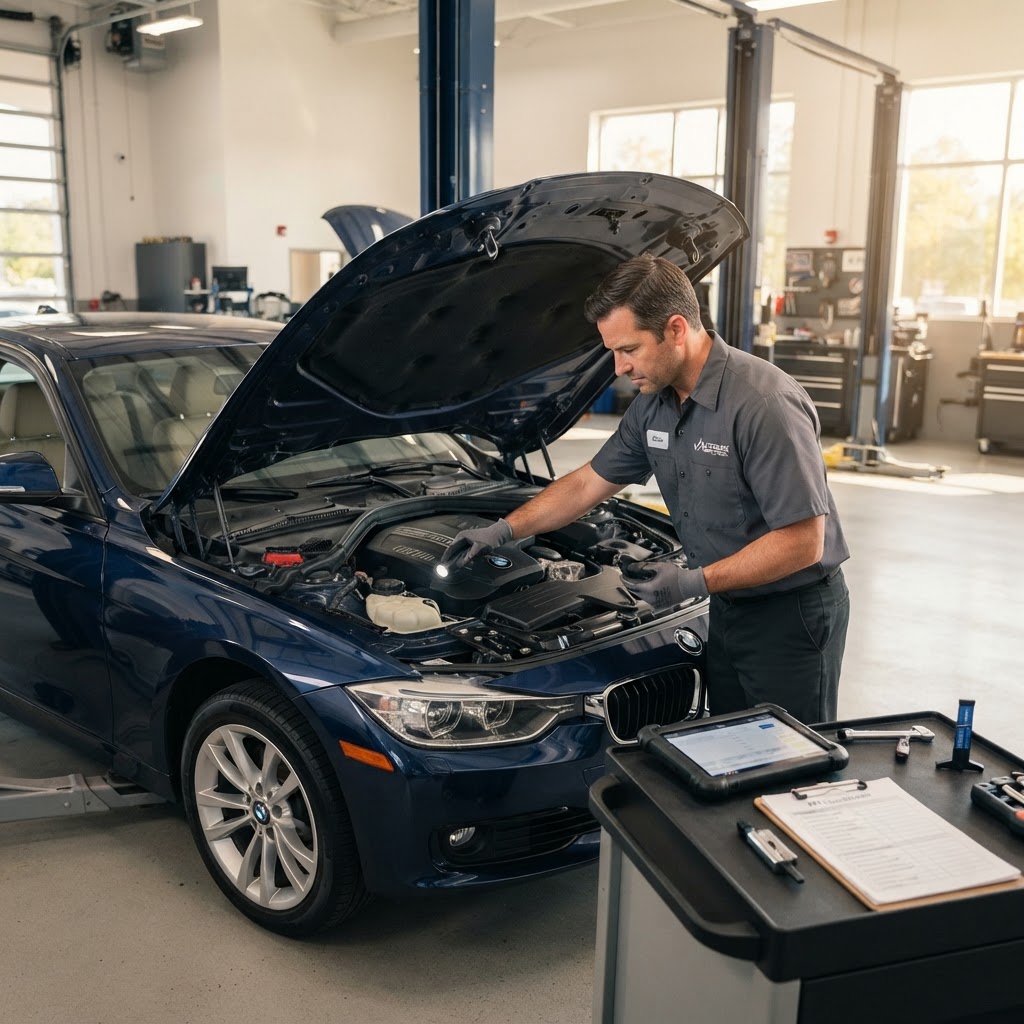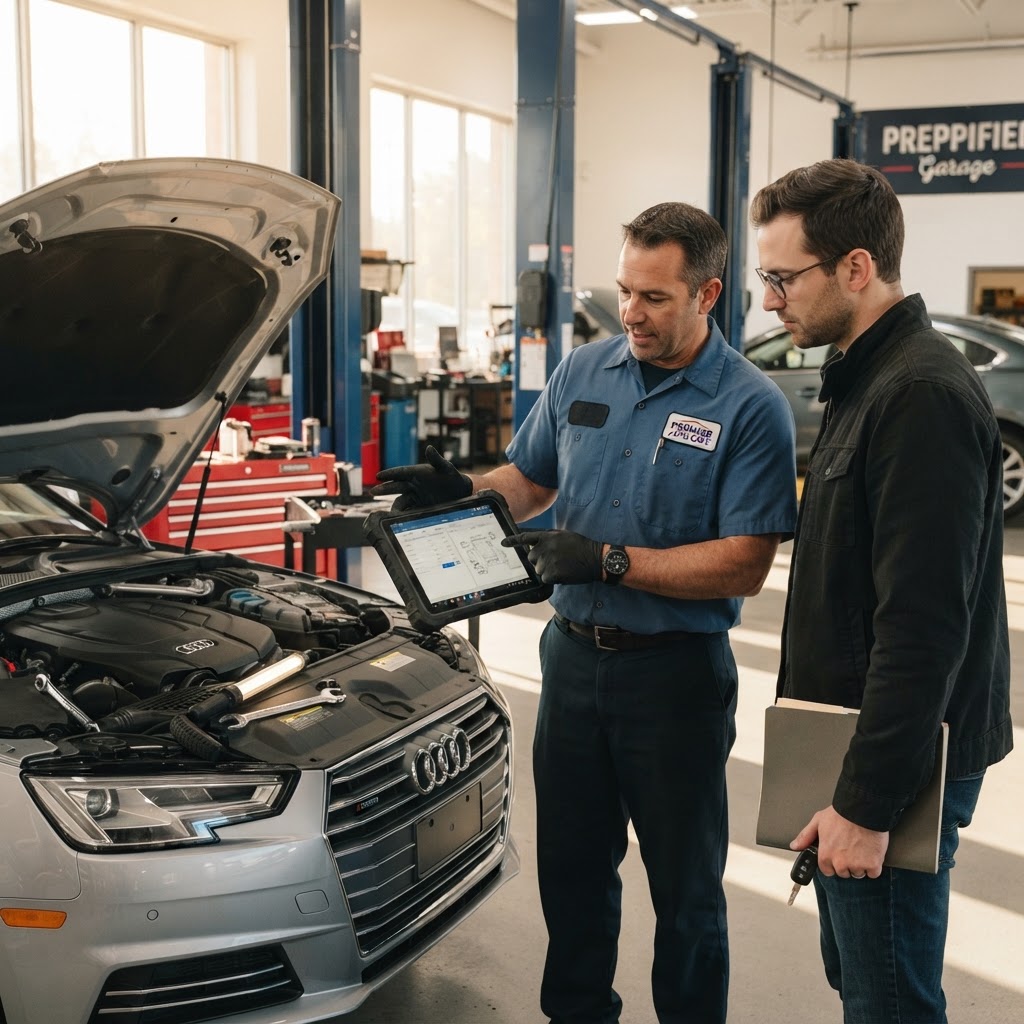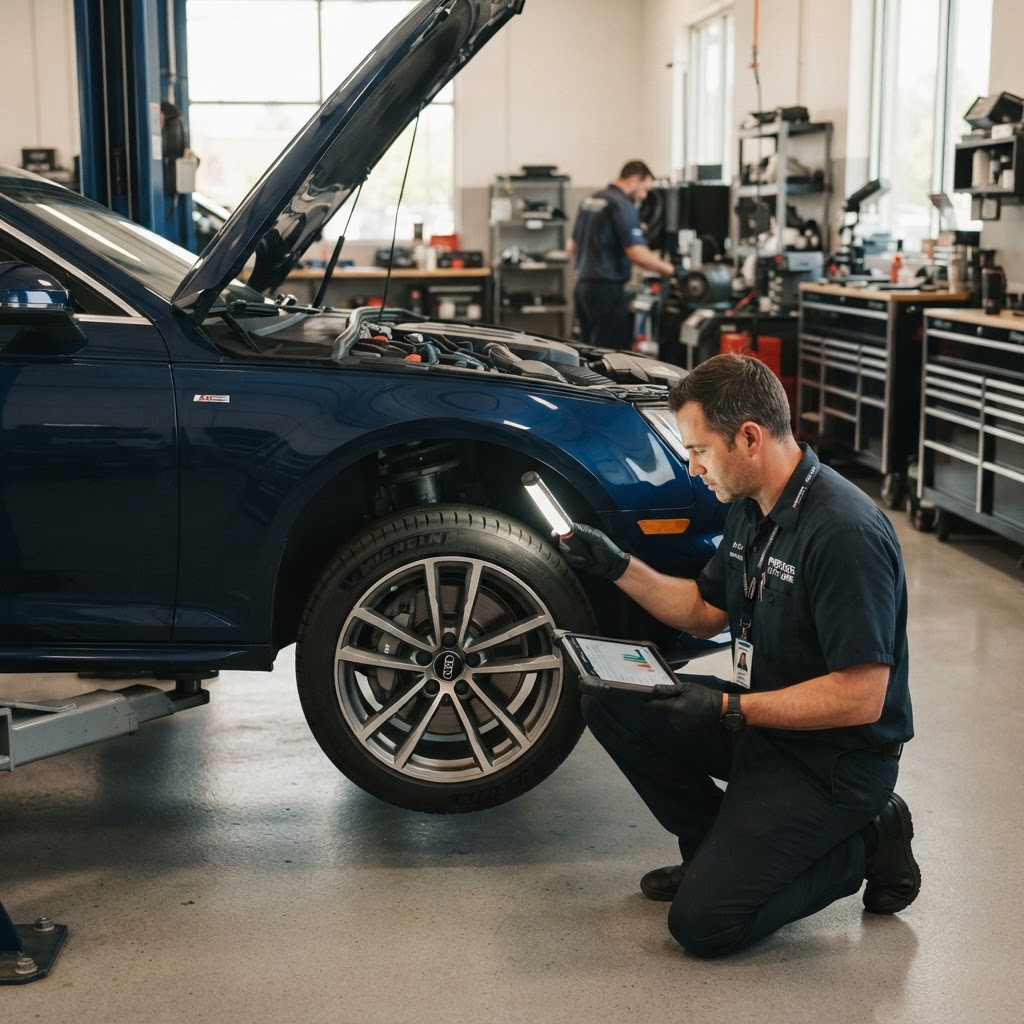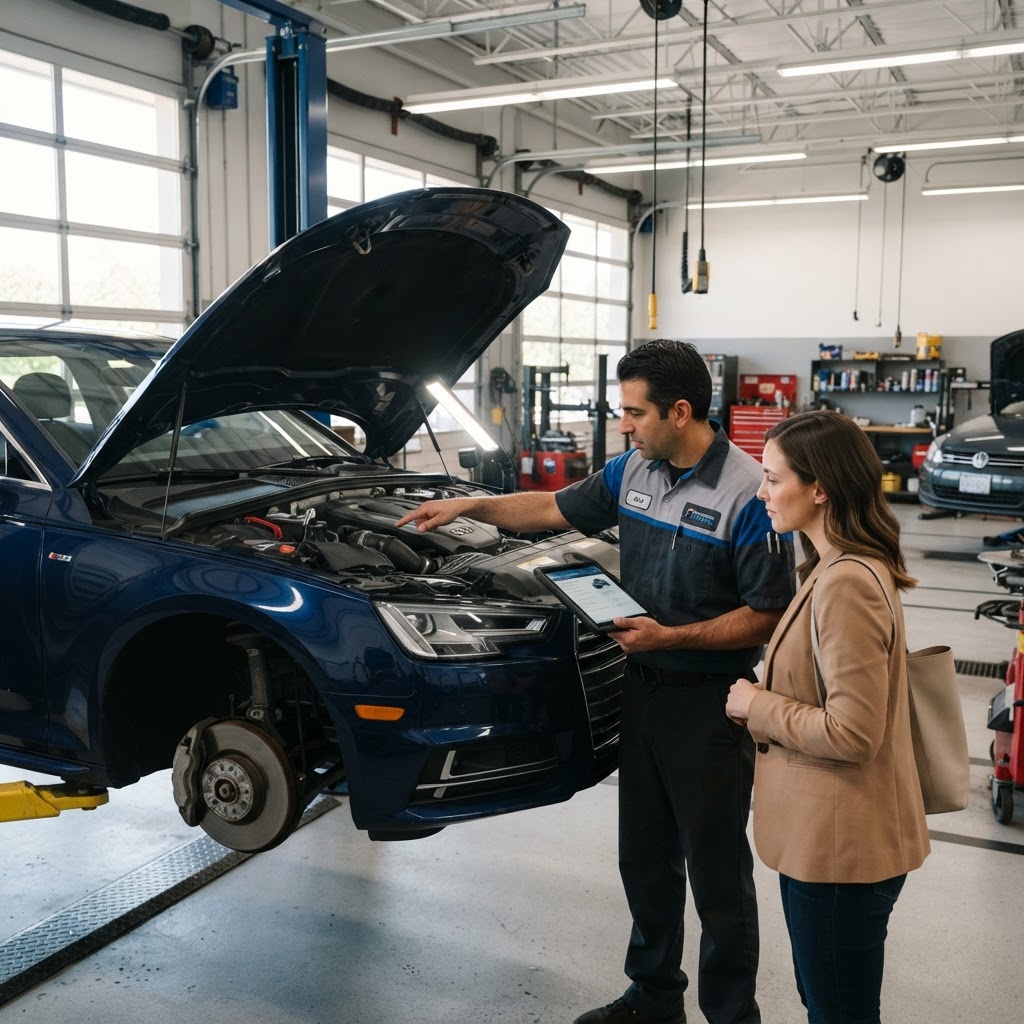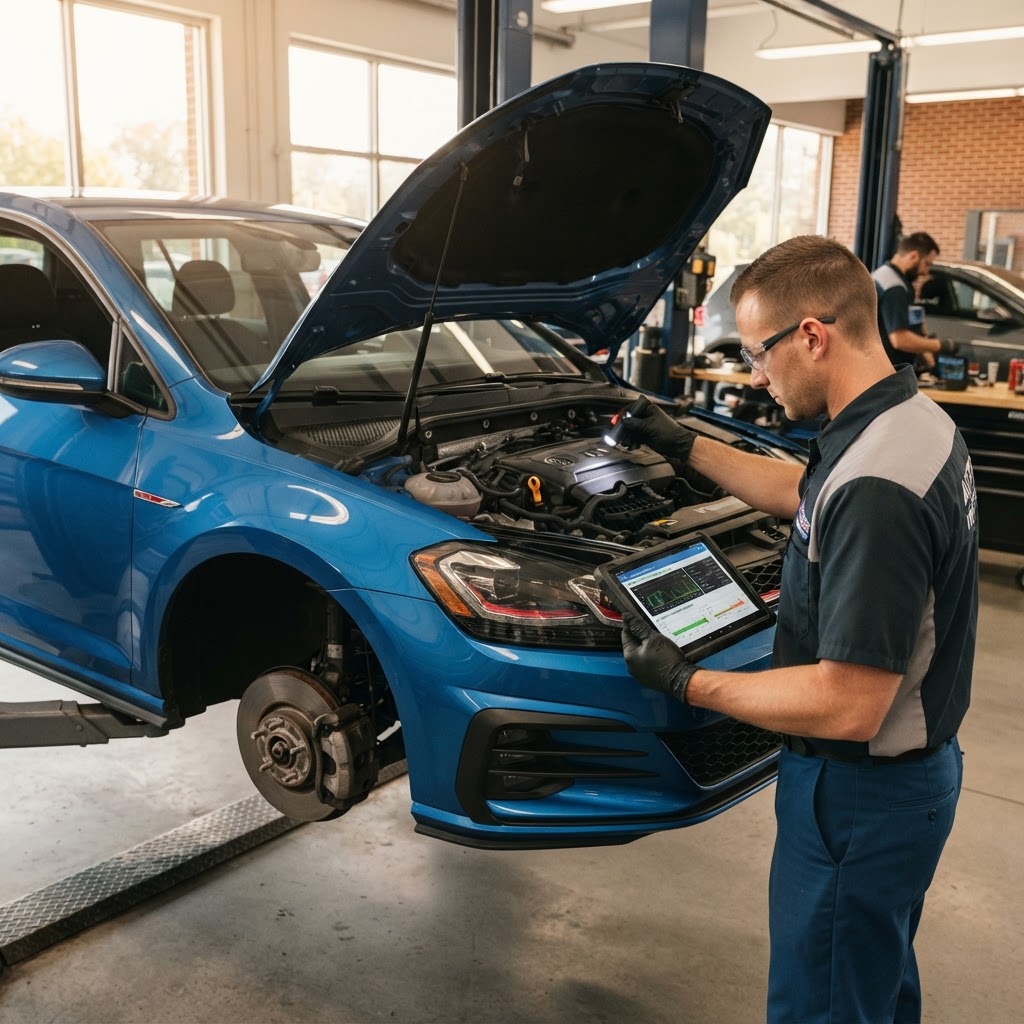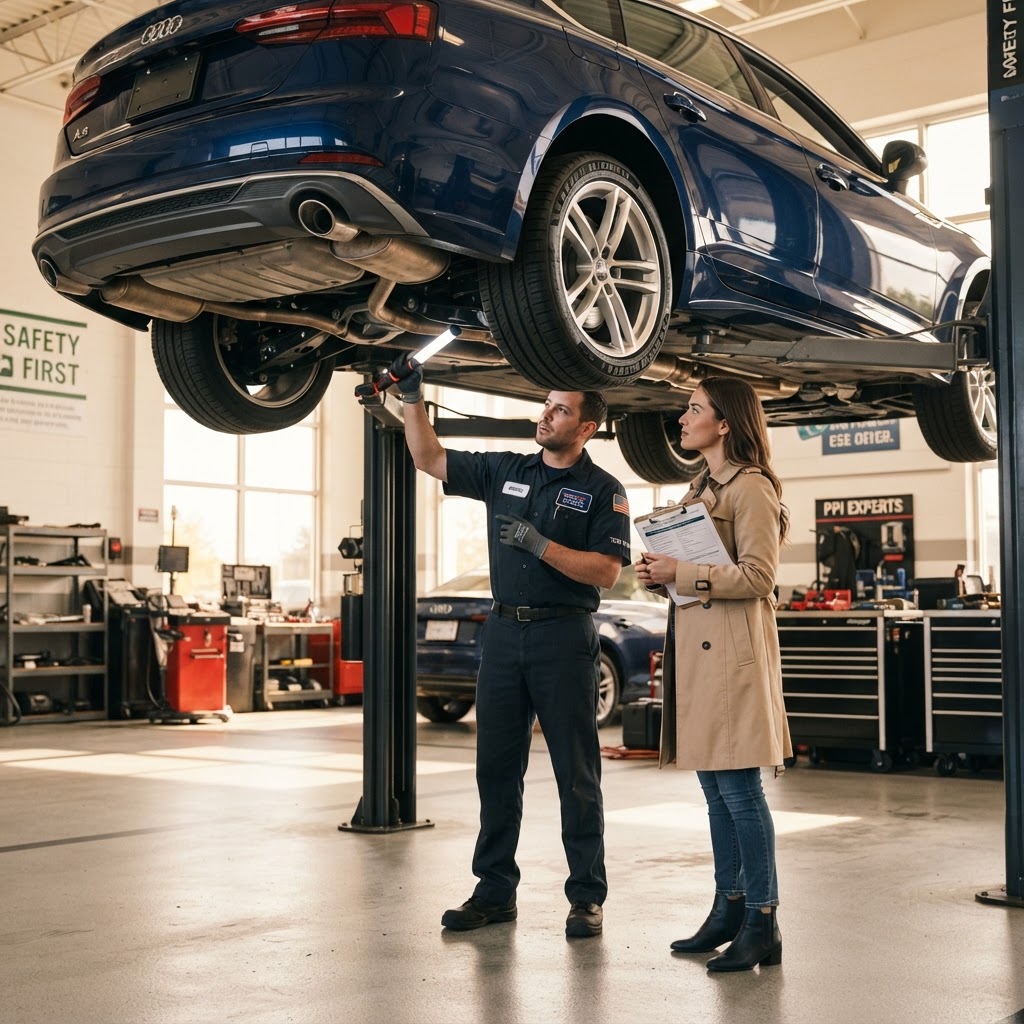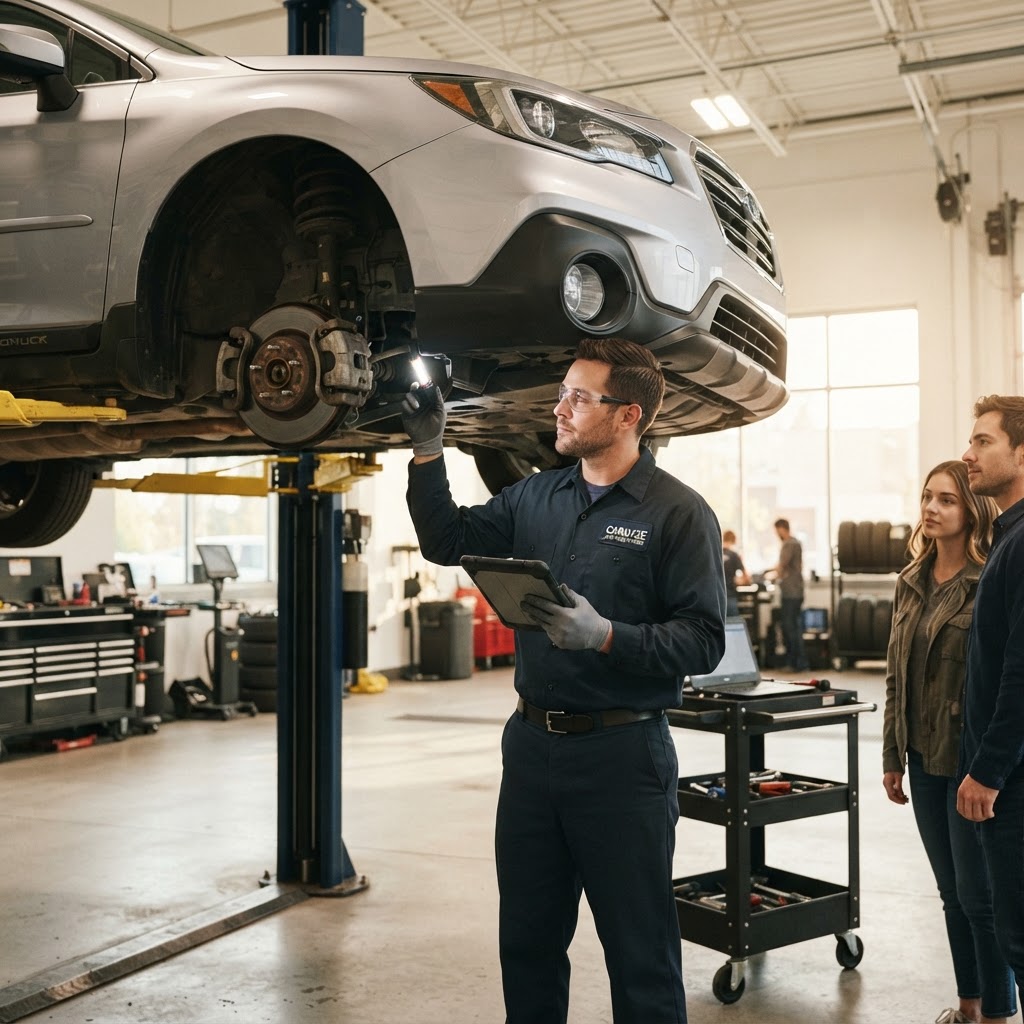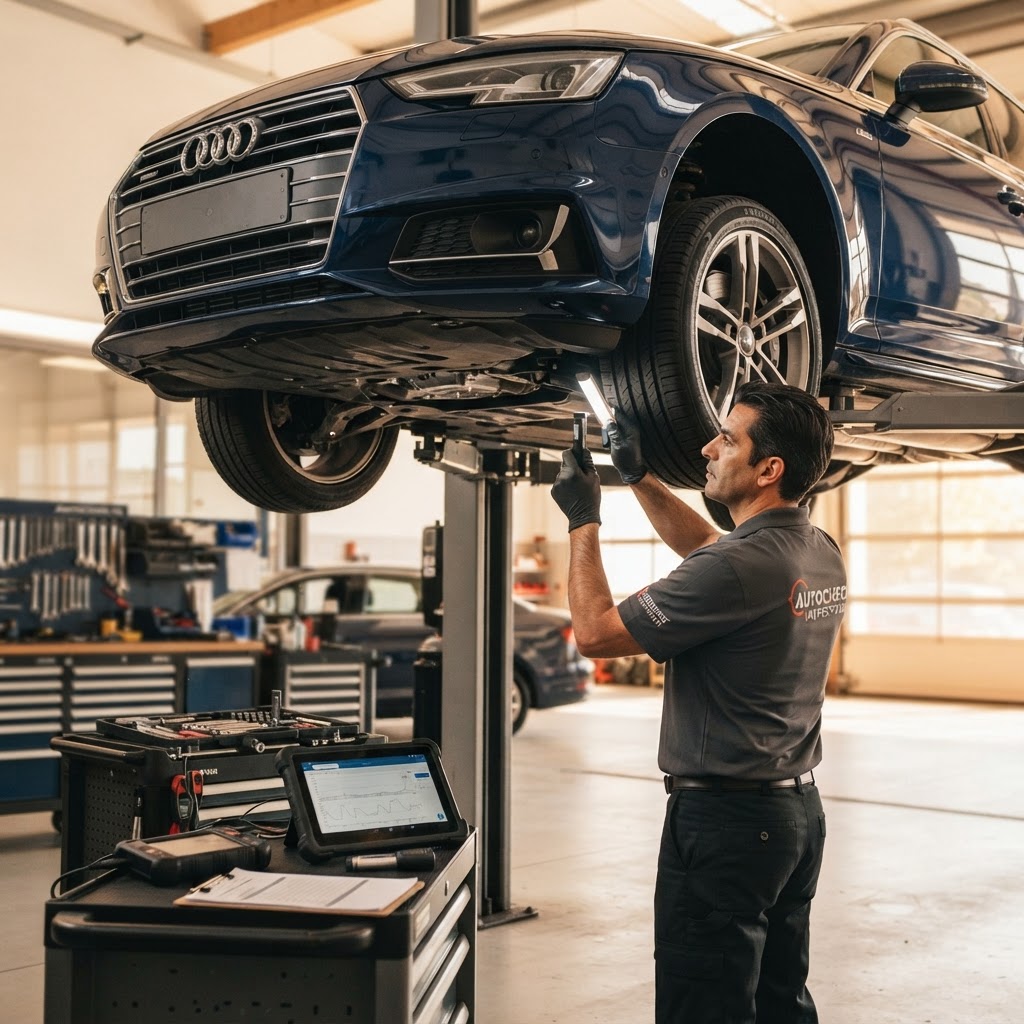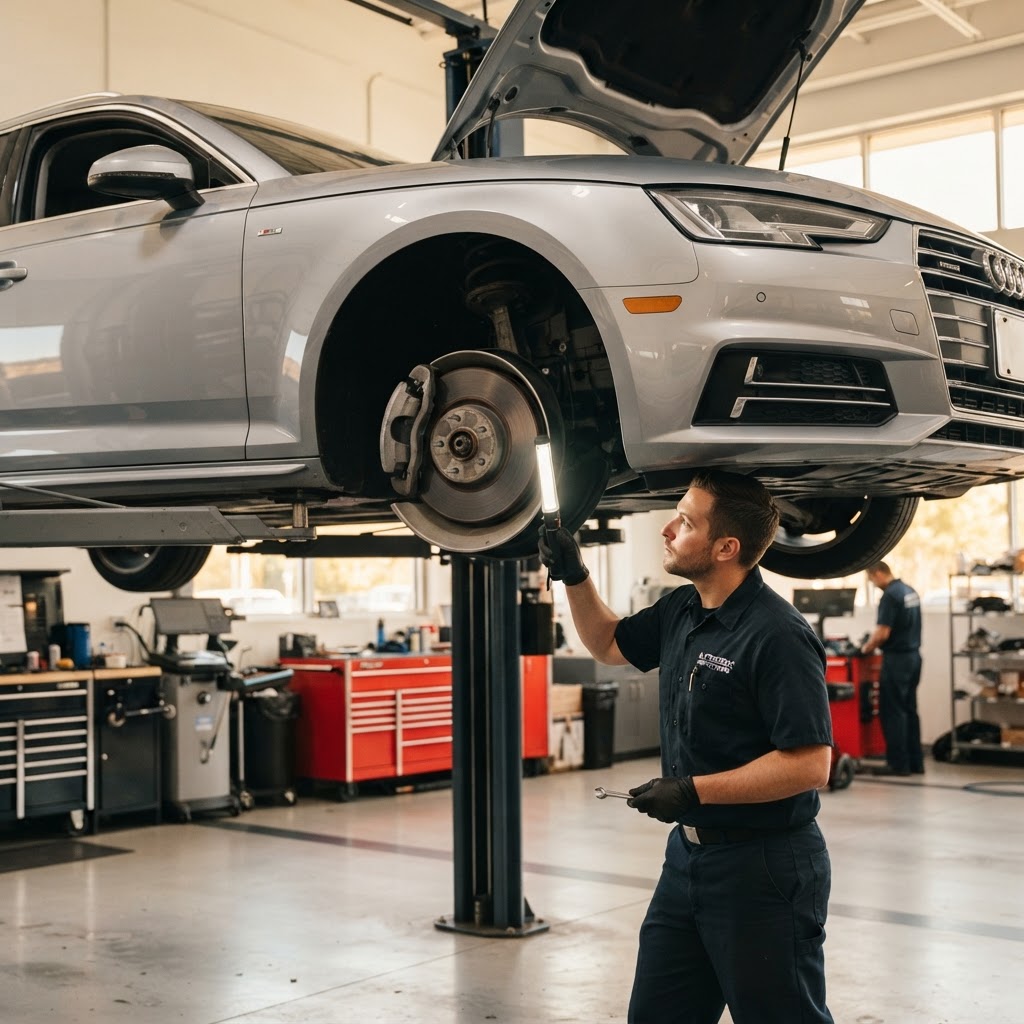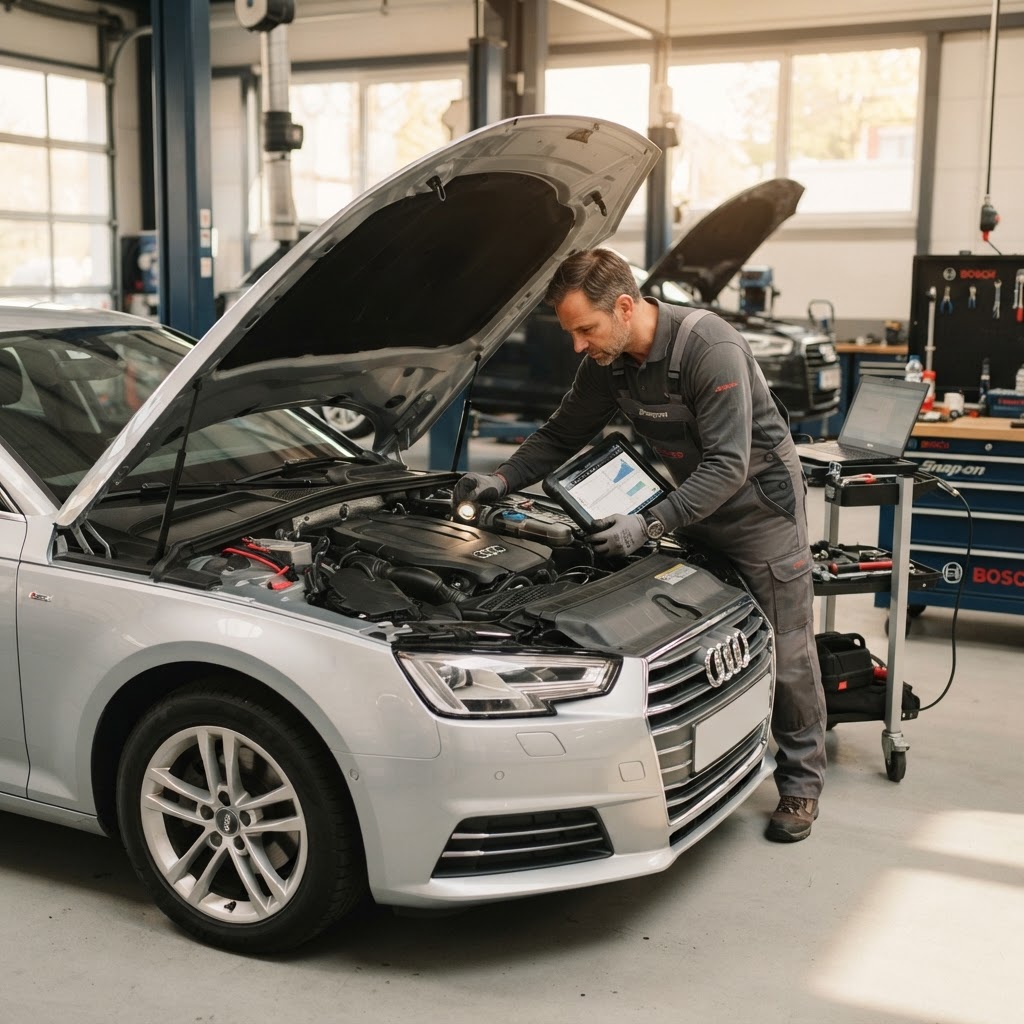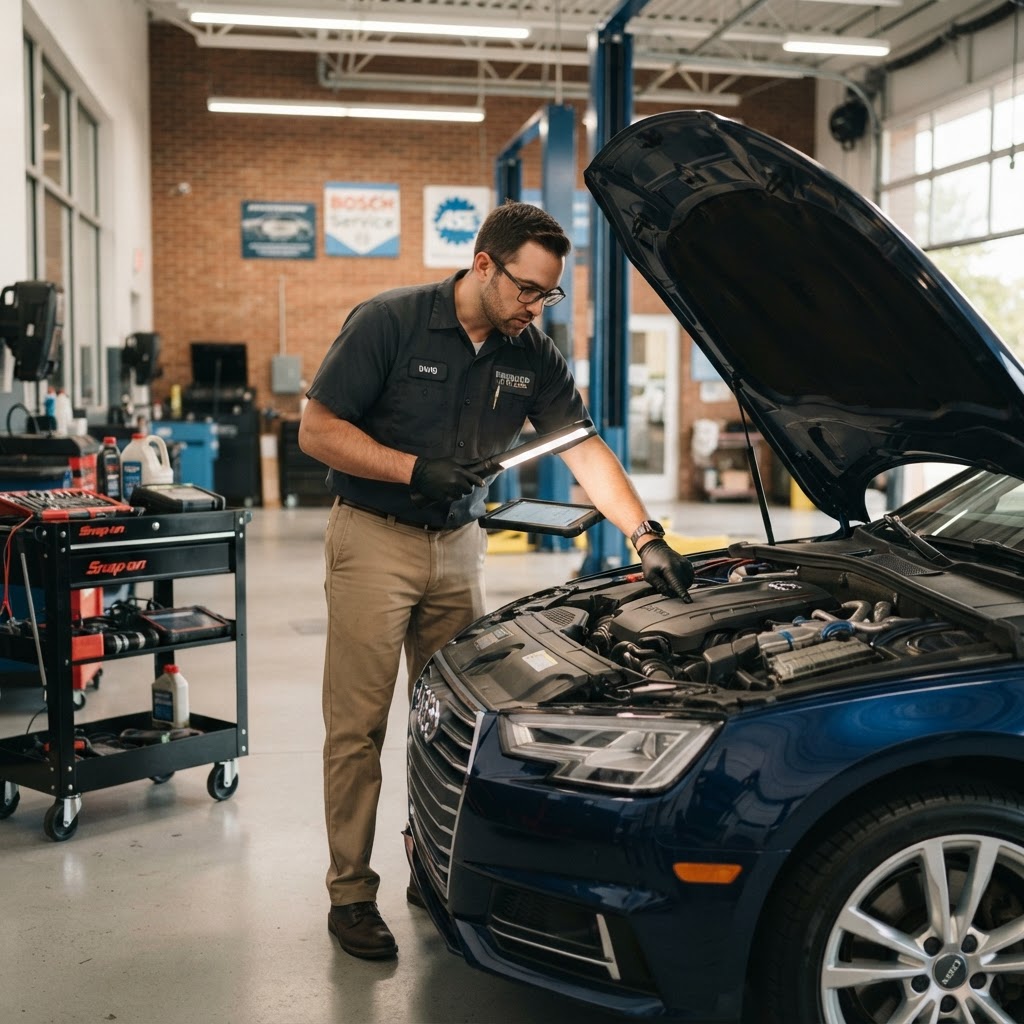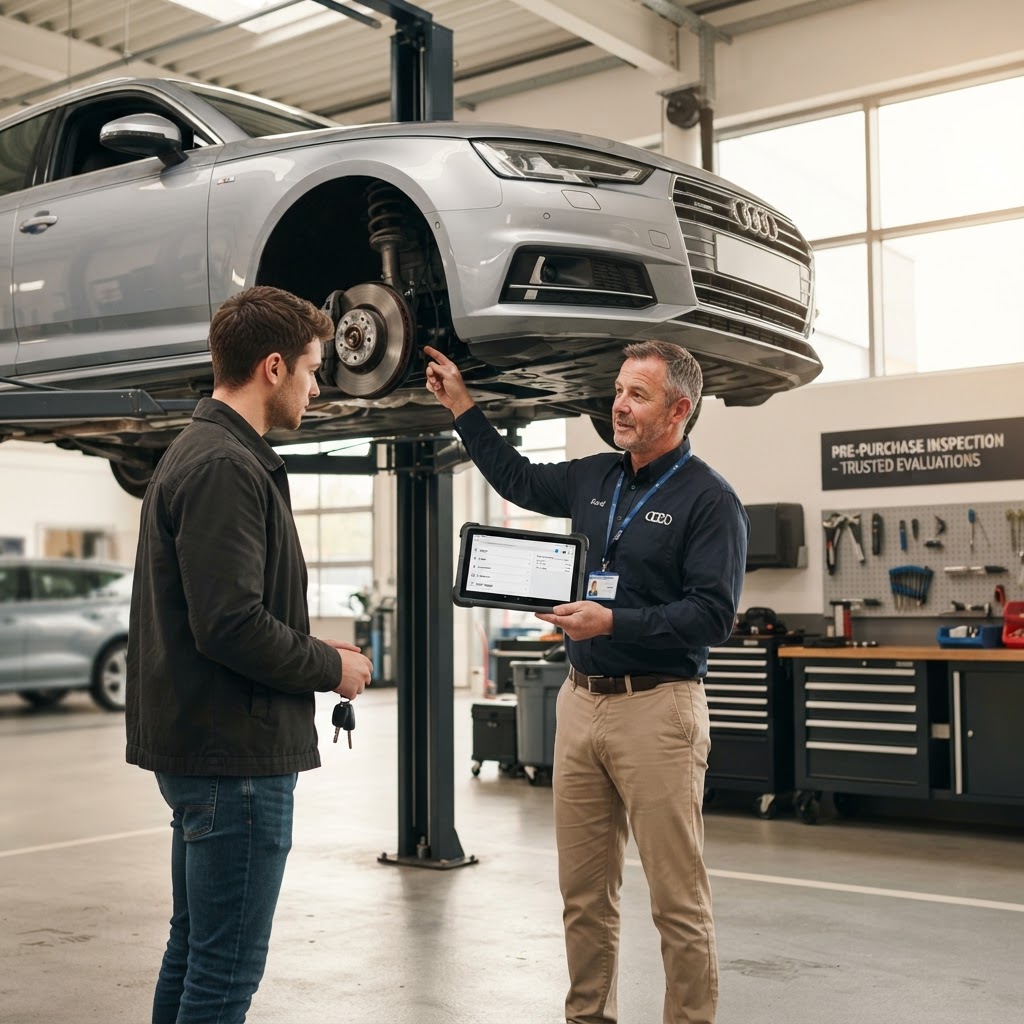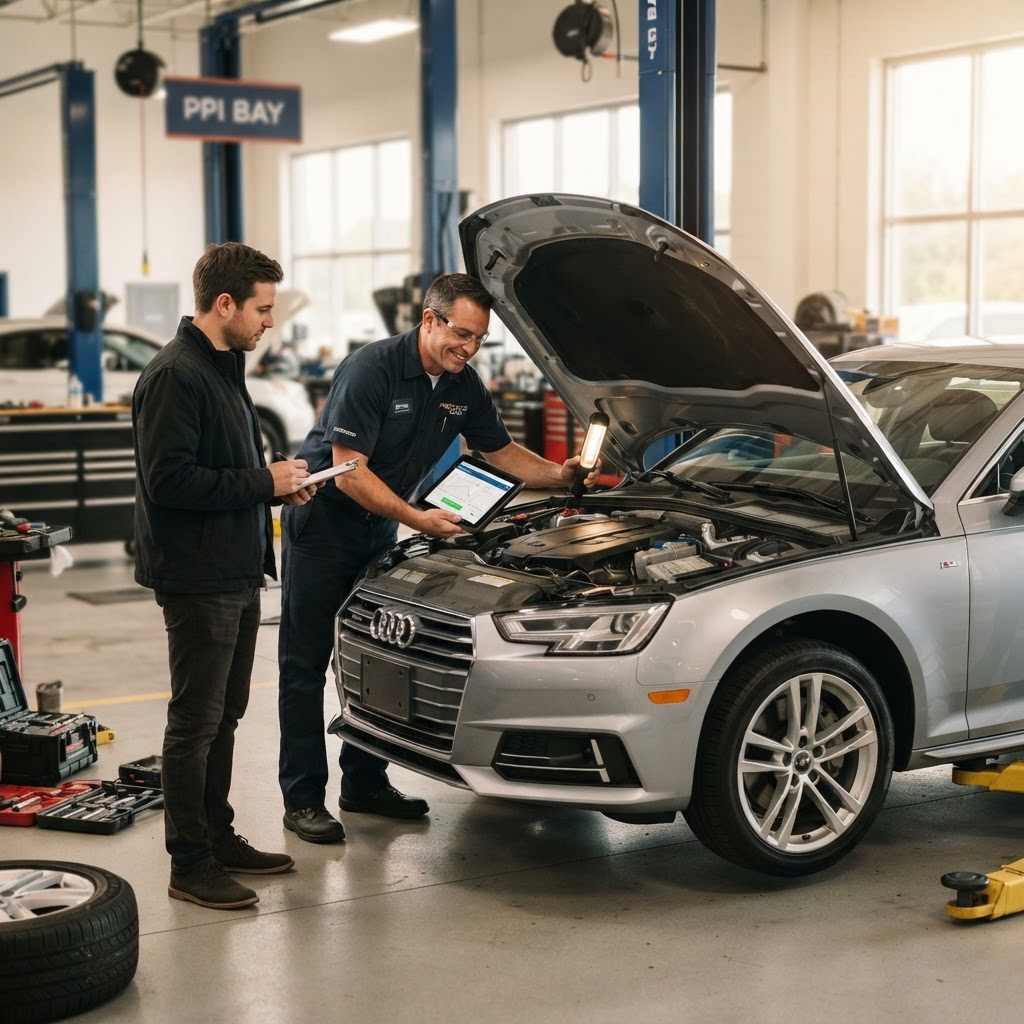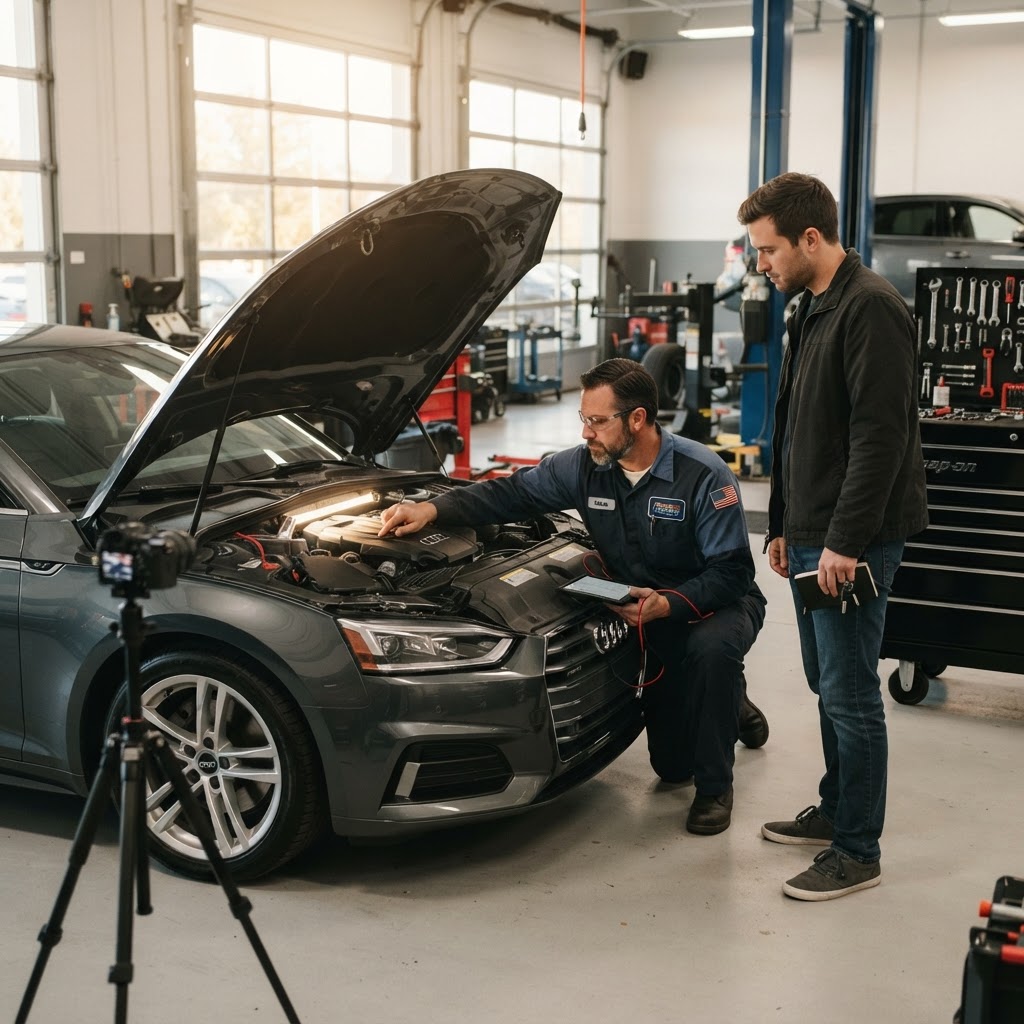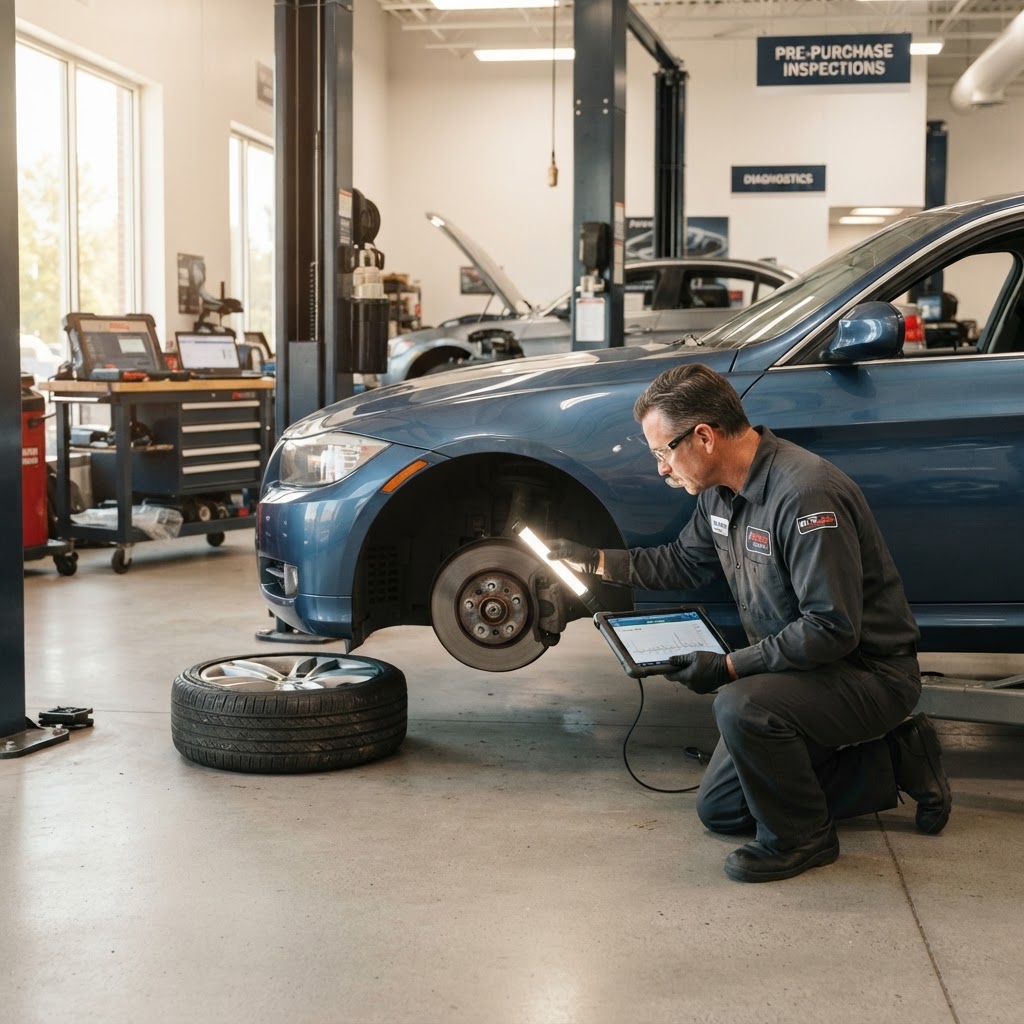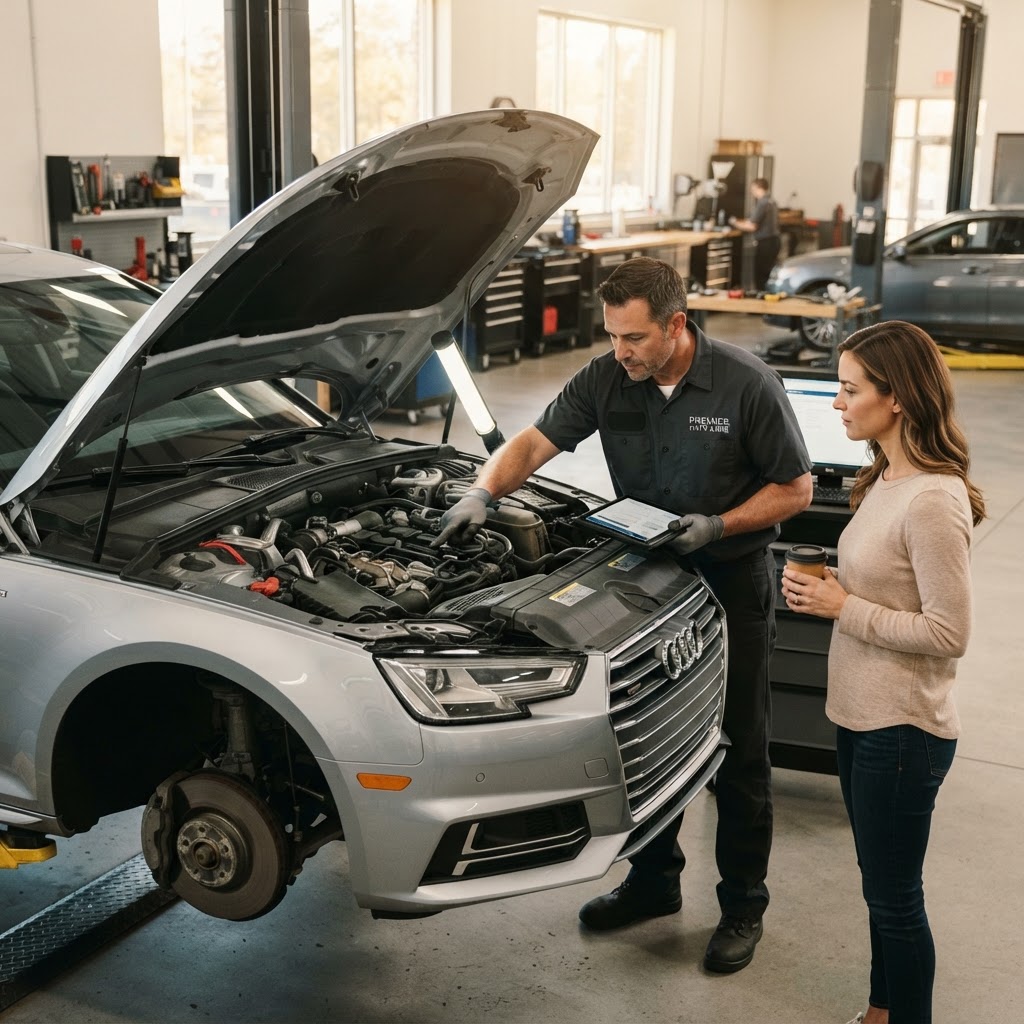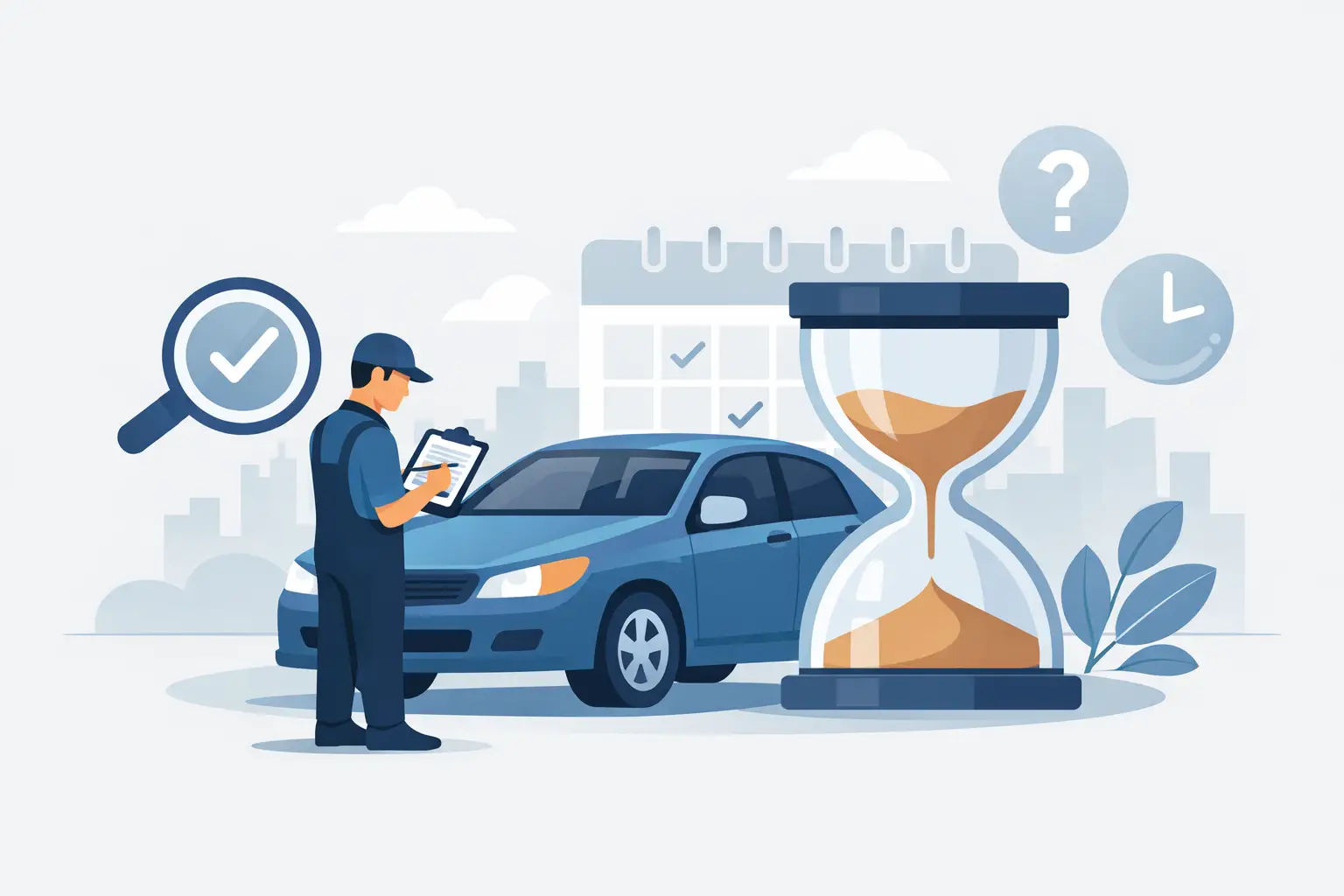
If you are relying on an inspection report to buy, sell, register, or insure a vehicle, timing matters. A common question is: do vehicle inspections expire? The short answer is yes in many cases, but not always in the same way. Some inspections have a legal validity period set by state law. Others are not legally tied to an expiration date, yet still lose practical value as the vehicle’s condition changes.
That distinction matters because an inspection is not just a document. It is a record of the vehicle’s condition at a specific point in time. Once mileage increases, a warning light appears, damage occurs, or repairs are made, the report becomes less reliable for decision-making. For buyers, sellers, dealerships, and fleet operators, that means inspection timing should be treated as part of the transaction workflow, not an afterthought.
Do Vehicle Inspections Expire for Every Situation?
Not every inspection works the same way. When people ask whether vehicle inspections expire, they are often referring to one of three different categories: state safety or emissions inspections, pre-purchase or pre-sale inspections, or insurance and appraisal inspections. Each category has its own use case, and each is judged differently.
A state-required inspection usually has a formal expiration tied to registration compliance. If your state requires annual or biennial inspections, the inspection sticker, certificate, or digital record typically expires on a set date. After that, the vehicle may no longer be legally compliant for registration renewal or road use, depending on local rules.
A private inspection, such as a pre-purchase inspection, usually does not "expire" under a statute. Still, it becomes dated quickly. A clean report from six months ago may not reflect the vehicle’s current condition today. Tires wear down, fluids leak, batteries weaken, and accident damage can happen at any time. In practical terms, that older report may no longer support a sound buying decision.
An appraisal or insurance-related inspection sits somewhere in the middle. It may remain part of the file as historical documentation, but its usefulness depends on the purpose. If the vehicle’s condition has changed, the old report may not be enough for underwriting, valuation, claims handling, or resale support.
When State Inspections Expire
State inspections are the most straightforward example because they usually come with a defined validity period. In many states, safety inspections and emissions tests are valid for one year. In some states, the cycle is every two years. A few states do not require regular inspections at all.
That means the answer to do vehicle inspections expire depends heavily on where the vehicle is registered. The same car could need annual compliance in one state and no periodic inspection in another. There are also differences within states. A county may require emissions testing even if the rest of the state does not, or newer vehicles may be exempt for a limited number of years.
For operational planning, the safest approach is to check the registration requirement tied to the vehicle’s home state and county, then work backward from the renewal deadline. If an inspection lapses, the issue is not just administrative. It can delay registration, create compliance problems for fleet units, and complicate a sale if a buyer expects current documentation.
Pre-Purchase Inspections Do Not Last Forever
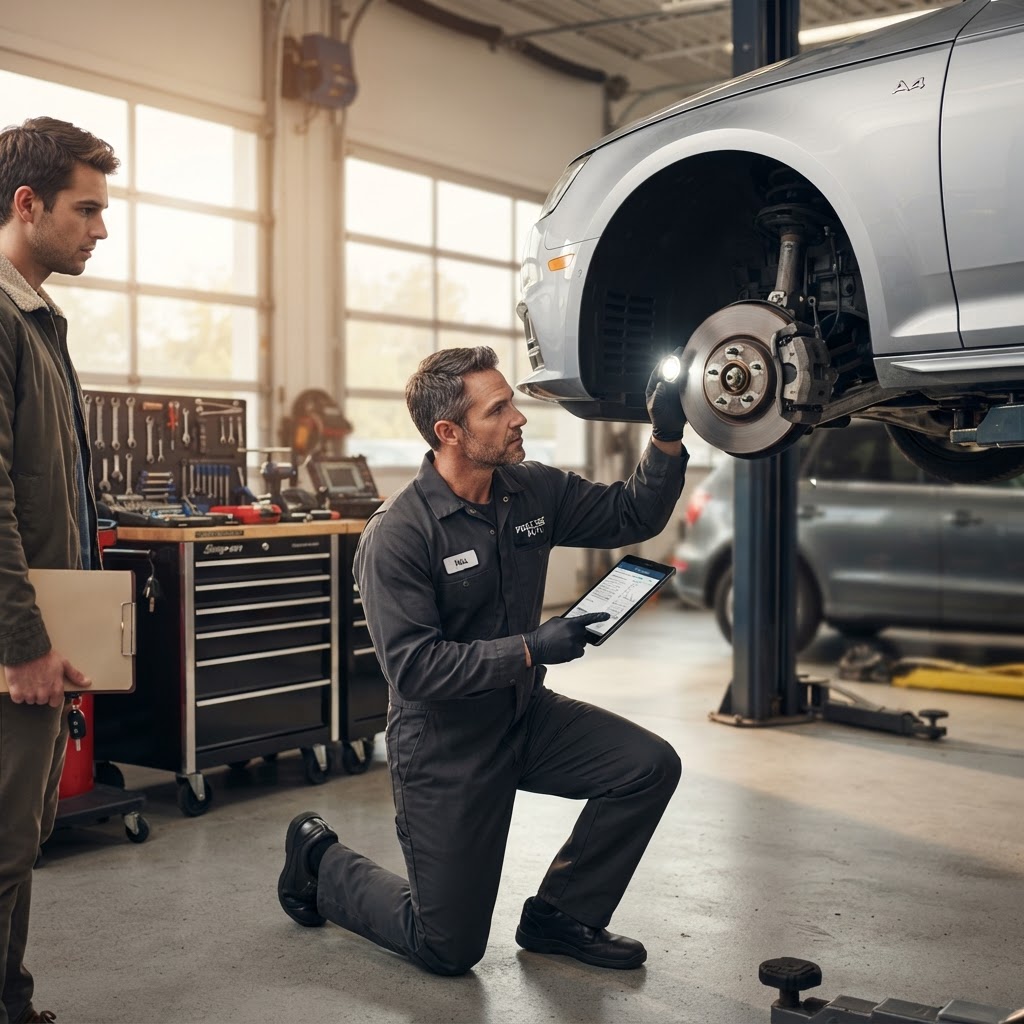
A pre-purchase inspection is not a permanent green light. It is a condition report based on the date, mileage, and observable status of the vehicle when the inspection occurred. If the buyer does not move forward quickly, the report starts aging right away.
For a private-party purchase, even a report that is 30 days old can become less dependable if the seller is still driving the vehicle daily. Mileage may be up by 1,000 miles. Brake wear may have progressed. A minor coolant seep may have turned into an active leak. If the vehicle changed hands after the first inspection, usage and maintenance history may also be less clear.
For higher-risk purchases, many buyers treat a pre-purchase inspection as freshest within a very short window, often a few days to a couple of weeks. That is not a legal rule. It is a risk-control decision. The more money involved, the more specialized the vehicle, and the less transparent the seller, the less sense it makes to rely on an older report.
Why Inspection Reports Lose Value Over Time
Vehicles are moving assets. Their condition changes with use, storage, weather, maintenance quality, and accidents. That is why even a well-documented report has a shelf life.
Mechanical conditions shift first. Brake pads wear, fluid levels change, batteries discharge, and suspension noise can develop without much warning. Cosmetic condition can also change quickly, especially with daily use. New dents, windshield chips, curb rash, interior wear, and paint damage all affect resale and appraisal discussions.
There is also the issue of incomplete visibility. A standard inspection reflects what was accessible and observable at the time. If a fault had not fully presented yet, it may not have been obvious during the original visit. That does not make the report wrong. It means the report was time-specific, not predictive.
For dealerships, inspection partners, and multi-unit operators, this is why process control matters. A report should be tied to a timestamp, mileage, photos, and a documented condition snapshot. Once one of those variables changes materially, the report should be treated with caution.
How Long Is an Inspection Report Still Useful?
There is no universal answer, but there is a practical one. The report is useful for as long as the vehicle can reasonably be expected to remain in substantially the same condition.
If the car has been parked, not driven, and stored properly, a recent inspection may still be relevant after several weeks. If it has been used daily, transported across states, listed for sale by multiple parties, or exposed to weather, that same time period may be too long.
A good rule is to match the report age to the decision you are making. For registration compliance, follow the state deadline. For a purchase decision, use the most current report possible. For resale support, provide documentation that reflects the vehicle close to listing or close to closing. For underwriting or internal fleet controls, refresh the inspection whenever the vehicle’s status, assignment, or risk exposure changes.
Signs You Need a New Inspection
Sometimes the date alone is enough to trigger a reinspection. More often, the real trigger is a change in condition or transaction status.
You should strongly consider a new inspection if the vehicle has been driven significantly since the last report, if warning lights have appeared, if repairs were completed, if an accident or weather event occurred, or if a sale was delayed longer than expected. The same applies when the original report lacked detailed photos, mileage documentation, or a structured condition summary.
For business users, another trigger is handoff. If a vehicle moves from auction to dealer inventory, from one fleet location to another, or from seller to buyer, a fresh inspection creates accountability. It reduces disputes over when damage happened and what condition was actually represented.
What Buyers, Sellers, and Dealers Should Do
Buyers should ask when the inspection was completed, what the mileage was at that time, and whether anything has changed since. Sellers should avoid presenting an older report as if it still reflects current condition without qualification. Dealers and fleet managers should build inspection timing into their workflow instead of relying on static paperwork.
That is where a documented, process-based inspection model matters. A clear report with condition notes, timestamps, mileage, and photos supports better decisions than a vague verbal assessment. It also makes it easier to decide when an update is necessary. For teams managing multiple units or repeat transactions, consistency is just as important as technical accuracy.
RIZQ Car Inspection operates in that practical space. The value is not just the inspection itself, but the organized reporting and workflow discipline that help people act on current vehicle condition with less guesswork.
The Real Answer to Do Vehicle Inspections Expire
Yes, vehicle inspections expire in some cases by law and in other cases by relevance. A state inspection may expire on a fixed date. A private inspection may stay on file indefinitely but stop being dependable once the vehicle’s condition changes.
That is the part many people miss. The question is not only whether a report is still technically valid. It is whether it is still current enough to support a financial or operational decision. When the stakes are registration, resale value, liability, or buyer confidence, fresh documentation usually costs less than outdated assumptions.
If there is any doubt, use the newer inspection. It is the cleaner record, the safer workflow, and usually the better business decision.