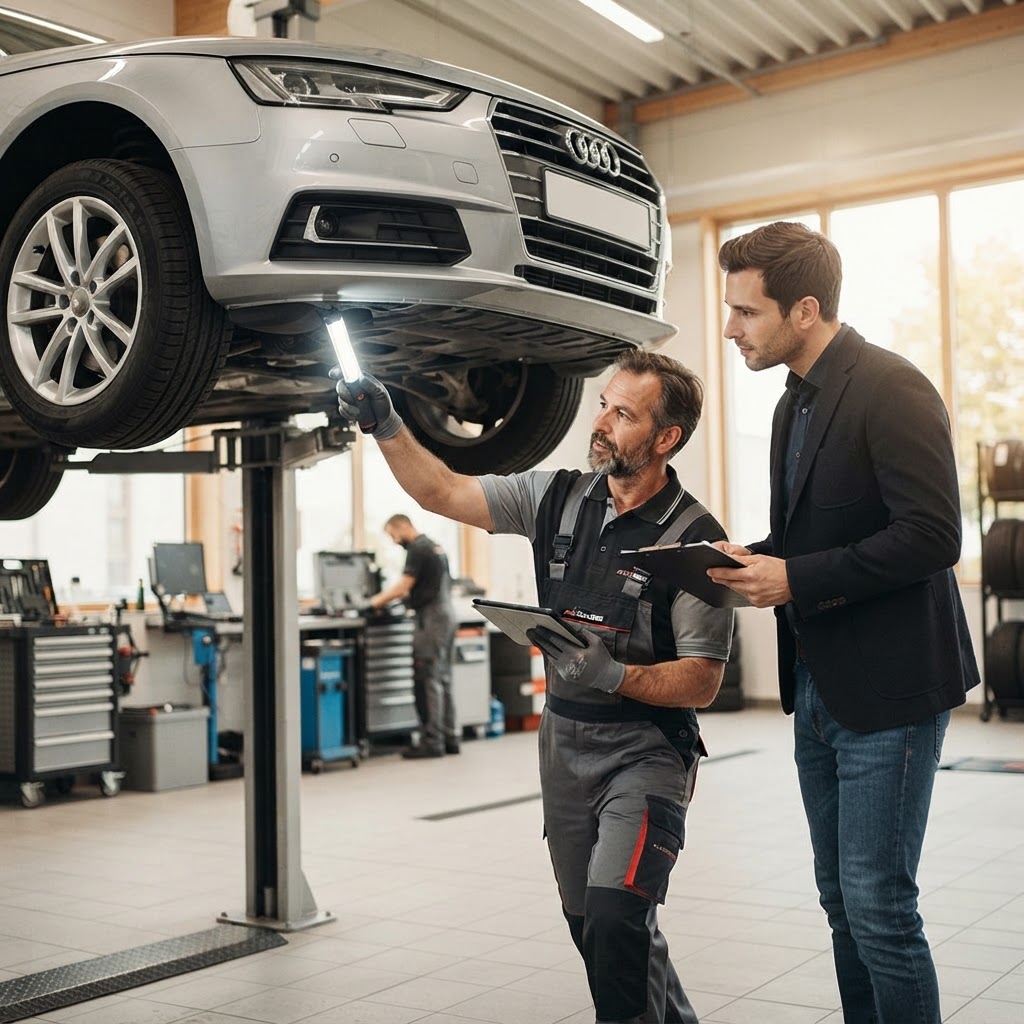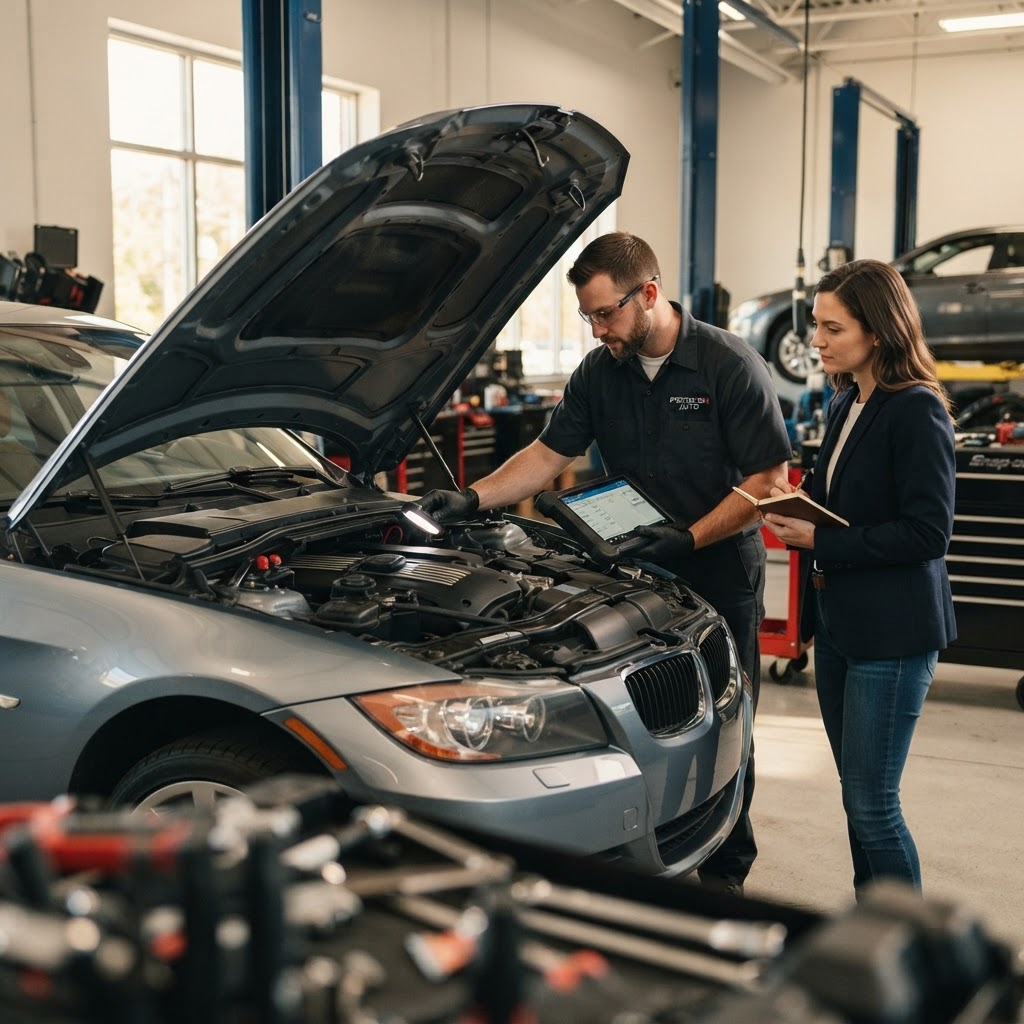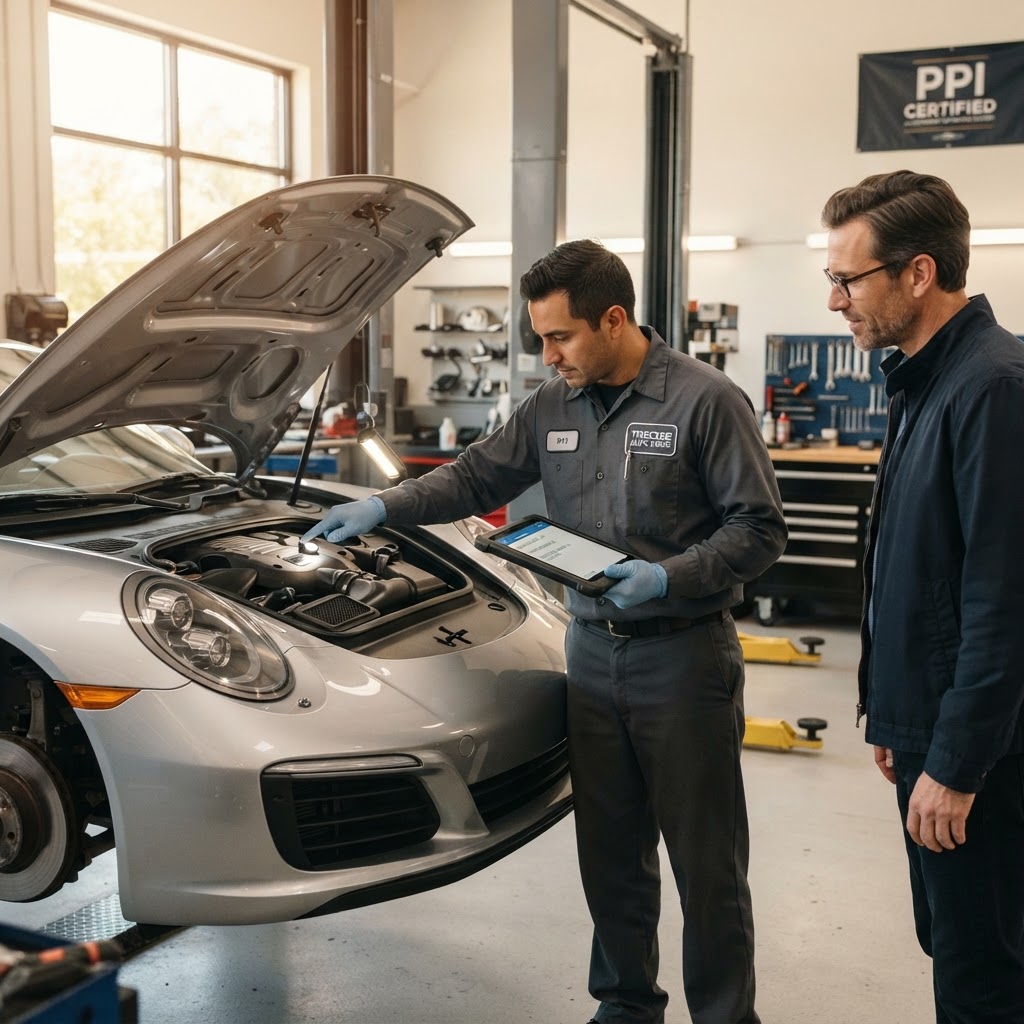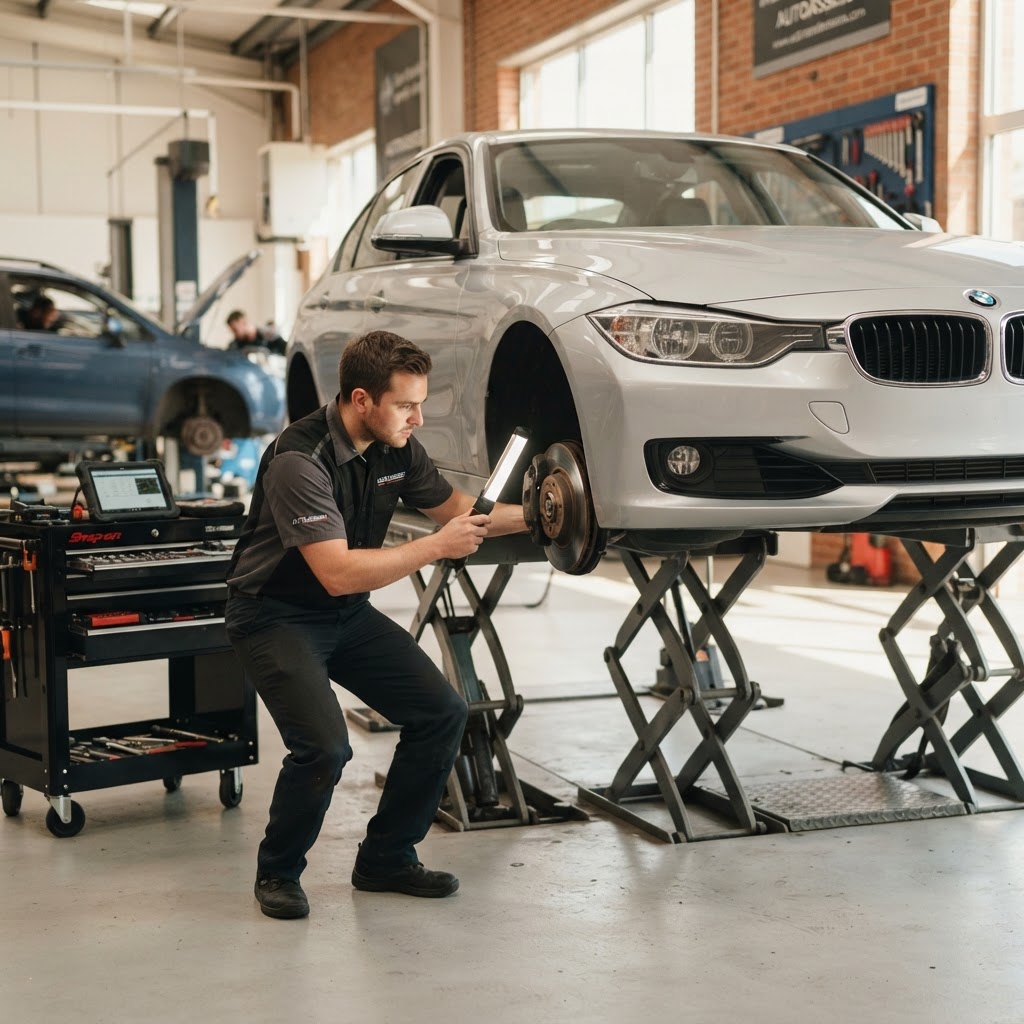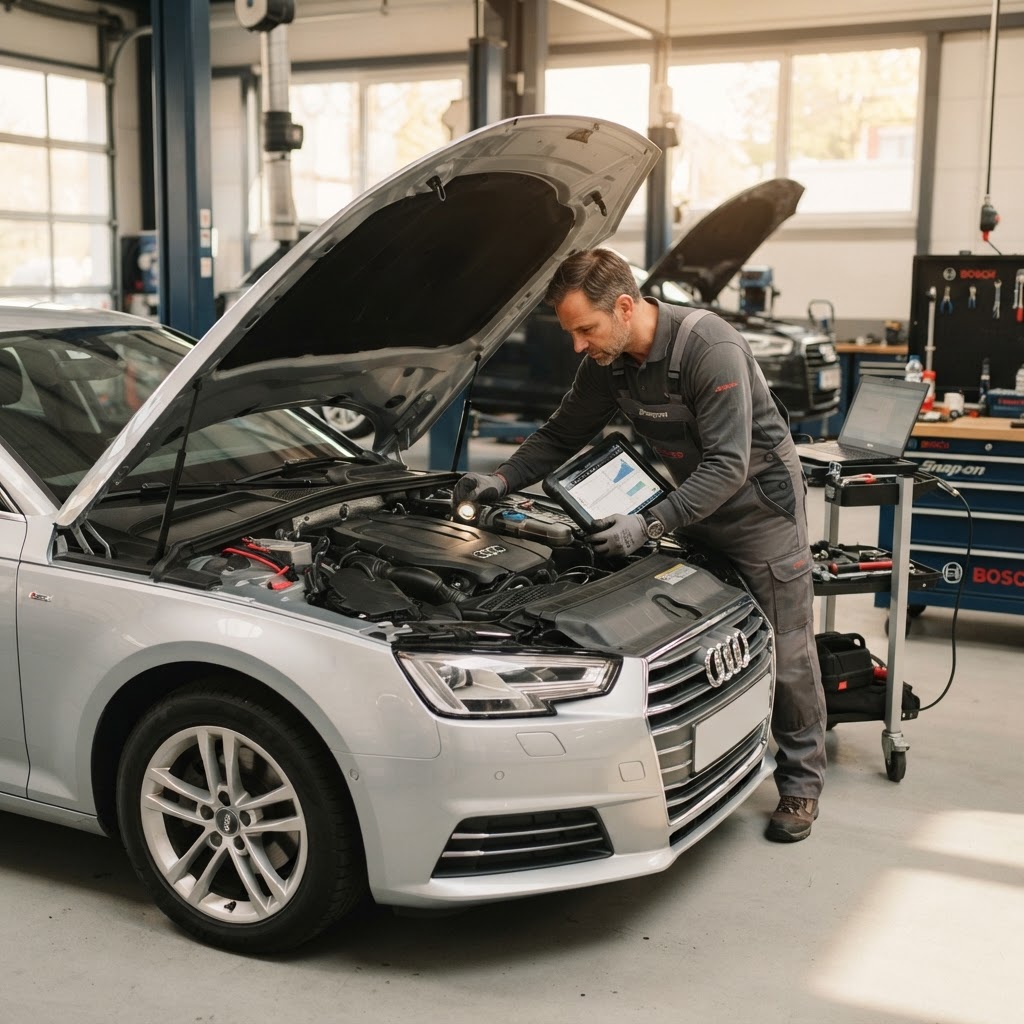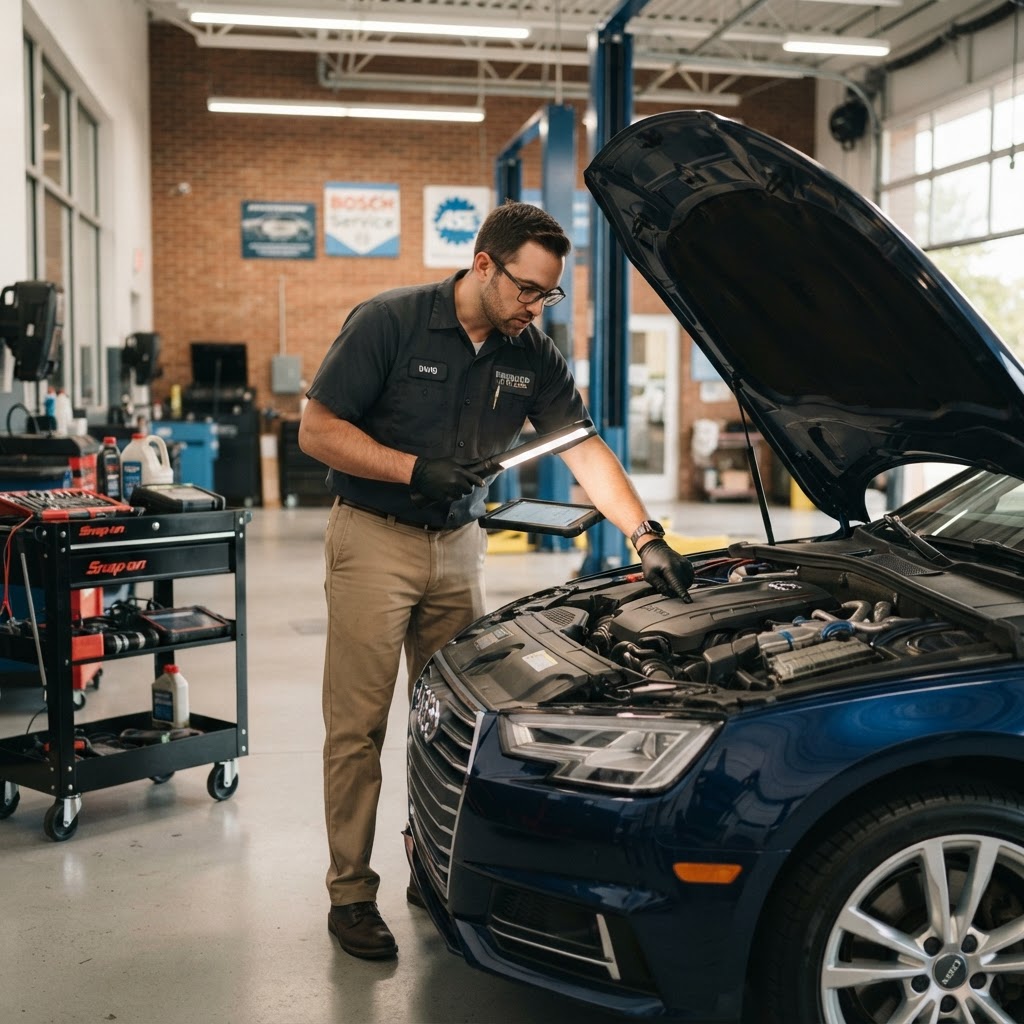
If you are buying, registering, or renewing a vehicle, one of the first compliance questions you may run into is what is state inspections and whether your car actually needs one. The answer depends on where the vehicle is registered, what type of inspection your state requires, and whether you are dealing with a safety check, emissions test, or both.
For drivers, dealers, and fleet operators, state inspection rules are less about opinion and more about process. A vehicle either meets the required standard for that jurisdiction or it does not. That makes it important to understand what a state inspection is designed to do, what it does not cover, and where it fits into a larger vehicle evaluation.
What is state inspections?
State inspections are government-required checks used to confirm that a vehicle meets certain legal standards before it can be registered, renewed, or operated in a given state. Depending on the state, those standards may focus on road safety, emissions compliance, or both.
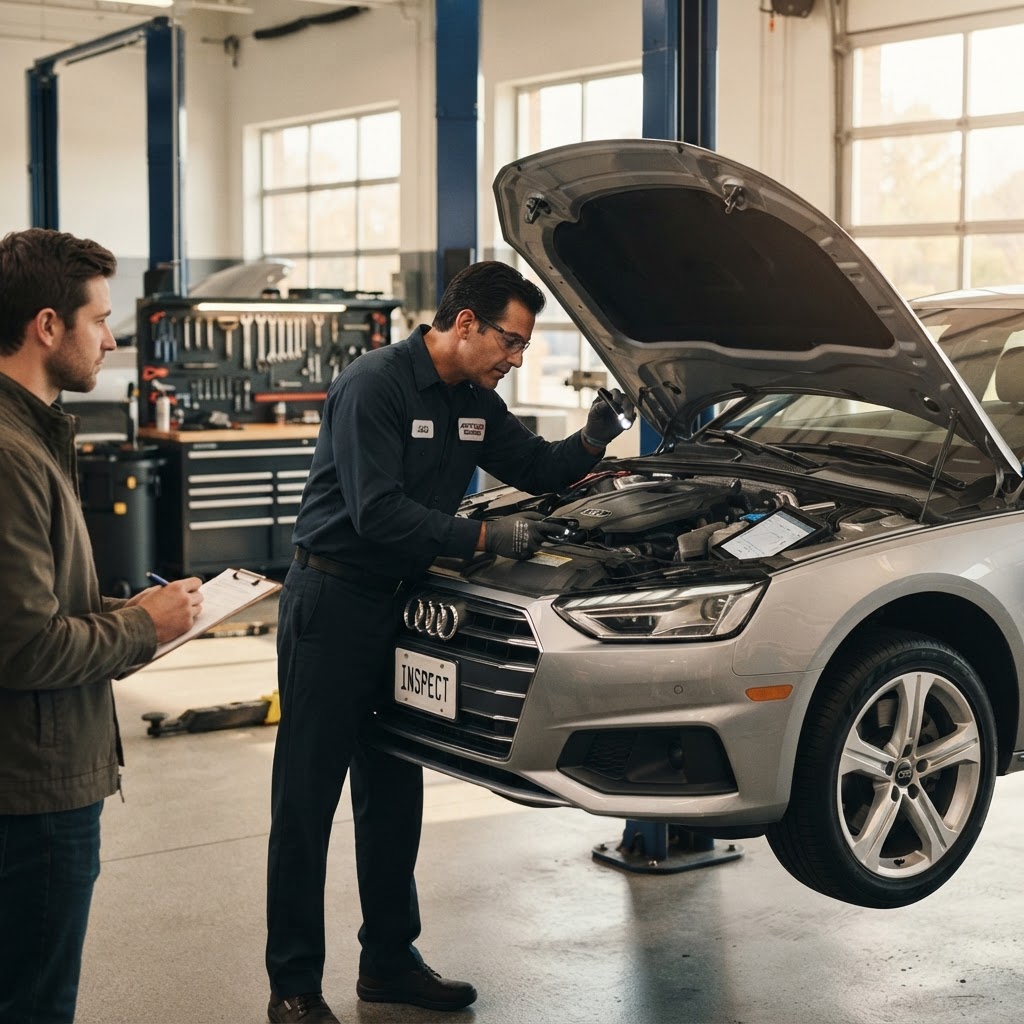
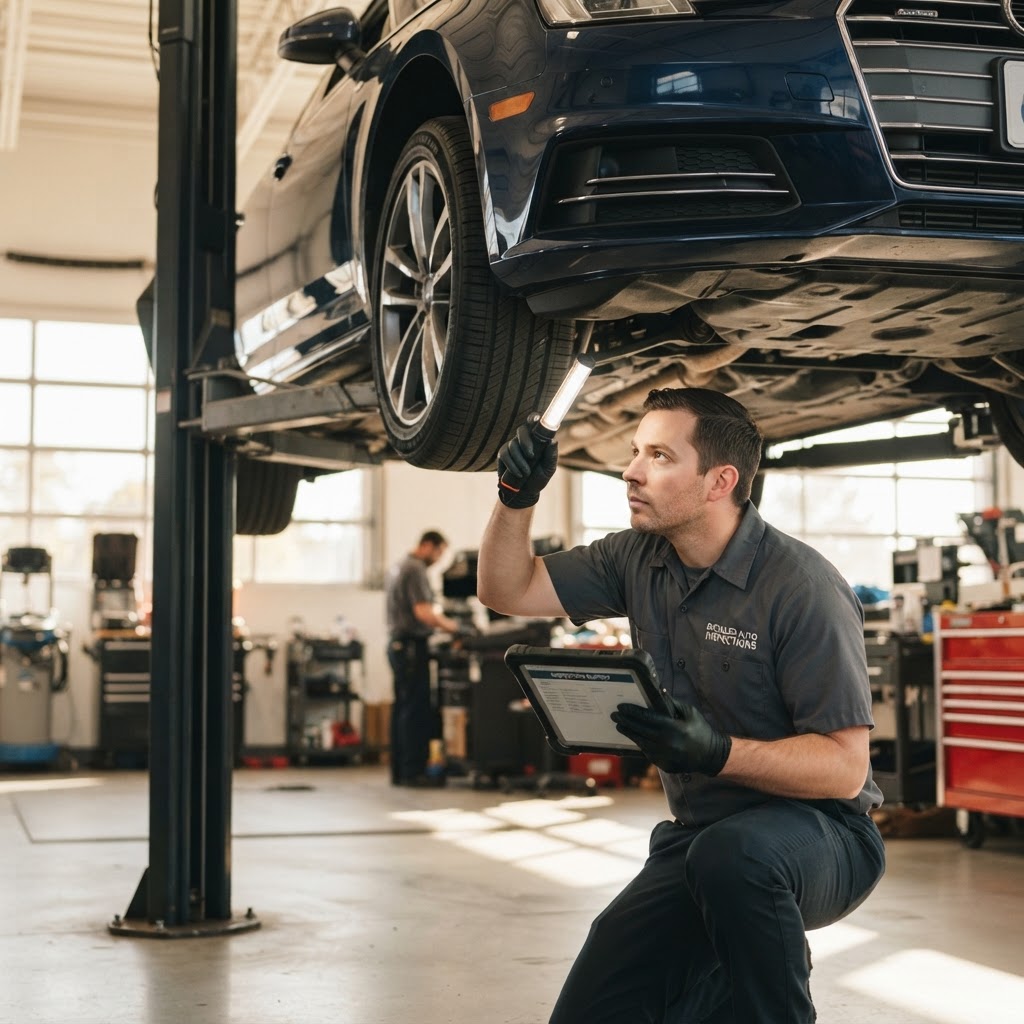
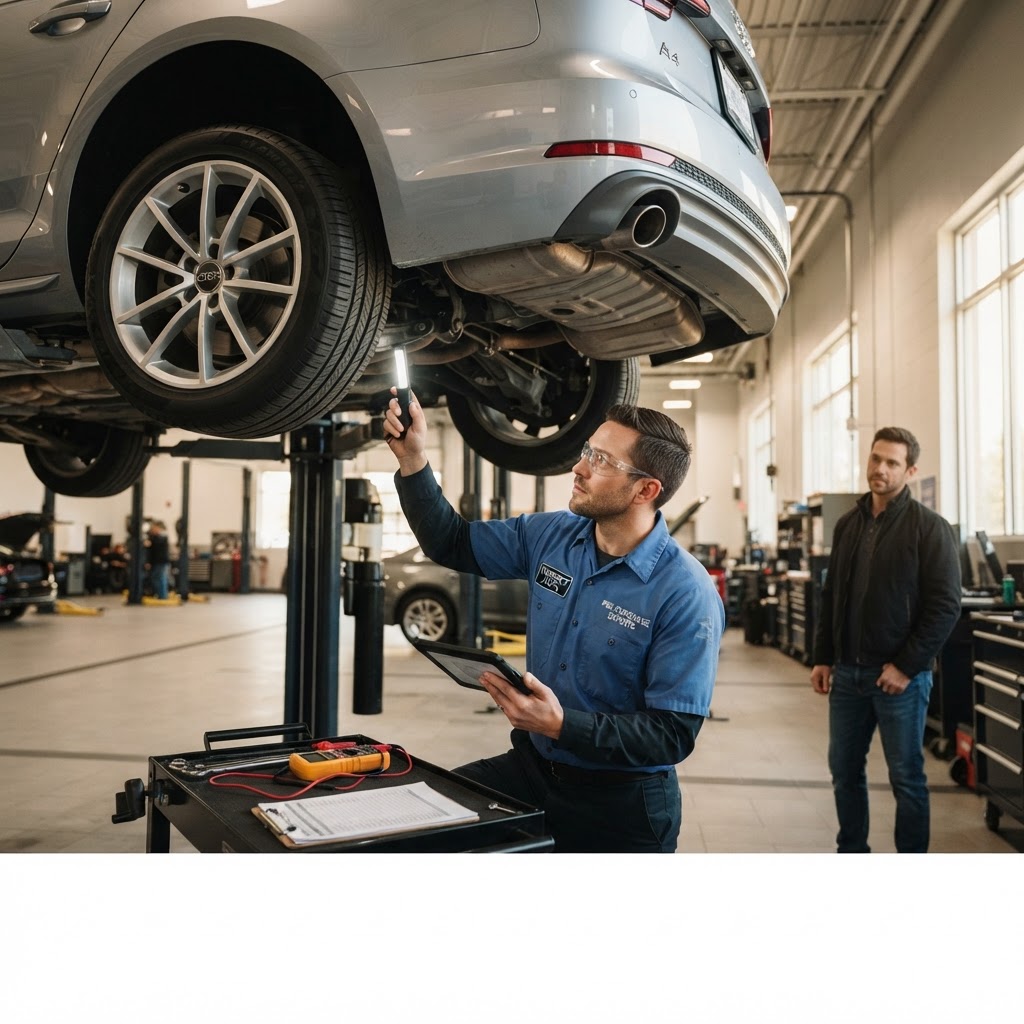
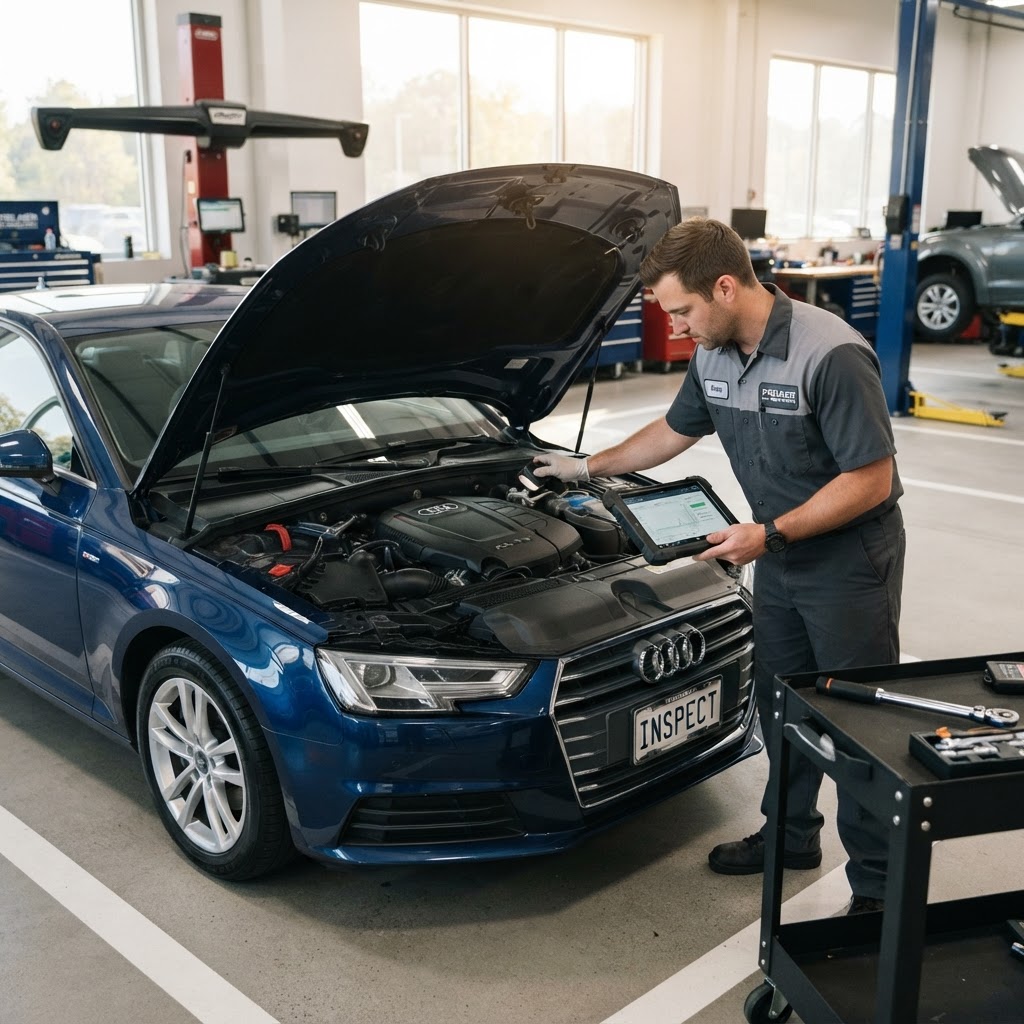
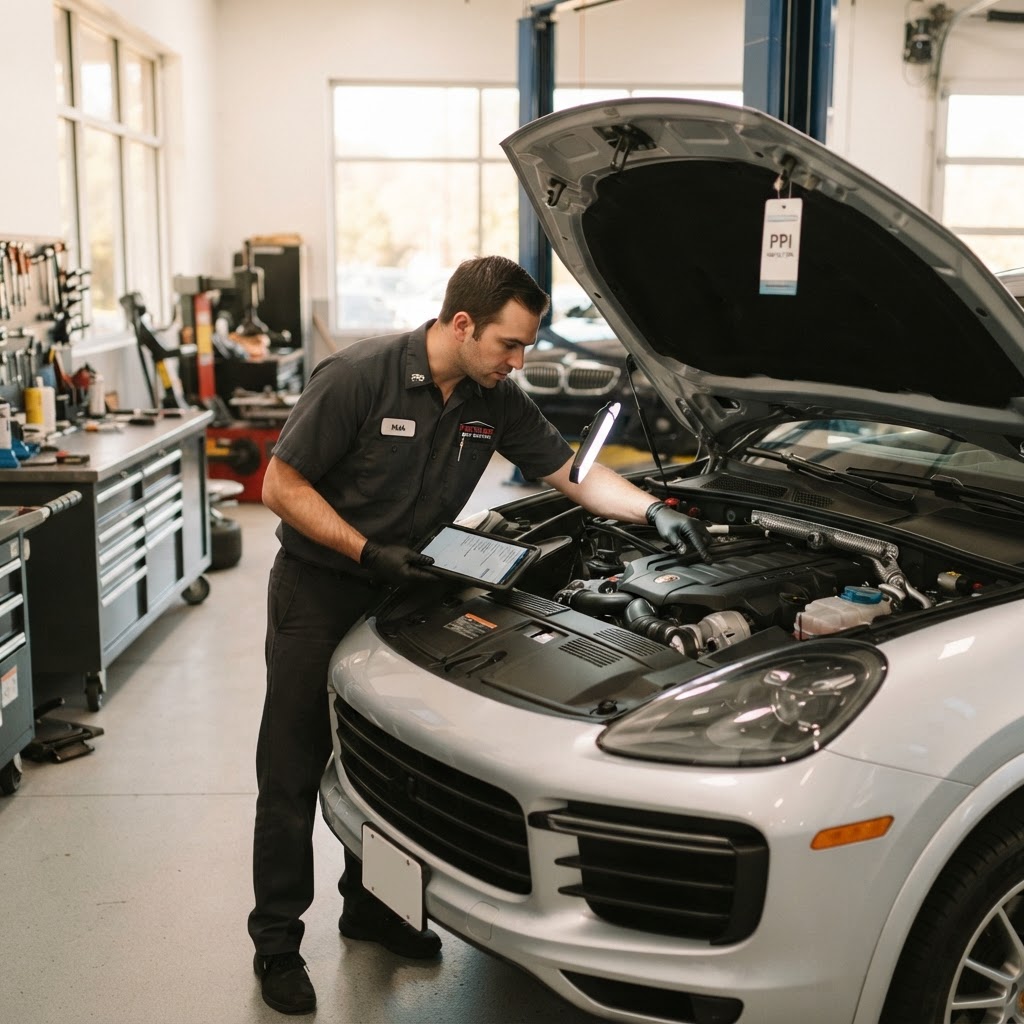
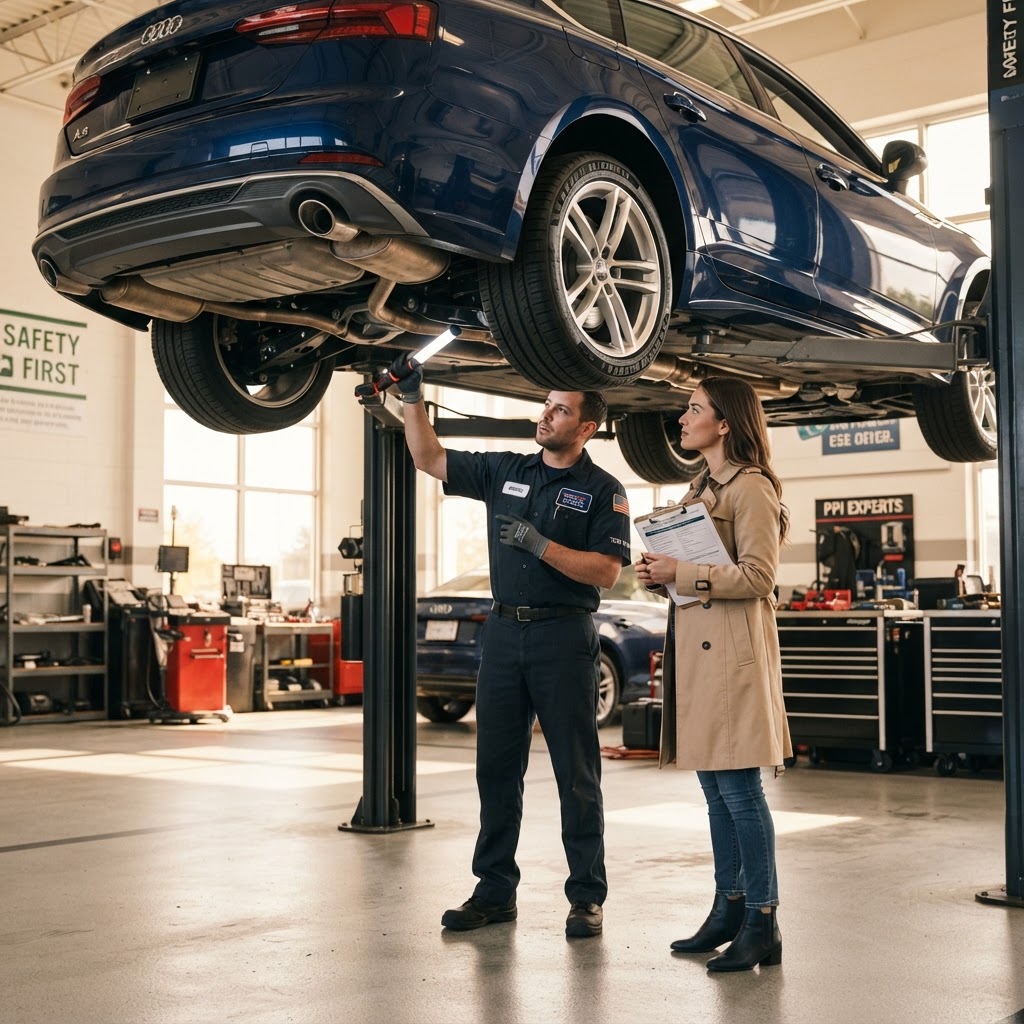
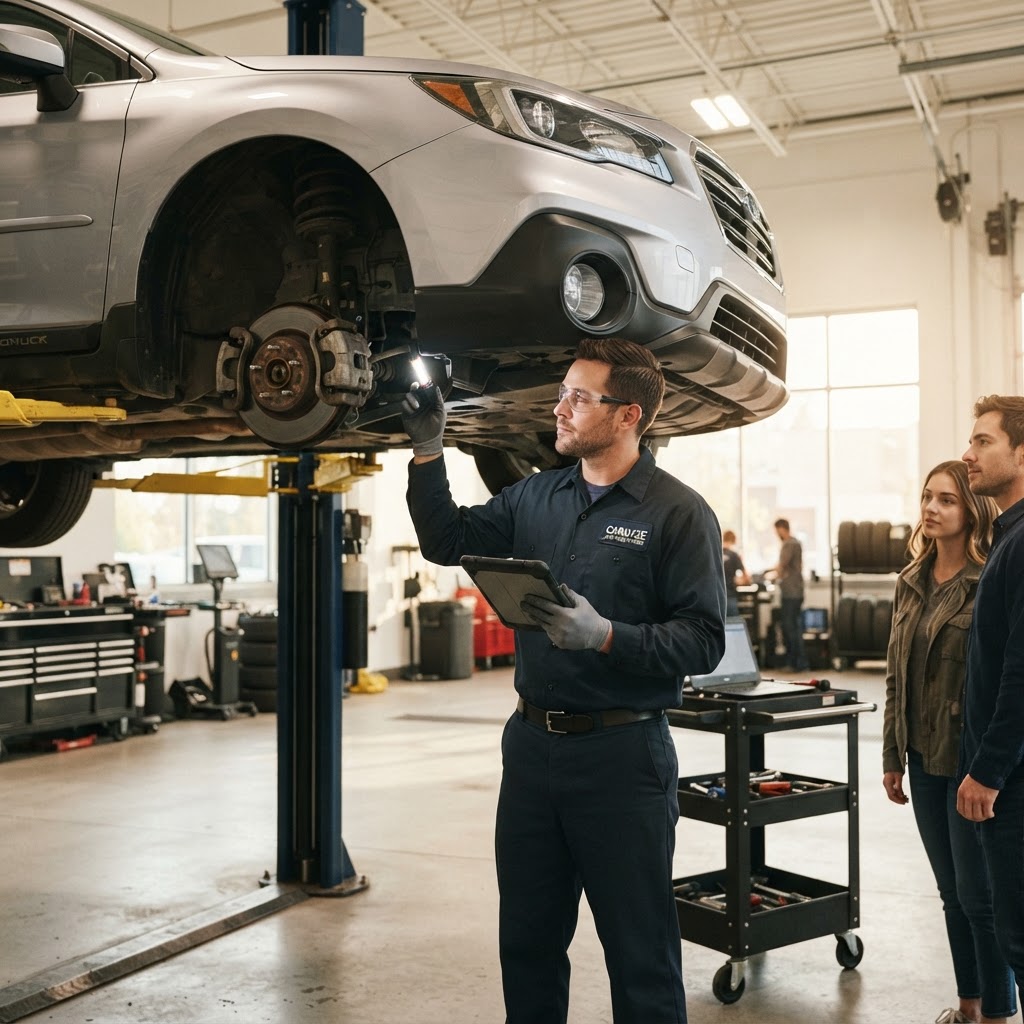
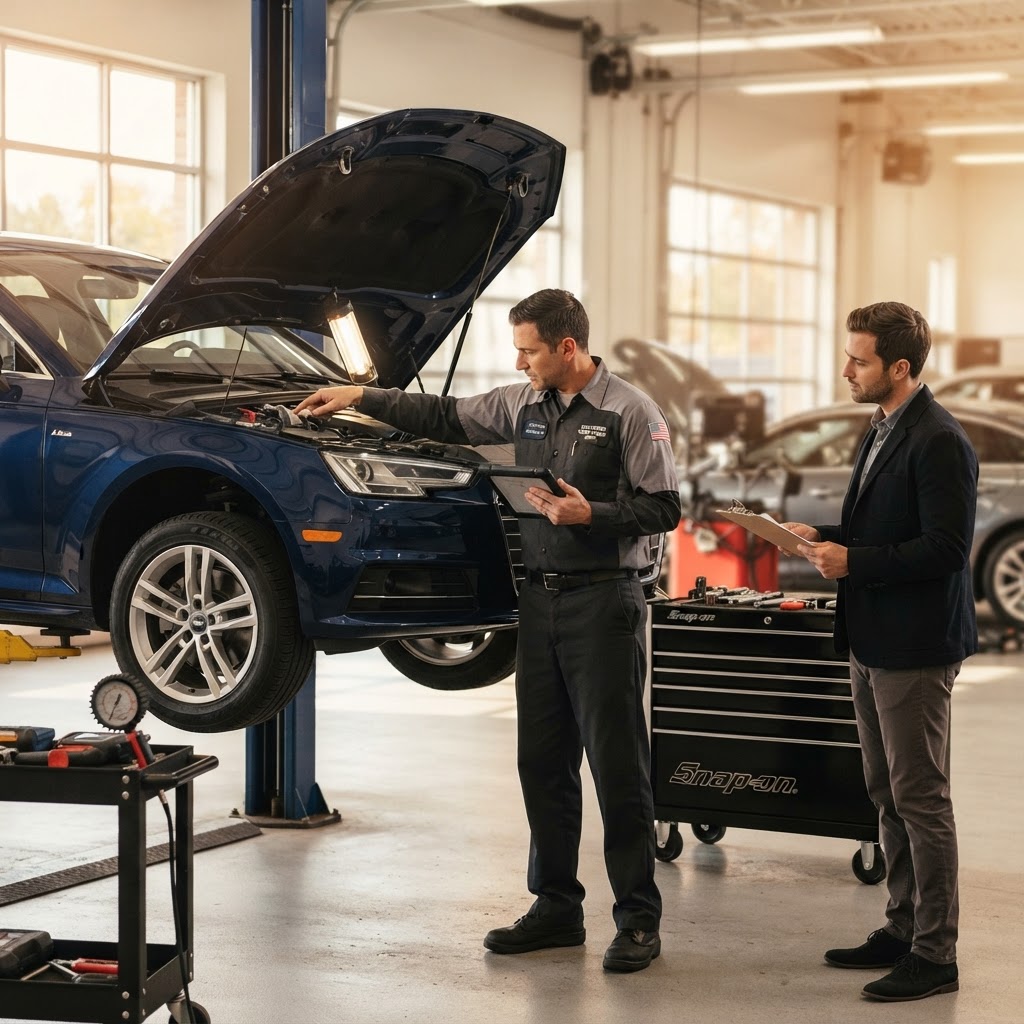
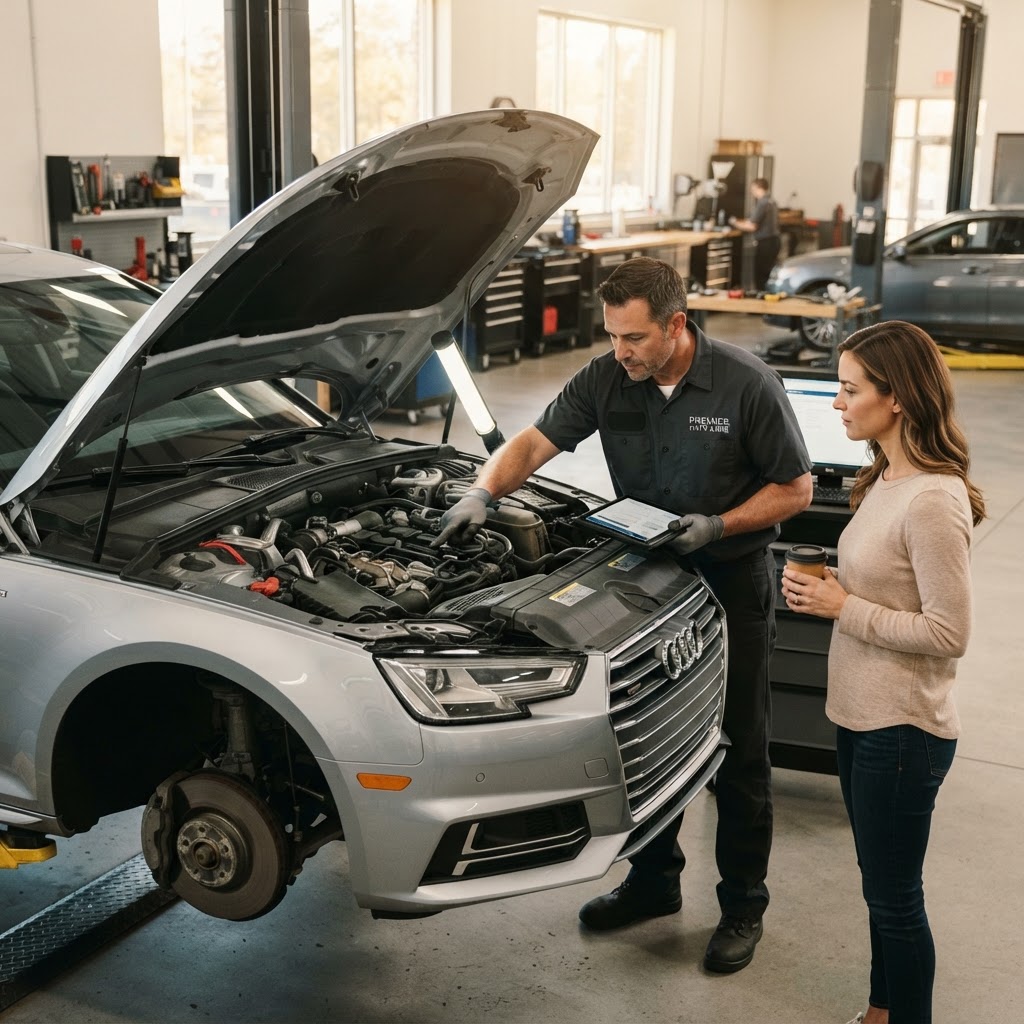
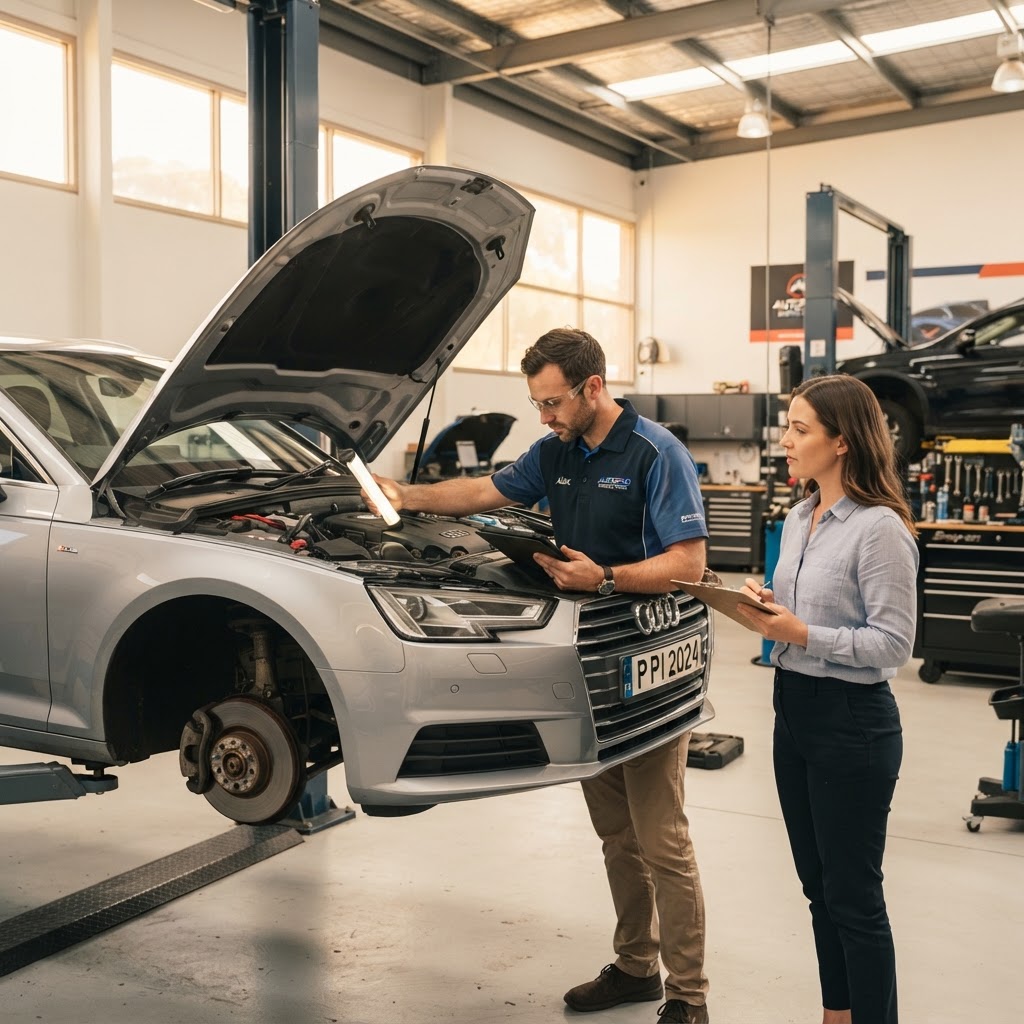
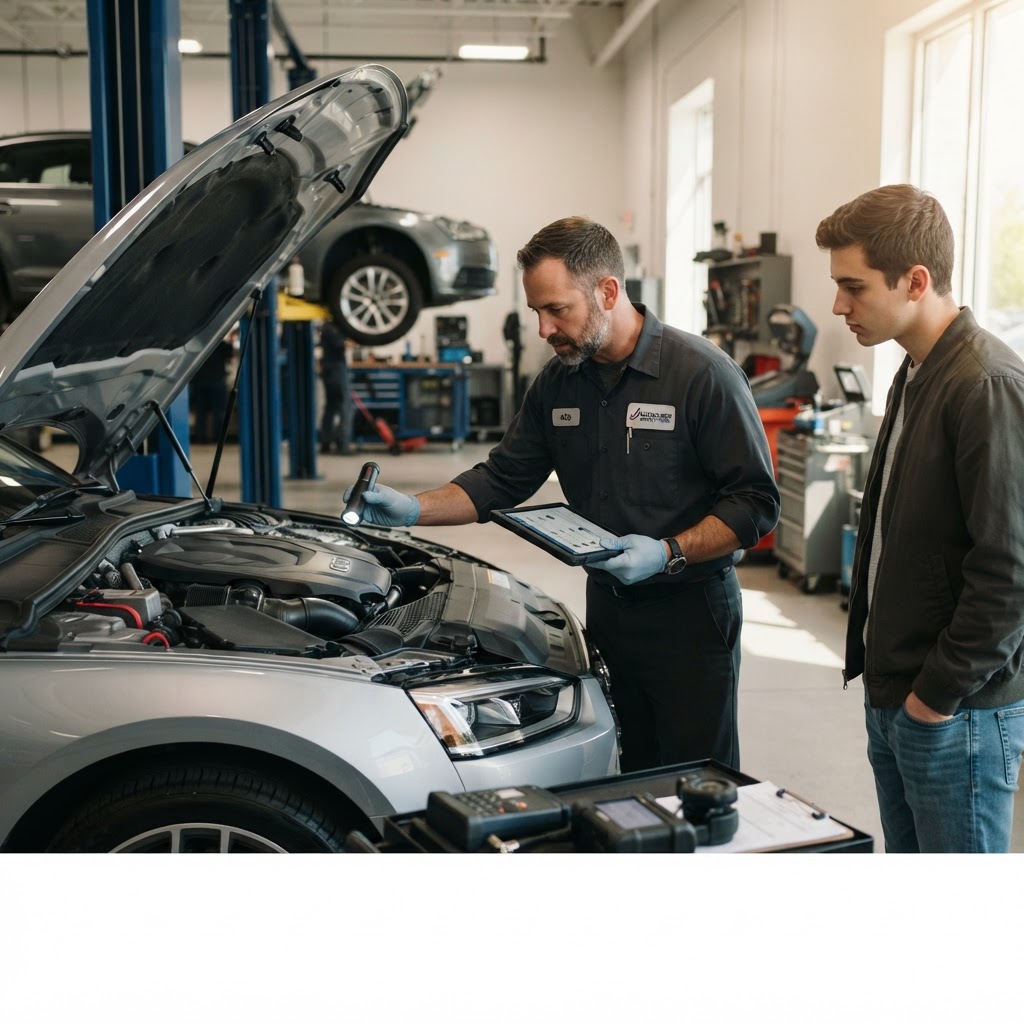
In practical terms, a licensed inspection station examines specific components or systems based on state rules. If the vehicle passes, the owner receives documentation or an electronic record showing compliance. If it fails, the owner usually has to complete repairs and return for reinspection within a defined period.
That sounds straightforward, but the details vary a lot. Some states require annual safety inspections. Others only require emissions testing in certain counties. Some states have no periodic inspection program at all. That variation is why drivers moving across state lines often get confused - the inspection process they knew in one state may not exist in another.
What state inspections usually check
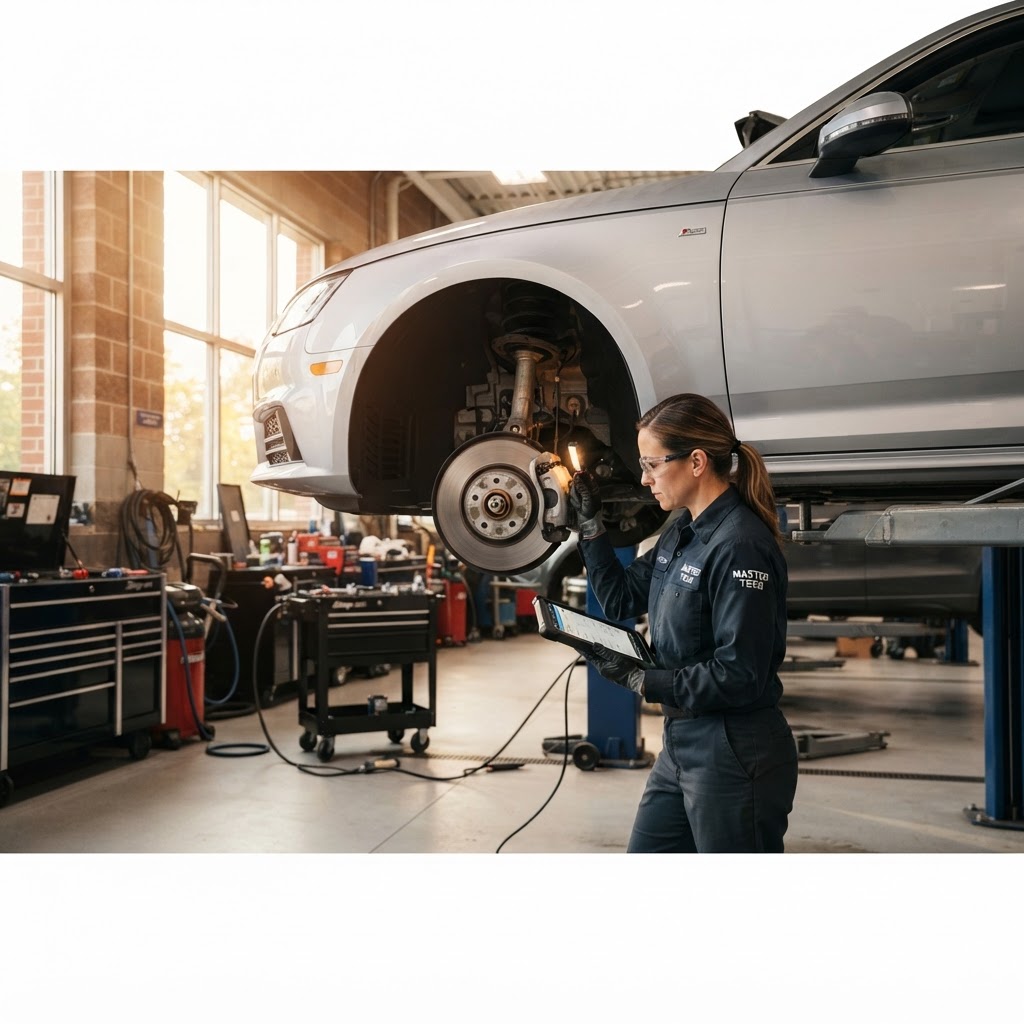
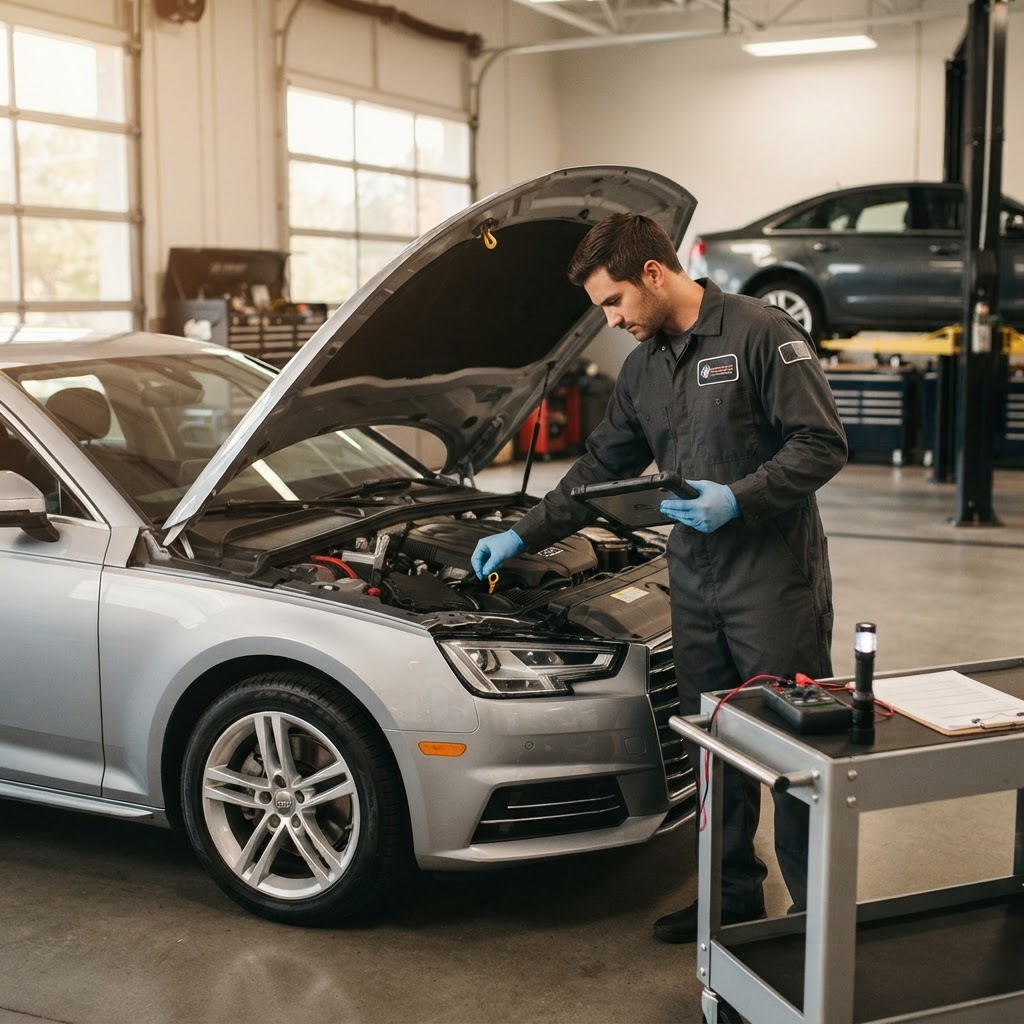
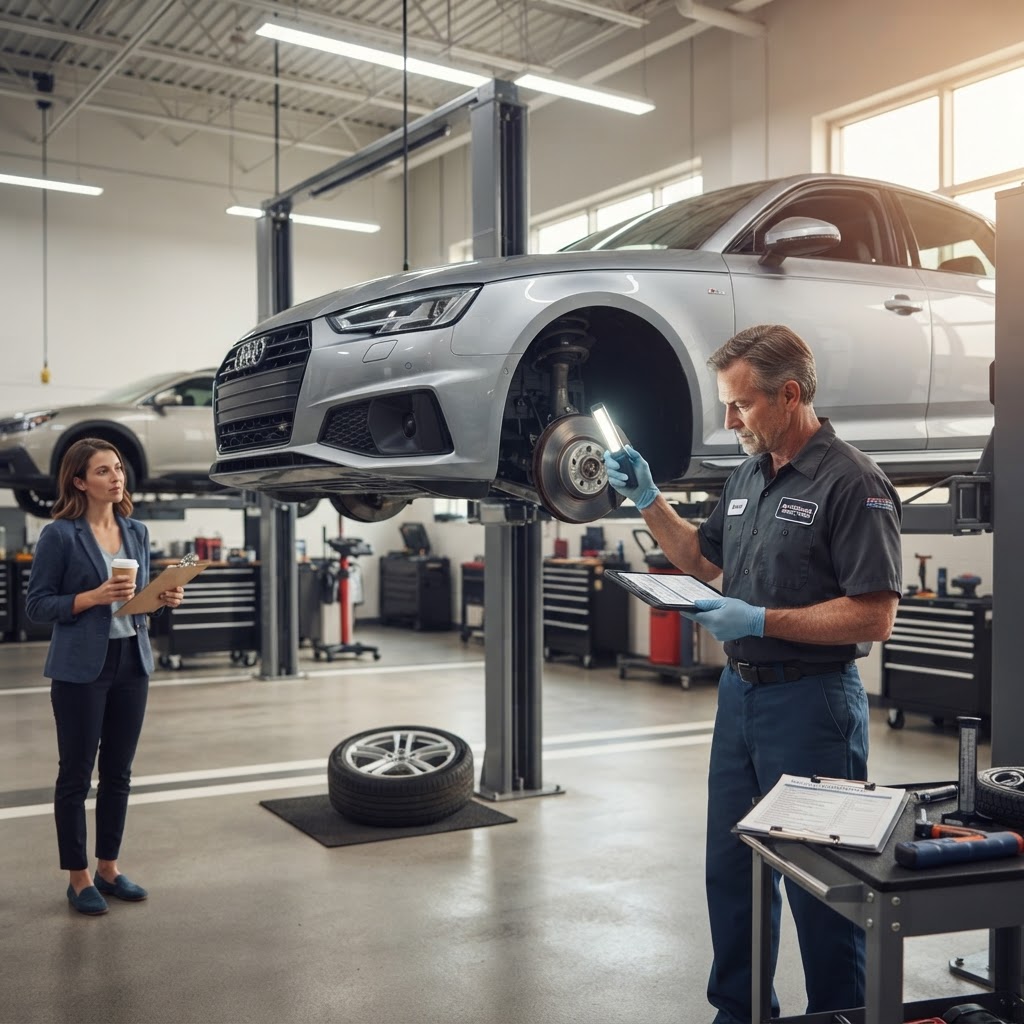
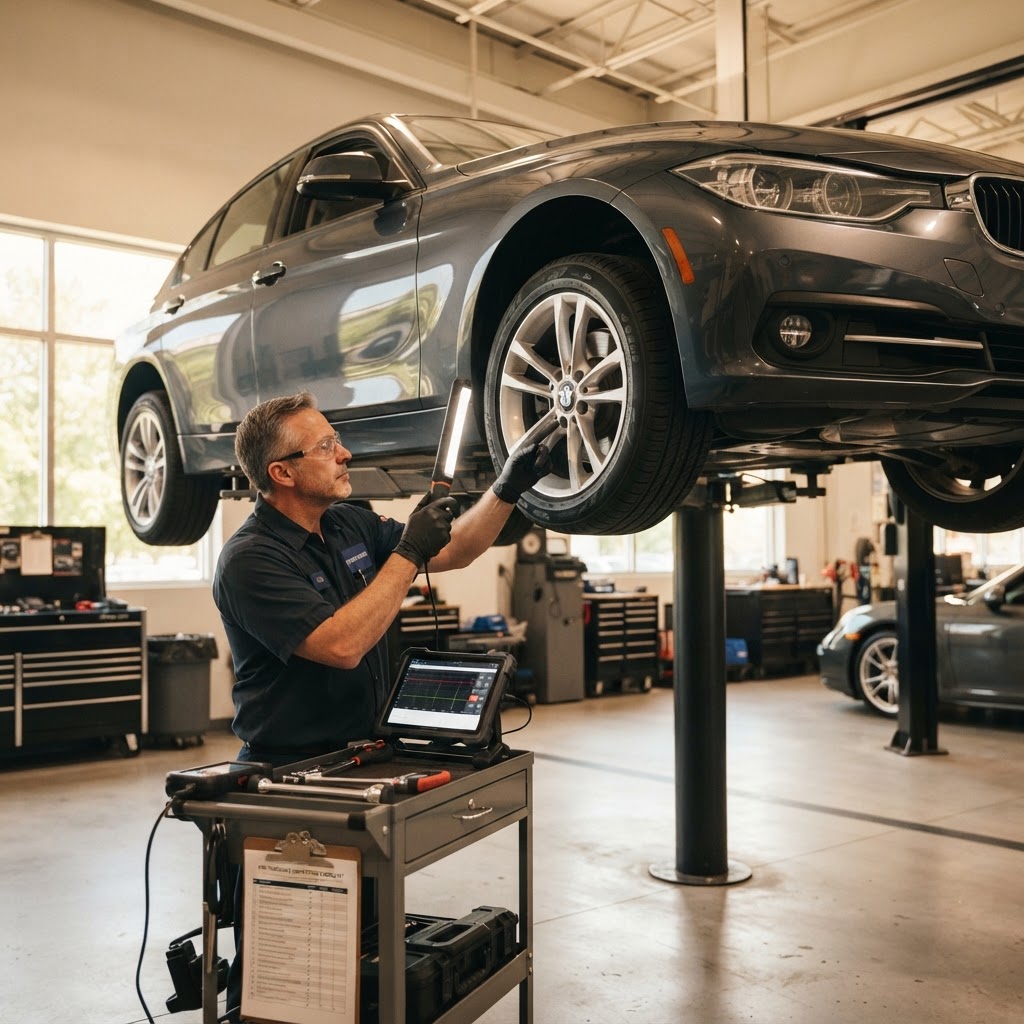
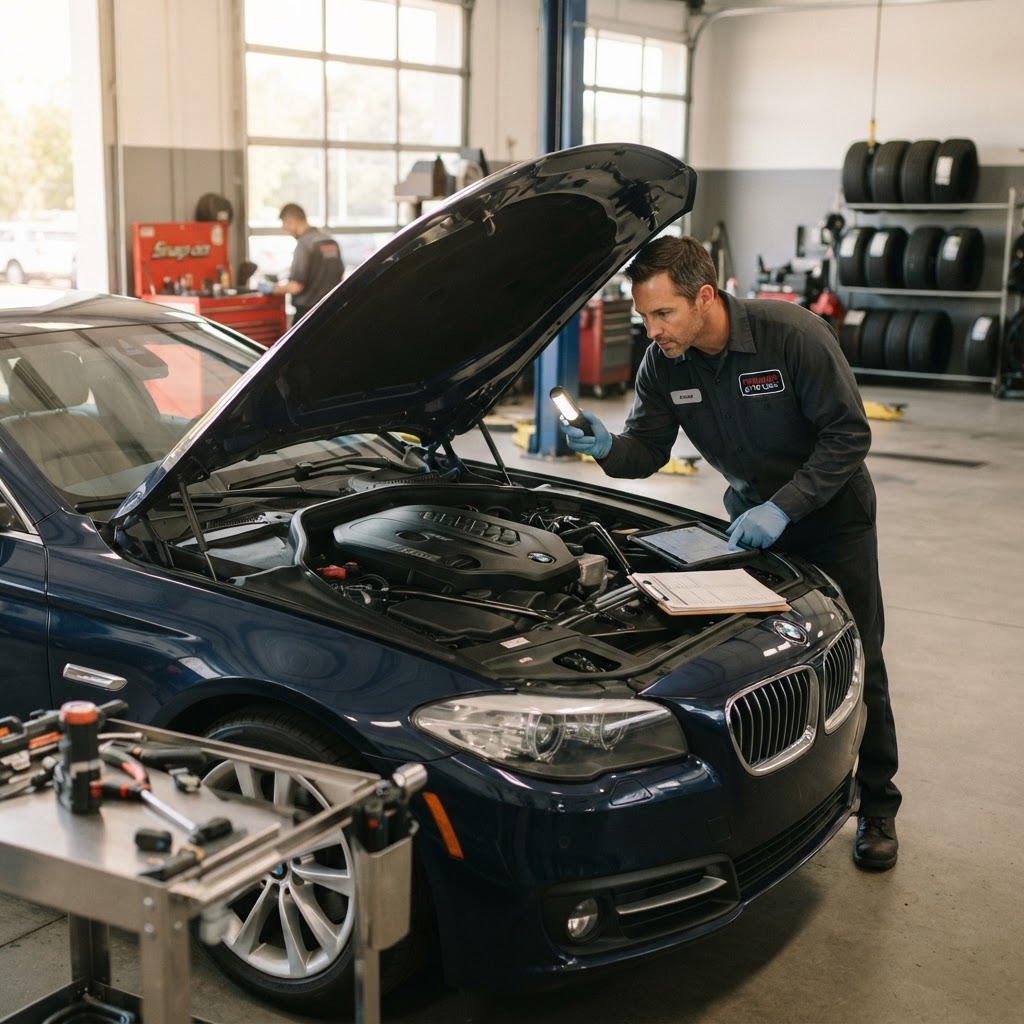
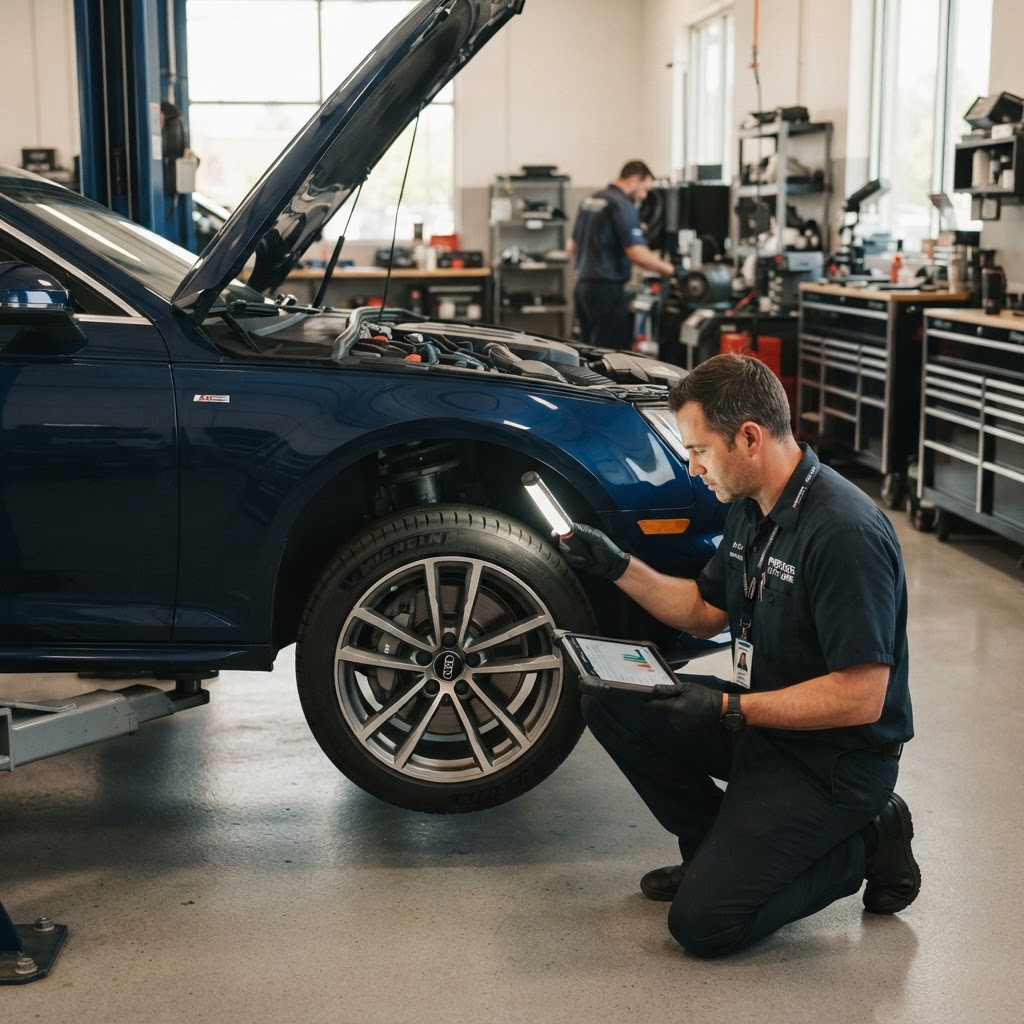
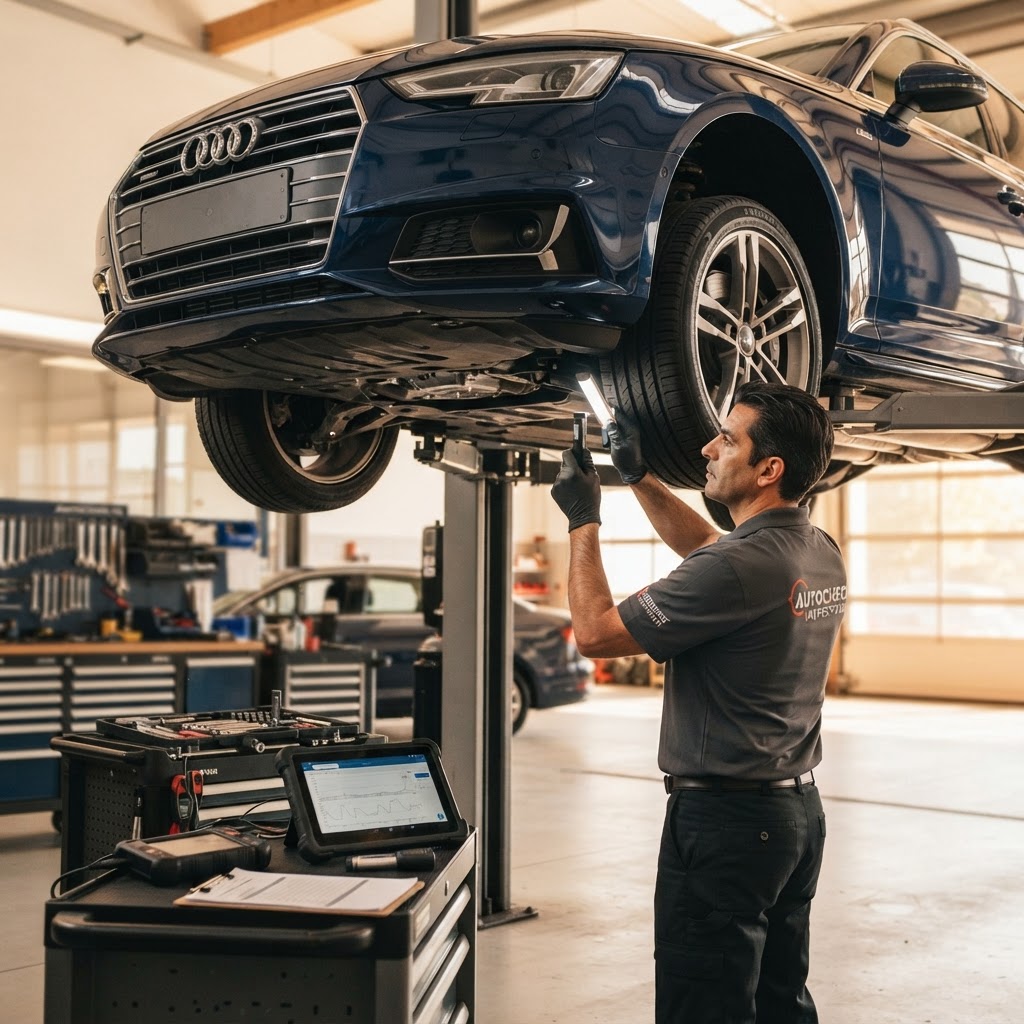
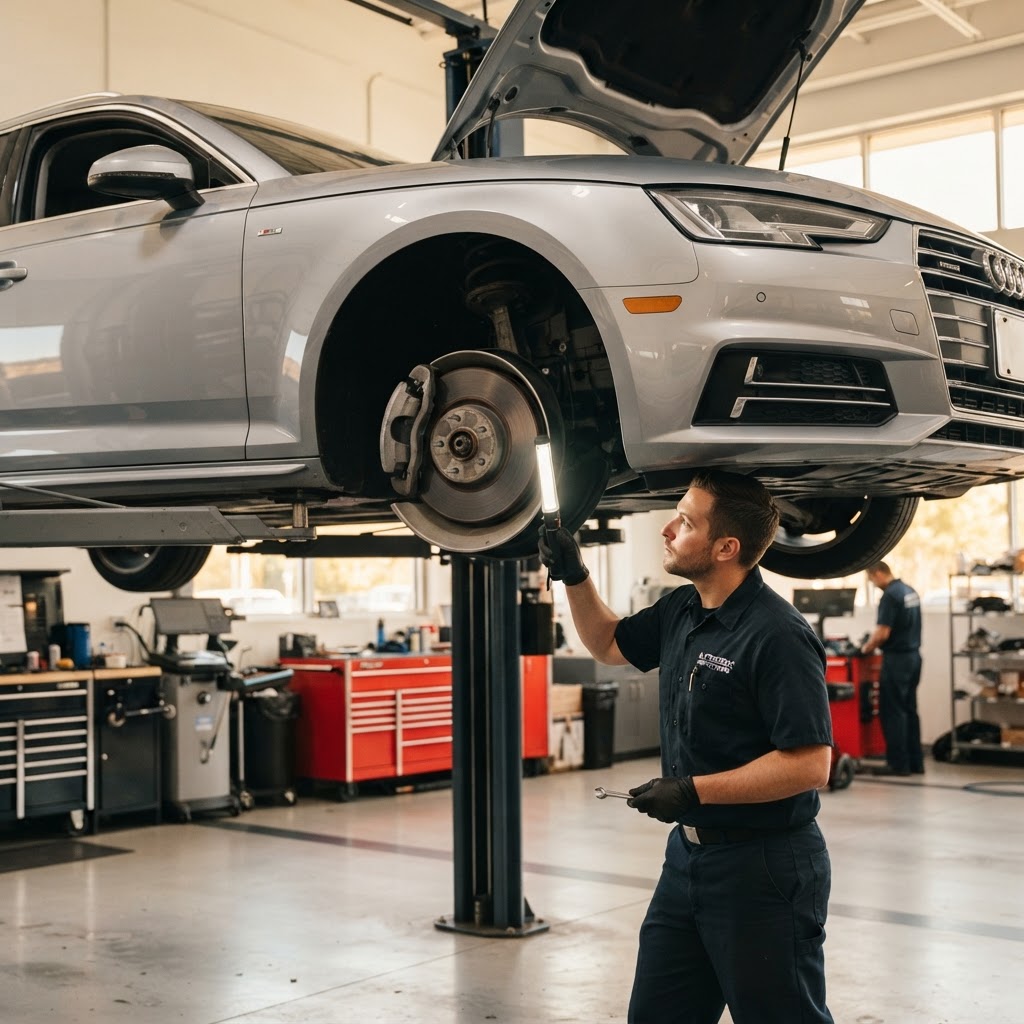
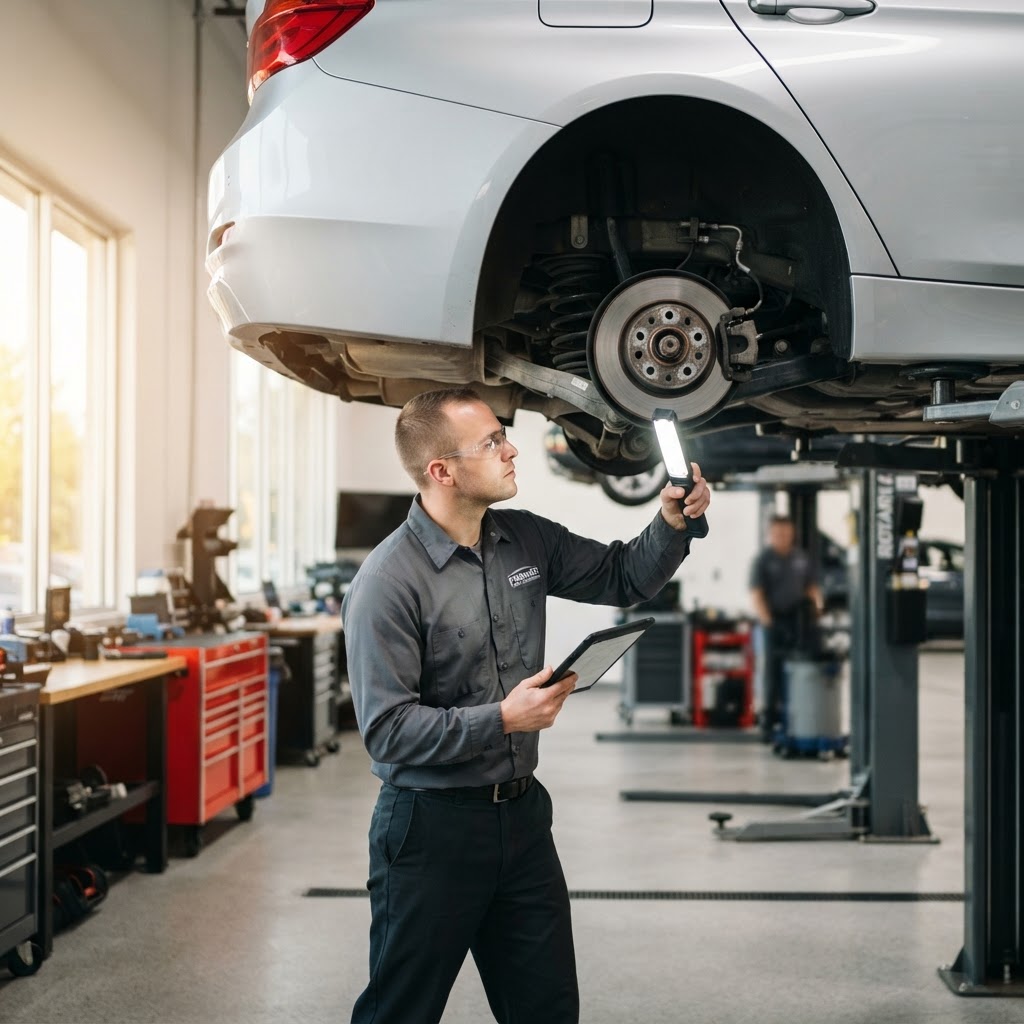
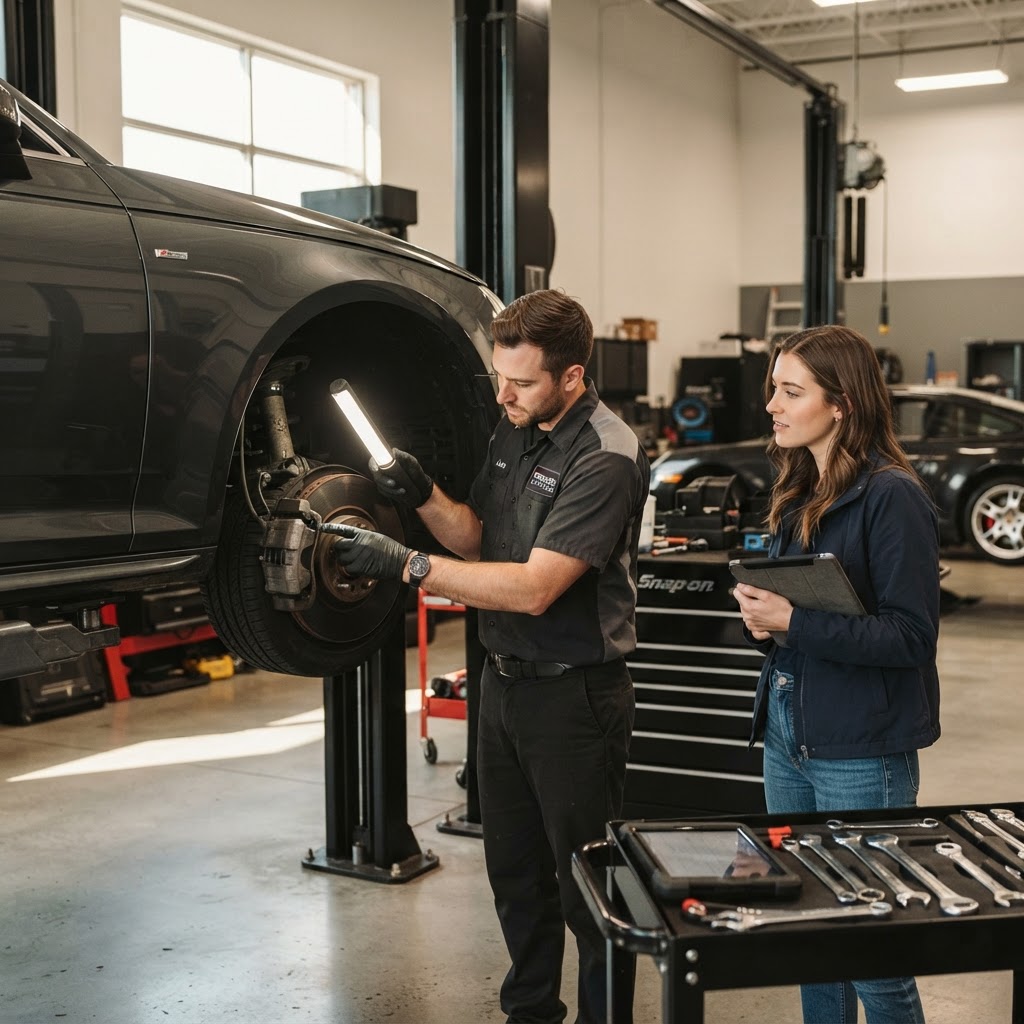
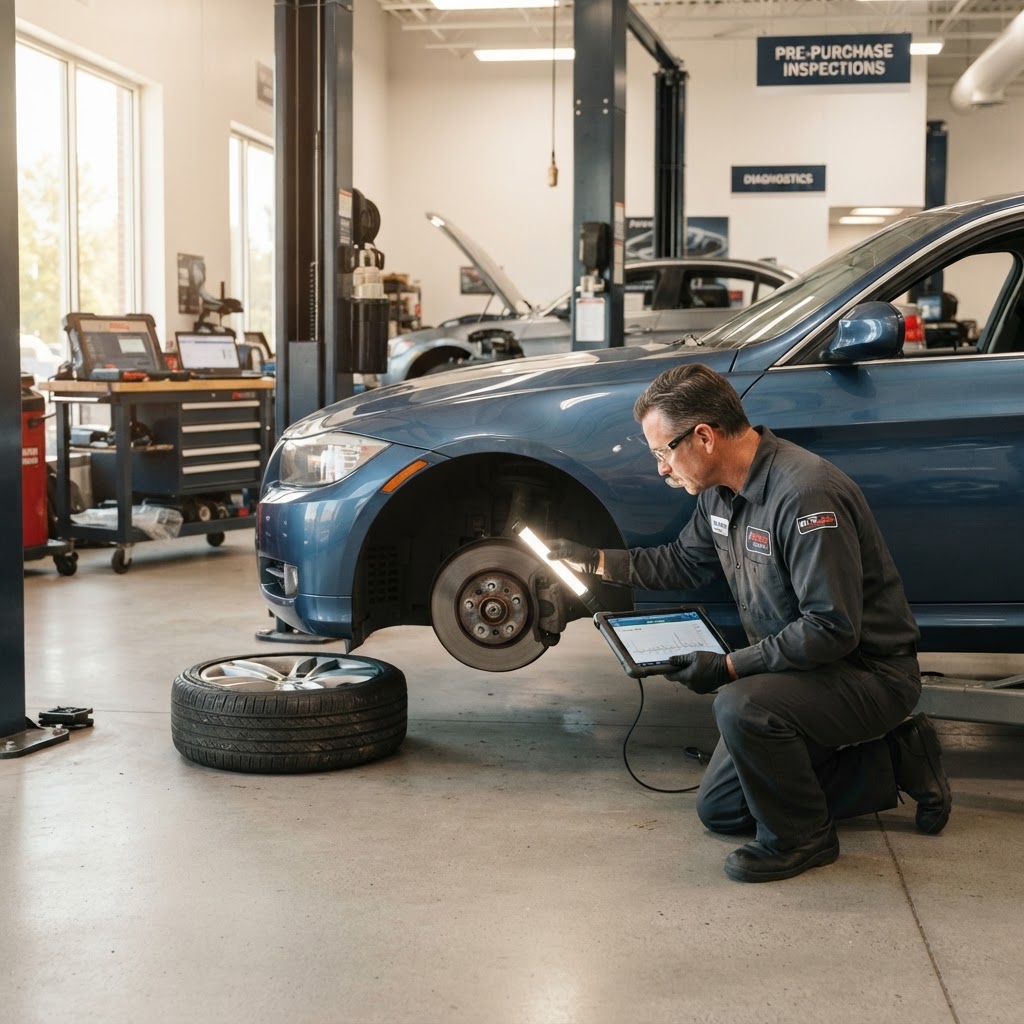
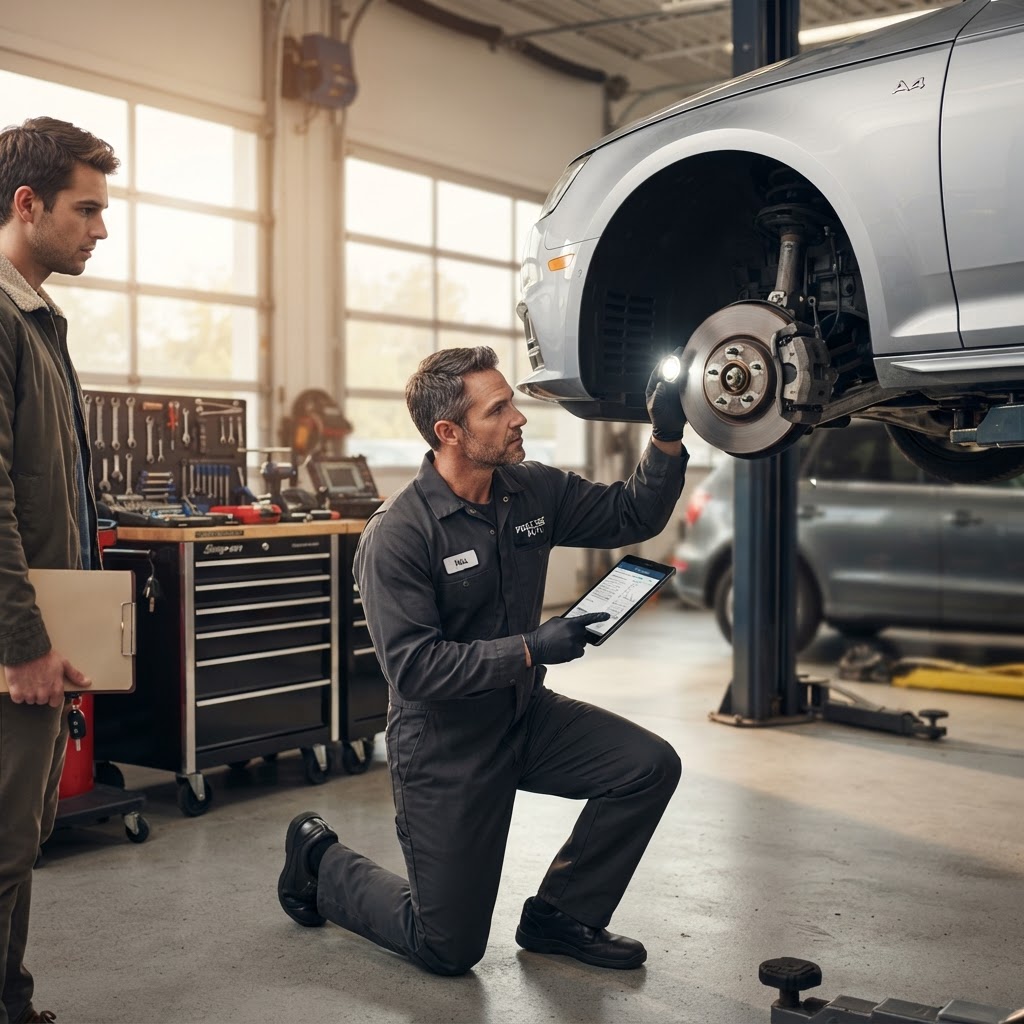
A state inspection is not the same as a full mechanical review. It is a regulated checklist tied to minimum legal standards. The exact items depend on state law, but safety inspections commonly include brakes, lights, tires, steering components, windshield wipers, mirrors, horn, and sometimes suspension-related items.
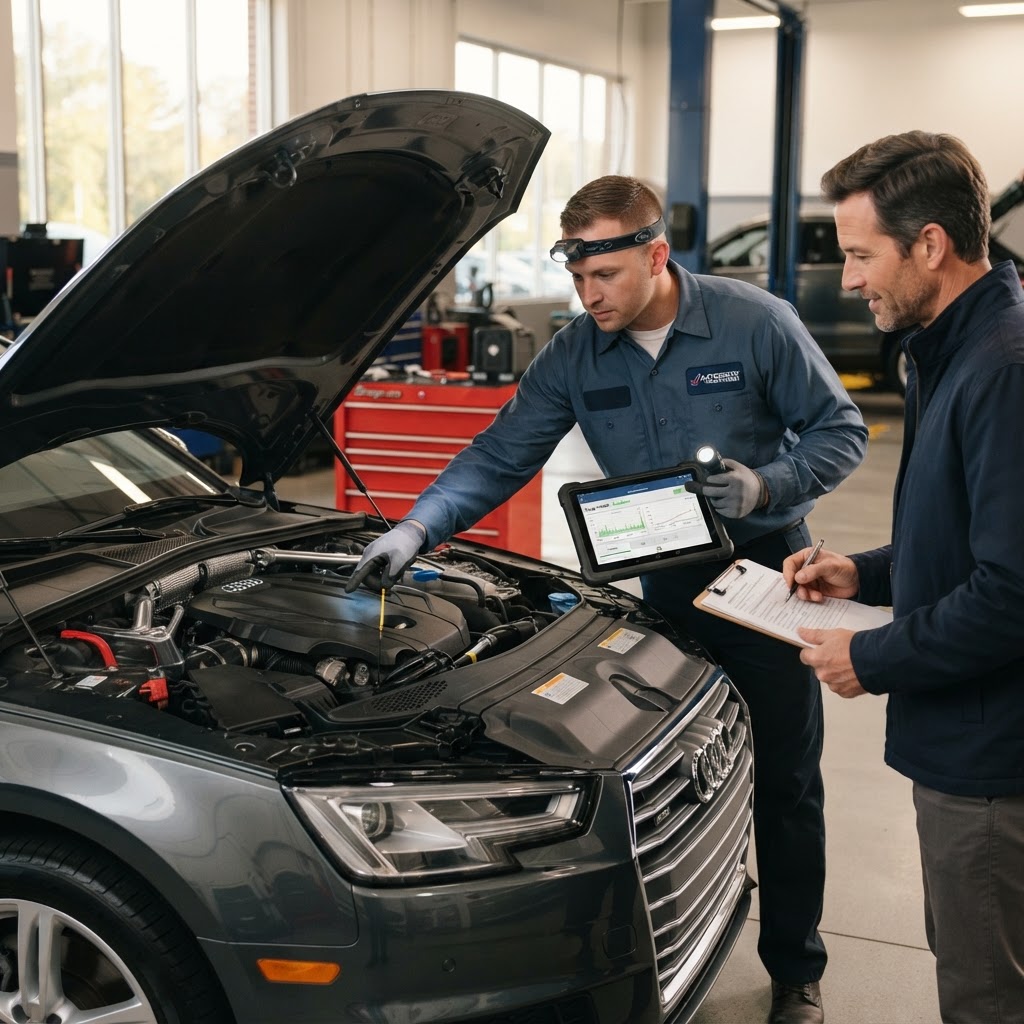
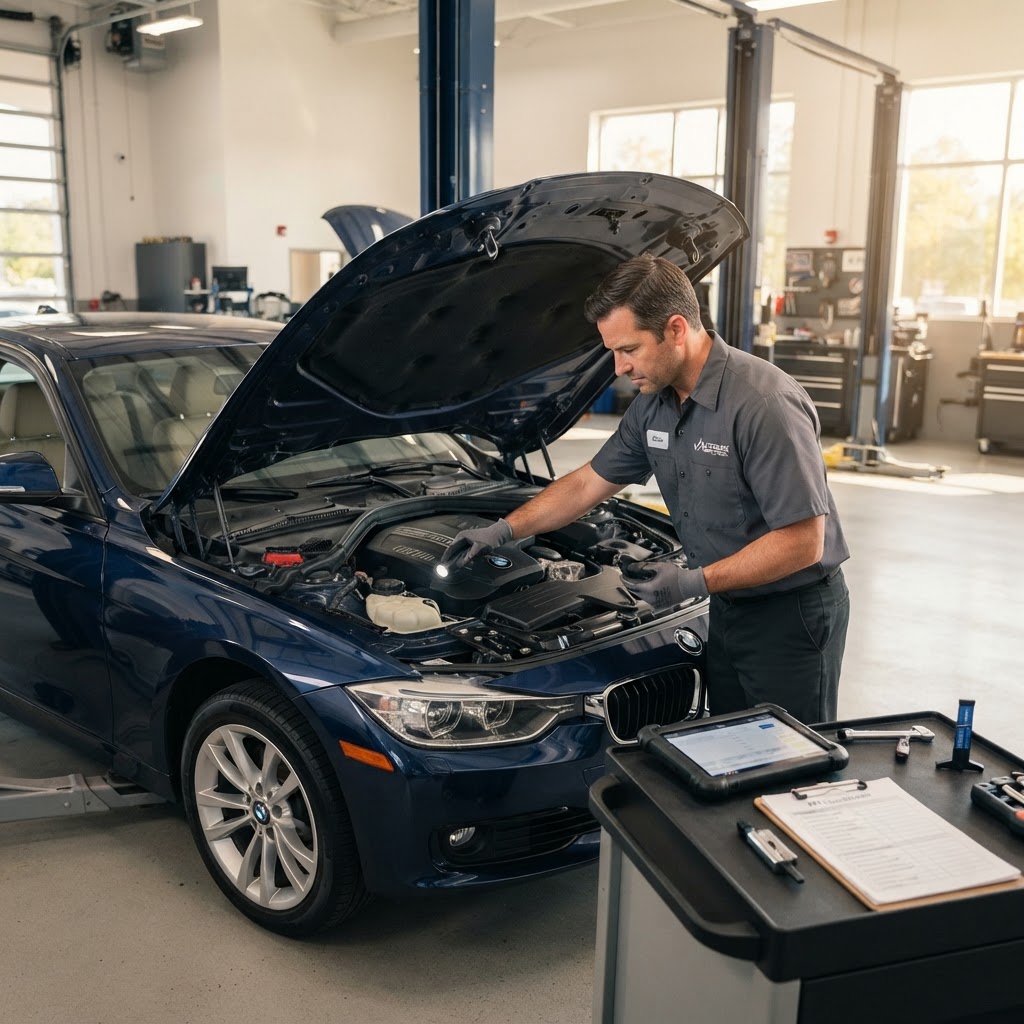
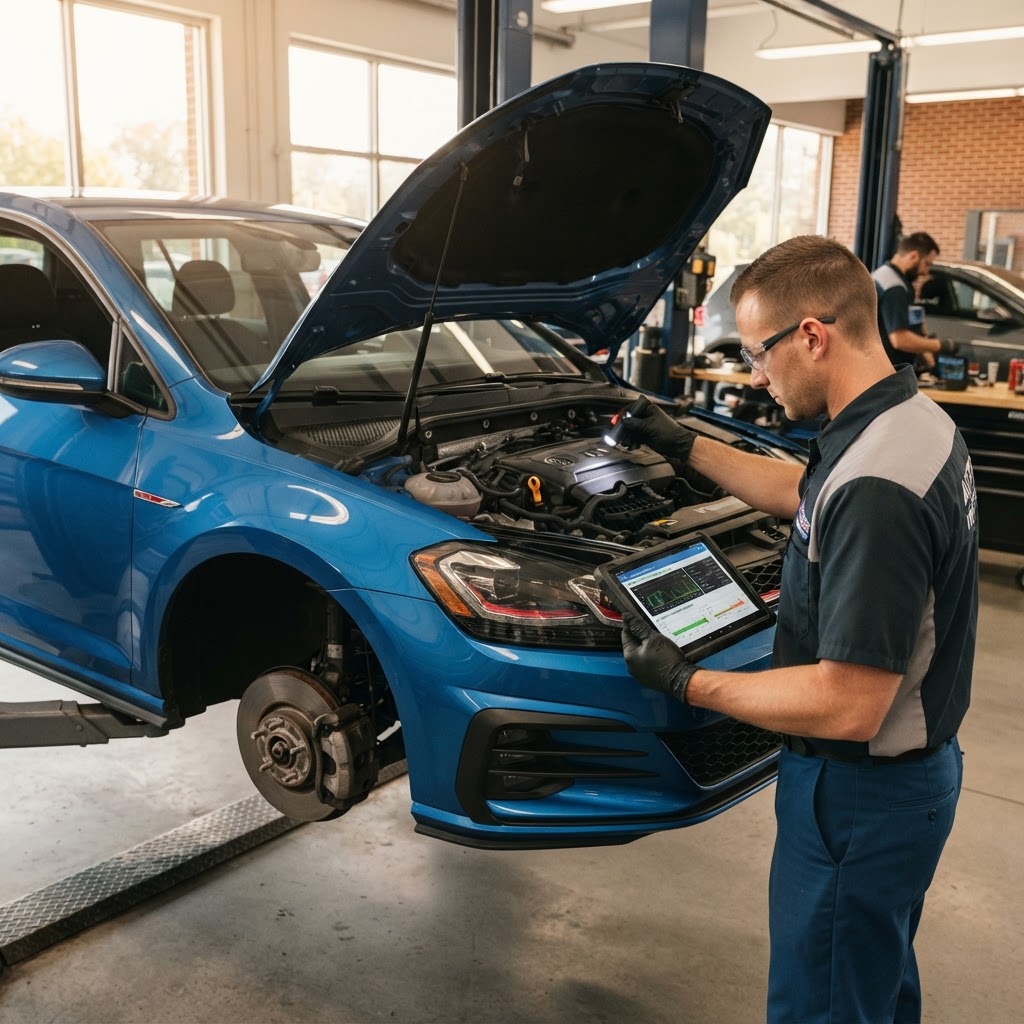
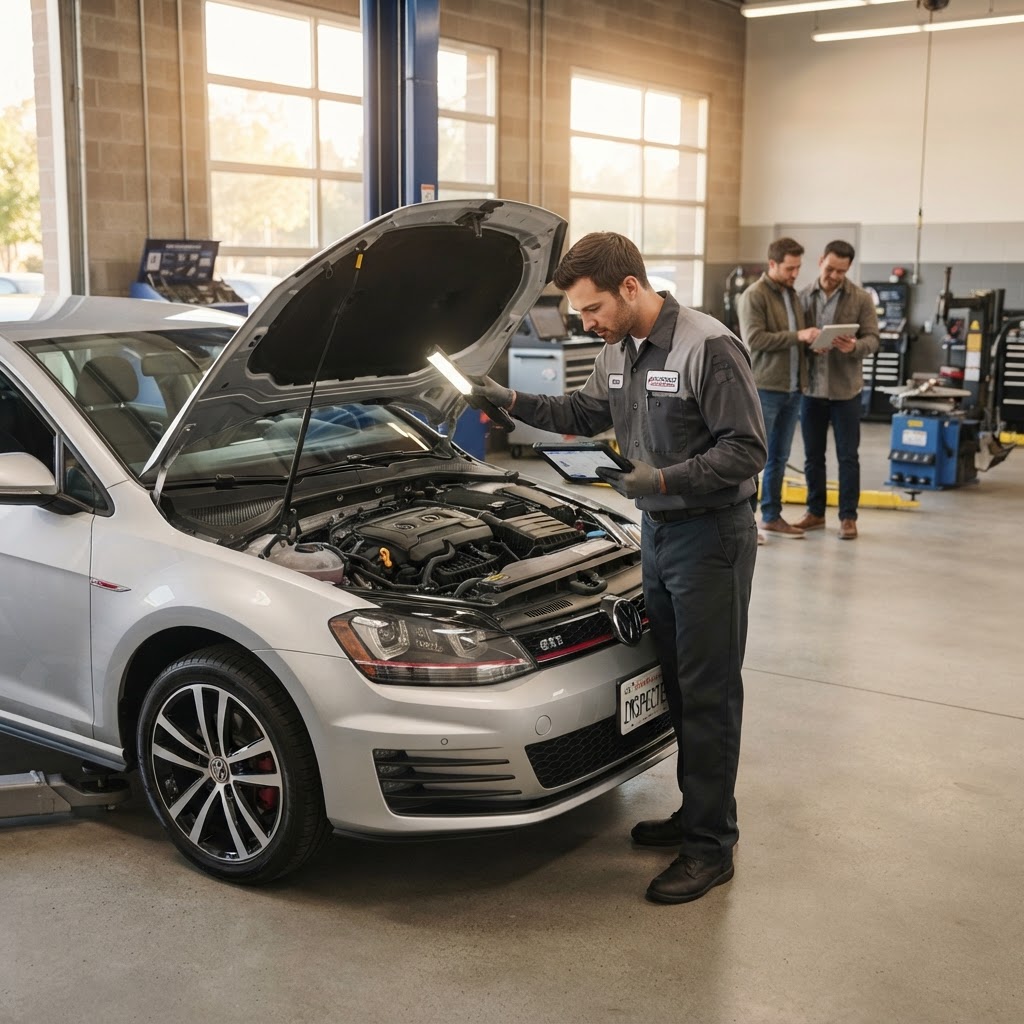
If the state also requires emissions testing, the inspection may include an onboard diagnostics scan, tailpipe testing in some areas, or verification that emissions-related systems are functioning properly. Newer vehicles are often tested through OBD-based methods, while older vehicles may be handled differently depending on local rules and exemptions.
The point is compliance, not a broad assessment of overall value or future reliability. A car can pass a state inspection and still have cosmetic damage, deferred maintenance, or early signs of mechanical wear that matter to a buyer or seller.
Why states require vehicle inspections
The main purpose is public risk control. Safety inspection programs are intended to reduce the number of vehicles on the road with critical defects. Emissions programs are meant to support air quality standards and reduce pollution from vehicles that are not operating within legal limits.
For state agencies, inspection programs create a documented, repeatable process. For vehicle owners, they create a mandatory checkpoint. For dealerships and fleet operators, they can become part of routine compliance workflow, especially when vehicles move through reconditioning, resale, or registration cycles.
There is debate around how effective these programs are from state to state. Some argue they improve road safety and maintenance discipline. Others point out that periodic inspections capture only one moment in time, and a vehicle can become unsafe between test dates. Both points are fair. A passed inspection is useful, but it should never be treated as a permanent condition report.
States do not all handle inspections the same way
This is where the biggest misunderstanding happens. There is no single national state inspection standard for passenger vehicles. Each state sets its own framework, and in some cases local jurisdictions influence how emissions requirements are applied.
Some states require annual inspections. Some require them every two years. Some exempt newer vehicles for a period of time. Others apply different rules to commercial vehicles, motorcycles, trailers, or diesel-powered units. Counties with air quality concerns may require emissions testing even when other parts of the same state do not.
That means the right question is not just what is state inspections, but what does your state require for your specific vehicle category and registration address. The answer for a privately owned sedan in one county may be different from the answer for a work truck in another.
State inspection vs. private vehicle inspection
This distinction matters, especially in used car transactions.
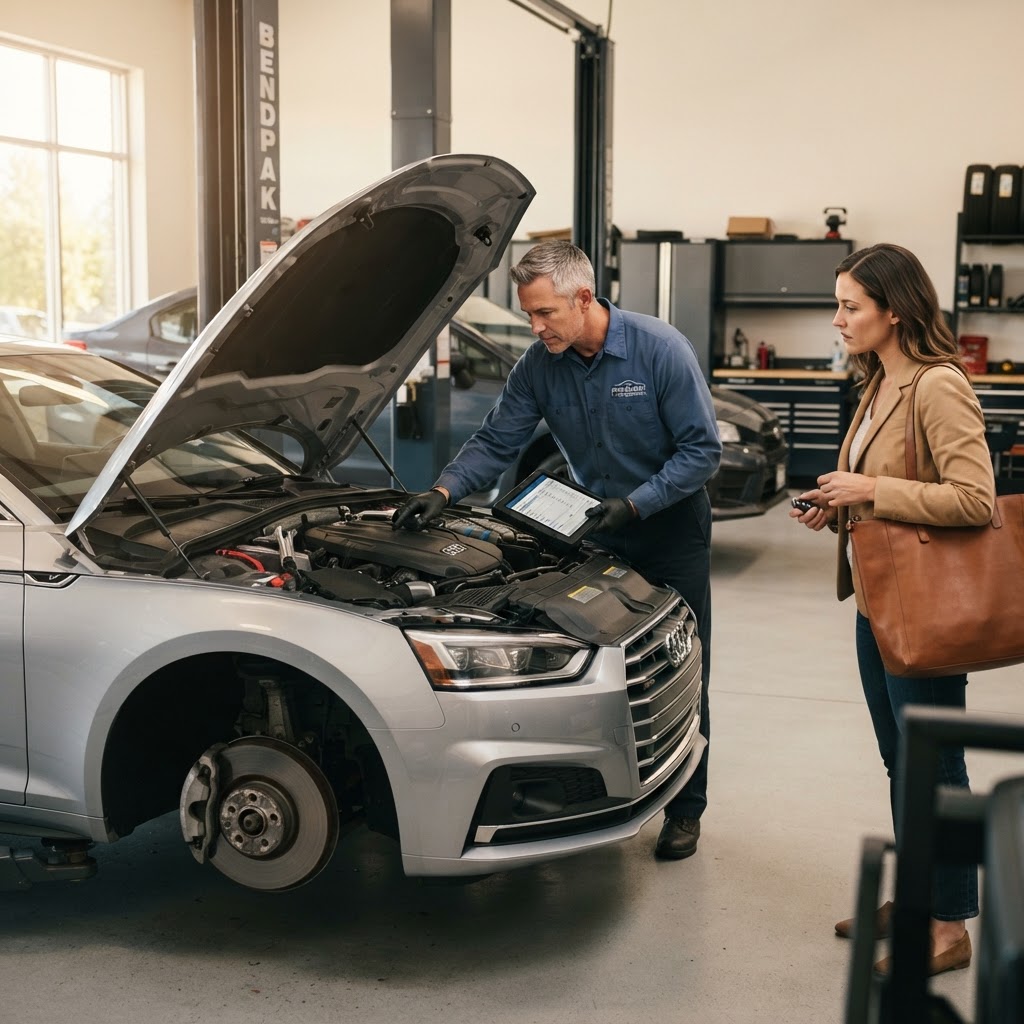
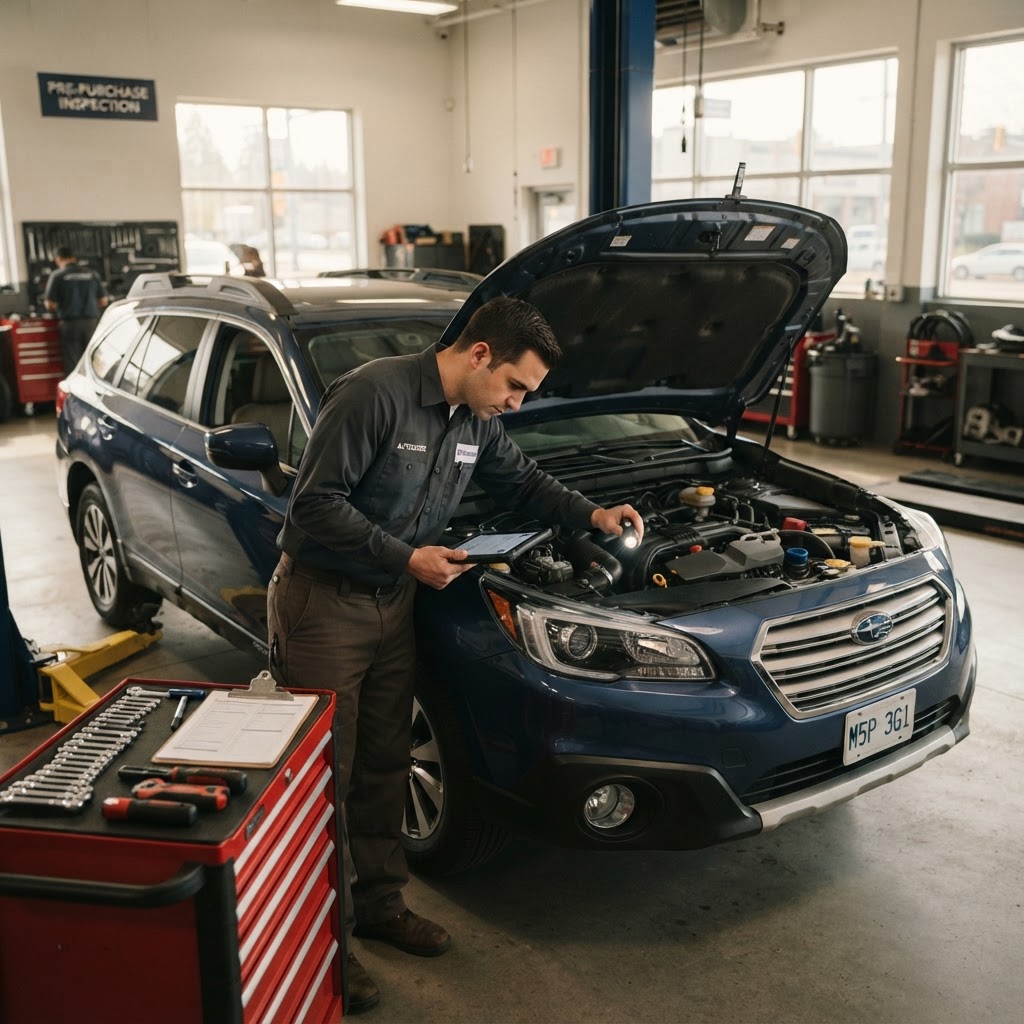
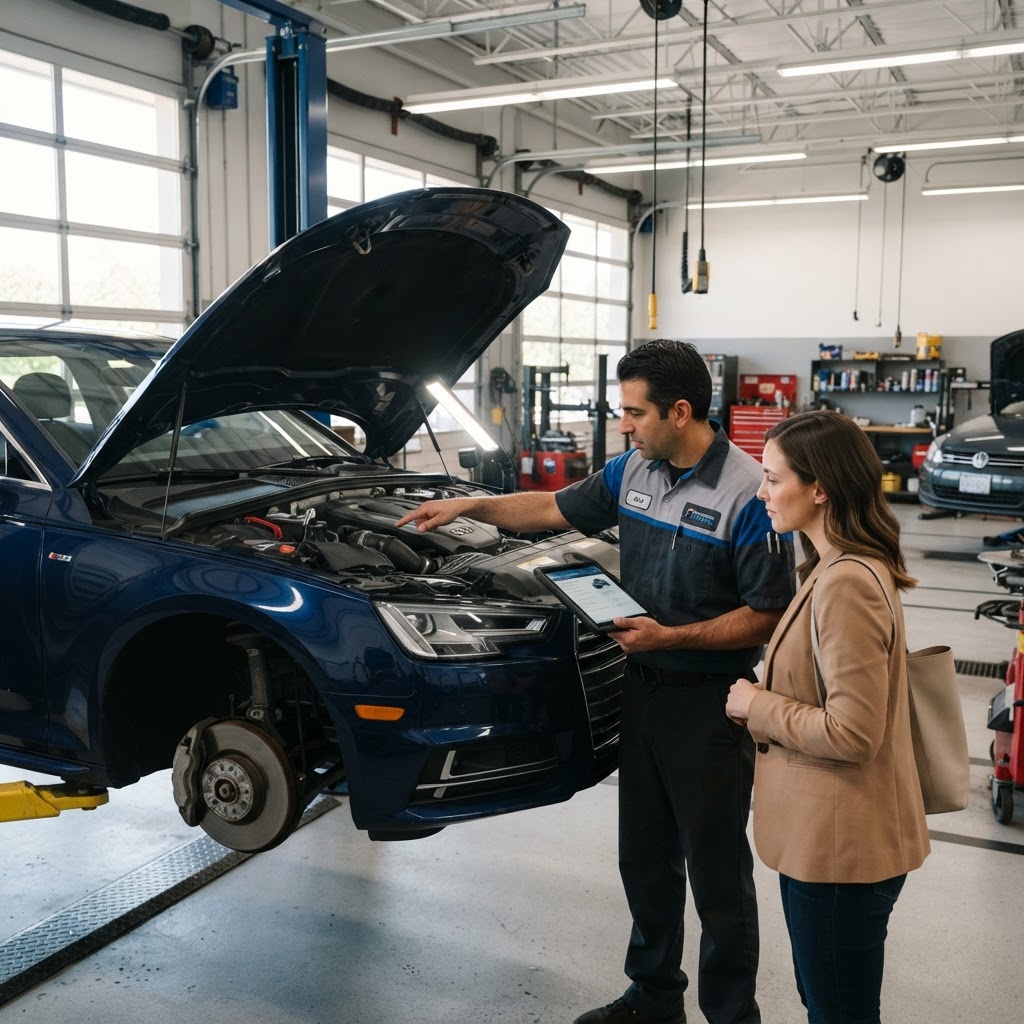
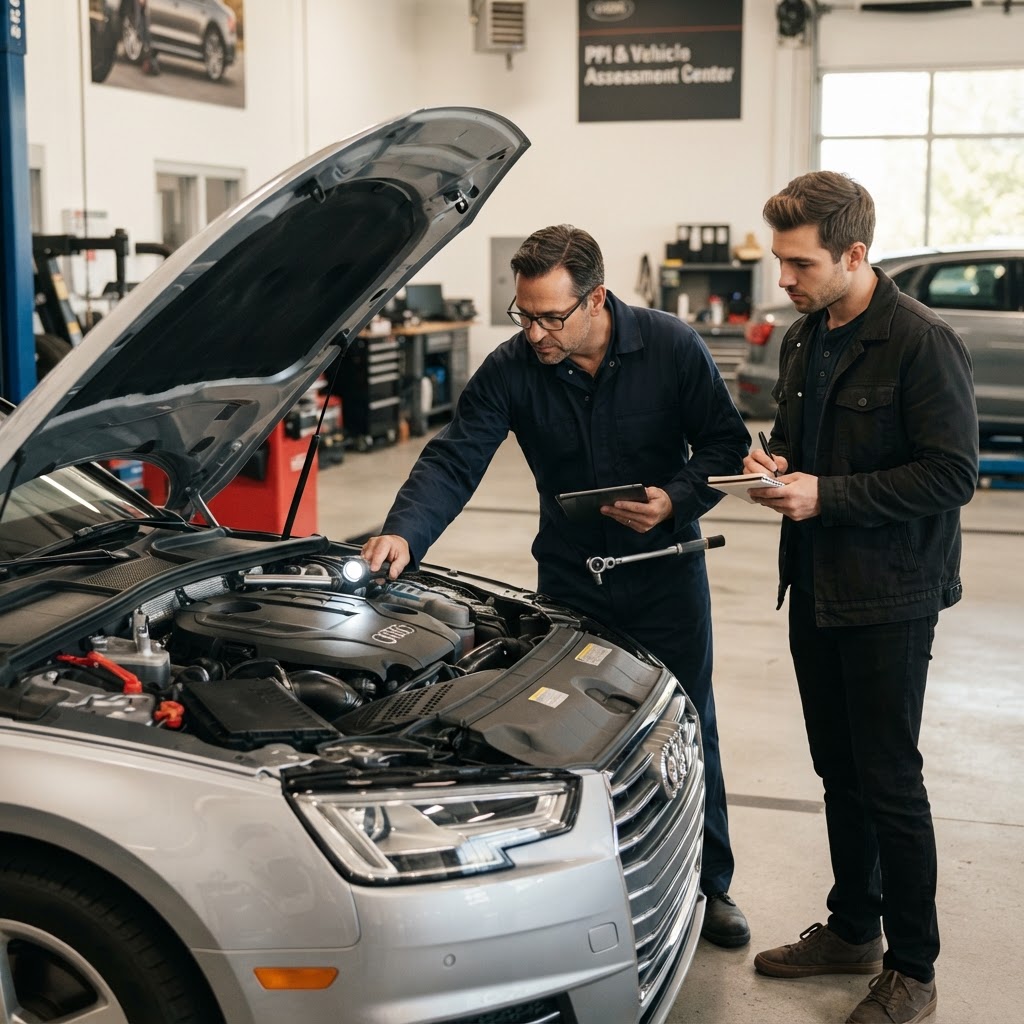
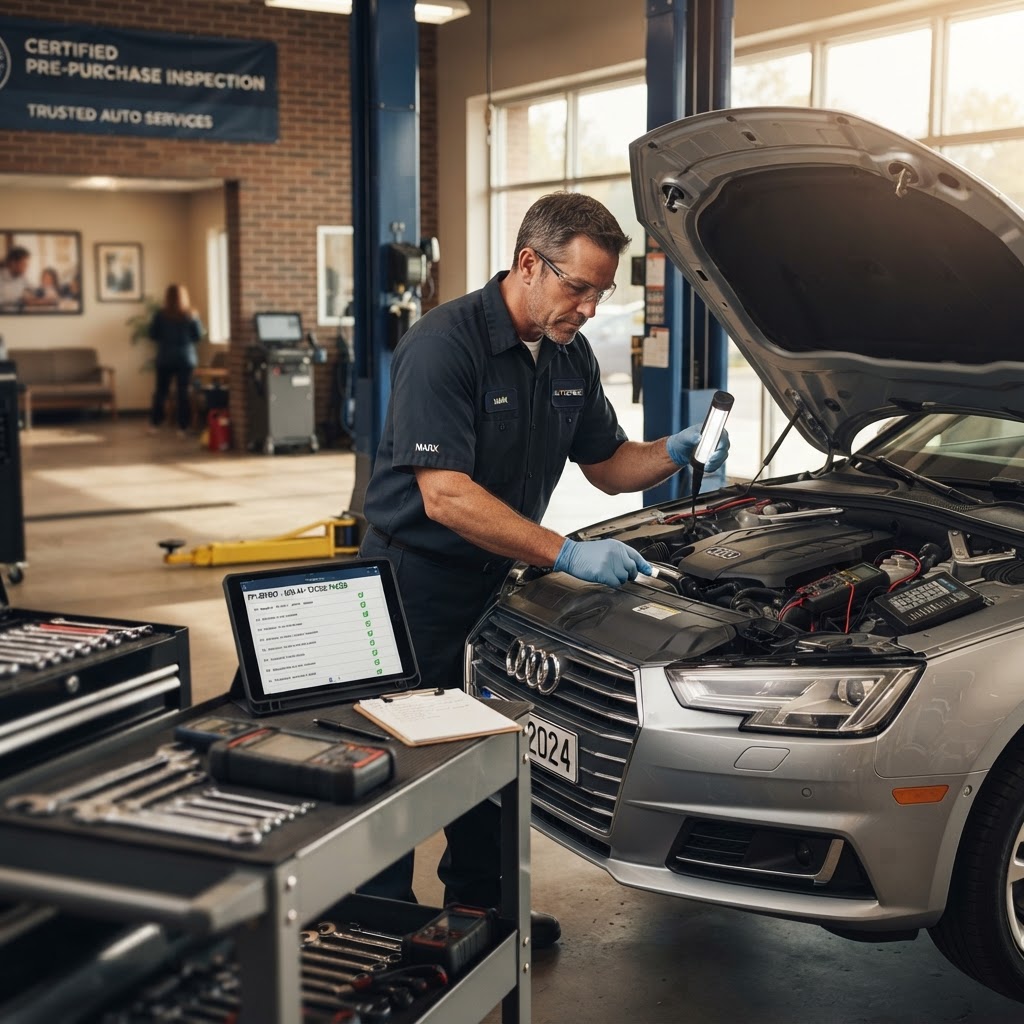
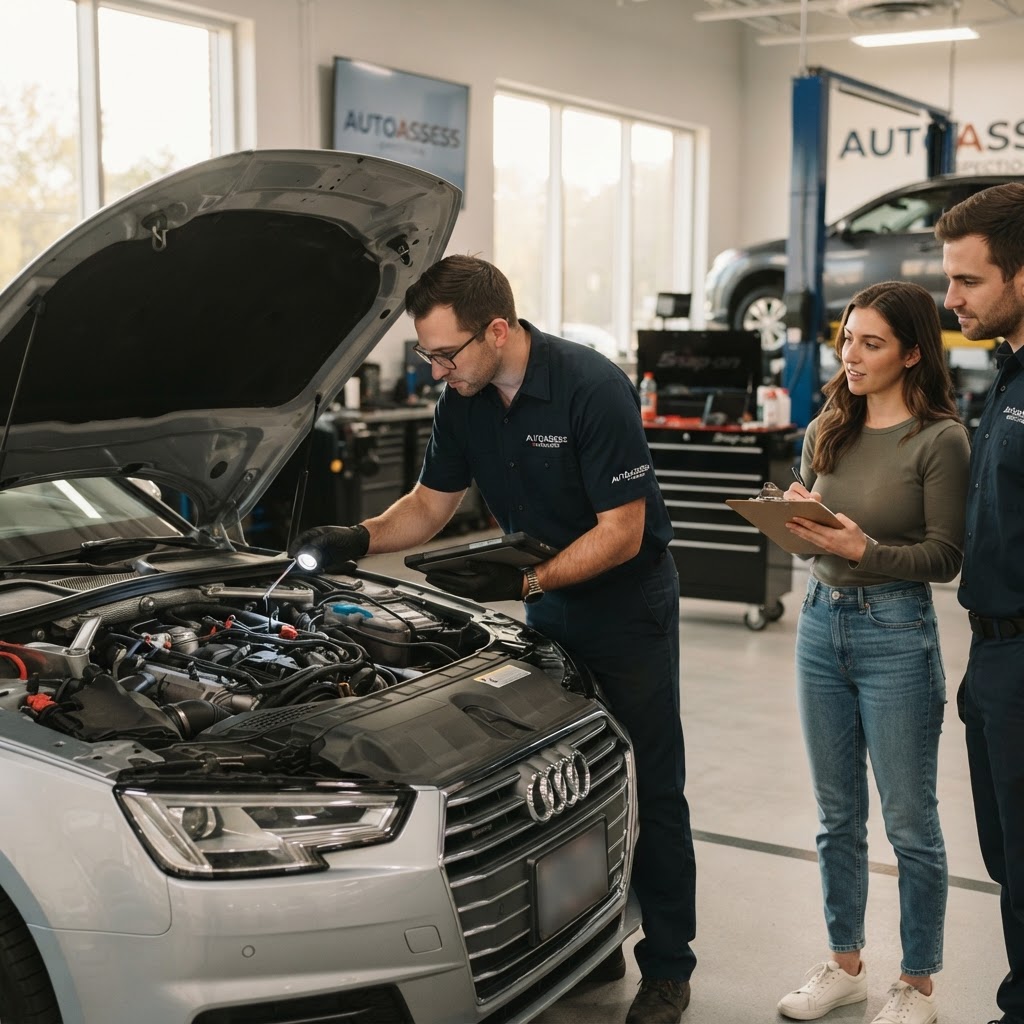
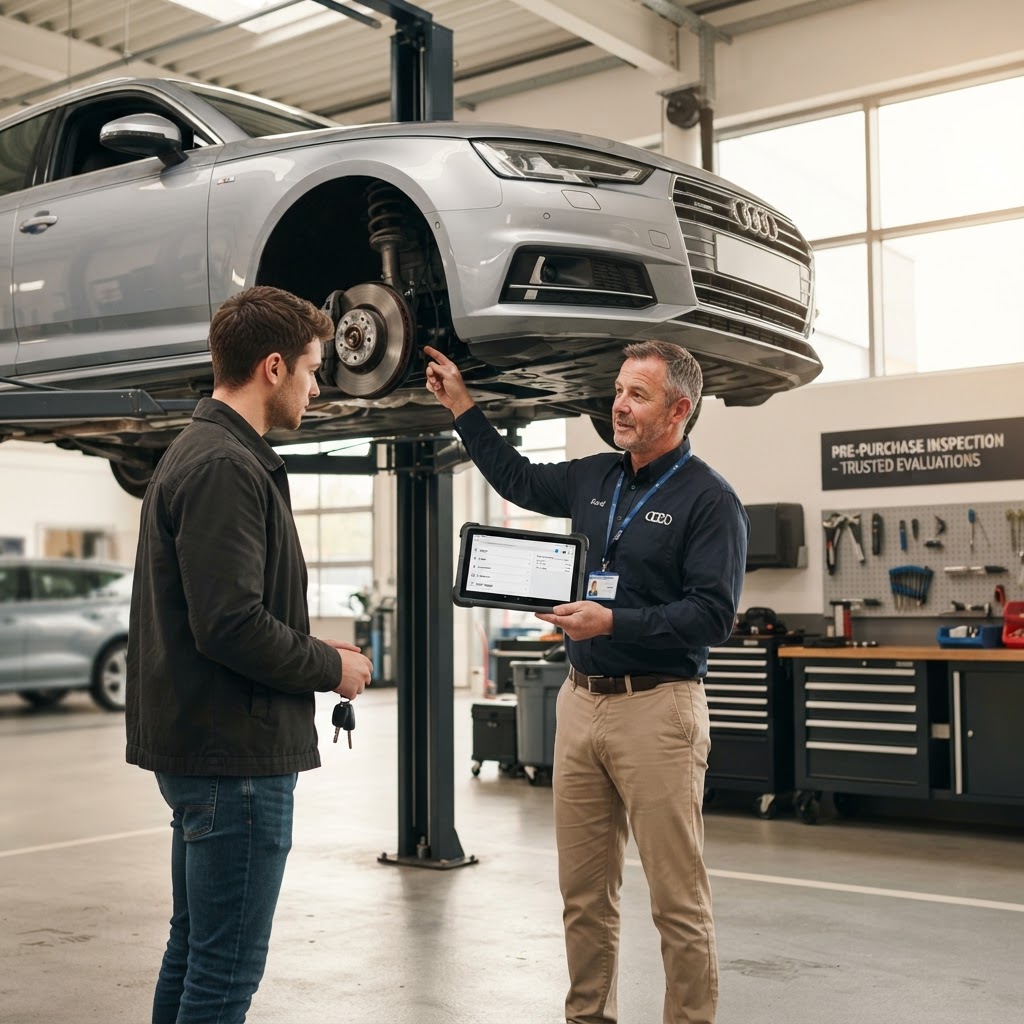
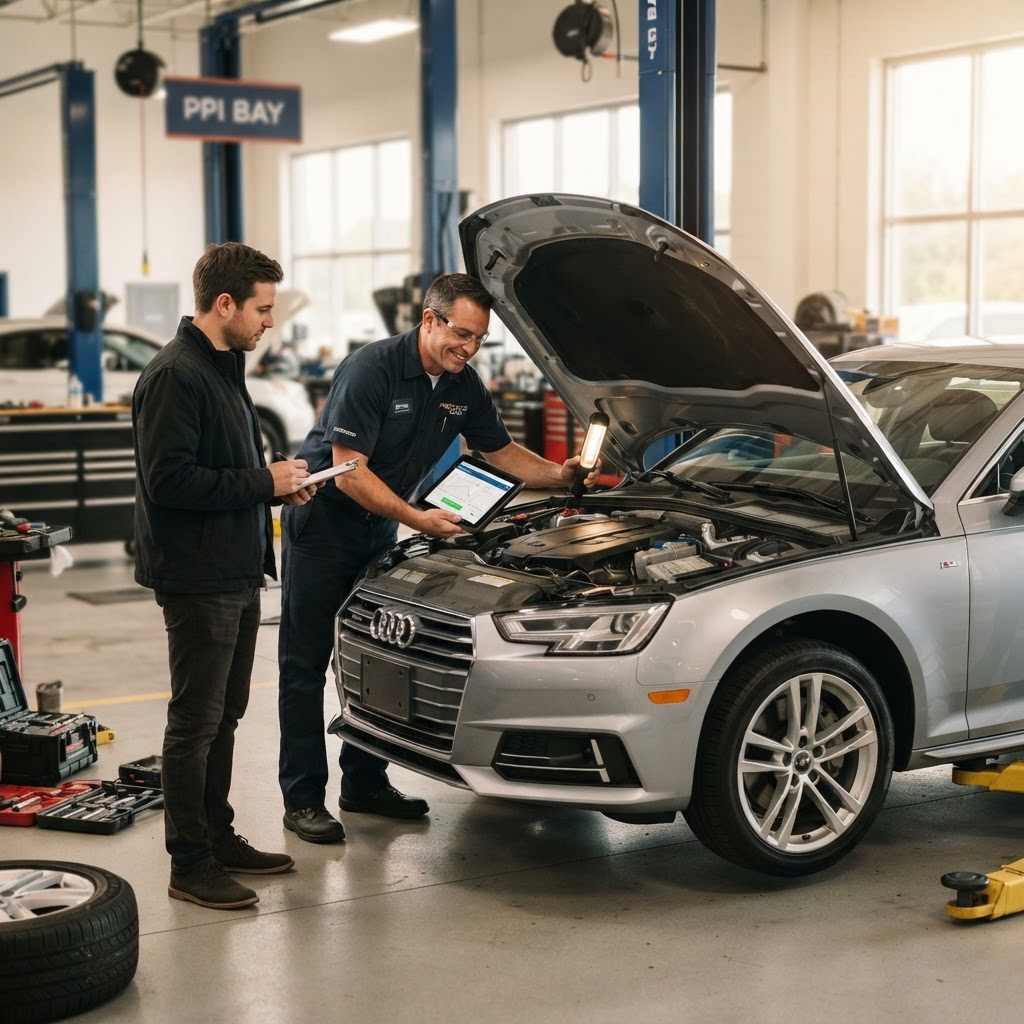
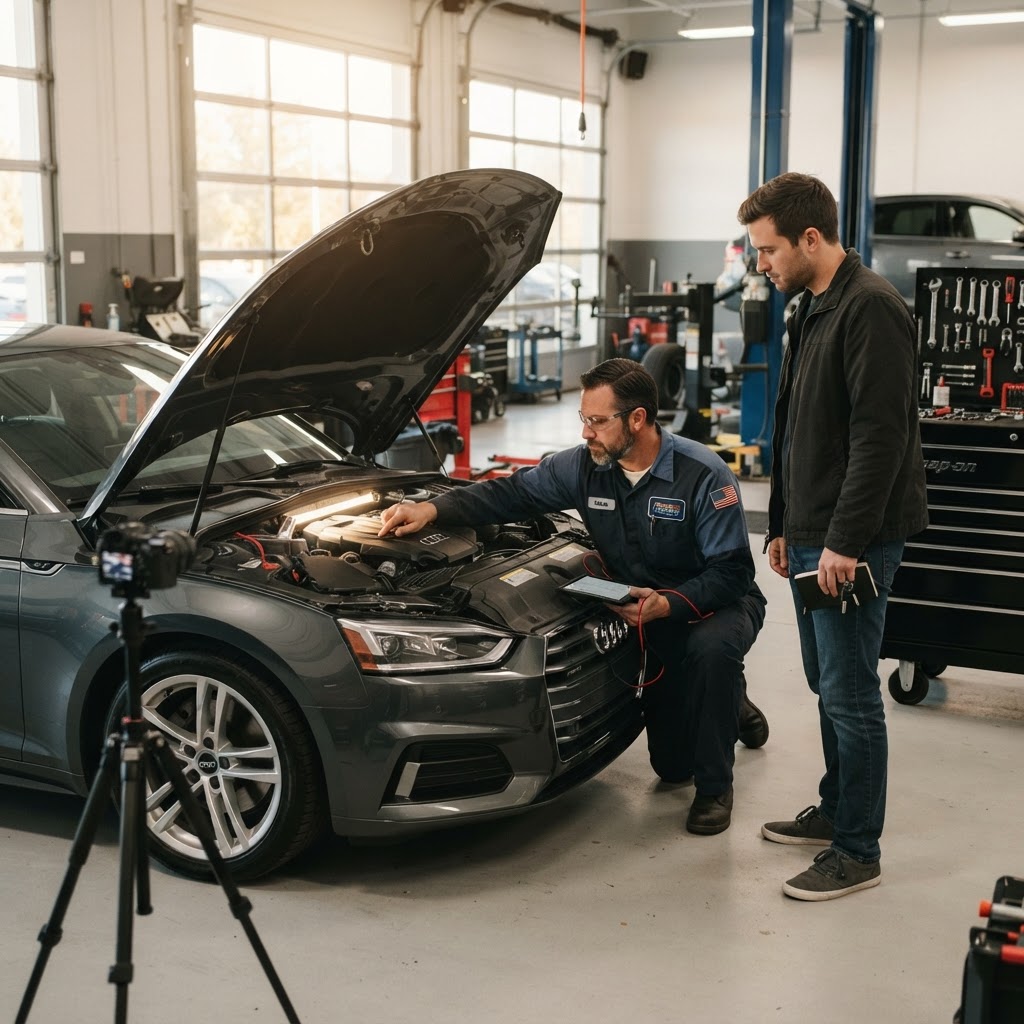
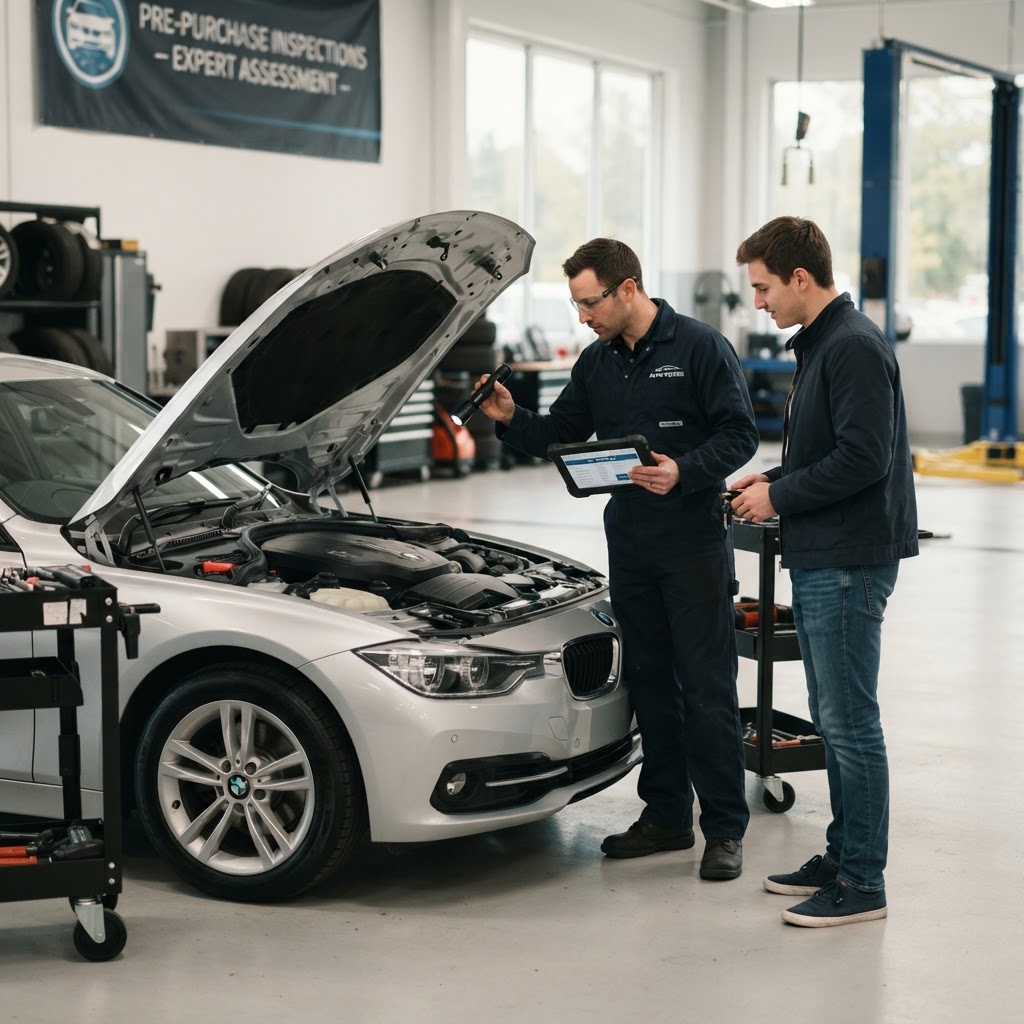
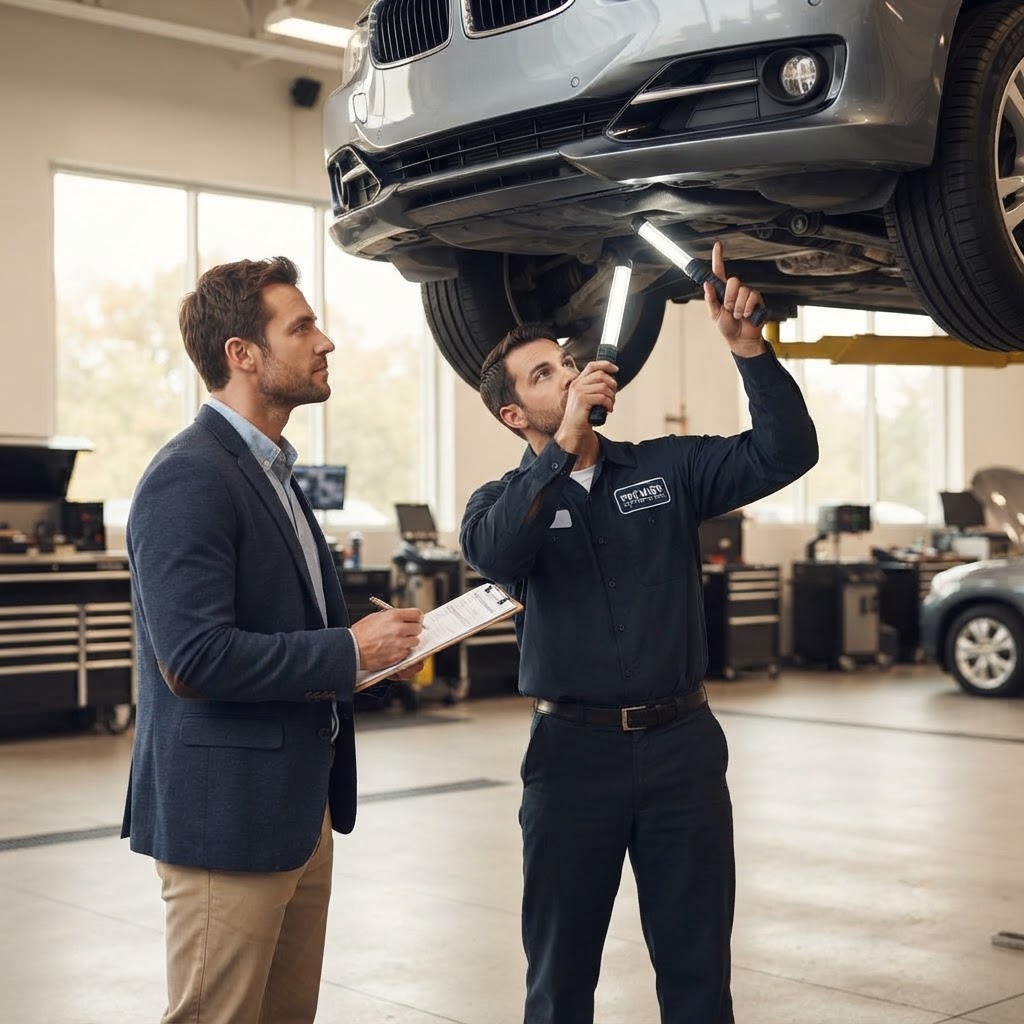
A state inspection confirms minimum legal compliance. A private vehicle inspection evaluates condition, damage, maintenance concerns, wear patterns, and visible risk factors that can affect value and ownership cost. One is designed around regulation. The other is designed around decision-making.
For example, a used vehicle can pass a state safety inspection while still having prior body repairs, fluid leaks, uneven tire wear, aftermarket modifications, corrosion, or signs of poor maintenance. None of those issues automatically cause a state inspection failure in every jurisdiction, but they matter a great deal if you are buying, selling, financing, or managing that vehicle.
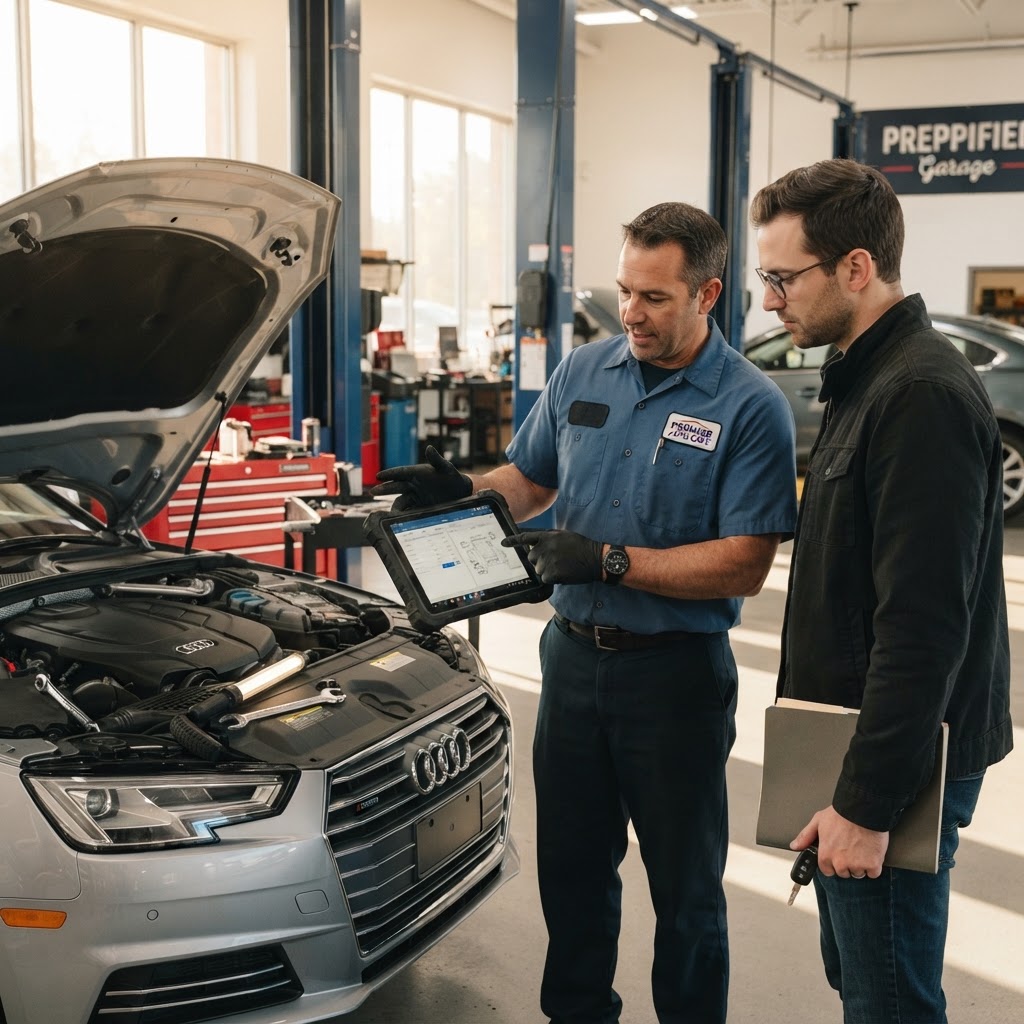
That is why many buyers and dealers use both. The state process handles compliance. A documented third-party inspection handles condition reporting.
What happens if a vehicle fails
If a vehicle fails, the inspection station typically provides a report showing the reason. The owner then completes the required repairs and returns for reinspection. States usually define whether the reinspection must happen within a certain number of days and whether a partial fee or full fee applies.
Failure does not always mean the car is unsafe in every respect. It means it did not meet the required standard on one or more inspection items. Sometimes the fix is simple, such as replacing bulbs or wiper blades. Other times the issue is more involved, such as brake wear, tire condition, steering problems, or emissions system faults.
For used car buyers, a recent failed inspection can be a useful signal. It does not automatically kill the deal, but it raises the need for documentation. What failed, what was repaired, and is there supporting service evidence? In a process-driven transaction, those details matter.
What a passed inspection does and does not prove
A passed inspection proves that, at the time of testing, the vehicle met the state criteria that applied to that inspection. That is valuable. It can support registration, reduce immediate compliance issues, and provide baseline confidence that certain systems were reviewed.
What it does not prove is just as important. It does not guarantee long-term reliability. It does not confirm accident history. It does not establish fair market value. It does not replace a pre-purchase inspection, appraisal, or structured condition report.
This is especially relevant for dealerships, auction buyers, and fleet stakeholders. If a vehicle is entering inventory or being reassigned operationally, a pass sticker is helpful but not complete documentation. Business decisions usually require a broader inspection record than the state minimum.
When state inspections matter most
For an individual owner, state inspections matter most during registration and renewal. For buyers, they matter when a purchase depends on the vehicle being road-legal without immediate surprise repair costs. For sellers, they can affect buyer confidence and transaction speed.
For dealerships and inspection partners, timing matters even more. A vehicle may need to move through intake, reconditioning, state compliance, and retail-ready reporting in a controlled sequence. If any part of that sequence is missing, the result is usually delay, added admin work, or inconsistent records.
That is where a structured inspection process helps. A state inspection handles statutory requirements, while a separate documented vehicle inspection can support internal operations, customer disclosure, and condition transparency. Businesses that treat those as interchangeable often create avoidable risk.
How to prepare for a state inspection
Preparation is usually simple, but it should be deliberate. Check obvious items first: tire tread, exterior lights, brake light operation, windshield condition, wipers, mirrors, and dashboard warning lights. If your state uses OBD-based emissions checks, unresolved check engine lights can be a problem.
It also helps to verify registration documents, insurance status where required, and whether your county or zip code triggers emissions testing. Small administrative misses can derail an otherwise routine visit.
If the vehicle has been sitting, recently repaired, or has known drivability issues, it may be smarter to address those before scheduling. A failed inspection adds another process step, and for businesses managing volume, extra steps create friction fast.
A practical way to think about state inspections
The simplest answer to what is state inspections is this: it is a legal compliance check, not a full condition verdict. That makes it necessary, but limited.
If you are an owner, use it to stay road-legal. If you are a buyer, treat it as one data point. If you are a dealership, fleet manager, or inspection partner, build it into a documented workflow instead of treating it as the whole inspection picture. That is usually the difference between a box checked and a vehicle properly evaluated.
When the decision involves money, liability, or resale, the best process is the one that leaves a clear record behind.