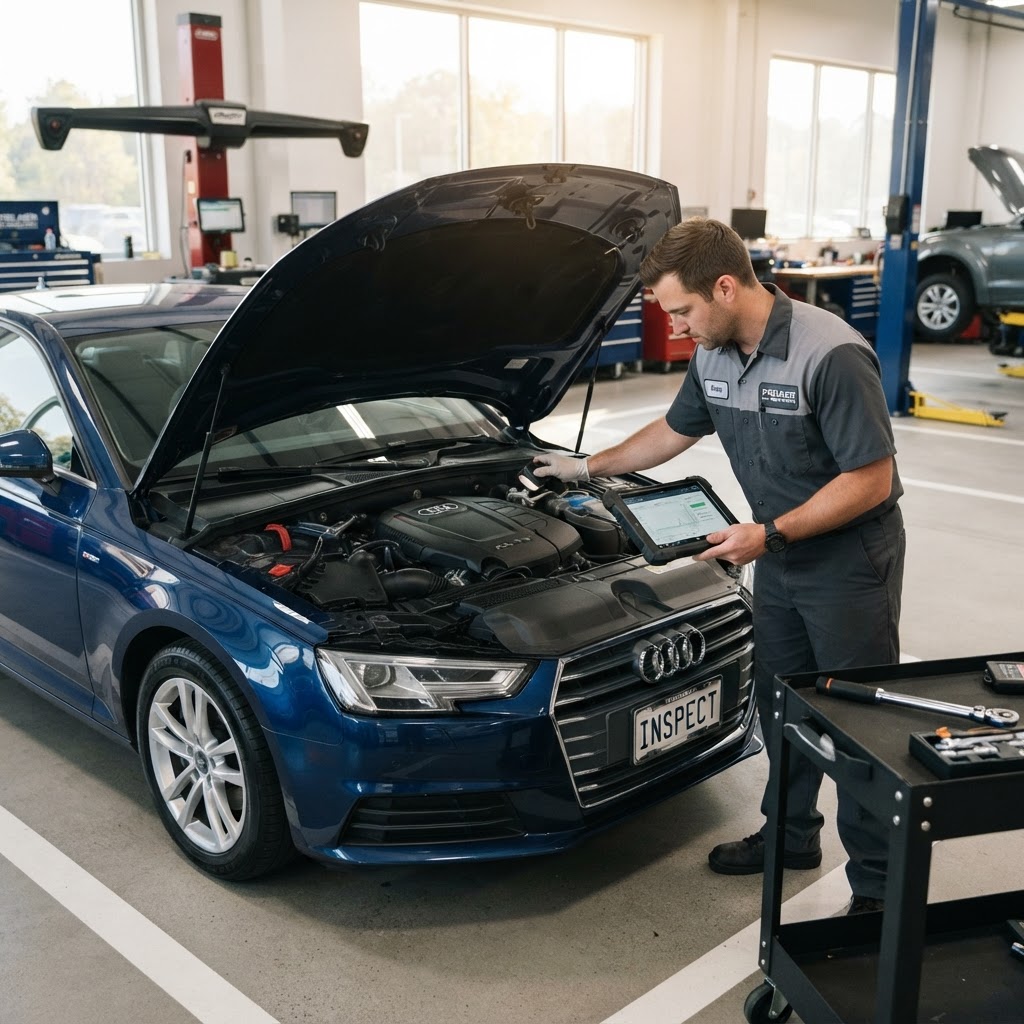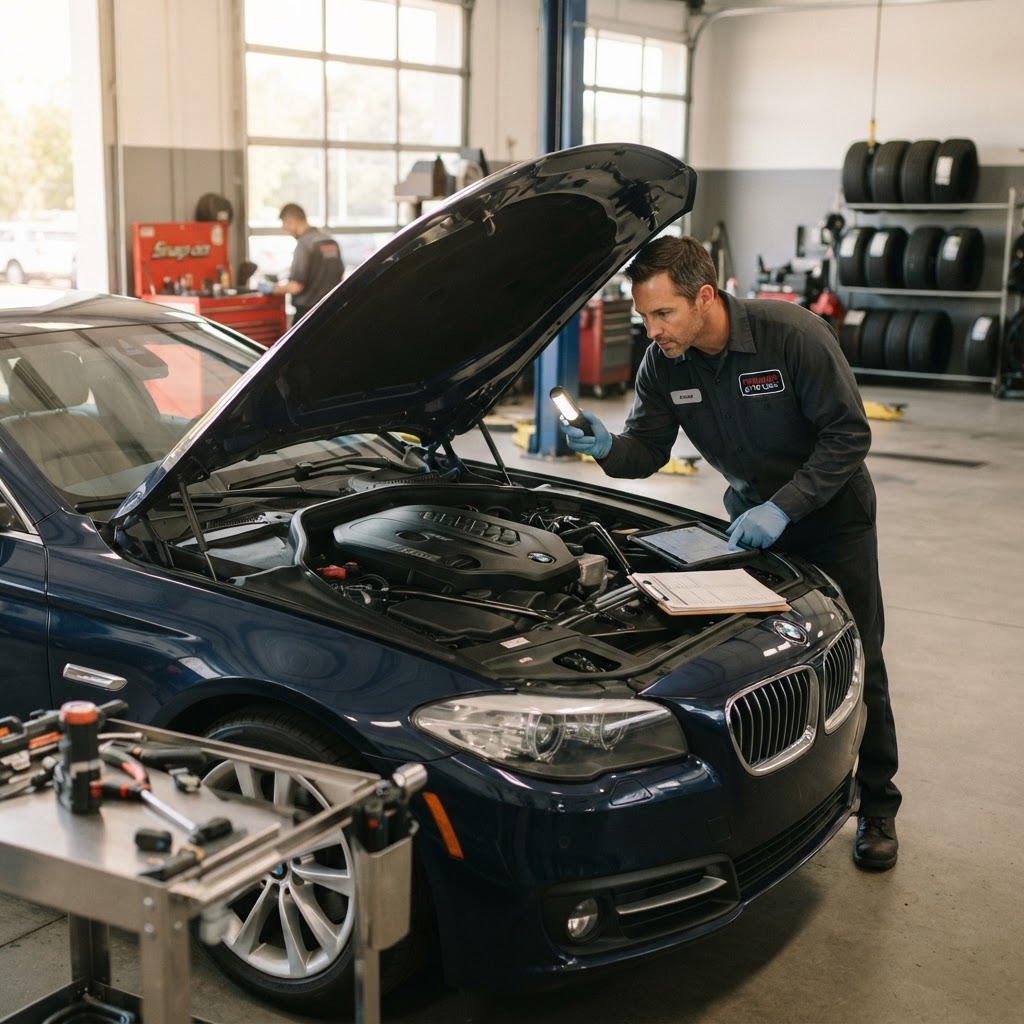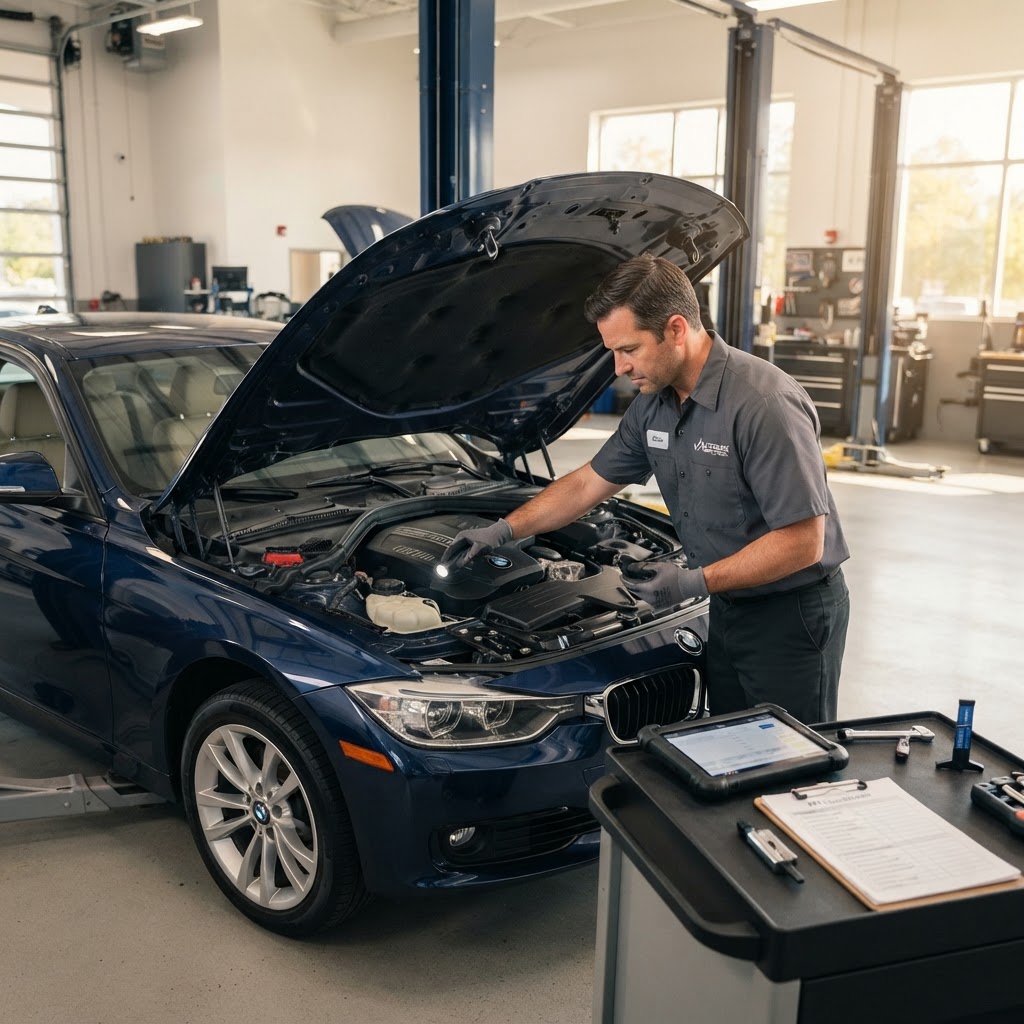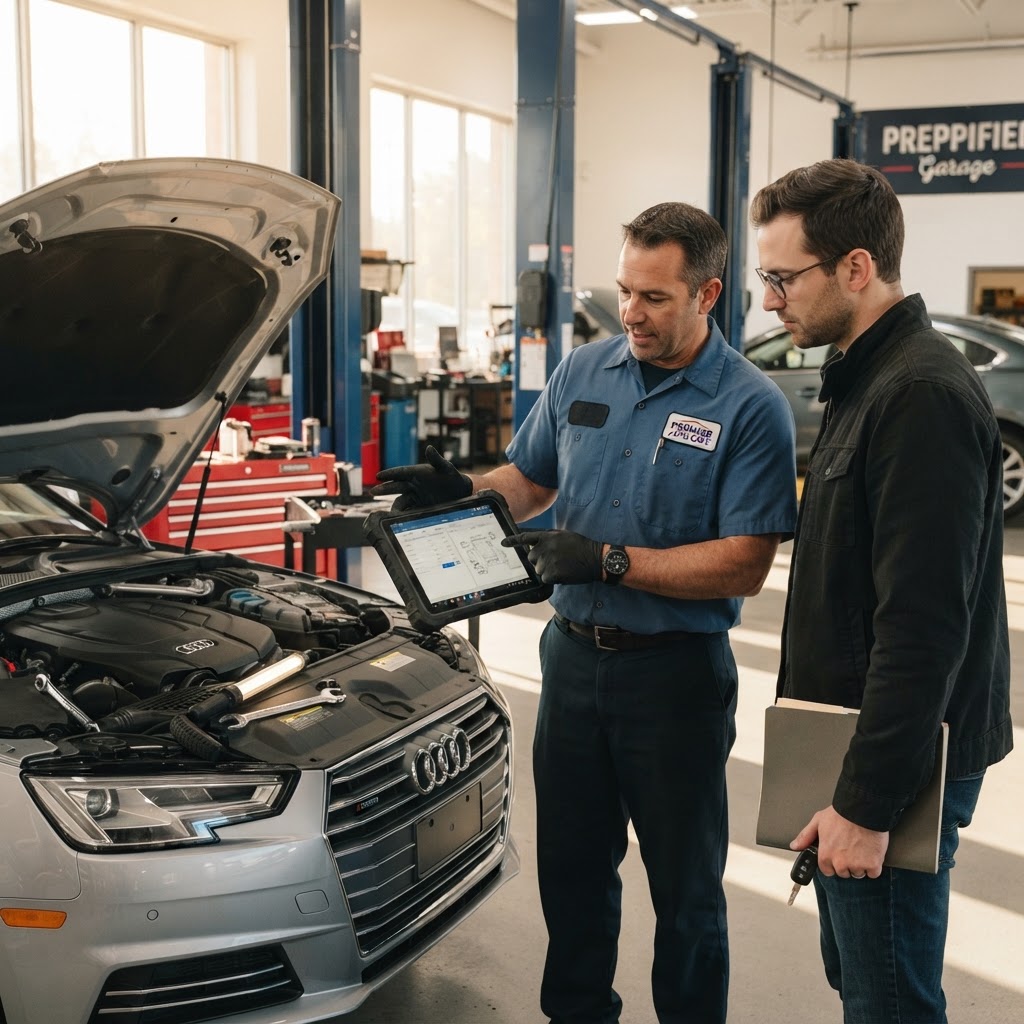
A seller says the car is "clean." A buyer sees mismatched paint on one door. A dealer notices uneven tire wear. Those three views can lead to three very different price expectations, which is exactly why people ask what does a car appraisal include before they make an offer, accept a trade-in, or document a vehicle for their records.
A proper car appraisal is not a quick walkaround and a guess. It is a documented assessment of the vehicle's condition, equipment, history indicators, and market position at a specific point in time. The goal is simple: establish a supportable value based on observable facts, not assumptions.
What does a car appraisal include in practice?
In practice, a car appraisal includes identification details, exterior and interior condition, mileage, mechanical observations, tire and wheel condition, signs of previous damage or repair, optional equipment, documentation review, and current market context. Depending on the purpose of the appraisal, it may also include photographs, condition grading, comparable vehicle analysis, and notes about factors that affect resale or risk.
That scope matters because an appraisal is often used for a financial decision. Buyers want to know whether the asking price matches the vehicle's real condition. Sellers want documentation that supports value. Dealerships and fleet operators need repeatable reporting they can share internally and externally.
Vehicle identification and baseline data
Every appraisal starts with the basics. The appraiser confirms the year, make, model, trim, VIN, odometer reading, and visible configuration of the vehicle. This sounds routine, but it is one of the most important parts of the process.
Small differences in trim level, drivetrain, engine size, or installed packages can change value significantly. A midsize SUV with a base trim and cloth seats may look similar at a glance to a premium trim with driver-assist features, upgraded wheels, and a panoramic roof. If those details are not documented correctly, the value estimate can be off before the condition review even begins.
Mileage is also part of this baseline. Odometer readings are considered alongside age, vehicle type, and expected use. High mileage does not automatically mean poor value, but it does affect wear, marketability, and future maintenance expectations.
Exterior condition is more than paint quality
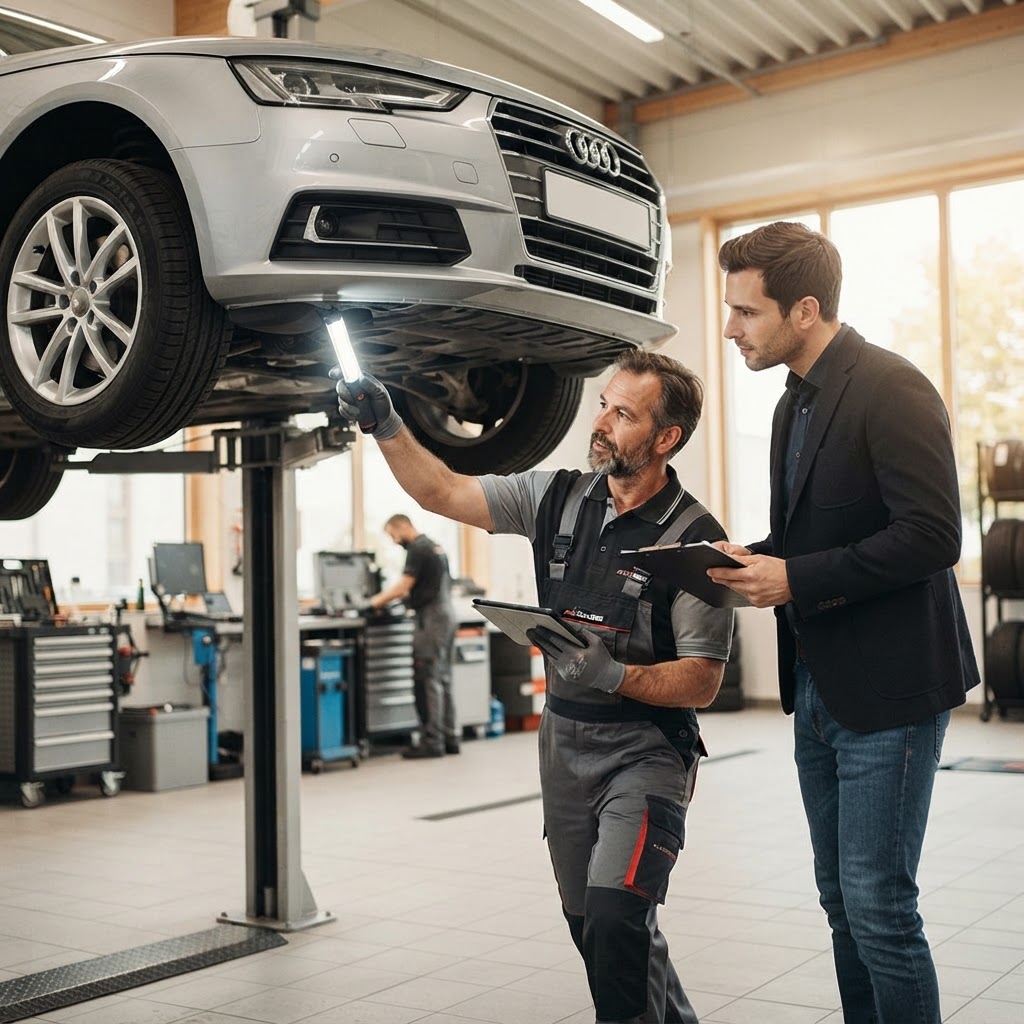
One of the biggest parts of what does a car appraisal include is exterior condition. The appraiser reviews body panels, paint, trim, glass, lights, bumpers, mirrors, and visible alignment.
This is where cosmetic condition and structural clues start to separate. Scratches, chips, dents, scuffs, and fading affect presentation and resale. Panel gaps, overspray, inconsistent paint texture, or replacement parts may indicate prior repair work. That does not always mean the vehicle is a bad buy, but it does affect how value is interpreted.
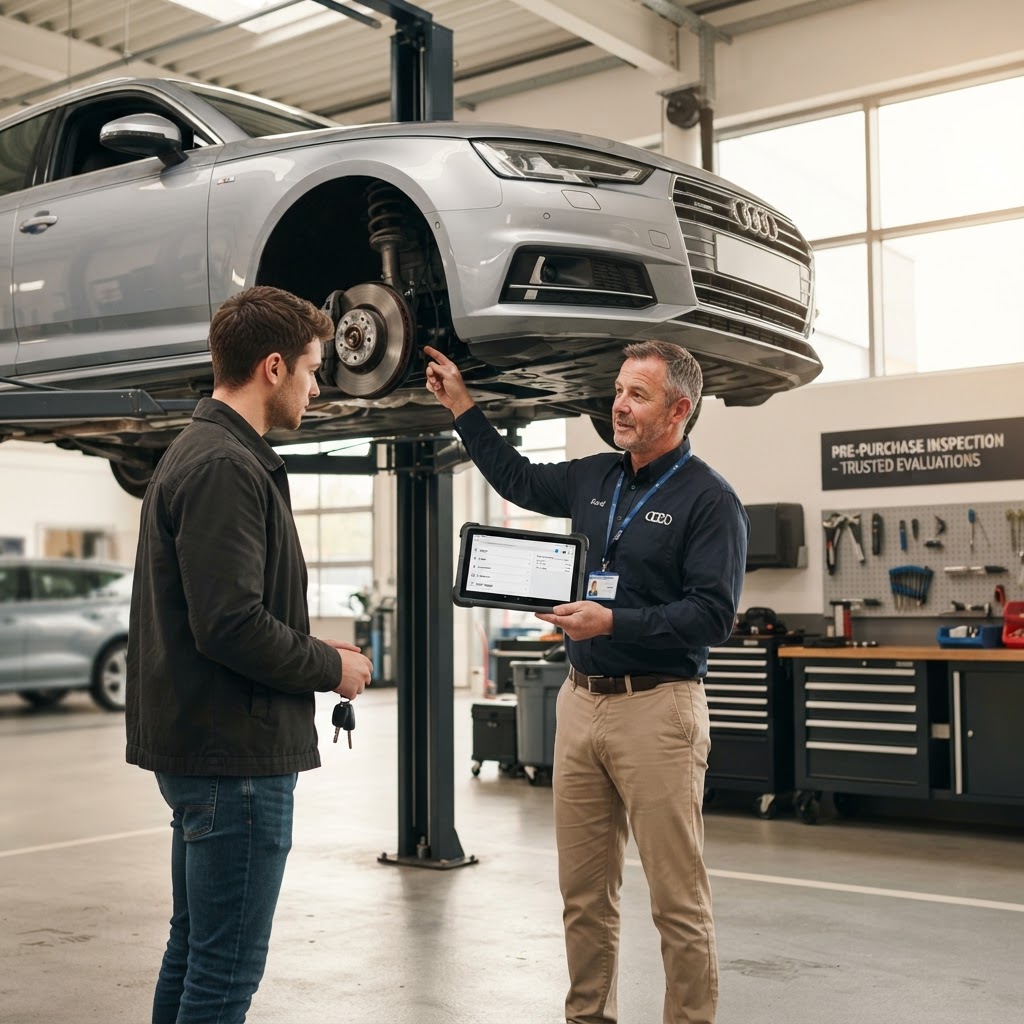
Photos are often critical here. A documented appraisal should show notable defects rather than simply describing them. For dealers, inspection partners, and remote decision-makers, photo evidence helps reduce back-and-forth and supports a more consistent valuation process.
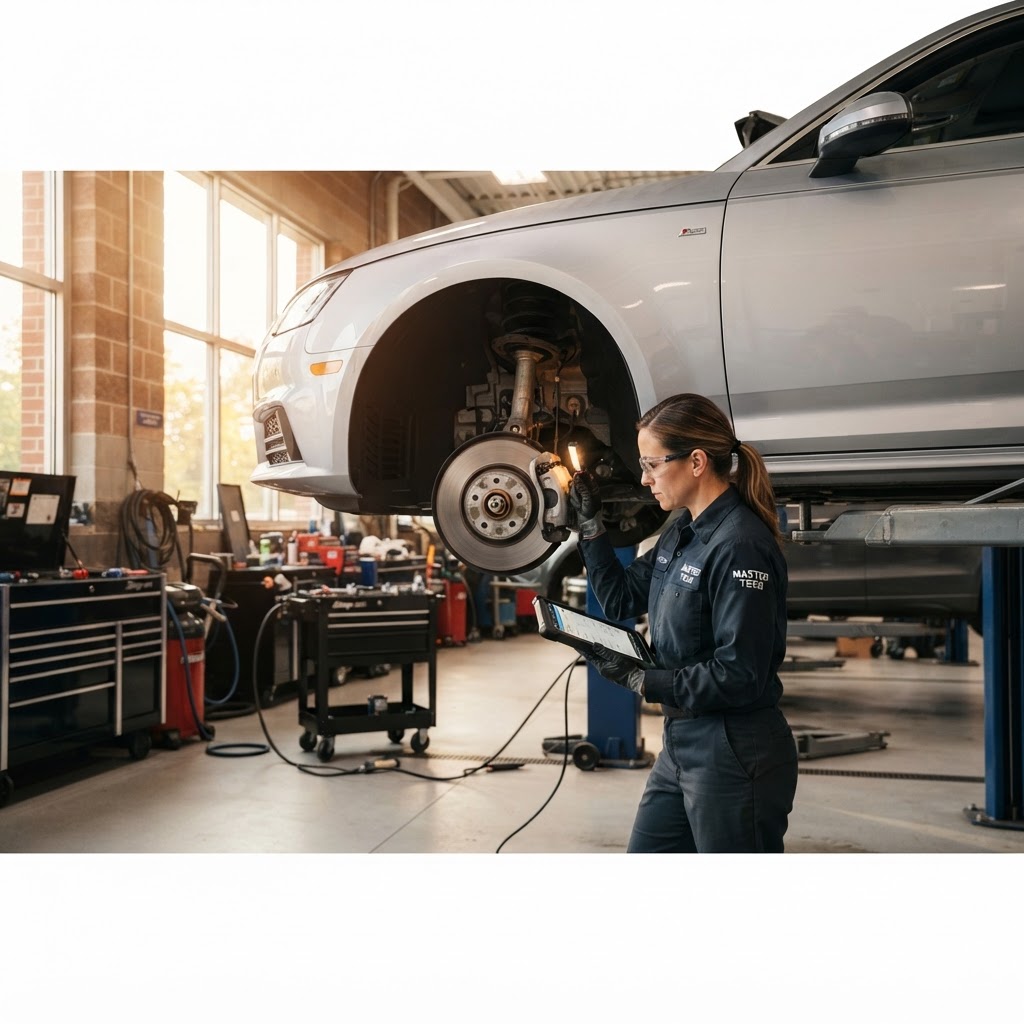
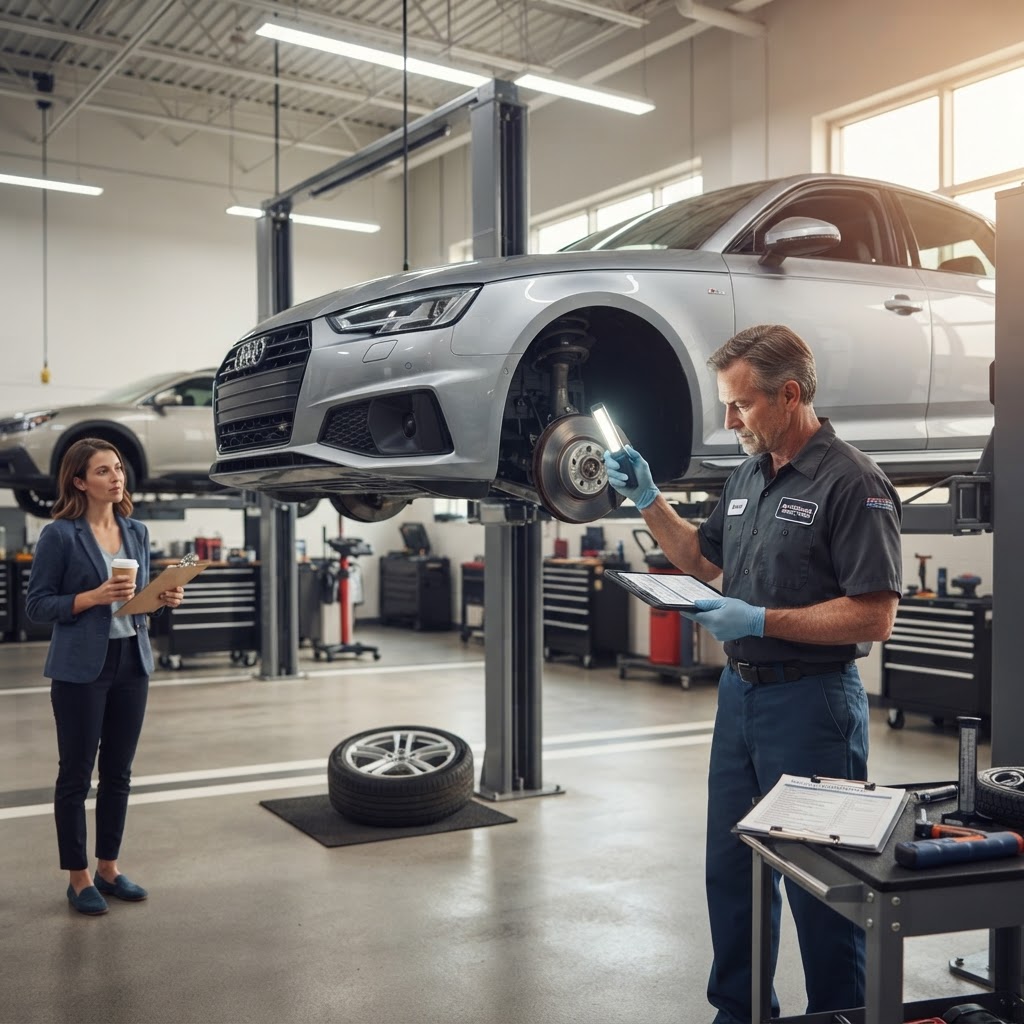
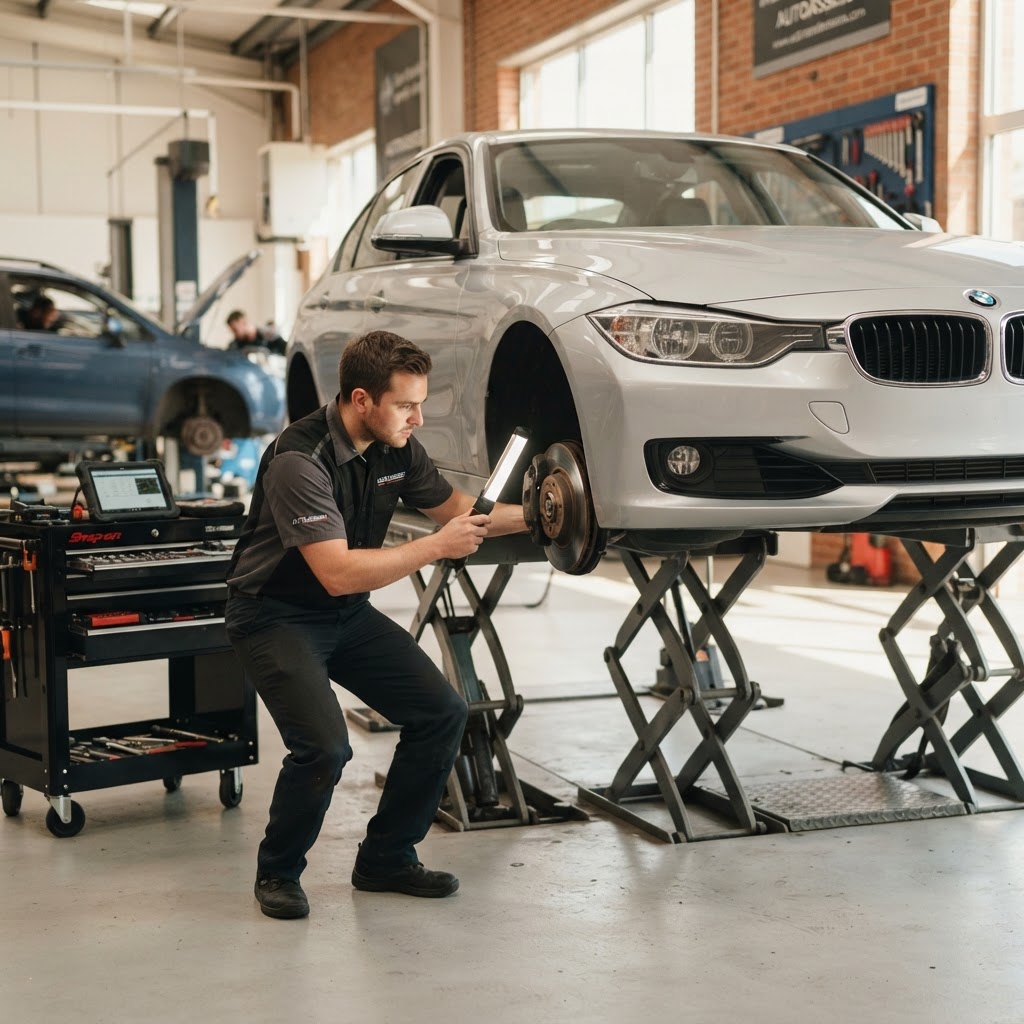
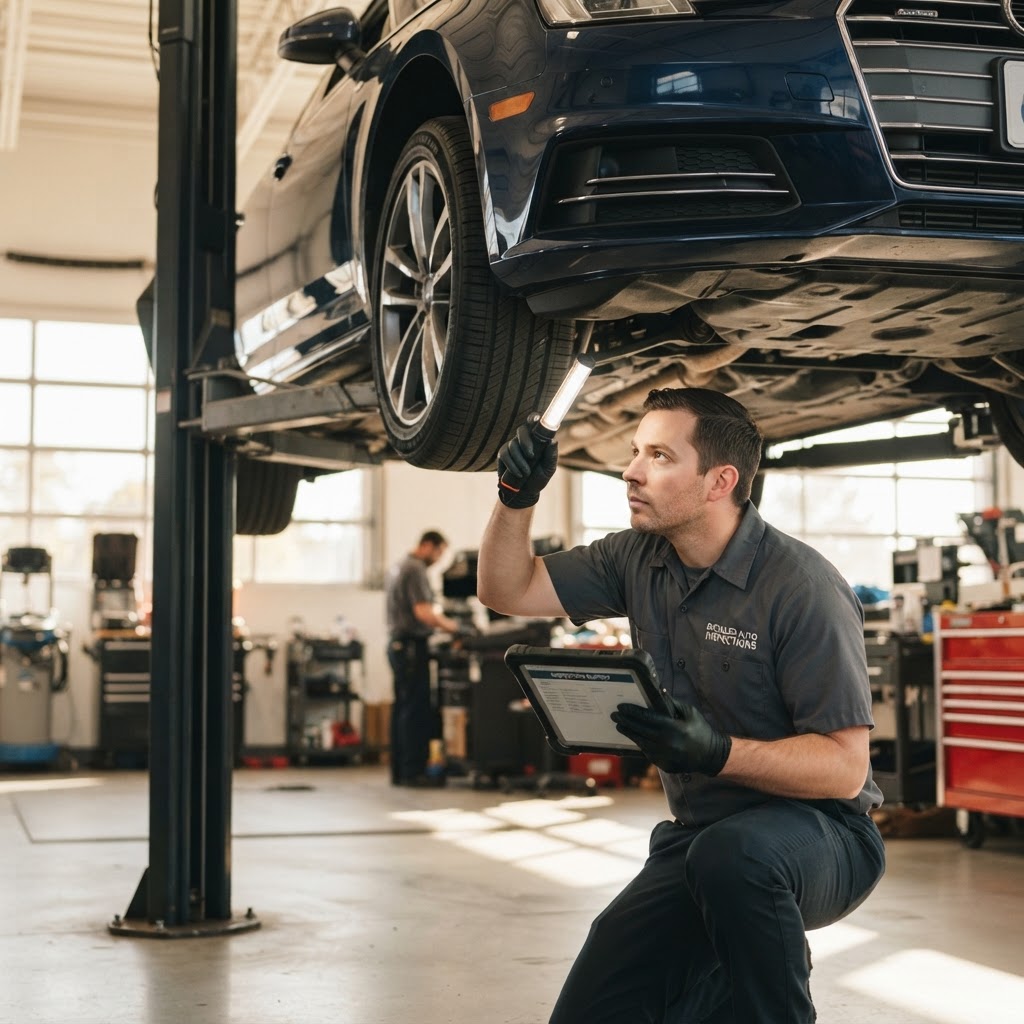
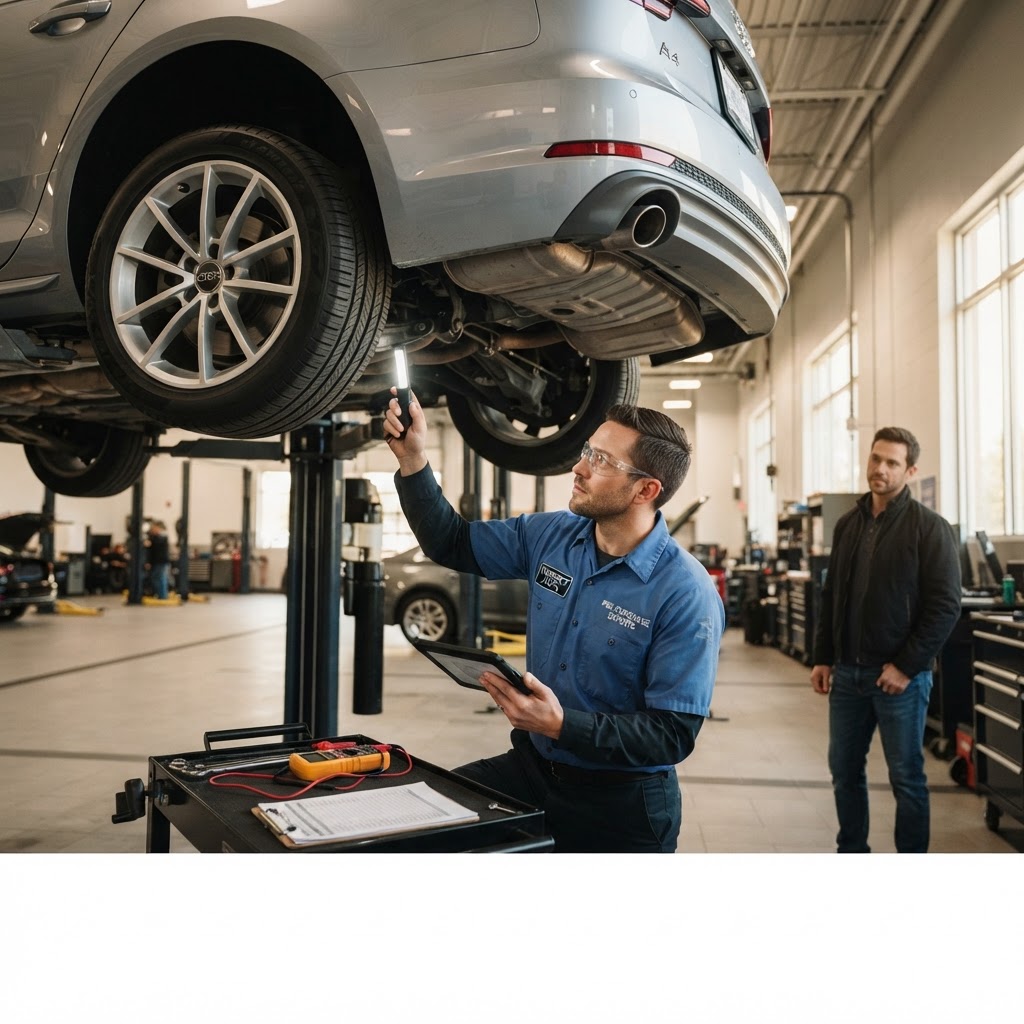
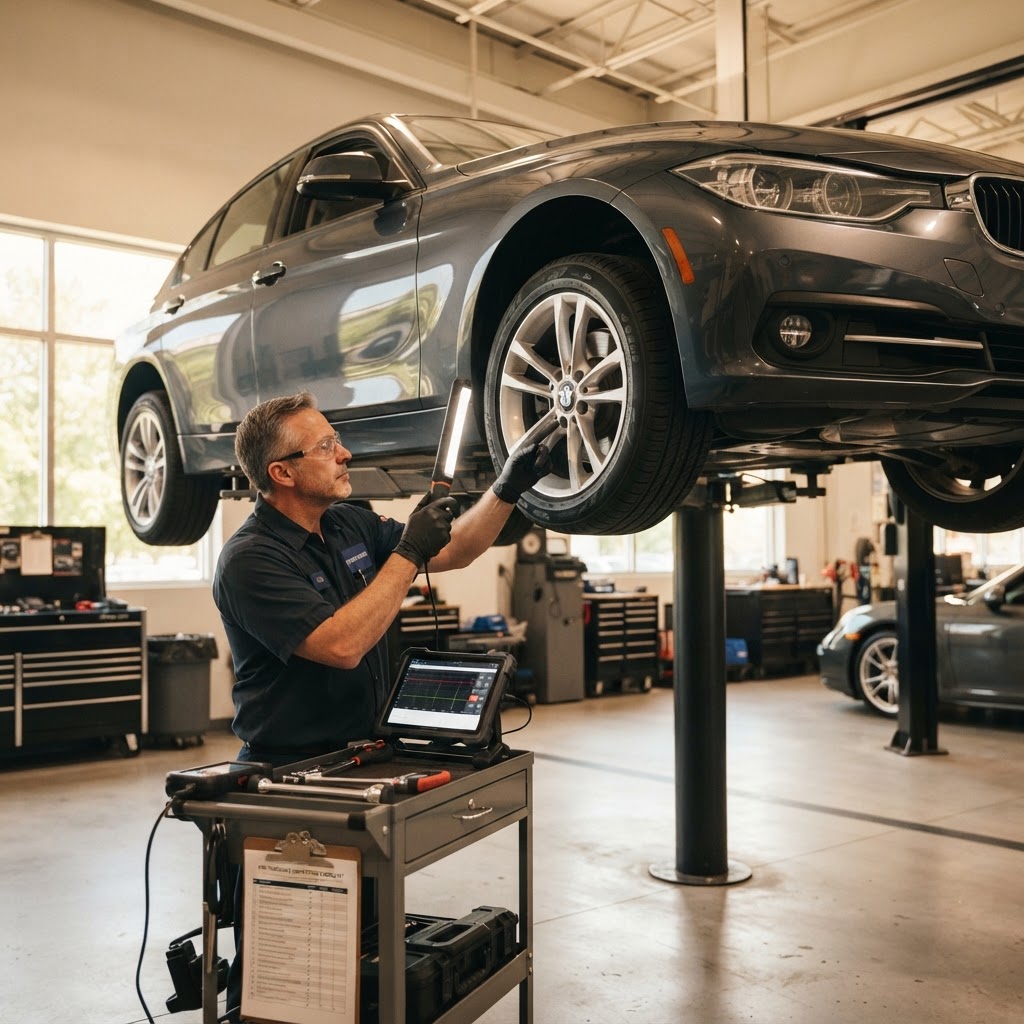
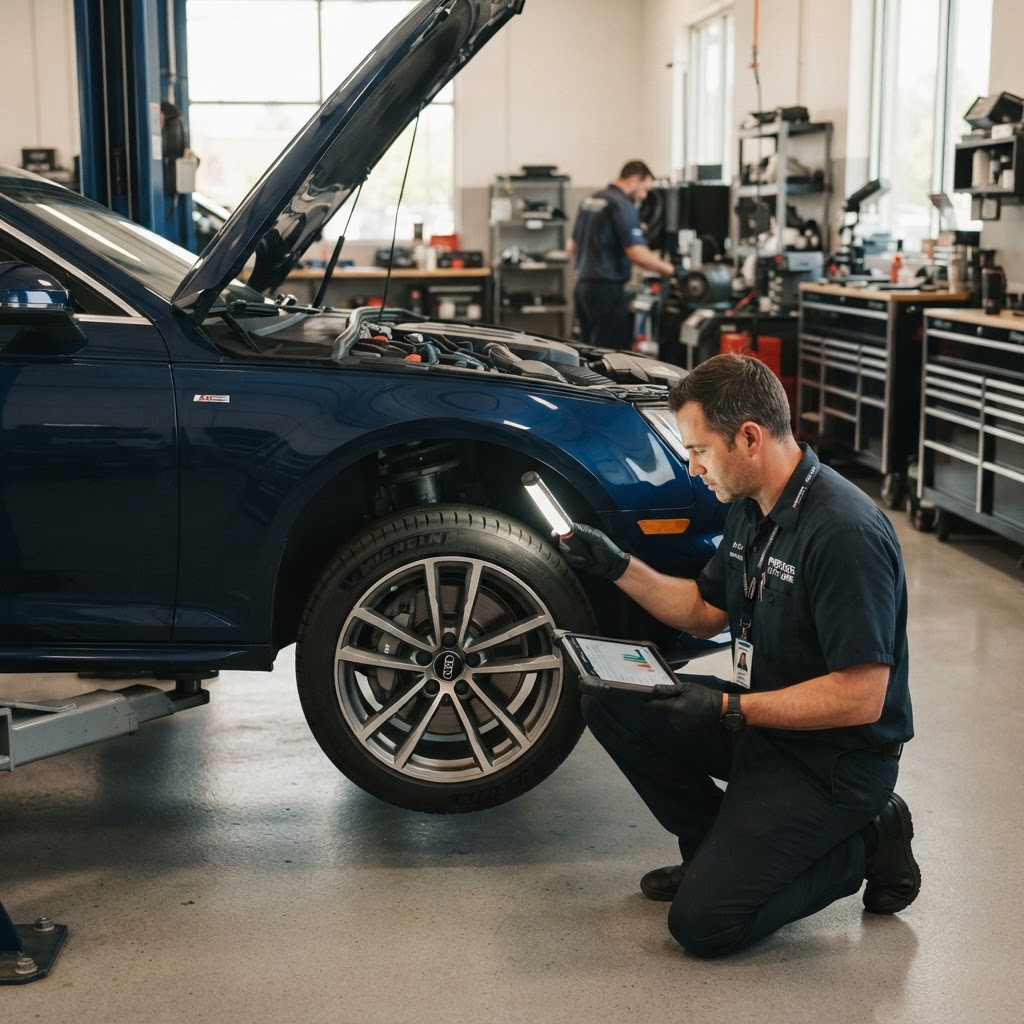
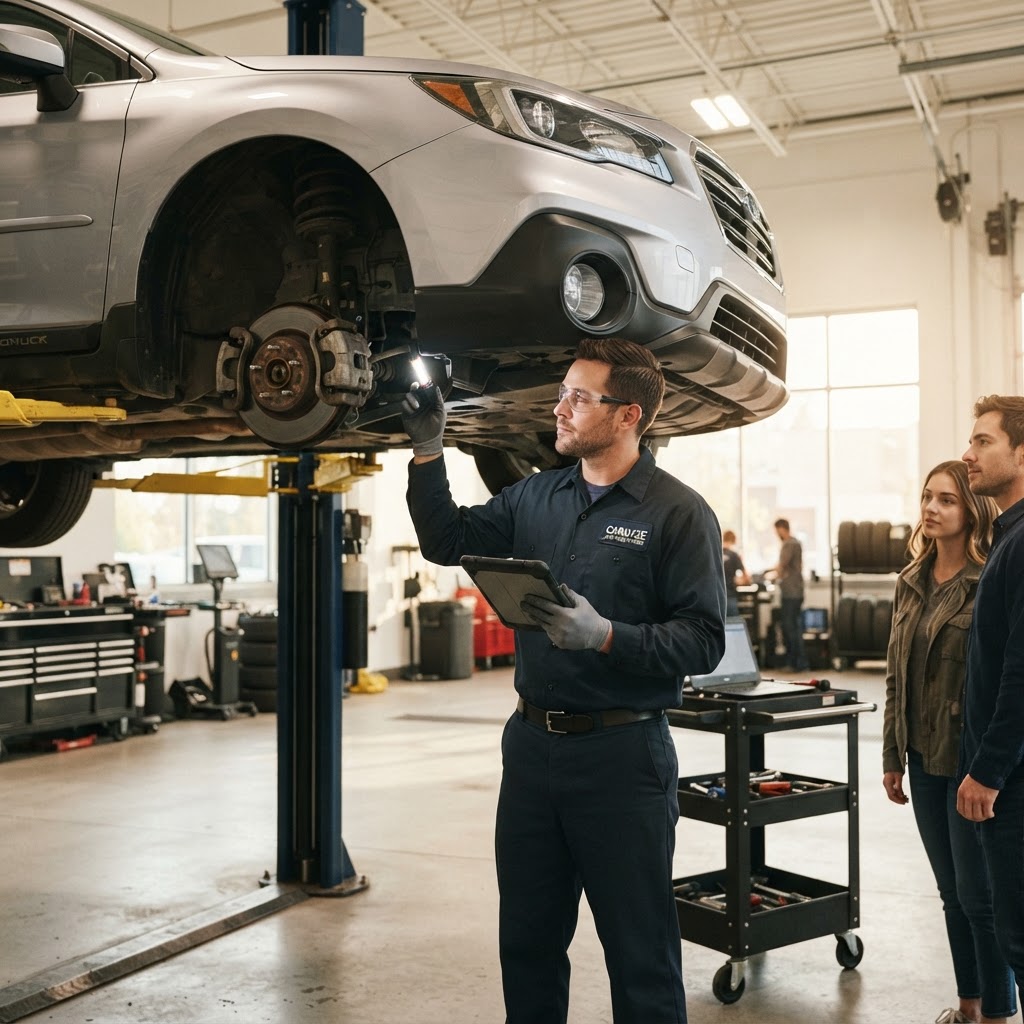
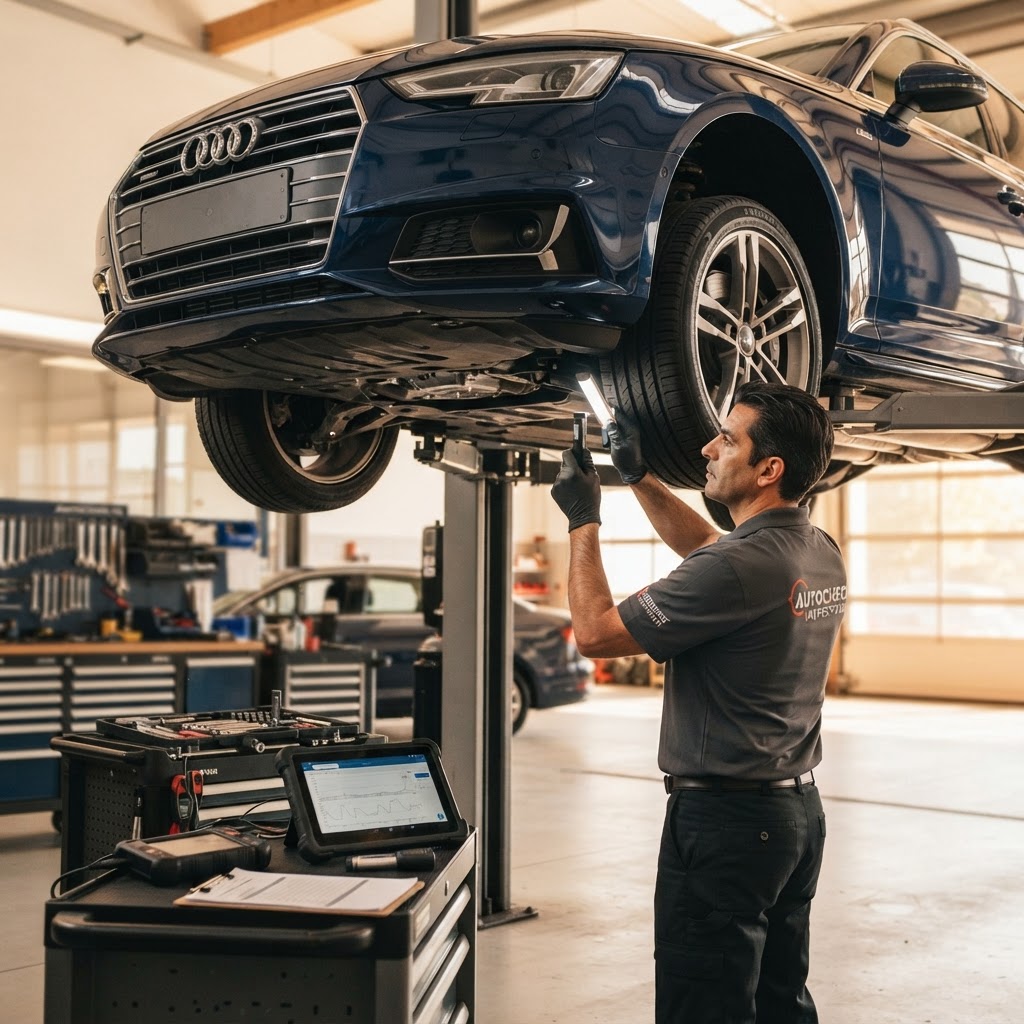
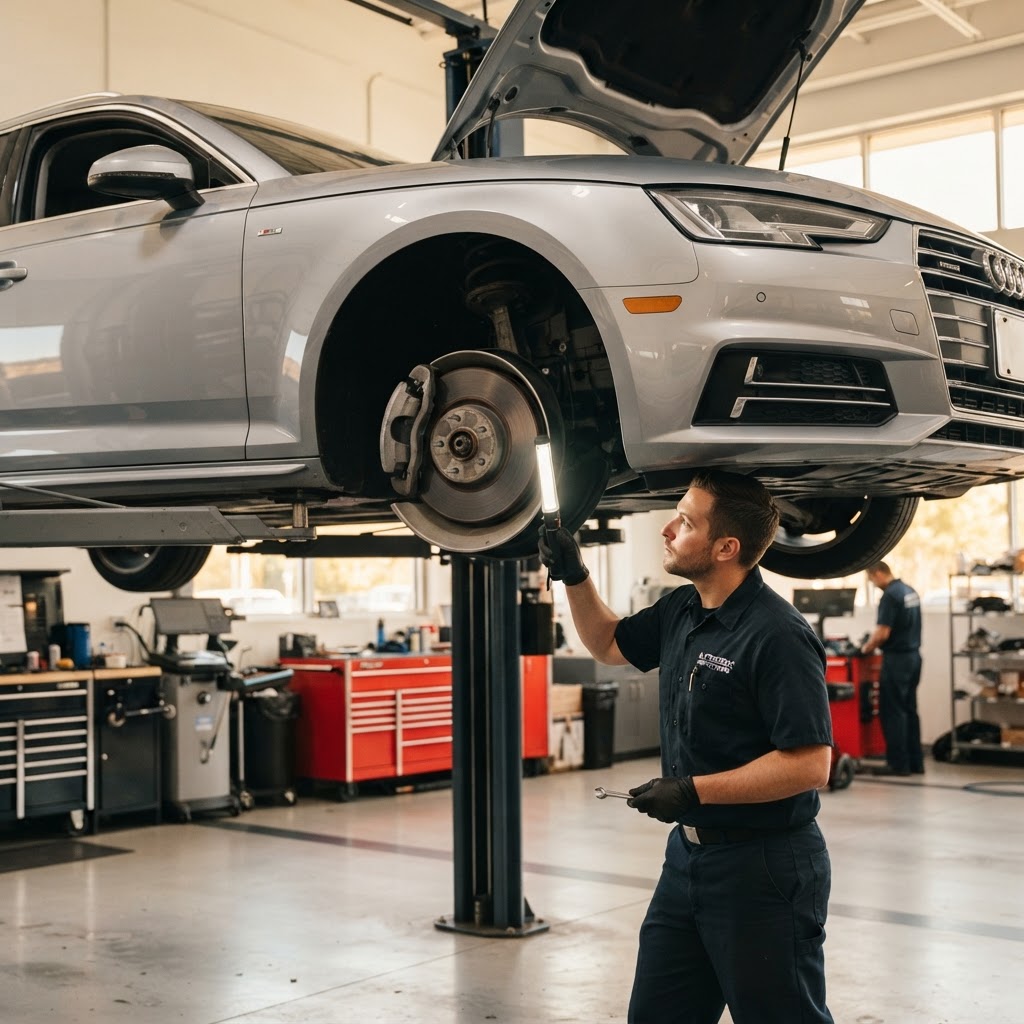
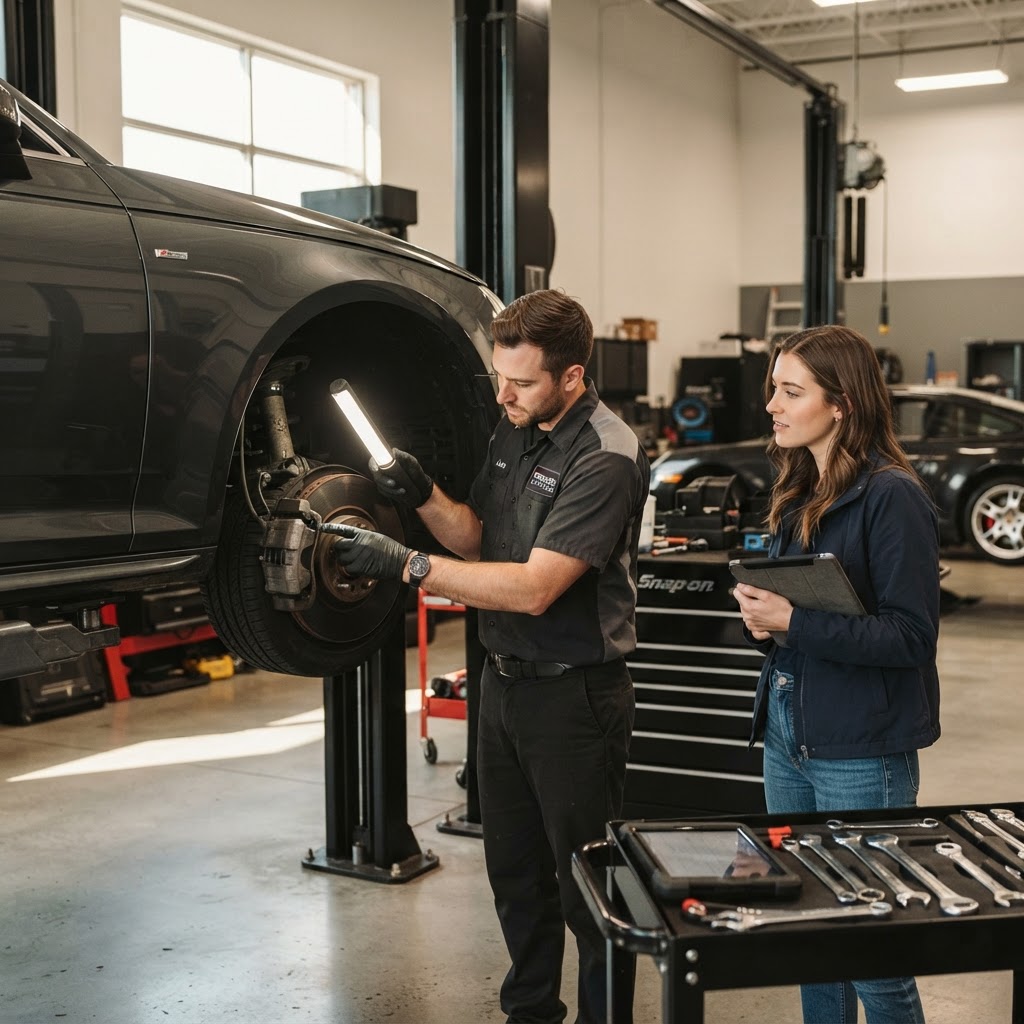
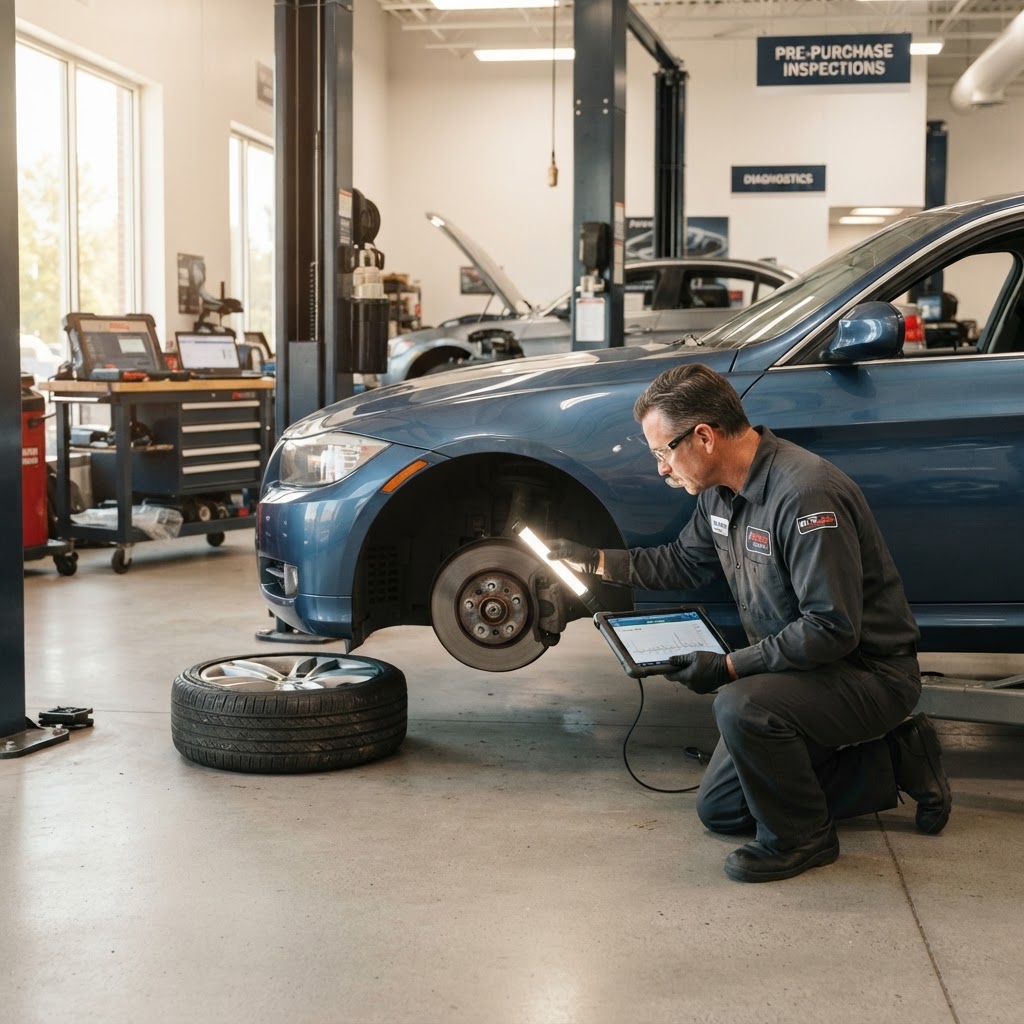
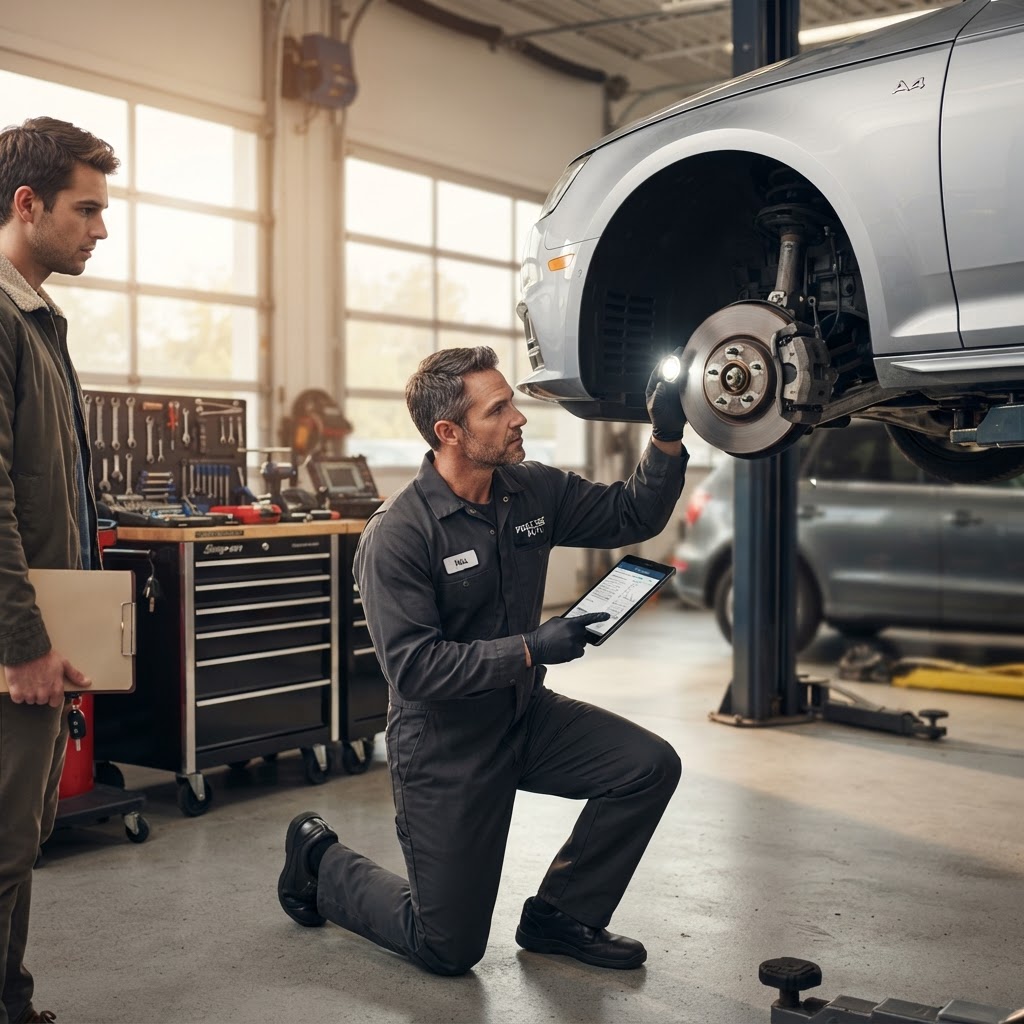
Tires and wheels are usually included in the exterior review as well. Curb rash, bent wheels, uneven wear, and low tread depth all matter. They affect immediate replacement cost, drivability, and whether the vehicle shows signs of alignment or suspension issues.
Interior condition and equipment verification
Inside the cabin, the appraisal focuses on wear, function, and completeness. Seats, carpets, headliner, dashboard, door panels, switches, infotainment, climate controls, and safety equipment are all relevant.
Interior condition can shift value faster than many owners expect. Stains, smoke odor, torn upholstery, broken trim, warning lights, or missing accessories can lower market appeal even when the car runs well. On the other hand, a clean, well-kept interior with working features often supports stronger resale positioning.
Equipment verification is another key piece. If a listing claims leather seating, navigation, adaptive cruise control, or a premium audio system, those items should be confirmed. Appraisals are strongest when they match the actual vehicle, not the advertised one.
Mechanical observations and operating condition
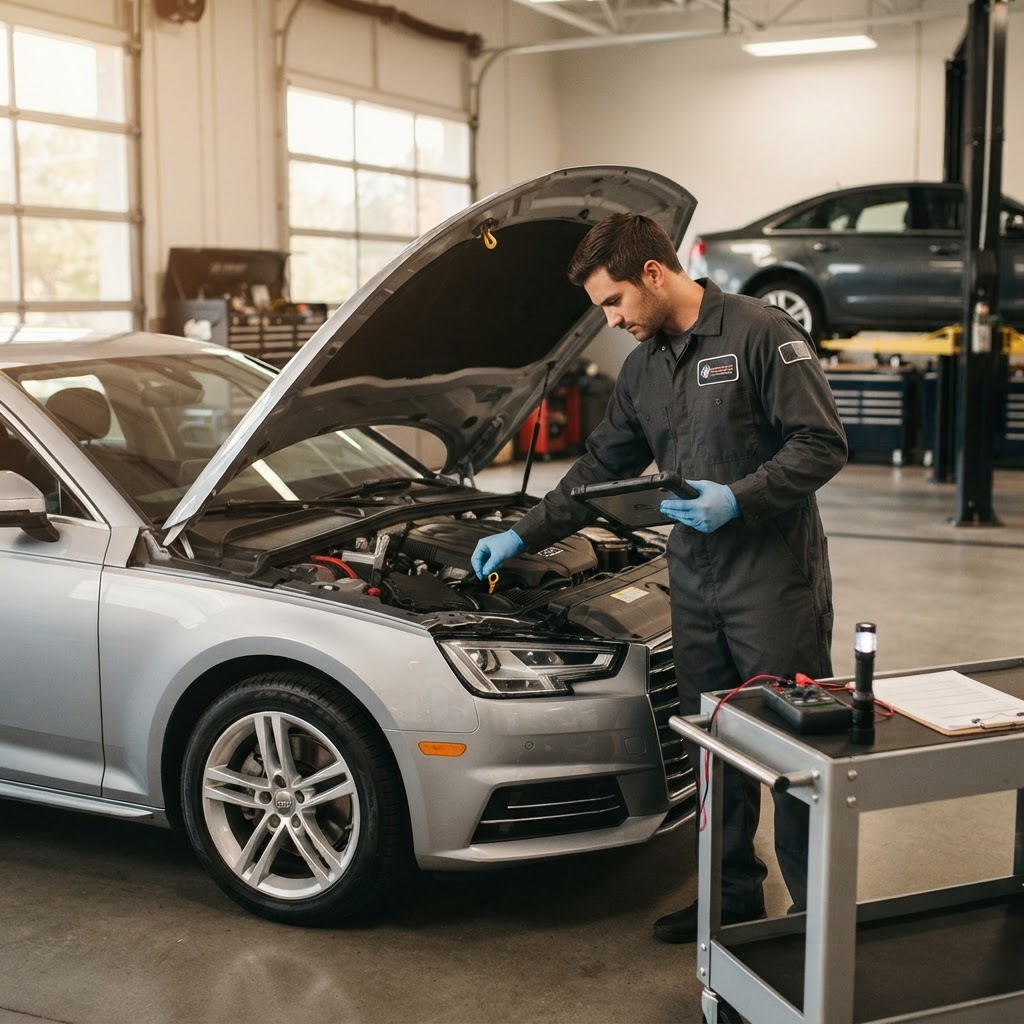
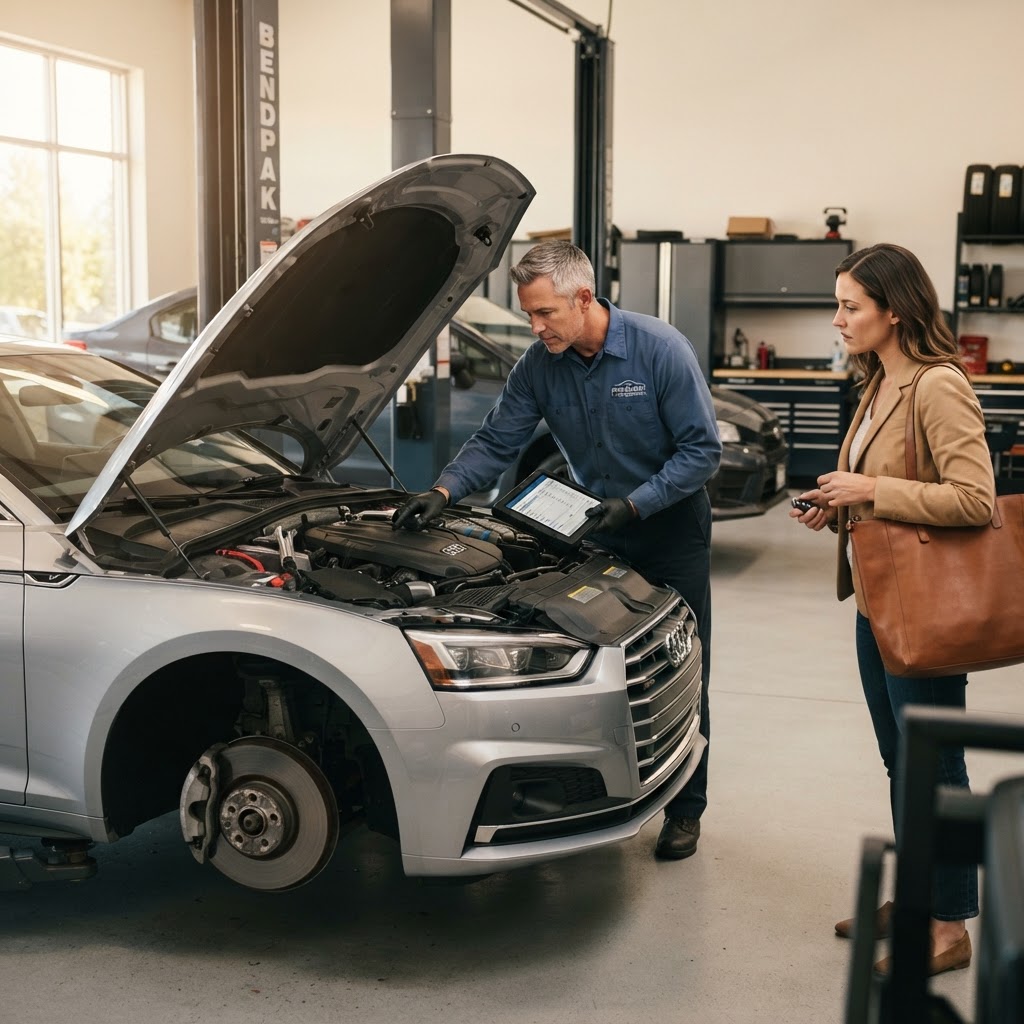
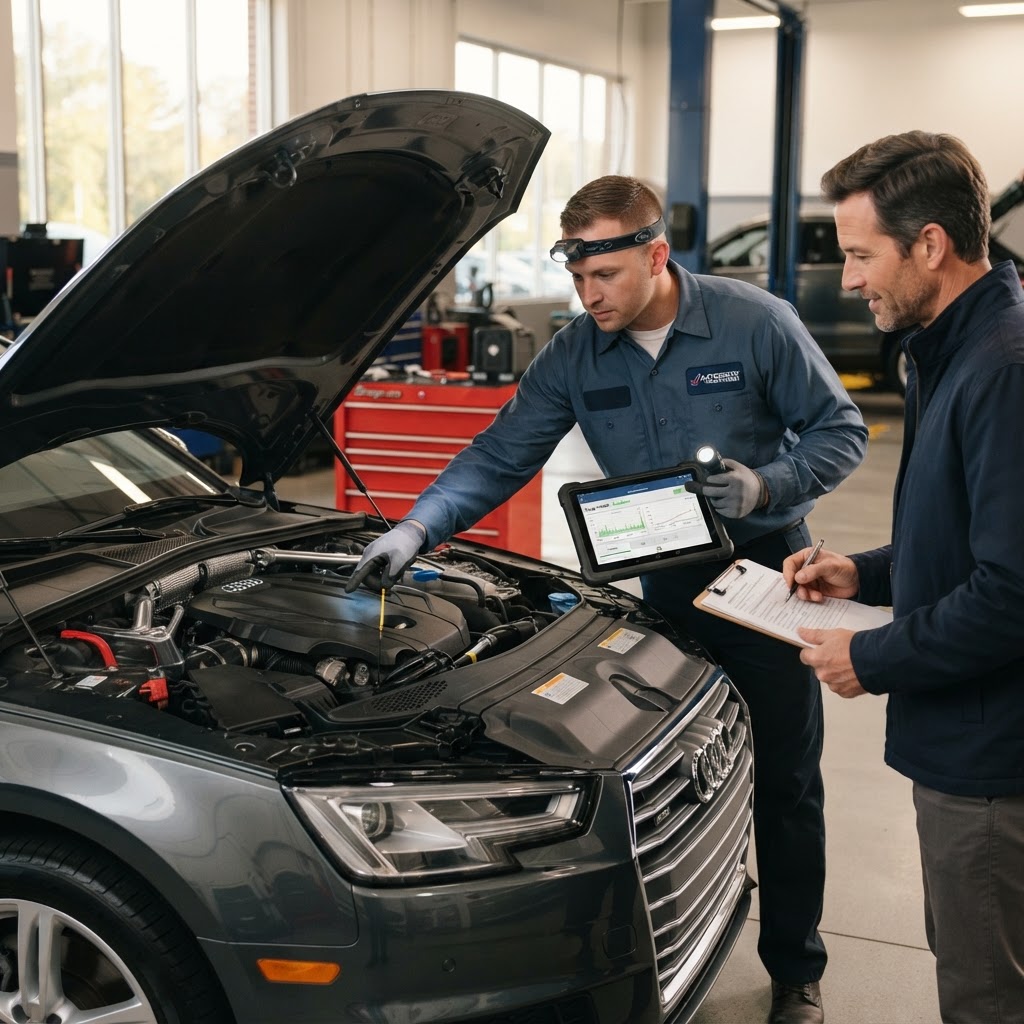
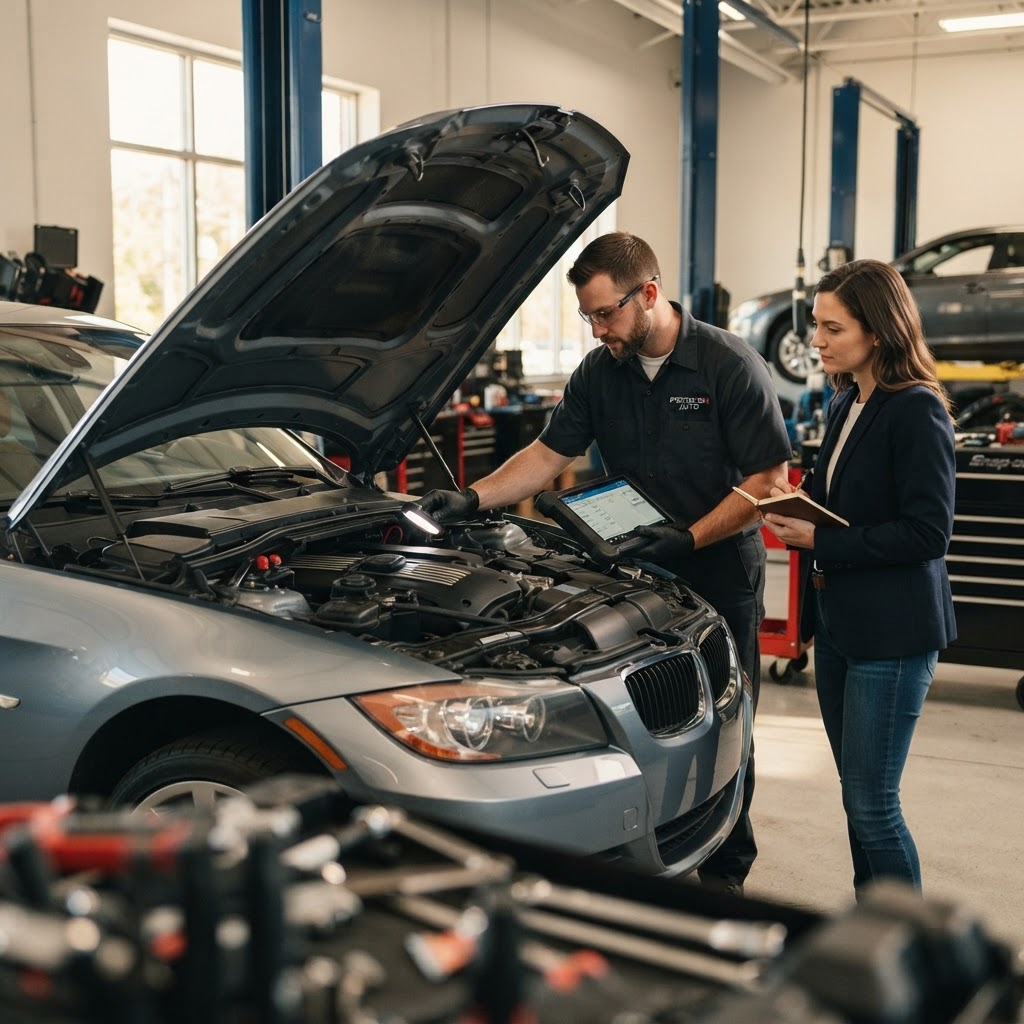
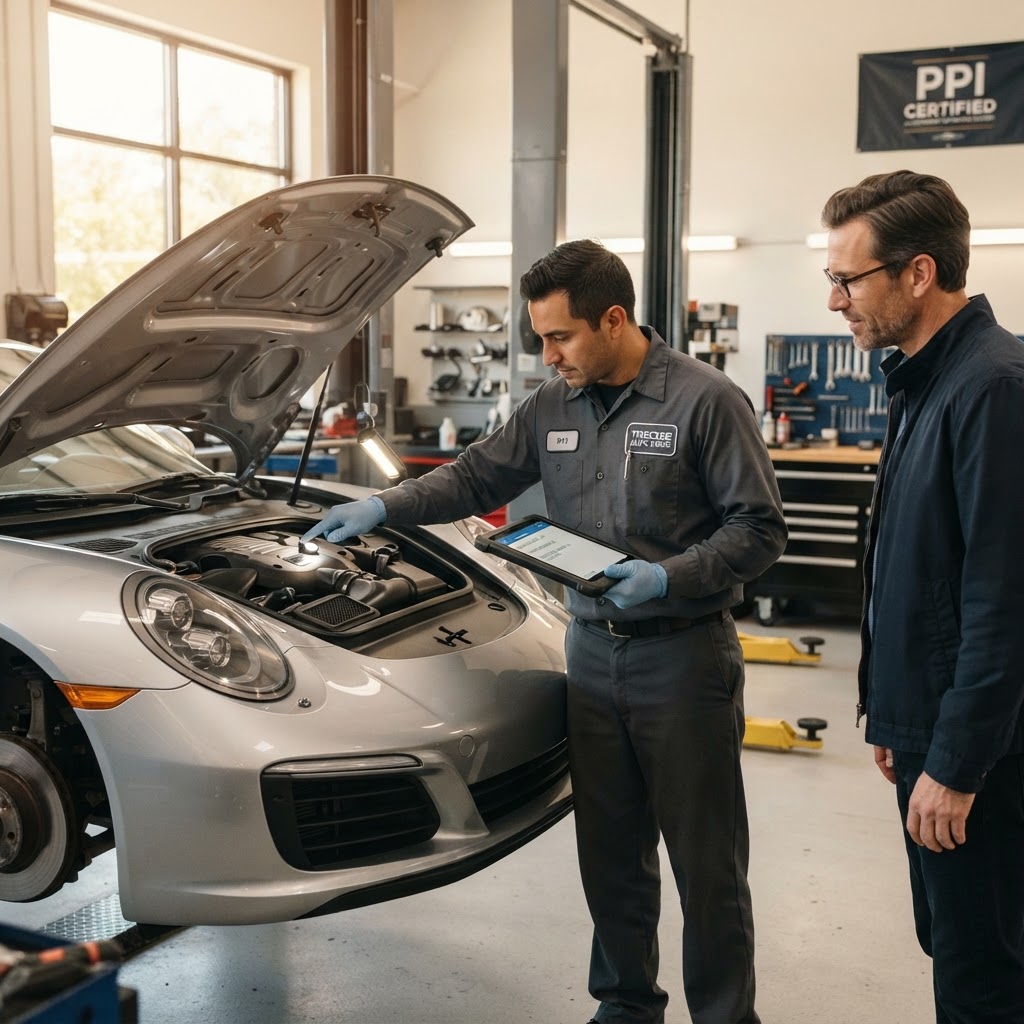
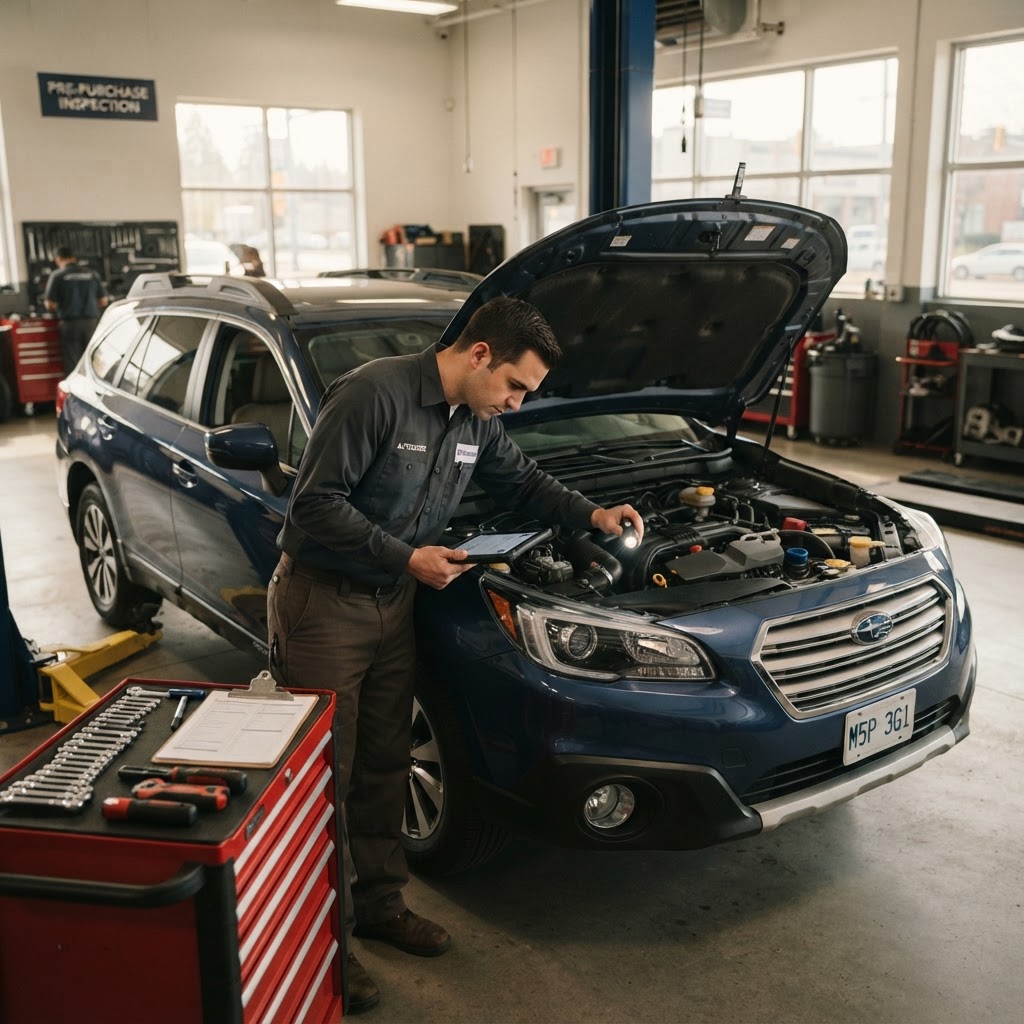
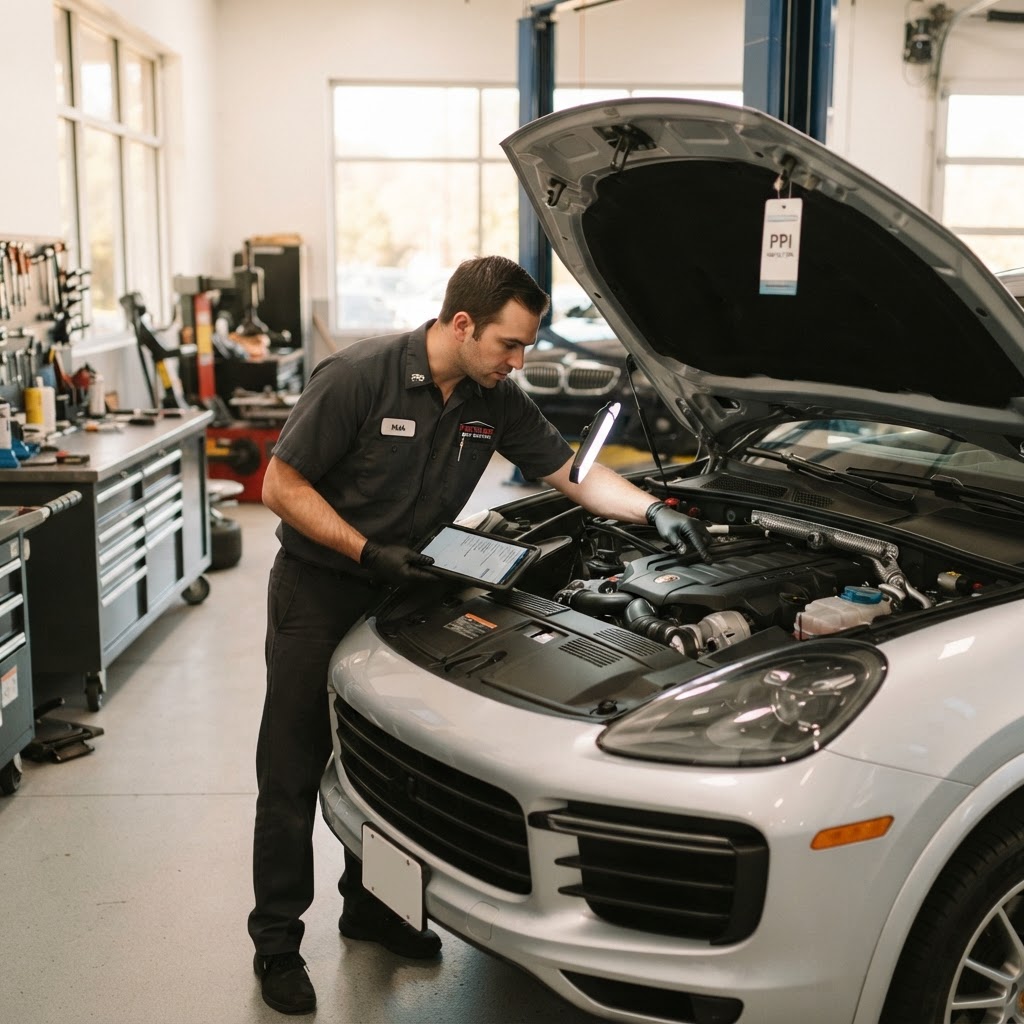
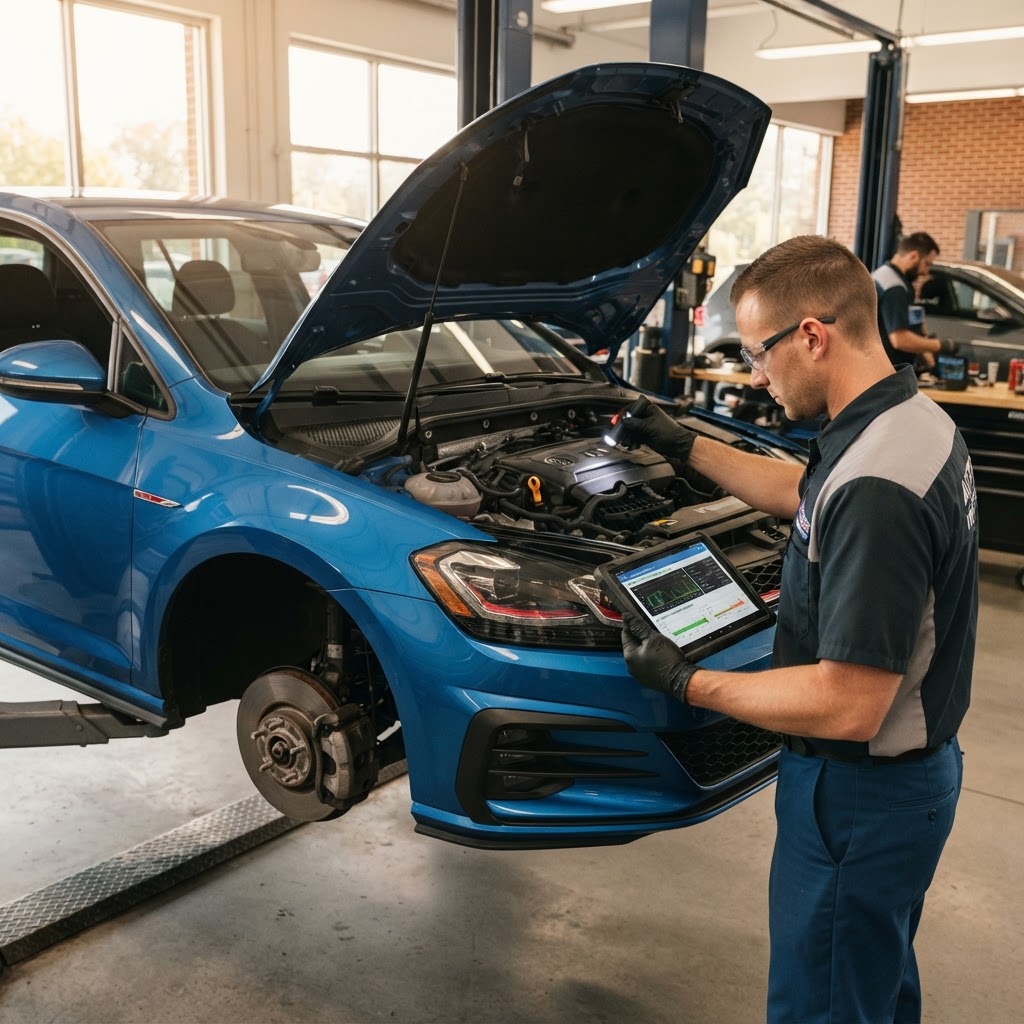
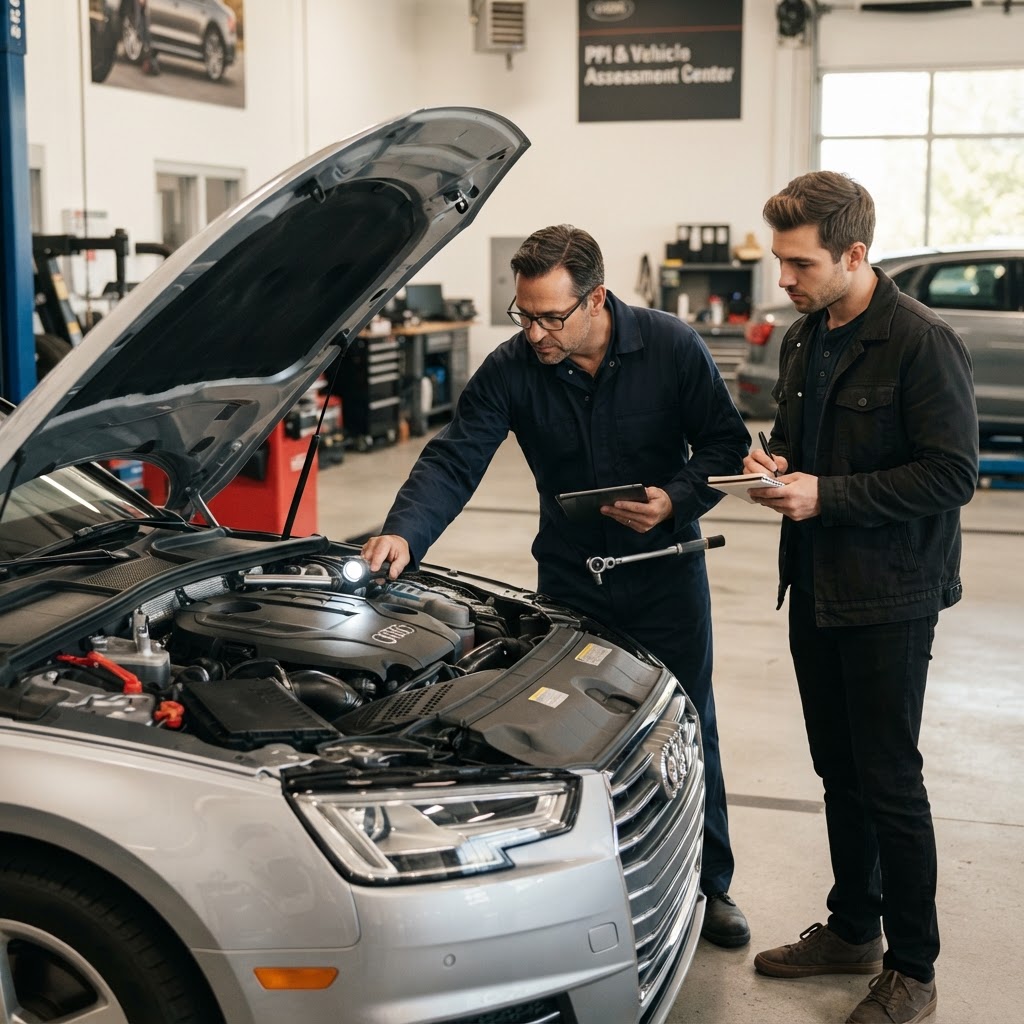
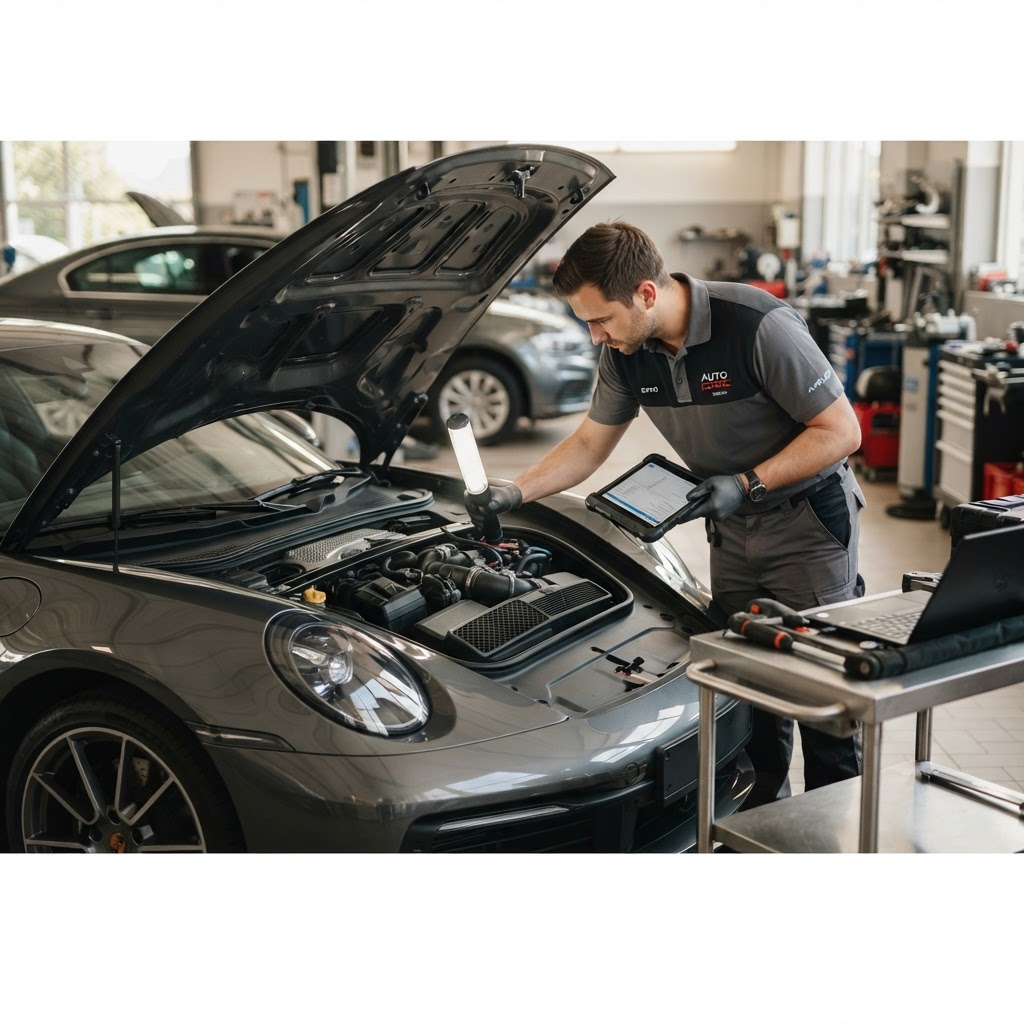
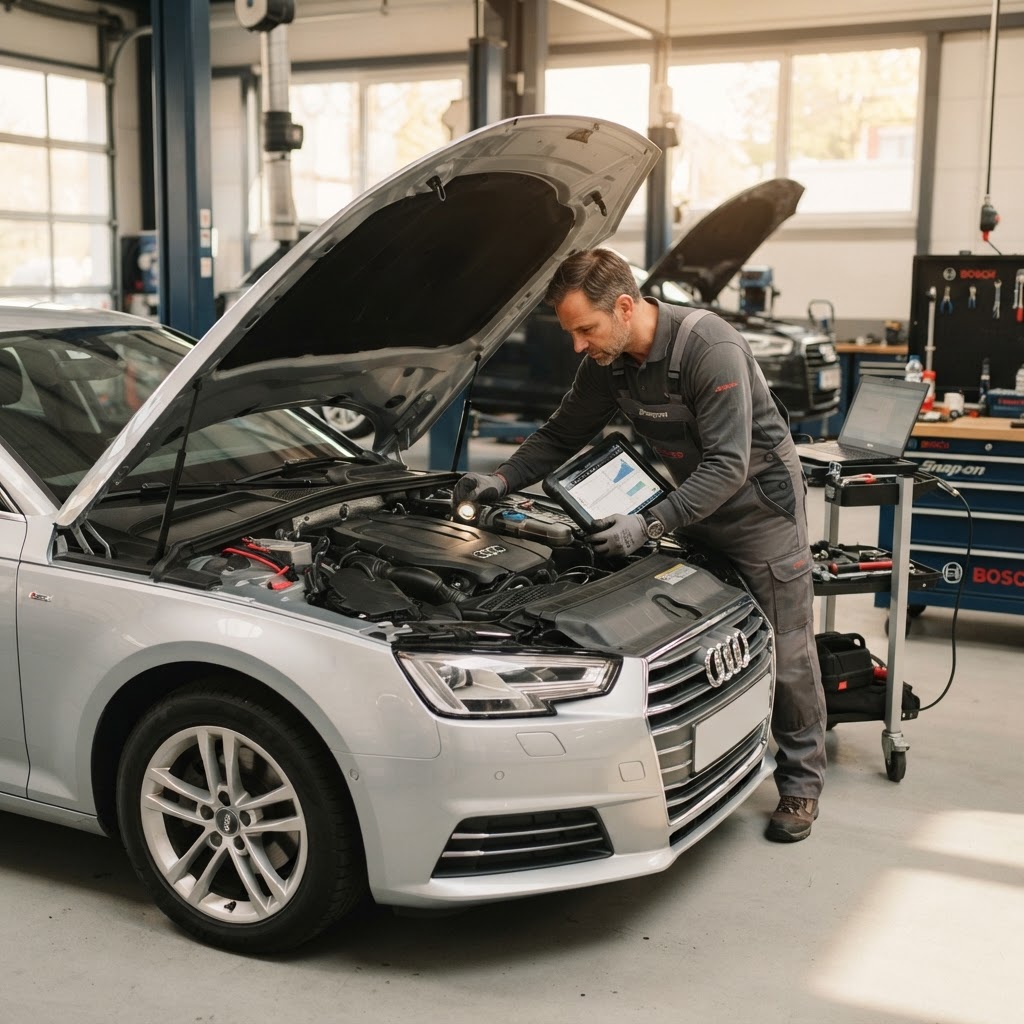
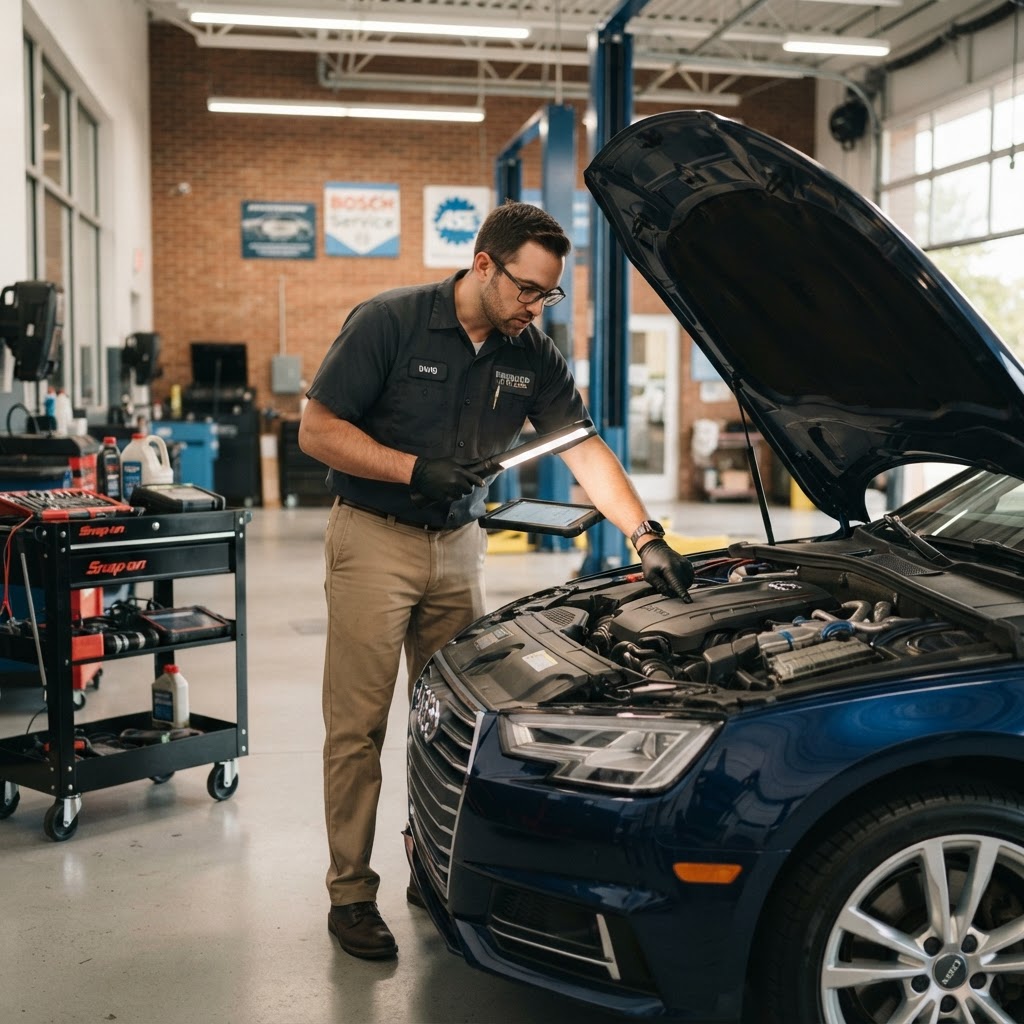
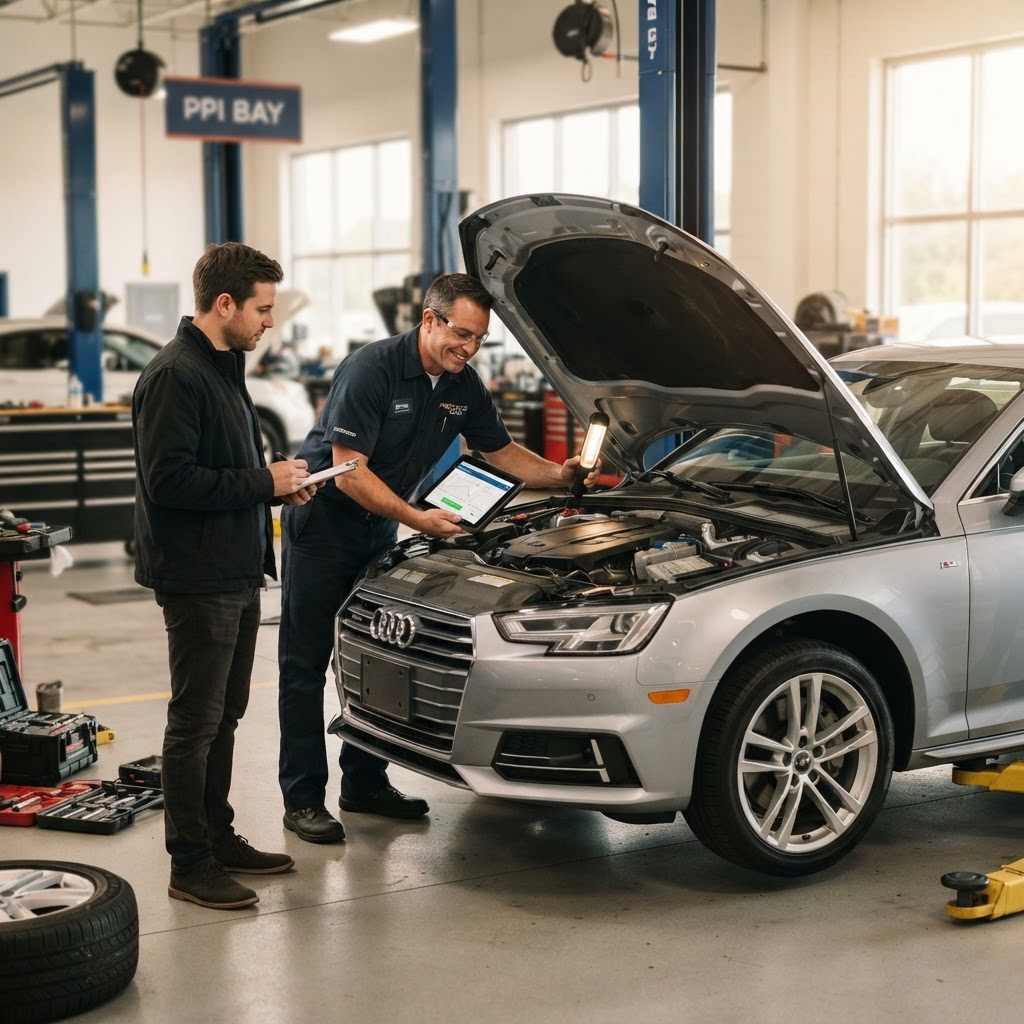
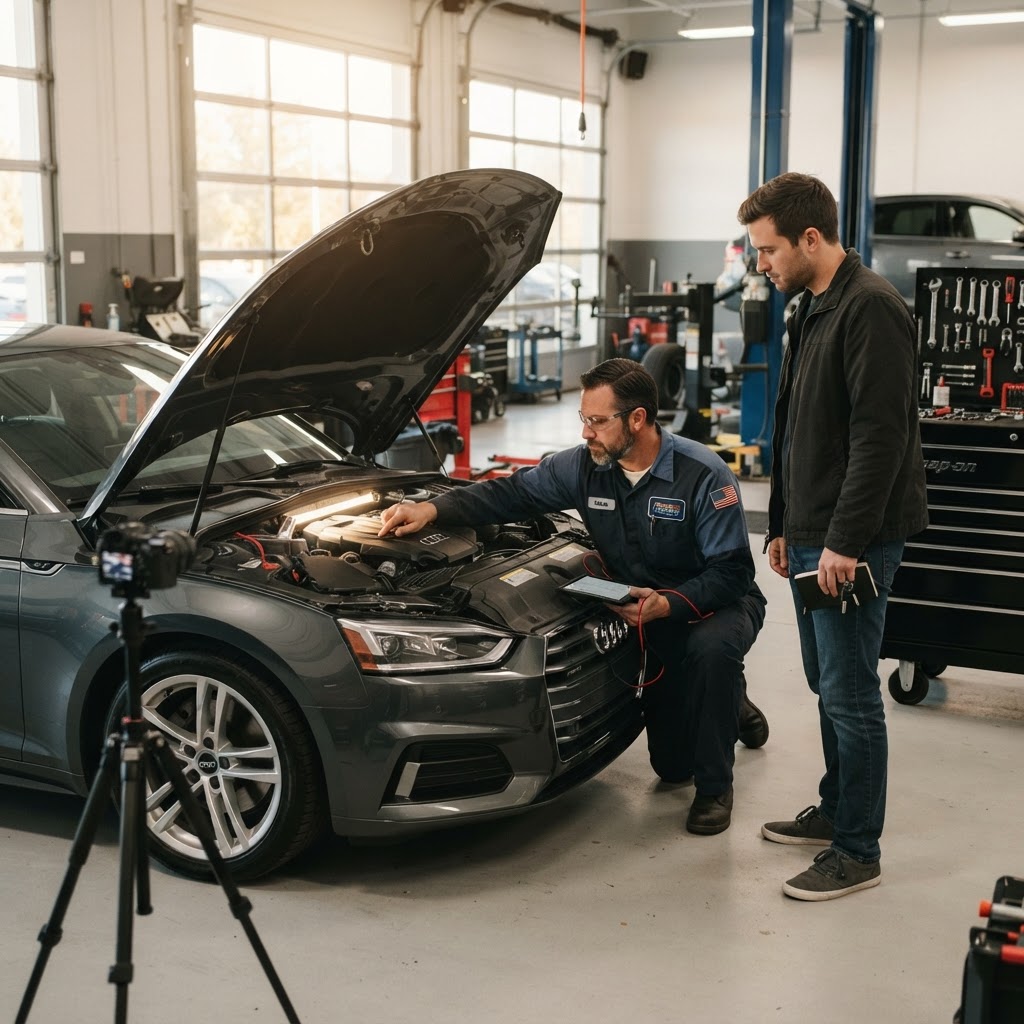
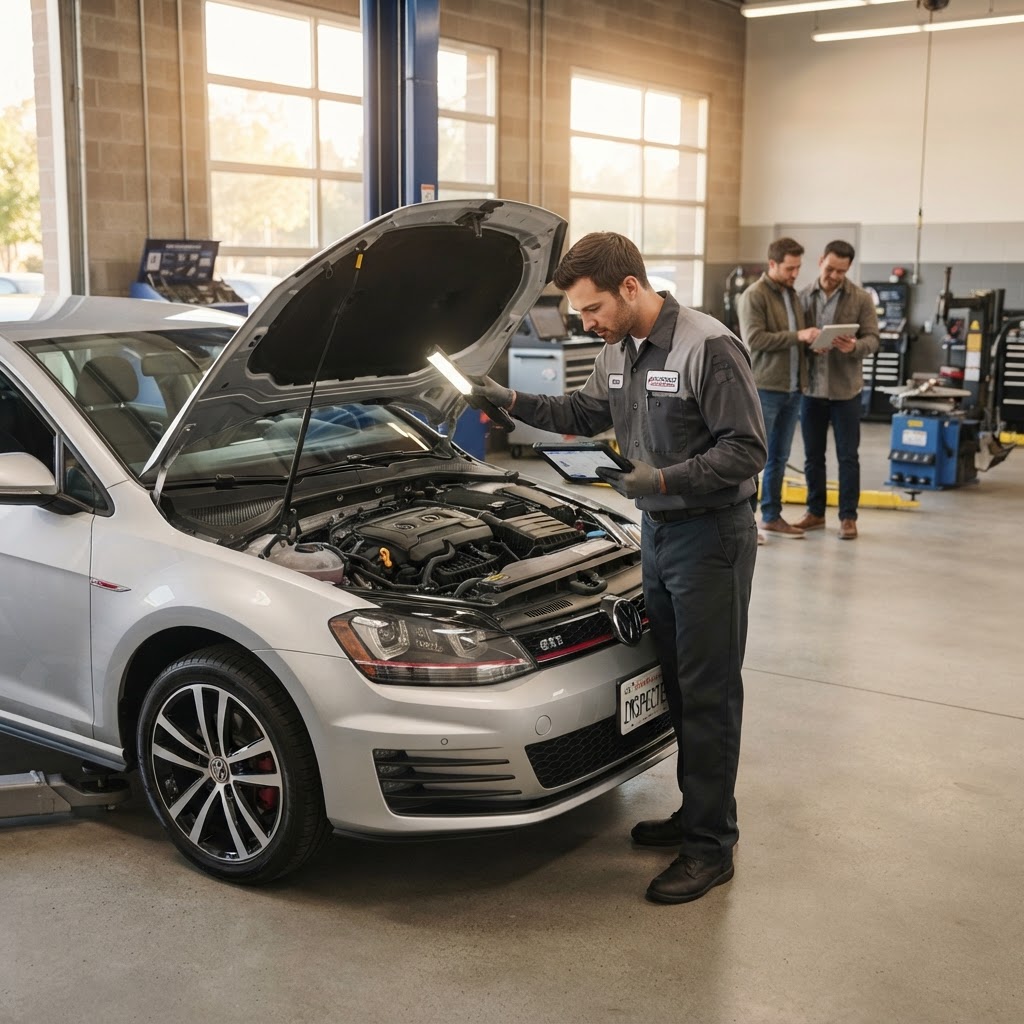
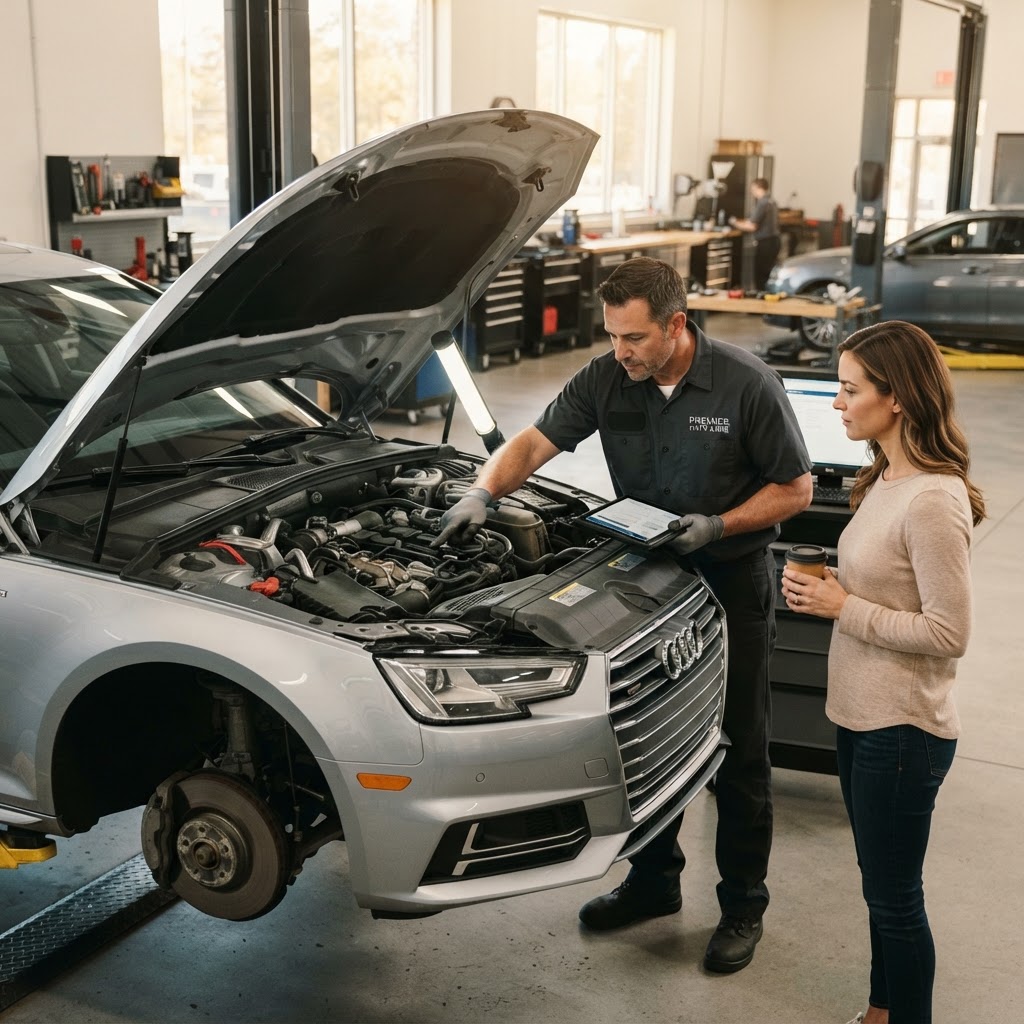
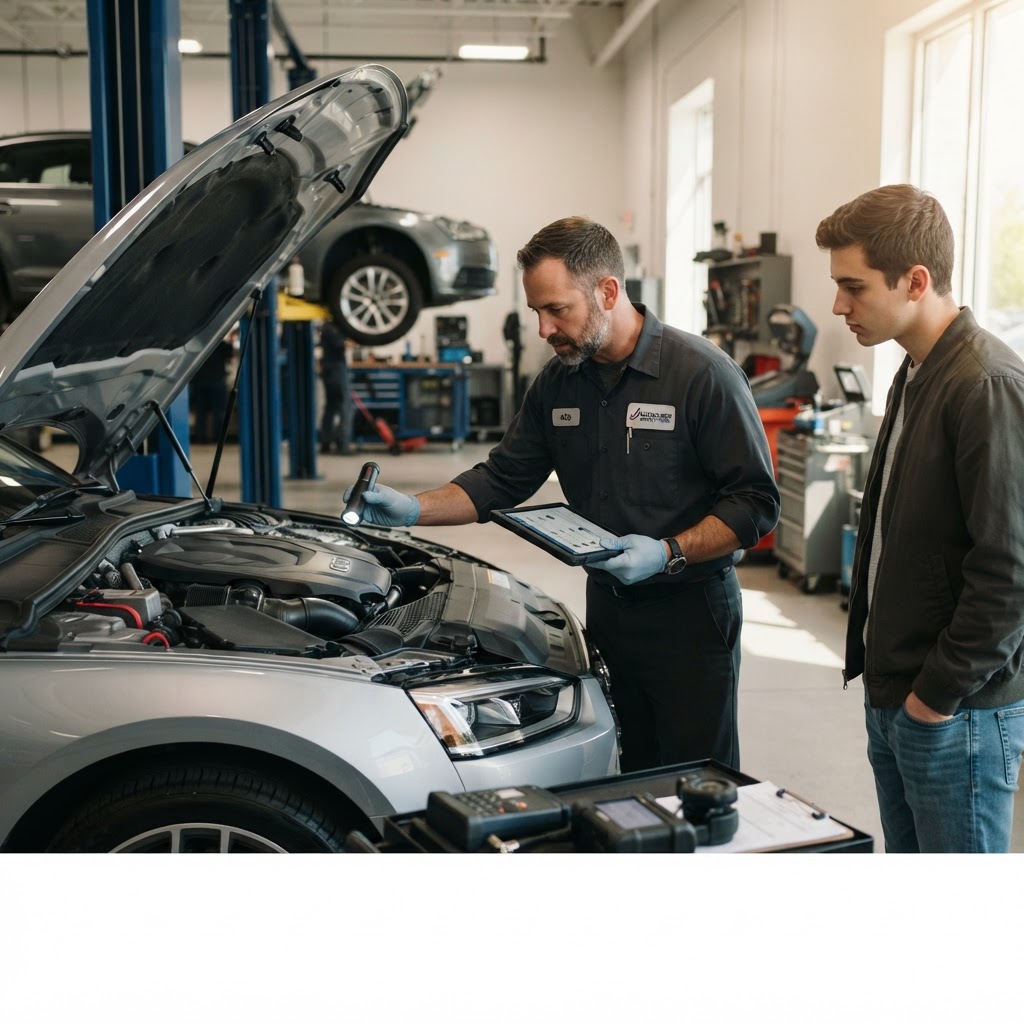
A car appraisal is not always the same as a full mechanical teardown, but it usually includes visible and functional observations about operating condition. The appraiser may check startup behavior, idle quality, warning lights, battery condition indicators, fluid appearance, steering feel, brake response, transmission operation, and basic engine bay observations.
The exact depth depends on the appraisal type. A trade-in estimate may be narrower than a pre-purchase inspection report. A dealership intake process may emphasize repeatable condition grading, while a private buyer may want a more detailed road-test-based assessment.
That difference is worth understanding. Some appraisals are valuation-focused and some are condition-focused, and the strongest service models combine both. If the purpose is to support pricing with lower risk, the appraisal should clearly separate observed issues from assumptions and note where additional diagnostics may be needed.
Signs of damage, repair, or prior incidents
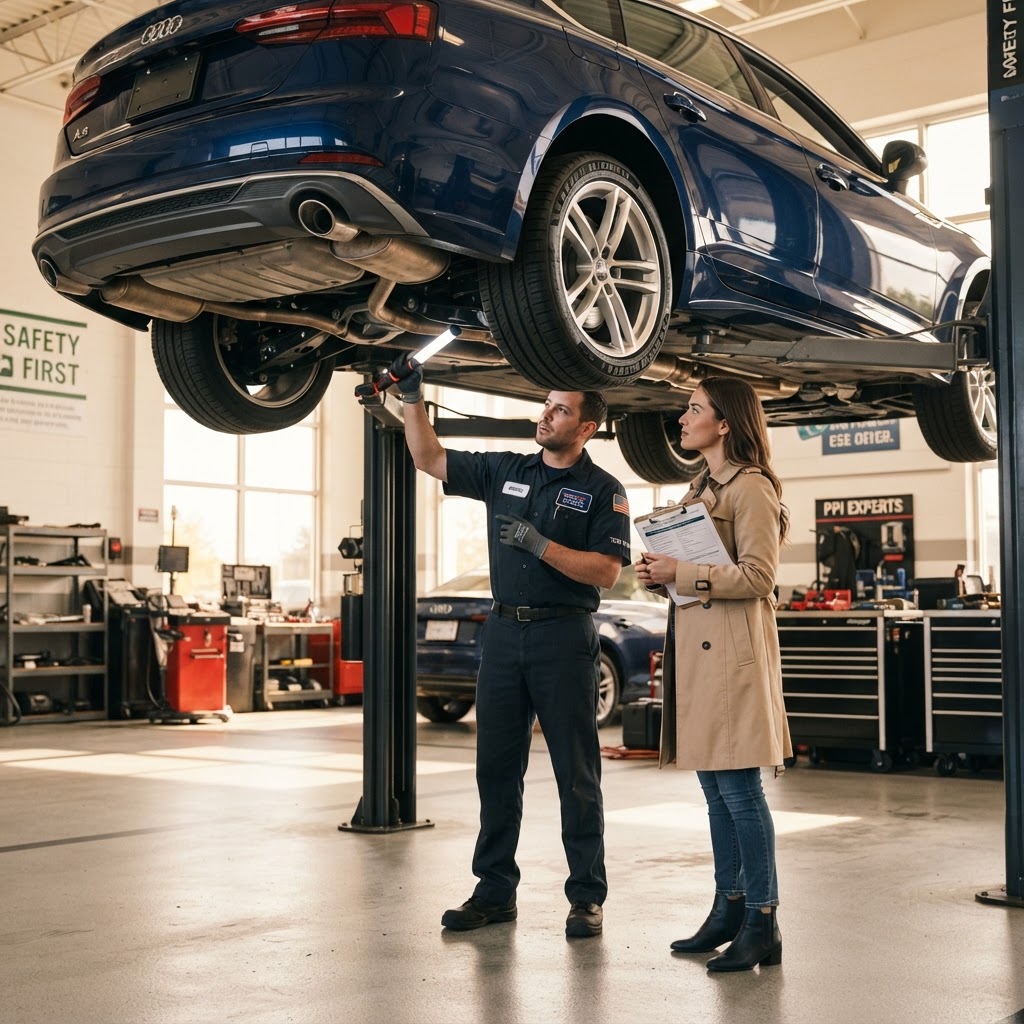
A major part of appraisal work is identifying evidence of previous damage or repairs. This includes paint meter variation when available, replaced panels, weld marks, underbody scrapes, corrosion, cracked components, or signs of flood exposure.
Not every repaired vehicle should be discounted the same way. A professionally repaired bumper scuff is very different from structural damage or water intrusion. The appraisal should reflect that nuance. Buyers, sellers, and dealers all benefit when the report distinguishes between minor cosmetic repair and conditions that raise larger safety, liability, or resale concerns.
Documentation helps here too. Service records, body shop invoices, and title history indicators can support or challenge what is seen during inspection. A well-documented repair may be easier for the market to accept than unexplained evidence of prior work.
Records, ownership history, and supporting documents
If available, a car appraisal often includes review of service records, title status, emissions documents, and ownership-related information. These items do not replace a physical inspection, but they provide context.
Consistent maintenance records can support value because they reduce uncertainty. A vehicle with documented oil changes, tire replacements, brake service, and scheduled maintenance usually presents lower ownership risk than one with no paper trail at all. The car may still have issues, but the record quality changes how confidently a buyer or dealer can evaluate it.
Title branding matters as well. Salvage, rebuilt, flood, or lemon-related records can affect insurability, financing, and market demand. Even when a vehicle appears presentable, those factors can materially change appraisal outcomes.
Market data and comparable vehicles
Condition alone does not determine value. Market position matters. That is why appraisals often include comparable listings, recent sale benchmarks, local demand, vehicle scarcity, seasonality, and buyer preferences.
For example, a four-wheel-drive truck in a cold-weather market may hold value differently than the same truck in an area where demand is softer. A hybrid with strong fuel economy may perform well in one pricing environment and level off in another. Convertibles, performance cars, and commercial vehicles can all show regional or seasonal swings.
This is where a process-driven appraisal adds real value. Instead of relying on a generic pricing tool, a documented appraisal ties the vehicle's actual condition to current market reality. That creates a more credible number for negotiation, resale planning, insurance support, or internal decision-making.
What a car appraisal may not include
It helps to know the limits as well. Not every appraisal includes paint meter testing, scan-tool diagnostics, compression testing, frame measurement, or an extended road test. Some do, some do not.
That is not a flaw if the scope is clearly defined. The problem starts when someone assumes an appraisal covered items that were never part of the service. If you need pricing support only, the scope may be narrower. If you need condition reporting before purchase, transport, arbitration, or dealership intake, the inspection should be aligned to that purpose.
This is why structured reporting matters. A clear appraisal should show what was inspected, what was observed, what could not be verified, and what may require follow-up. That level of documentation creates accountability and reduces misunderstandings later.
Why documentation changes the value of the appraisal
A verbal opinion can help start a conversation. A documented appraisal helps support a decision. That difference is especially important for remote buyers, multi-location dealers, fleet managers, and inspection partners who need consistency across vehicles and teams.
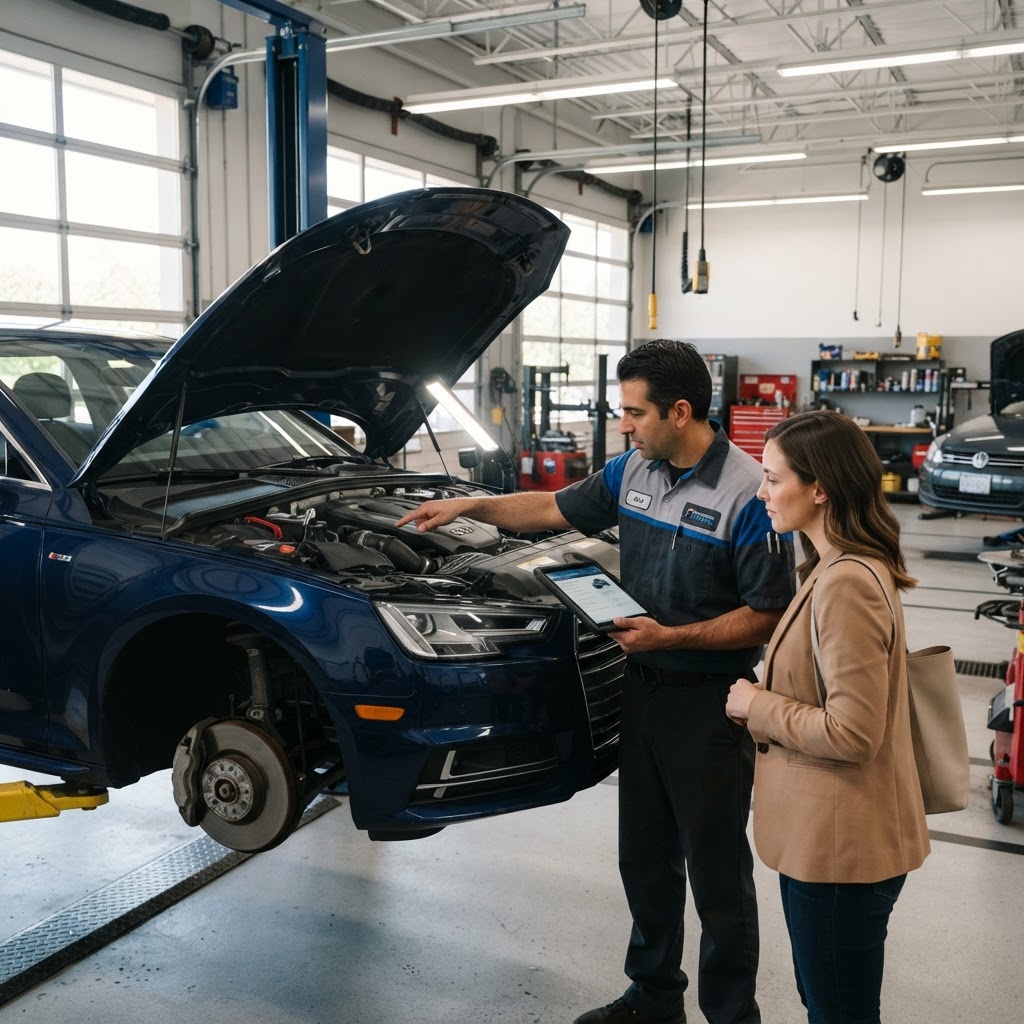
When the appraisal includes photos, condition notes, identified defects, and organized vehicle data, it becomes usable beyond the moment of inspection. It can be shared, reviewed, compared, and referenced during negotiation or approval workflows. That is where a structured platform and repeatable process make a measurable difference.
For many vehicle decisions, the question is not just what does a car appraisal include. The better question is whether the appraisal gives you enough verified detail to act with confidence. If the answer is yes, the report has done its job. If the answer is no, the number alone was never enough.
If you are arranging an appraisal, ask for clarity on scope before the appointment starts. The best appraisal is the one that matches the decision you need to make and leaves a clean record behind.