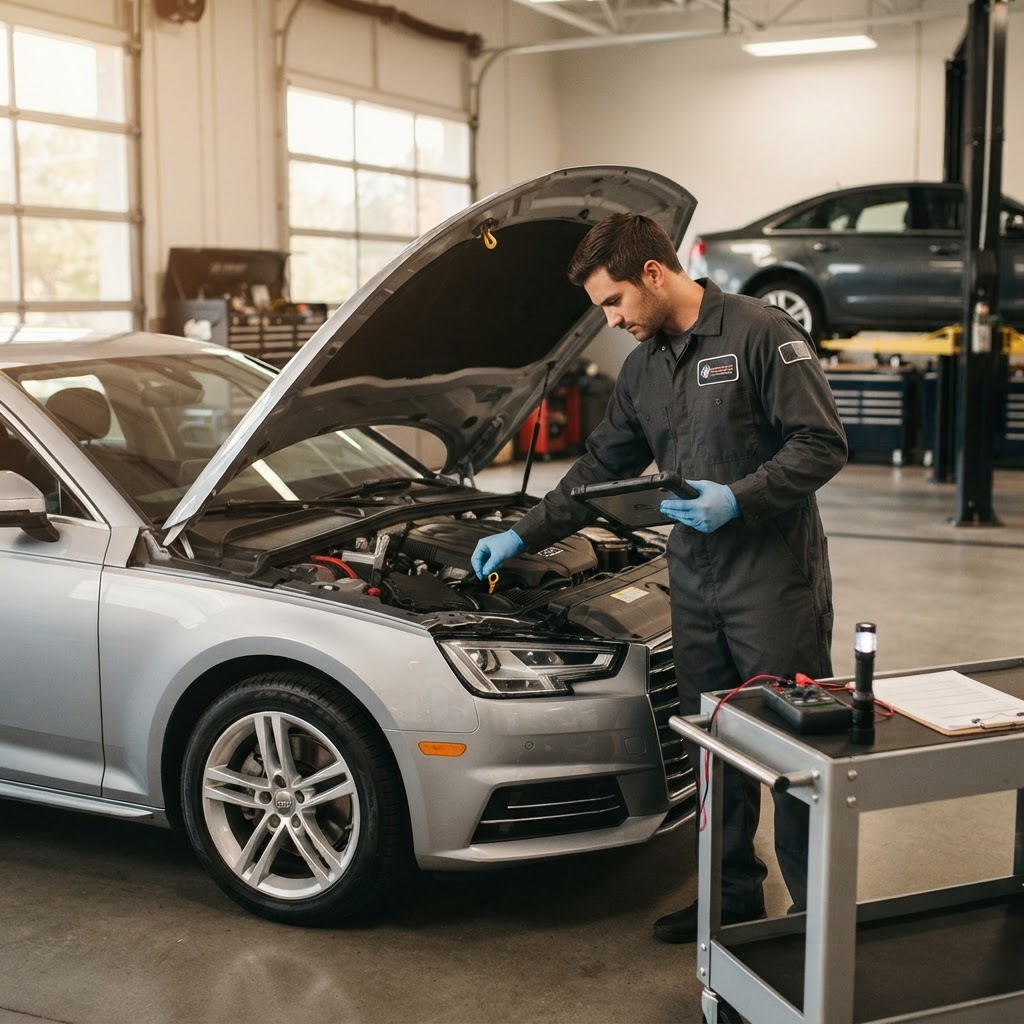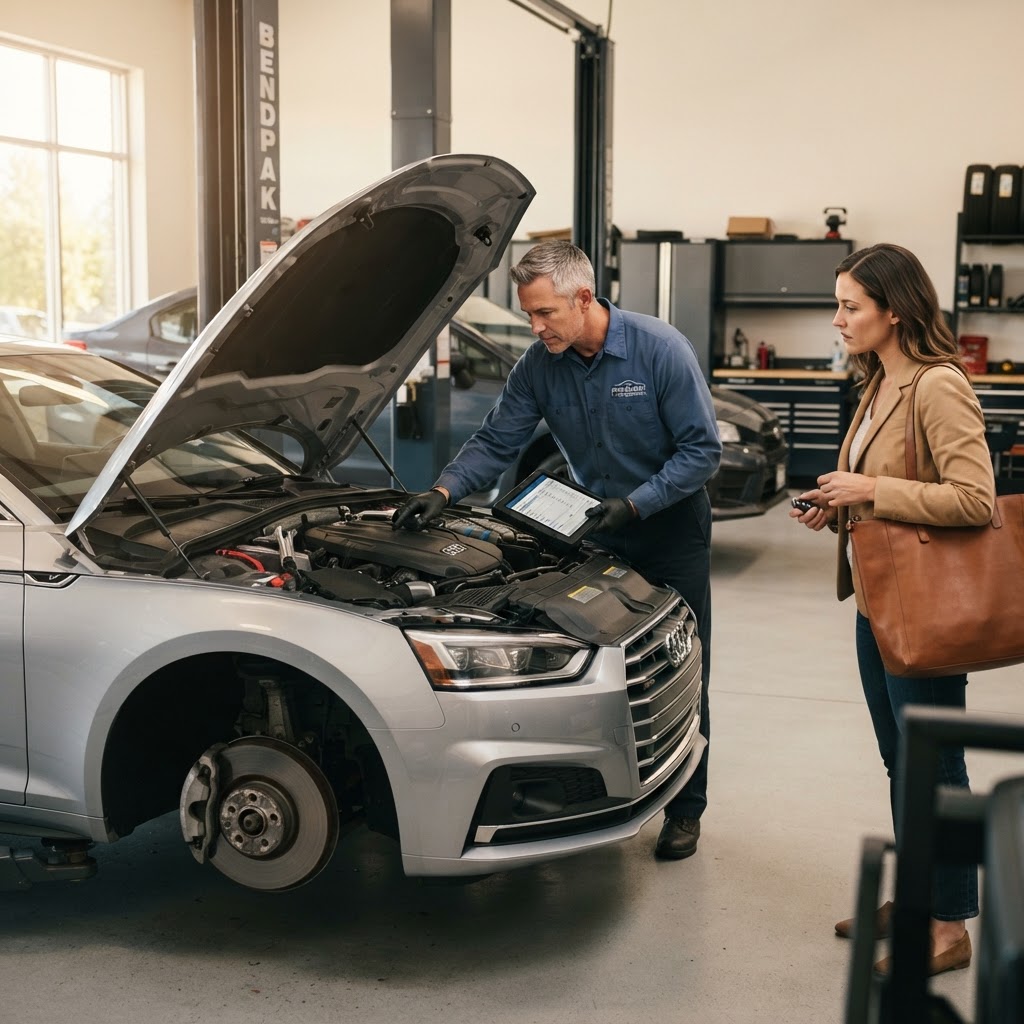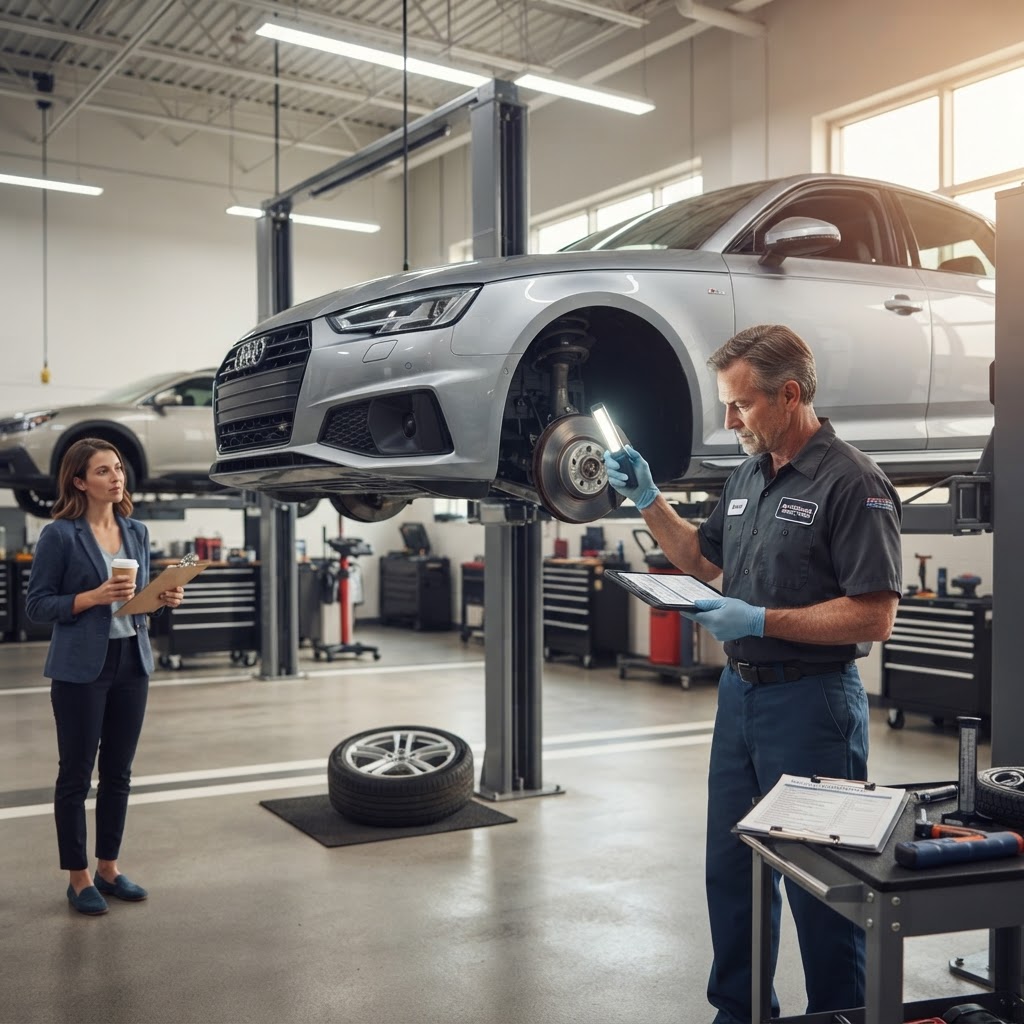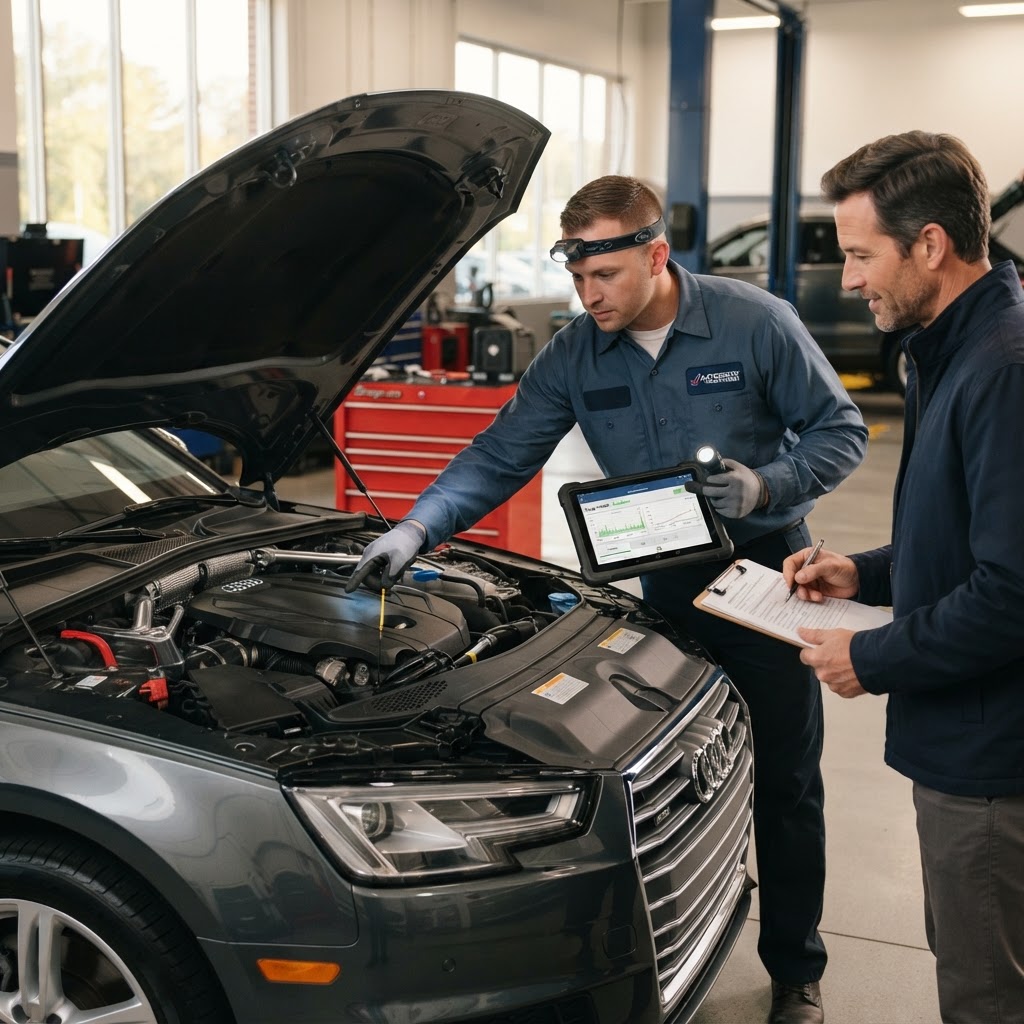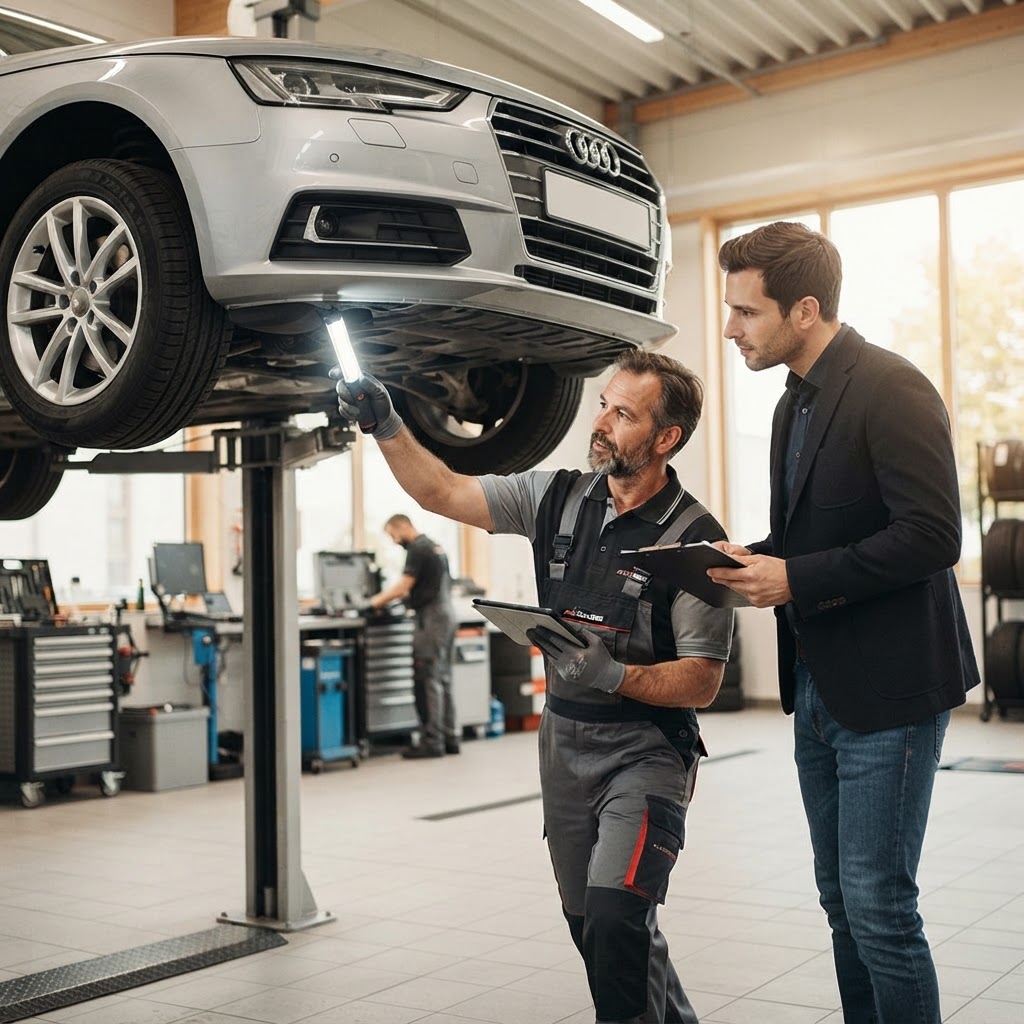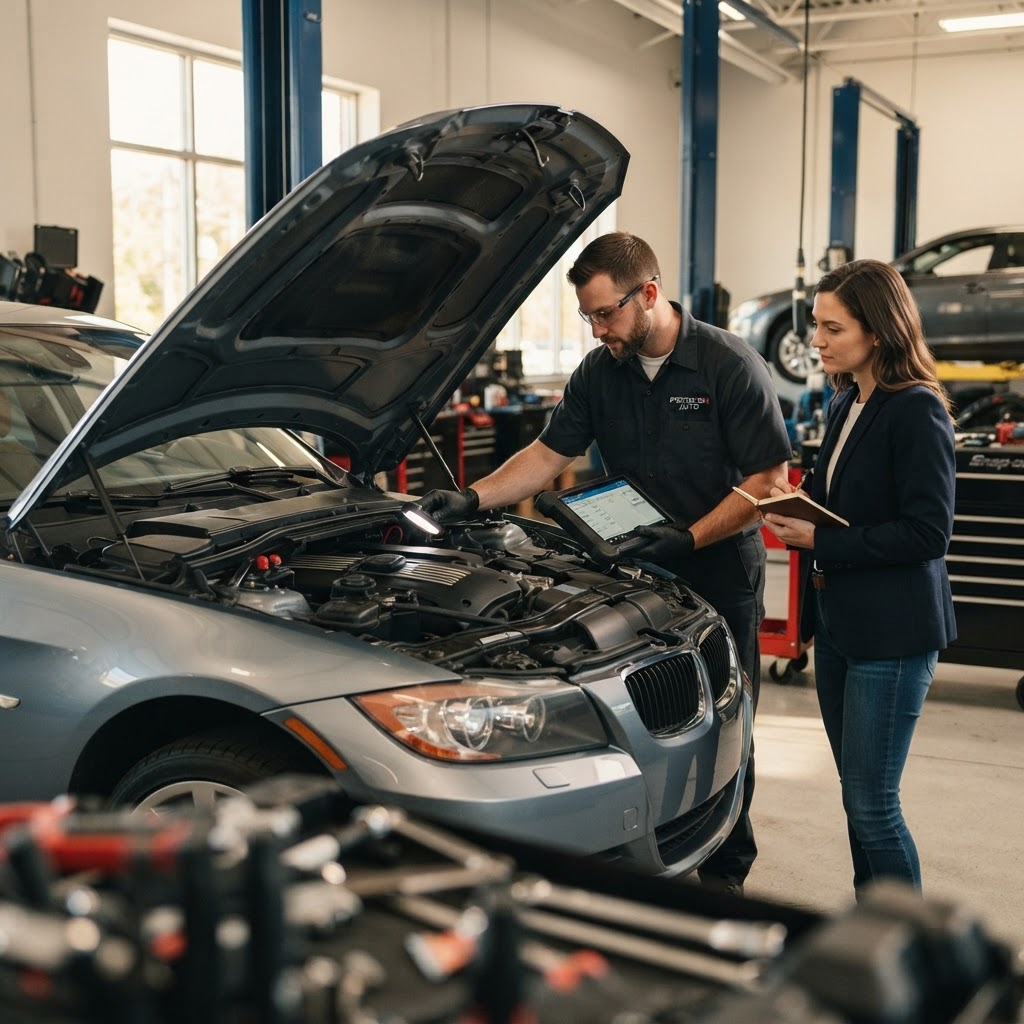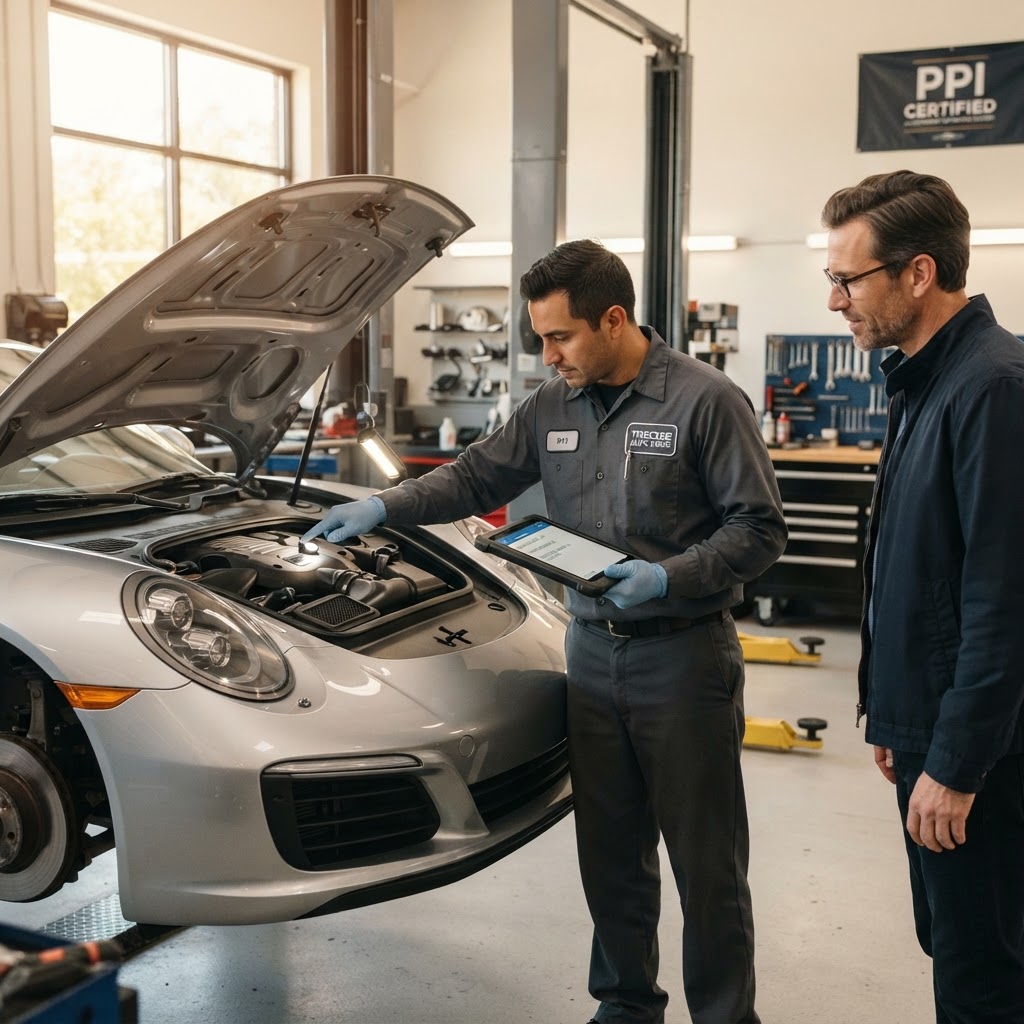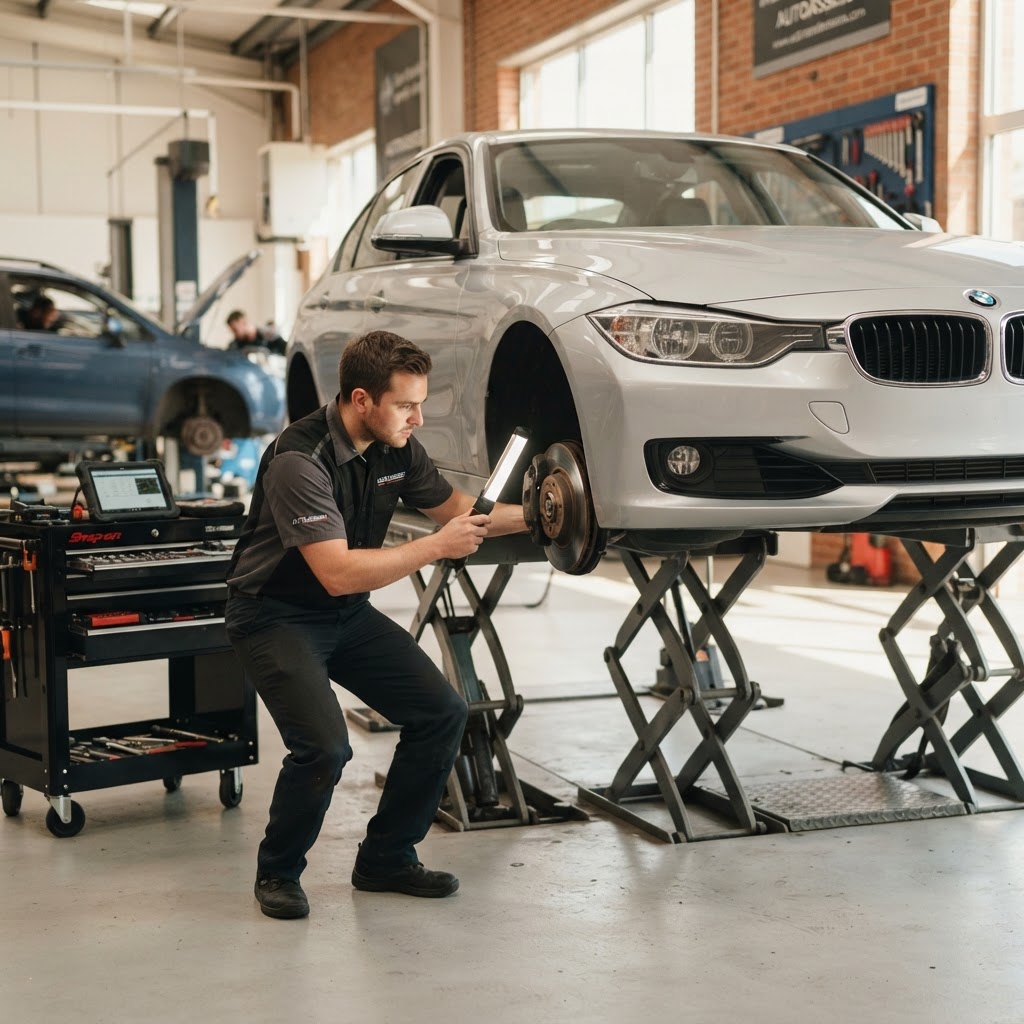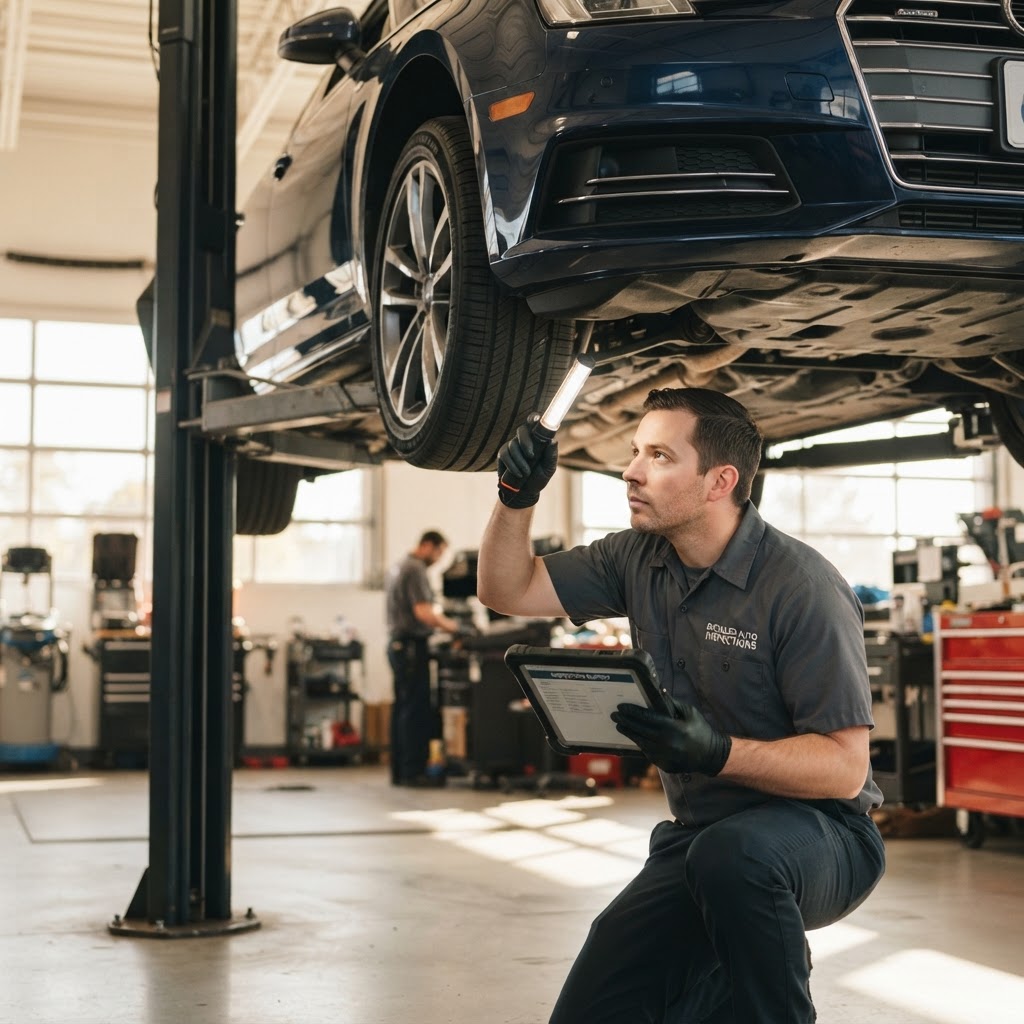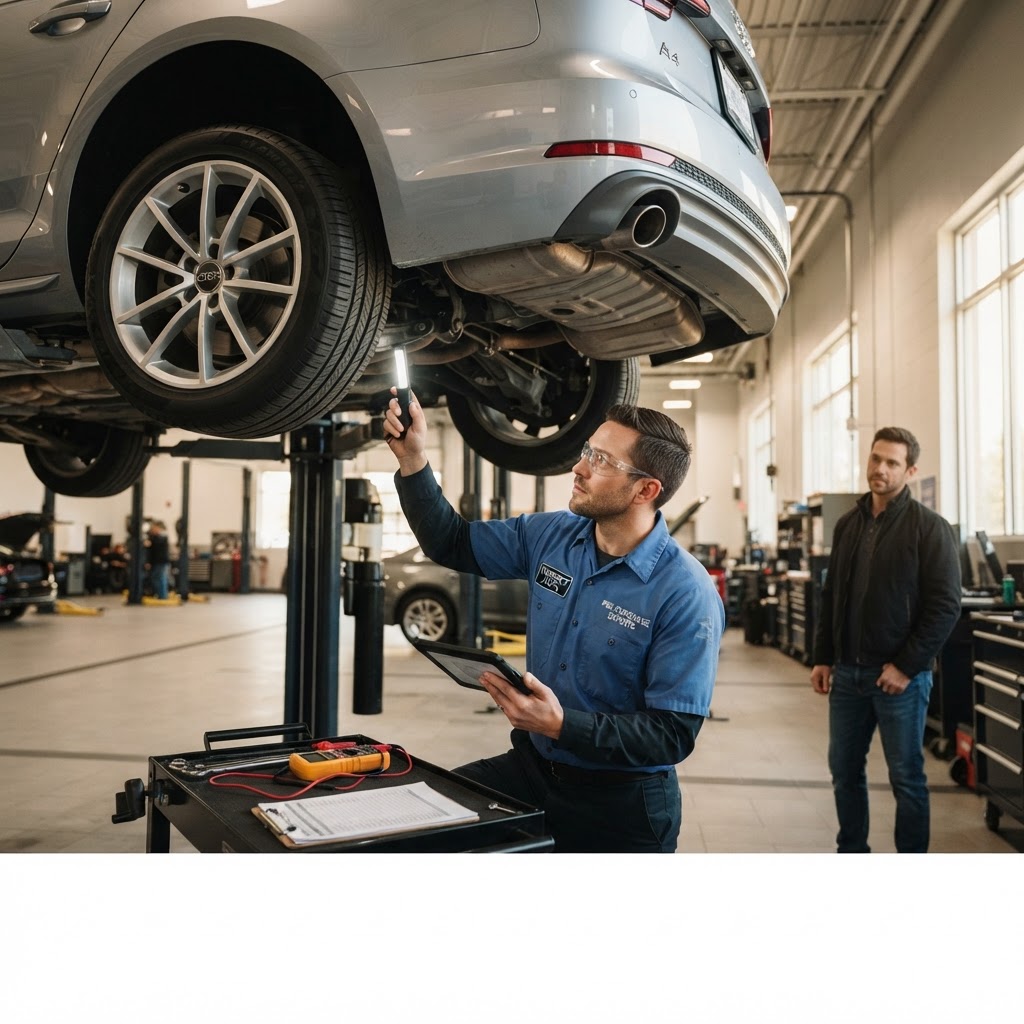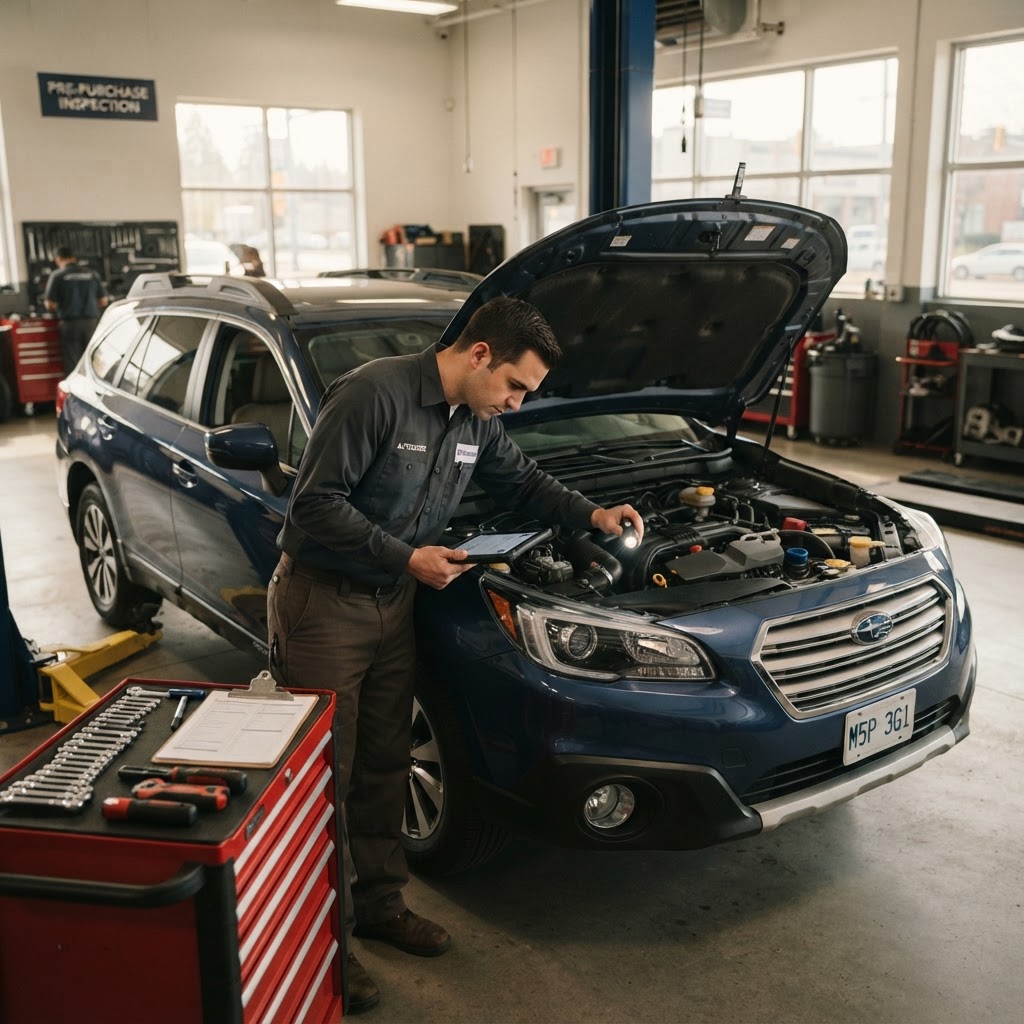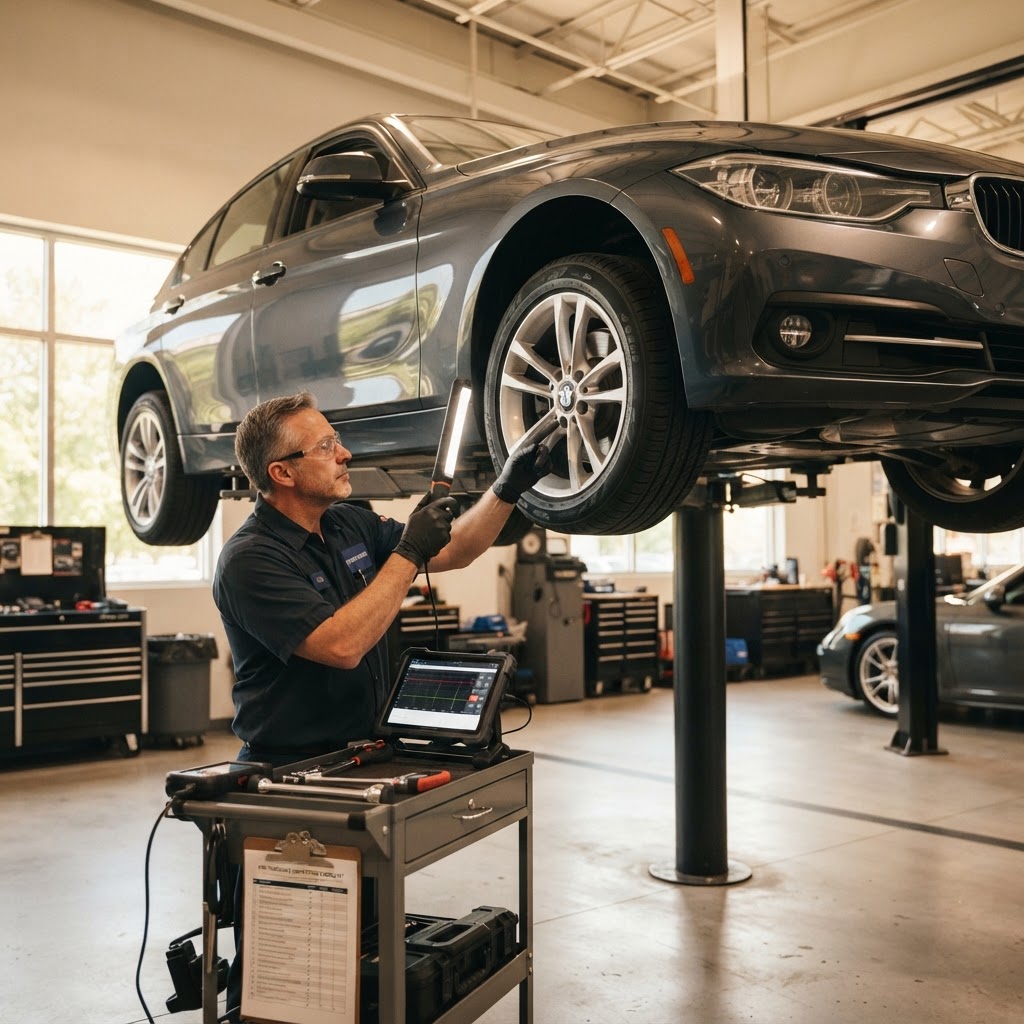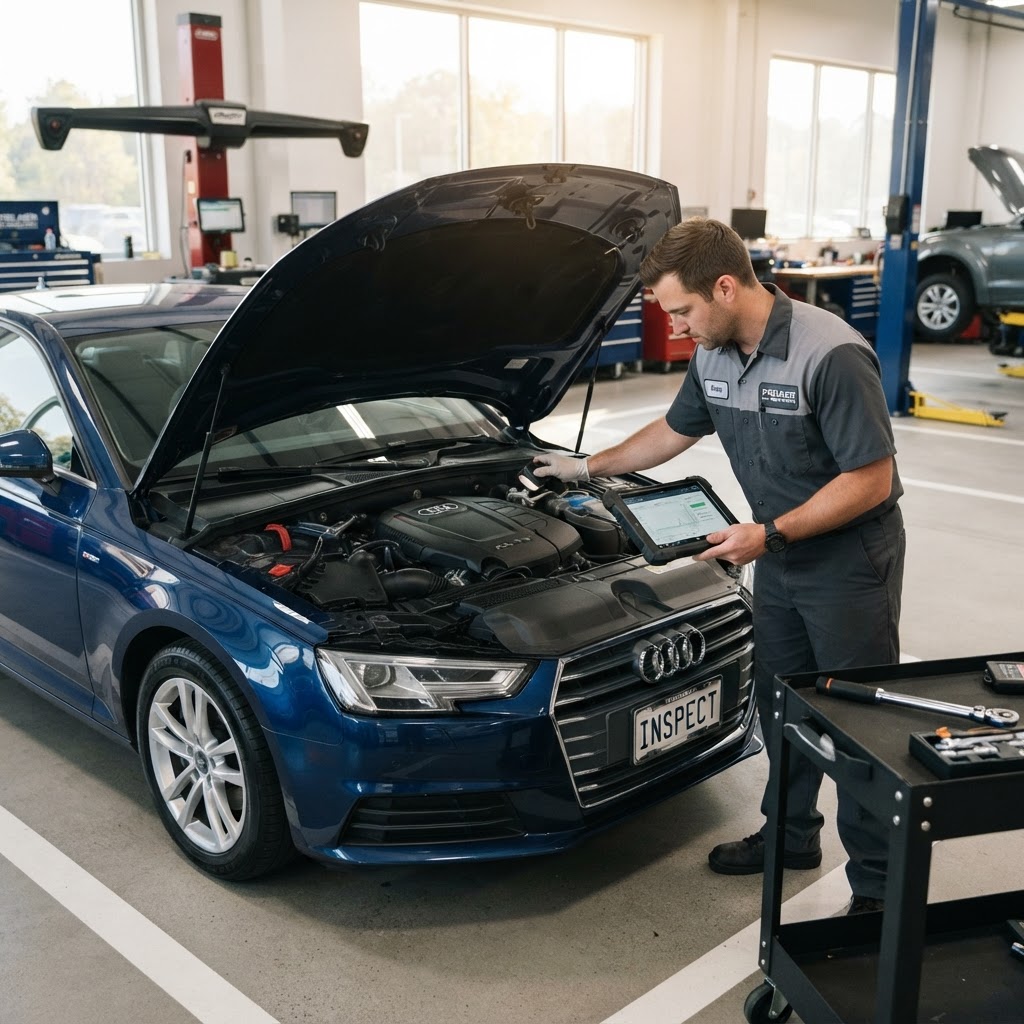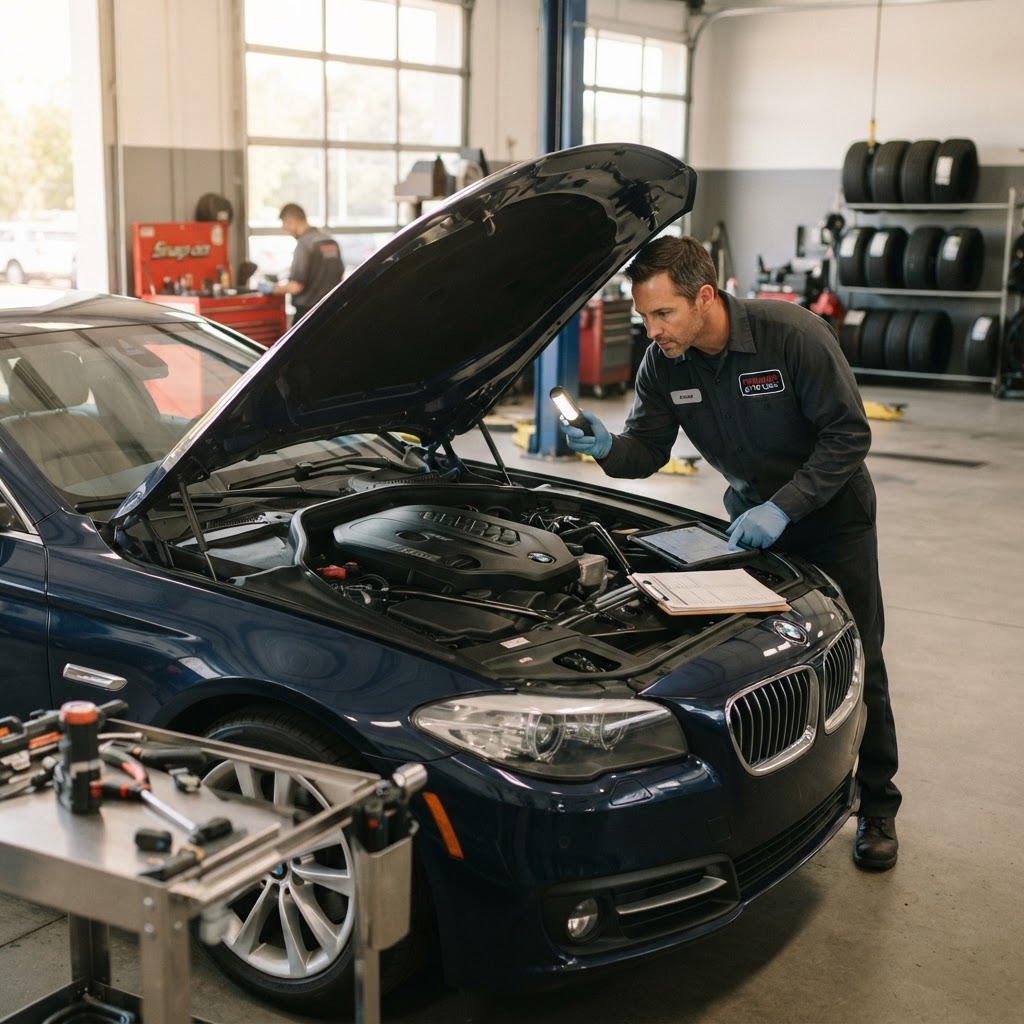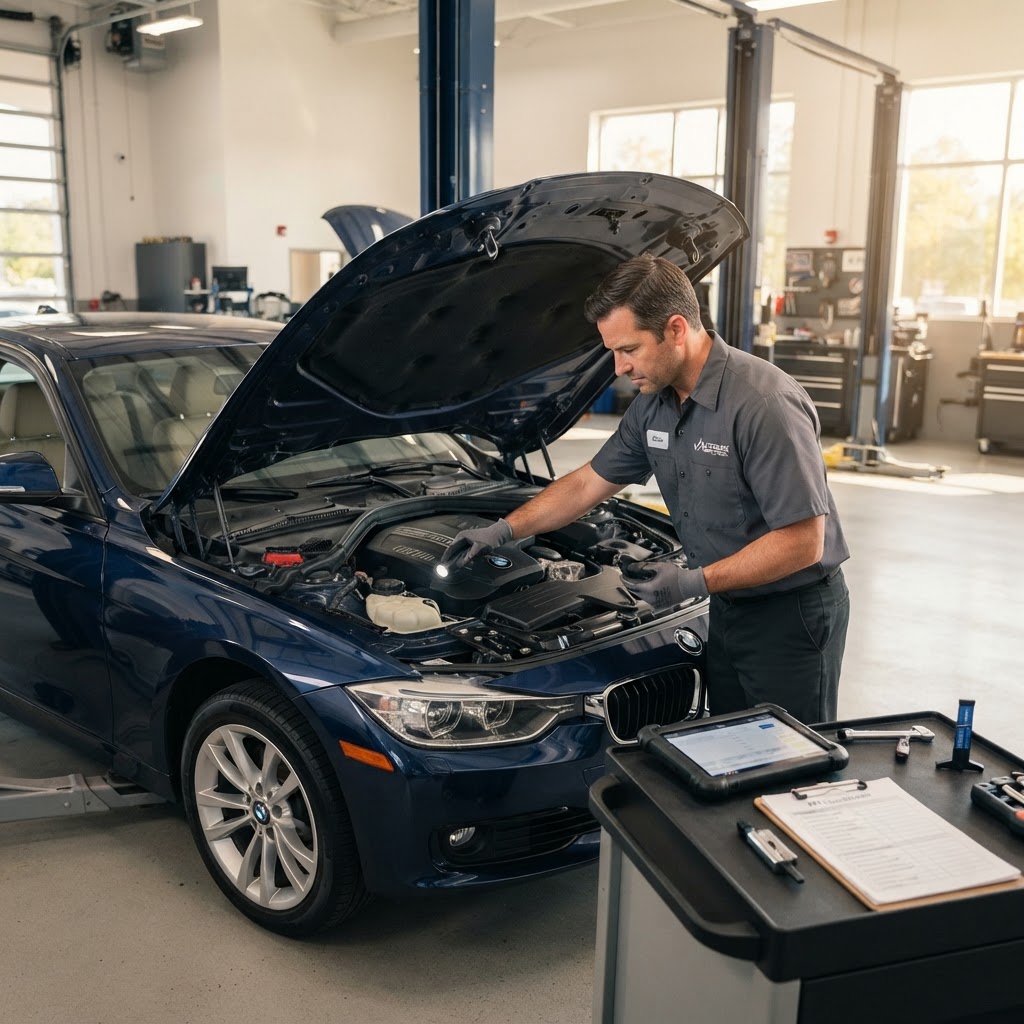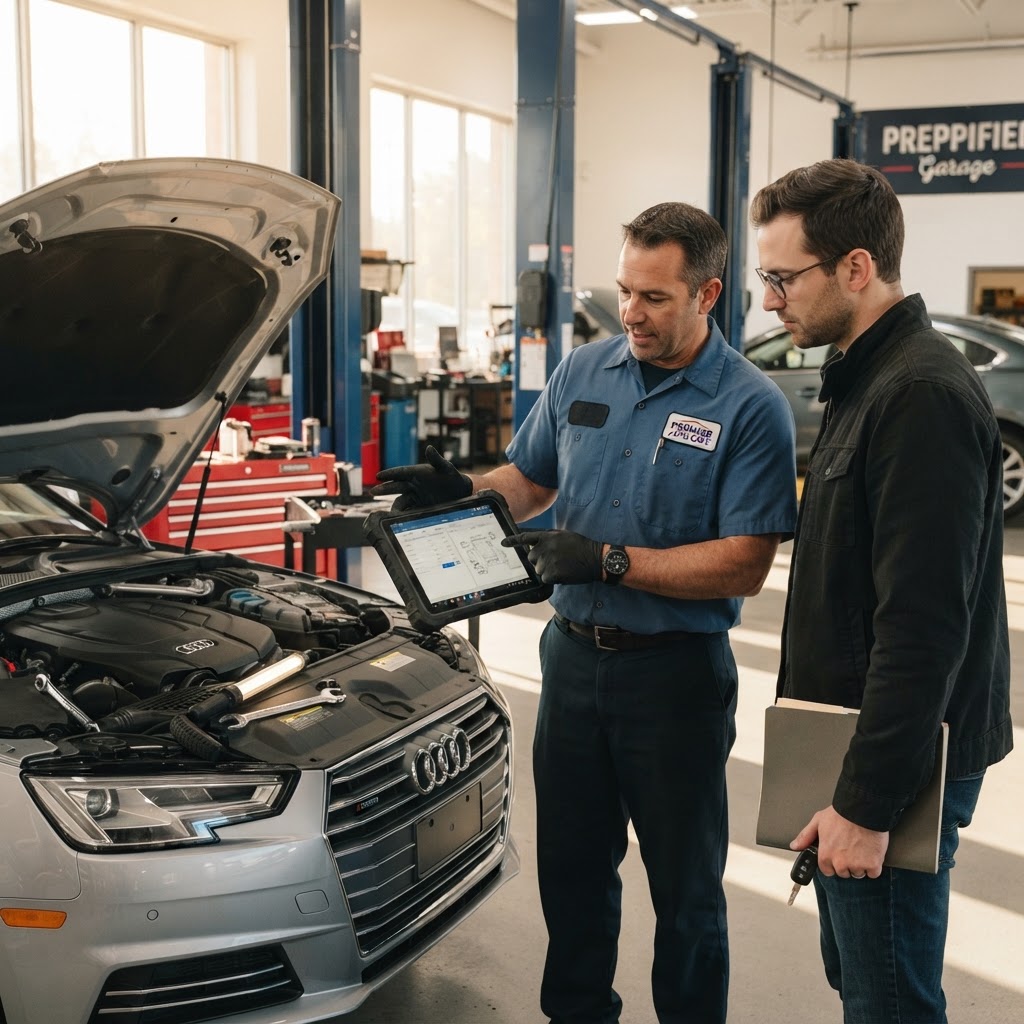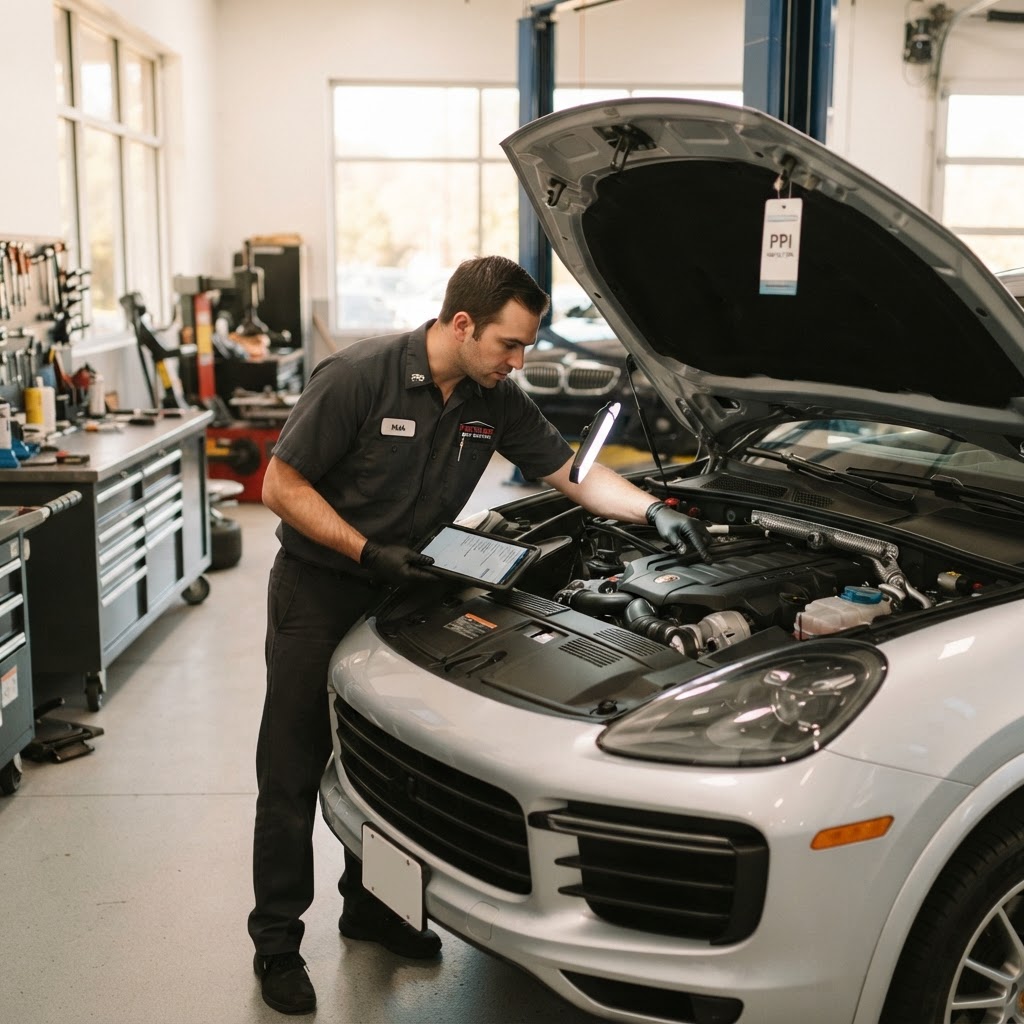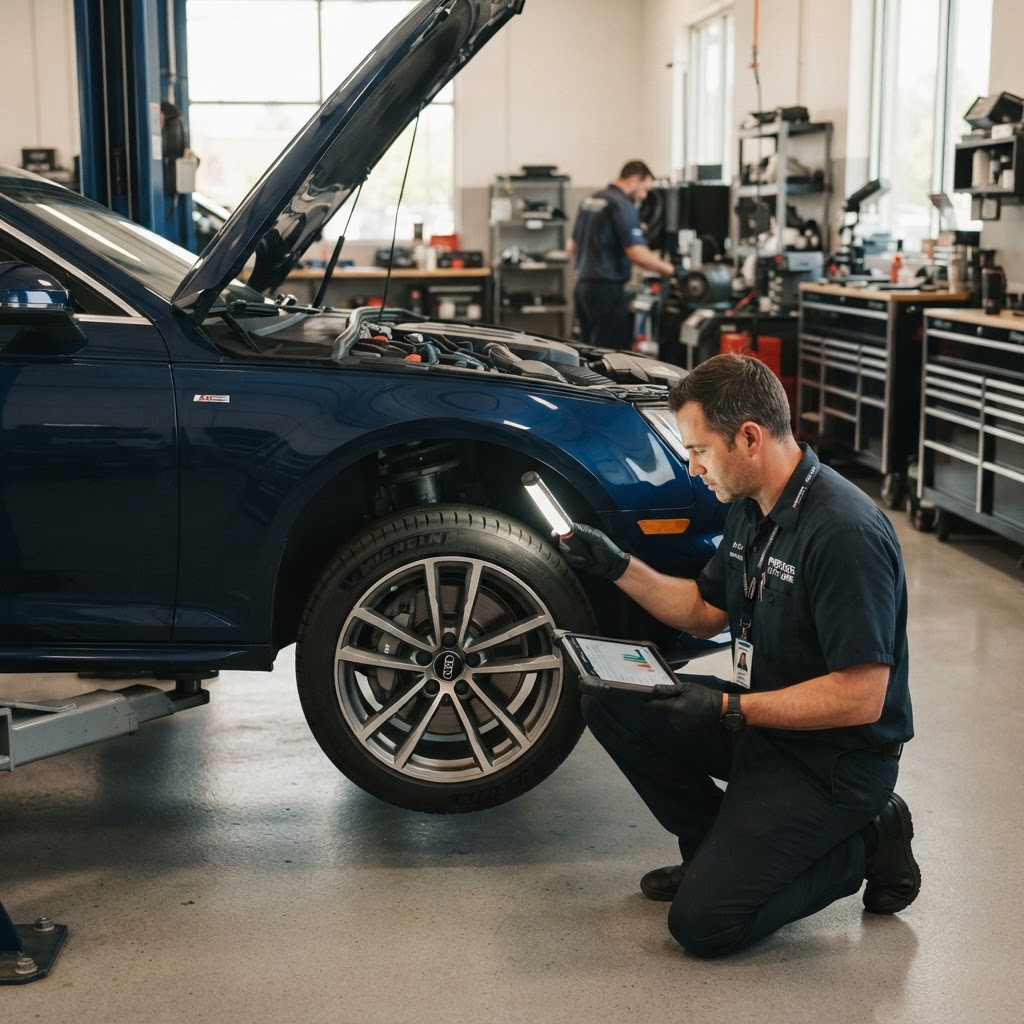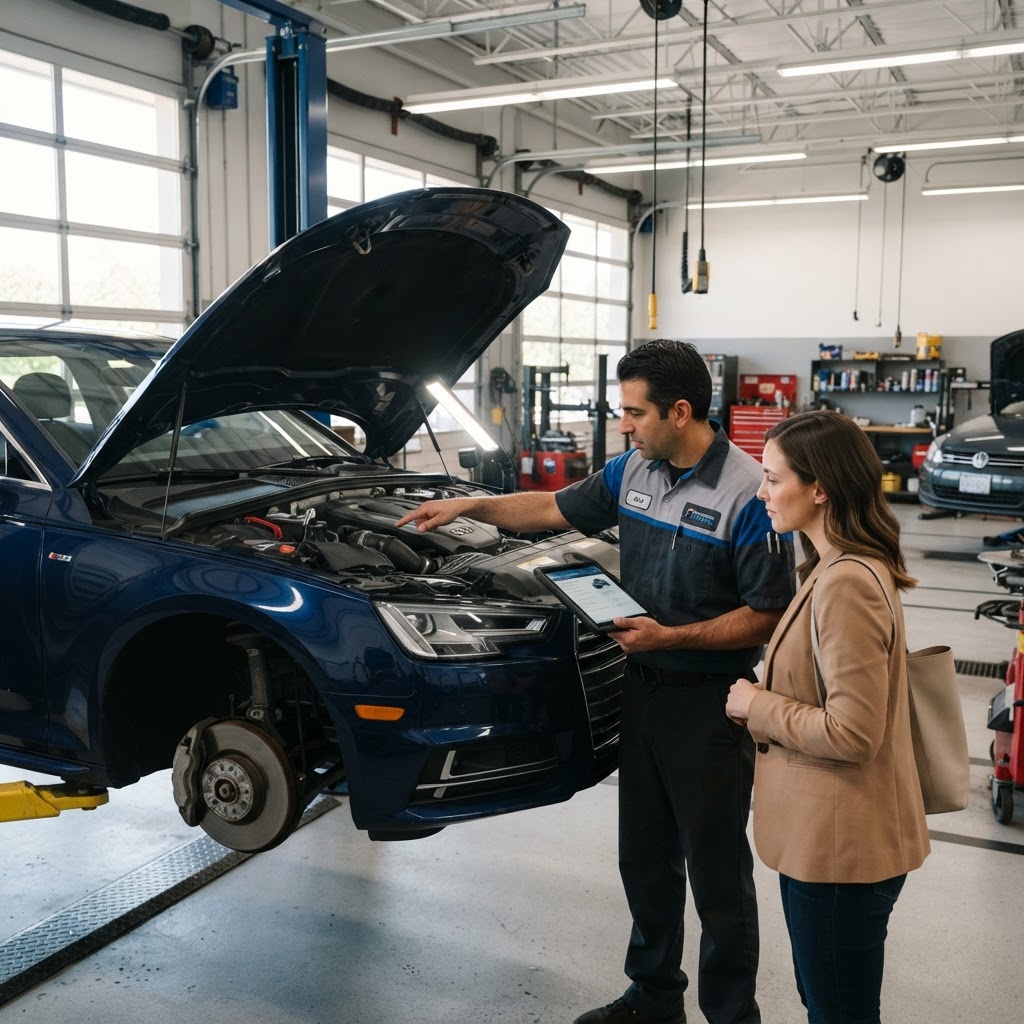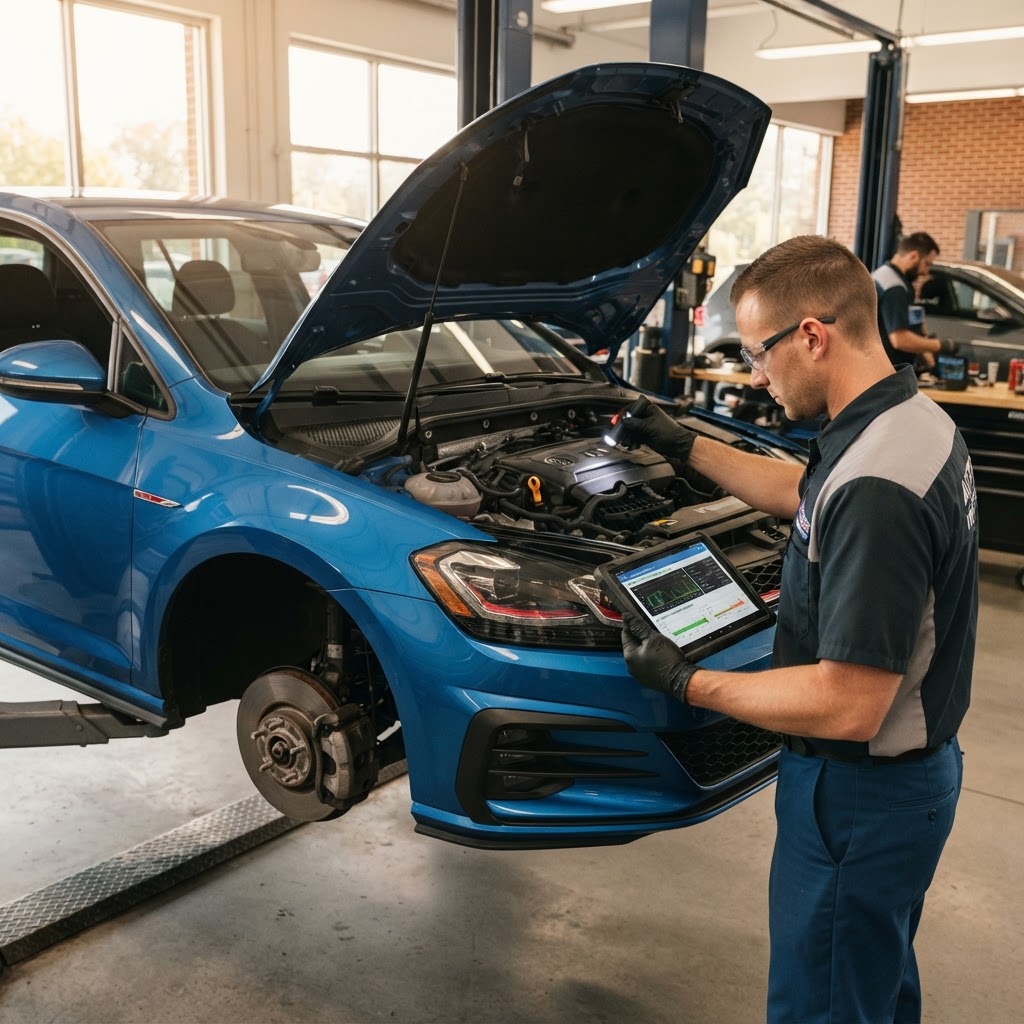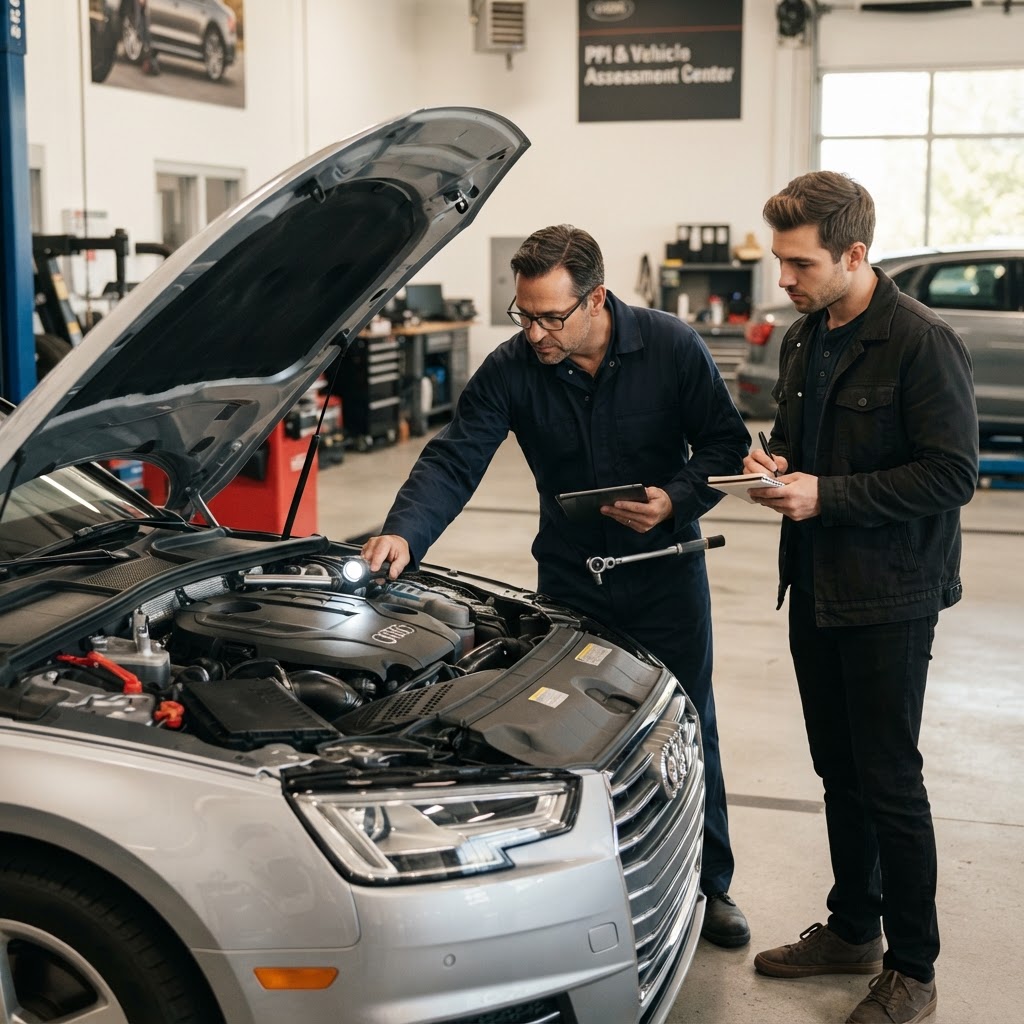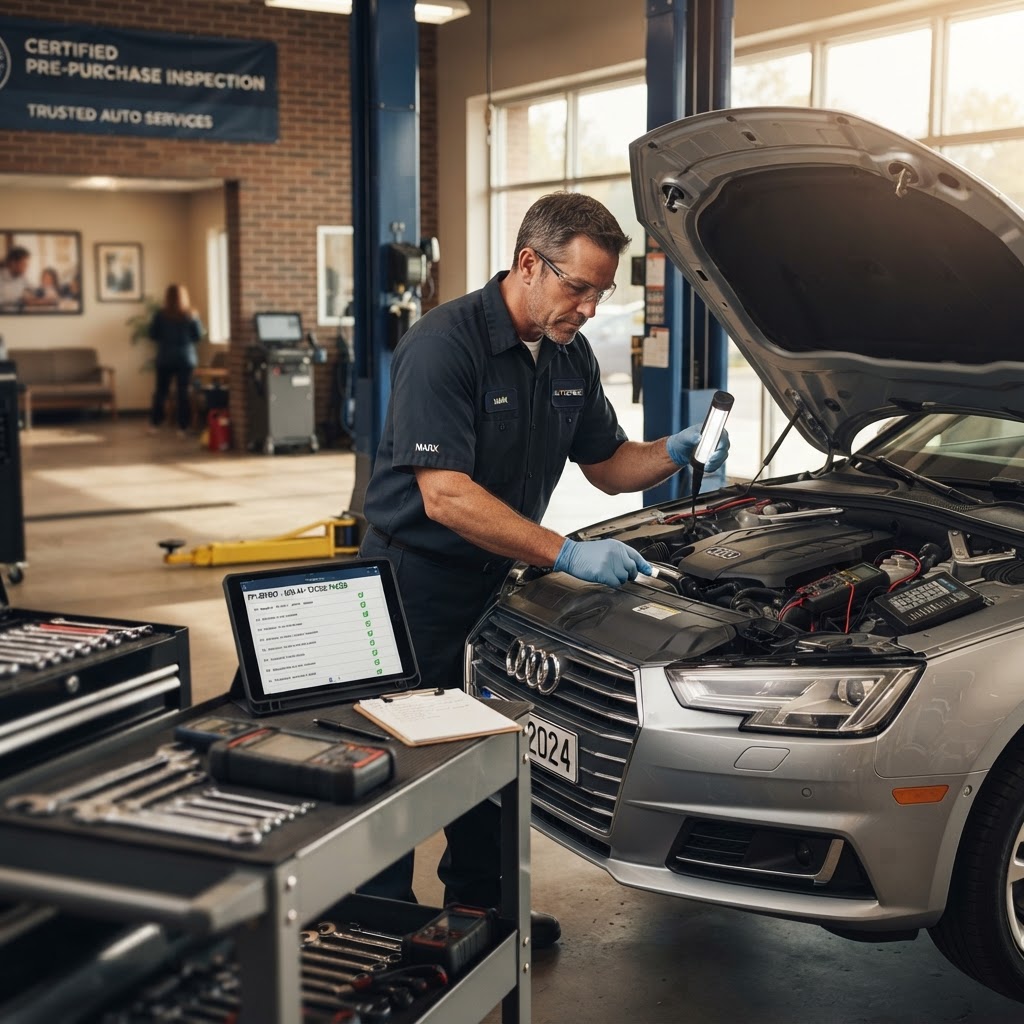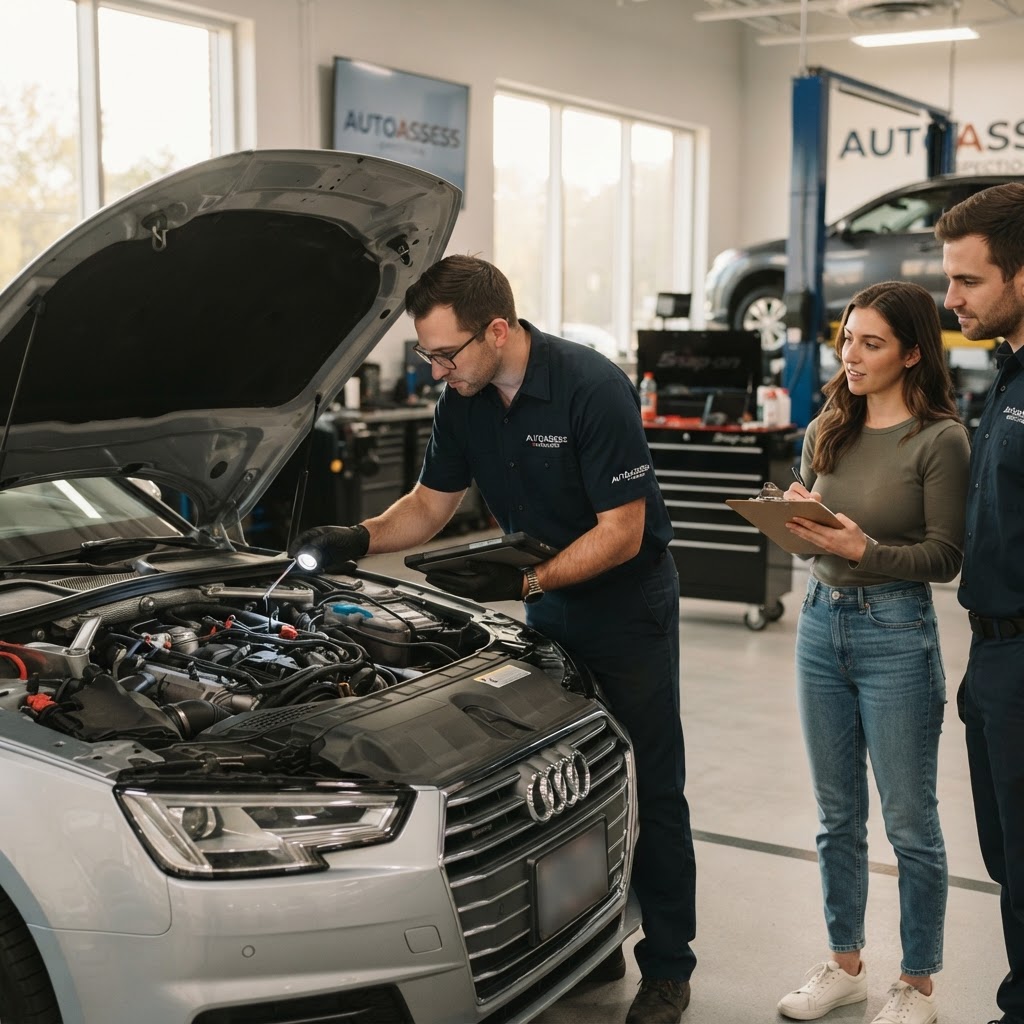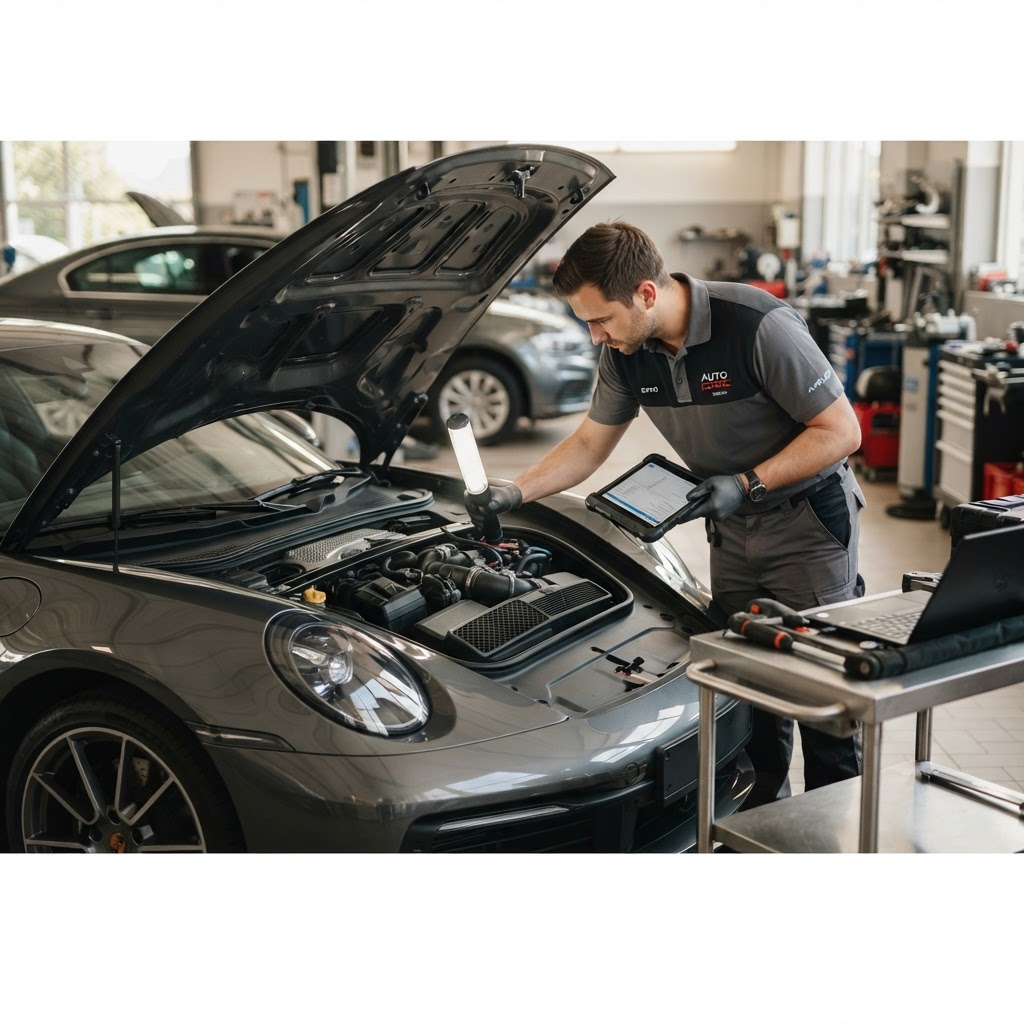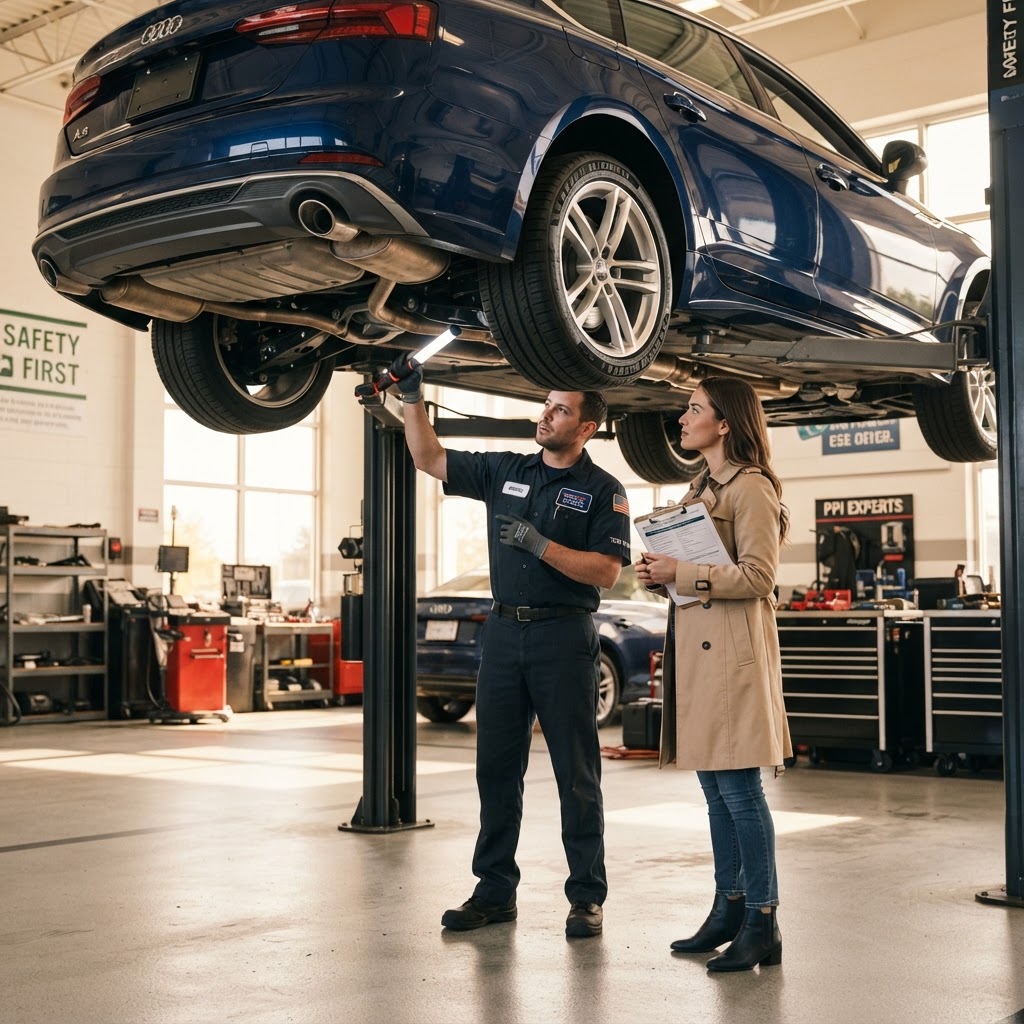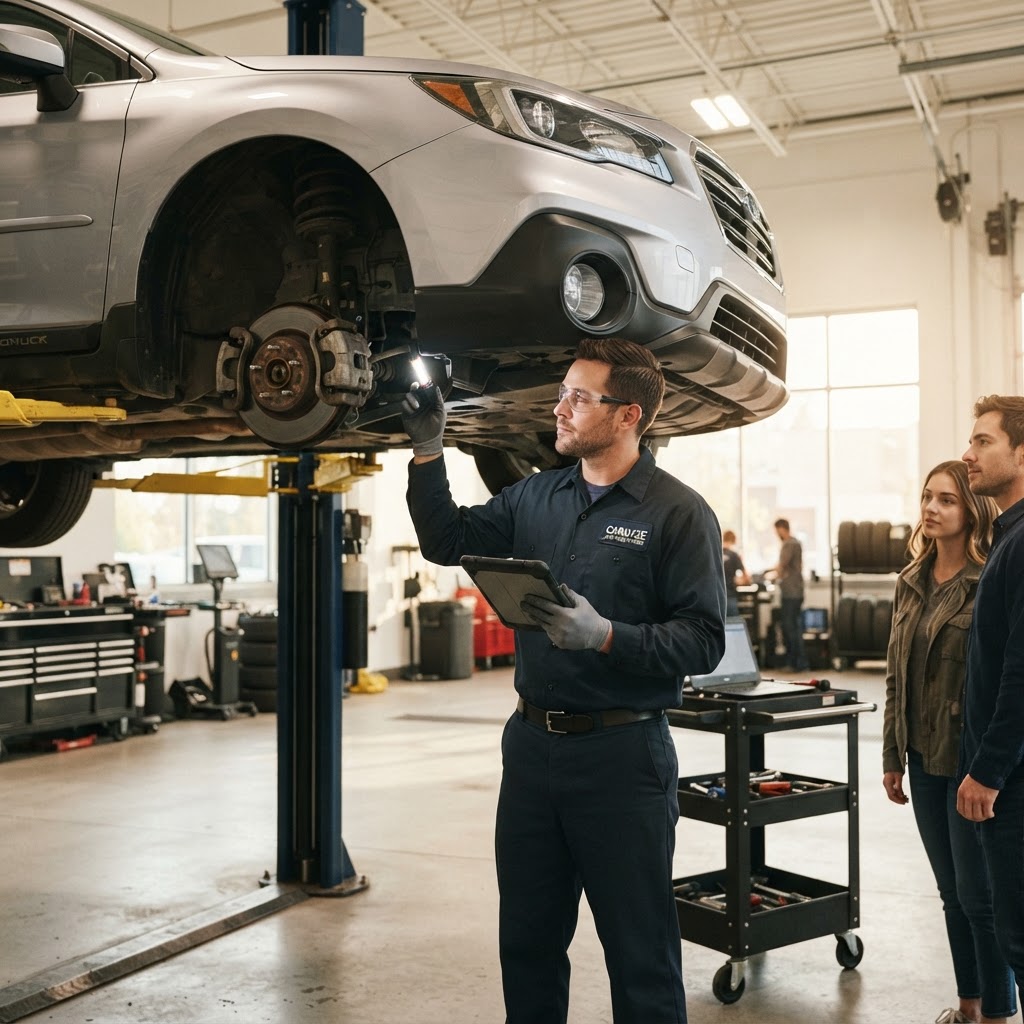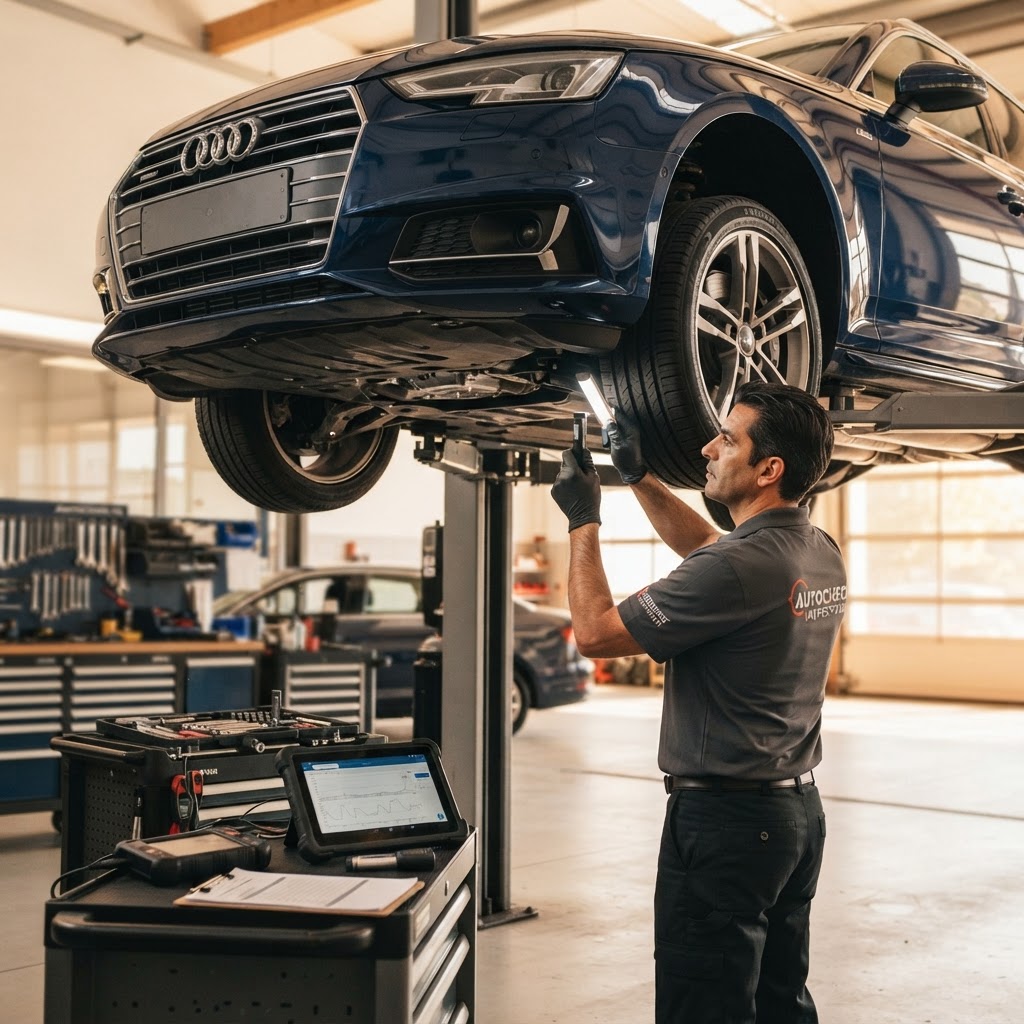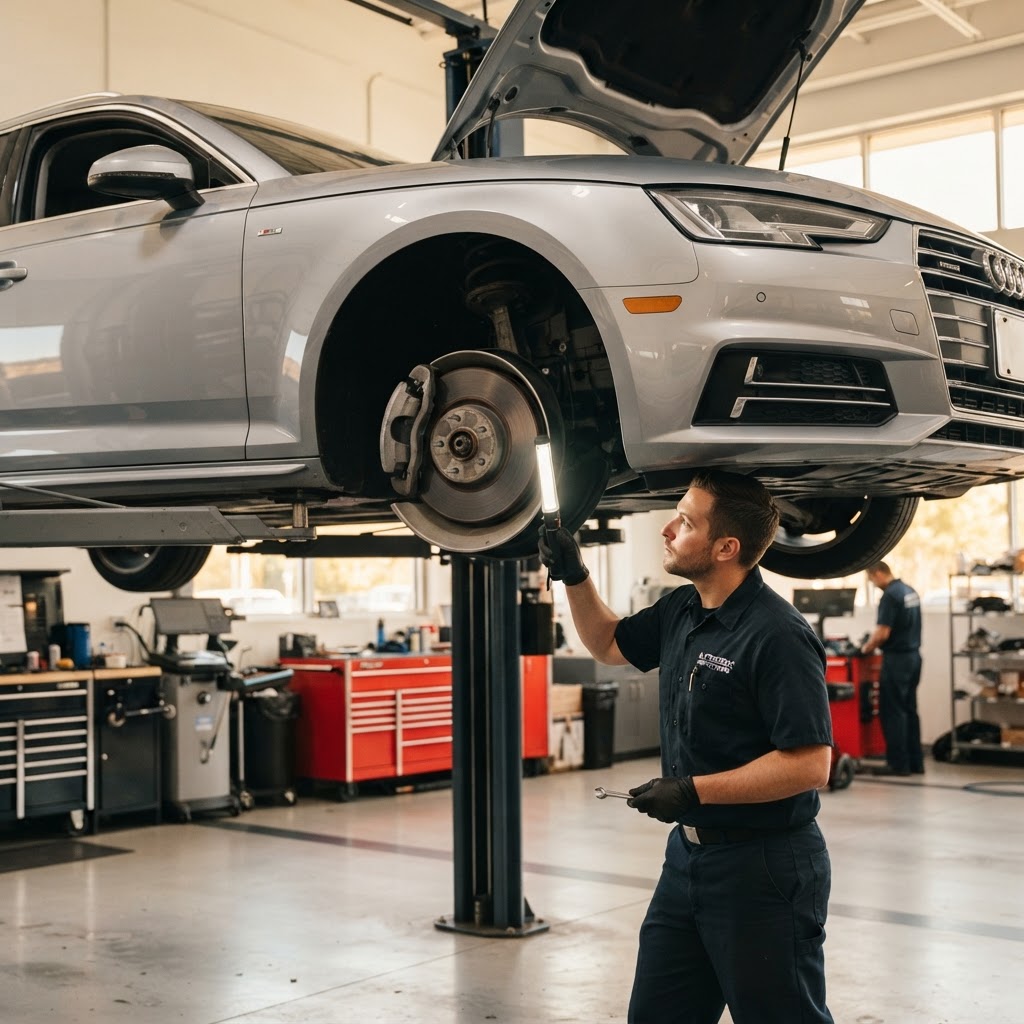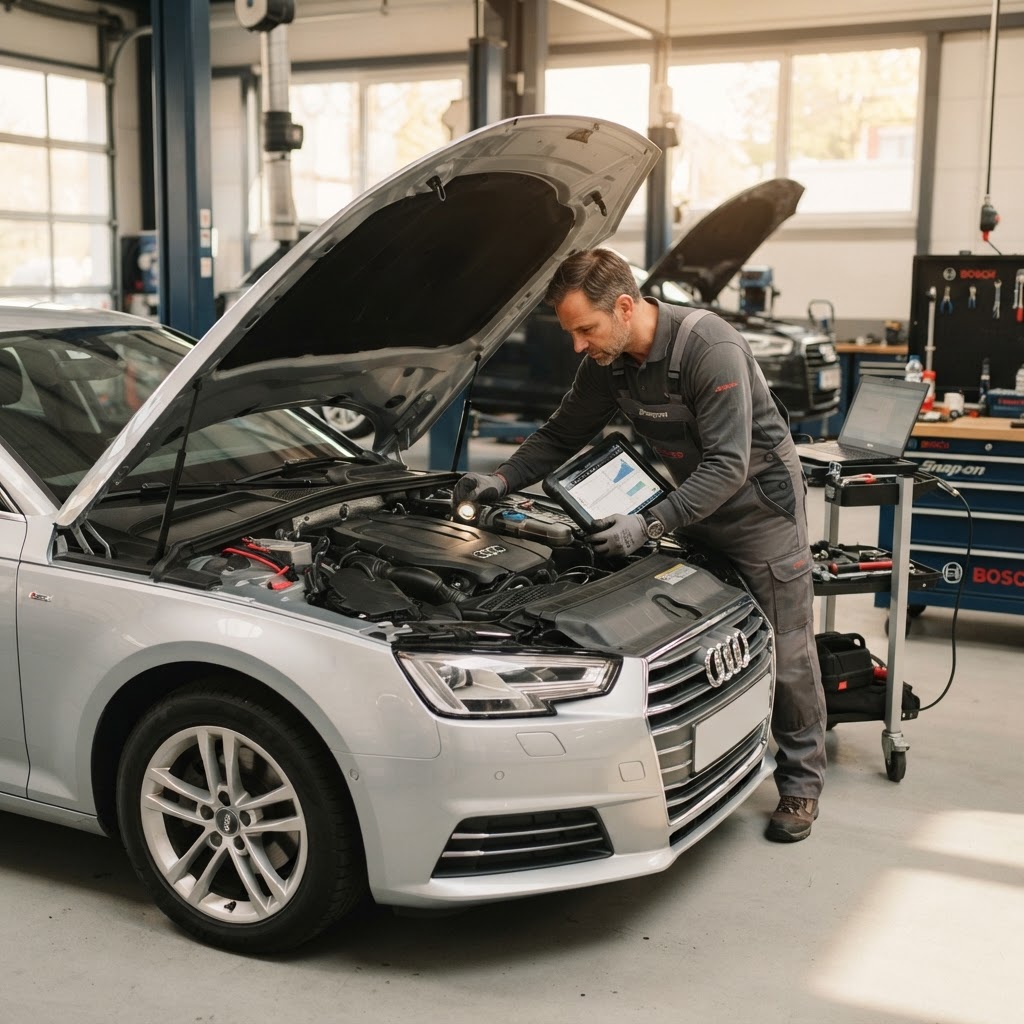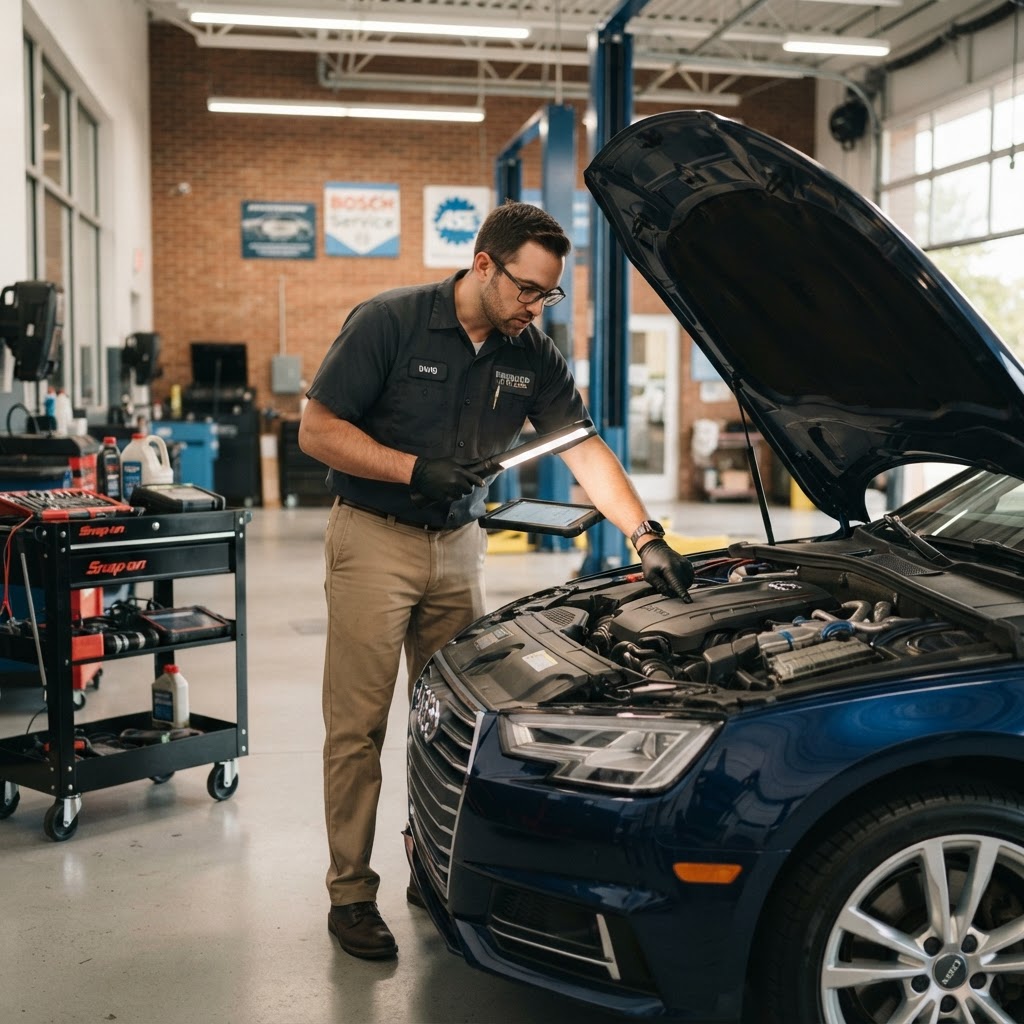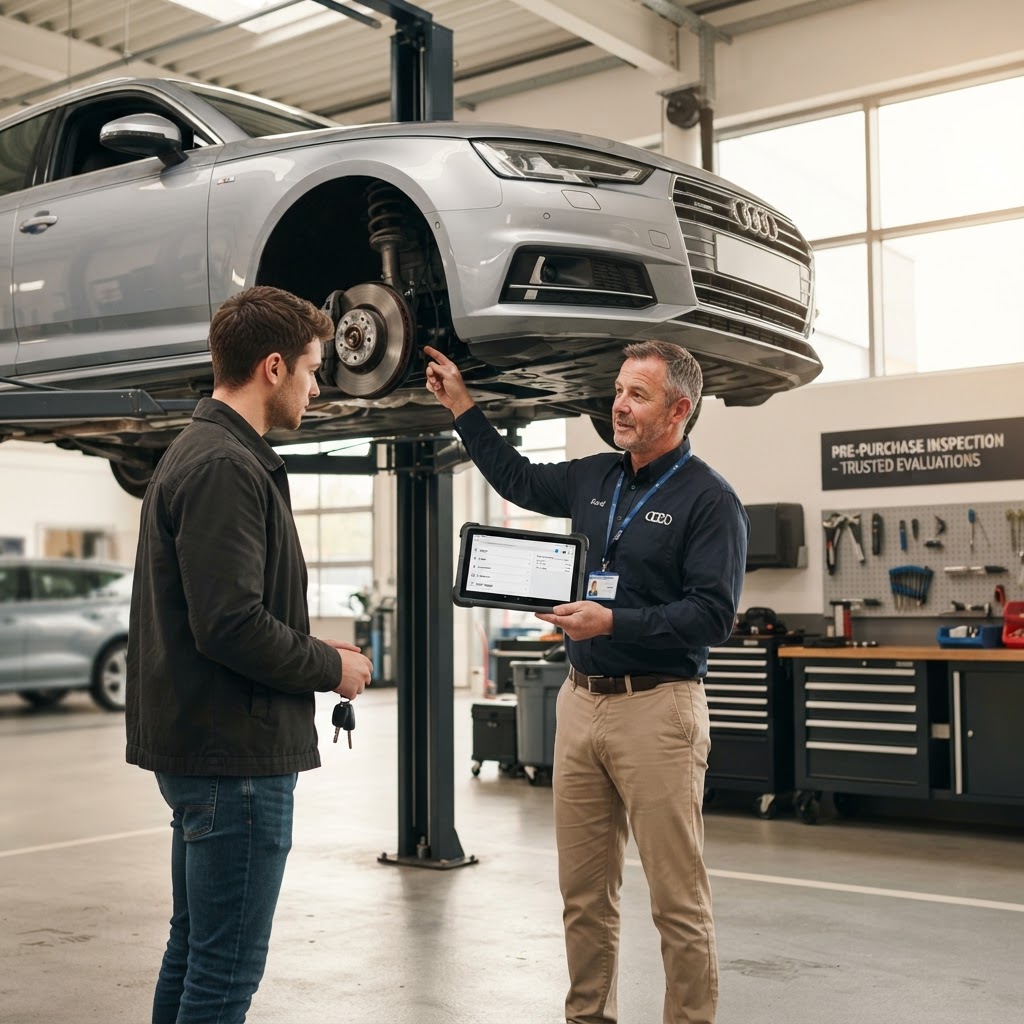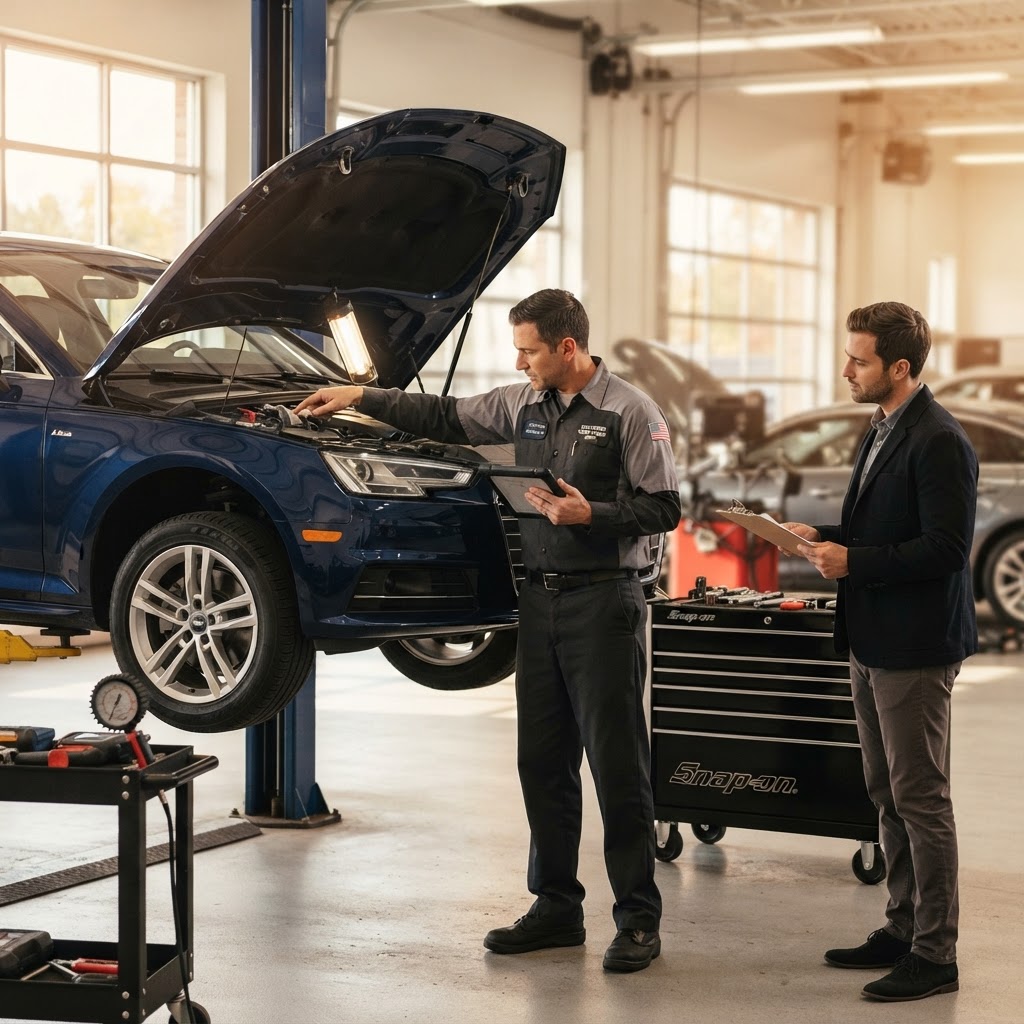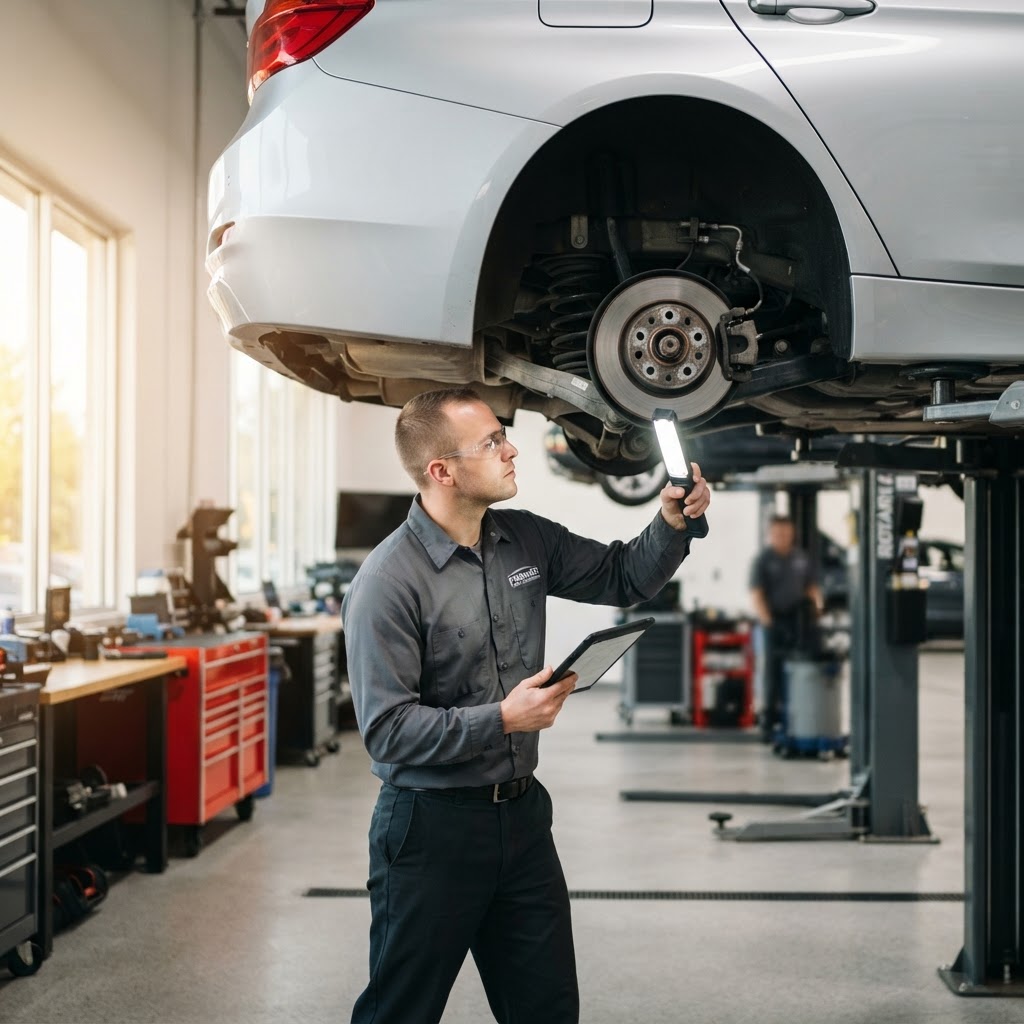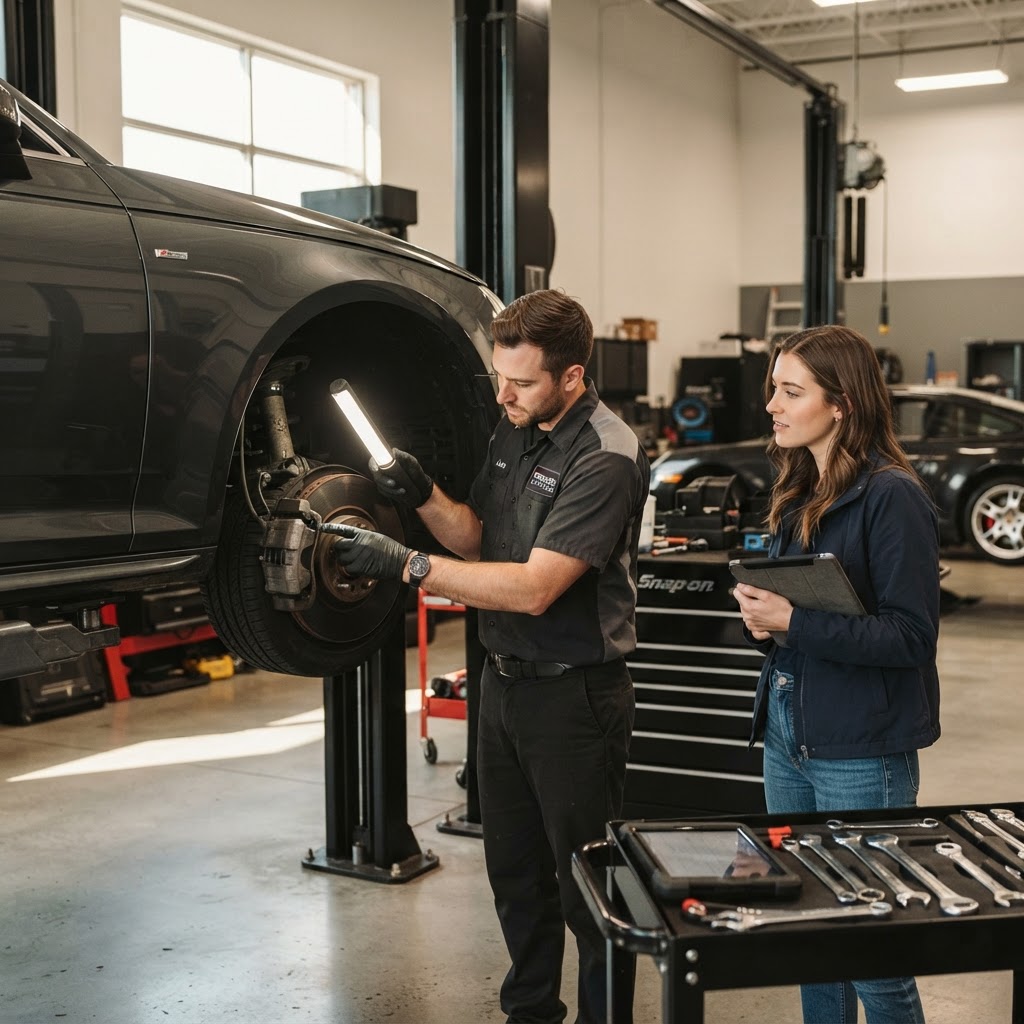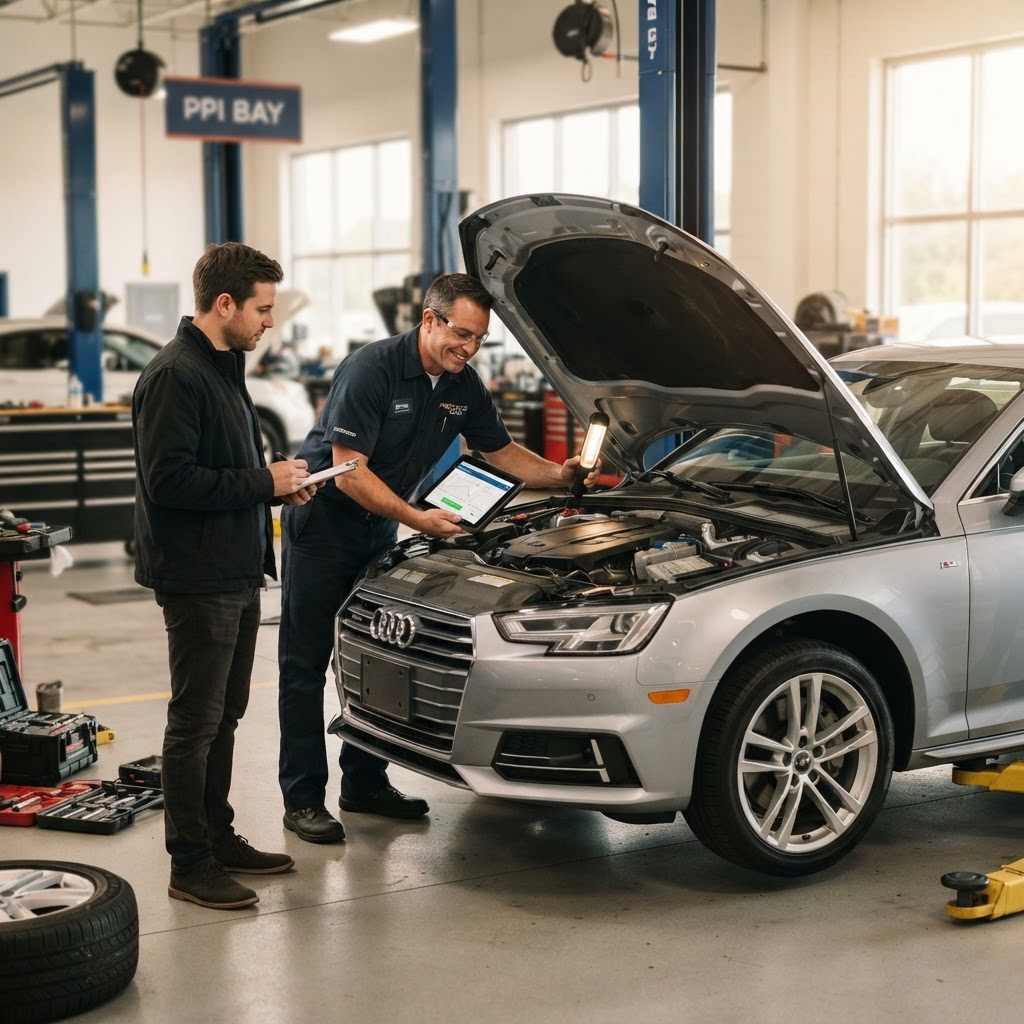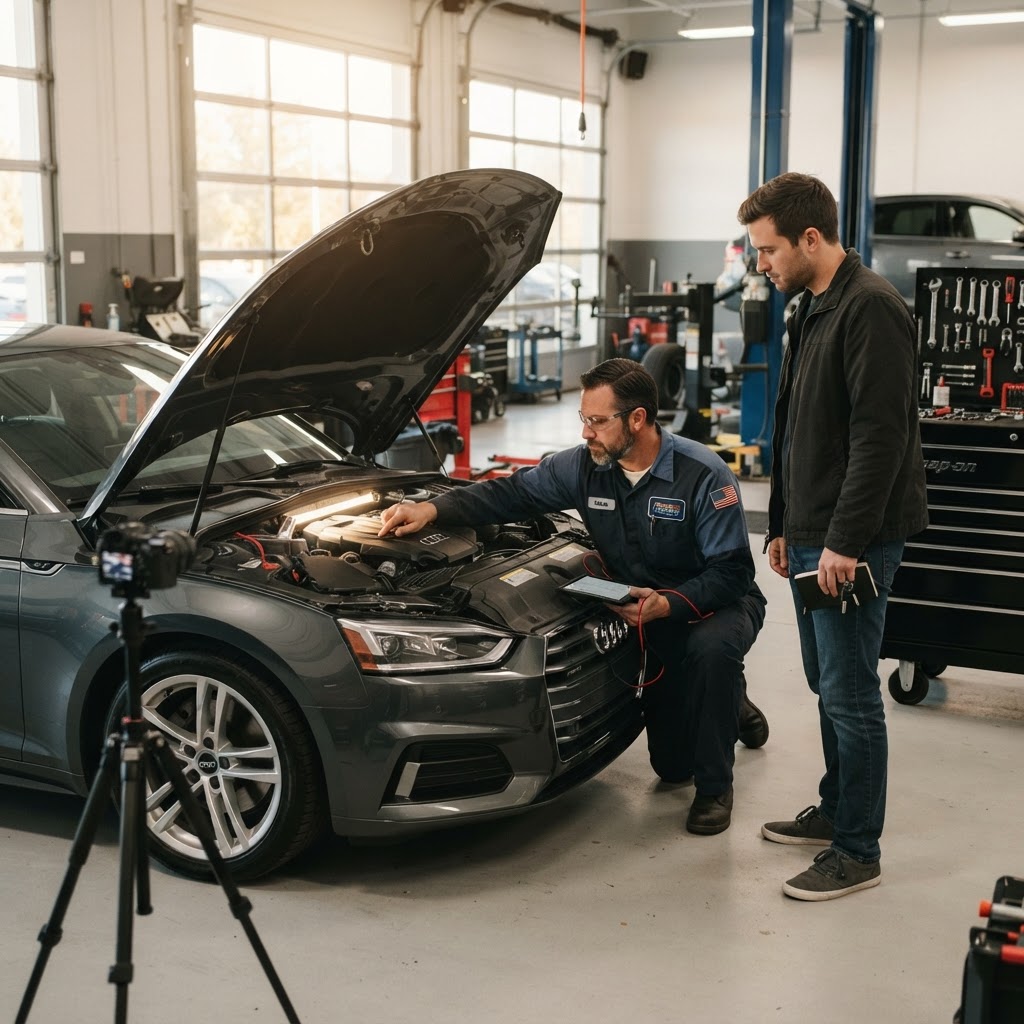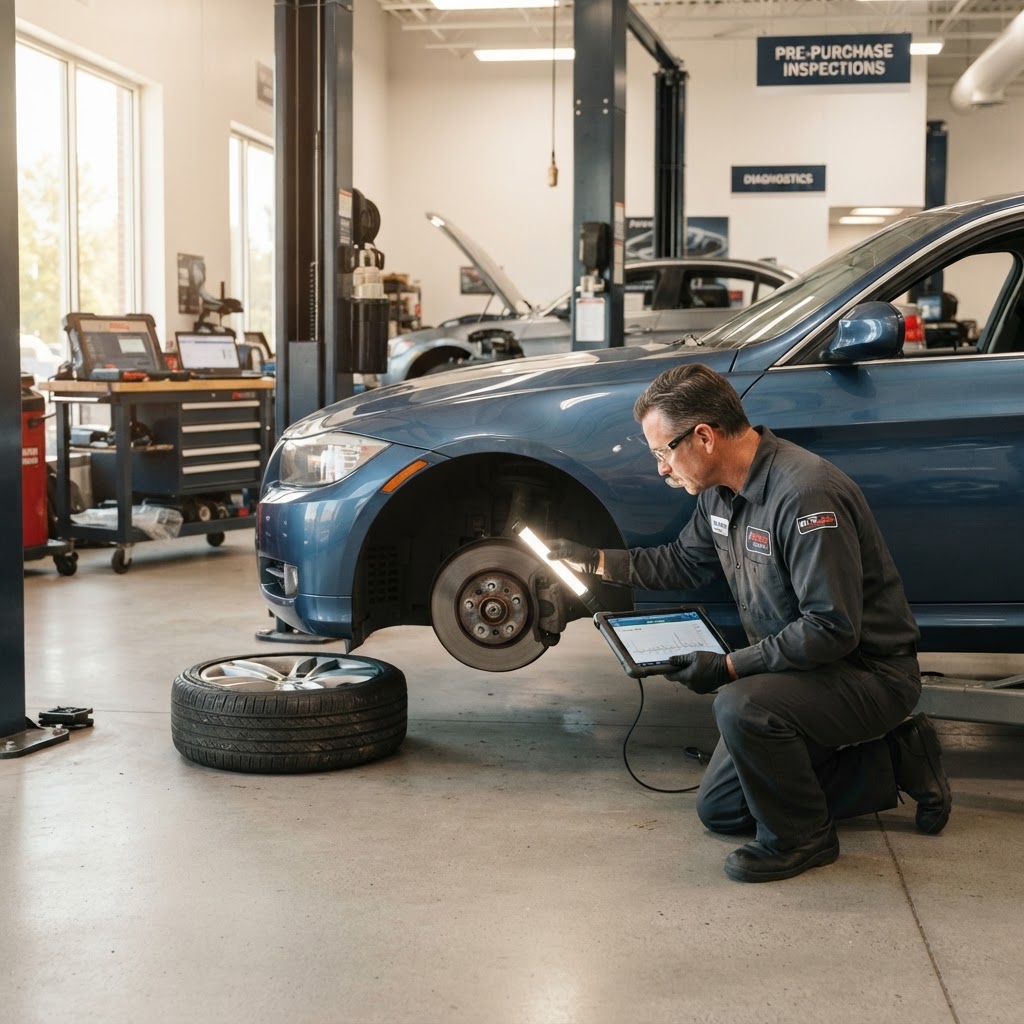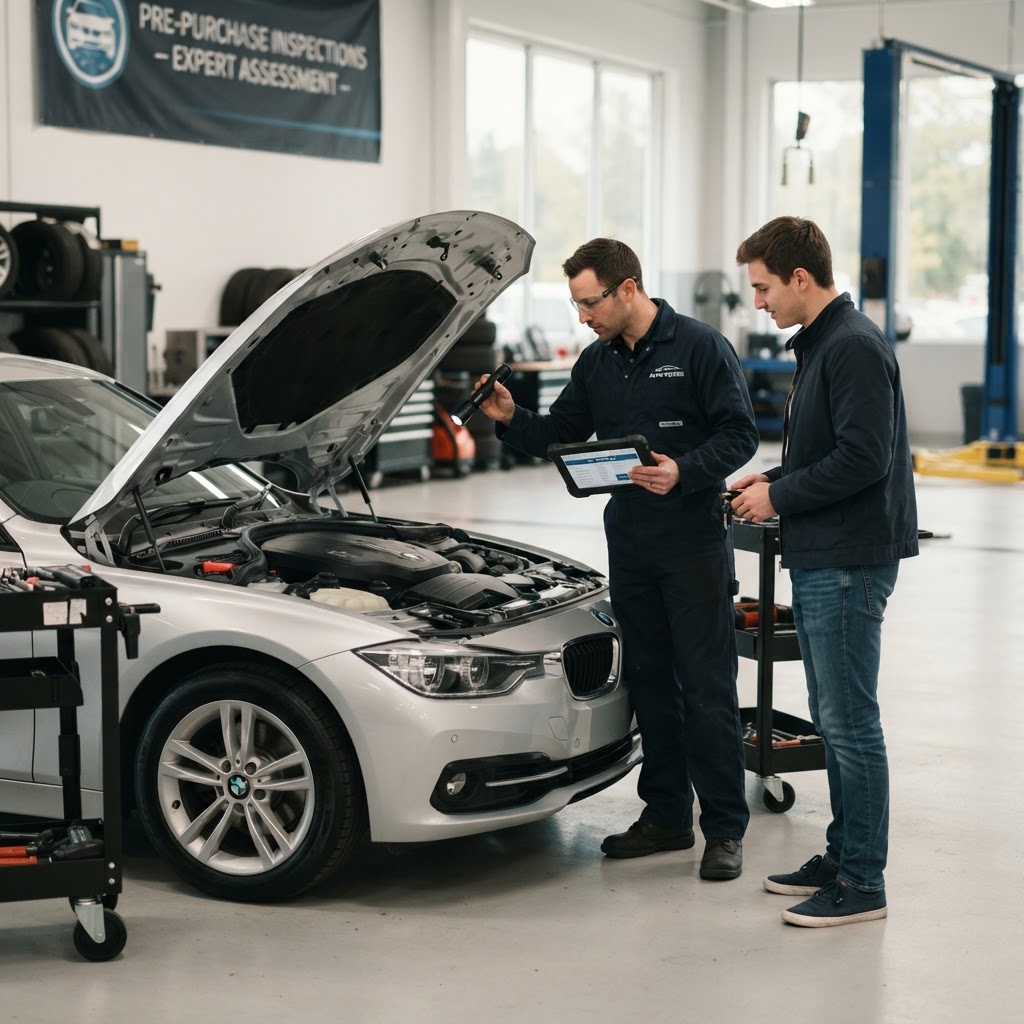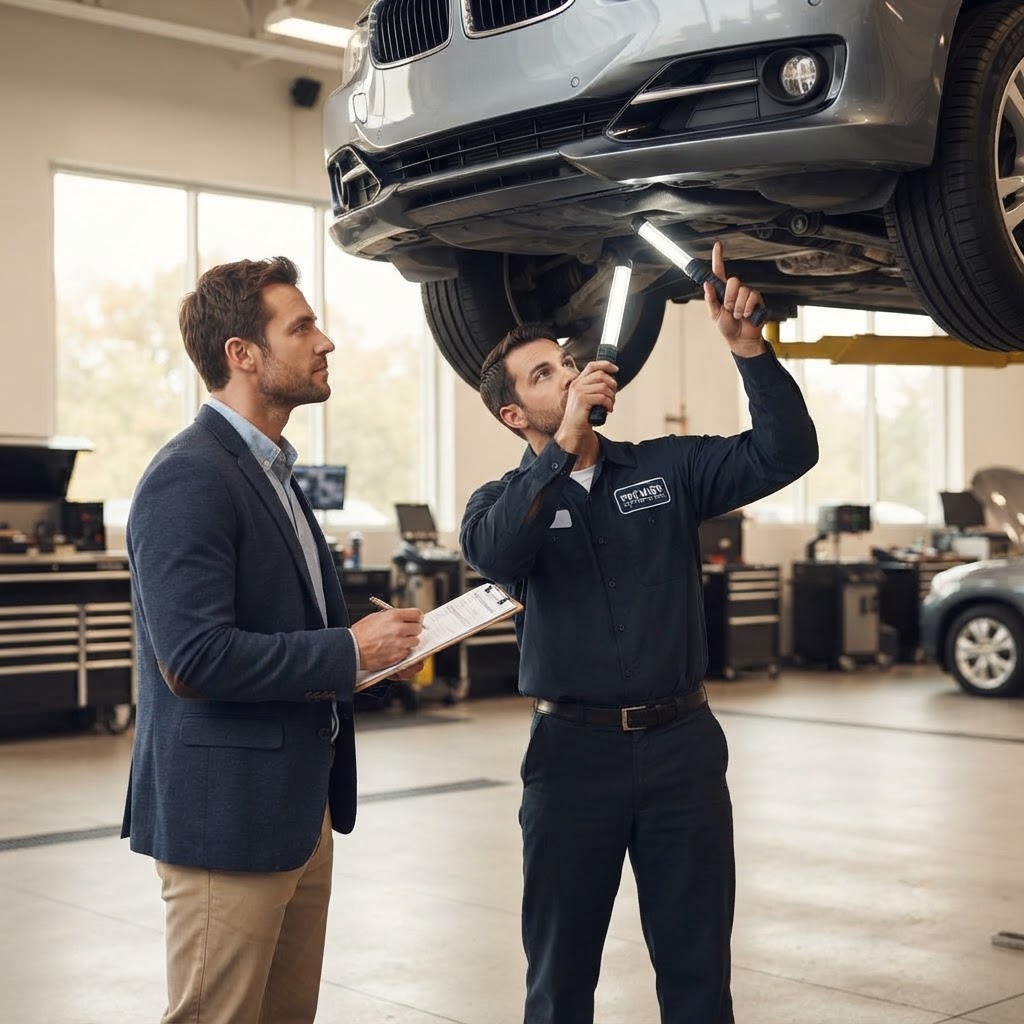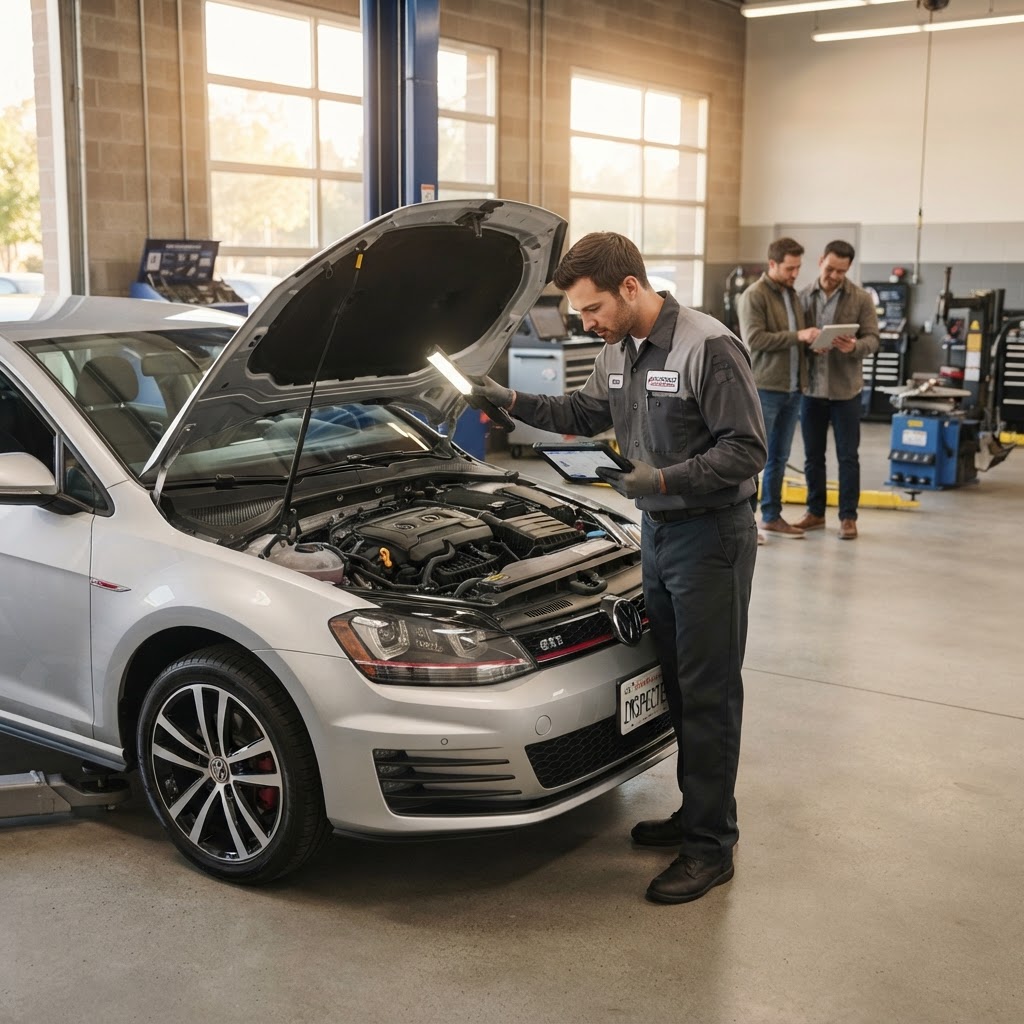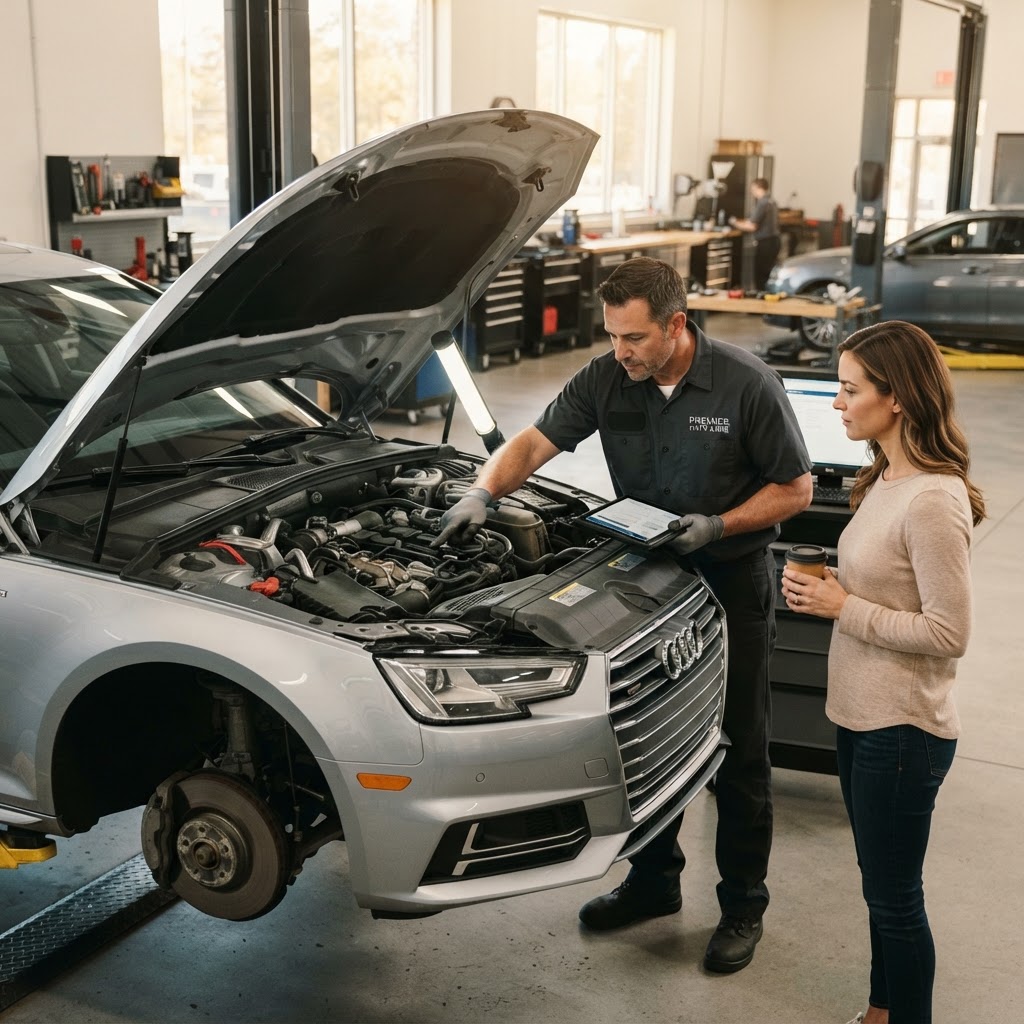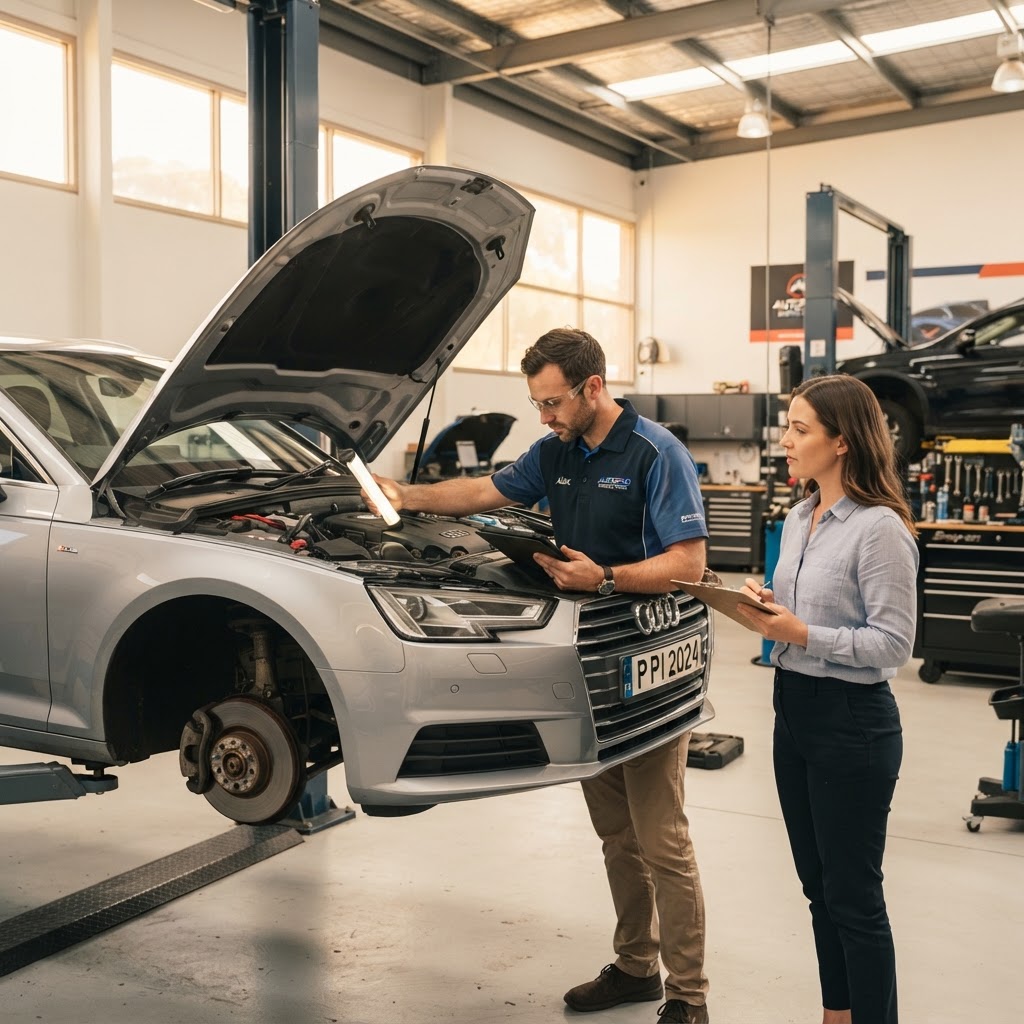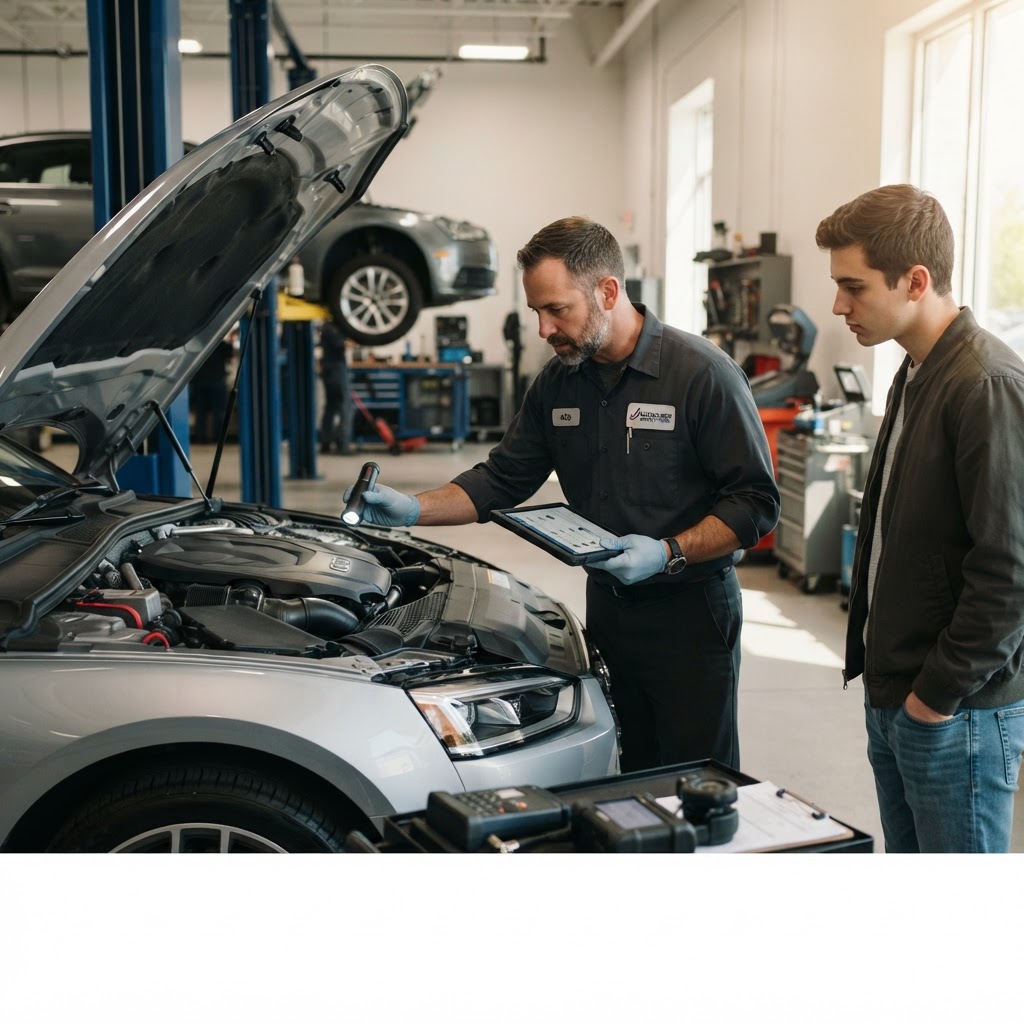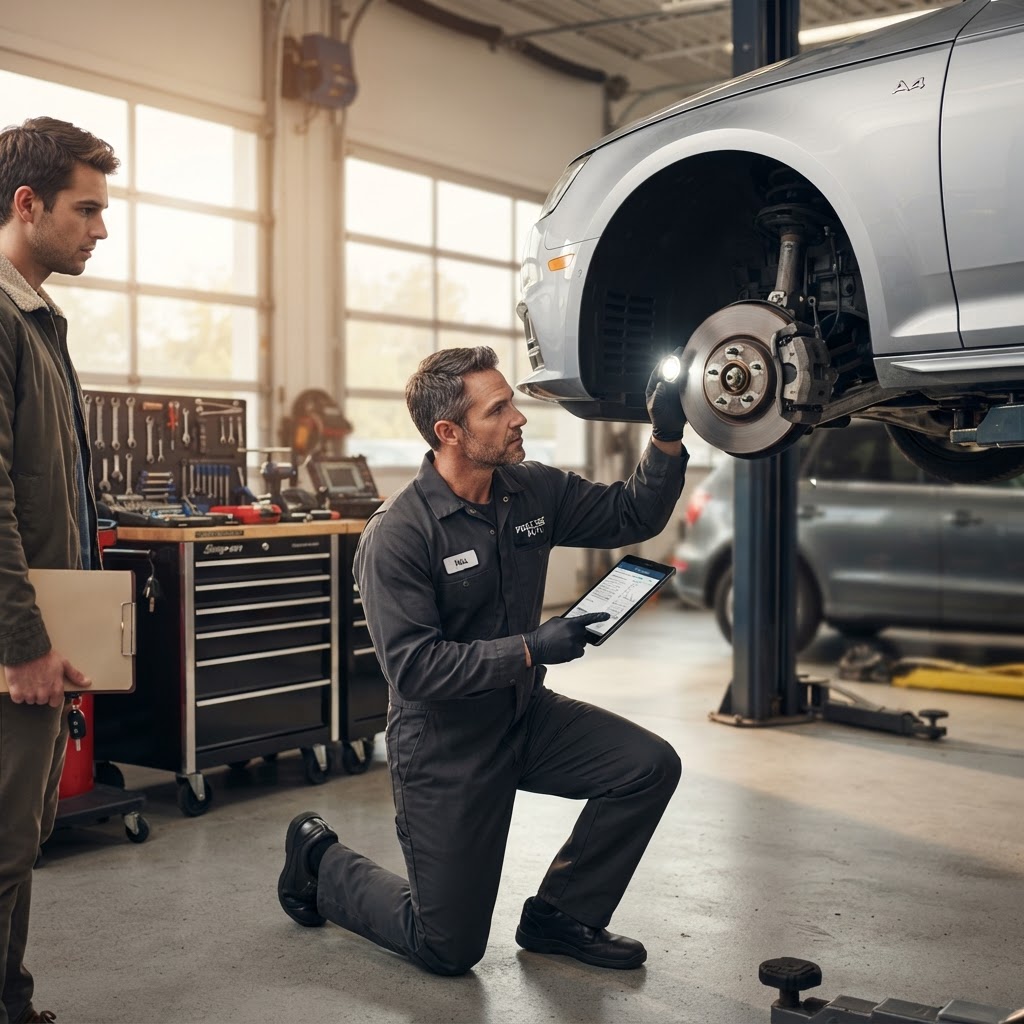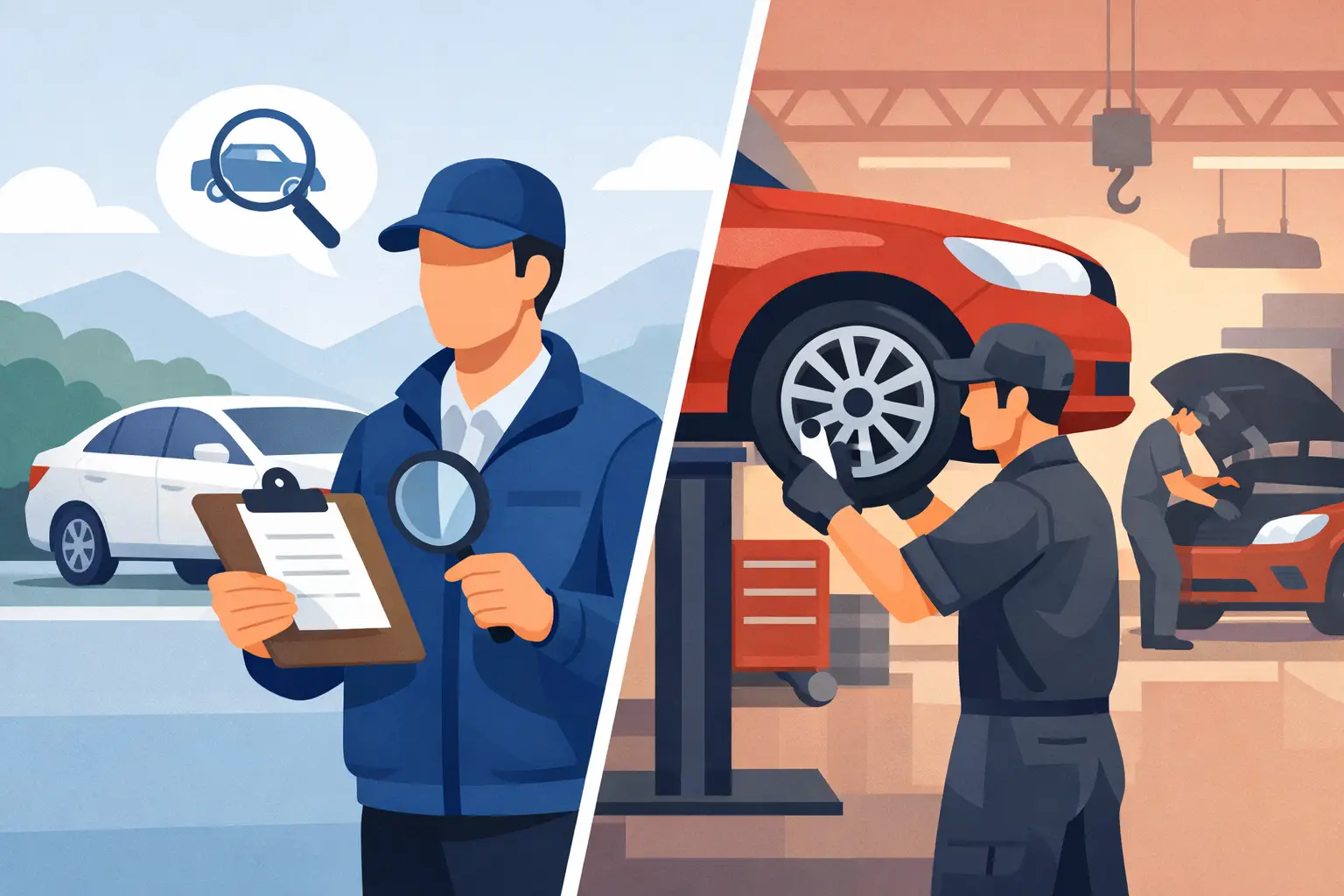
When a vehicle problem shows up - or when you are about to buy a used car - the choice between an independent inspector vs repair shop affects more than convenience. It affects objectivity, documentation, repair planning, and how much risk you carry into the next decision. For buyers, sellers, dealerships, and fleet operators, that difference matters because the vehicle condition report often becomes the basis for price, approval, liability, or repair authorization.
A lot of people treat these services as interchangeable. They are not. A repair shop is built to diagnose issues, perform repairs, and return the vehicle to service. An independent inspector is built to assess condition, document findings, and report what is present at the time of inspection. Those are related functions, but they do not serve the same purpose.
Independent inspector vs repair shop: what changes?
The biggest difference is incentive structure. A repair shop makes money by fixing problems. That does not mean a shop is untrustworthy. Many are highly skilled and operate with strong ethics. But the commercial model is still repair-based. An independent inspector is typically engaged to evaluate and document vehicle condition without performing the repair itself. That separation can reduce perceived bias, especially when a purchase, sale, warranty concern, or dispute is involved.
The second difference is reporting. Repair shops usually produce estimates, work orders, and repair recommendations. Independent inspectors usually produce condition reports, photo documentation, and findings organized around current vehicle status. If the goal is to understand what is wrong and approve the right repairs, a shop may be the right starting point. If the goal is to create a neutral record of condition, an inspector is usually better aligned.
The third difference is scope. Shops often go deeper into mechanical diagnosis because they have lifts, tools, and direct repair access. Inspectors may not disassemble components or complete invasive testing, but they are often stronger in standardized documentation, visible condition assessment, and pre-purchase reporting. In practice, one is not replacing the other. The right question is which one should lead the next step.
When an independent inspector makes more sense
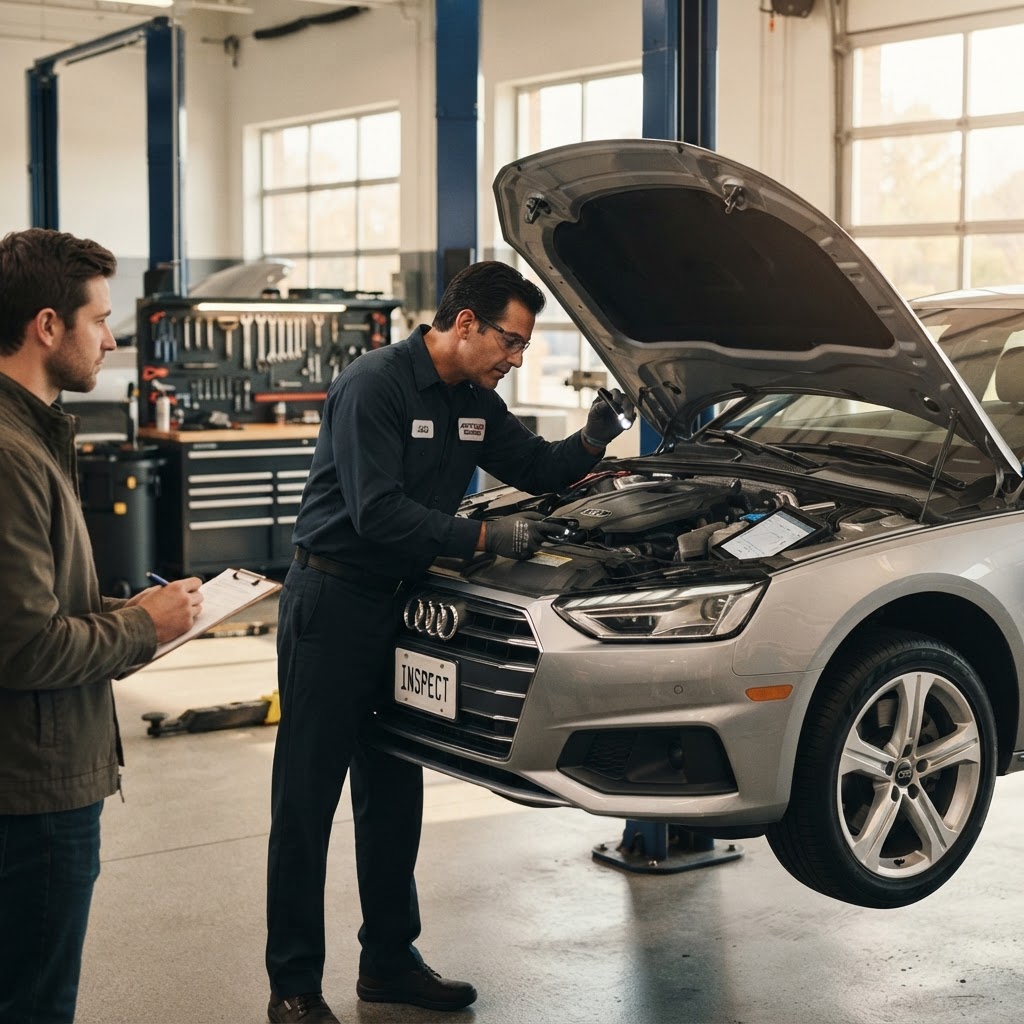
An independent inspector is often the better choice when the decision itself is still open. If you are buying a used vehicle, accepting a trade-in, reviewing auction inventory, settling a condition dispute, or documenting damage before transport, you need a clear record before anyone starts turning wrenches.
That matters because repairs can change the evidence. Once parts are replaced or systems are reset, you lose part of the original condition picture. For a buyer, that can mean less clarity about what existed before the sale. For a seller or dealership, it can mean less support for pricing or disclosure. For a fleet manager, it can weaken the paper trail tied to driver damage, service accountability, or resale condition.
An independent inspection also helps when multiple parties need the same information. A buyer wants confidence. A seller wants proof of current condition. A lender, dealership, or operations team may need standardized reporting that can be reviewed and shared quickly. In those cases, a documented inspection is not just a technical step. It is part of process control.
This is where a structured inspection platform adds value. Organized scheduling, report delivery, photos, and status tracking reduce delays and make the findings easier to use across teams. The inspection is still about the car, but the workflow around the report affects how useful that information becomes.
When a repair shop is the better first call
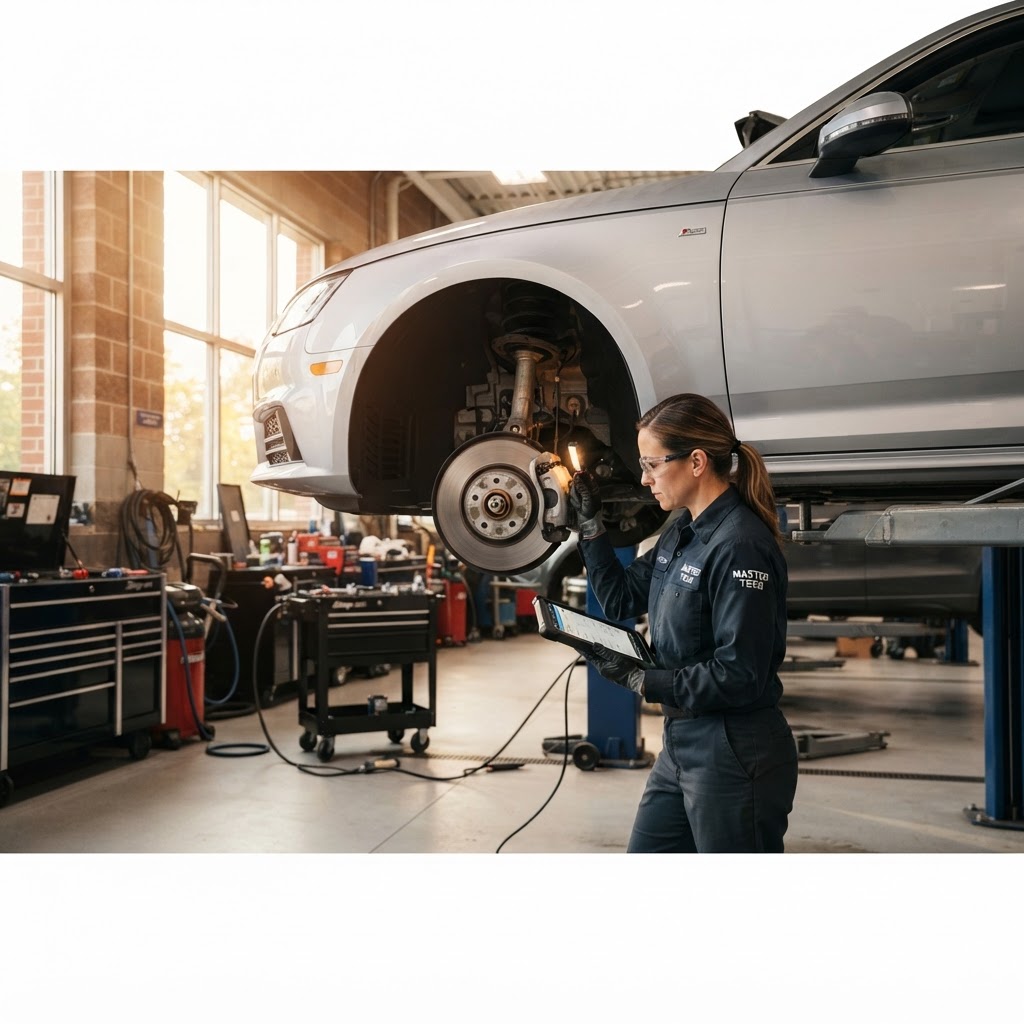
If the vehicle is unsafe to drive, actively failing, or clearly in need of repair, a shop is usually the right place to start. A brake issue, overheating condition, no-start problem, transmission failure, or check engine light that needs live diagnosis often requires hands-on testing that goes beyond a non-invasive inspection.
A repair shop is also the better fit when the next action is obvious: fix the vehicle. If you already own the car, trust your shop, and need the problem corrected quickly, neutral documentation may be less important than accurate diagnosis and repair execution. In that case, speed, parts access, technician expertise, and warranty support matter more than independent reporting.
Shops are also essential when inspection findings need confirmation through deeper mechanical testing. An inspector may identify fluid leaks, abnormal noises, warning lights, uneven tire wear, frame concerns, or signs of prior damage. But if the question becomes, "What exact part failed, and what will it cost to repair?" the shop moves into the lead role.
The trade-off: neutrality vs repair depth
Most decisions around independent inspector vs repair shop come down to one trade-off: neutral assessment versus repair depth. Neither side wins every scenario.
An independent inspector offers separation from the repair transaction. That can improve trust, especially in pre-sale, post-accident, or disputed-condition situations. The downside is that the inspector may not perform teardown, advanced scan-tool analysis, or repair verification at the same depth as a full-service shop.
A repair shop offers diagnostic depth and direct action. The downside is that the findings are naturally tied to a repair recommendation and estimate. Again, that does not mean the recommendation is wrong. It means the context is different. If you need a documented condition baseline for decision-making, a shop record may not always provide the same format or neutrality as an inspection report.
For commercial users, this distinction is even more important. Dealerships, fleet teams, and appraisal workflows often require repeatable documentation, not just a technician's verbal opinion. Standardized reports make it easier to compare vehicles, approve next steps, and store condition history across multiple units.
How buyers should think about independent inspector vs repair shop
For used-car buyers, the safest sequence is usually inspection first, repair planning second. A pre-purchase inspection gives you a condition snapshot before you commit to the vehicle. If the report identifies issues, you can then decide whether to walk away, renegotiate, or ask a shop for repair estimates.
That order protects your leverage. Once you buy the car, the negotiation changes. Before purchase, documented findings support pricing discussions and help separate minor wear from material risk. It also helps avoid a common problem: relying on a seller's preferred shop to validate the vehicle. Even if that shop is reputable, the buyer usually benefits from an independent review.
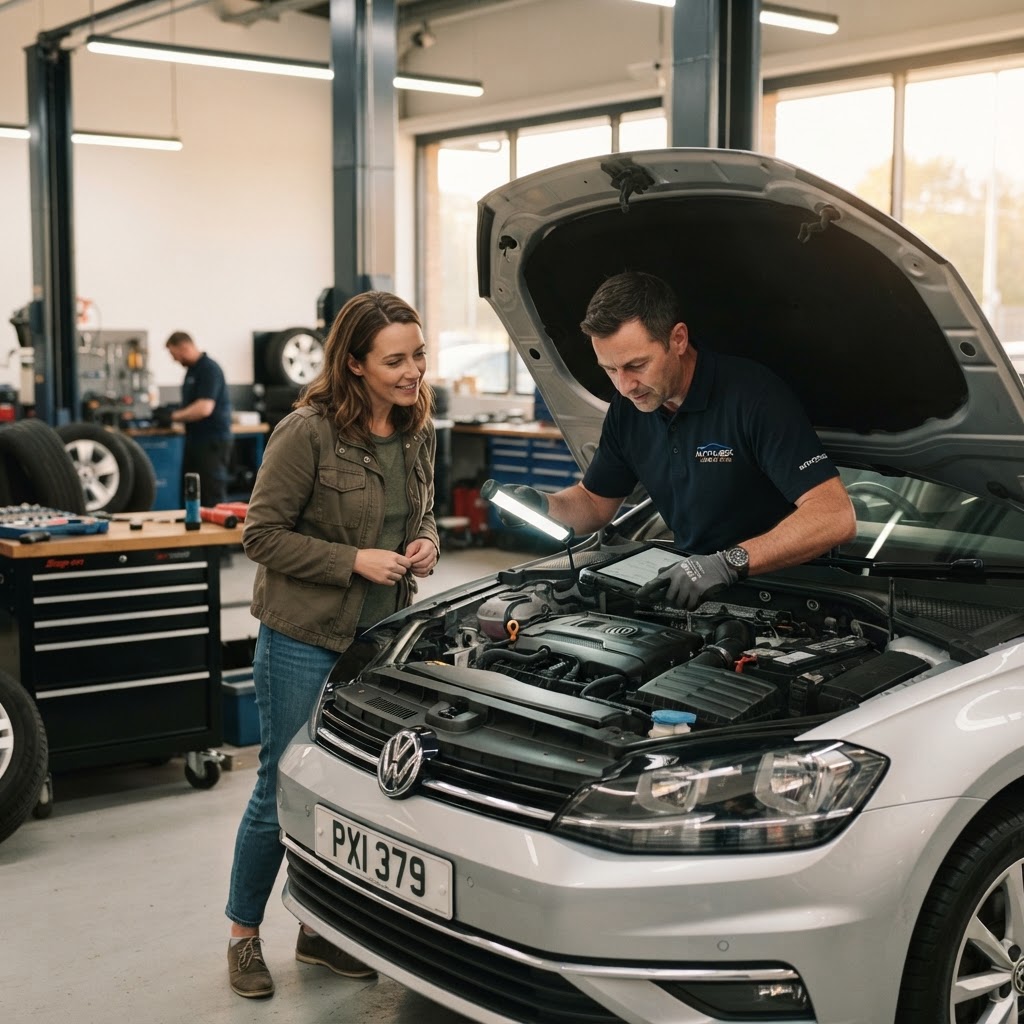
The same logic applies to remote transactions. If the vehicle is in another city or being sold through a dealer, marketplace, or auction channel, independent inspection gives the buyer a reportable record without requiring travel first. That is useful when the financial decision depends on condition you cannot verify in person.
How sellers, dealerships, and fleets should decide
Sellers often assume inspection only benefits buyers. In reality, a documented condition report can reduce friction for the seller too. It helps justify asking price, supports disclosure, and limits argument over issues that were already visible at the time of listing.
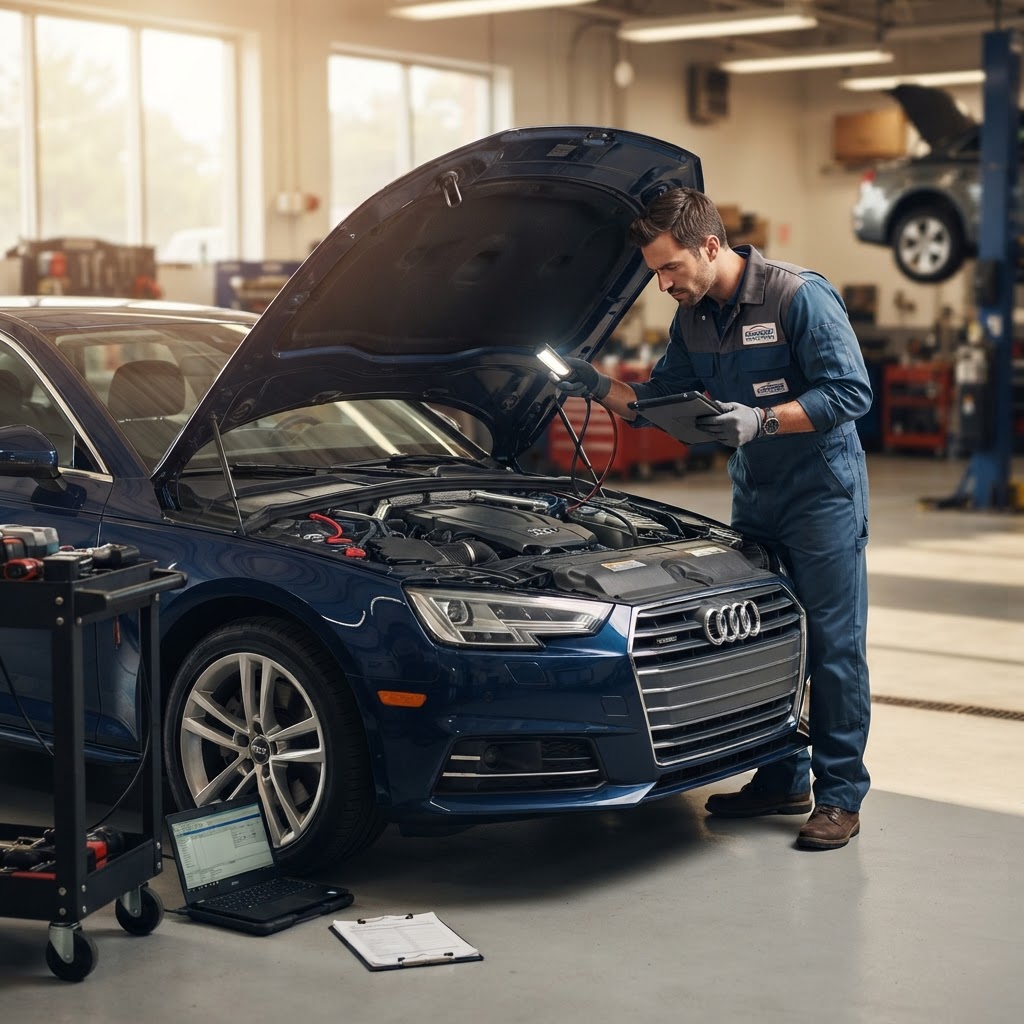
Dealerships and fleet operators have an even stronger reason to separate inspection from repair. They often need intake condition checks, trade appraisals, lot-ready assessments, transport damage reviews, and standardized documentation that can be shared internally. A repair shop can fix problems after the fact, but it may not be the best system for capturing condition in a repeatable, auditable format.
That is why process matters. If your operation handles vehicle volume, the inspection workflow should not live in scattered text messages, handwritten notes, or informal phone calls. A documented system with booking, reports, photos, and status visibility makes the information easier to act on. RIZQ Car Inspection is built around that kind of workflow discipline, which is especially useful when more than one stakeholder needs the same condition record.
A practical way to choose
If you are still deciding between the two, start with the intended outcome. If you need neutral condition documentation, choose an independent inspector. If you need diagnosis and repair, choose a repair shop. If you need both, do them in sequence rather than expecting one service to fully replace the other.
That sequence often looks simple. First, establish current condition through inspection. Next, send relevant findings to a shop for estimate or repair. Finally, if needed, use a follow-up inspection to verify post-repair condition or support resale documentation. Each step has a clear purpose, and the records stay cleaner.
The mistake is not choosing one over the other. The mistake is using the wrong service at the wrong stage. A repair shop is excellent at restoring function. An independent inspector is valuable when the decision depends on unbiased reporting, organized documentation, and a clear snapshot of what the vehicle is today. If money, liability, or trust is on the line, start with the service that matches the decision you actually need to make.