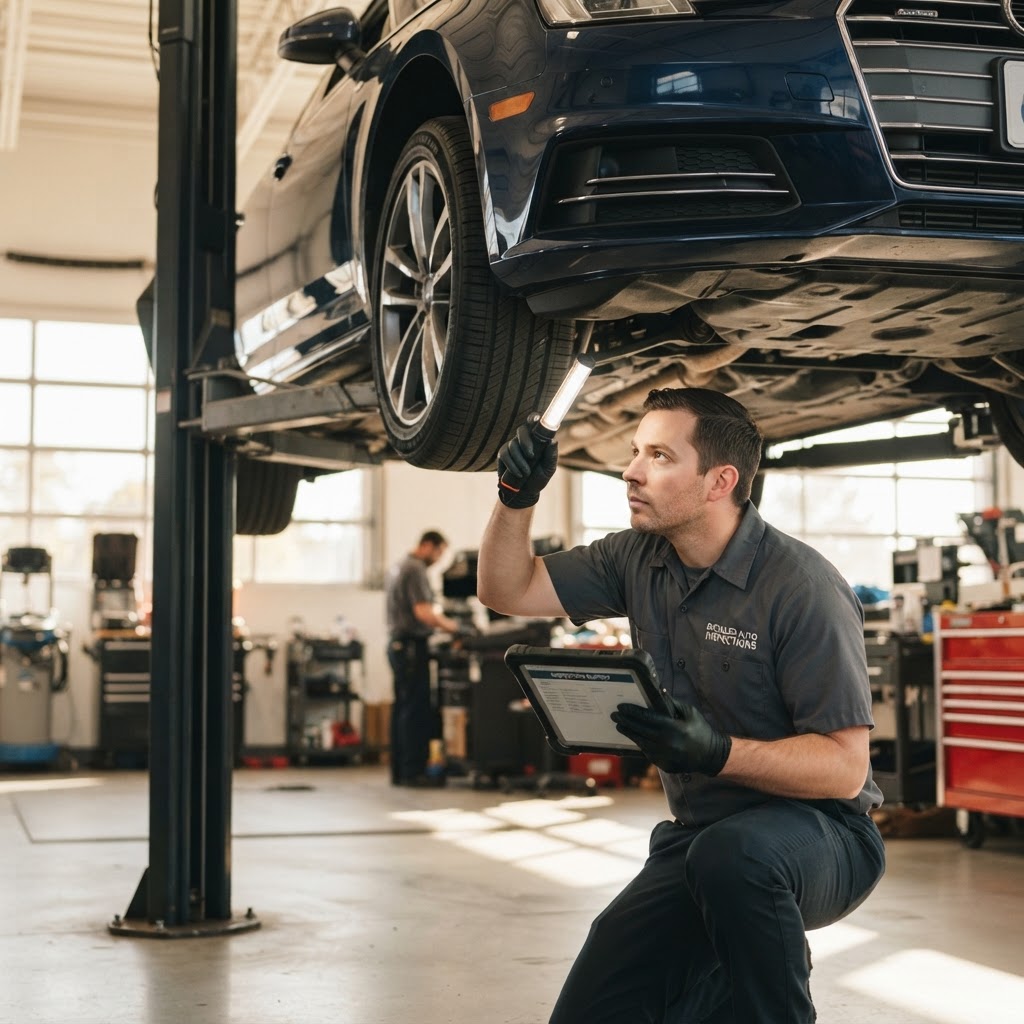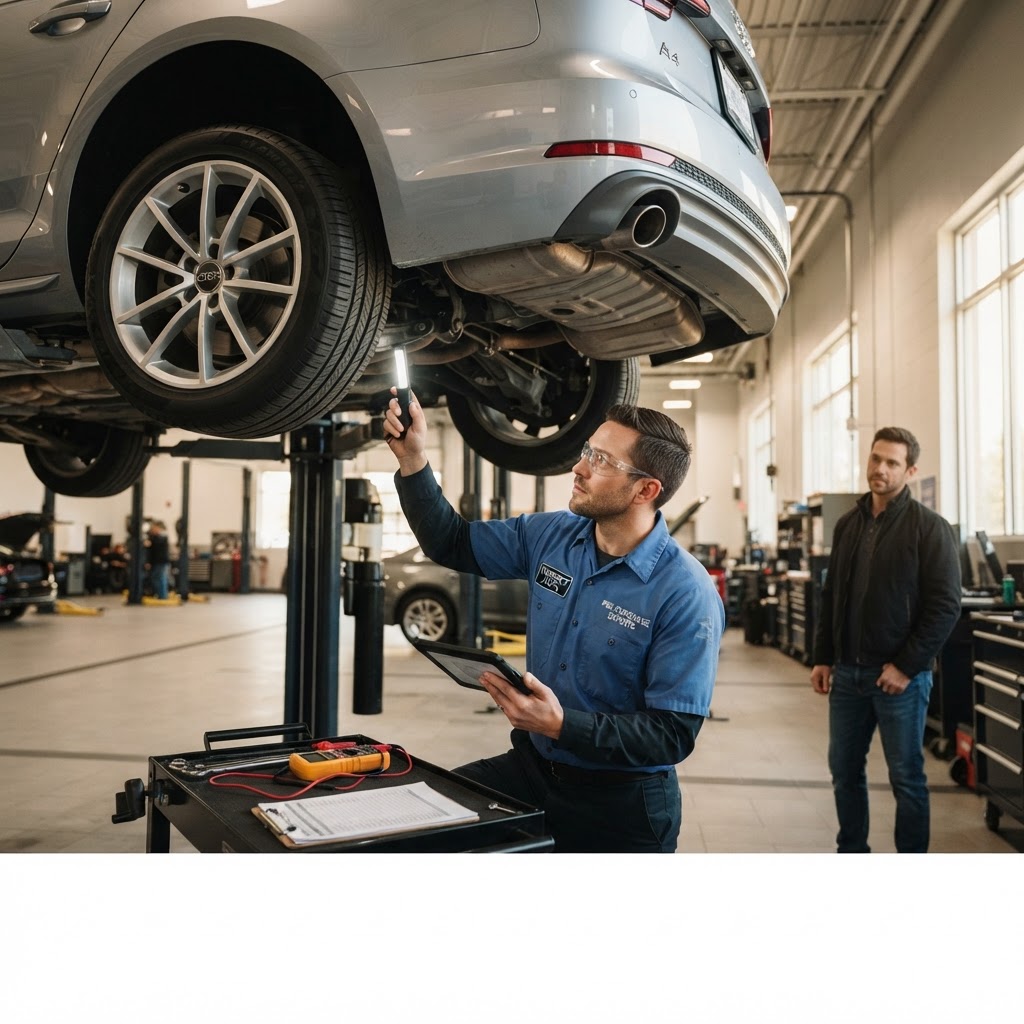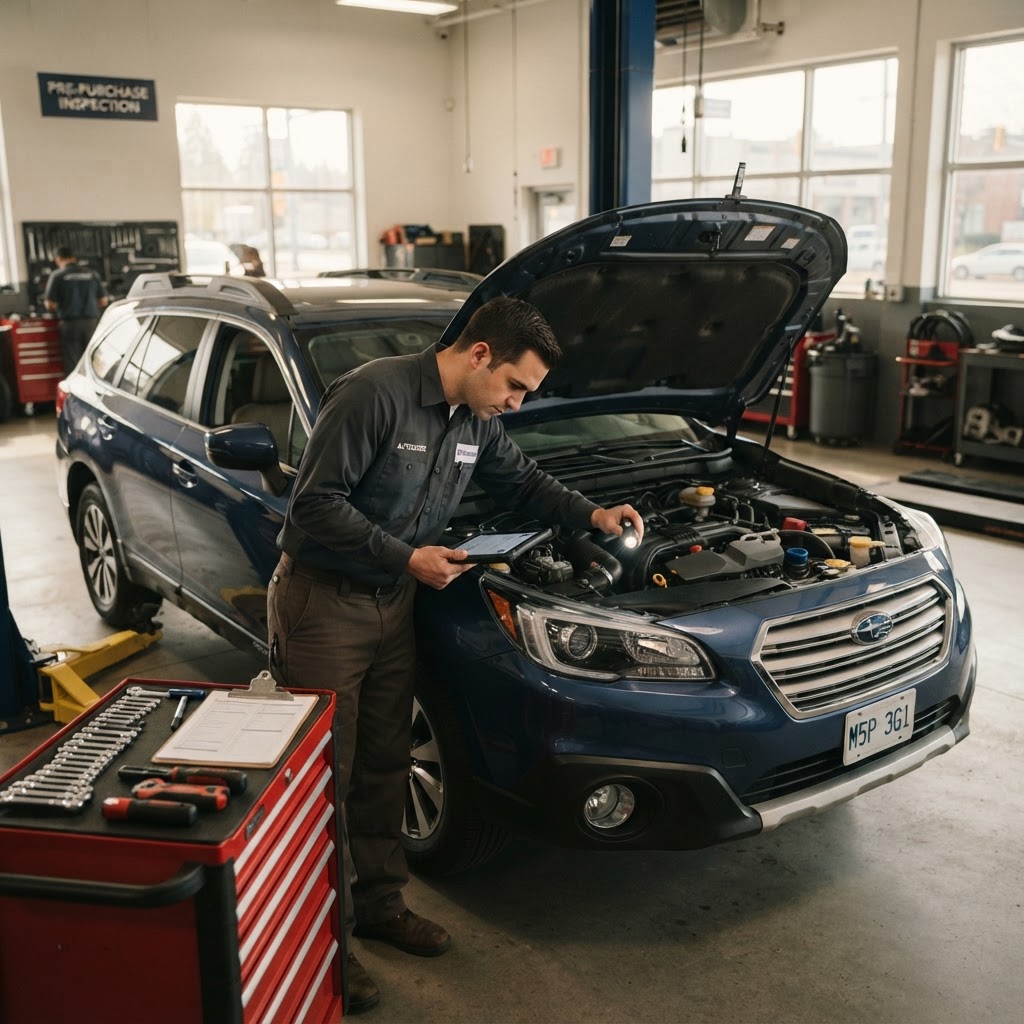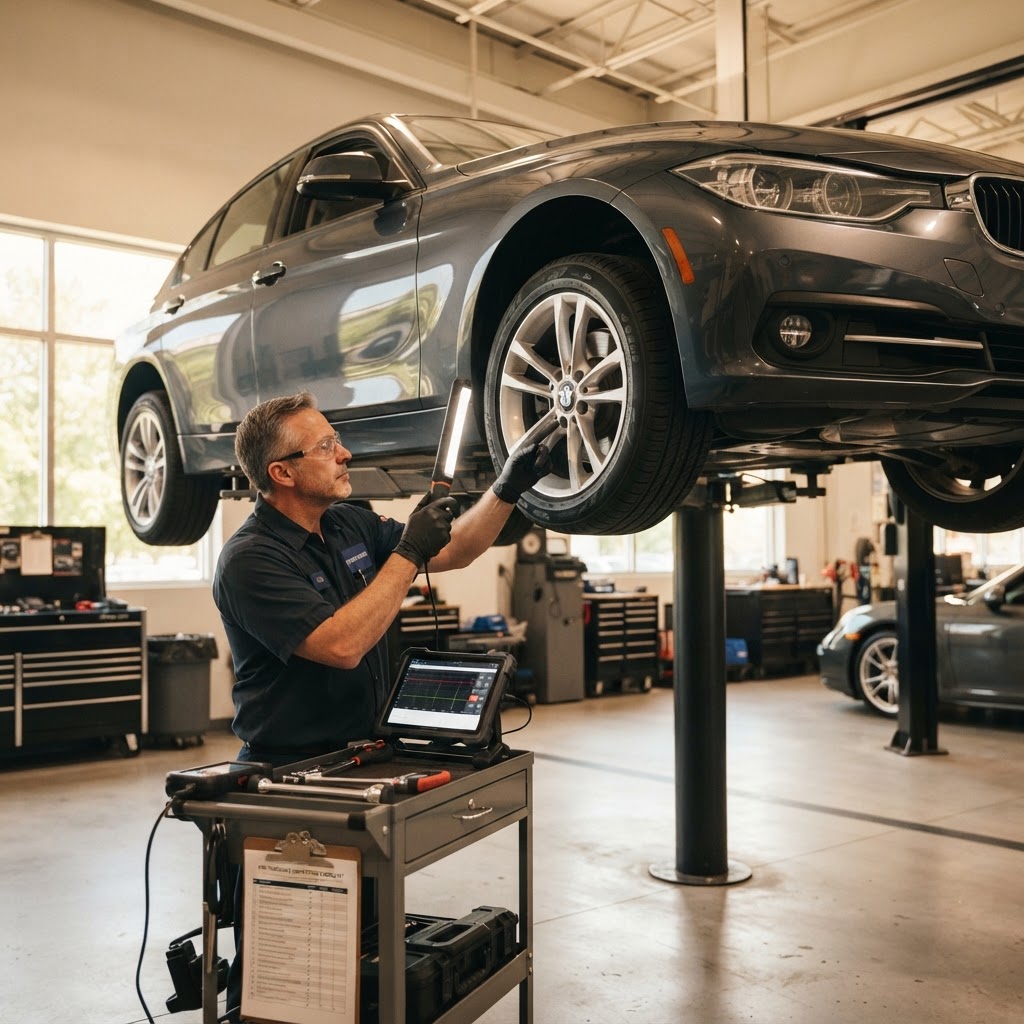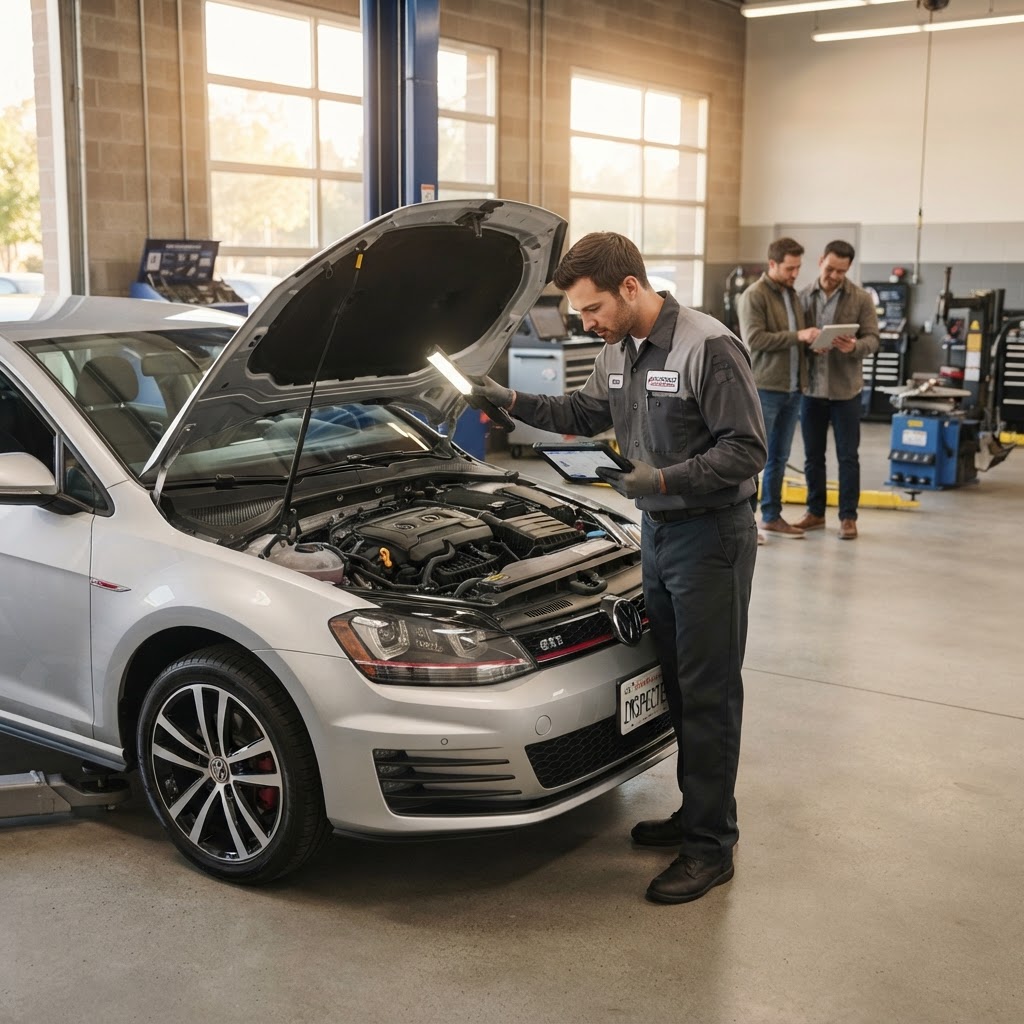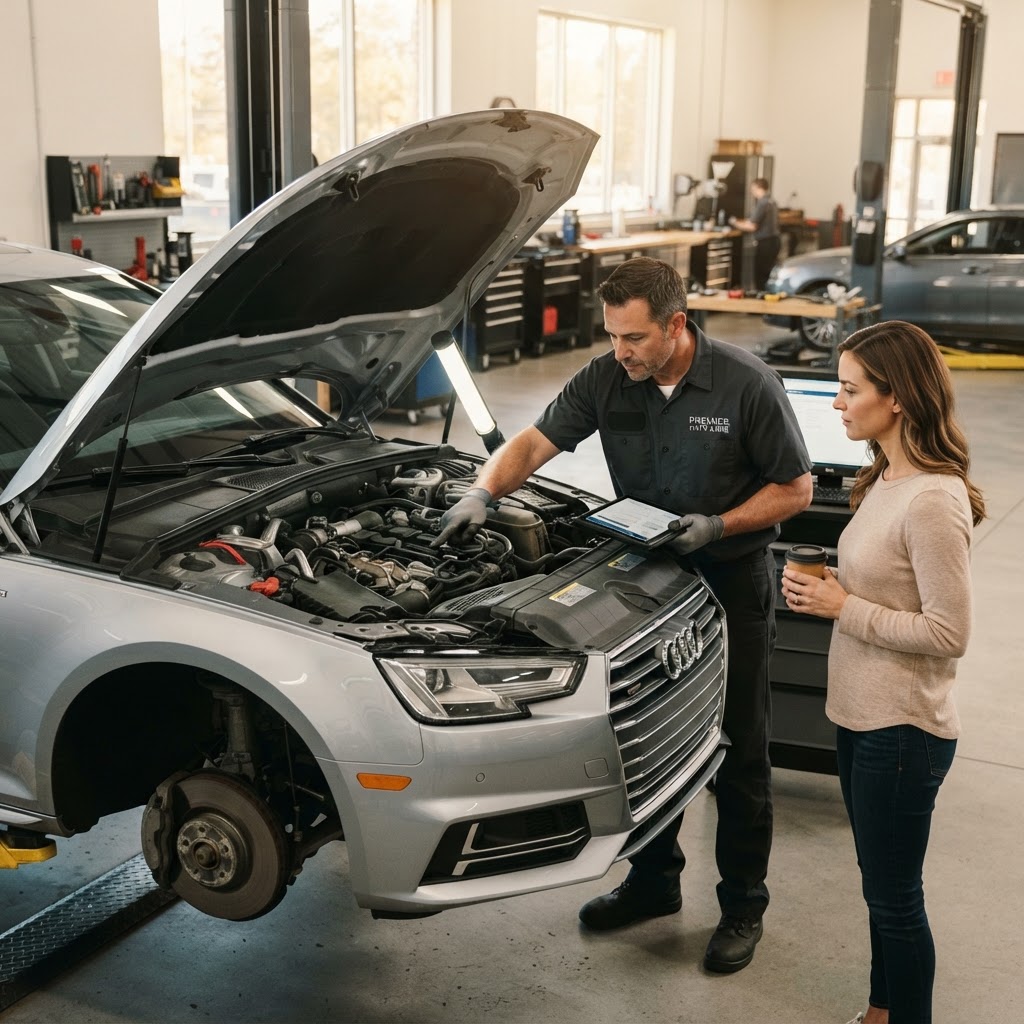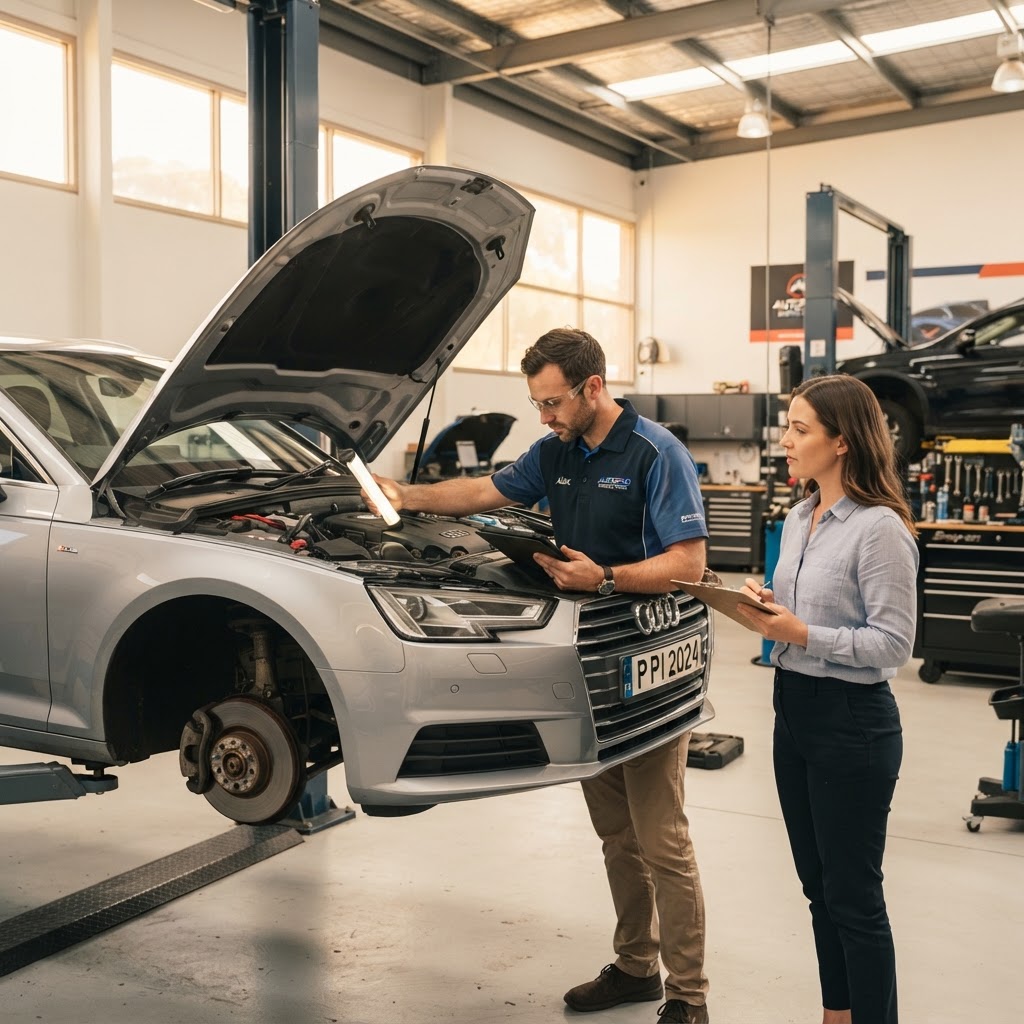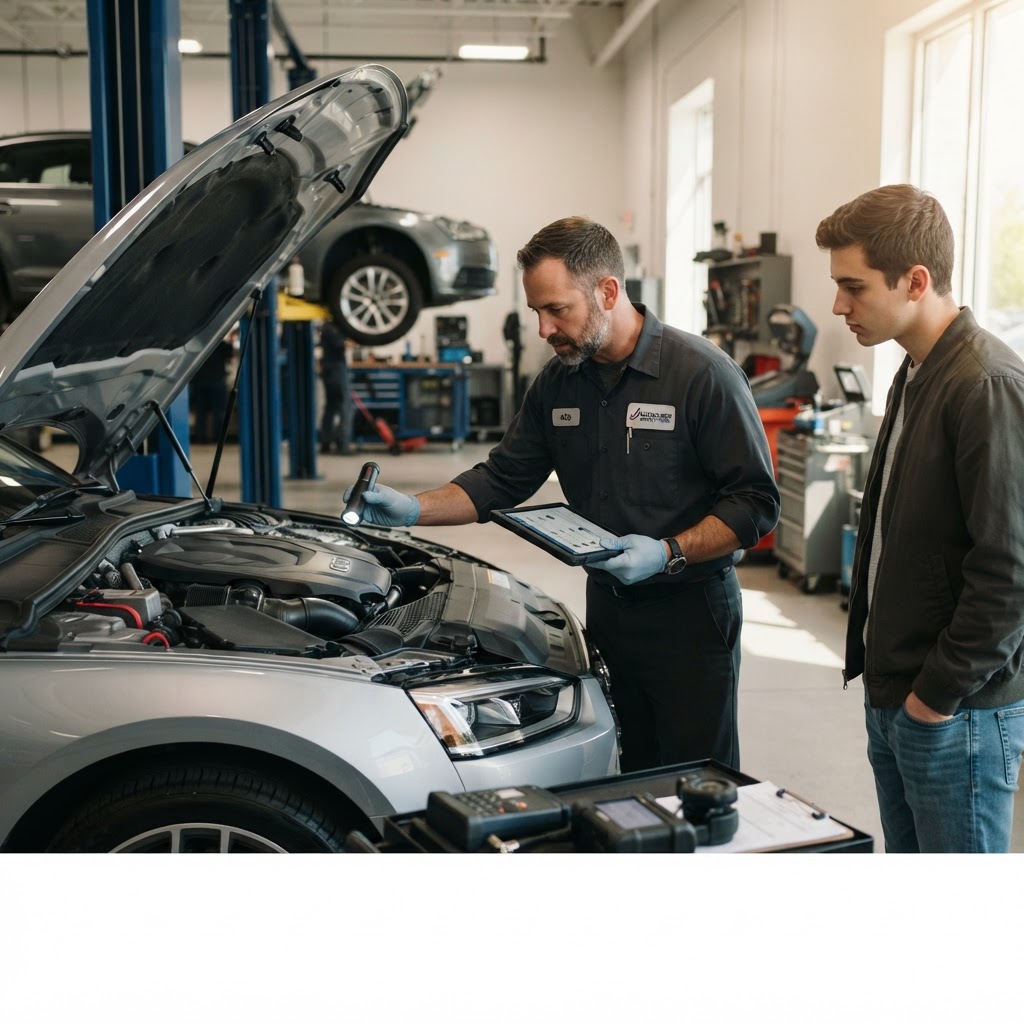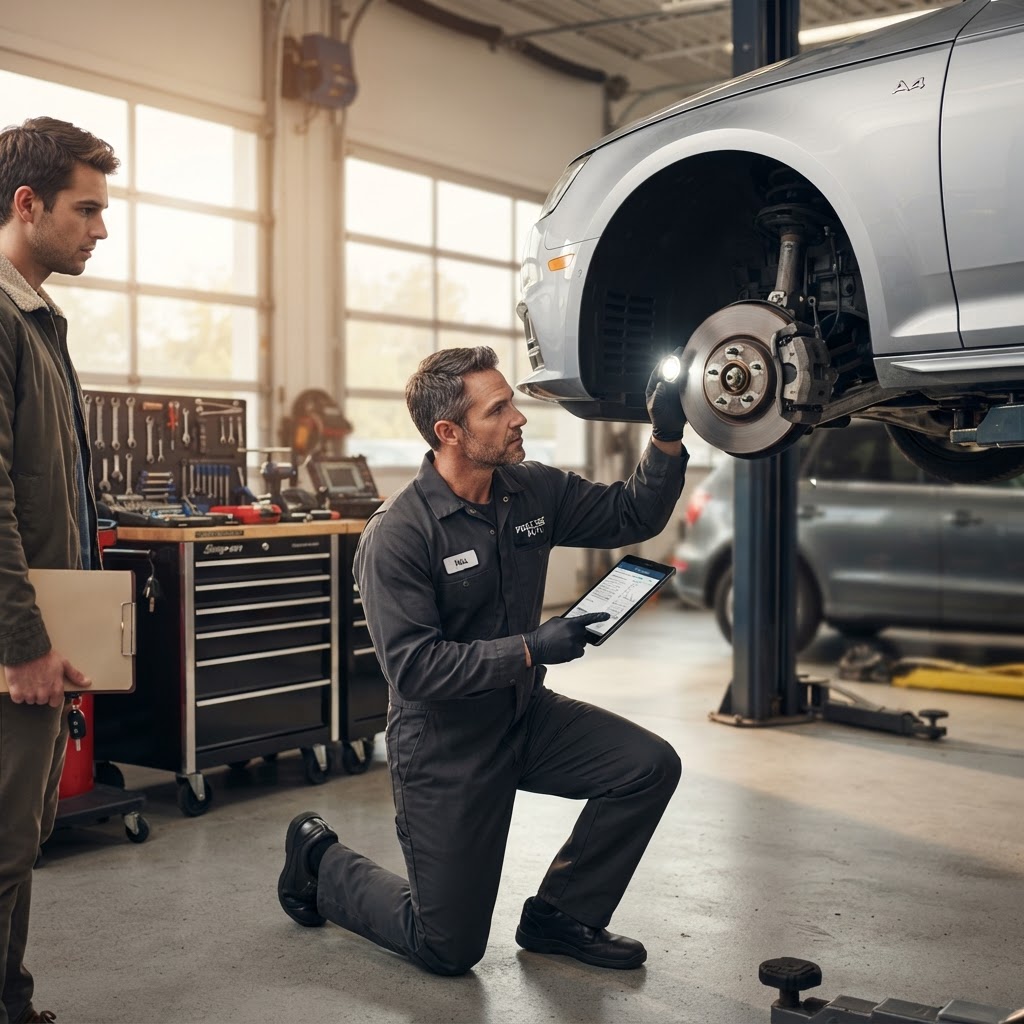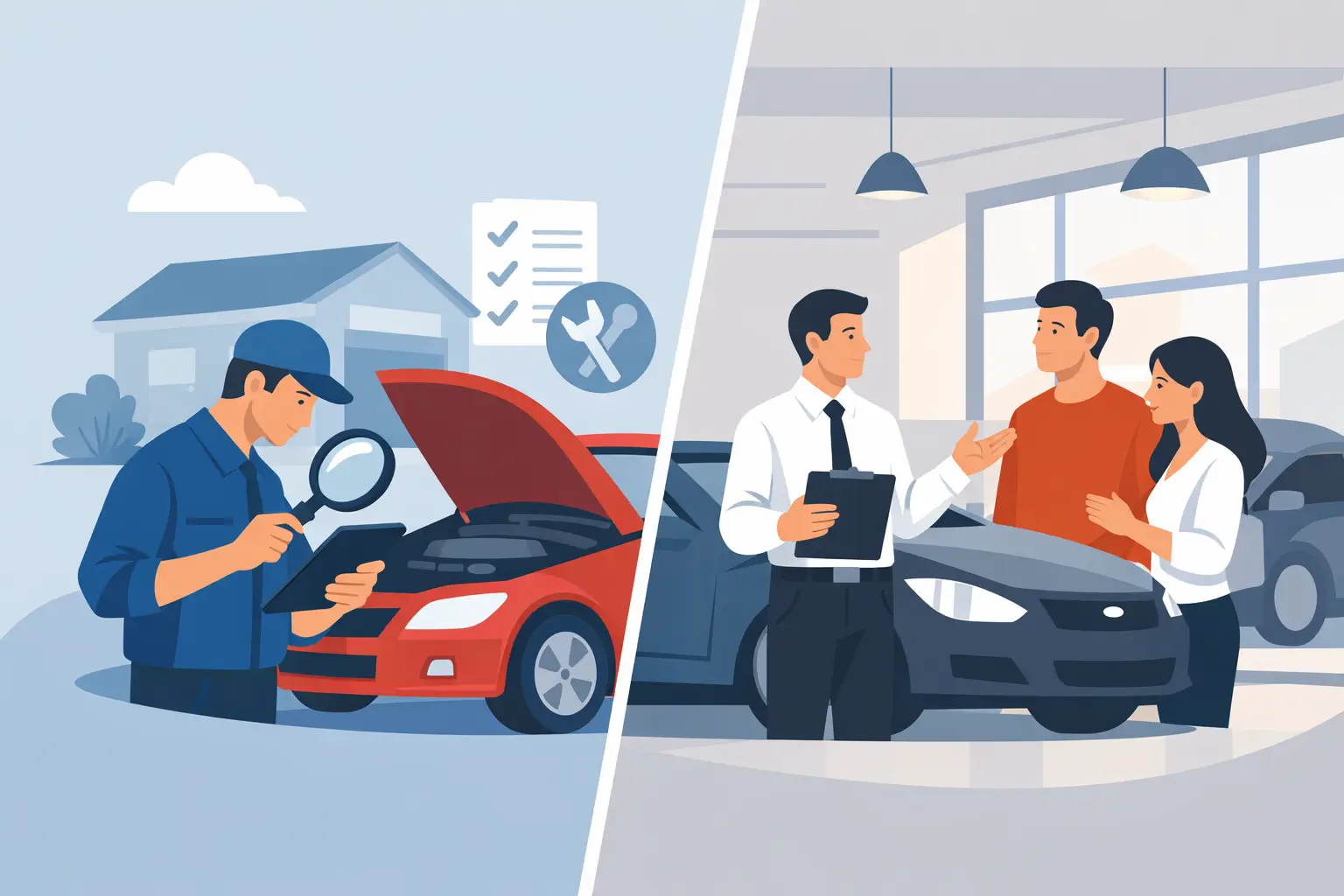
A clean vehicle, a recent oil change, and a dealership checklist can make a used car look ready for the road. They do not automatically answer the questions that matter most before money changes hands: What condition is the vehicle actually in? What repairs are coming? And who is accountable for documenting the findings?
The choice between an independent inspector versus dealership inspection affects the type of information you receive, the level of objectivity behind it, and how useful the report will be during a purchase, sale, trade-in, or fleet decision. Both inspection paths can be valuable. The right choice depends on the vehicle, the transaction, and whether you need a repair recommendation, a condition record, or an unbiased assessment.
What Each Inspection Is Designed to Do
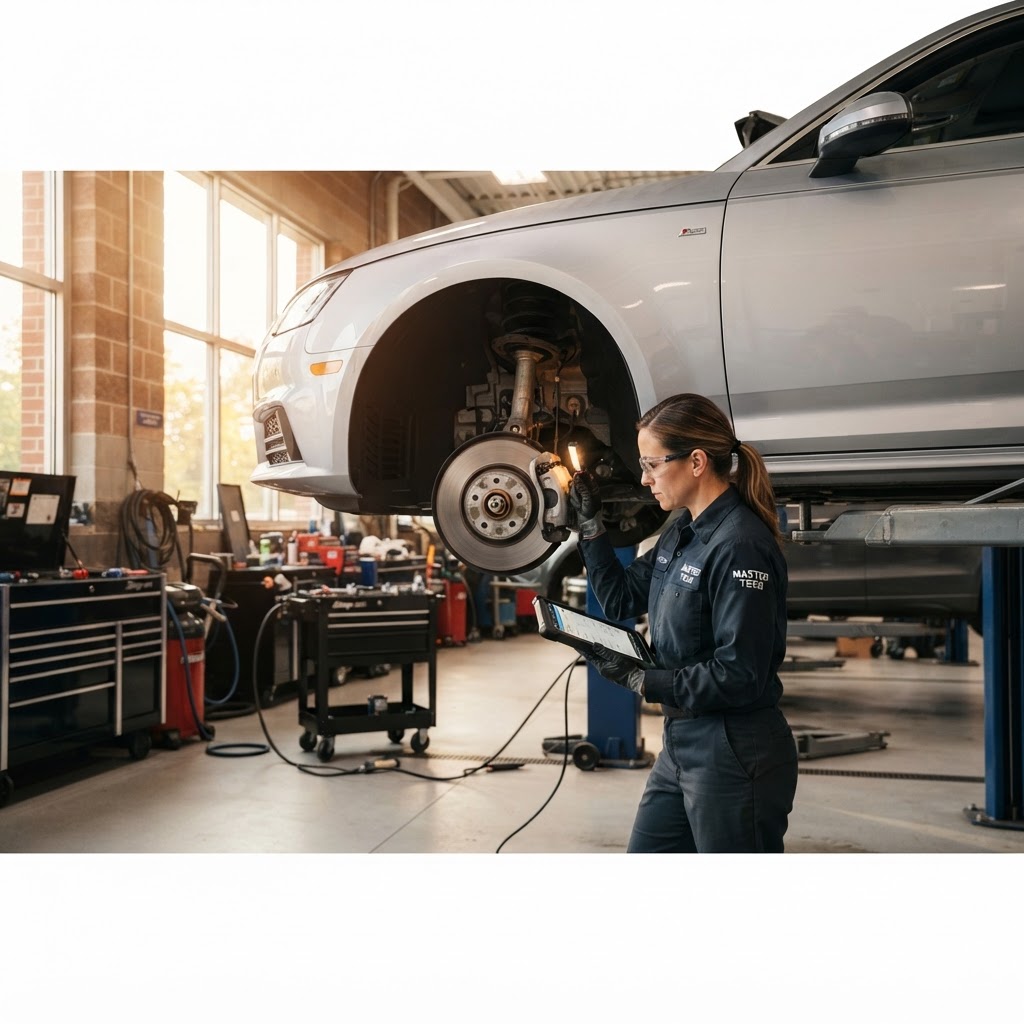
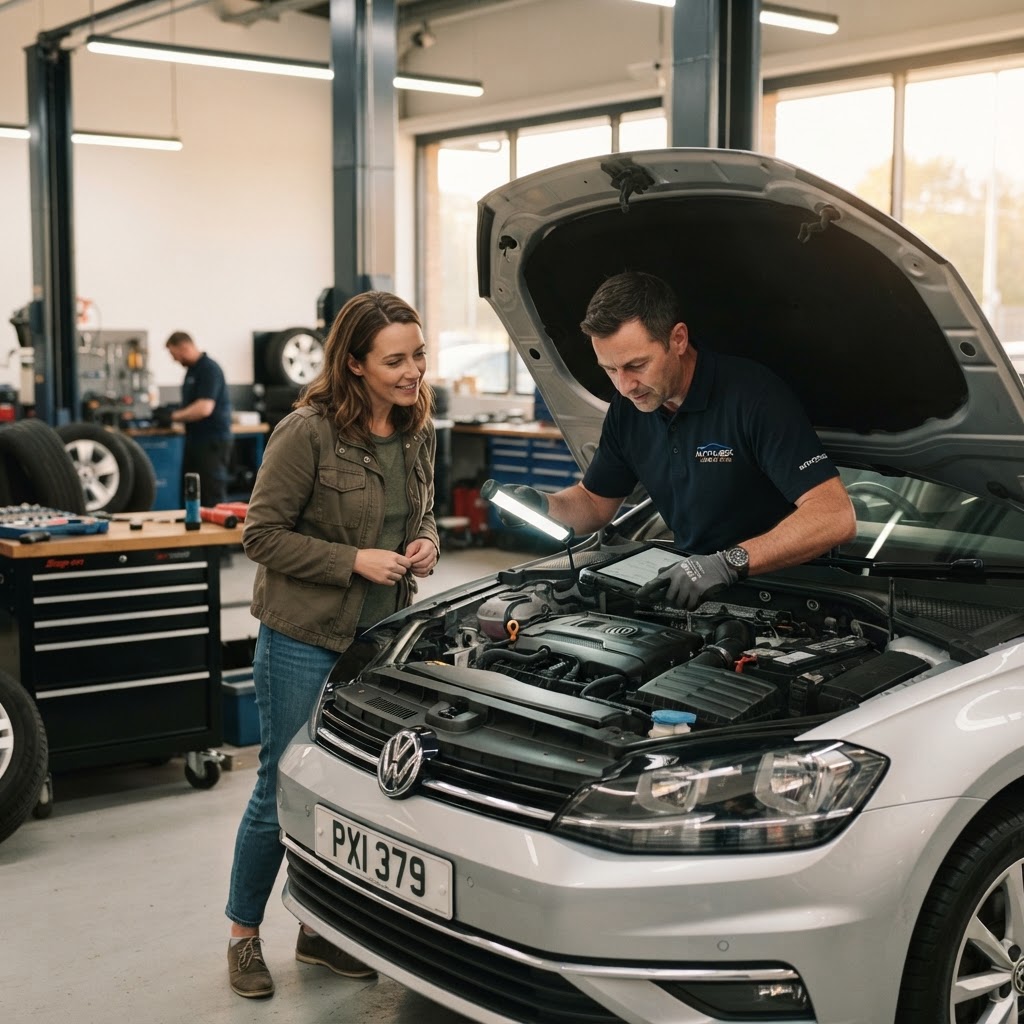
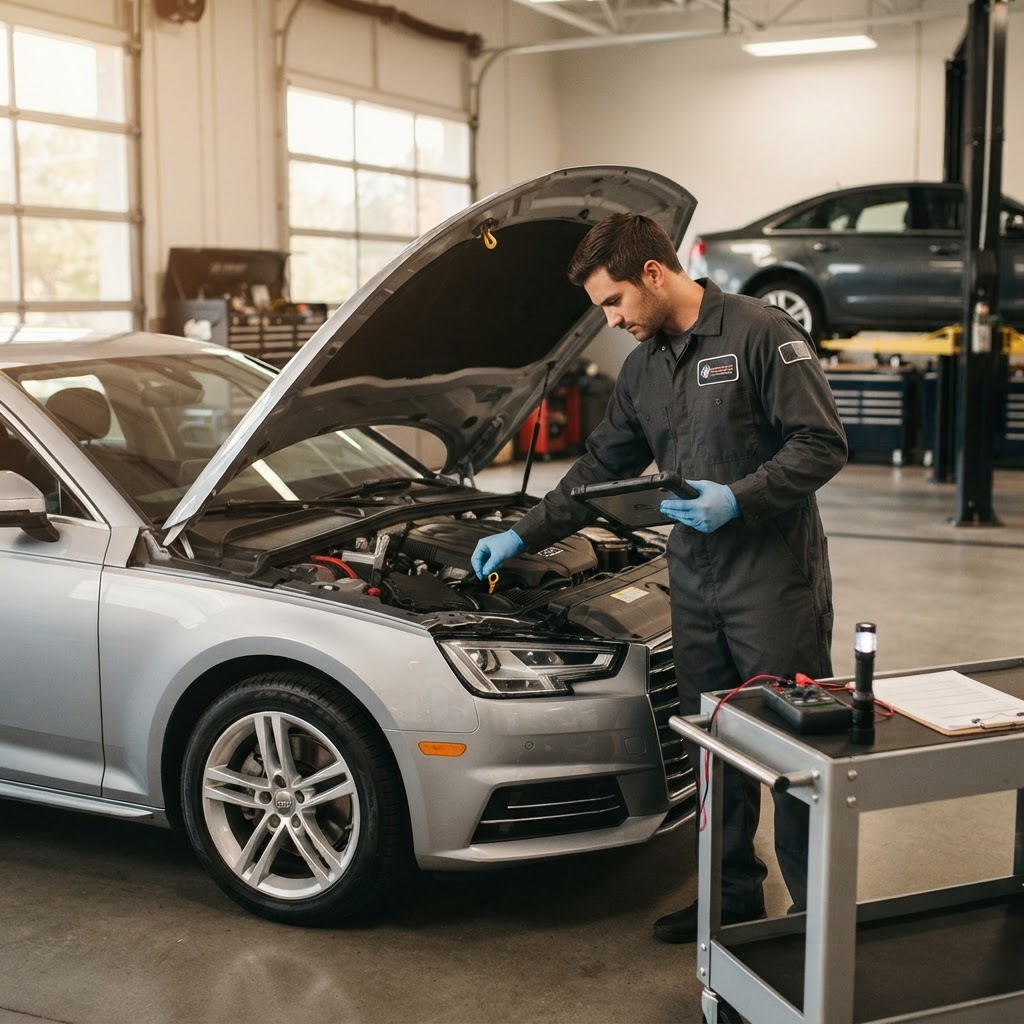
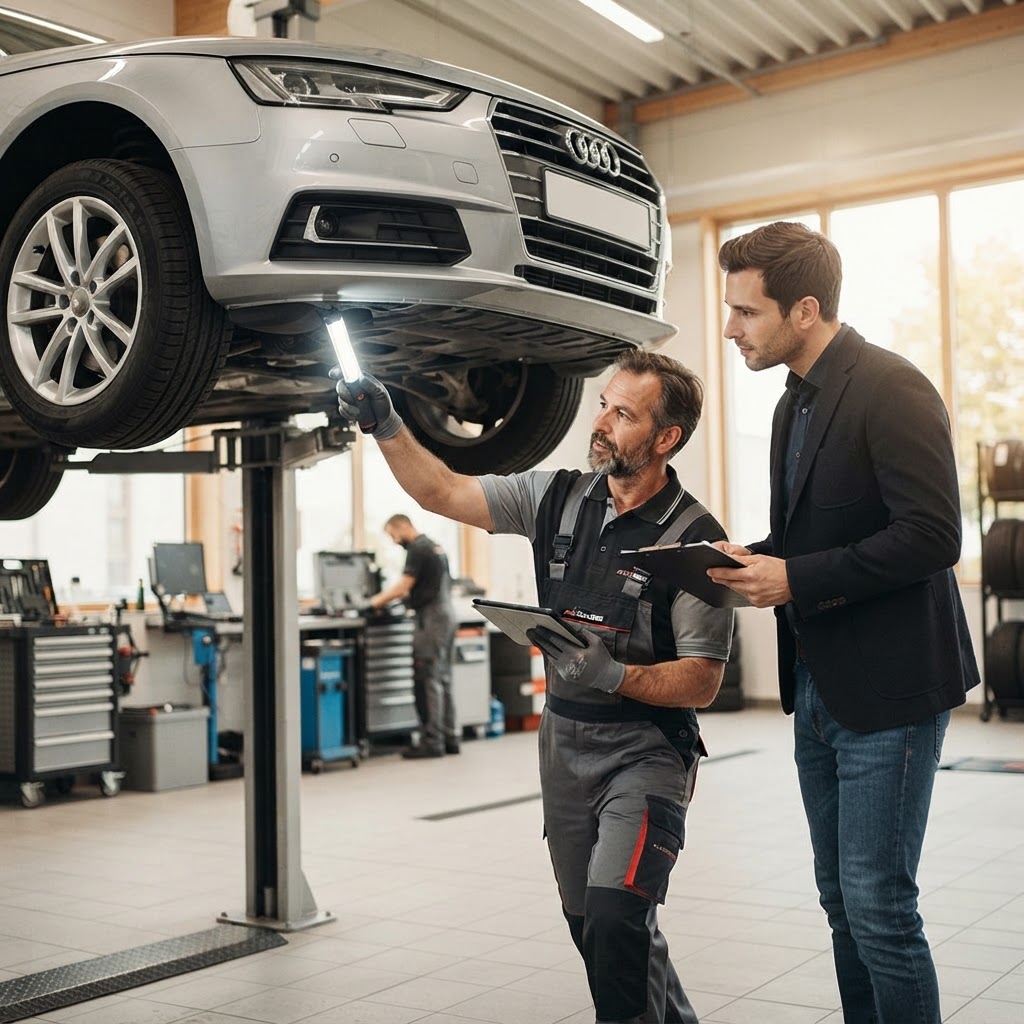
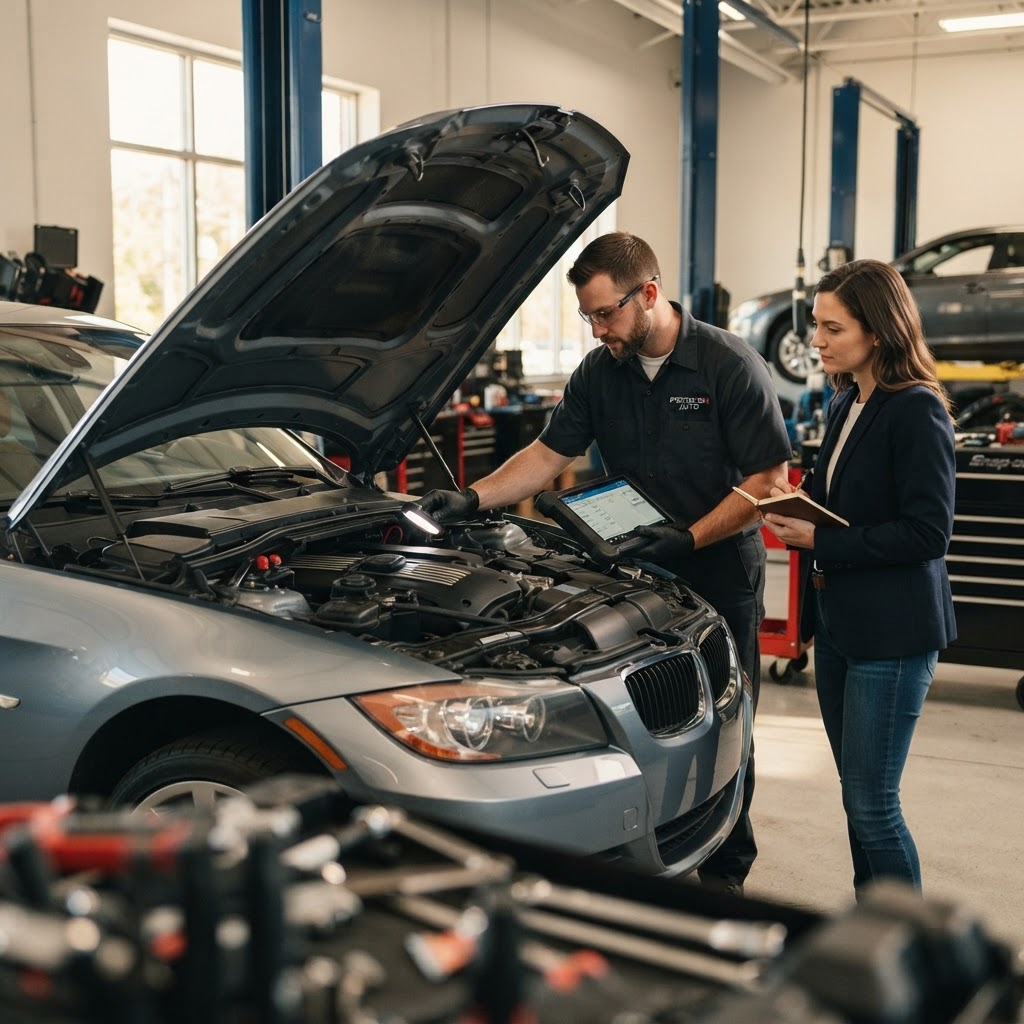
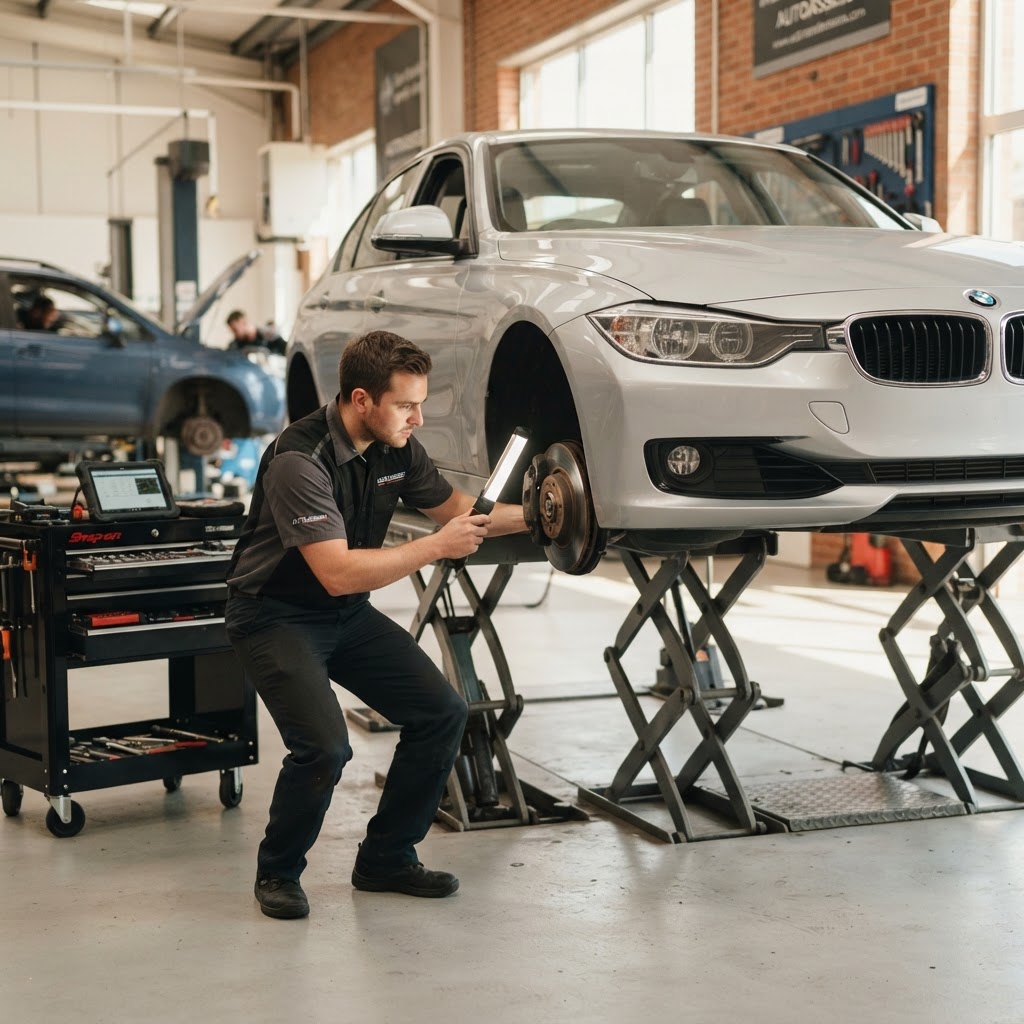
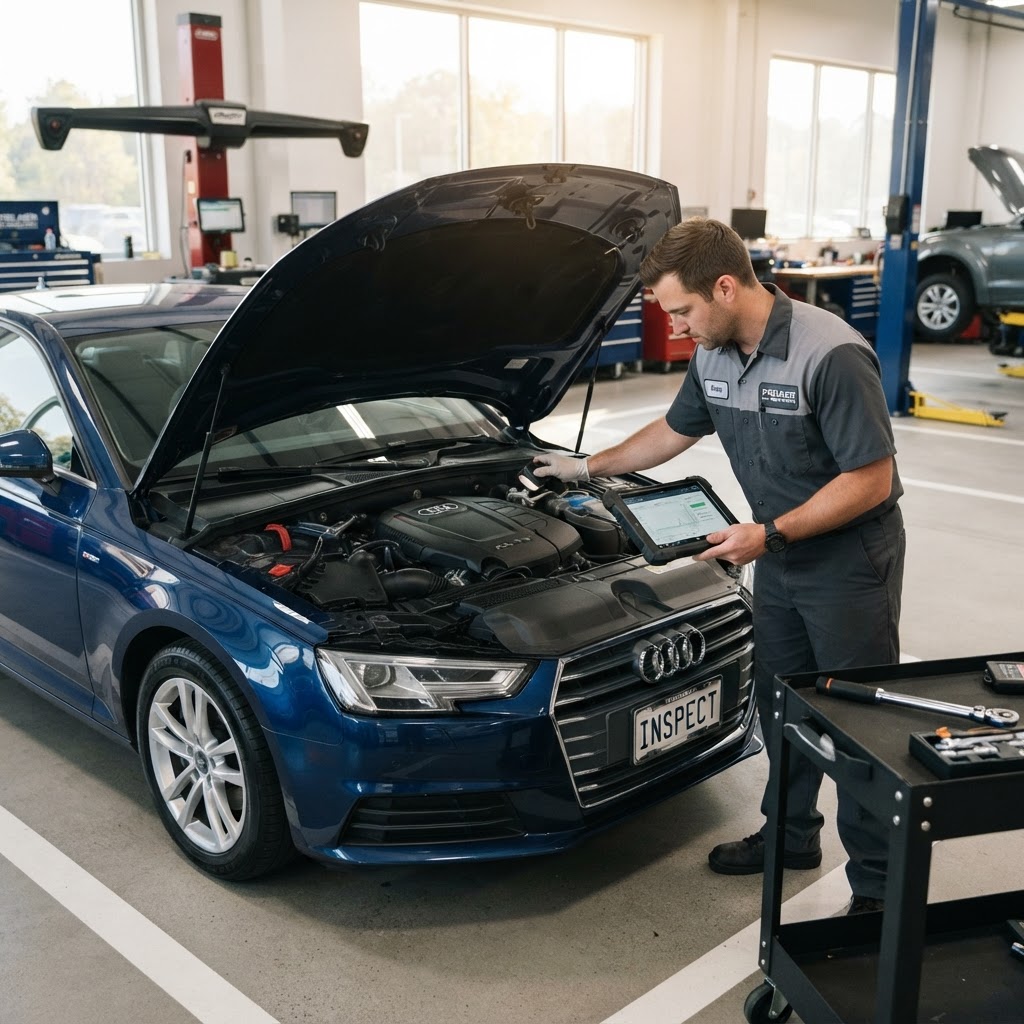
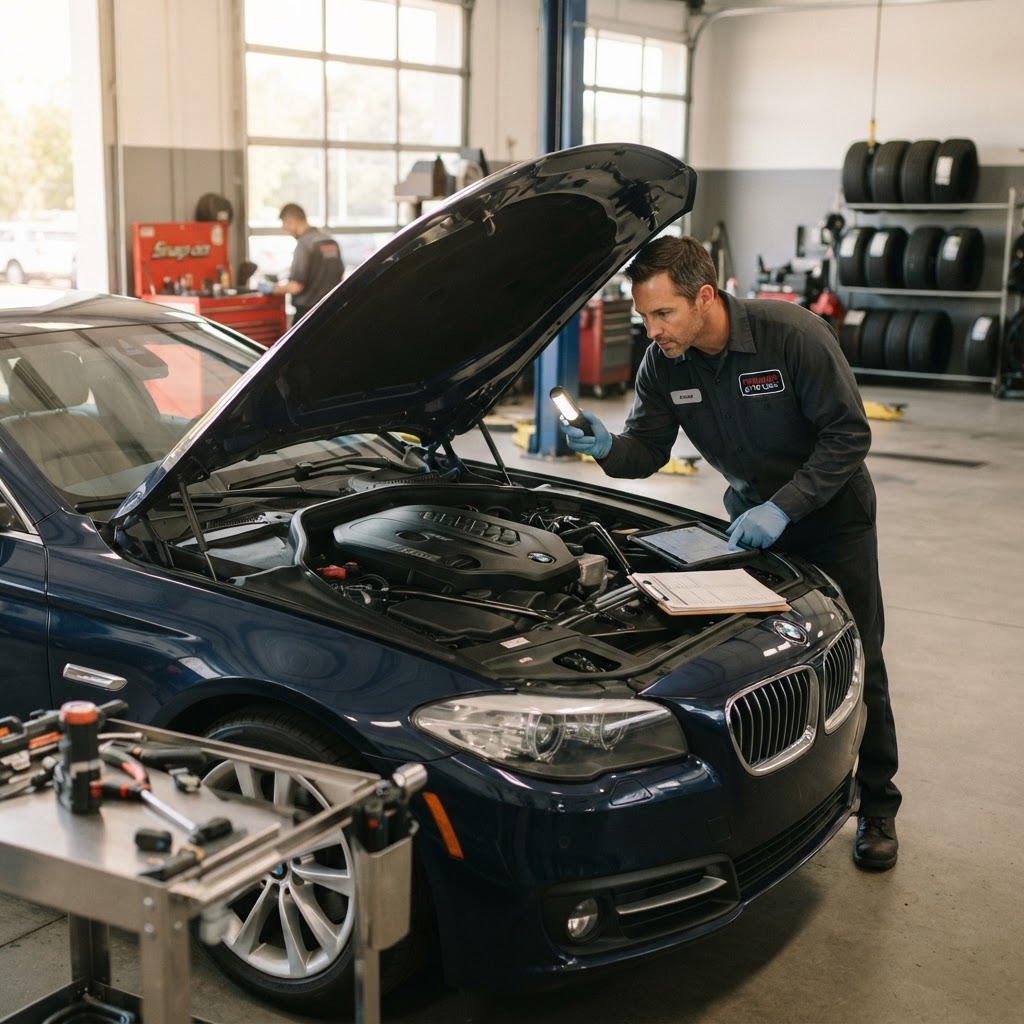
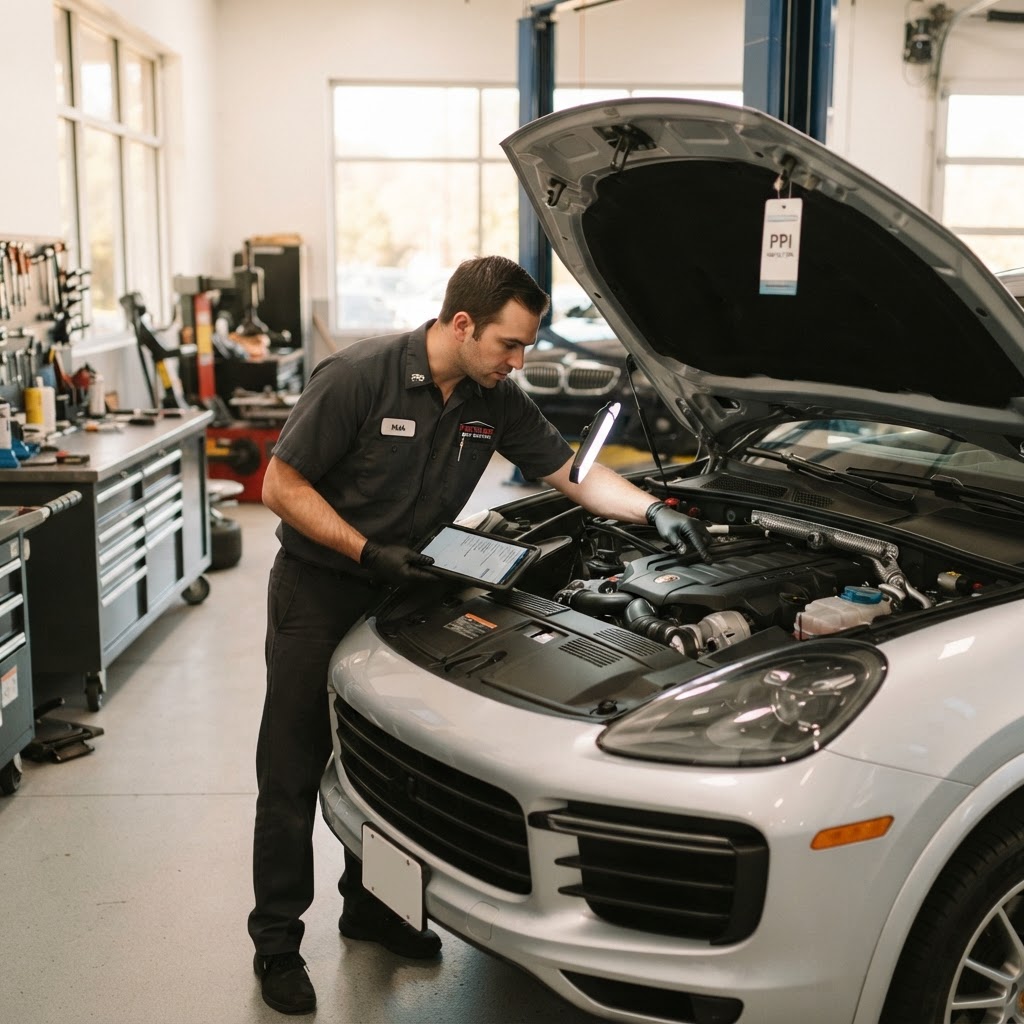
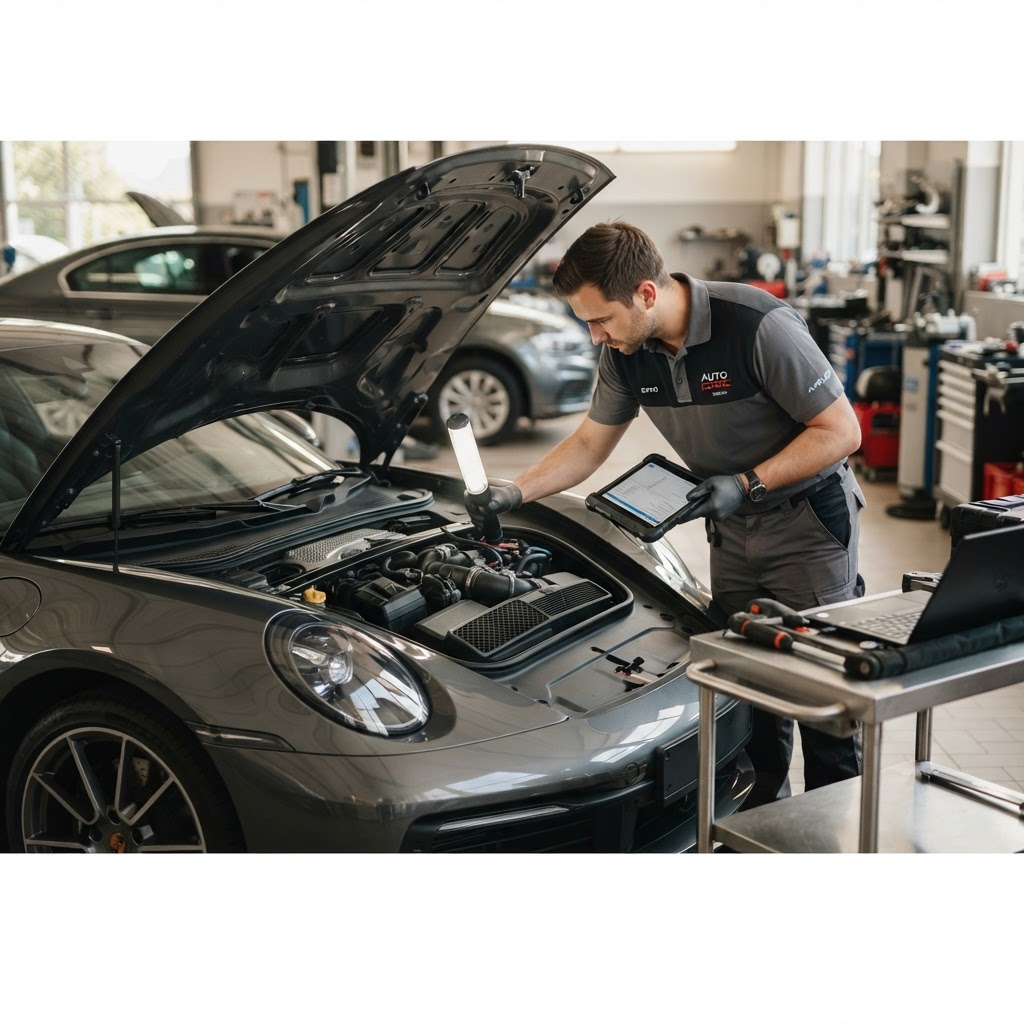
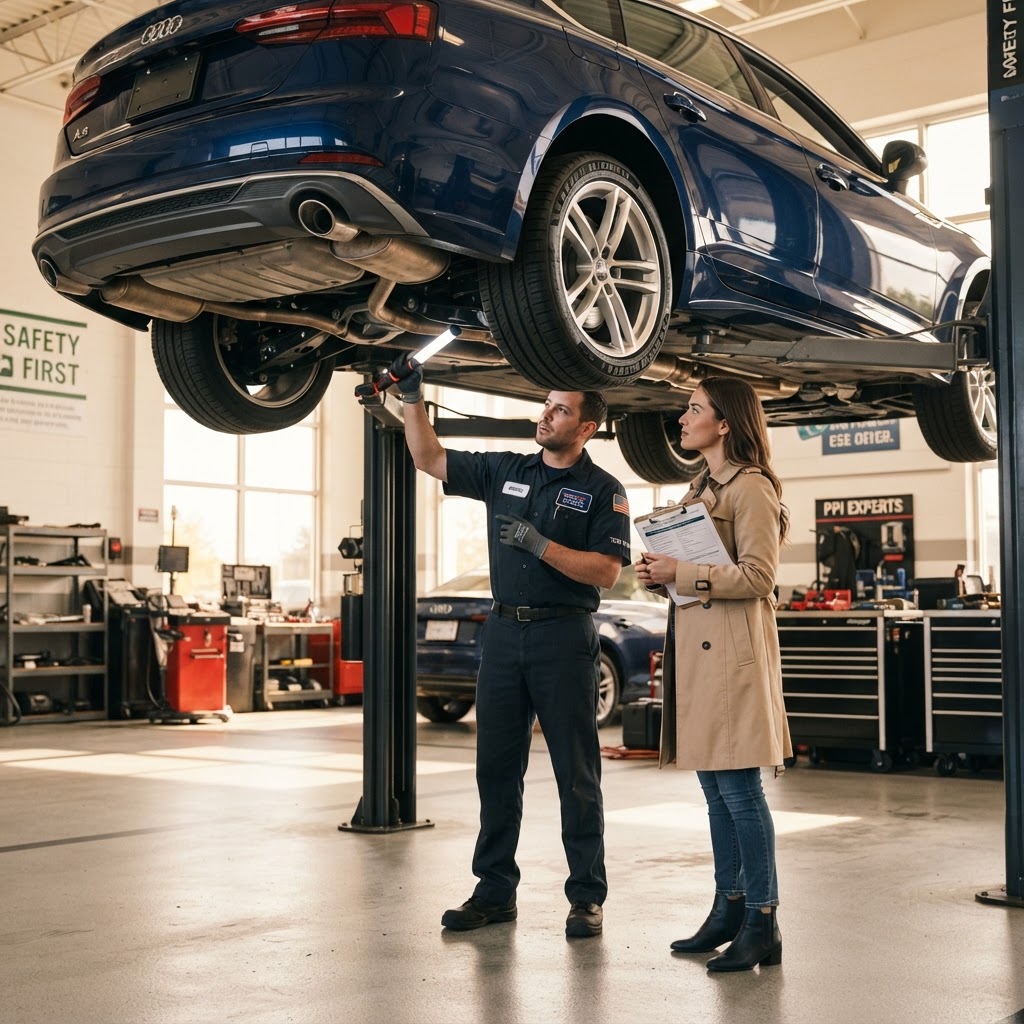
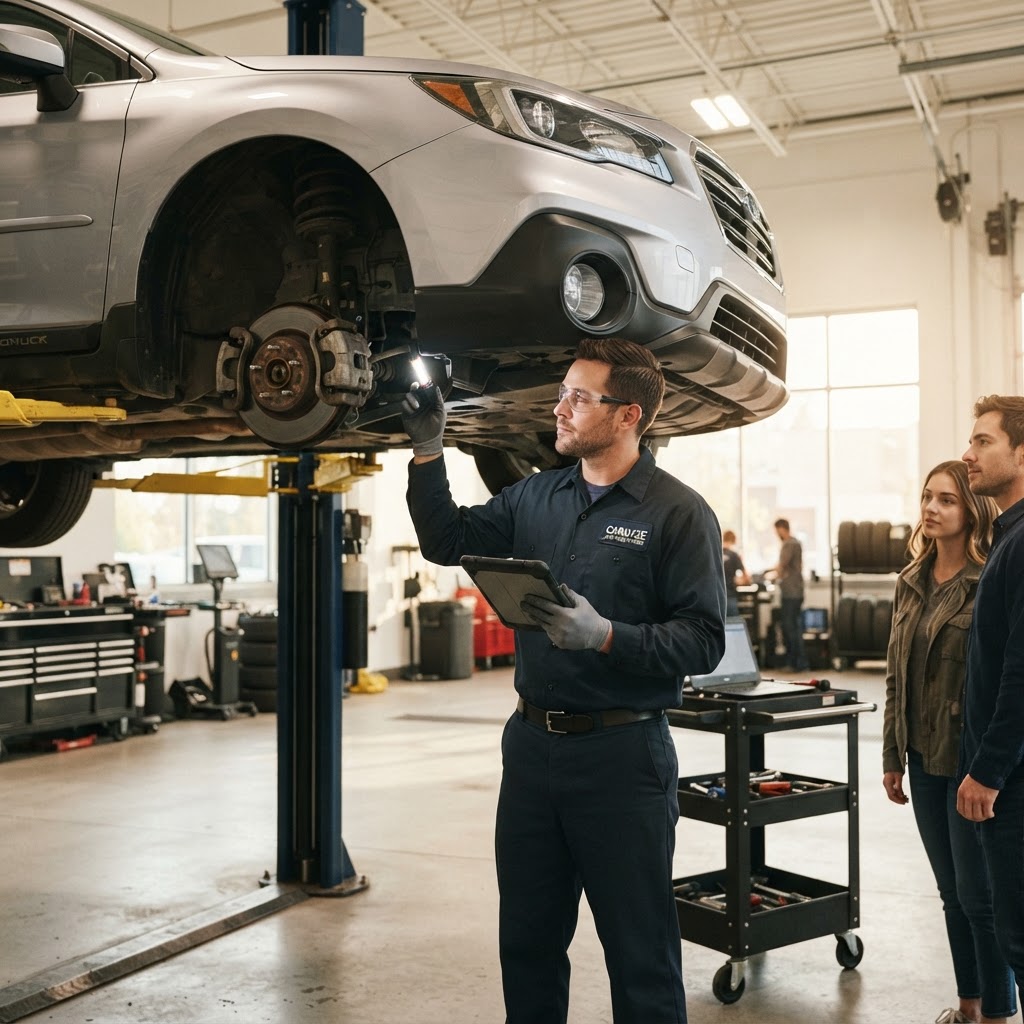
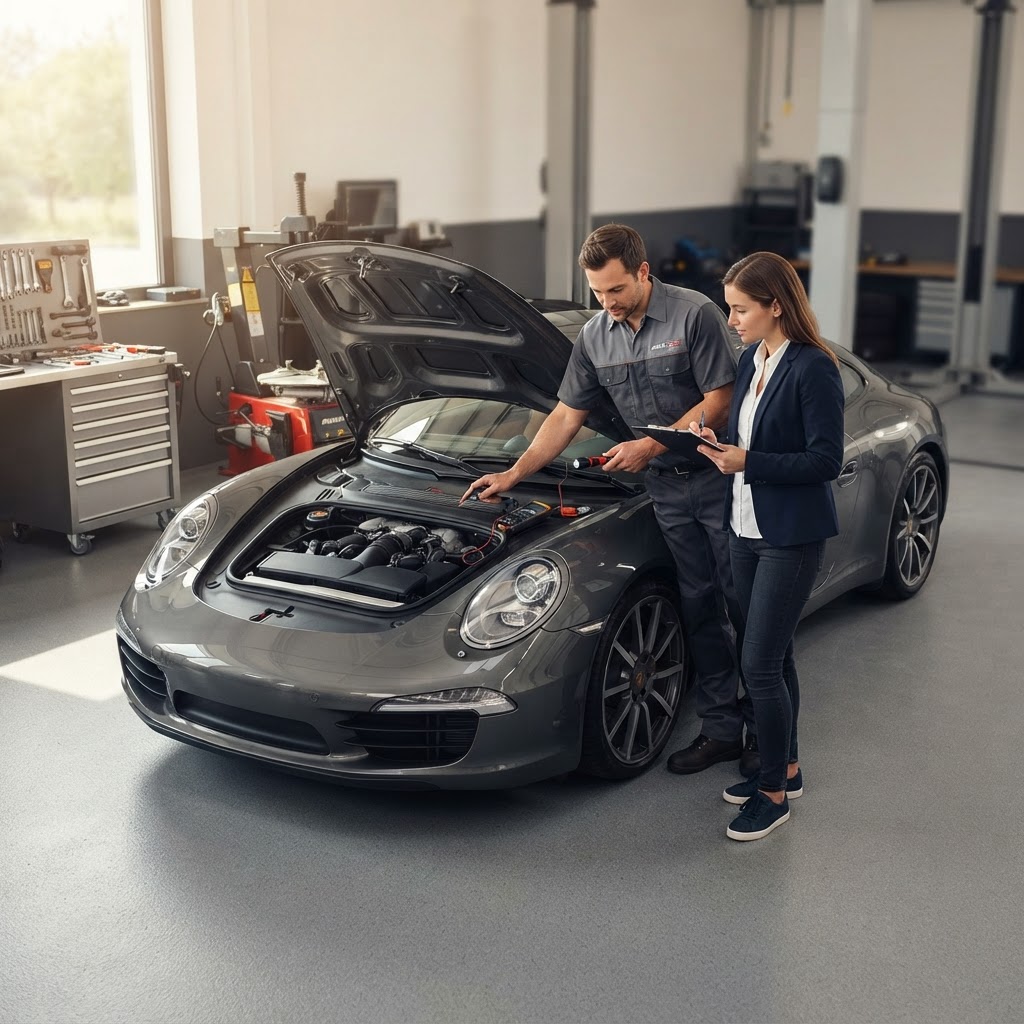
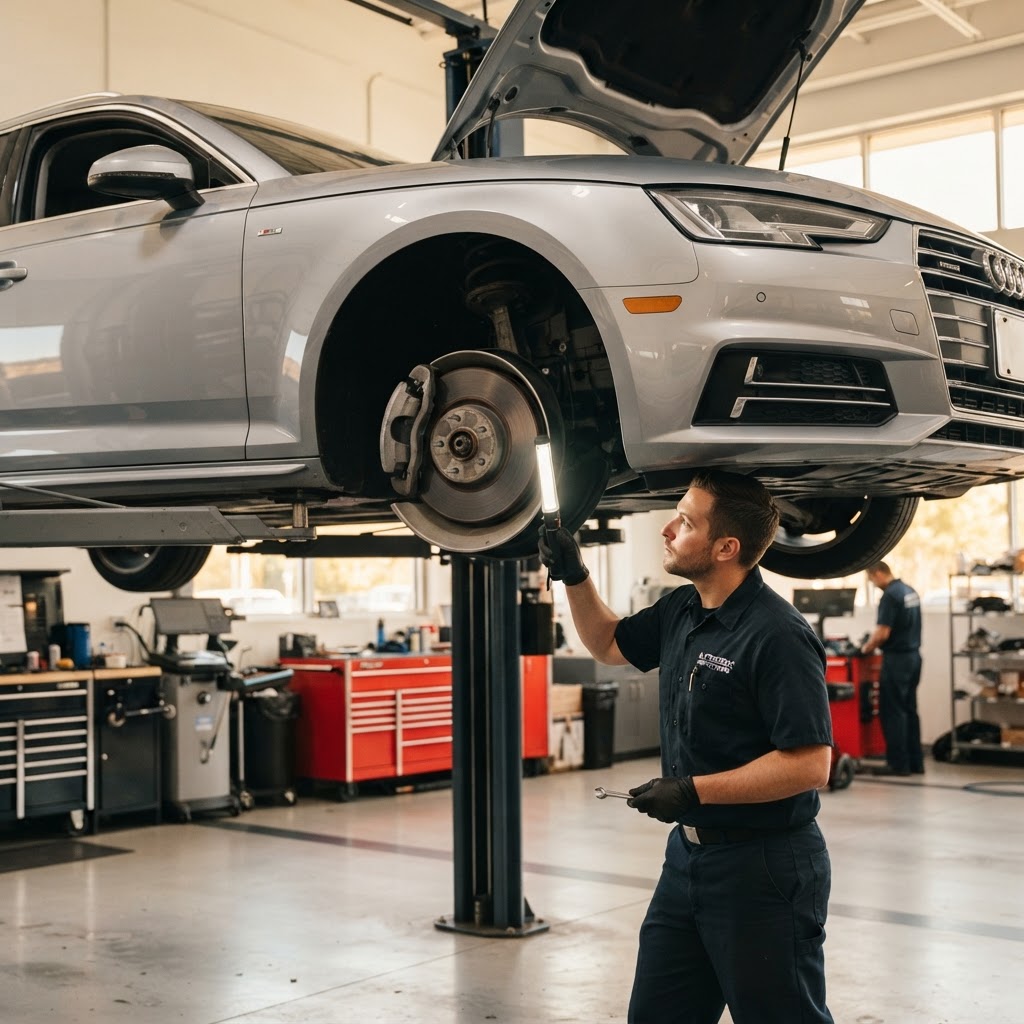
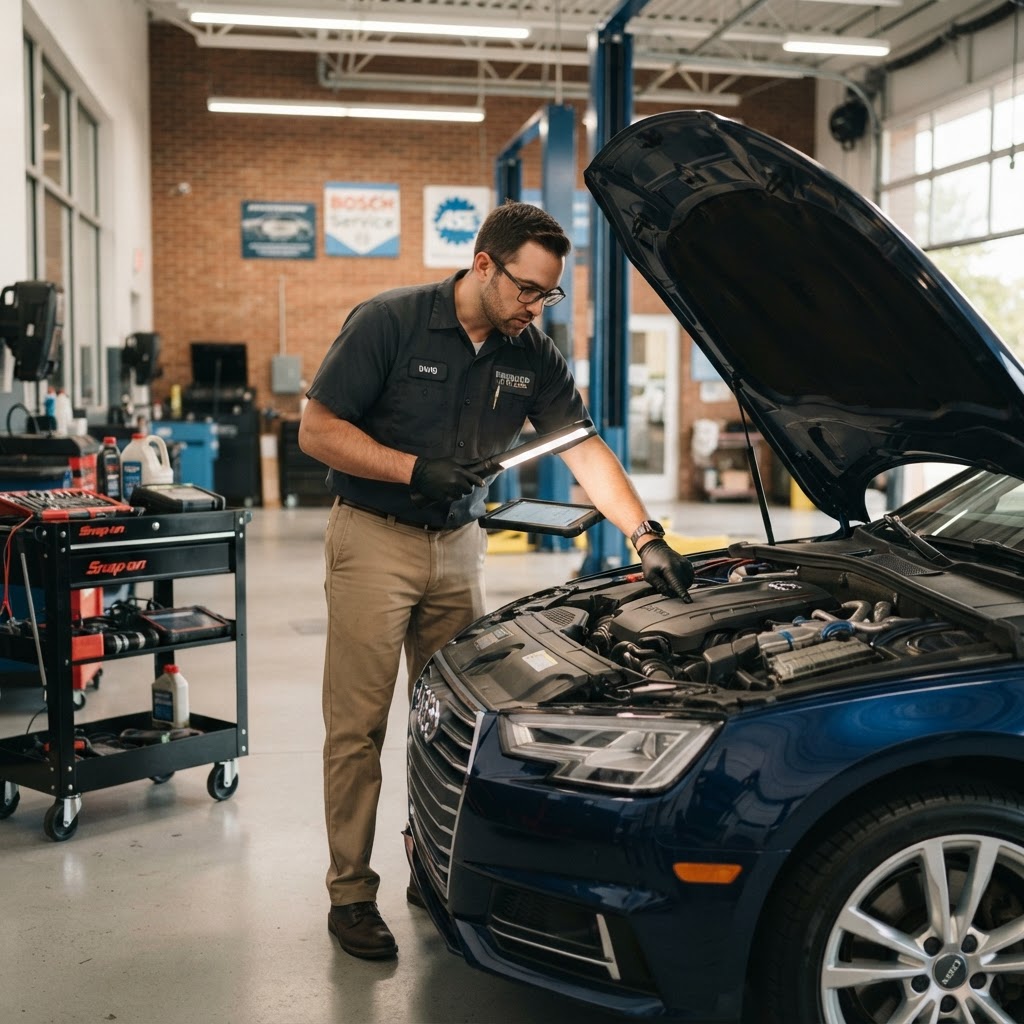
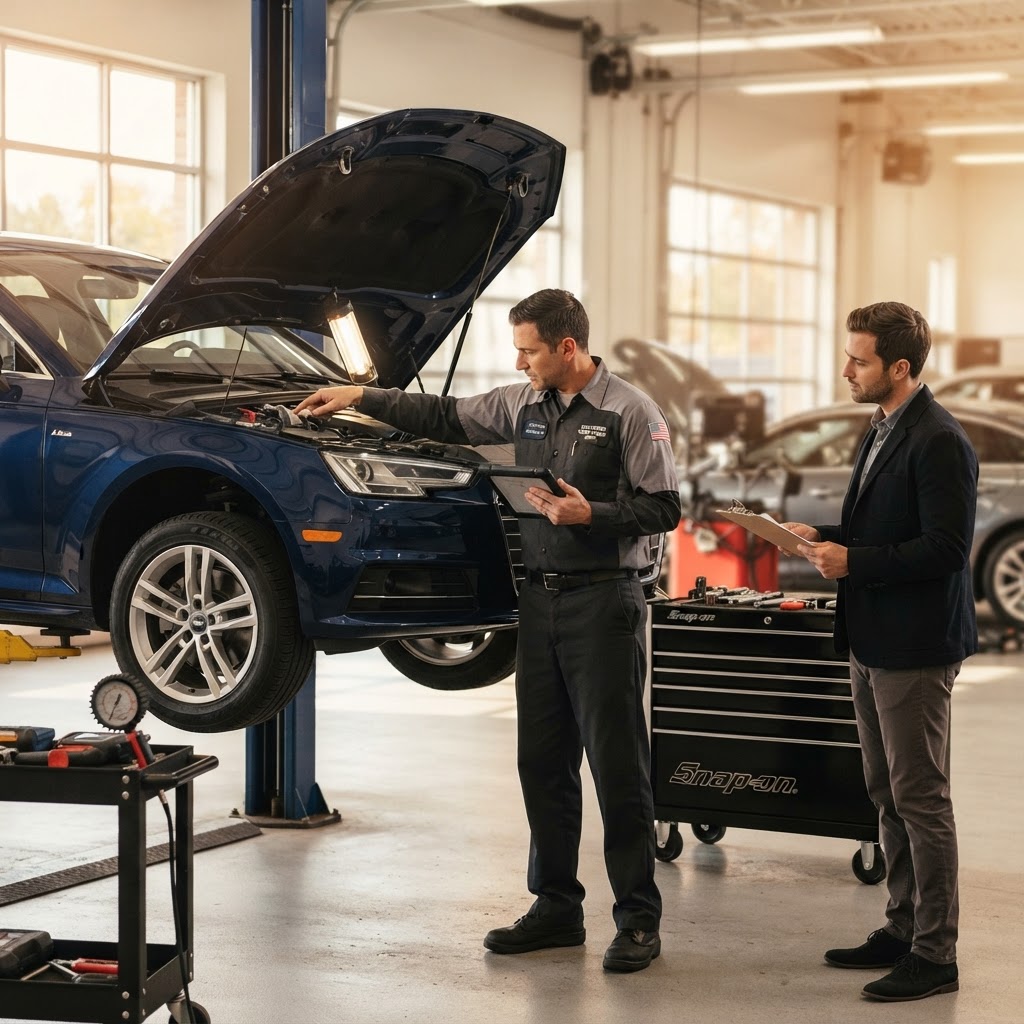
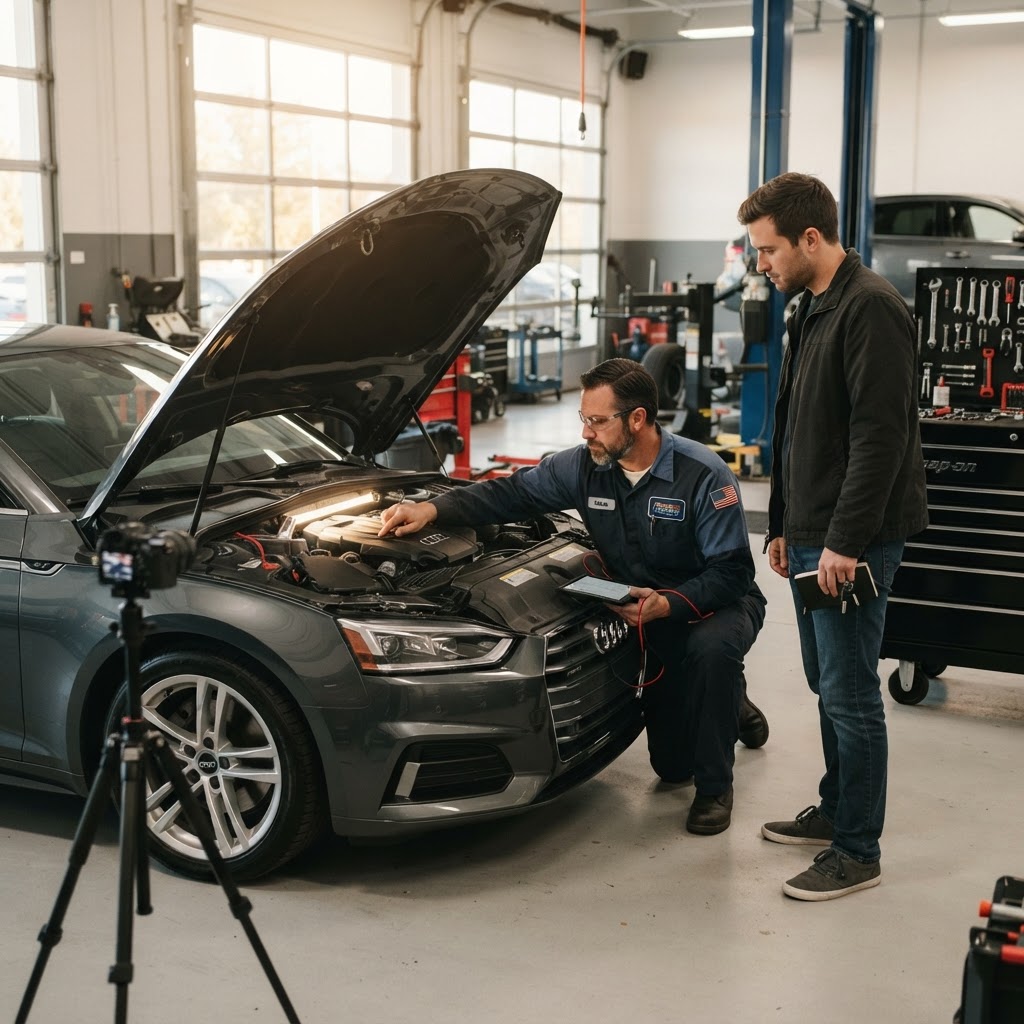
A dealership inspection is usually built around the dealership's service process. It may be a multi-point inspection performed before a vehicle is listed for sale, during routine maintenance, or when a customer brings in a trade-in. Technicians may check fluids, brakes, tires, warning lights, visible leaks, and other items defined by the dealership's checklist. If the vehicle is being sold as certified pre-owned, the dealer may also complete manufacturer-required certification steps.
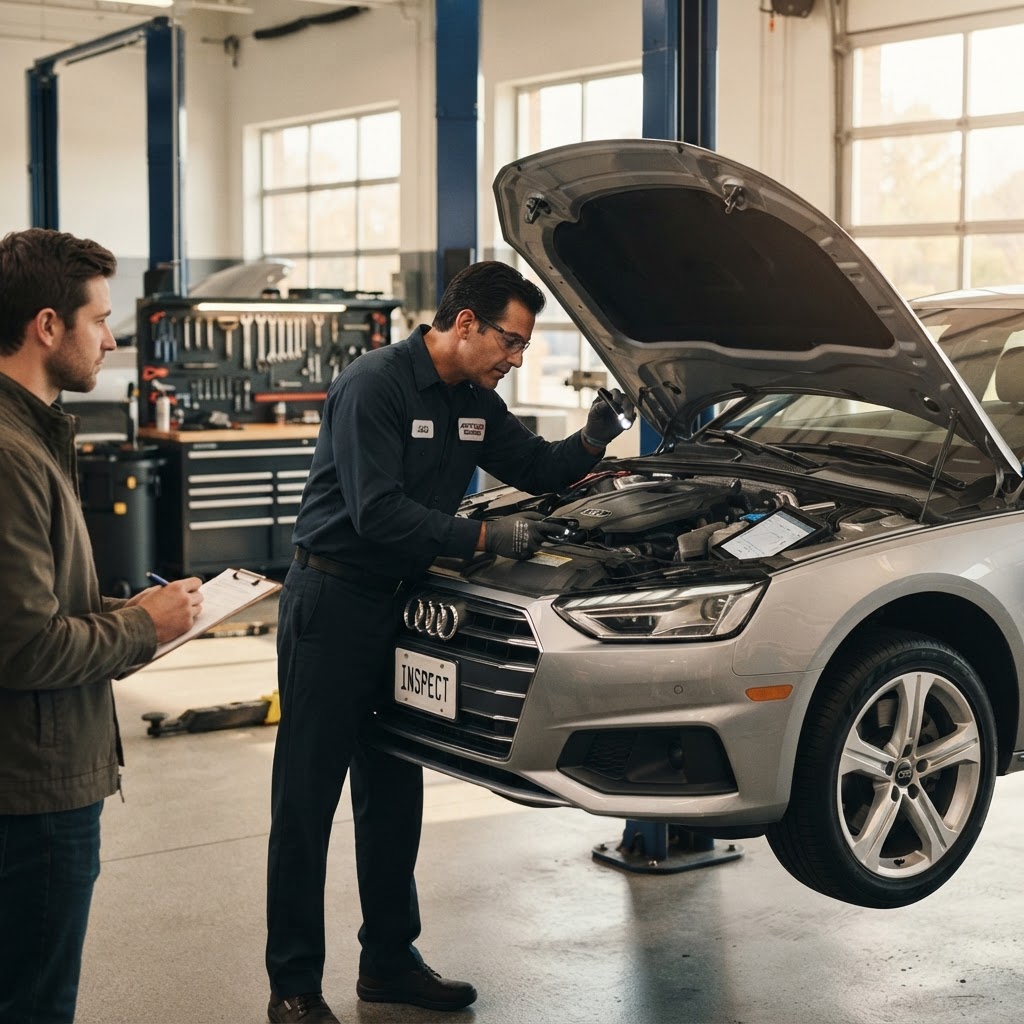
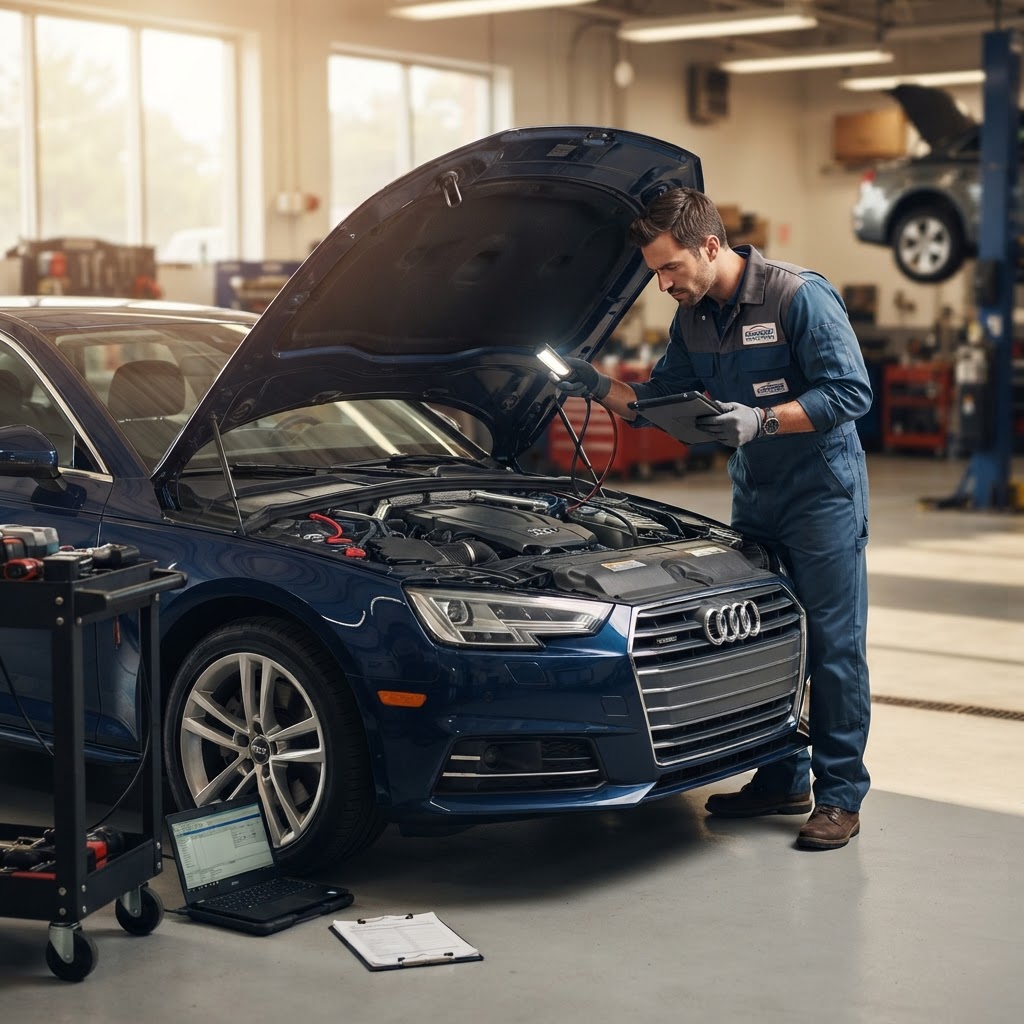
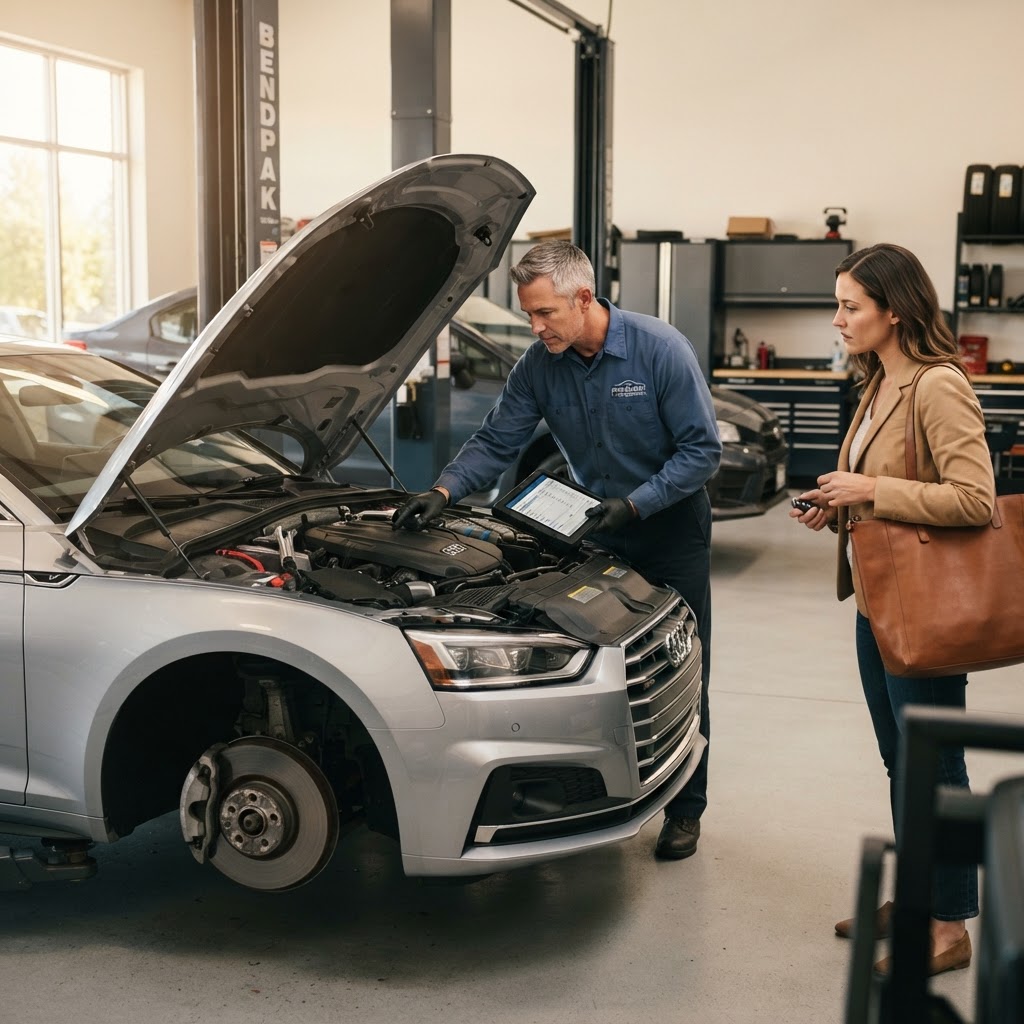
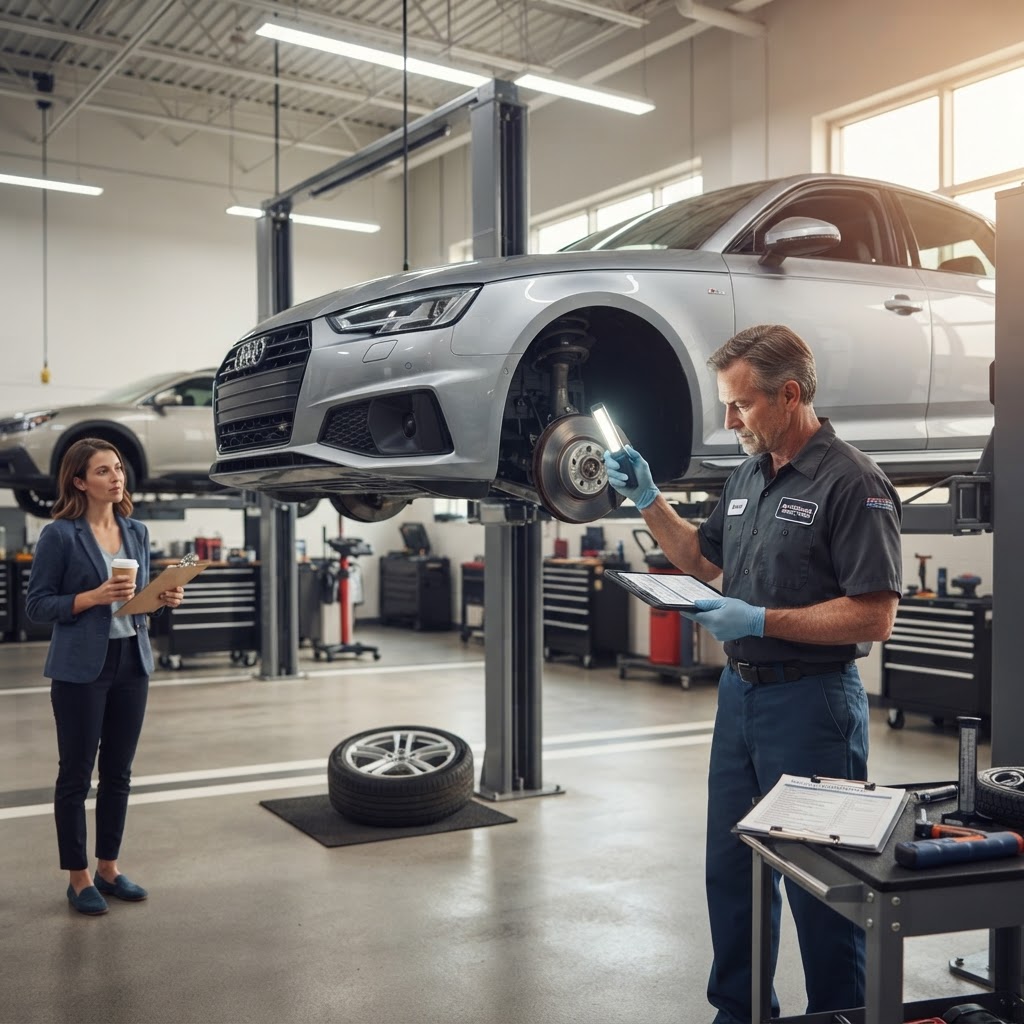
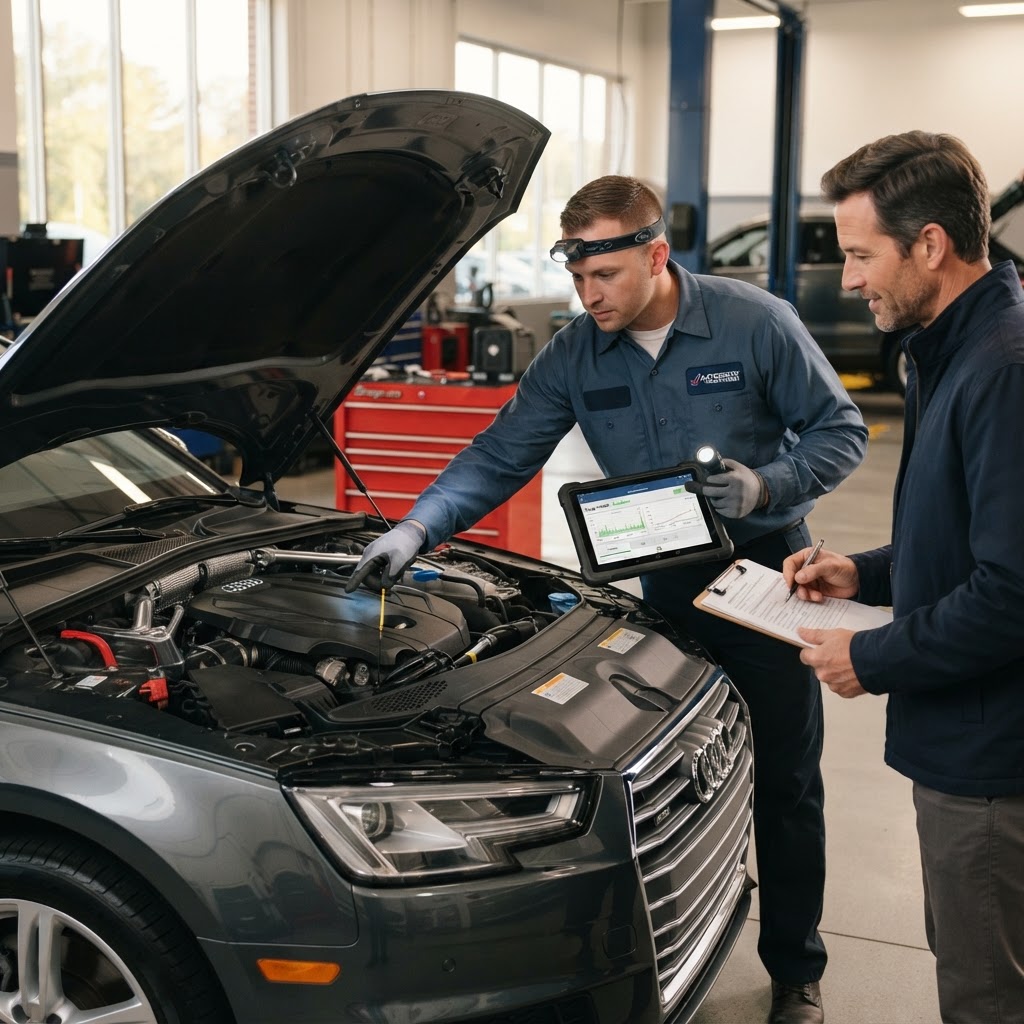
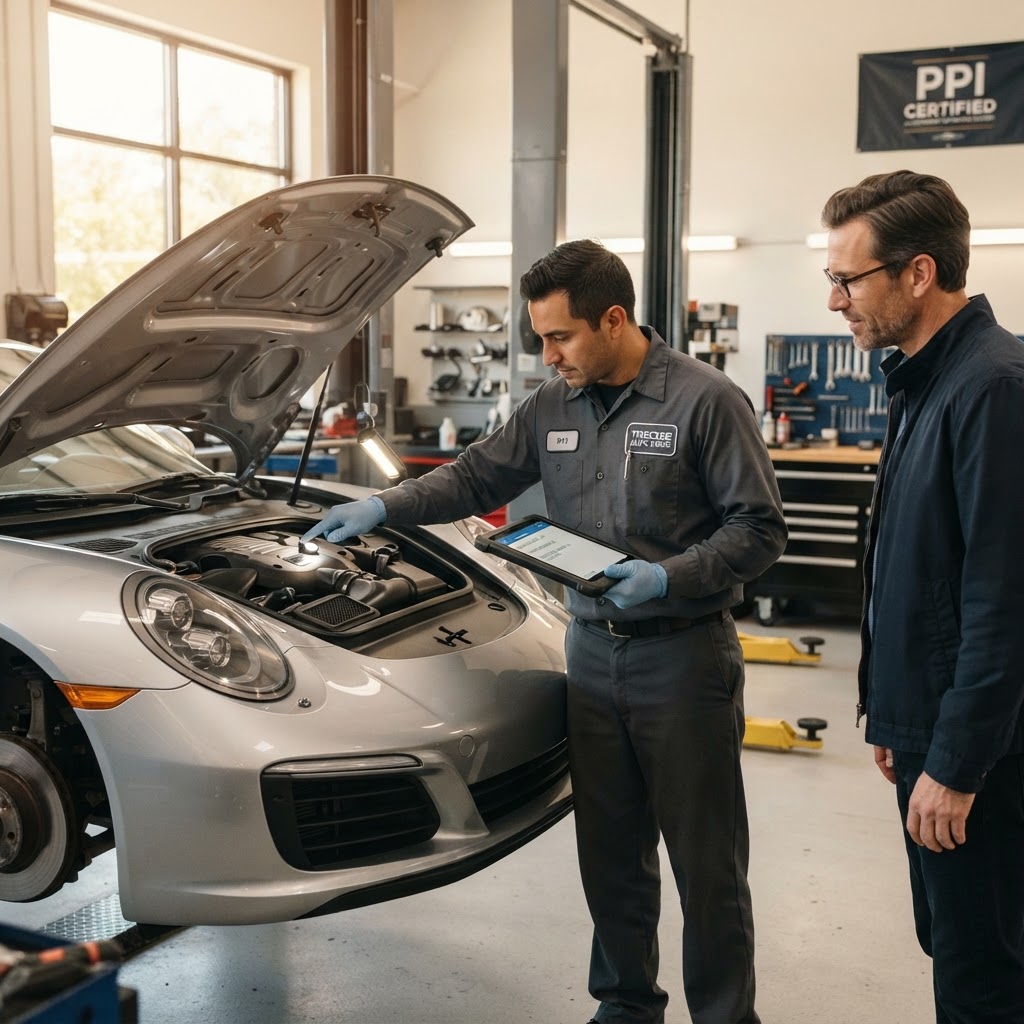
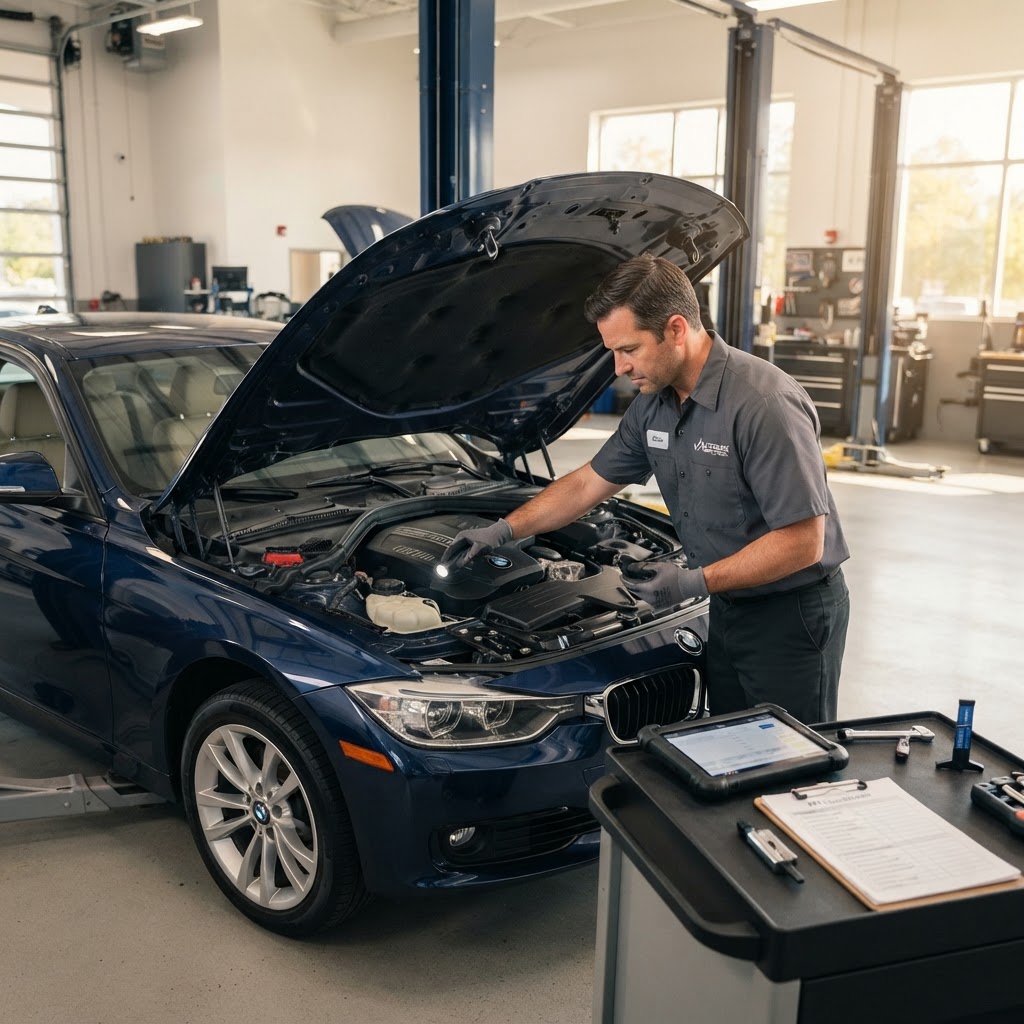
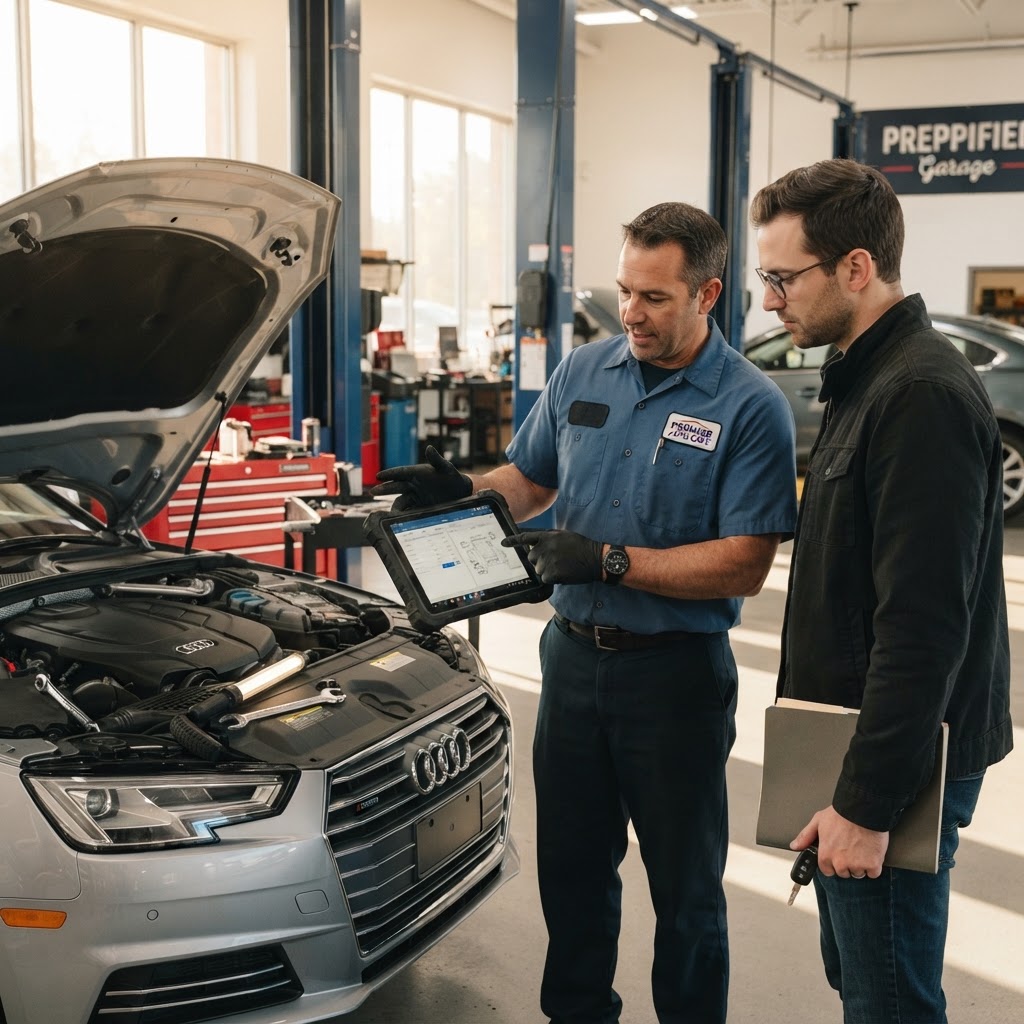
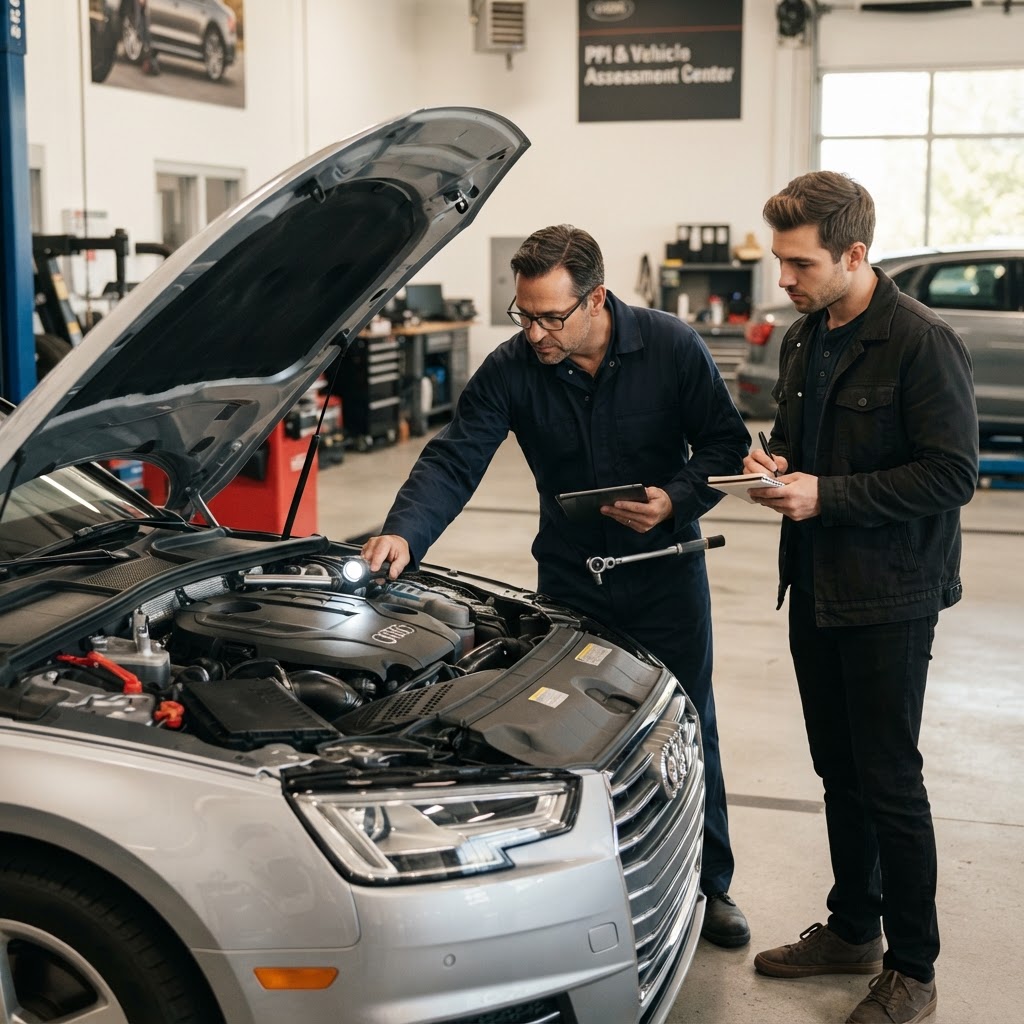
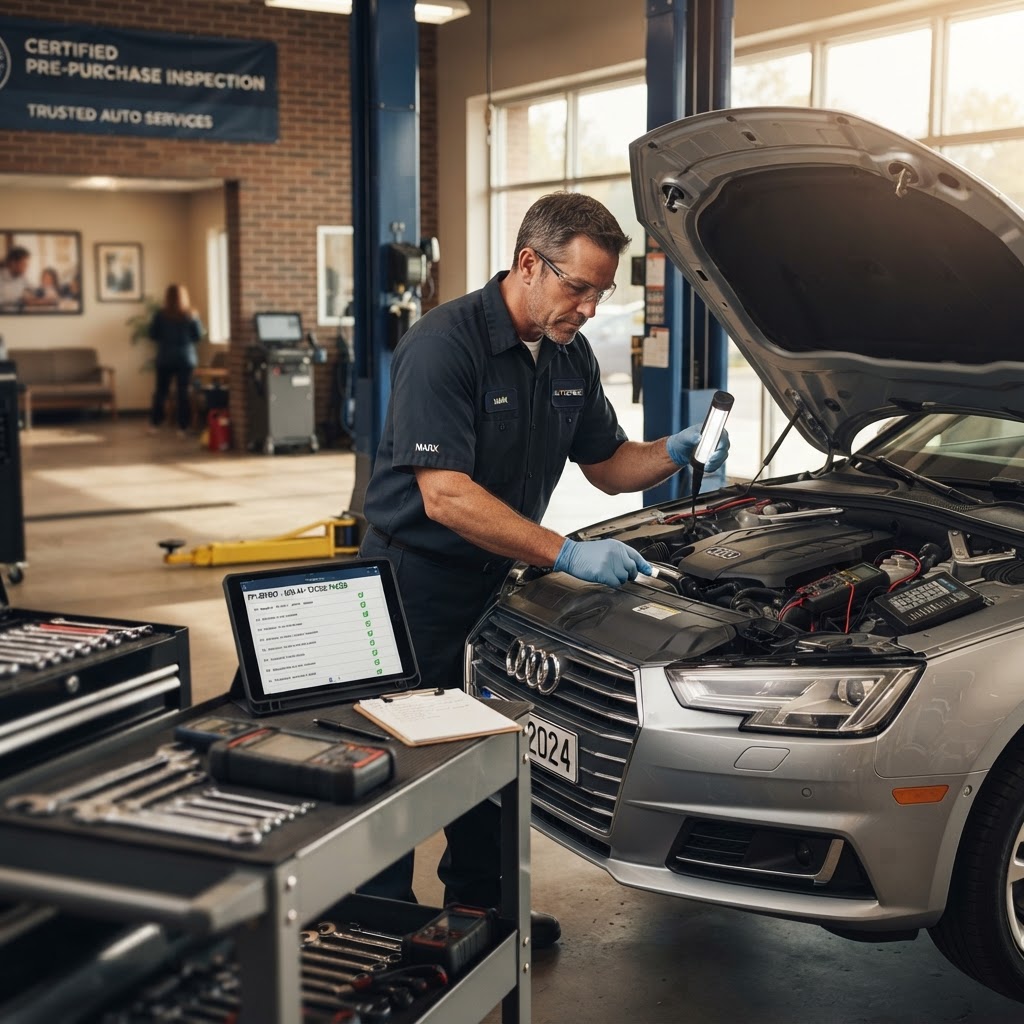
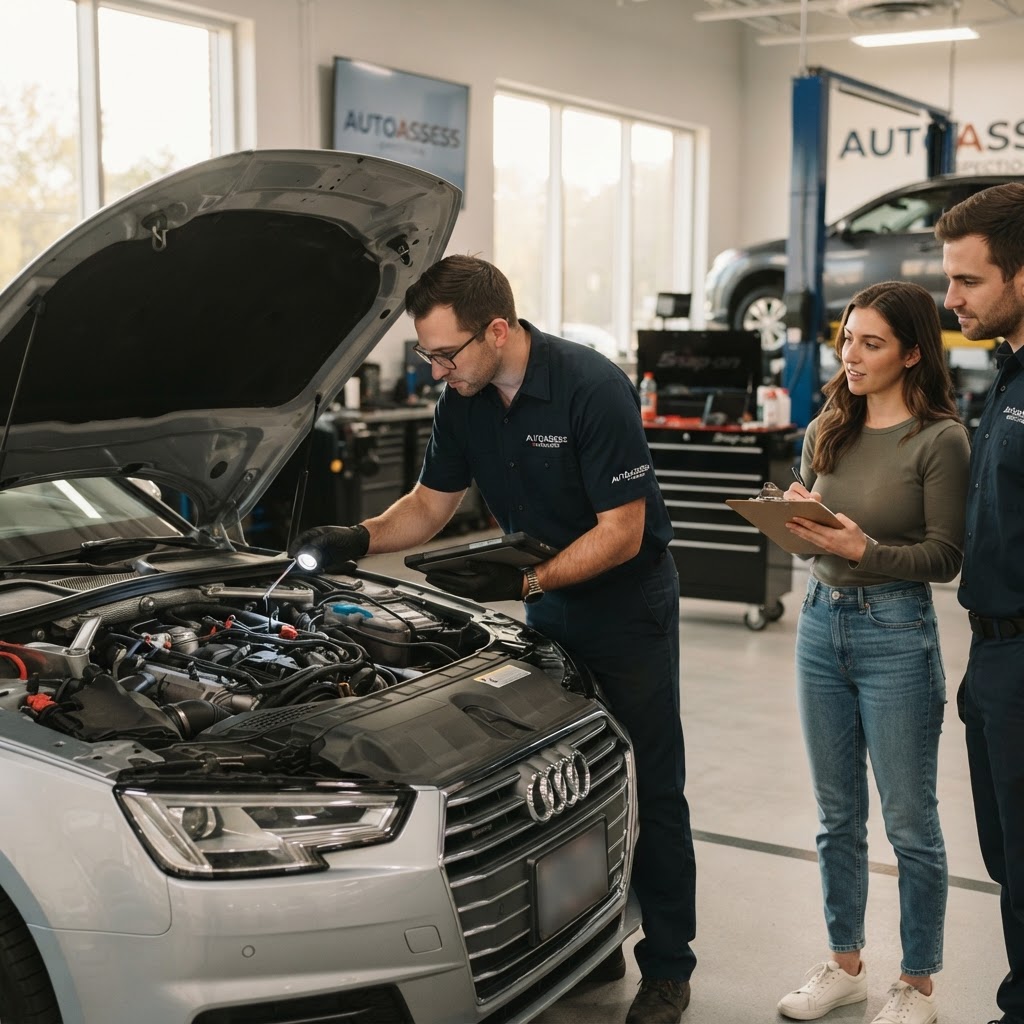
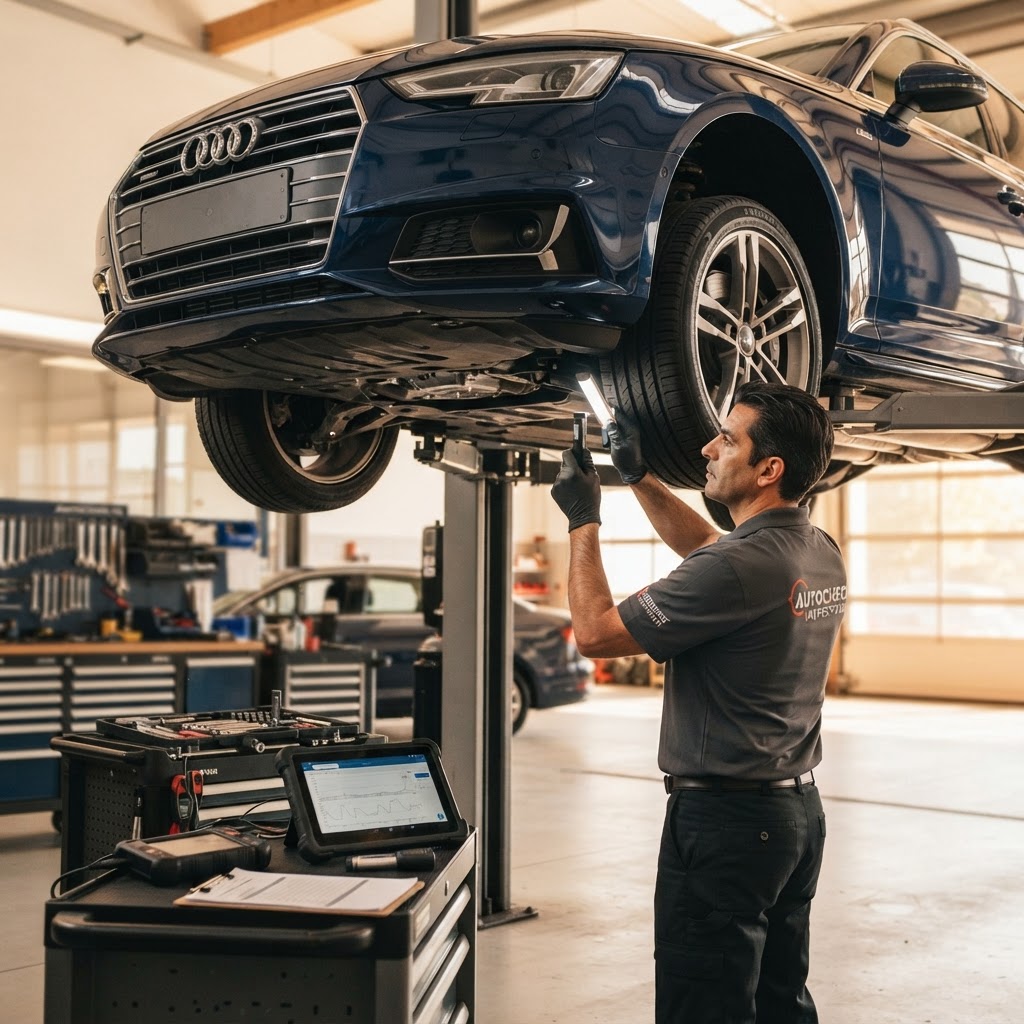
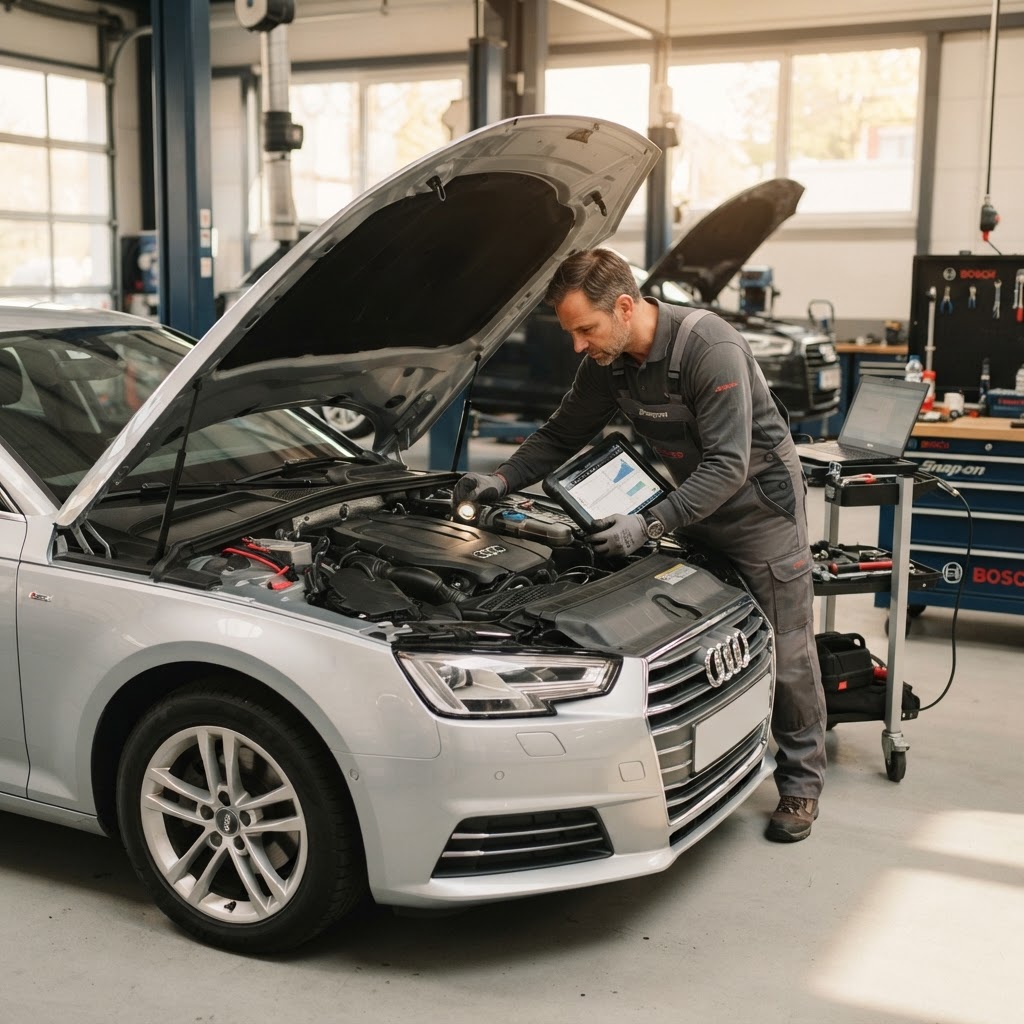
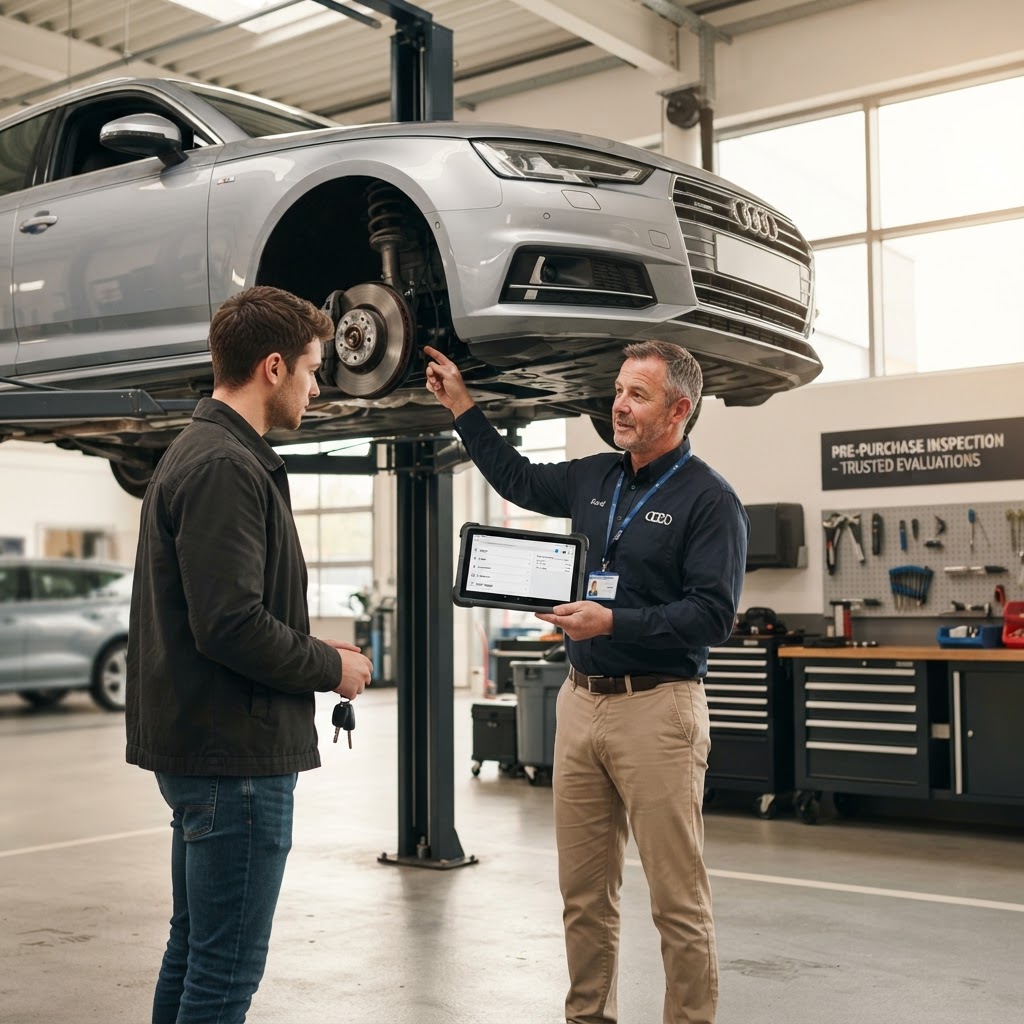
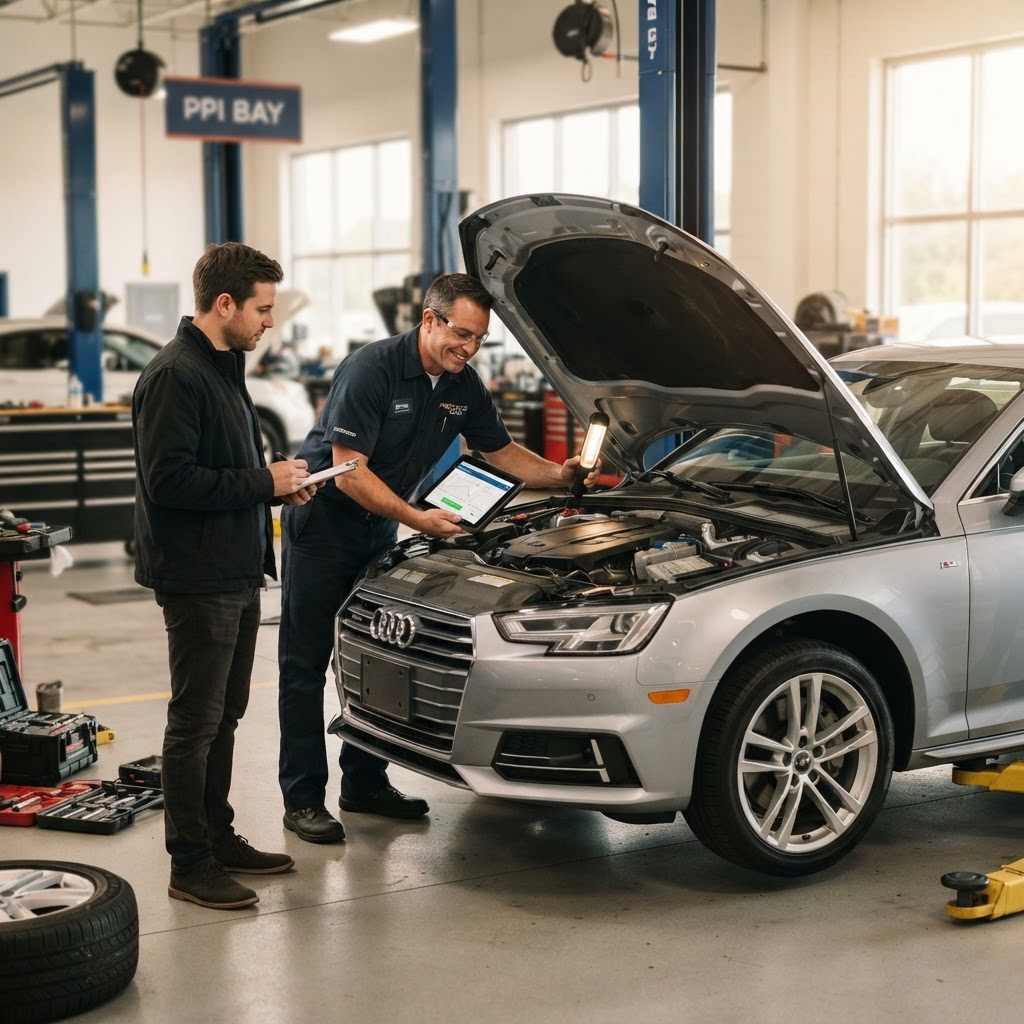
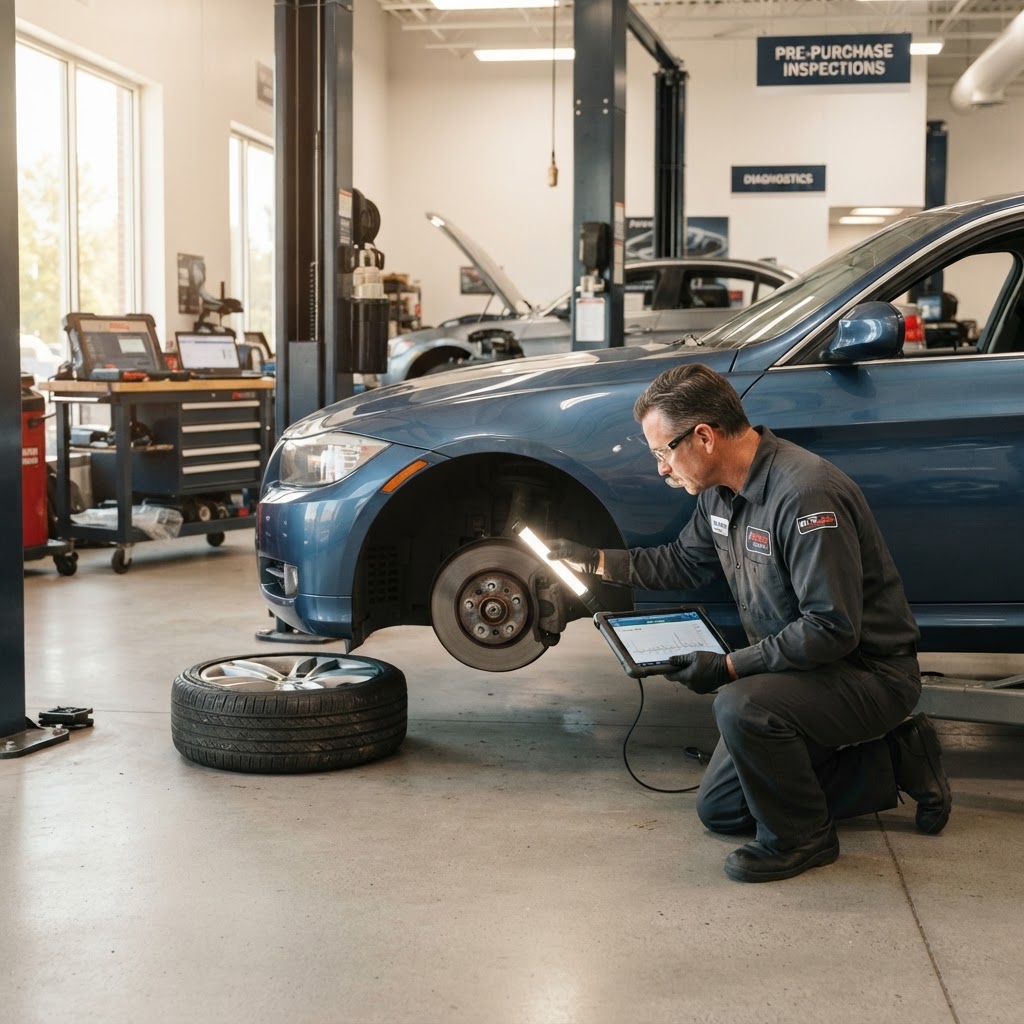
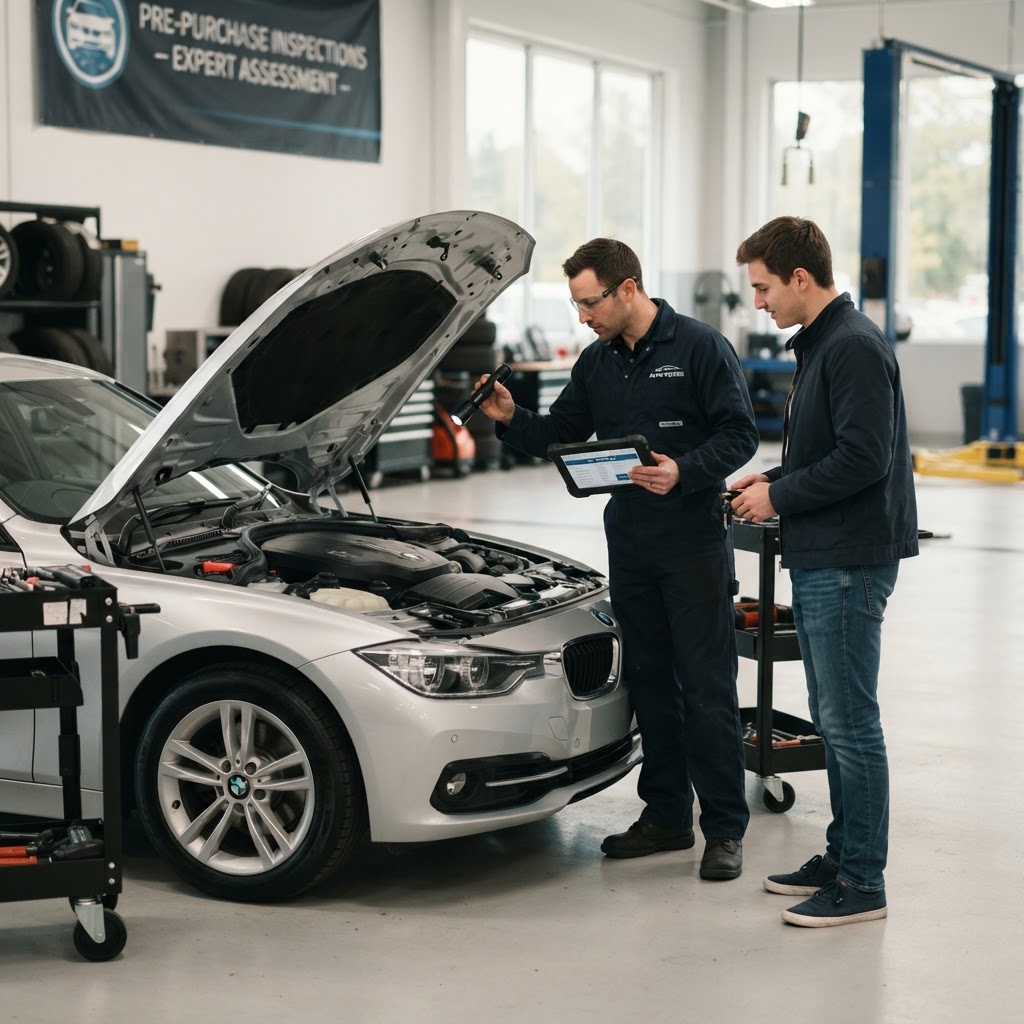
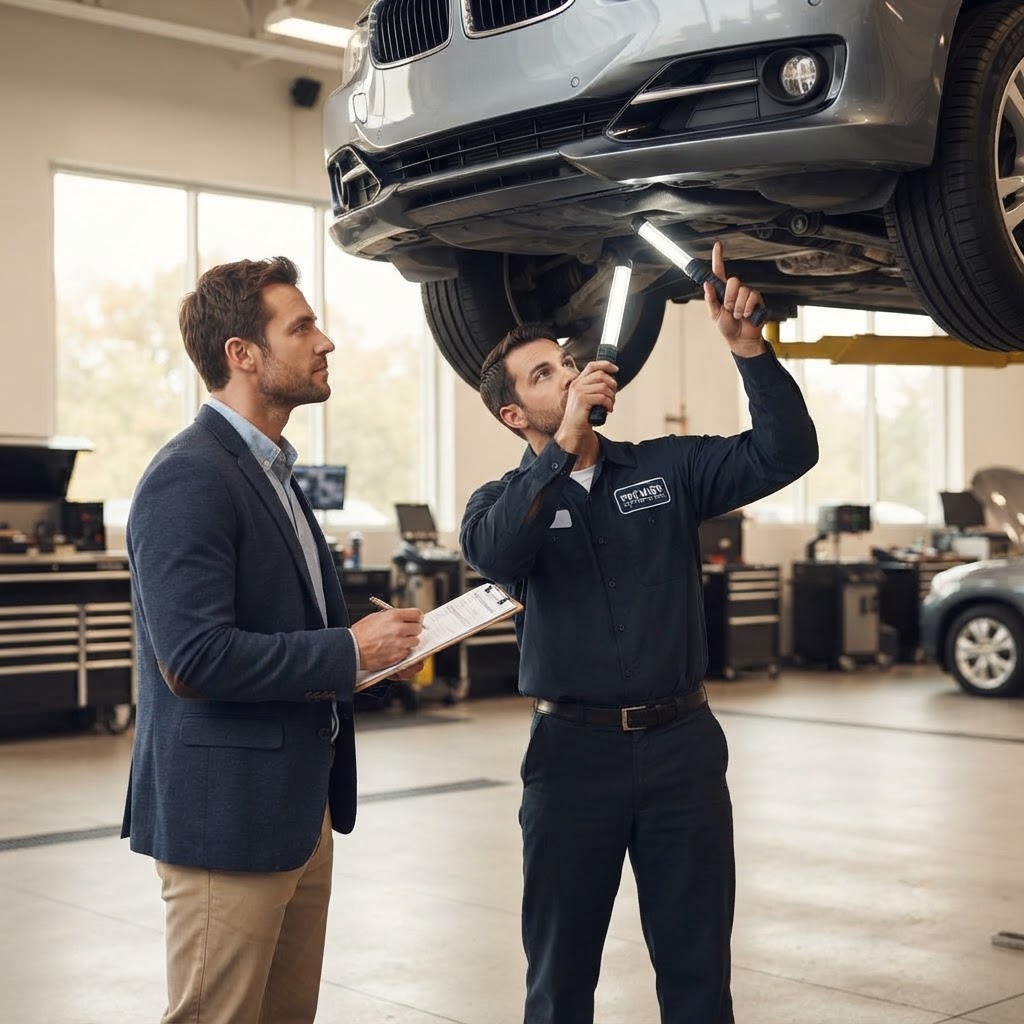
An independent inspection is commissioned by the buyer, seller, lender, fleet manager, or another party that needs a documented view of the vehicle's condition. The inspector's role is to assess the vehicle according to an established scope, record findings, and provide a report that can be reviewed outside the repair bay or sales office. The work may include exterior condition, interior condition, mechanical observations, diagnostic checks, tires, brakes, road-test observations when available, photos, and appraisal-related details.
The difference is not simply who performs the inspection. It is the purpose of the process. A dealership service department is often evaluating the car within its own repair, warranty, reconditioning, or sales workflow. An independent inspector is generally evaluating the vehicle for the party ordering the report.
Independent Inspector Versus Dealership Inspection: Objectivity
Objectivity is usually the first concern for a buyer considering a vehicle at a dealership. A dealer can employ highly qualified technicians and still have a business interest in completing the sale. That does not mean a dealership report is inaccurate. It means the buyer should understand its context.
A dealership inspection can identify legitimate maintenance needs and safety concerns, particularly when the dealer has access to brand-specific service information, recalls, software updates, and factory diagnostic equipment. For a newer vehicle from that same manufacturer, this expertise can be especially useful.
An independent inspector has a different incentive structure. The inspection is not intended to sell the vehicle or secure repair work from the buyer. That separation can make an independent report more useful when negotiating price, deciding whether to travel for a purchase, comparing several vehicles, or documenting condition before a dispute develops.
The practical question is not whether every dealership inspection is biased. It is whether the report gives you enough clear, verifiable information to make a decision without relying on assurances from the seller. A documented finding, supported by photos and stated limitations, carries more weight than a general statement that a vehicle is in good condition.
Scope and Documentation Matter More Than a Checklist
Many dealership inspections are multi-point checks. These are useful for routine service and can provide a quick overview. However, the scope may be designed around service intervals or dealership reconditioning standards rather than the buyer's full purchasing risk.
For example, a dealership checklist may confirm tread depth and brake condition but may not provide detailed photographs of body panels, signs of prior repairs, paint inconsistencies, underbody condition, cosmetic damage, key features, or evidence that supports a stated vehicle grade. It may also focus on what requires immediate service rather than what could affect resale value in six months.
A strong independent inspection report is structured for review after the appointment. It should separate observed condition from recommendations, identify items that could not be checked, and use photos where they help the reader understand the finding. The report should also make clear whether a road test, scan tool check, lift inspection, or paint measurement was included.
Documentation is particularly valuable when multiple people need access to the result. A buyer may want to share it with a lender or family member. A seller may use it to support an asking price. A dealership may need a consistent record for trade acquisition, wholesale inventory, or customer follow-up. Process-driven inspection platforms such as RIZQ Car Inspection help organize this work by keeping booking, job status, findings, and report sharing connected.
When a Dealership Inspection Is the Better Choice
A dealership inspection is not a poor choice by default. It can be the most efficient option in several situations.
If you own a newer vehicle and need warranty work, recall verification, manufacturer software updates, or a diagnosis involving a brand-specific system, the franchised dealership is often the right first stop. Its technicians may have the required tools, technical bulletins, and direct manufacturer support.
It can also be useful when you are evaluating a certified pre-owned vehicle. Ask for the completed certification checklist, not just a verbal confirmation that the vehicle passed. Review what was inspected, what was repaired, and whether the documents identify any exceptions. Certification adds process, but the buyer still benefits from seeing the actual records.
For an established service customer, a dealership can provide maintenance history and continuity. If the same service department has maintained the car for years, its records may reveal recurring concerns, deferred maintenance, and prior repairs that a one-time inspection cannot see.
The limitation is that dealership results can vary by location, technician, workload, and the detail level of the report. A complimentary inspection performed during an oil change is not necessarily comparable to a comprehensive pre-purchase assessment.
When an Independent Inspector Provides More Value
An independent inspection is often the stronger choice for a used-car buyer who is not already familiar with the vehicle. This is especially true for private-party purchases, out-of-state vehicles, specialty vehicles, older cars, and transactions where the seller will not provide complete records.
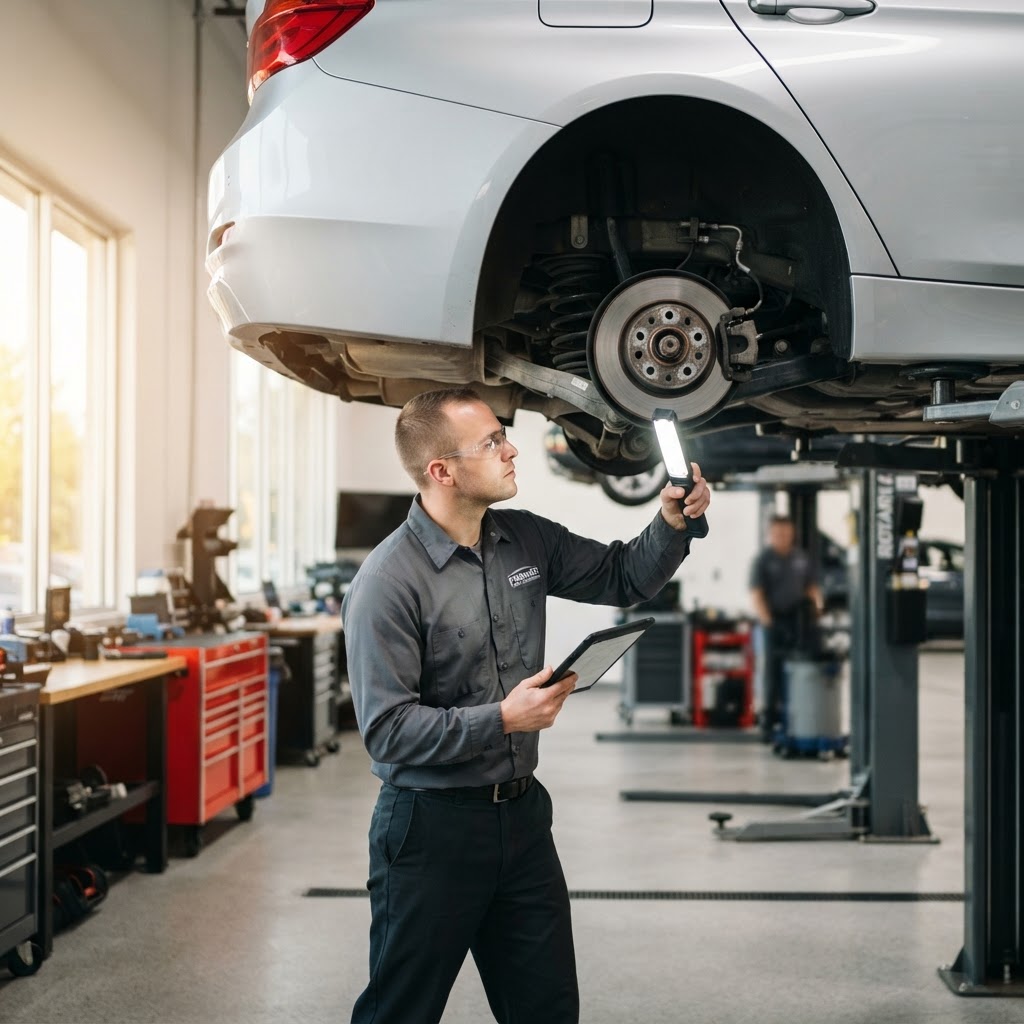
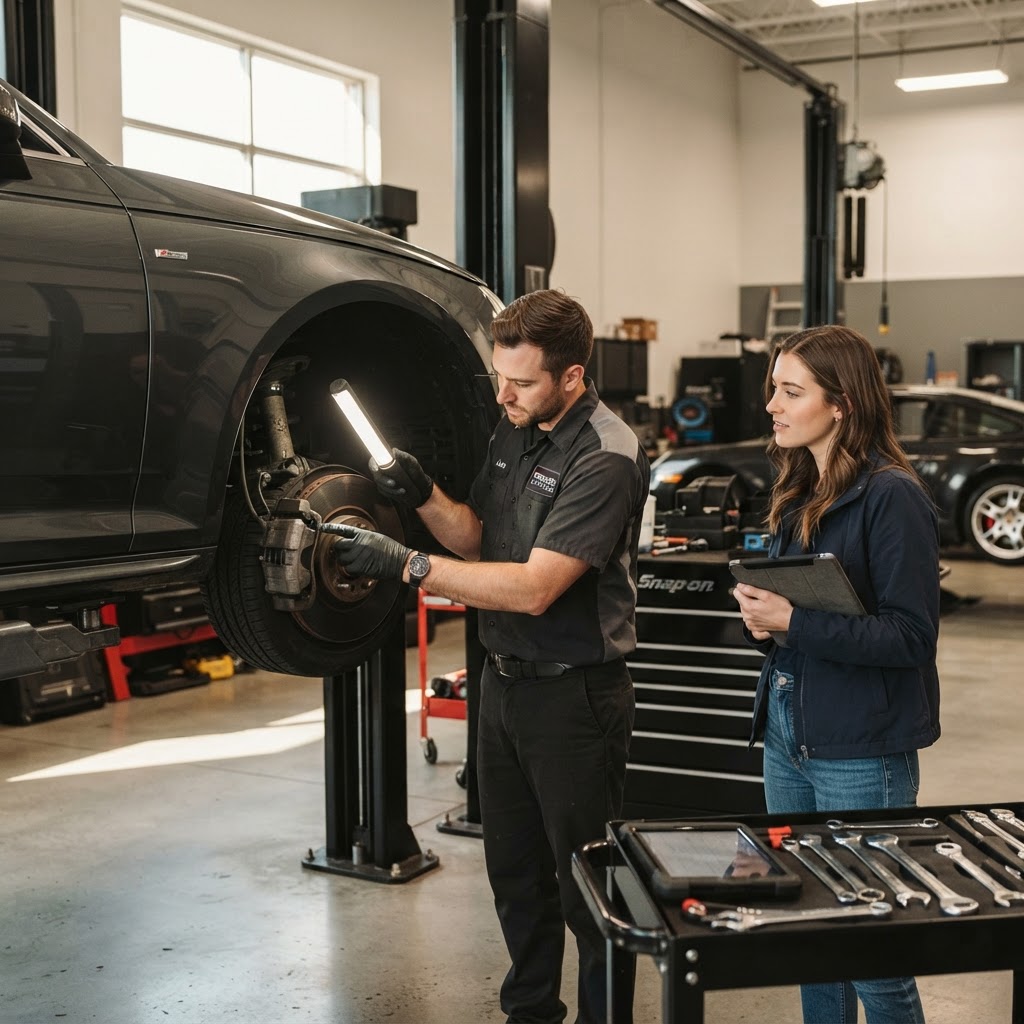
The inspector can focus on the condition questions that affect your decision: evidence of collision repair, warning lights, fluid leaks, tire age, brake wear, suspension noise, inconsistent panel gaps, corrosion, interior wear, missing equipment, and signs that the vehicle's condition does not match its listing. A report can also document what was inaccessible or not tested, which prevents false certainty.
For sellers, an independent report can be useful before listing a vehicle. It gives the seller a chance to address material issues, set a realistic price, and present condition information consistently to serious buyers. For dealerships and fleet operators, independent inspections support repeatable intake standards across locations and reduce reliance on informal notes or memory.
Independent does not mean flawless. Inspectors work within the time, access, tools, and authorization available. No visual inspection can guarantee that a vehicle will never fail or reveal every internal problem. The value comes from a defined process, evidence-based reporting, and clear communication about the inspection's limits.
Compare the Deliverables Before You Compare the Price
A low-cost or free inspection may be appropriate for a quick service decision. It may not be enough for a vehicle purchase worth thousands of dollars. Before booking either option, ask what you will receive after the inspection.
Look for answers to four operational questions:
- Is the inspection scope written down, including what is and is not checked?
- Will the result include photos, measurements, diagnostic findings, or supporting notes where needed?
- Can the report be shared easily with the people involved in the transaction?
- Does the provider distinguish observed facts from repair estimates or sales recommendations?
A dealership may provide an excellent report, while an independent inspector may offer only limited notes. Credentials and branding alone do not settle the issue. The deliverable does.
You should also ask whether the inspector will have access to the vehicle under normal operating conditions. A car inspected in a crowded lot with no road test, no lift, and limited diagnostic access cannot receive the same level of review as one inspected at a service facility with full cooperation. The report should state those constraints clearly.
A Practical Decision Framework
Choose a dealership inspection when factory expertise, warranty eligibility, recalls, or manufacturer-specific diagnostics are central to the decision. This route is also practical when you need a repair performed immediately and want the inspection connected to the dealership's service history.
Choose an independent inspection when you need a neutral condition report before buying, selling, financing, transporting, or accepting a vehicle into inventory. It is often the better fit when the vehicle is sold by a dealer but you want a separate perspective, or when you need organized documentation that can move with the transaction.
In some cases, using both is sensible. A buyer might order an independent pre-purchase inspection, then take identified manufacturer-specific concerns to a franchised dealership for confirmation or warranty review. The two processes serve different purposes and can complement each other.
The best inspection is the one that gives you usable evidence before you commit. Request a defined scope, confirm the access available, and insist on a report that makes the vehicle's condition clear enough to support the next decision.