A buyer in one city, a seller in another, and a decision that needs to happen fast - that is exactly where vehicle inspections online have become useful. Not because the mechanical condition of a car can be judged through a screen alone, but because scheduling, reporting, documentation, and communication can now be handled with far more control than the old back-and-forth of calls, texts, and loosely shared photos.
For buyers, sellers, dealerships, and fleet operators, the value is not just speed. It is process. A well-run online inspection workflow creates a clear record of what was requested, what was inspected, what was found, and what was delivered. When the vehicle carries financial risk, resale implications, or liability concerns, that record matters.
What vehicle inspections online really mean
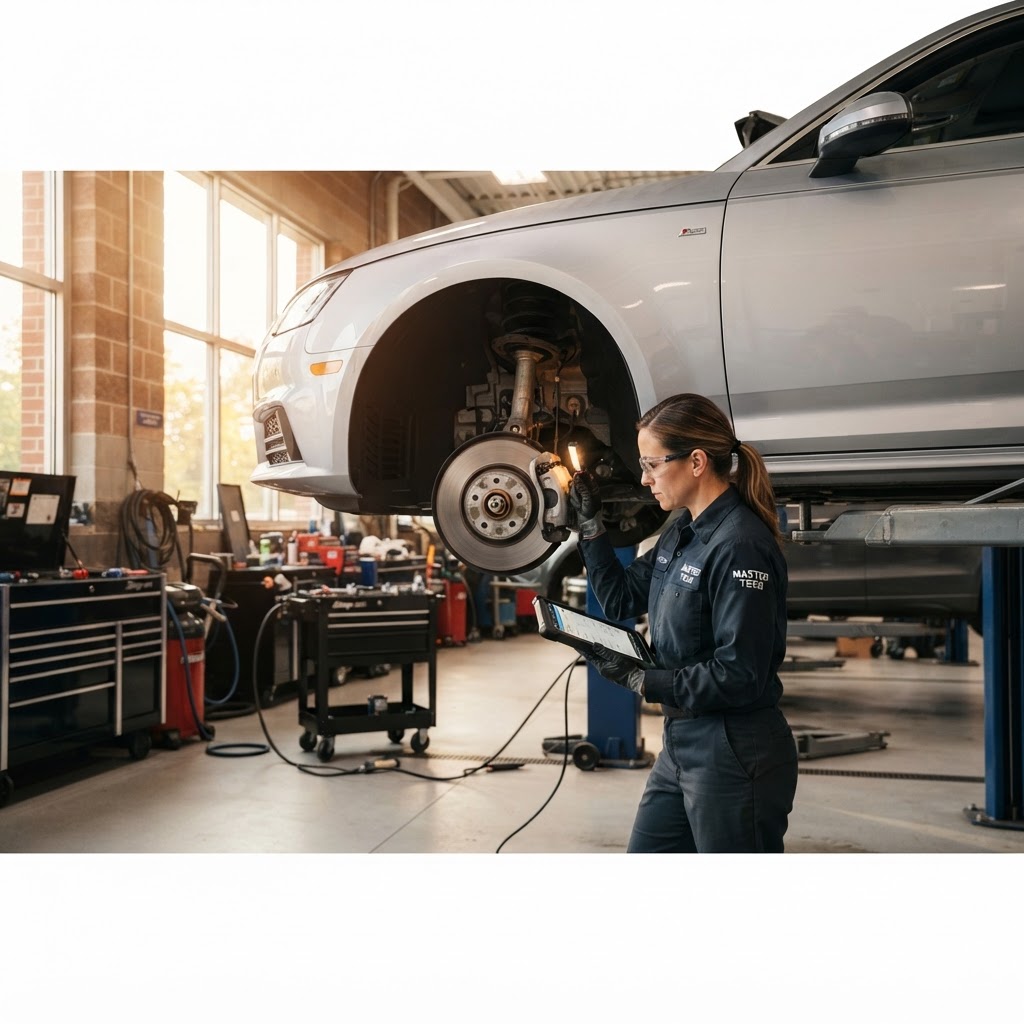
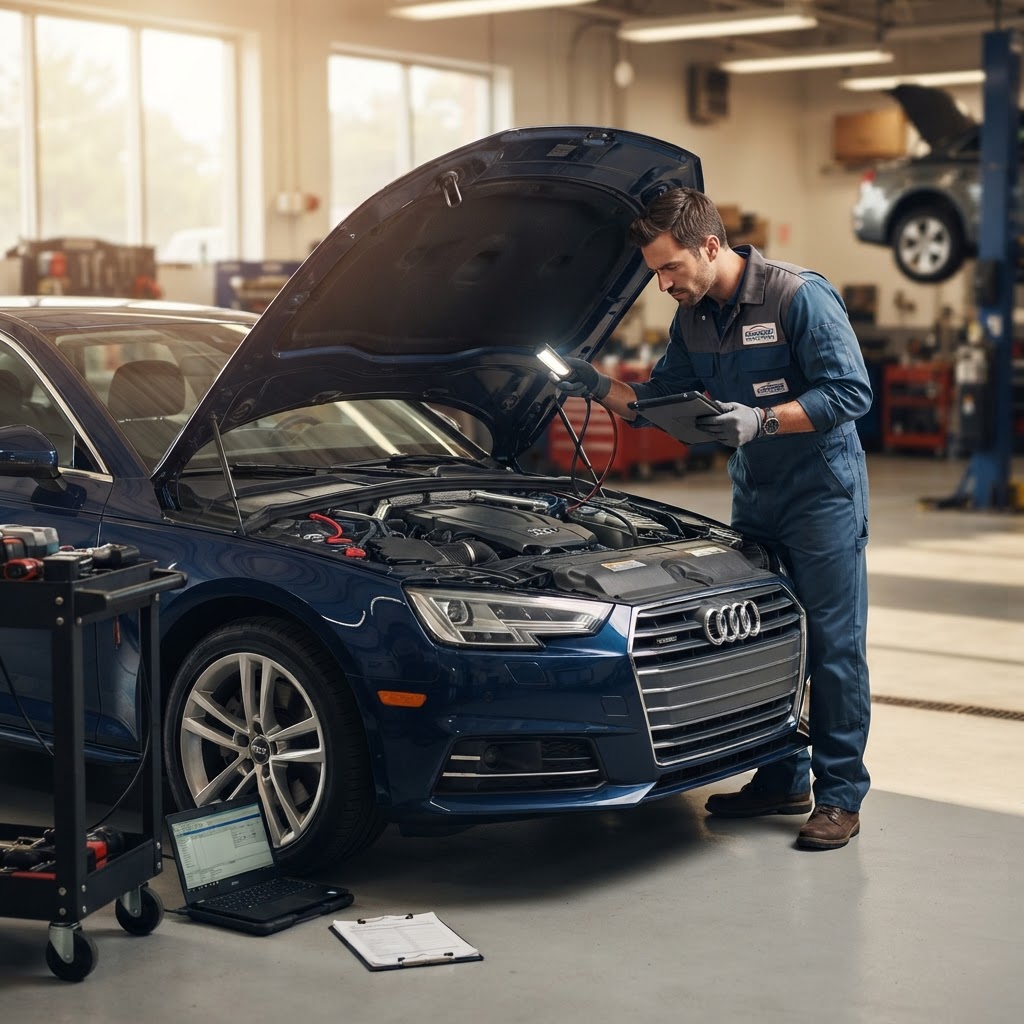
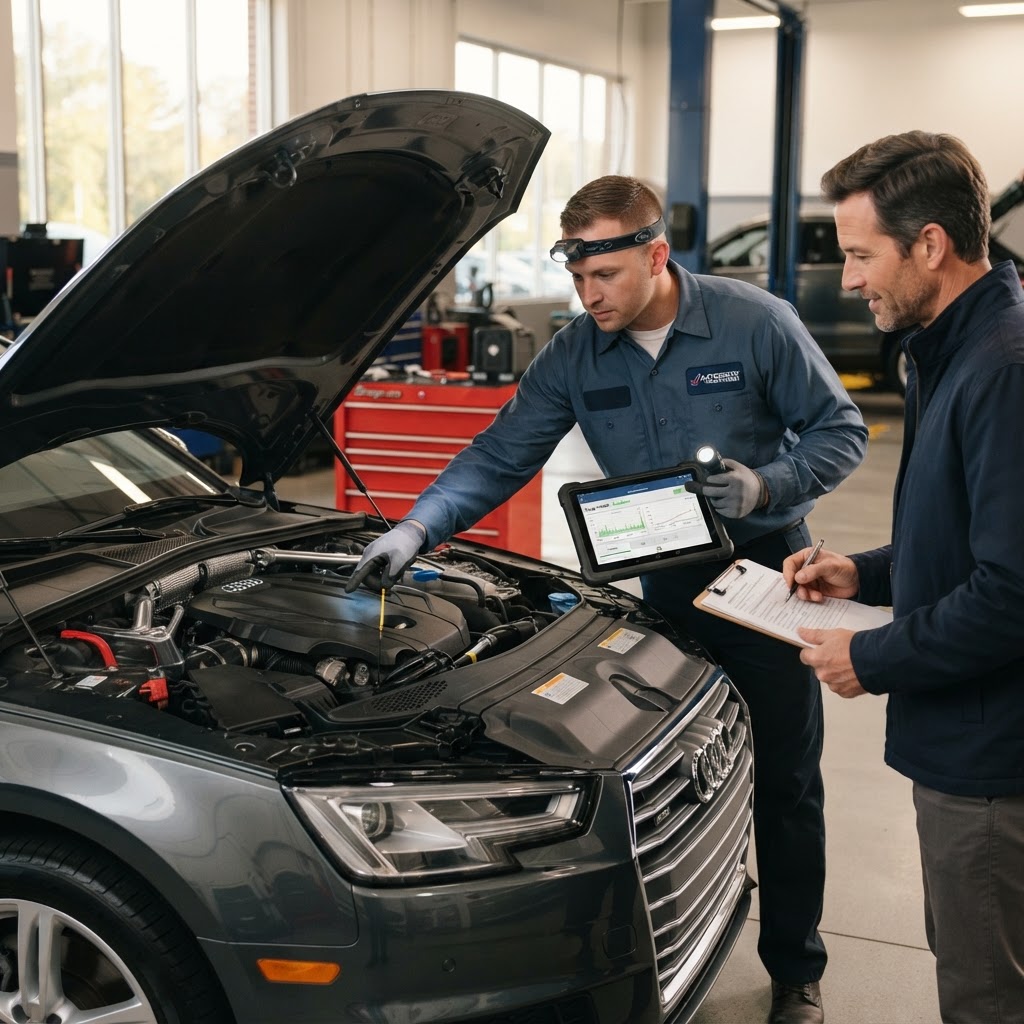
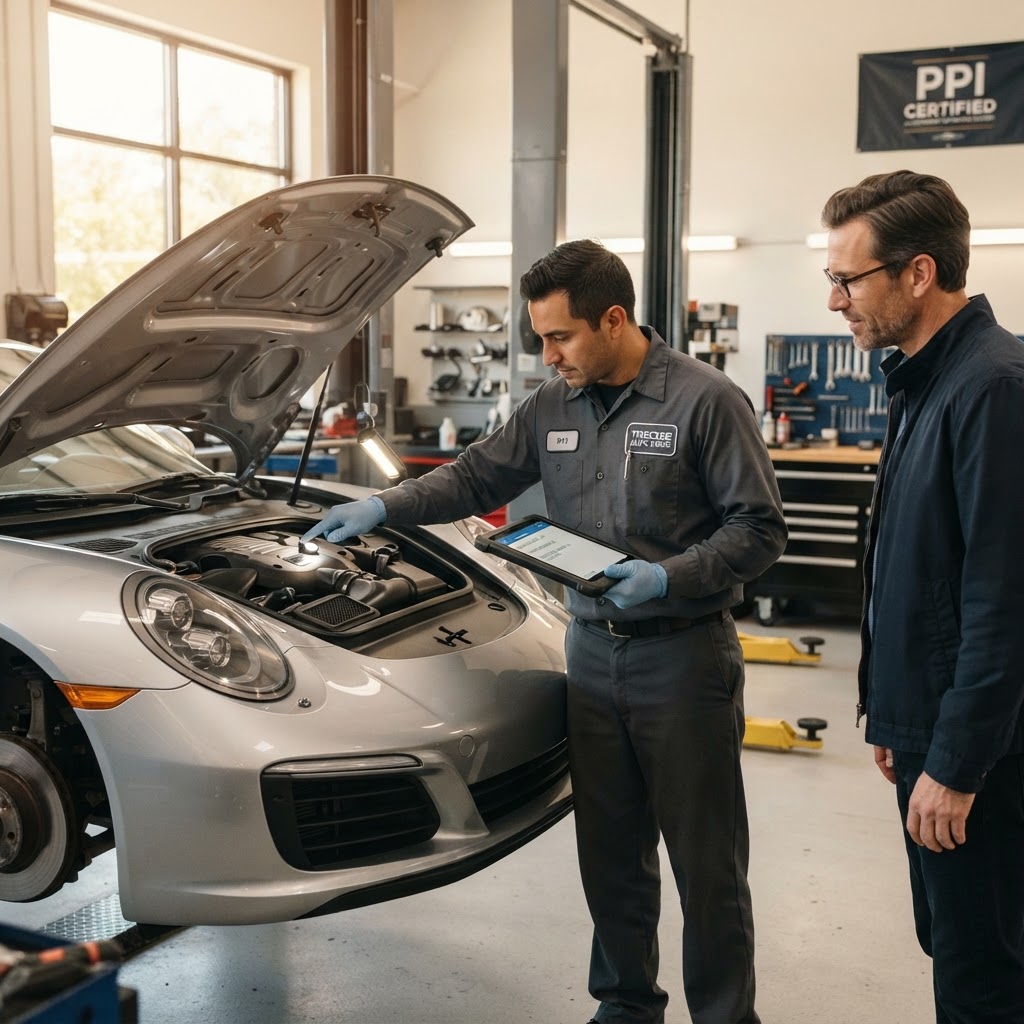
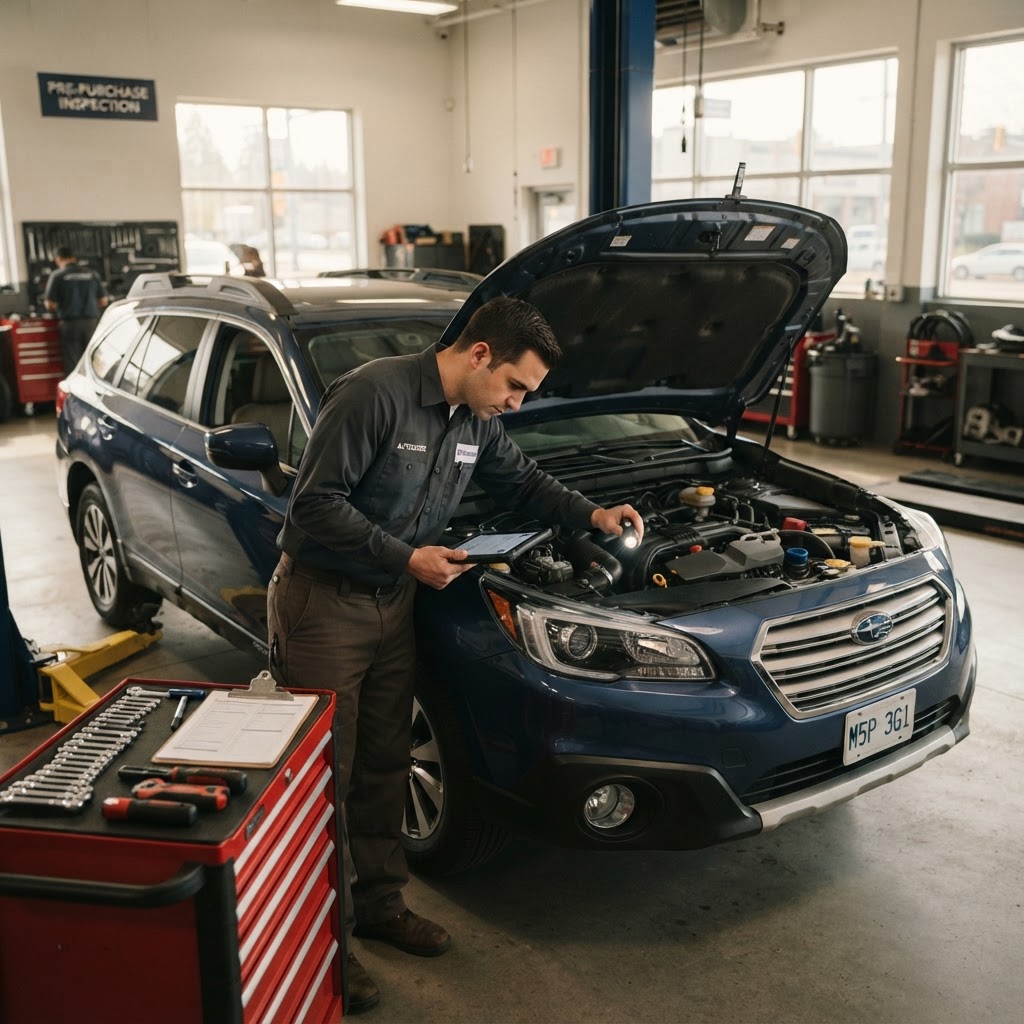
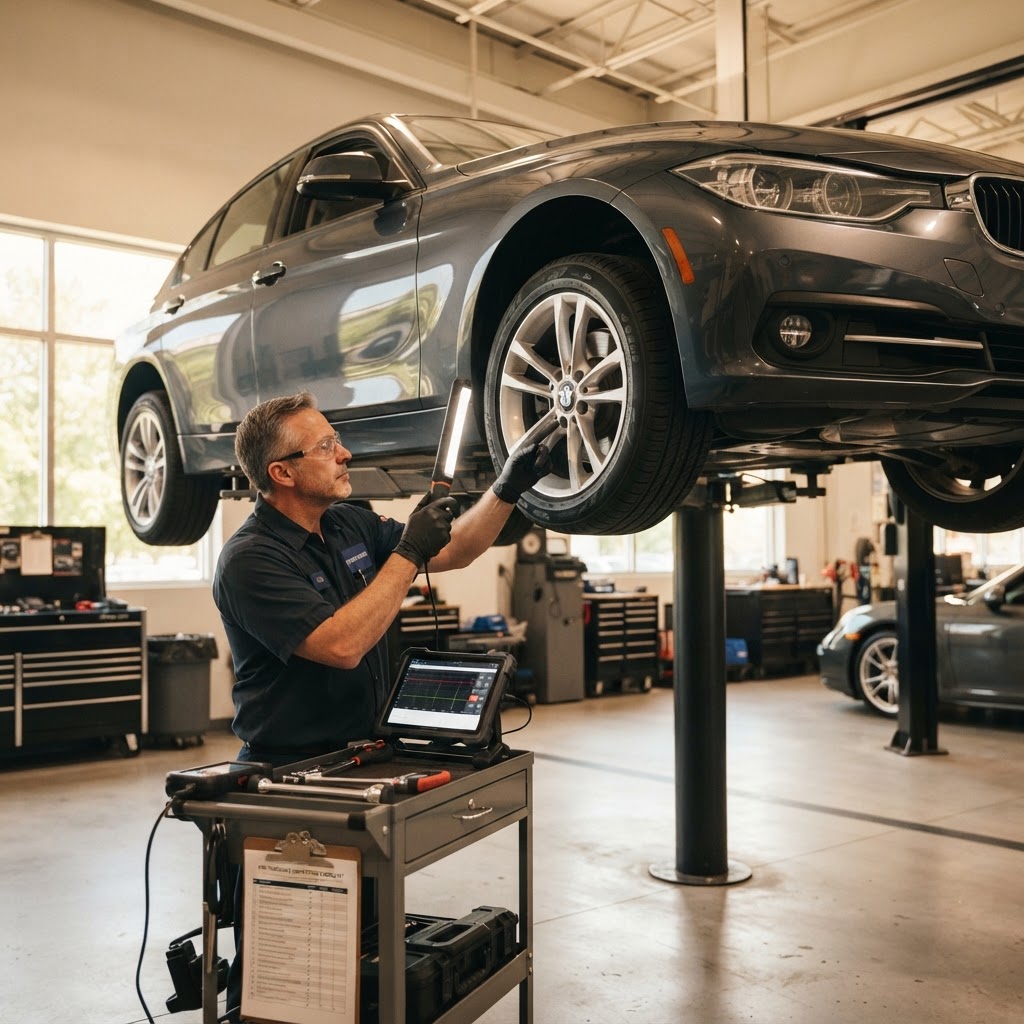
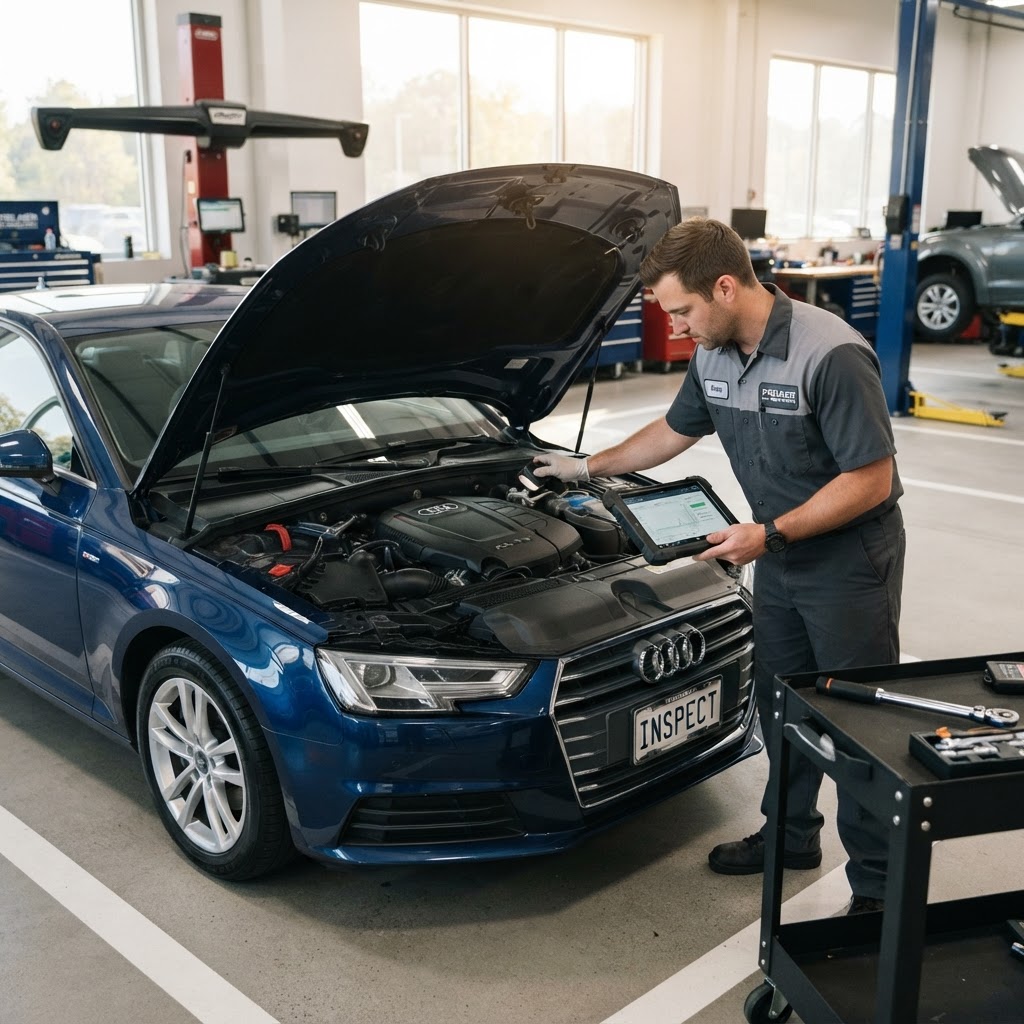
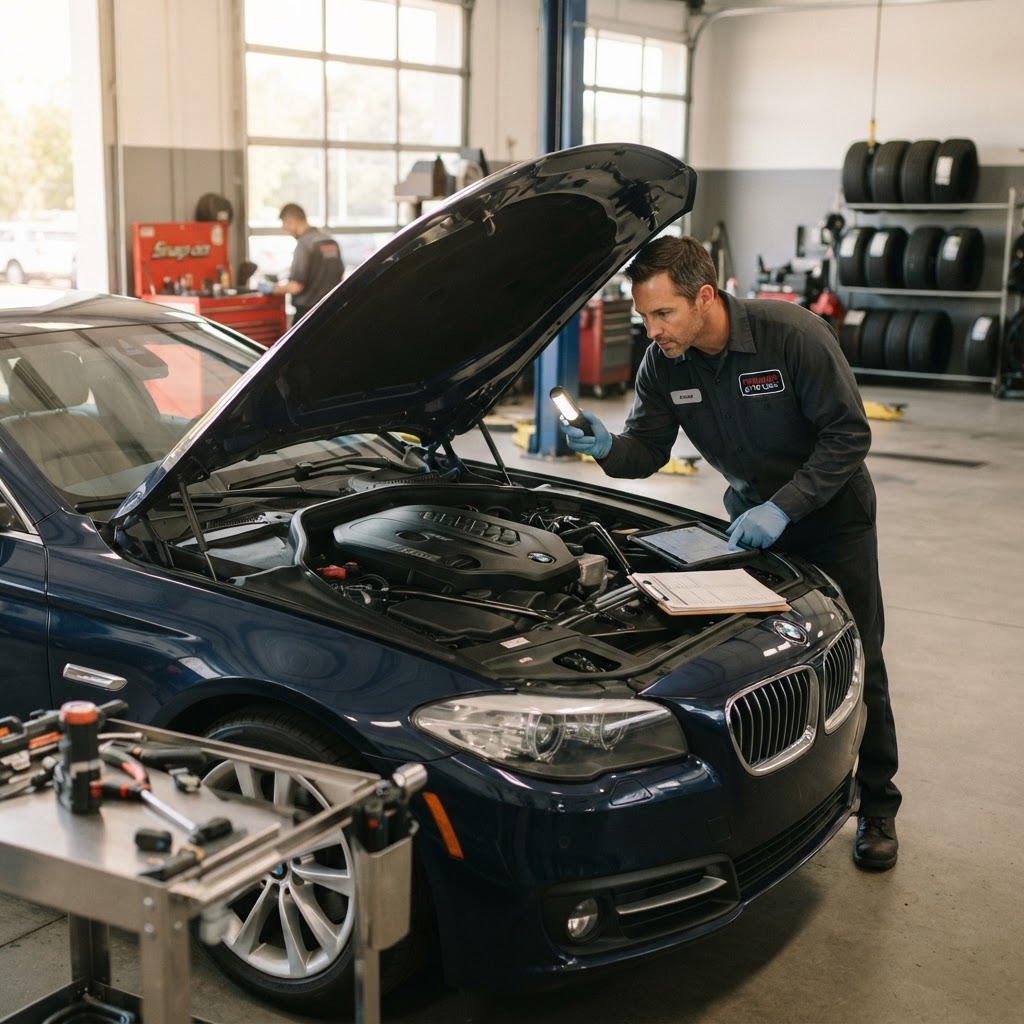
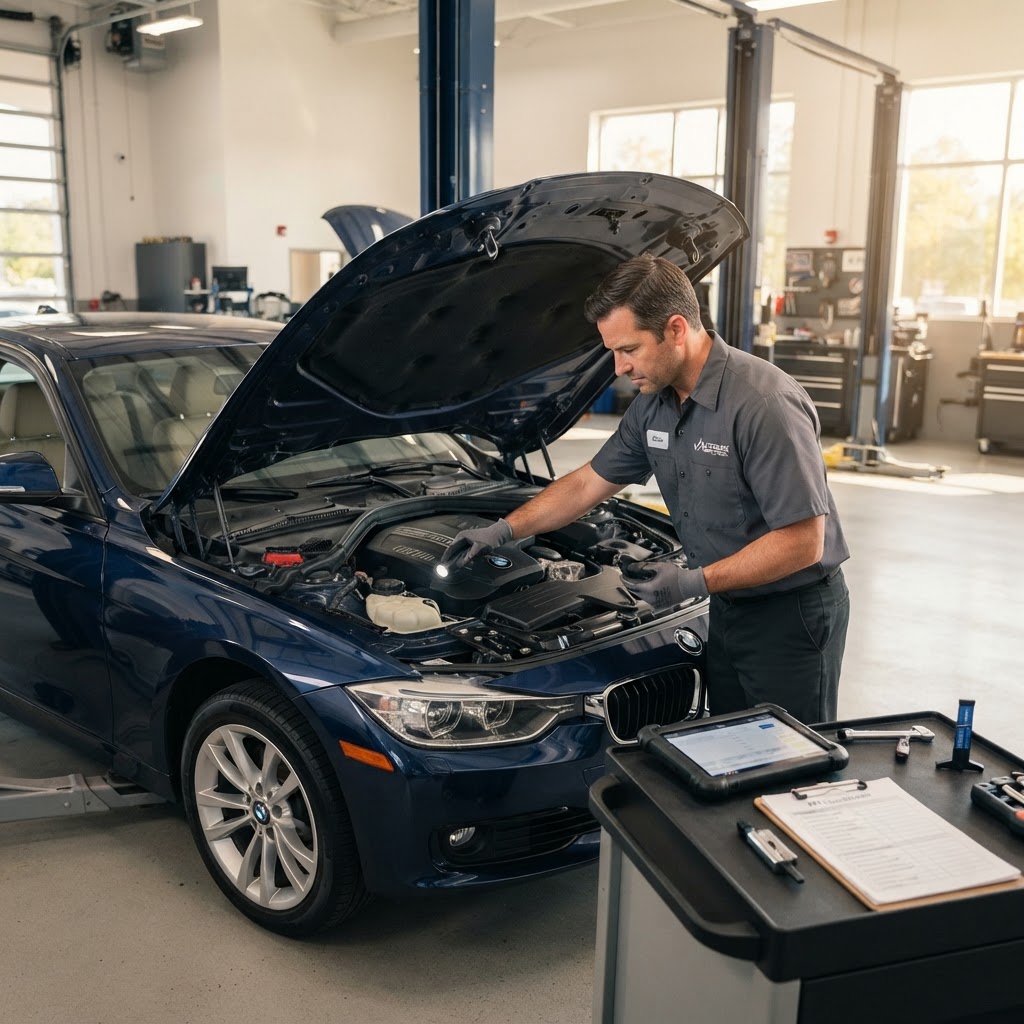
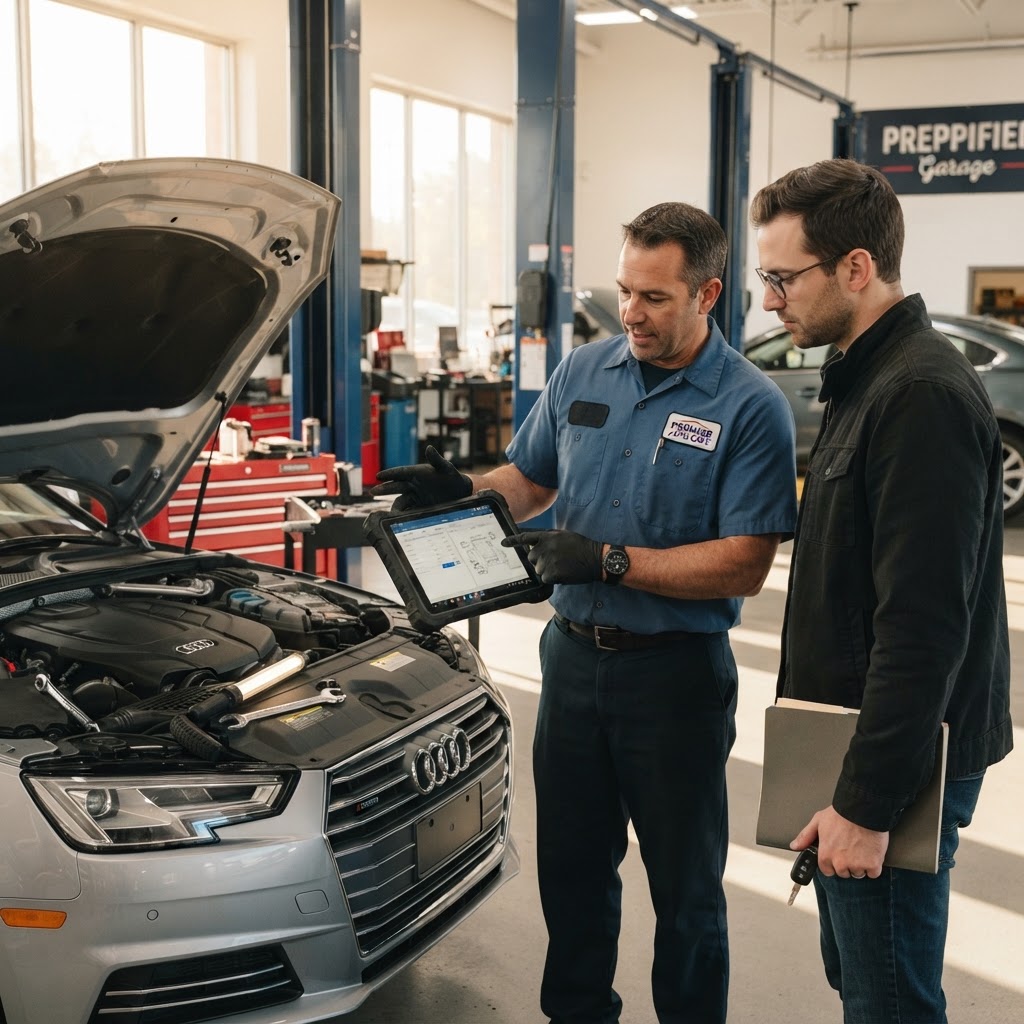
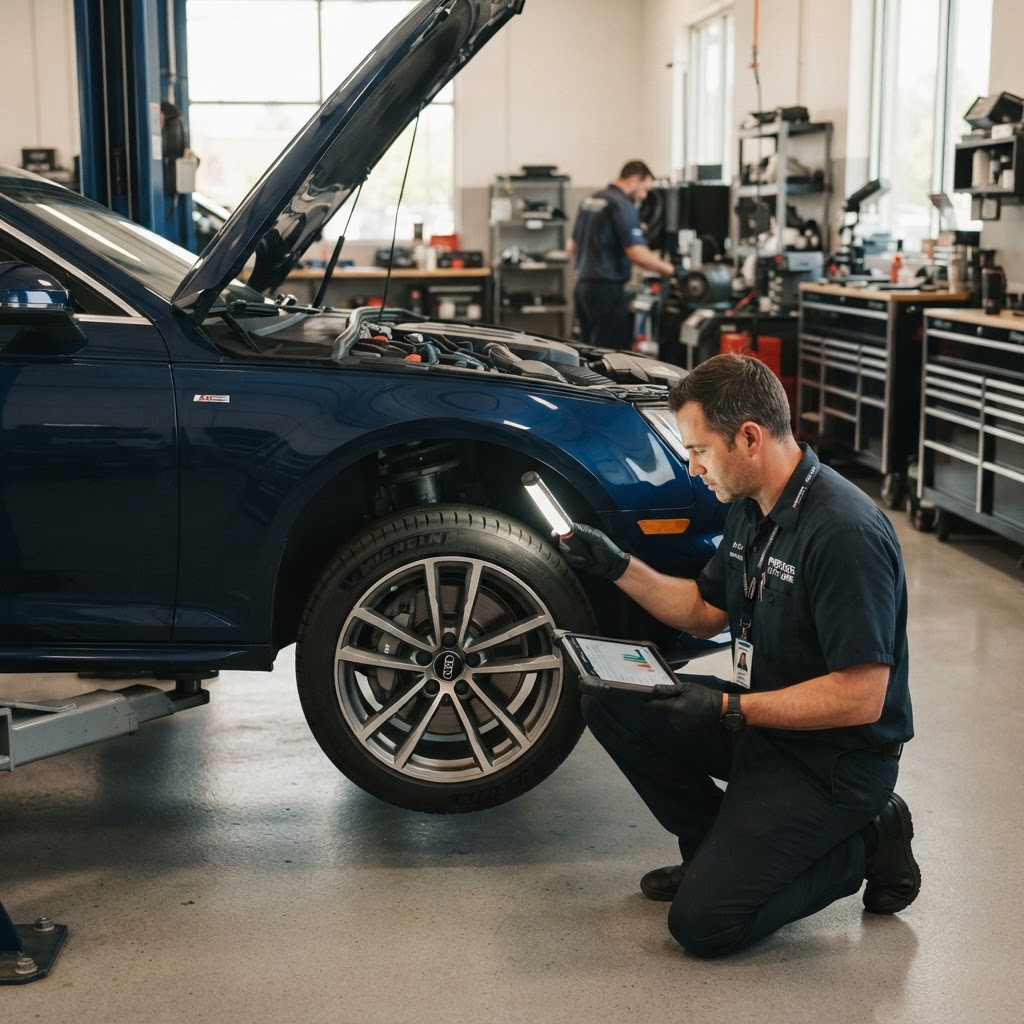
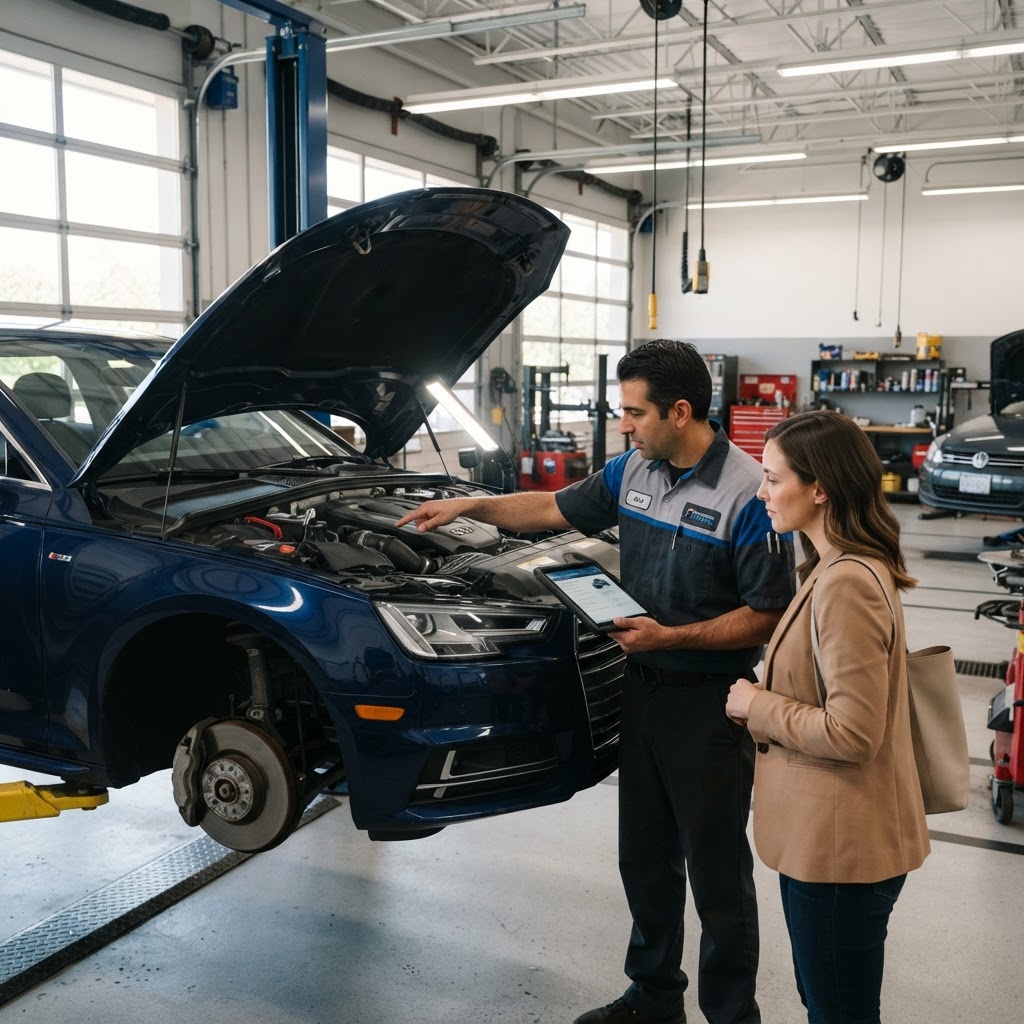
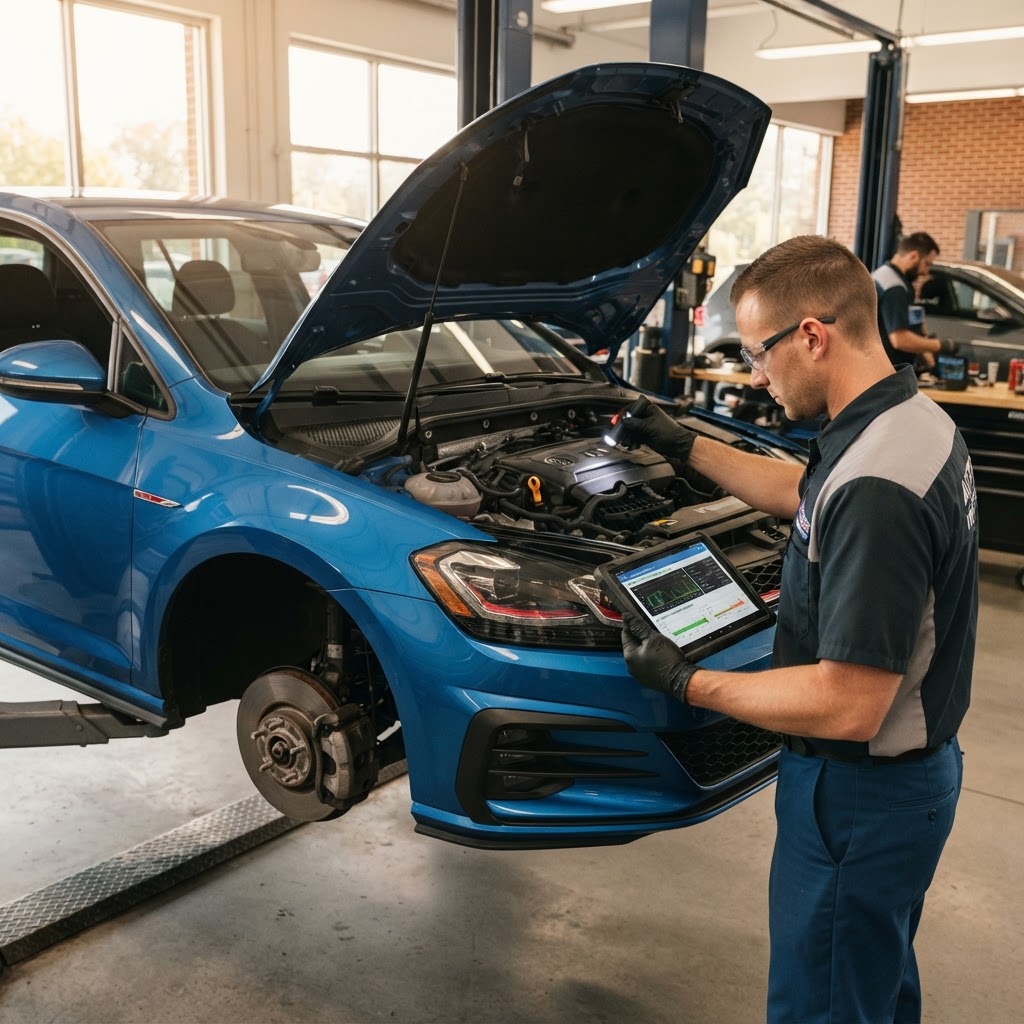
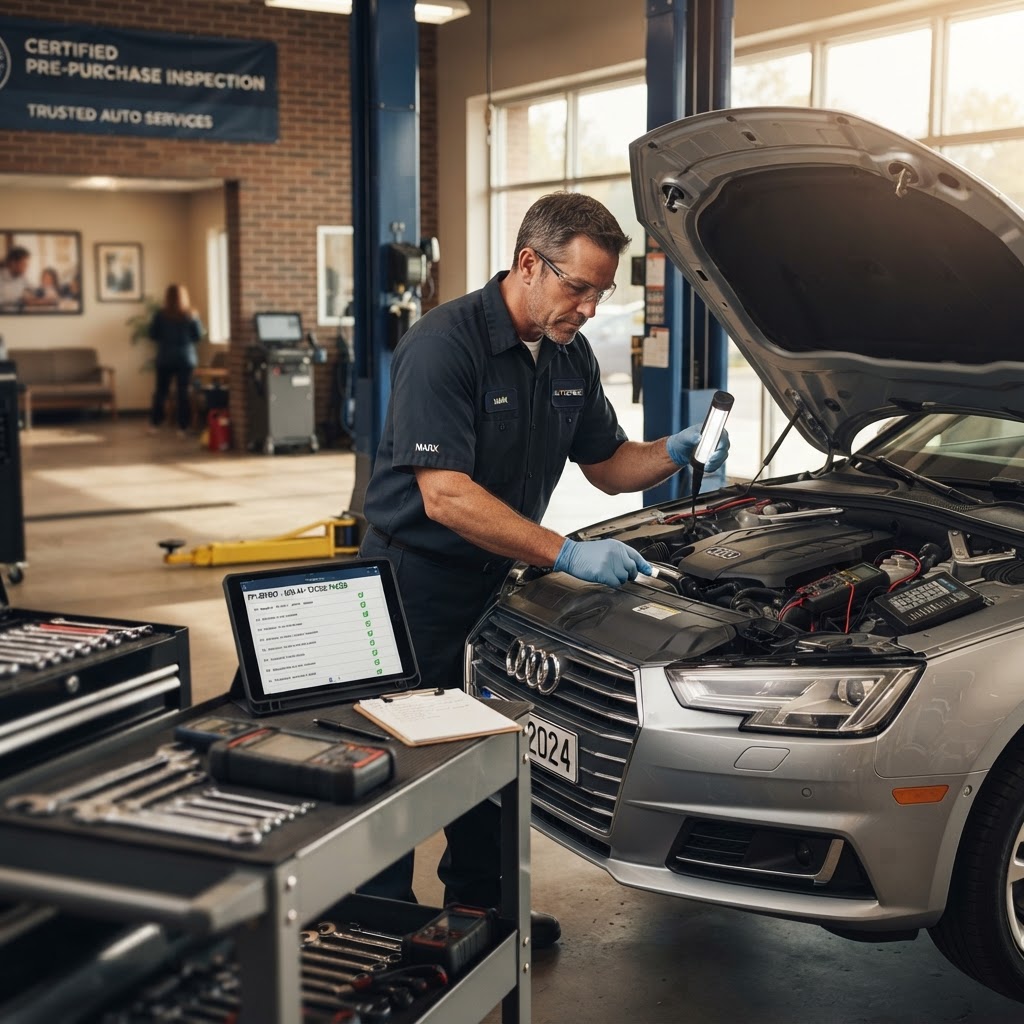
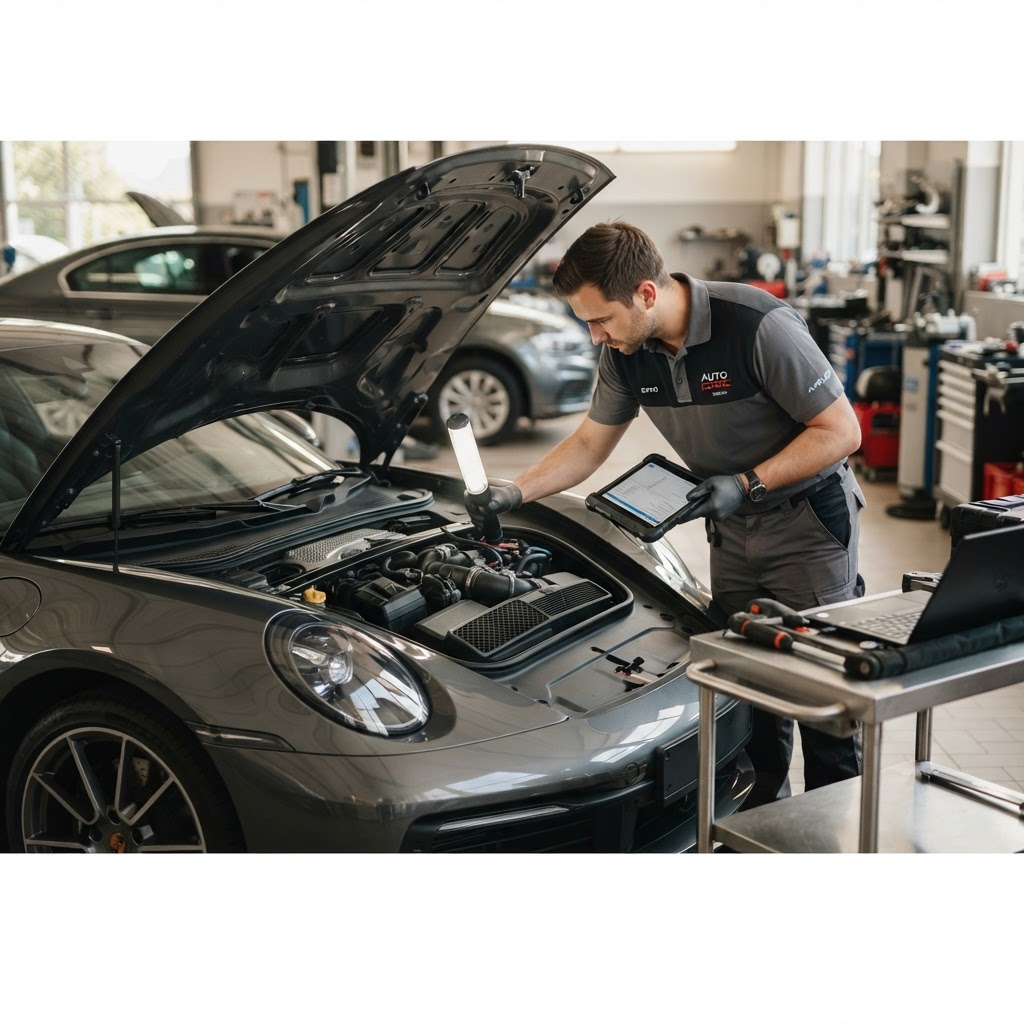
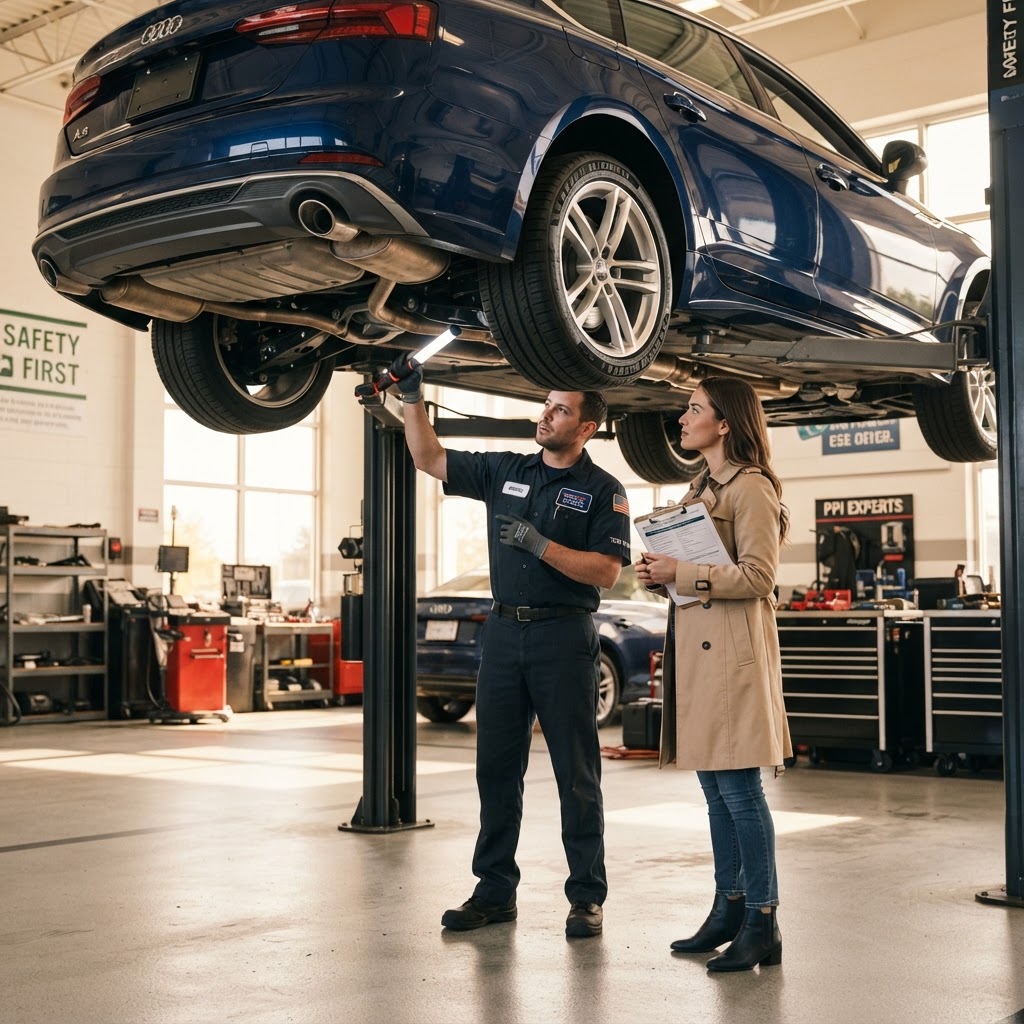
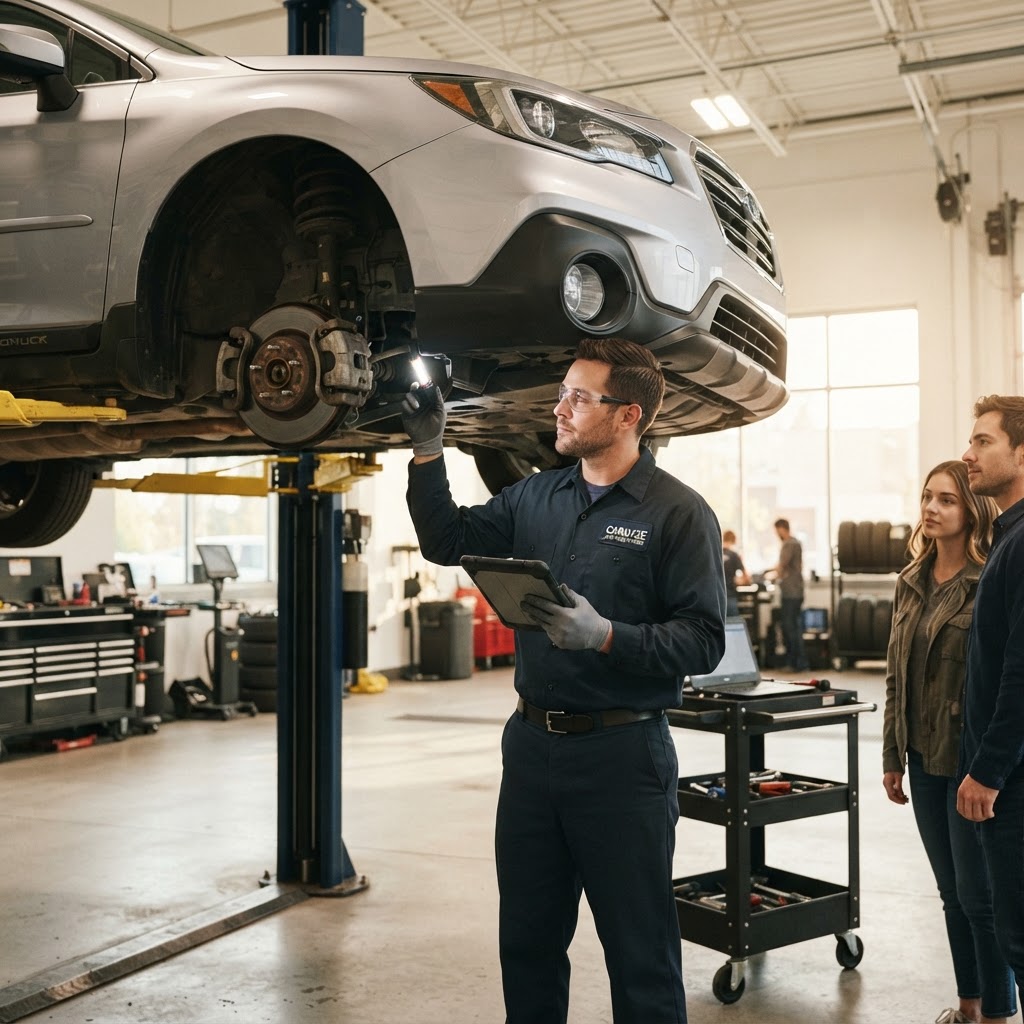
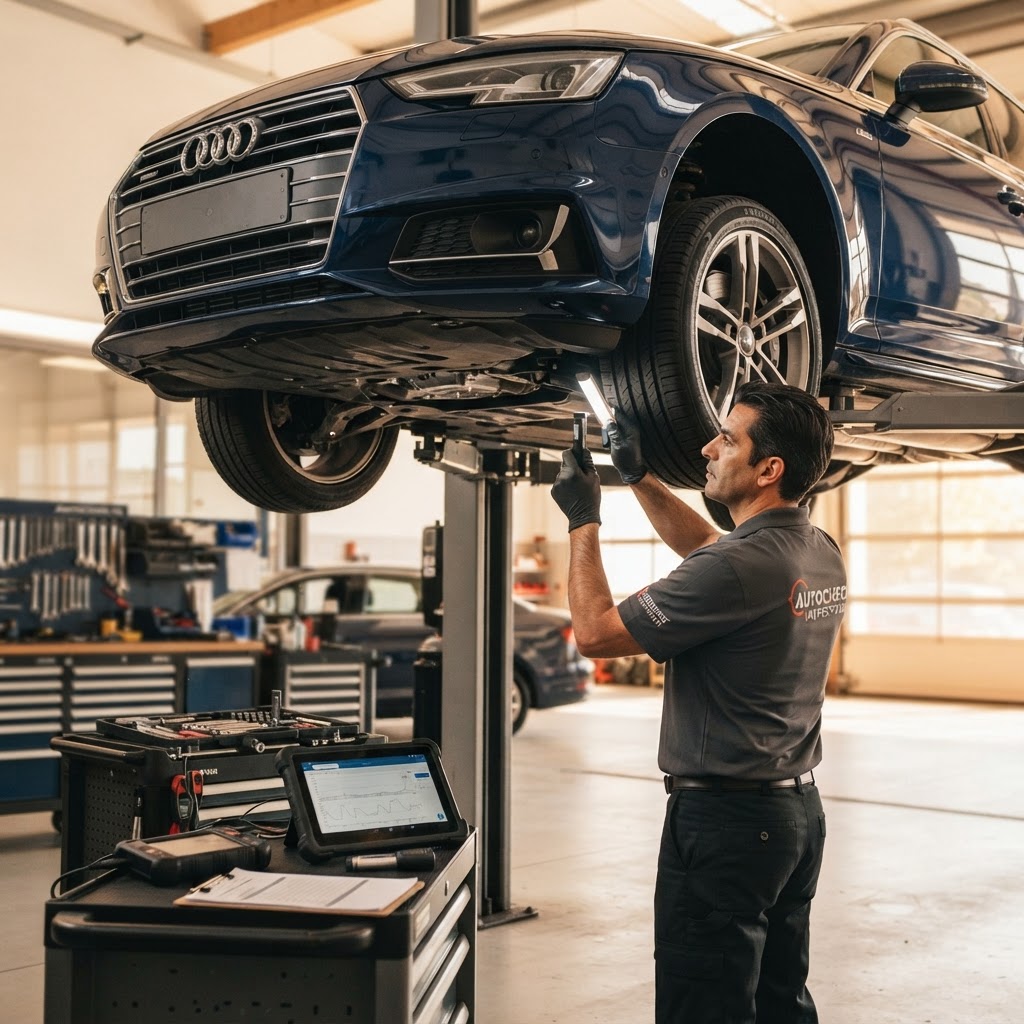
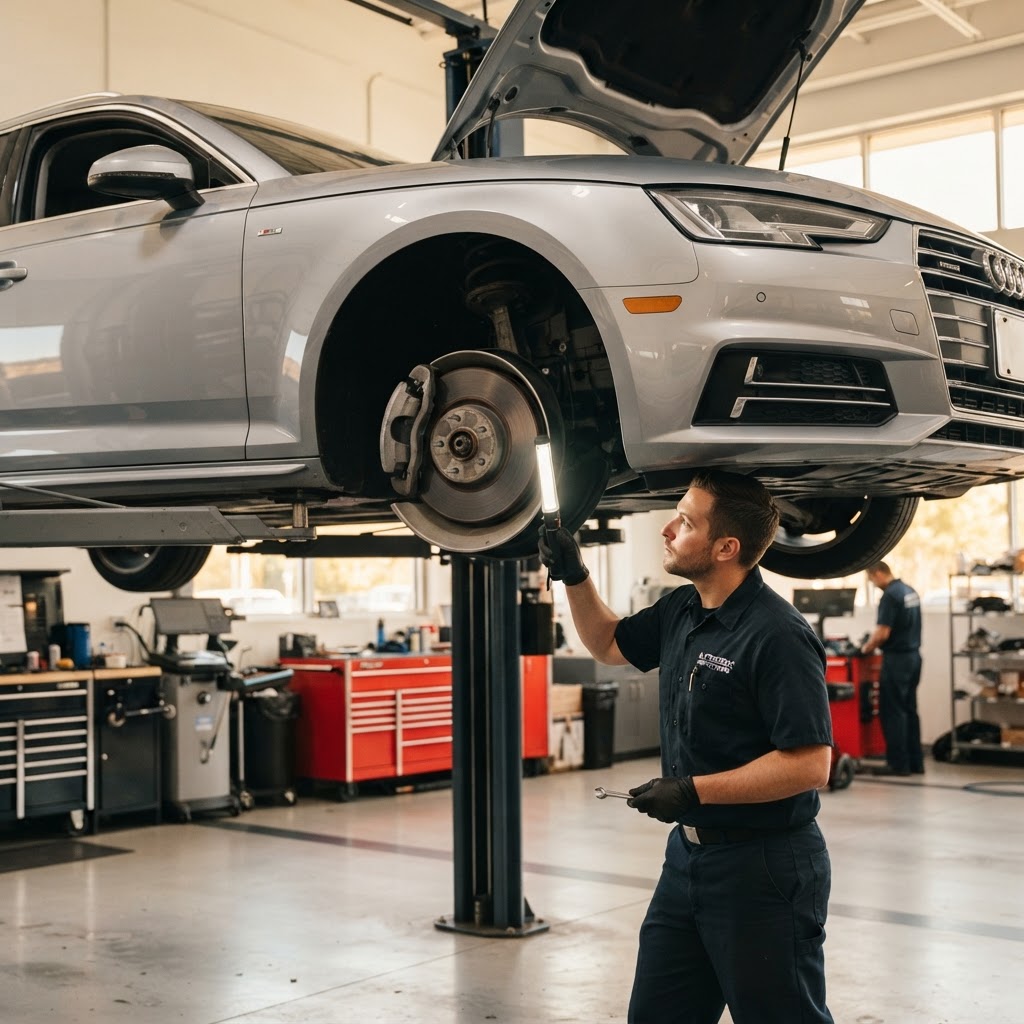
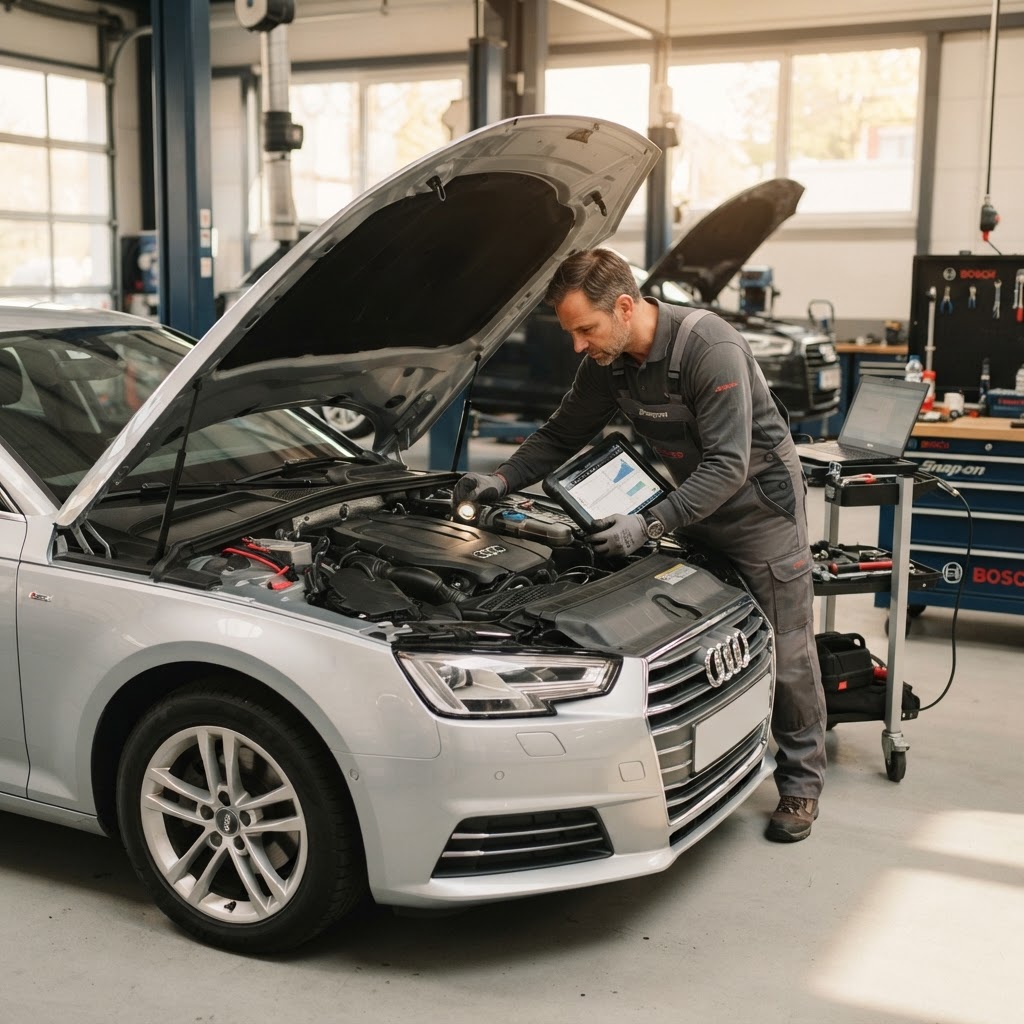
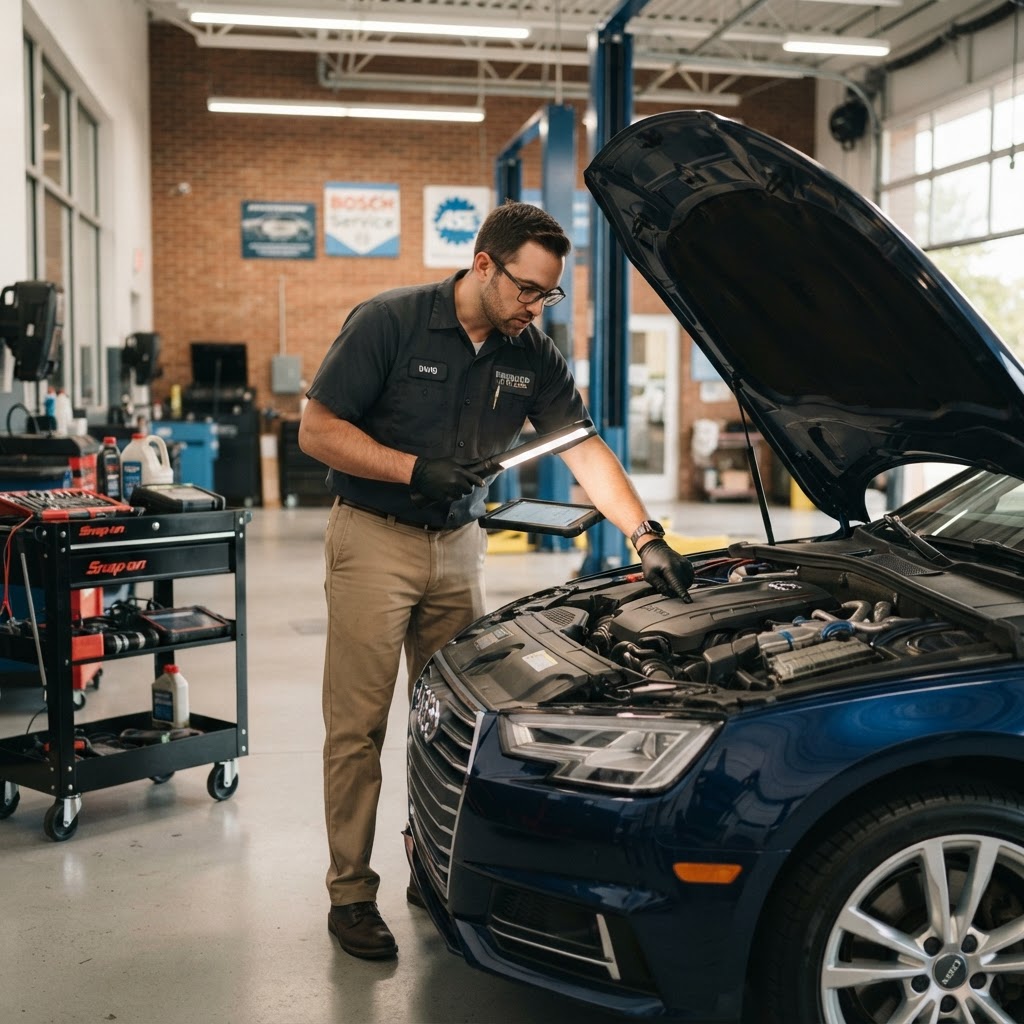
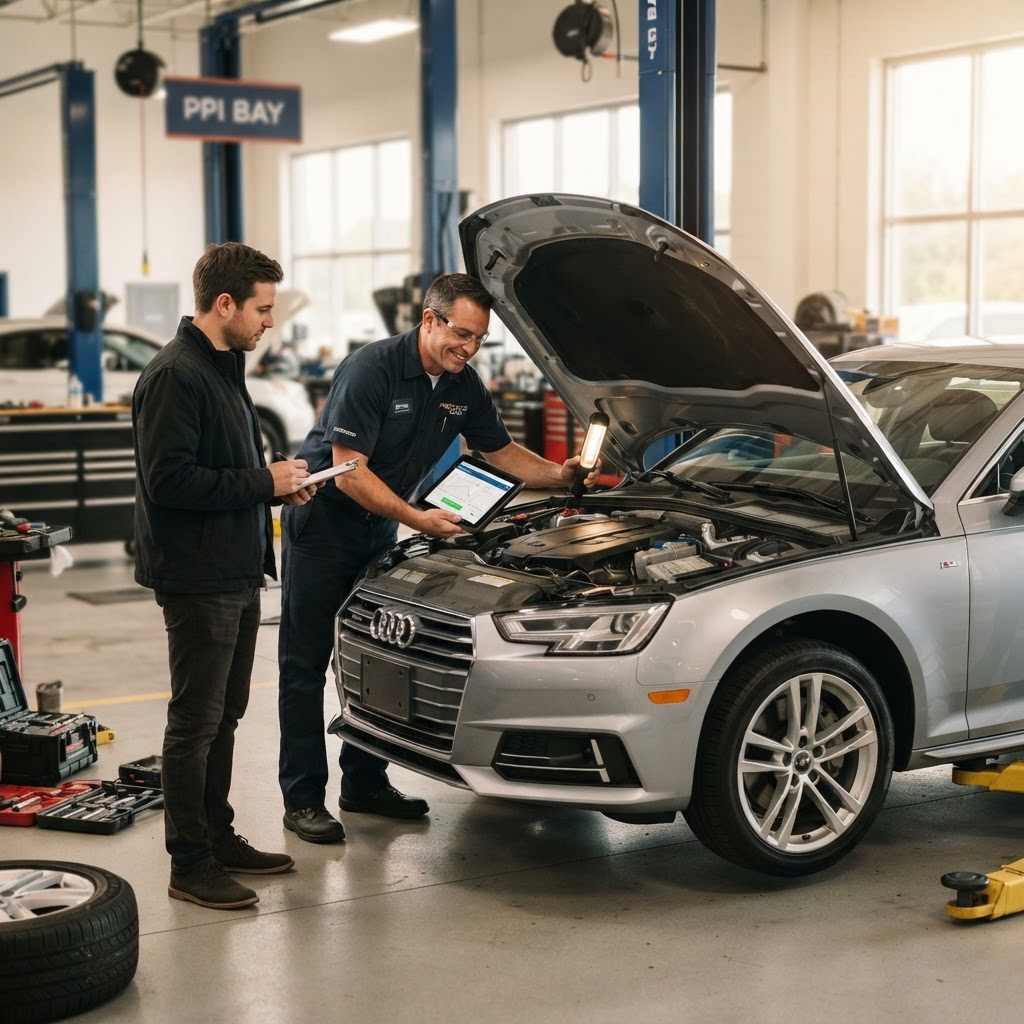
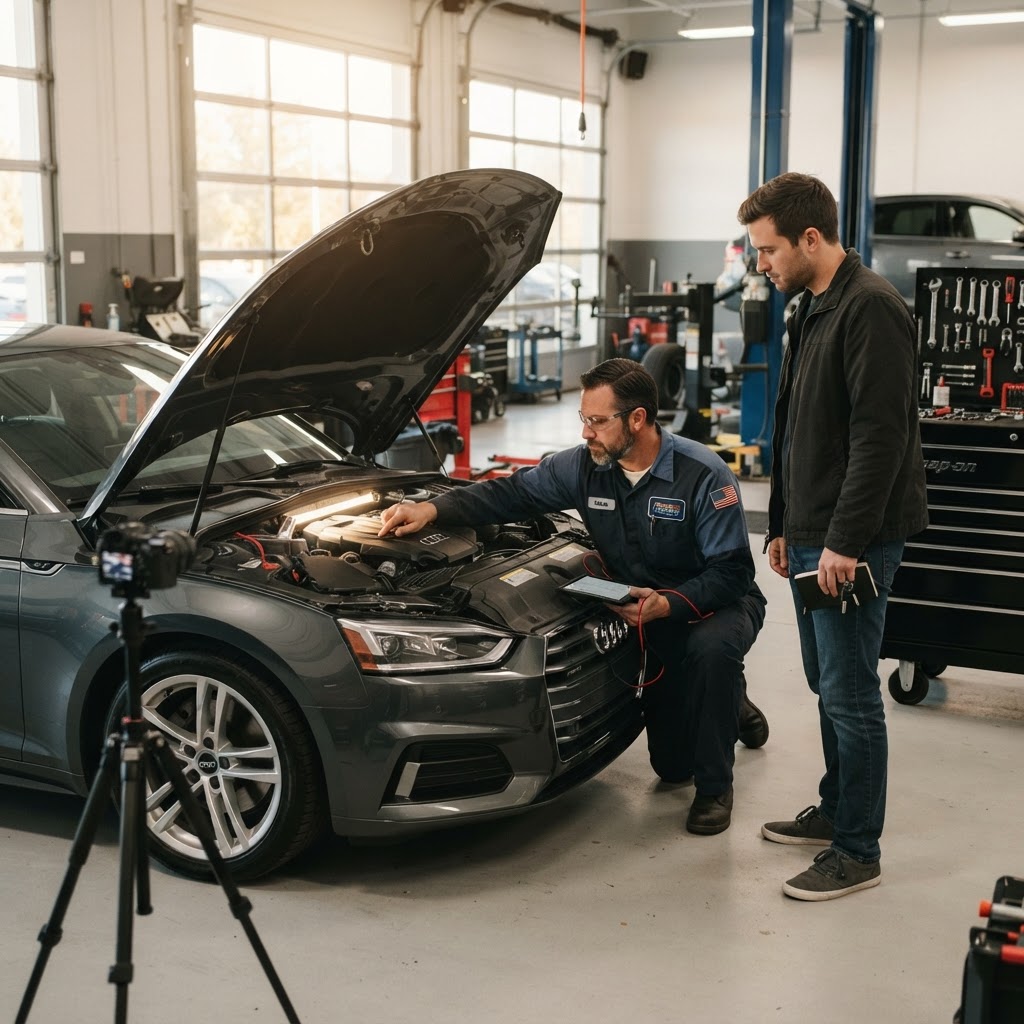
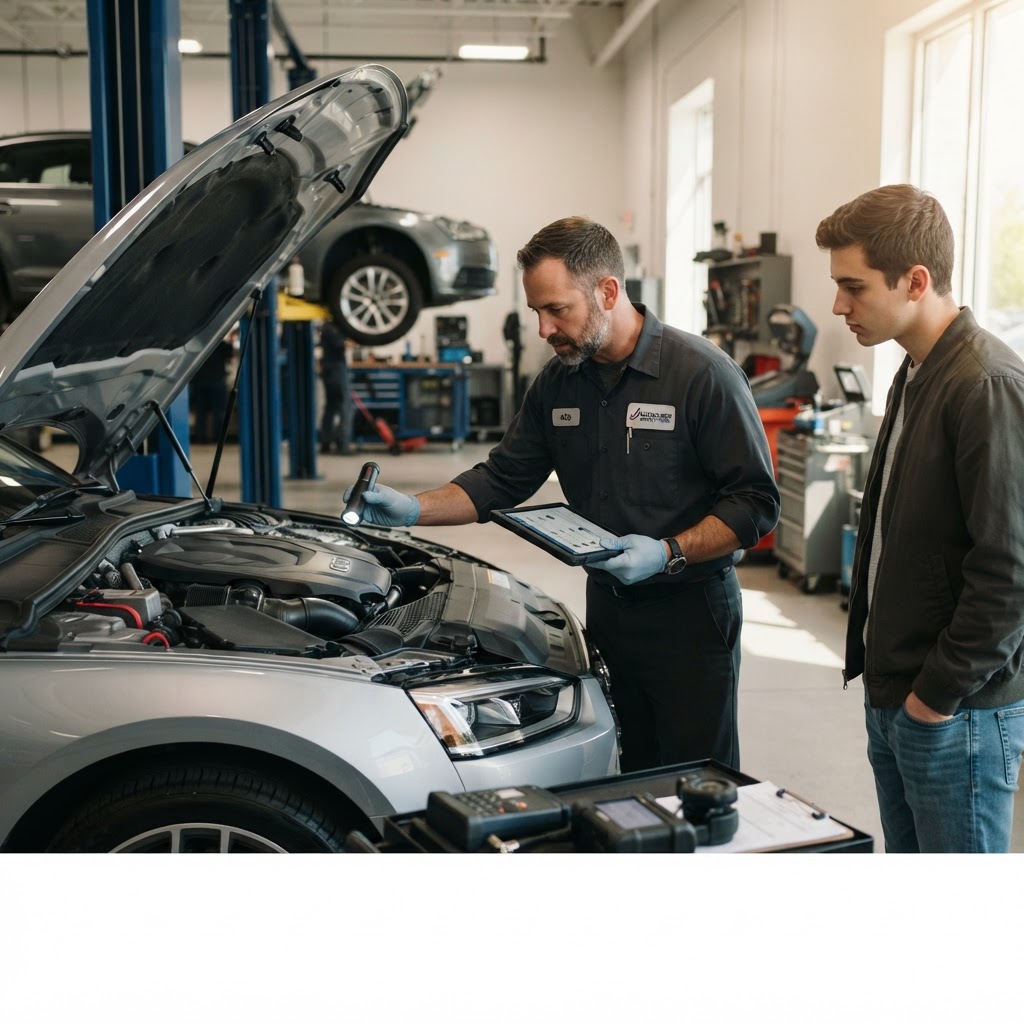
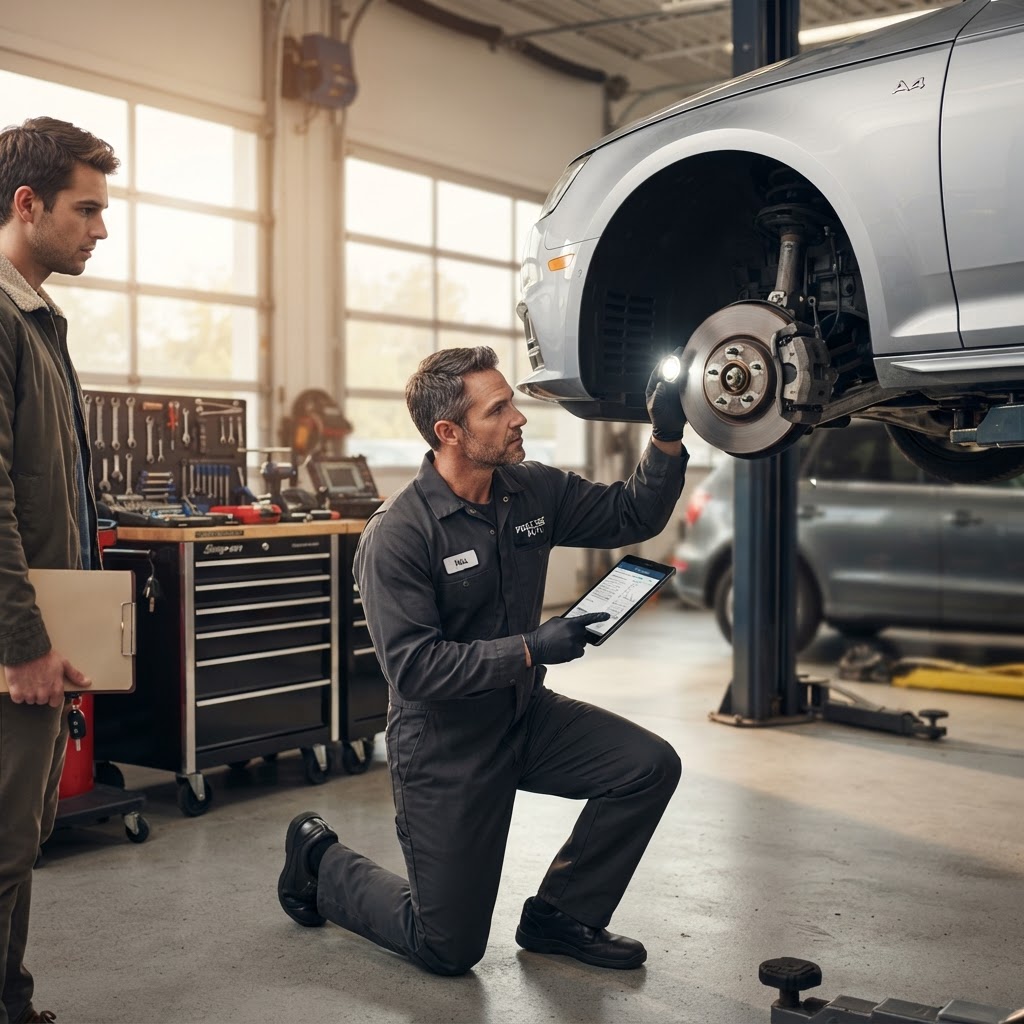
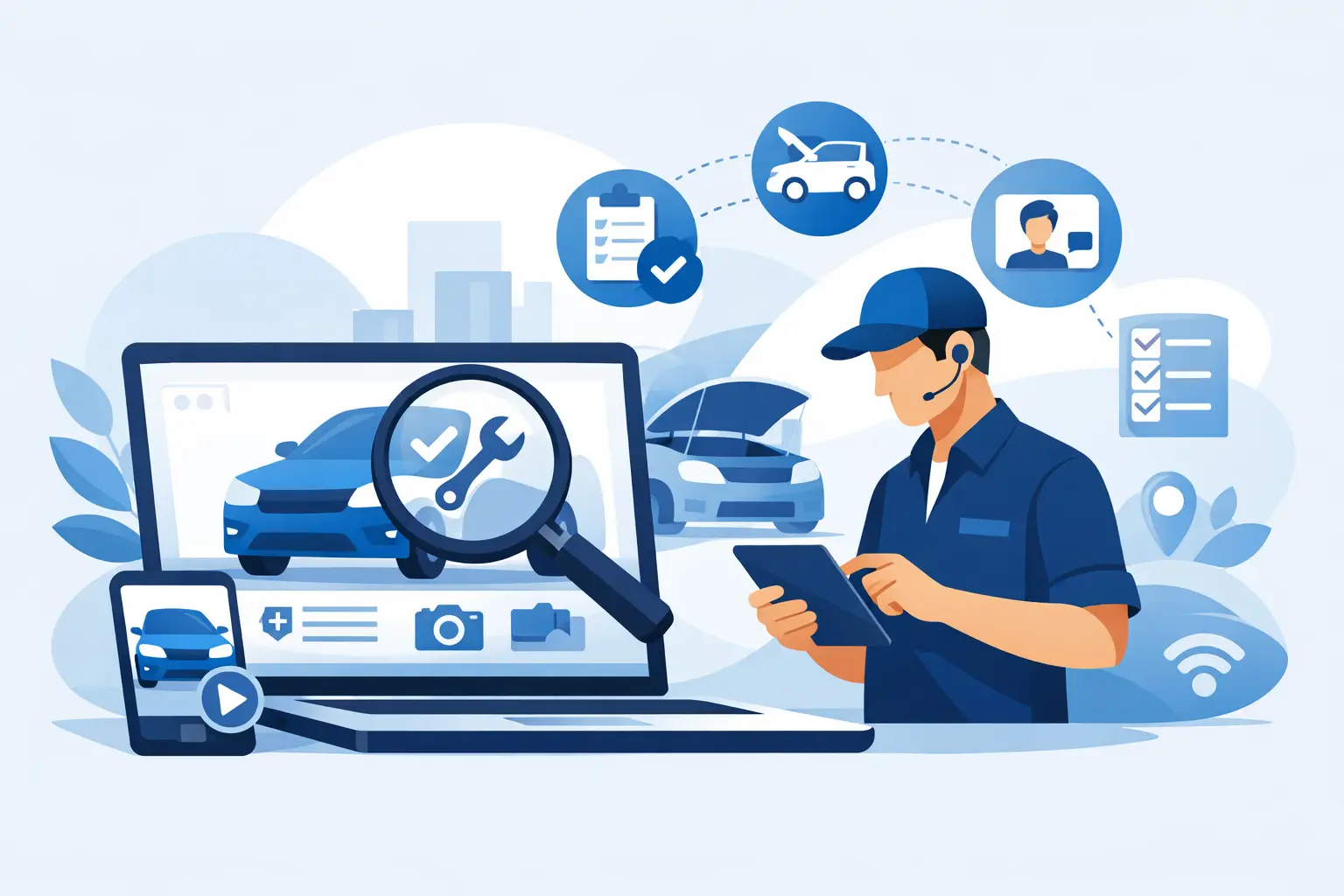
The phrase can be misunderstood. In most cases, vehicle inspections online do not mean the entire inspection happens remotely without anyone seeing the vehicle in person. It usually means the inspection process is managed through a digital system. Booking is completed online, job details are assigned digitally, inspectors use mobile tools to document findings, and reports are delivered through a structured platform.
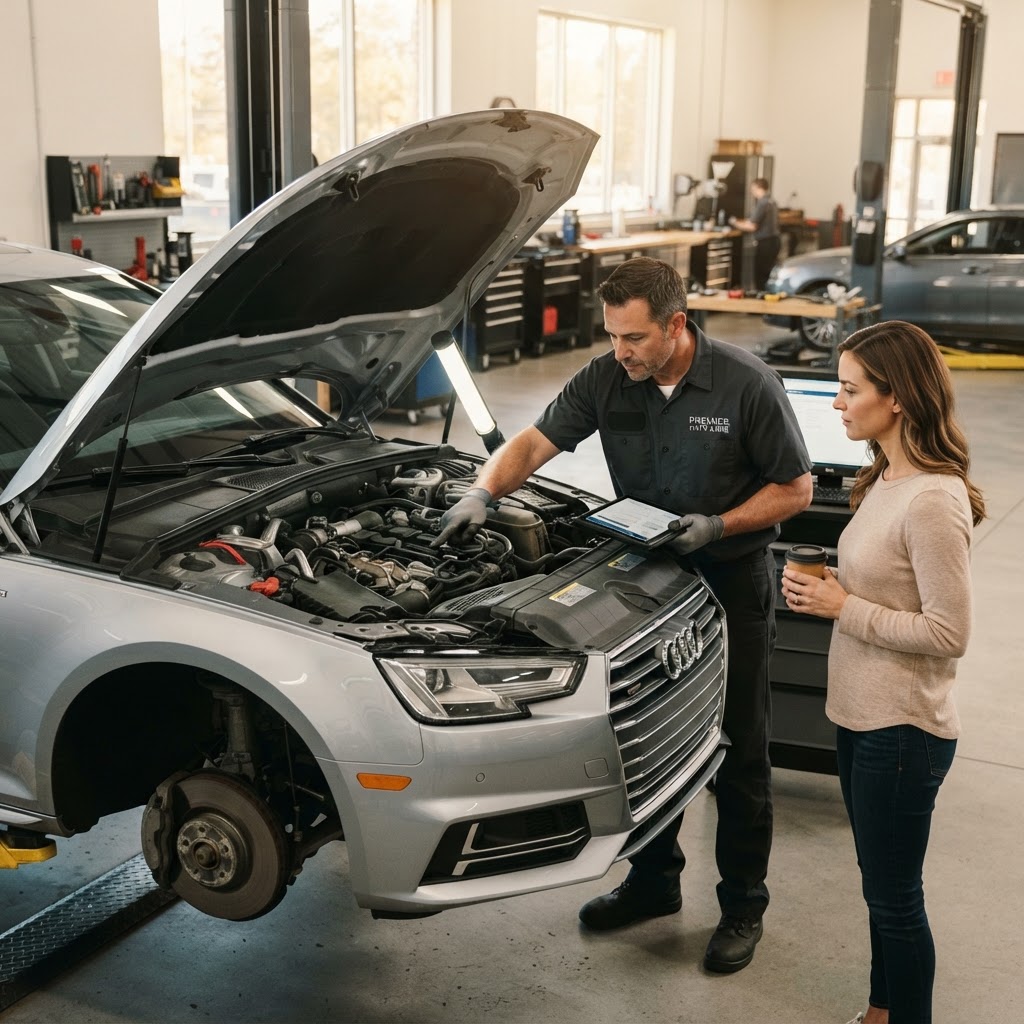
That distinction matters. A digital workflow improves consistency and reporting, but it does not replace physical observation when condition needs to be verified. If a customer expects a fully remote substitute for a trained inspection, the result can be a false sense of confidence. The stronger model is a field inspection supported by online coordination and reporting.
For operational users, this approach is easier to scale. A dealership group, inspection company, or fleet team can track appointments, monitor status, standardize forms, and share reports without relying on disconnected tools. For an individual buyer, the benefit is simpler but still significant - faster scheduling, cleaner documentation, and a report that is easier to review and forward.
Why online inspection workflows are gaining traction
Vehicle transactions now move across longer distances and tighter timelines. A consumer may be buying from another city. A dealer may need condition reports for incoming inventory before pricing decisions are finalized. A fleet manager may need repeatable documentation across multiple units and locations. In each case, administrative friction slows the decision.
An online workflow reduces that friction by organizing the handoff points. The service request is logged clearly. Vehicle details are captured in one place. The inspector receives the assignment with the right information. Photos and notes are attached to the same file. The final report is distributed without version confusion.
That does not mean every online system is equally useful. Some are little more than digital intake forms. Others support actual inspection operations with dashboards, mobile reporting, status tracking, and report access for different user types. The second model tends to serve business users better because it supports repeat volume and accountability, not just one-time booking.
What a good vehicle inspections online process should include
A strong process starts before the inspection itself. The request should capture the vehicle identification details, location, contact information, inspection type, and any specific concerns from the client. If the platform allows vague or incomplete submissions, mistakes show up later as delays, missed expectations, or incomplete reports.
Once scheduled, the job should move through a visible workflow. That means confirmation, assignment, inspection status, and report delivery are all trackable. For a consumer, this reduces uncertainty. For a dealership or business client, it reduces the need to manually chase updates.
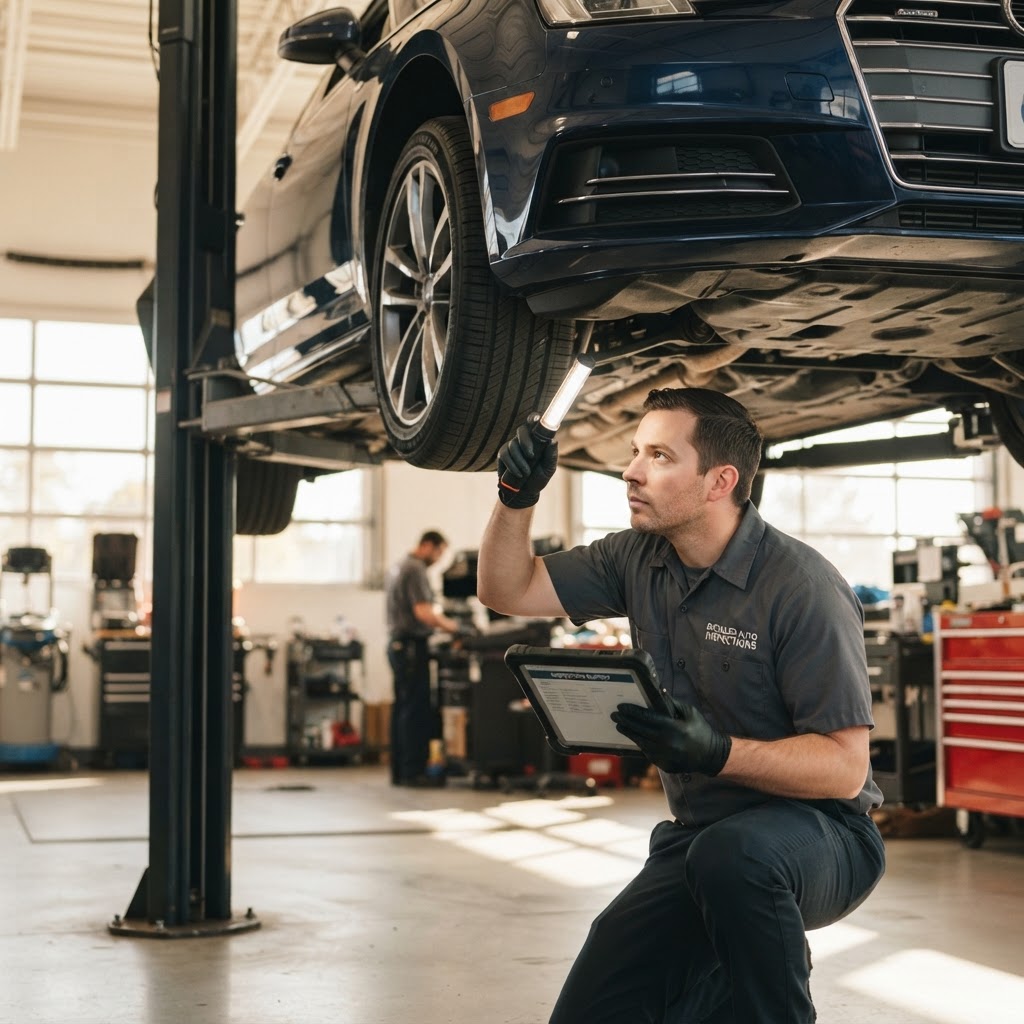
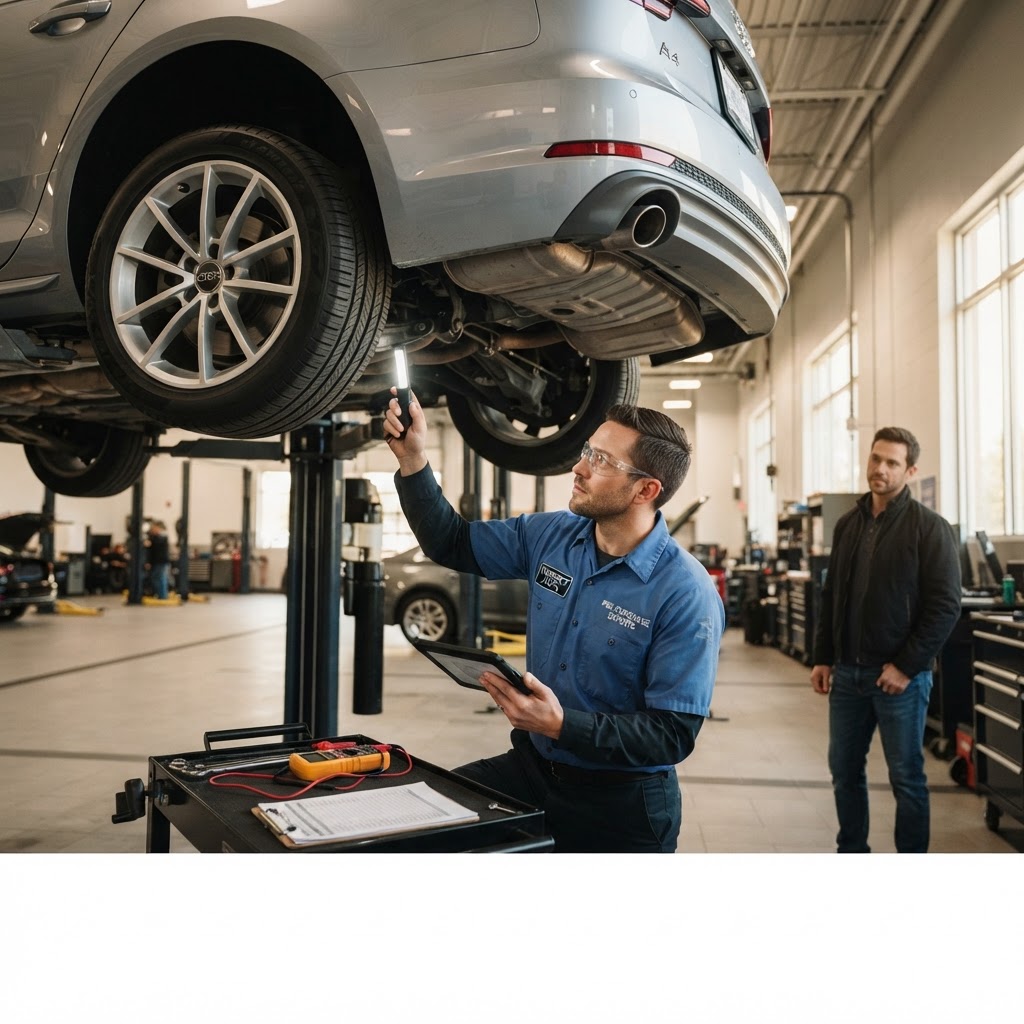
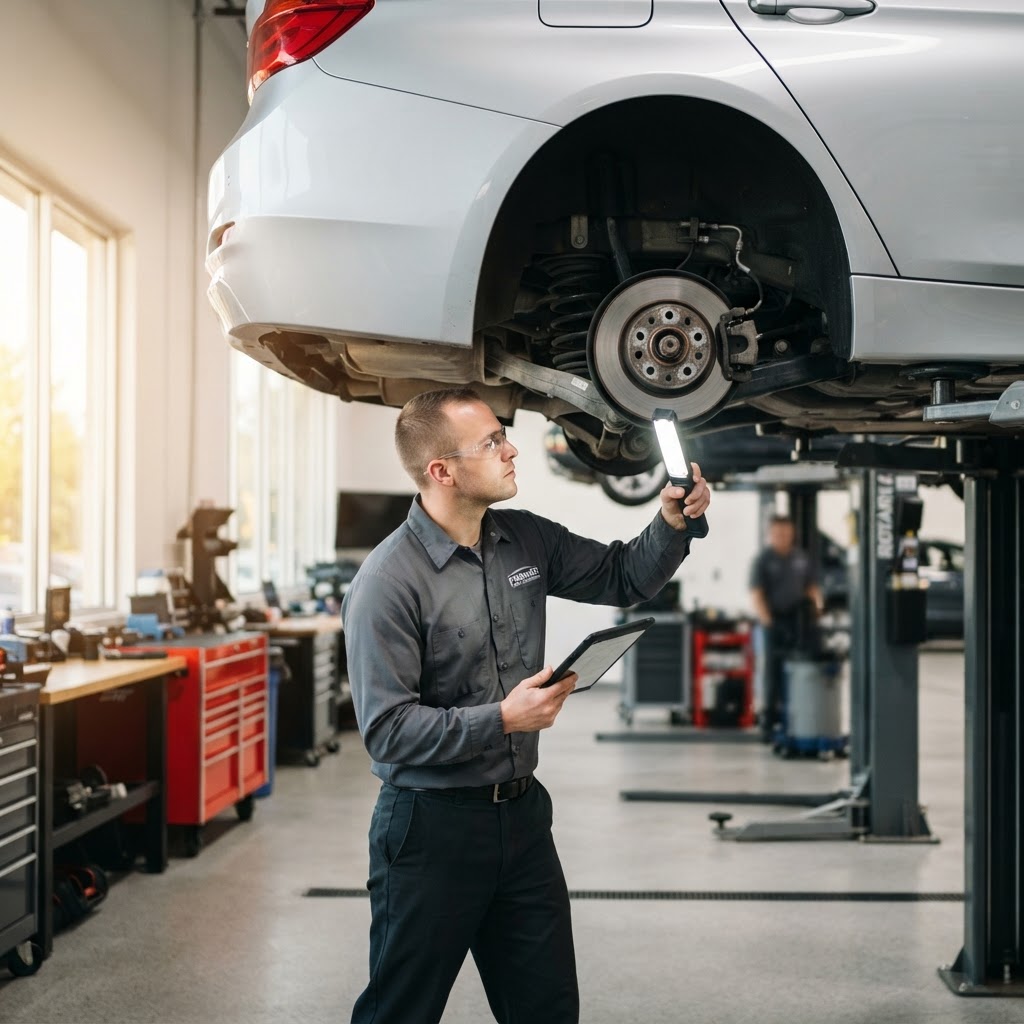
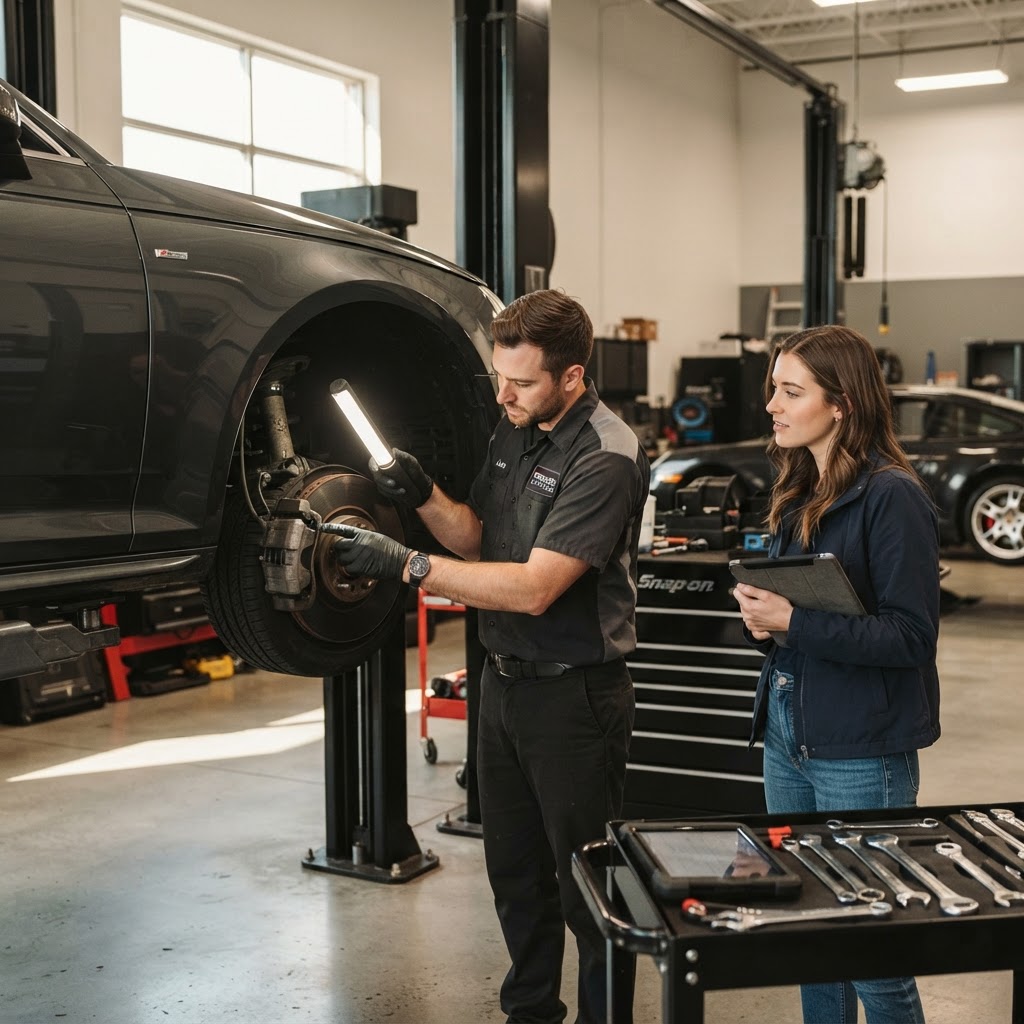
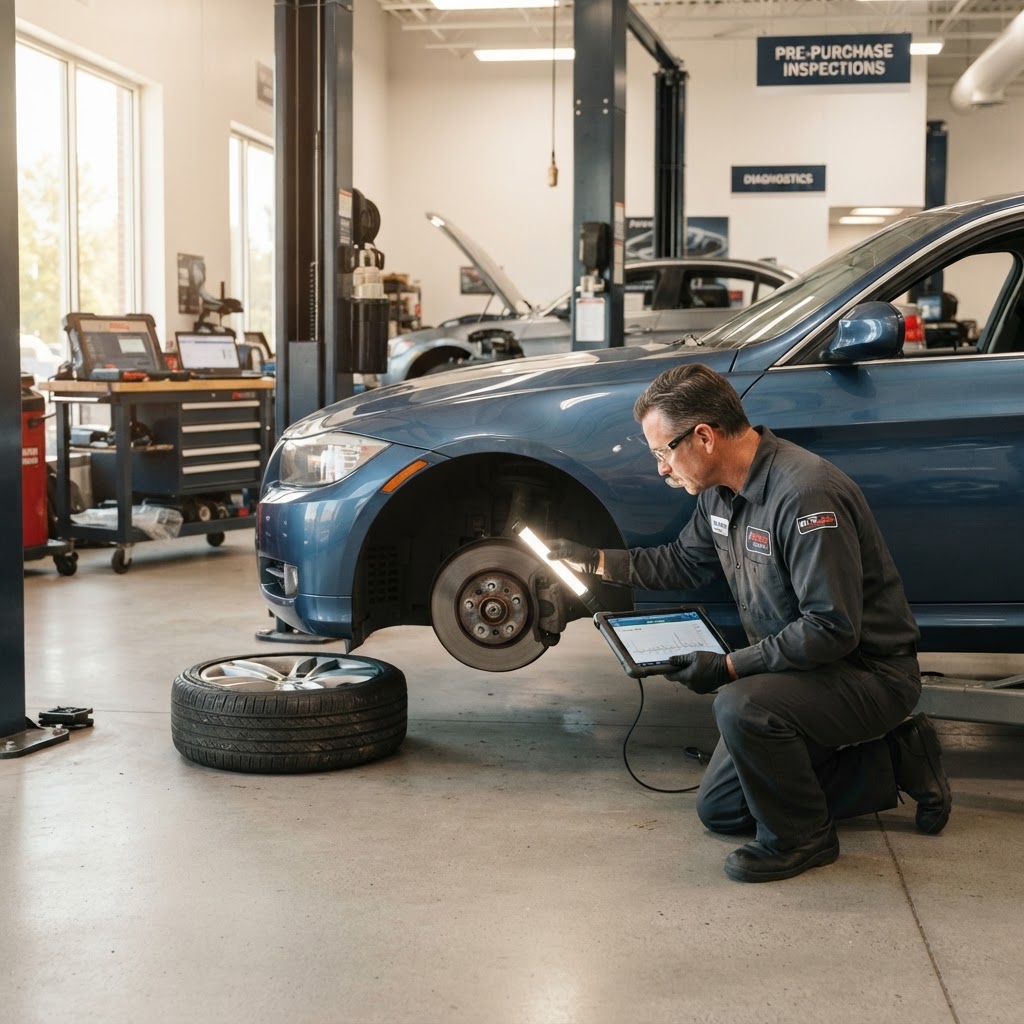
At the inspection stage, documentation quality is what separates a useful report from a generic checklist. Clear photos, condition notes, damage observations, tire information, visible wear, and functional checks should be organized in a format that can be reviewed quickly. If the report is hard to interpret, even accurate findings lose value.
The delivery step matters just as much. A report should be easy to access, easy to share, and structured enough that decision-makers can act on it. Buyers want clarity before purchase. Sellers may need documentation before listing or negotiation. Dealerships often need reports that support appraisal, reconditioning, acquisition, or disclosure workflows.
Where online inspection systems help the most
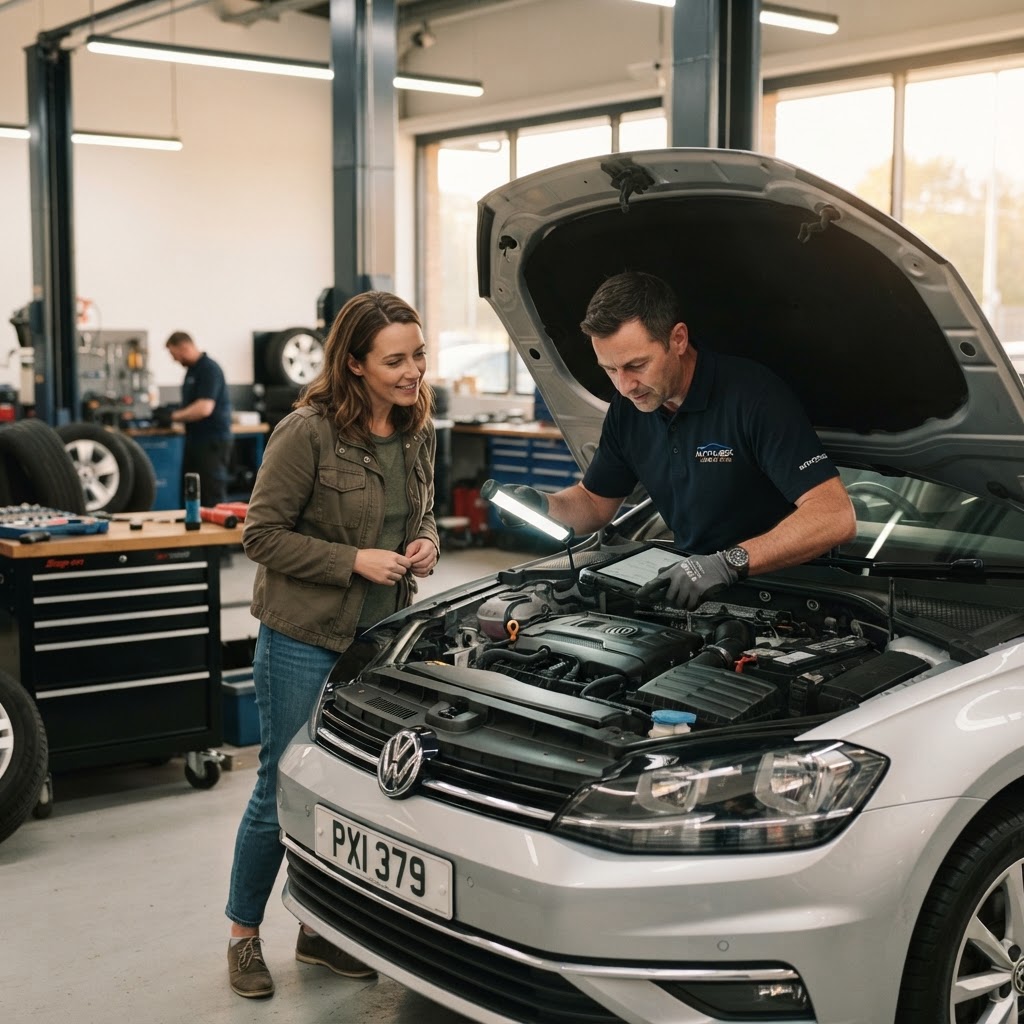
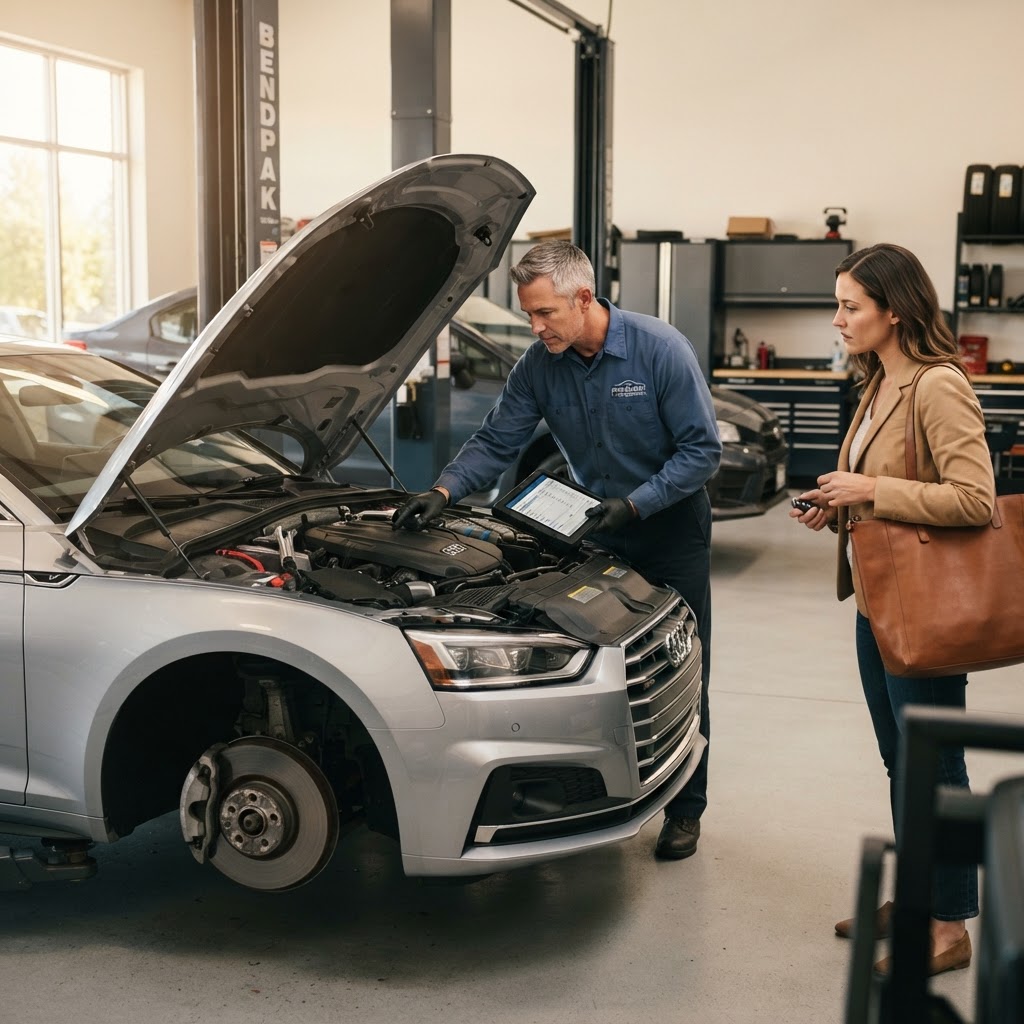
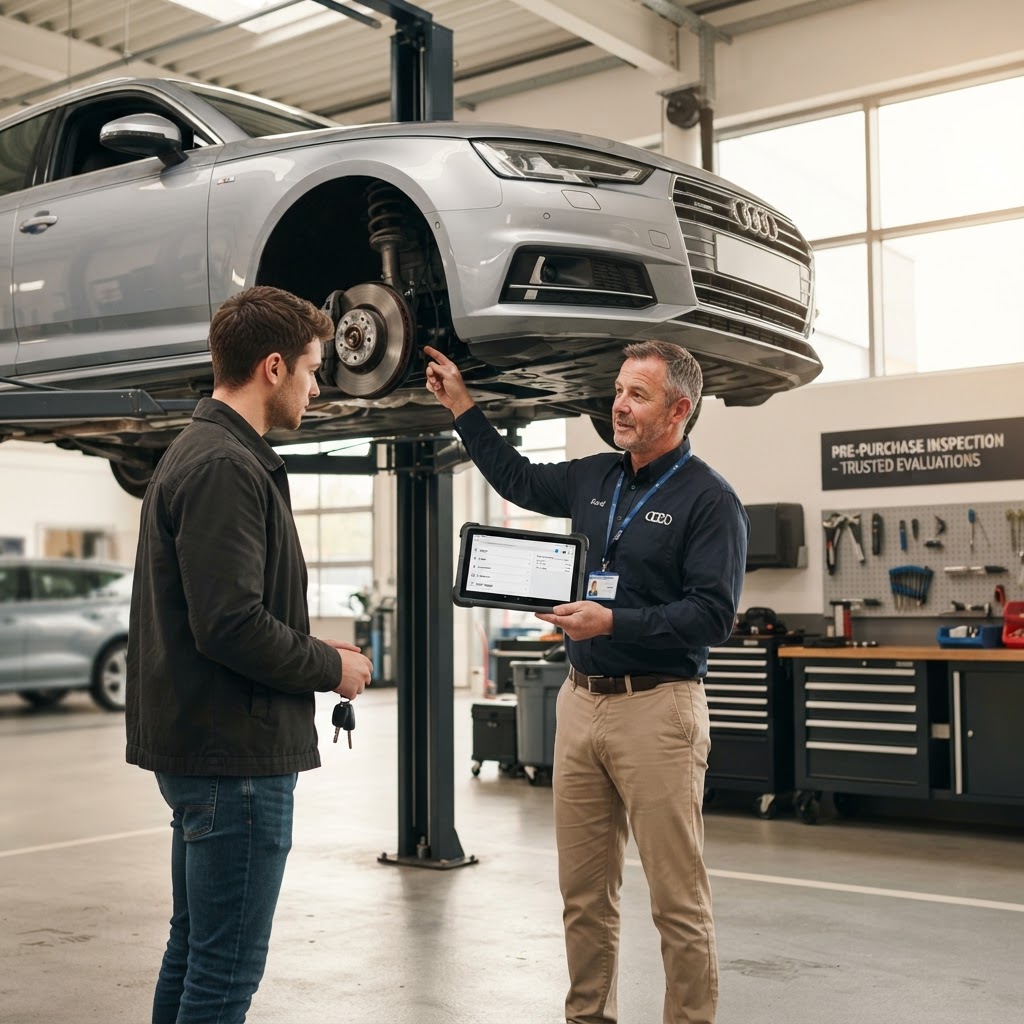
The biggest advantage shows up when multiple people are involved in the same vehicle decision. A private-party buyer may want an independent condition report before committing funds. A seller may need third-party documentation to support asking price. A dealership may need to route the same report to sales, inventory, and management. A fleet operator may need records stored across many vehicles over time.
In those situations, digital organization is not a convenience feature. It is part of risk control. If the condition record is incomplete, buried in email, or scattered across text threads, the process becomes harder to defend and harder to audit.
This is also where a platform-based inspection service has an edge over informal arrangements. An organized system is better suited to repeatability. That matters for business users who cannot afford to reinvent the process each time they need an inspection.
The trade-offs to understand
Online coordination improves administration, but it does not automatically improve inspection quality. The quality still depends on inspection scope, inspector competence, photo standards, and reporting discipline. A slick booking interface cannot fix weak field work.
There is also a difference between convenience and depth. Some customers need a fast condition snapshot. Others need a more detailed evaluation before purchase, resale, arbitration, or internal asset review. The right level depends on the transaction. If the vehicle is older, modified, high-value, or has inconsistent history, a lightweight report may not be enough.
Geography can affect expectations too. In dense urban areas, scheduling may be faster and service coverage broader. In rural or lower-volume markets, timing may vary. A professional online system should make those boundaries clear rather than overpromising access it cannot support.
How to evaluate a provider offering vehicle inspections online
Start with process clarity. Can you tell how the request is submitted, how the job is assigned, when the inspection is completed, and how the report is delivered? If the workflow is vague, expect communication issues later.
Next, review documentation standards. The best providers treat reporting as a core service, not an afterthought. Sample reports, structured condition categories, photo organization, and consistent formatting all signal a more dependable operation.
Then consider whether the service fits your role. A one-time buyer may only need straightforward scheduling and a readable report. A dealership or inspection partner may need portal access, lead management, job tracking, and report sharing across teams. Those are different use cases, and the platform should support them accordingly.
It is also worth asking how exceptions are handled. What happens if the vehicle is unavailable, inaccessible, or not in the expected location? What if the client needs a revised appointment or additional documentation? Strong inspection operations are defined as much by exception handling as by normal workflow.
This is where a company like RIZQ Car Inspection fits the market well. The value is not only in performing inspections, but in structuring the full inspection workflow so that booking, reporting, coordination, and access are easier to manage across individual and business use cases.
Why documentation is the real product
Many customers think they are purchasing a quick opinion on a car. In practice, they are purchasing documented condition data that can support a decision. That is why digital delivery matters so much.
A verbal update may be useful in the moment, but it has limited operational value later. A structured report with photos, condition notes, and organized findings can be reviewed by a buyer, forwarded to a lender, referenced in a dealership appraisal process, or stored in a fleet record. The inspection creates information, but the documentation is what makes that information usable.
That is especially true when disagreements happen. If a transaction falls apart, if pricing changes, or if a condition issue is questioned later, a documented report provides a stronger point of reference than memory or informal messaging.
What to expect next from online inspection workflows
The direction is clear: more standardization, better mobile reporting, faster distribution, and stronger visibility across all parties involved in the inspection. For business users, this means less administrative drag. For consumers, it means better access to organized inspection services that feel more transparent and less improvised.
The smart expectation, though, is not that online systems will replace hands-on inspection work. It is that they will make inspection operations more reliable. That reliability is what buyers, sellers, dealerships, and inspectors actually need when timing is tight and the financial stakes are real.
If you are comparing inspection options, focus less on whether the service is online and more on whether the process is controlled, documented, and built to support decisions after the inspection is done. That is the part that keeps a vehicle report useful long after the appointment ends.