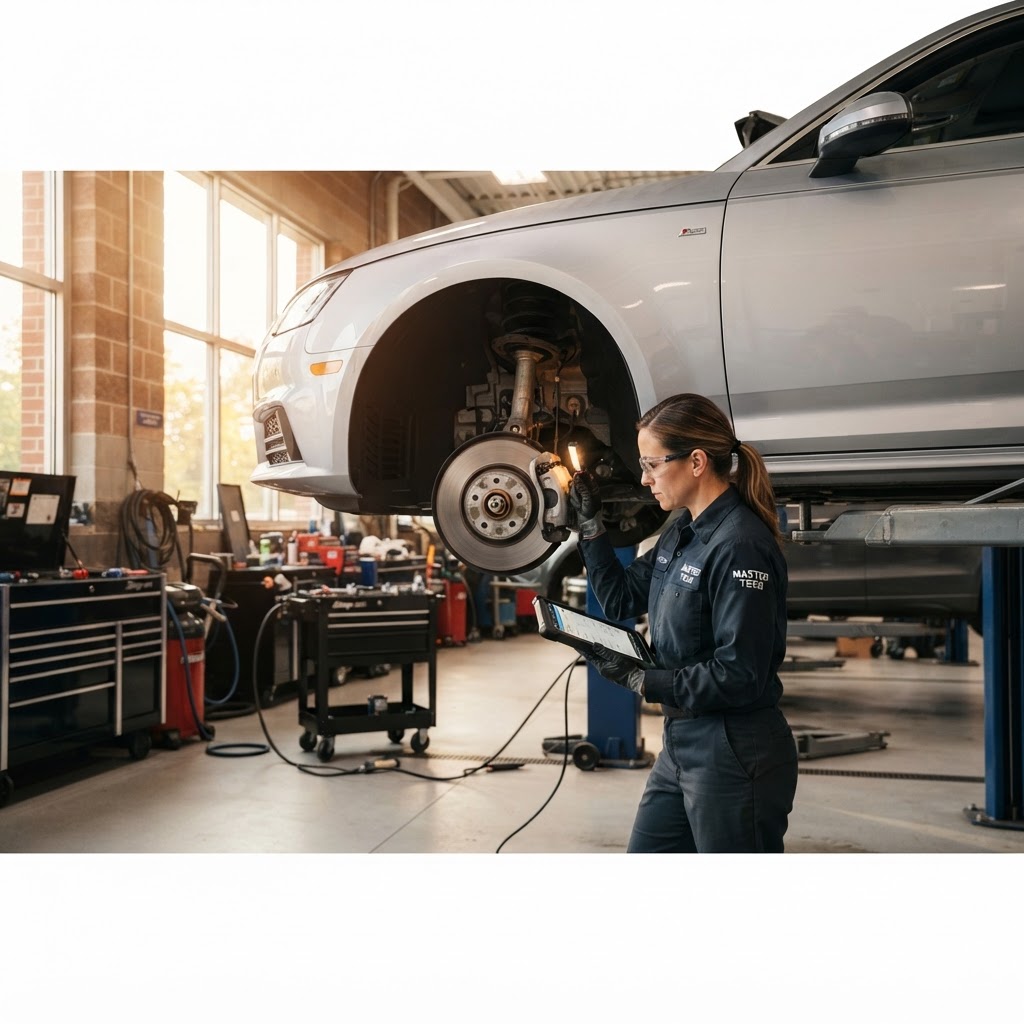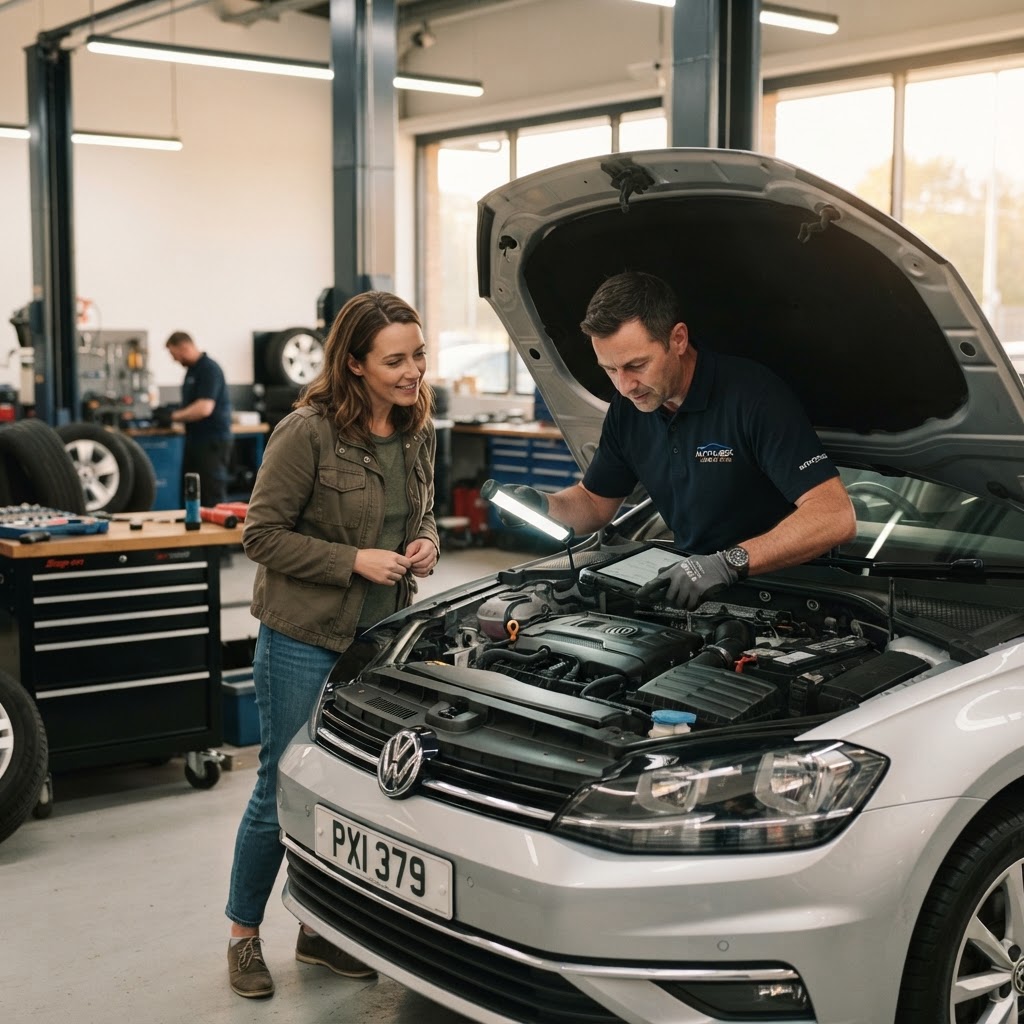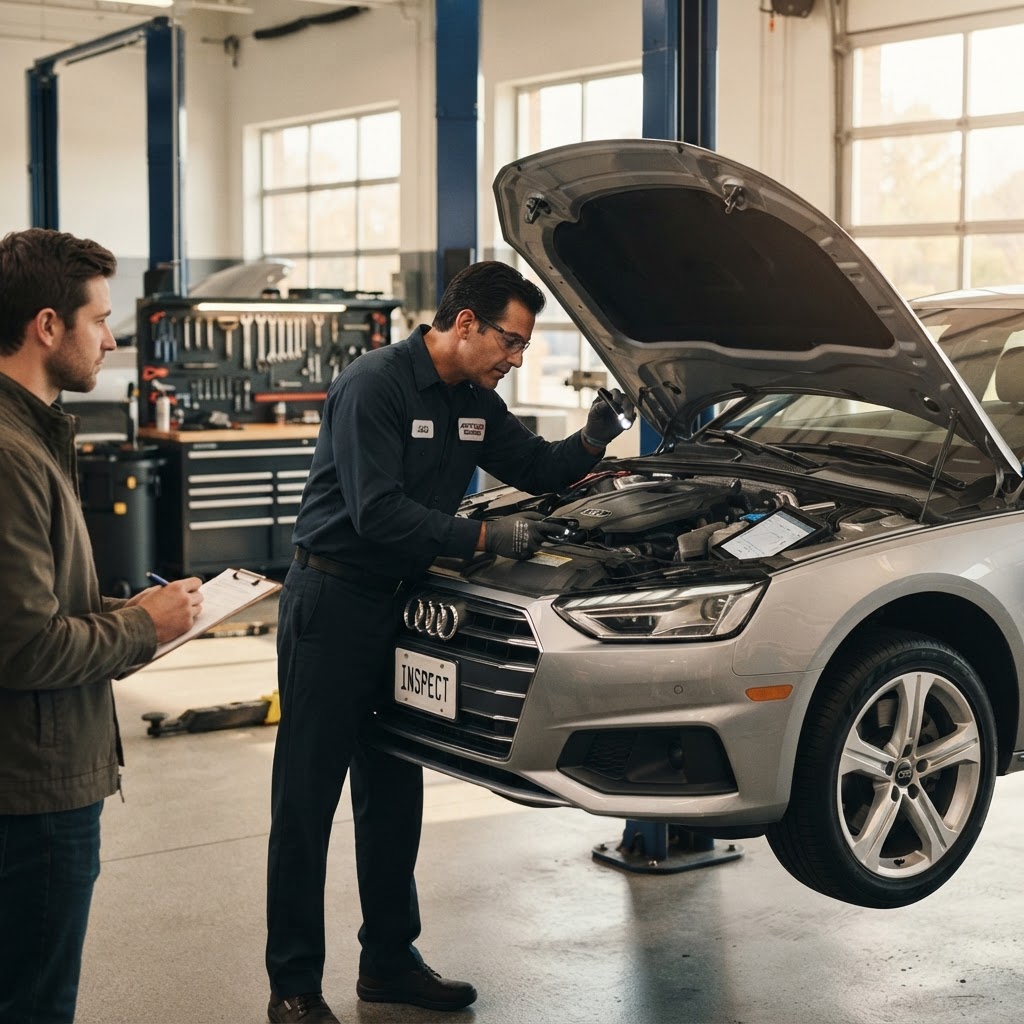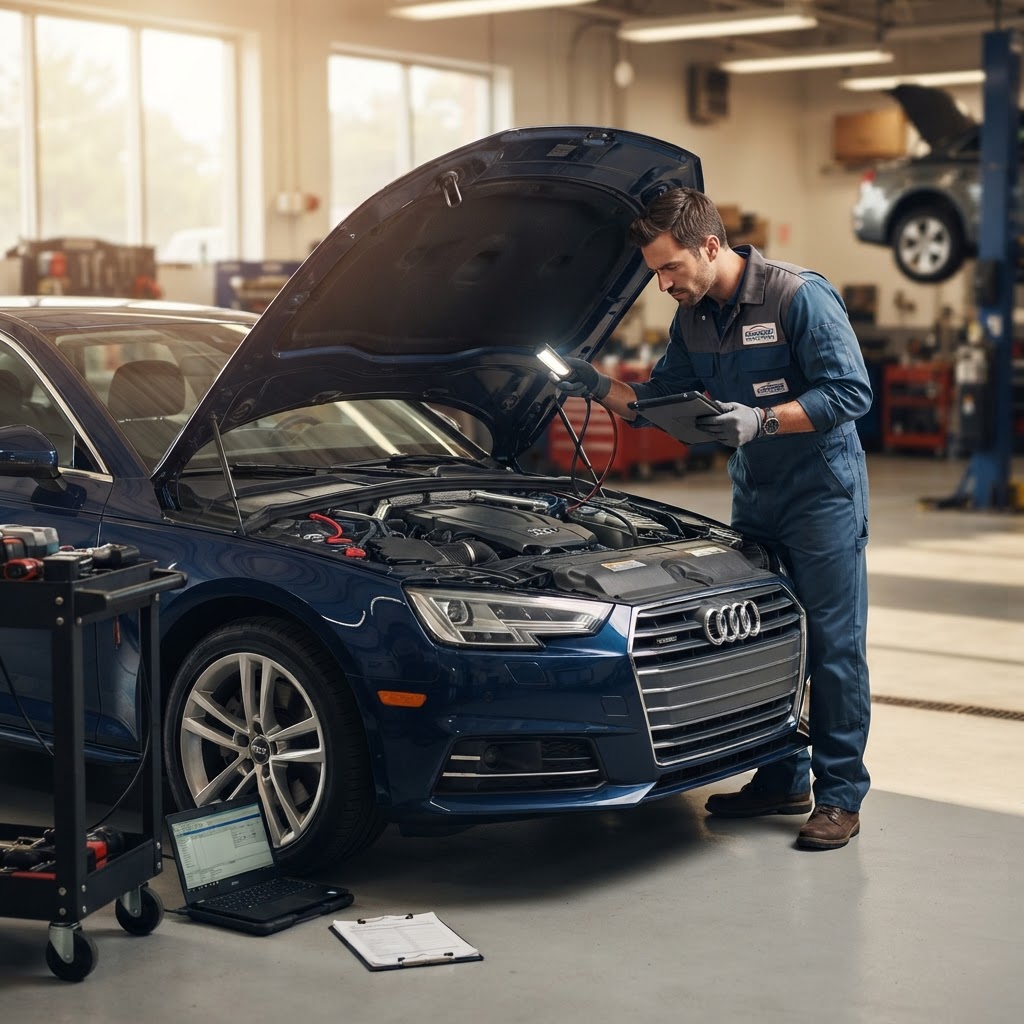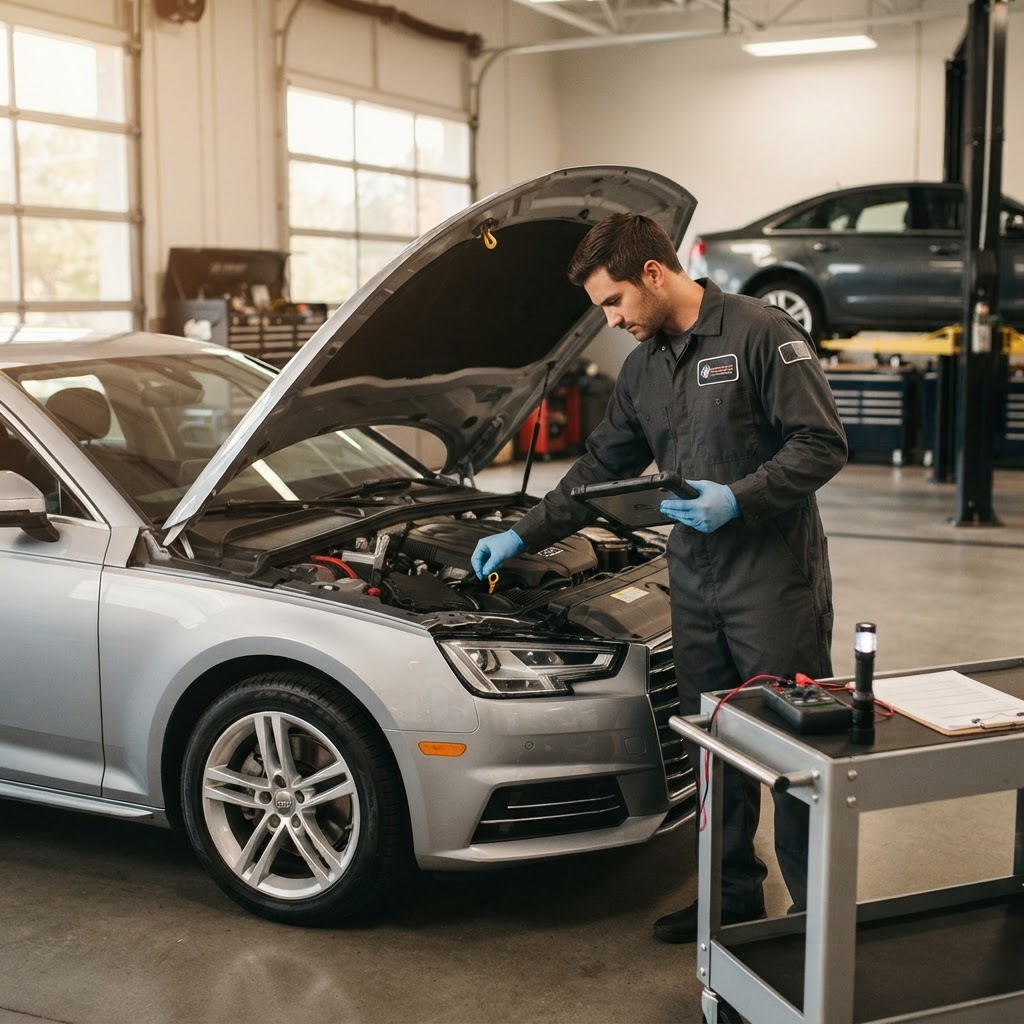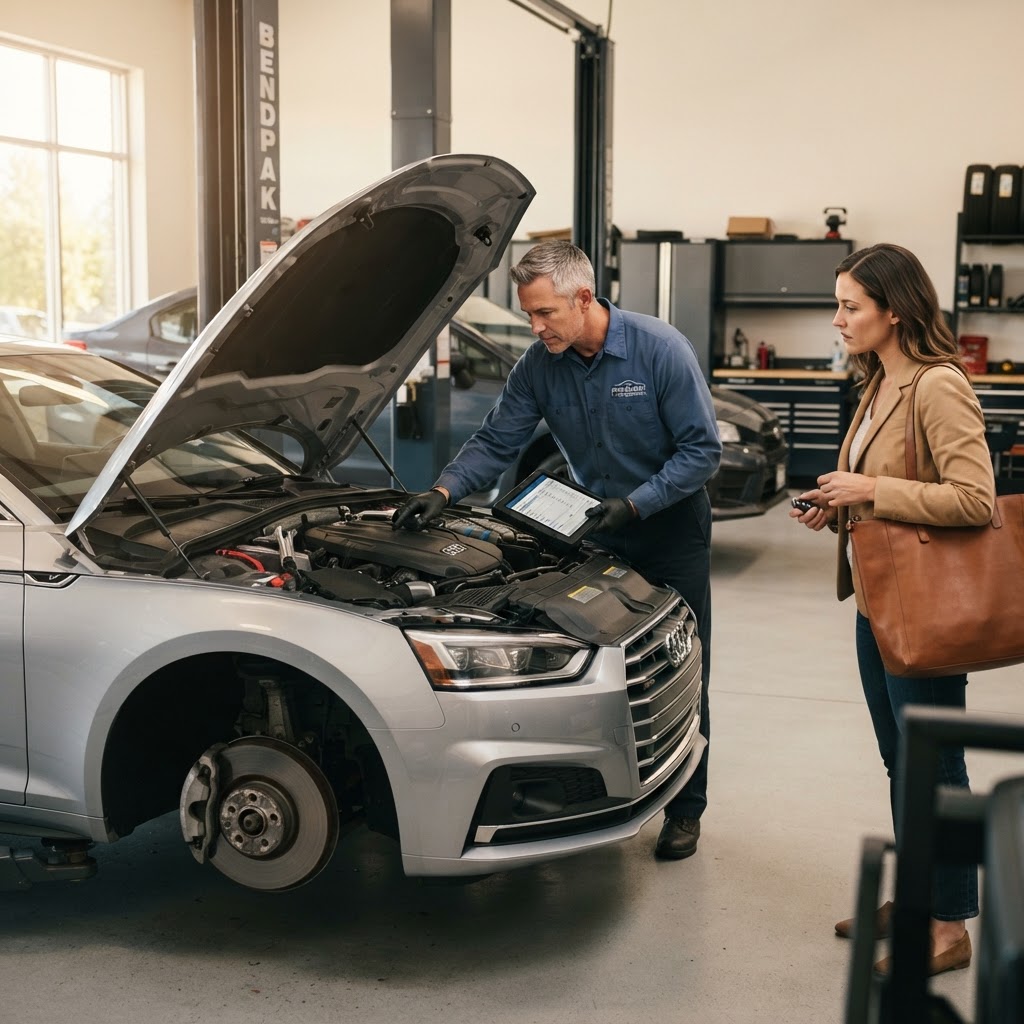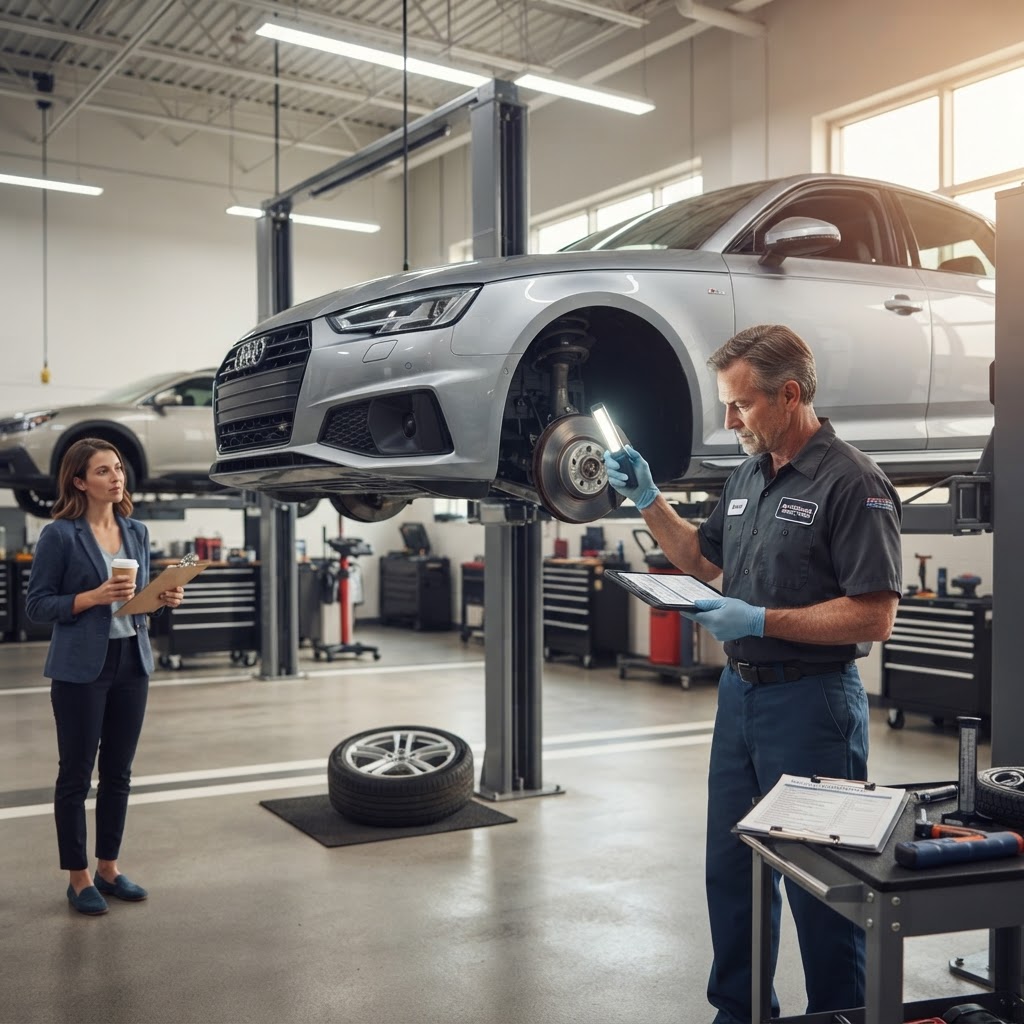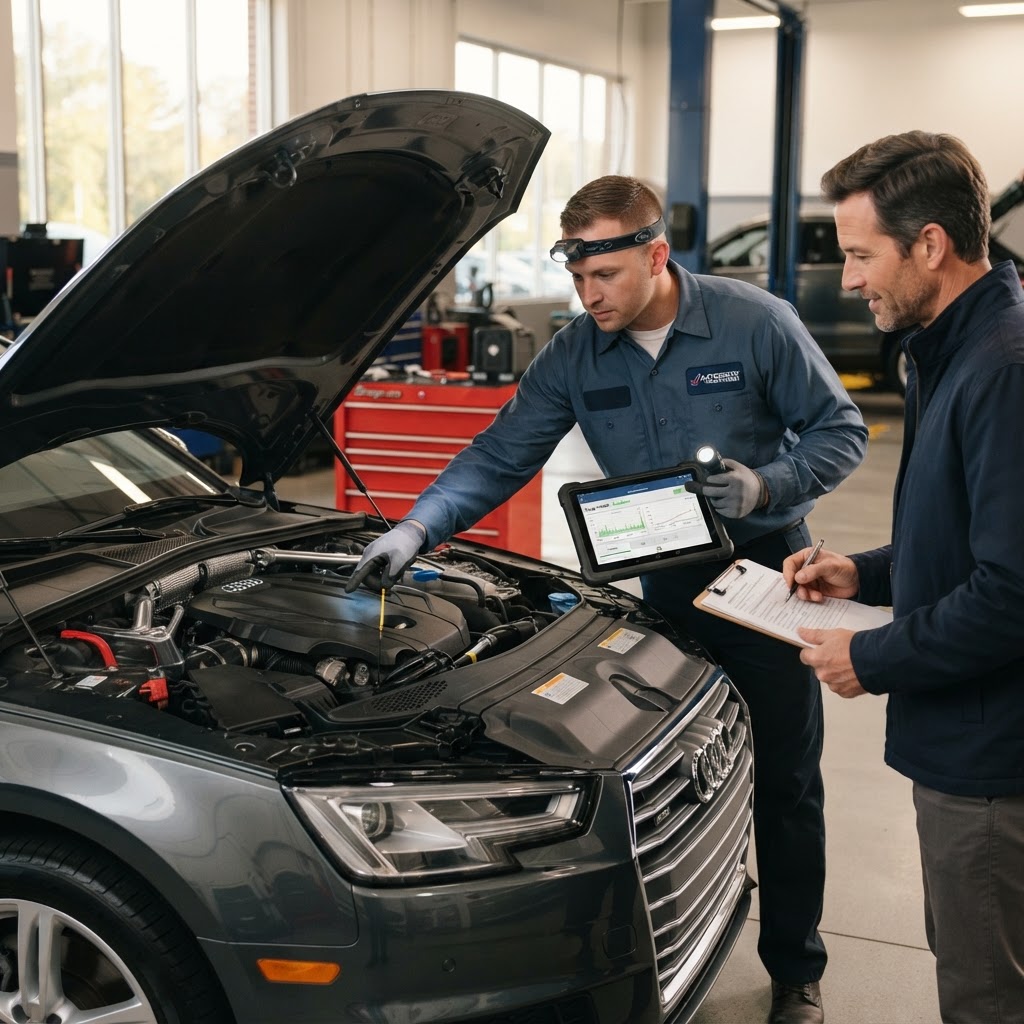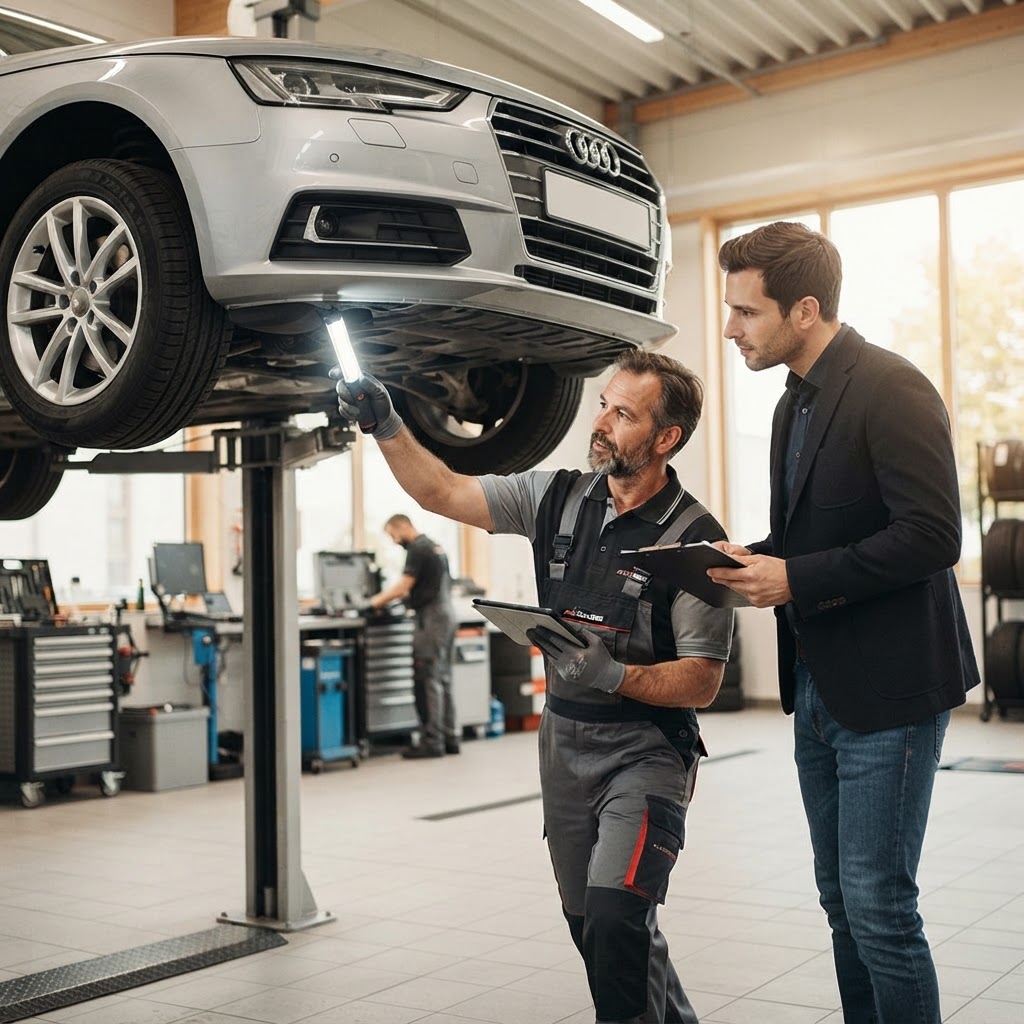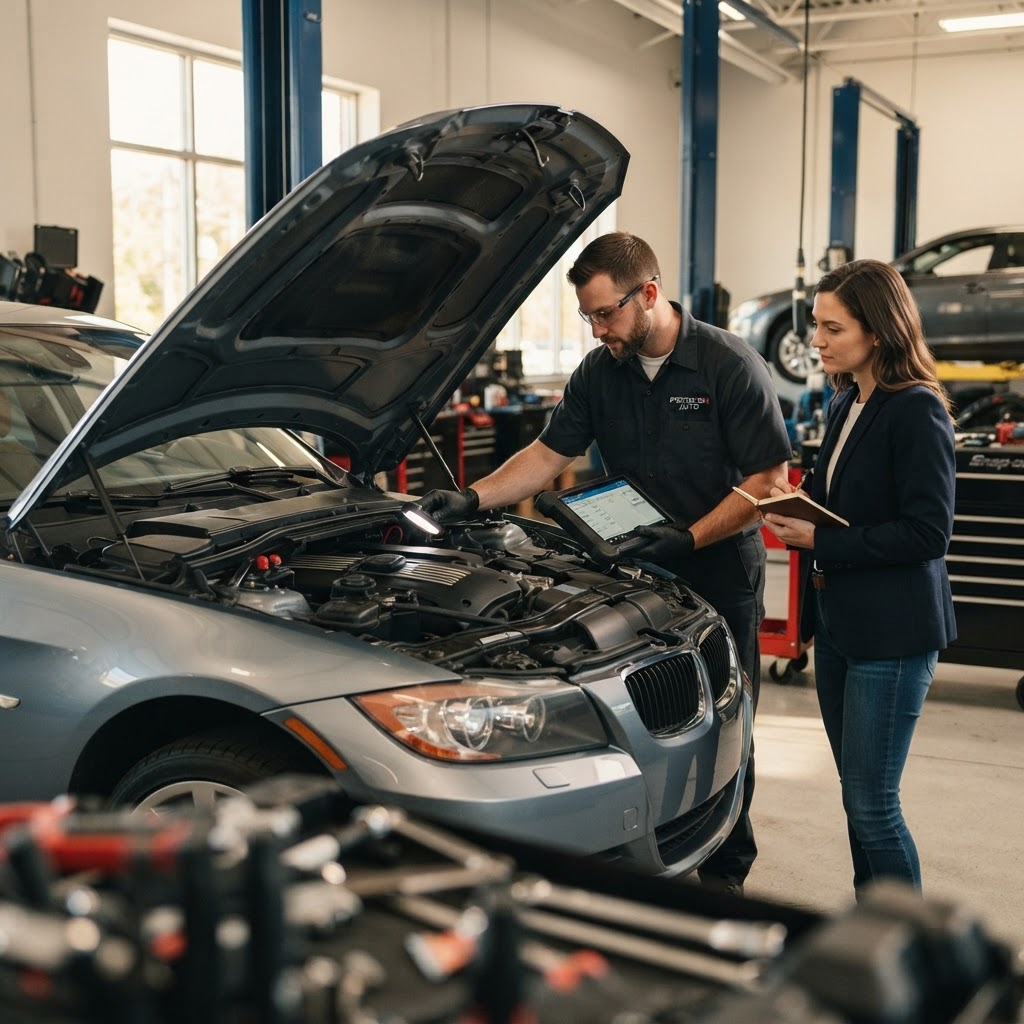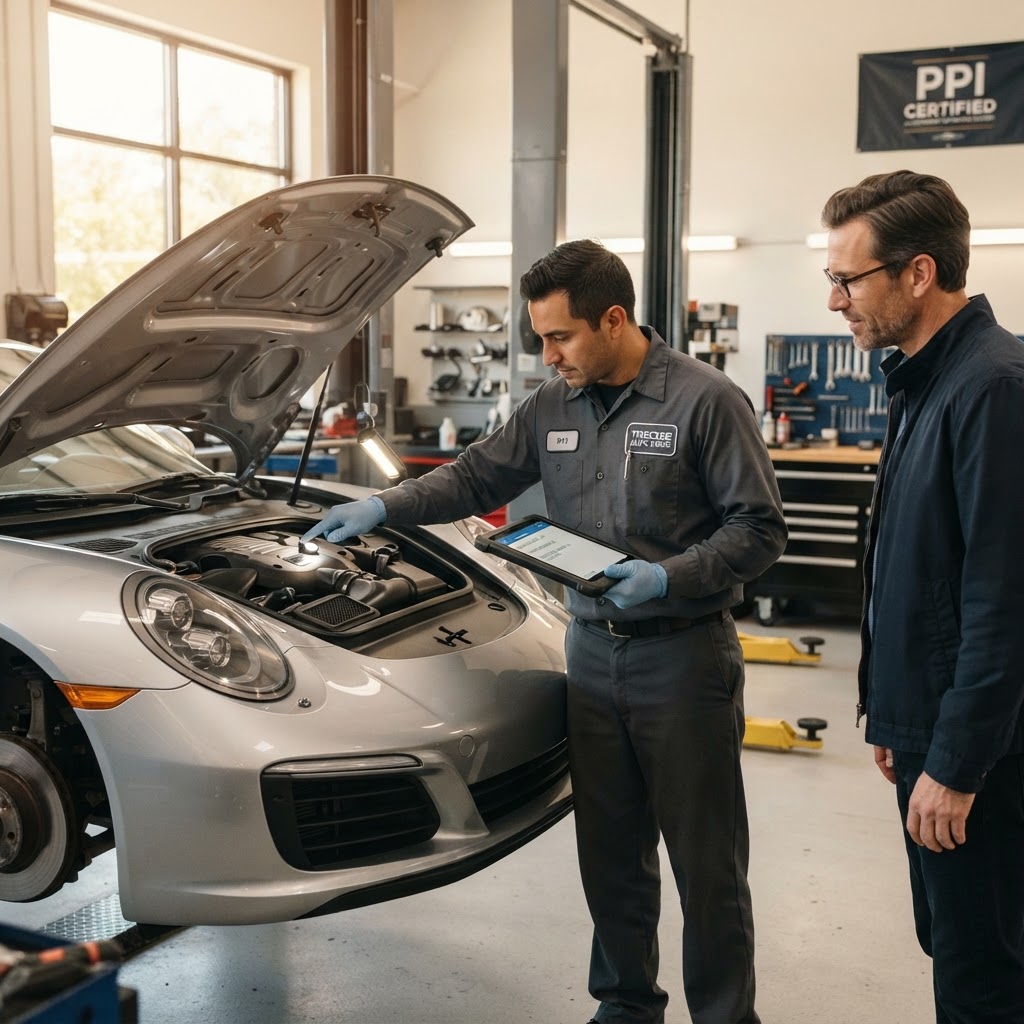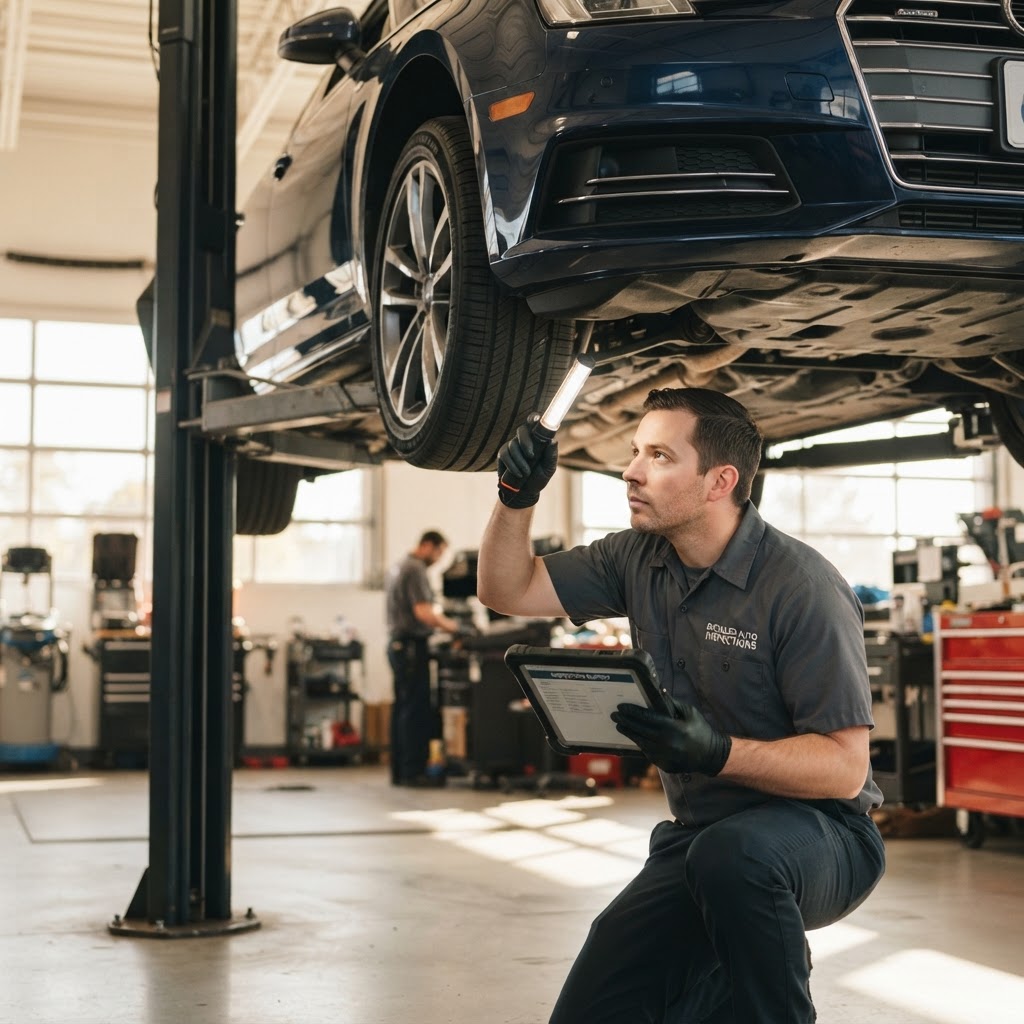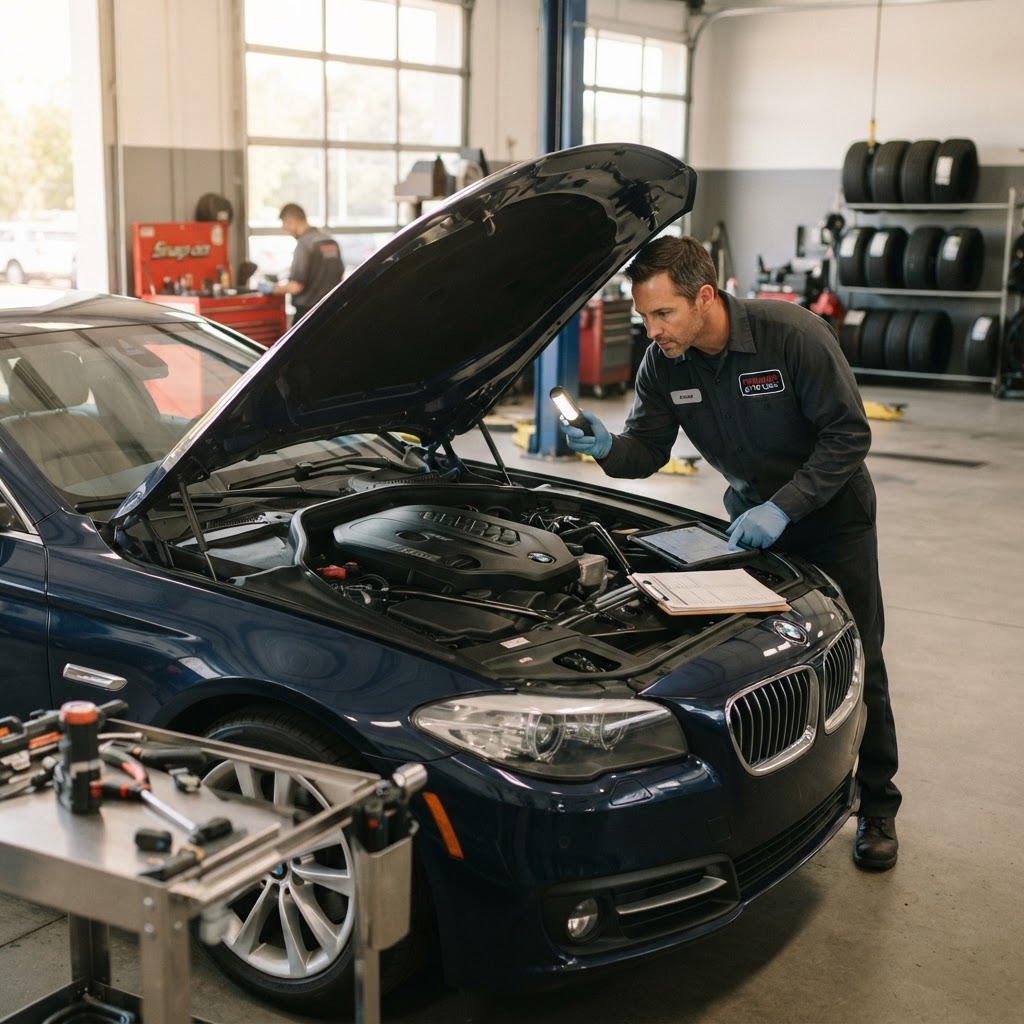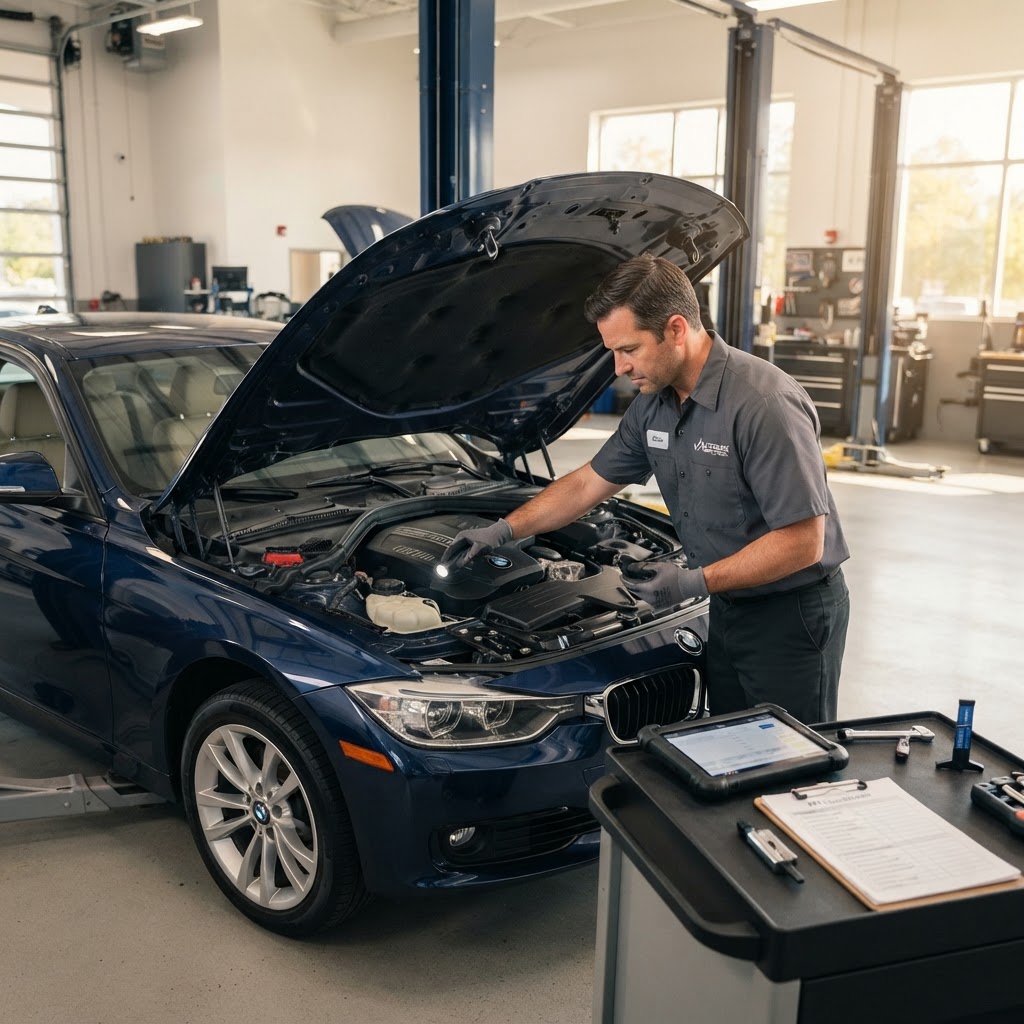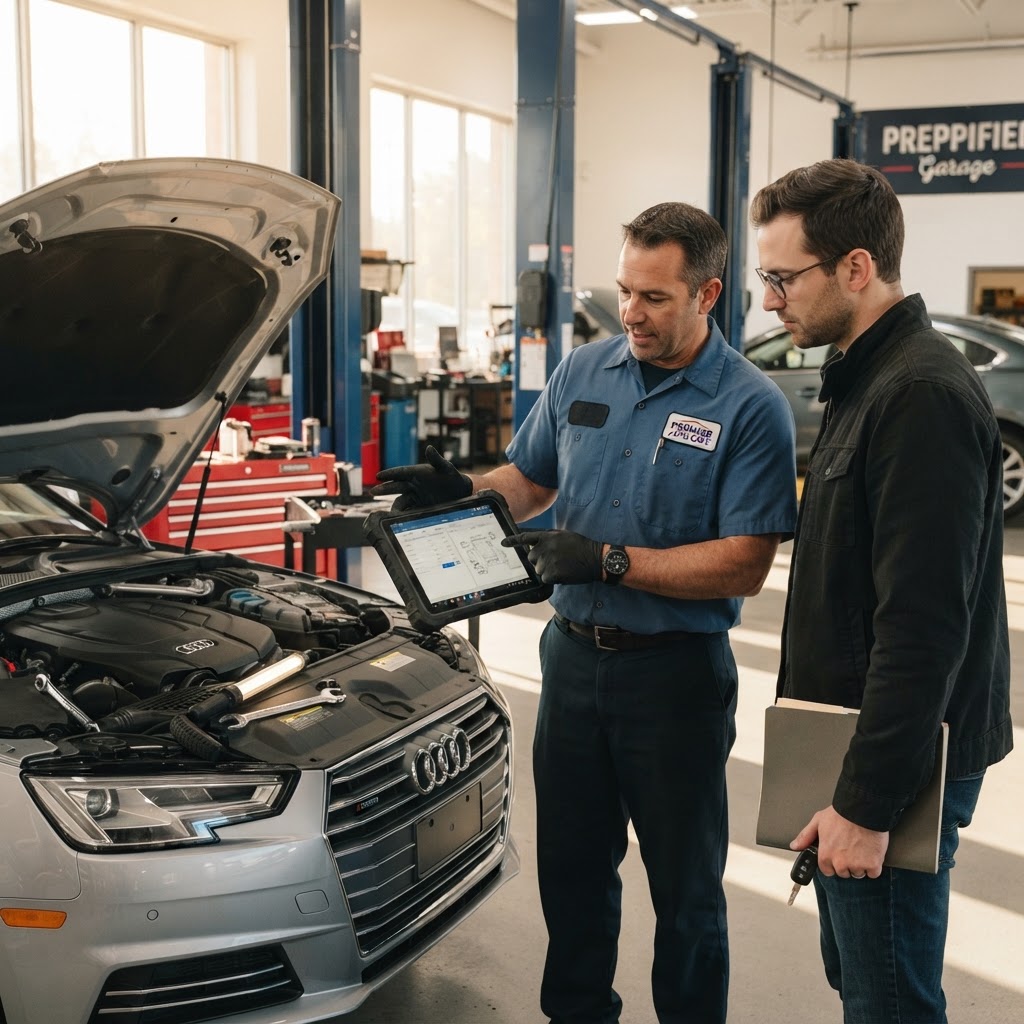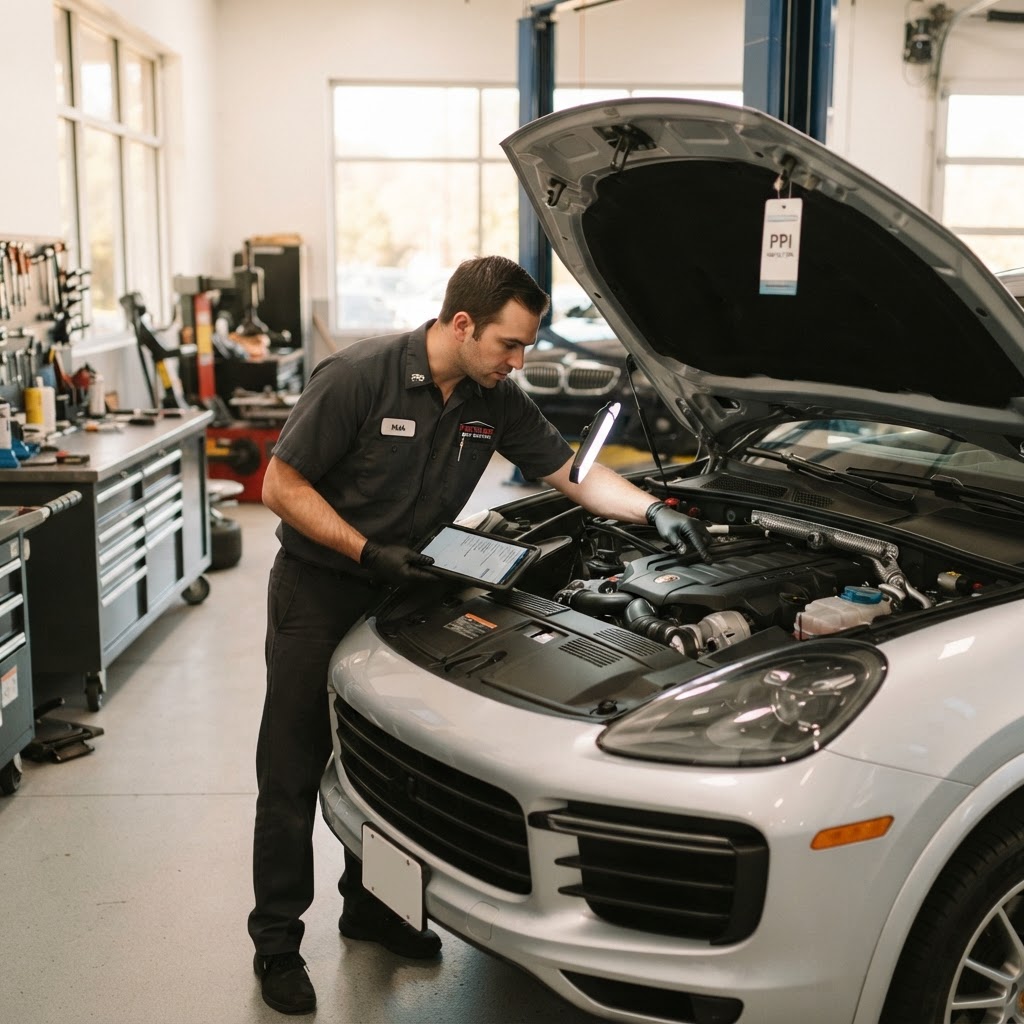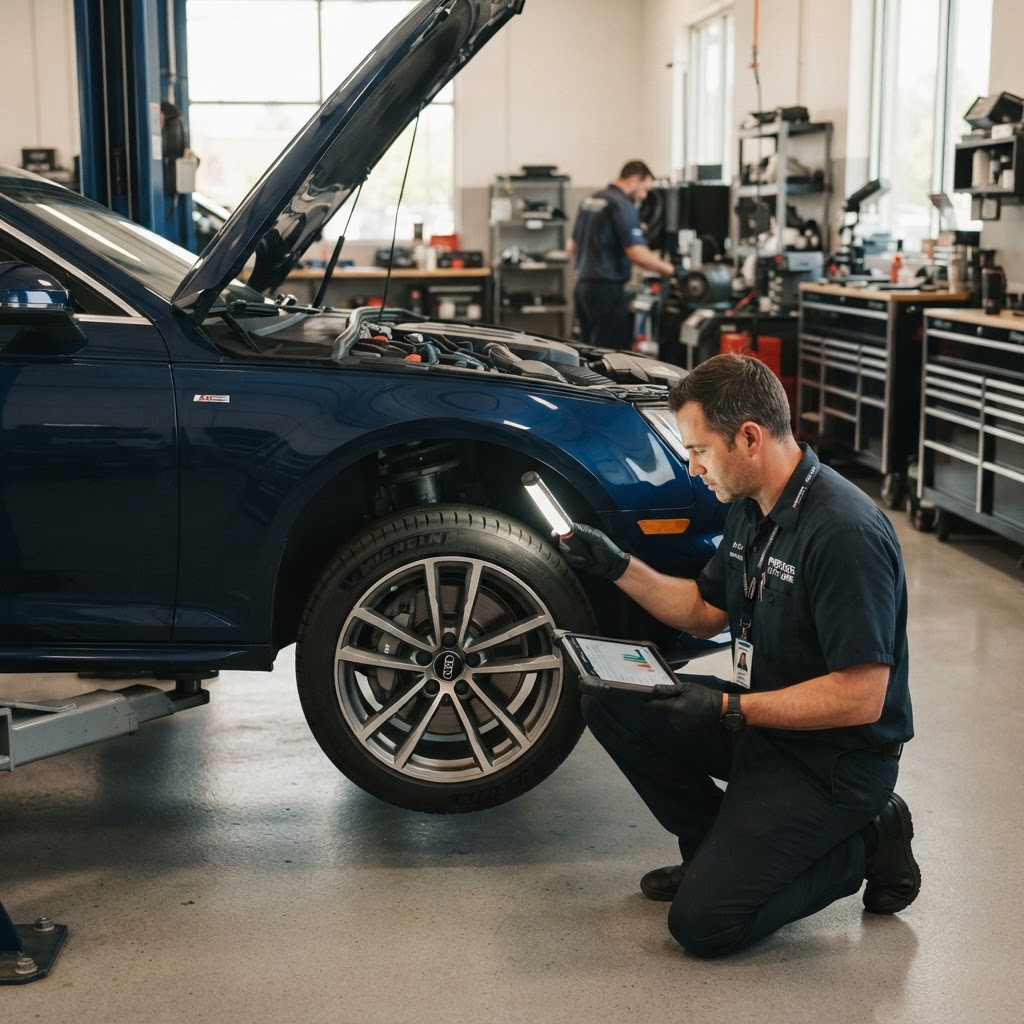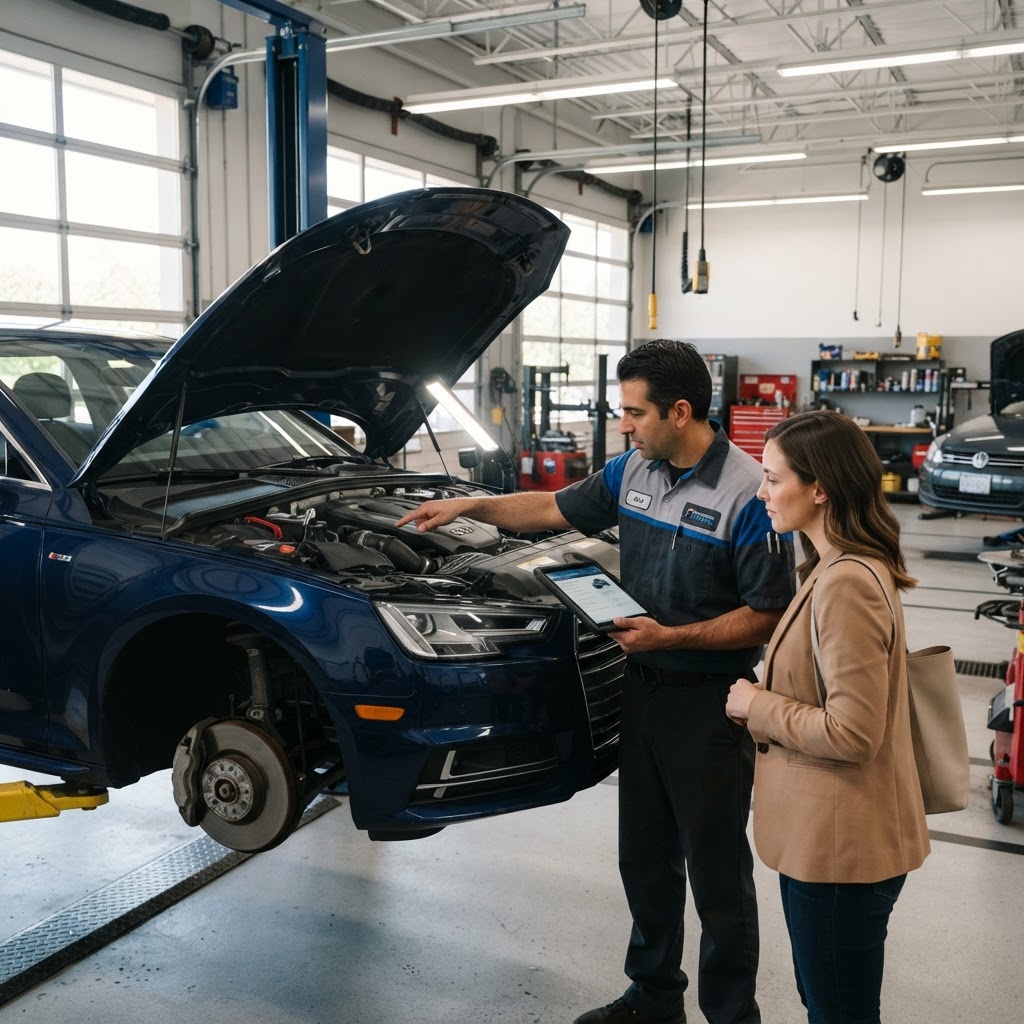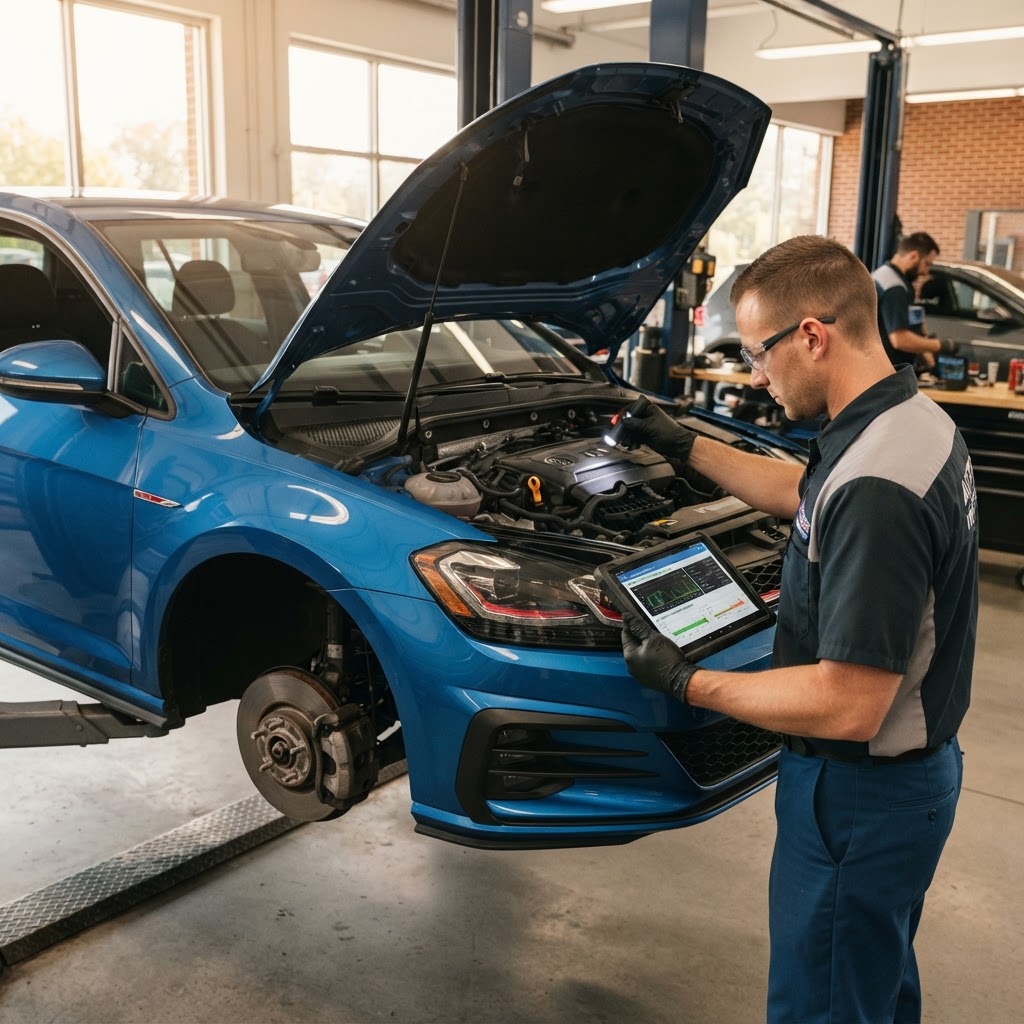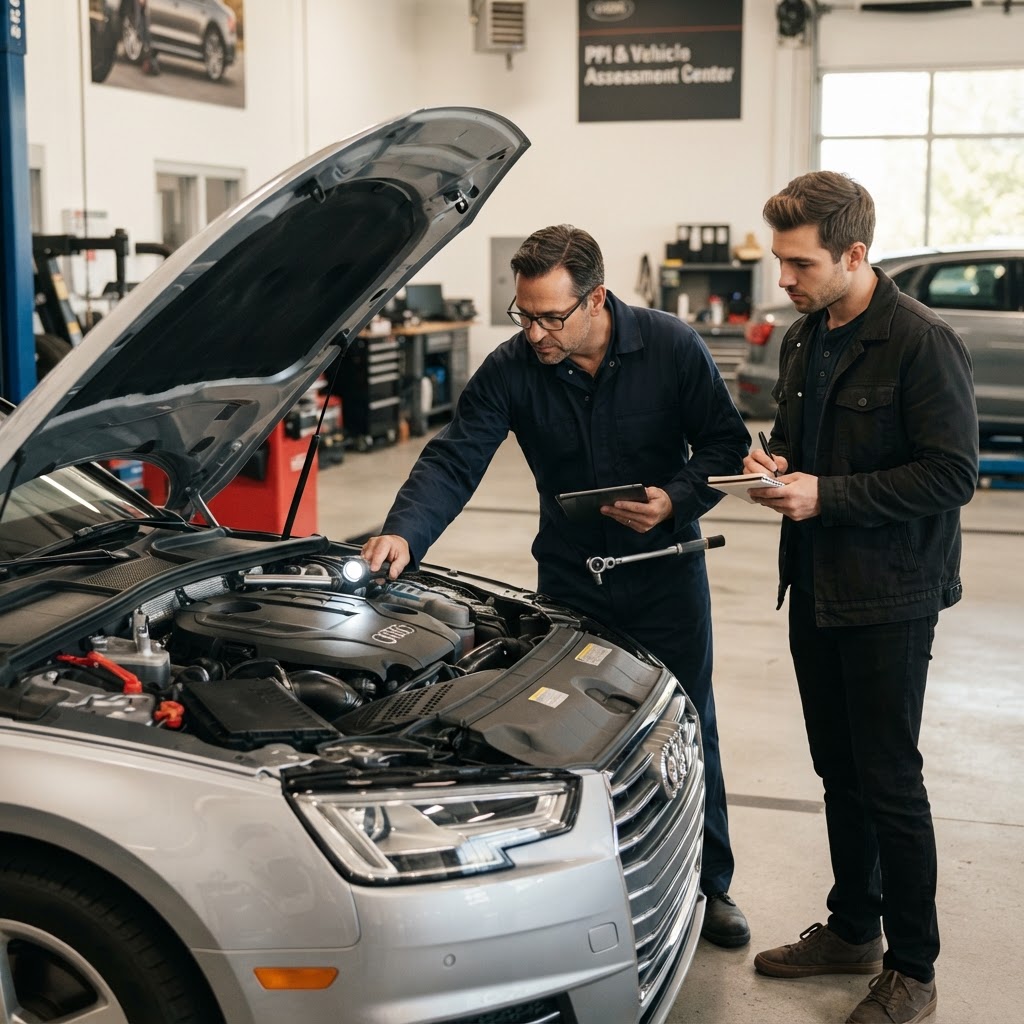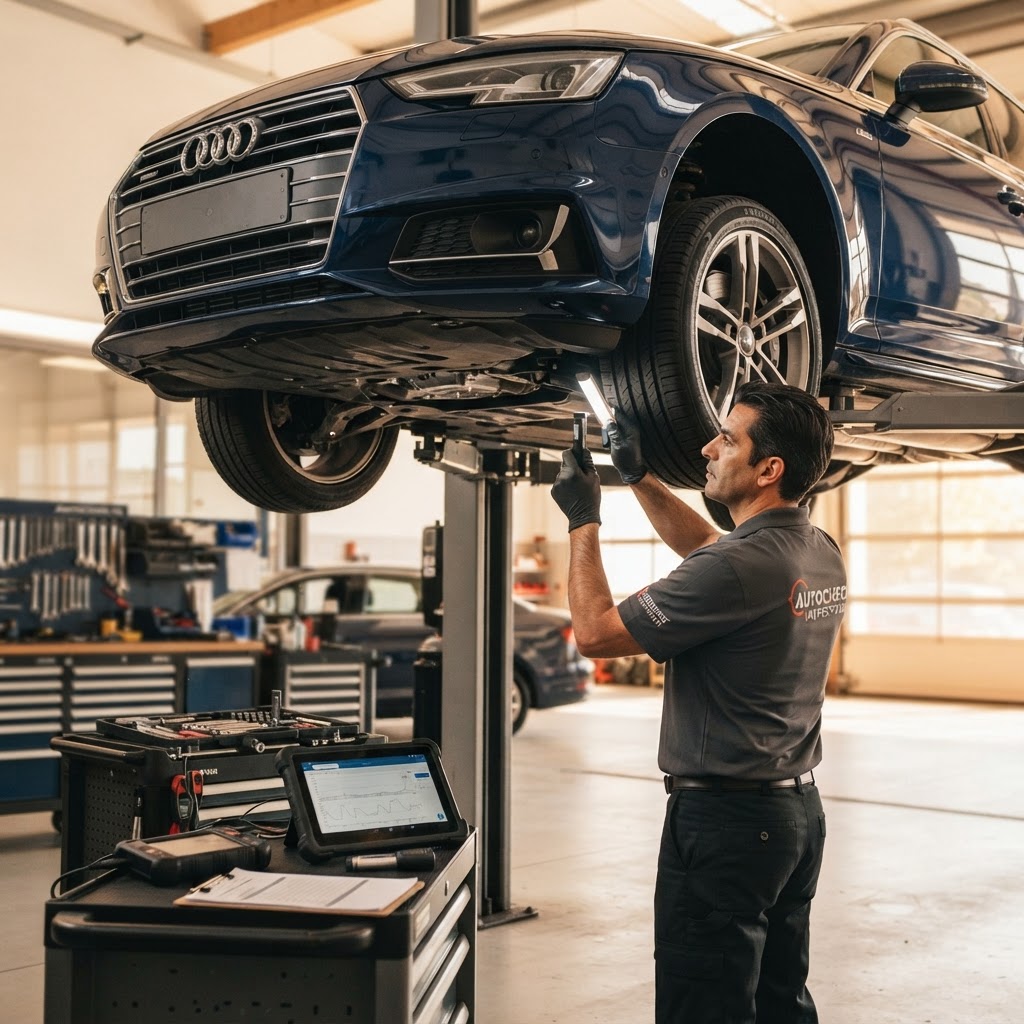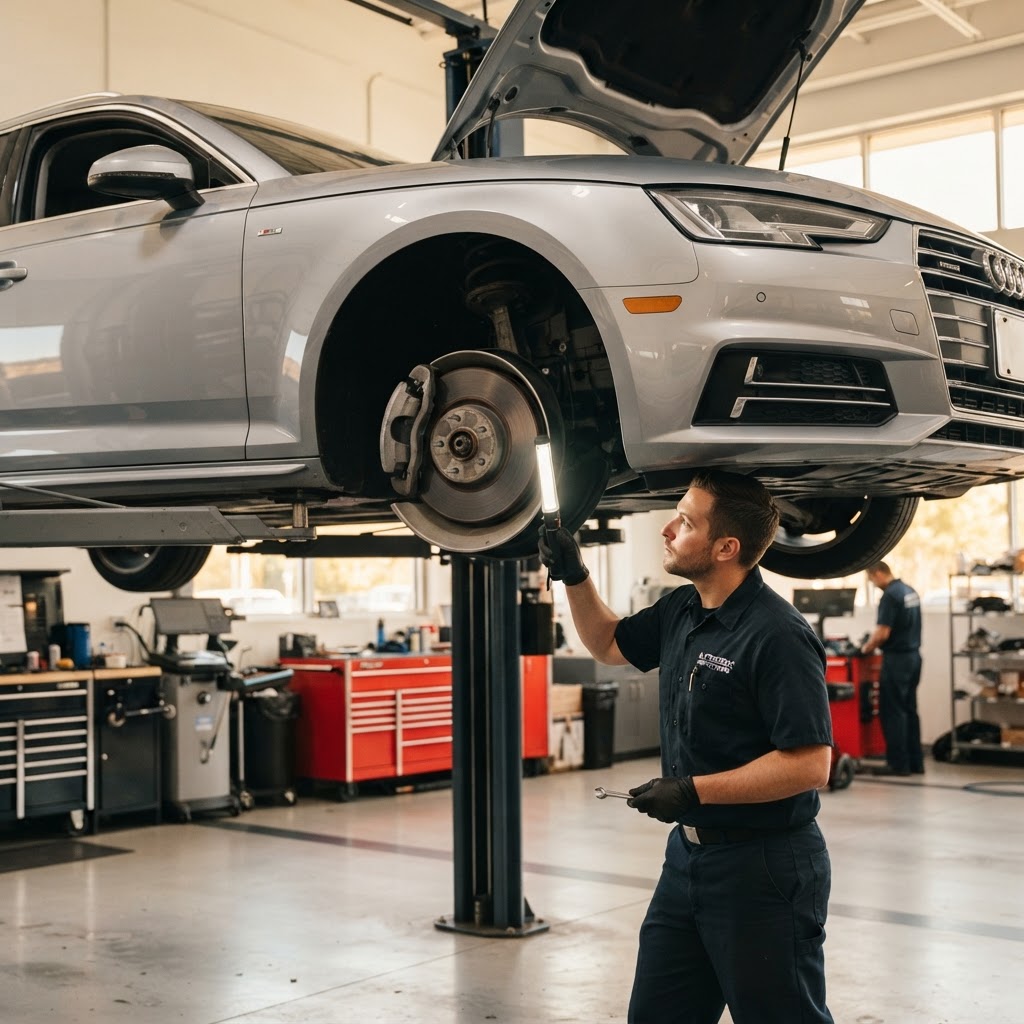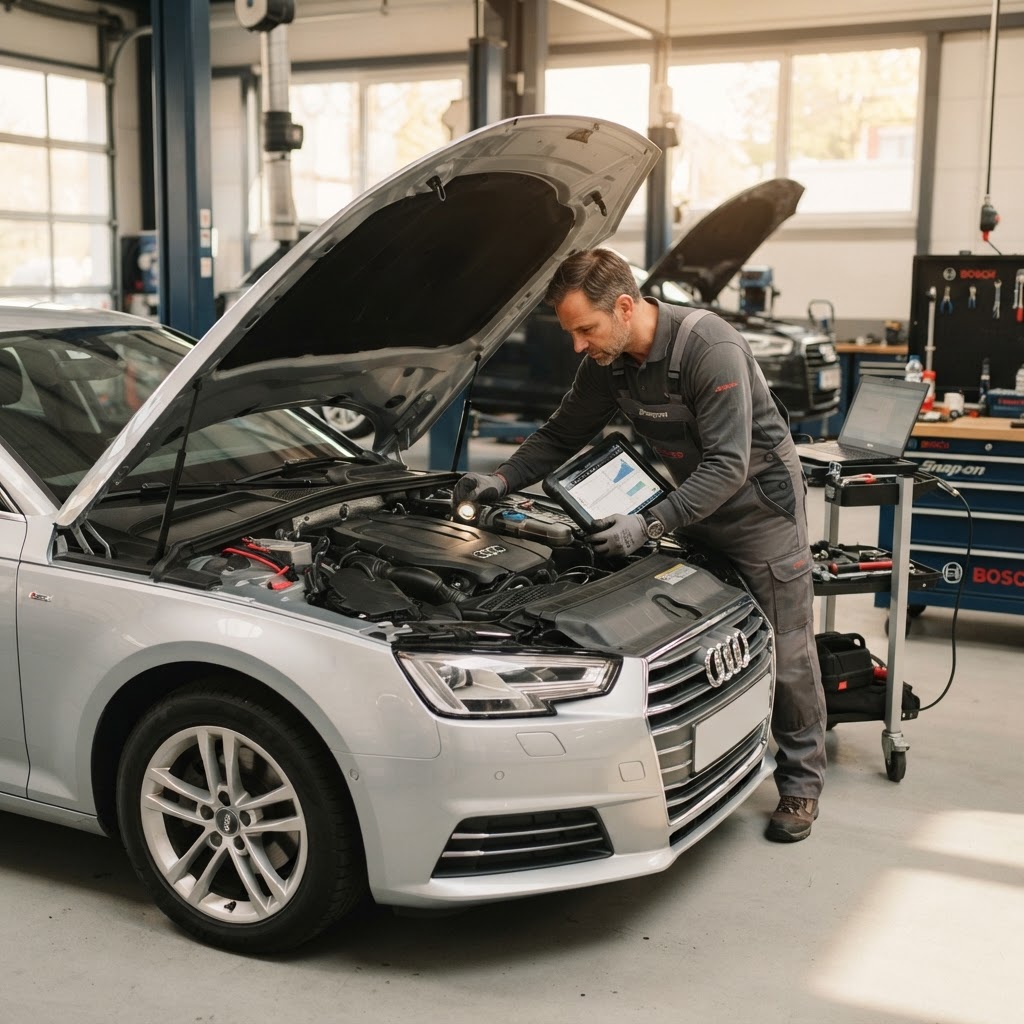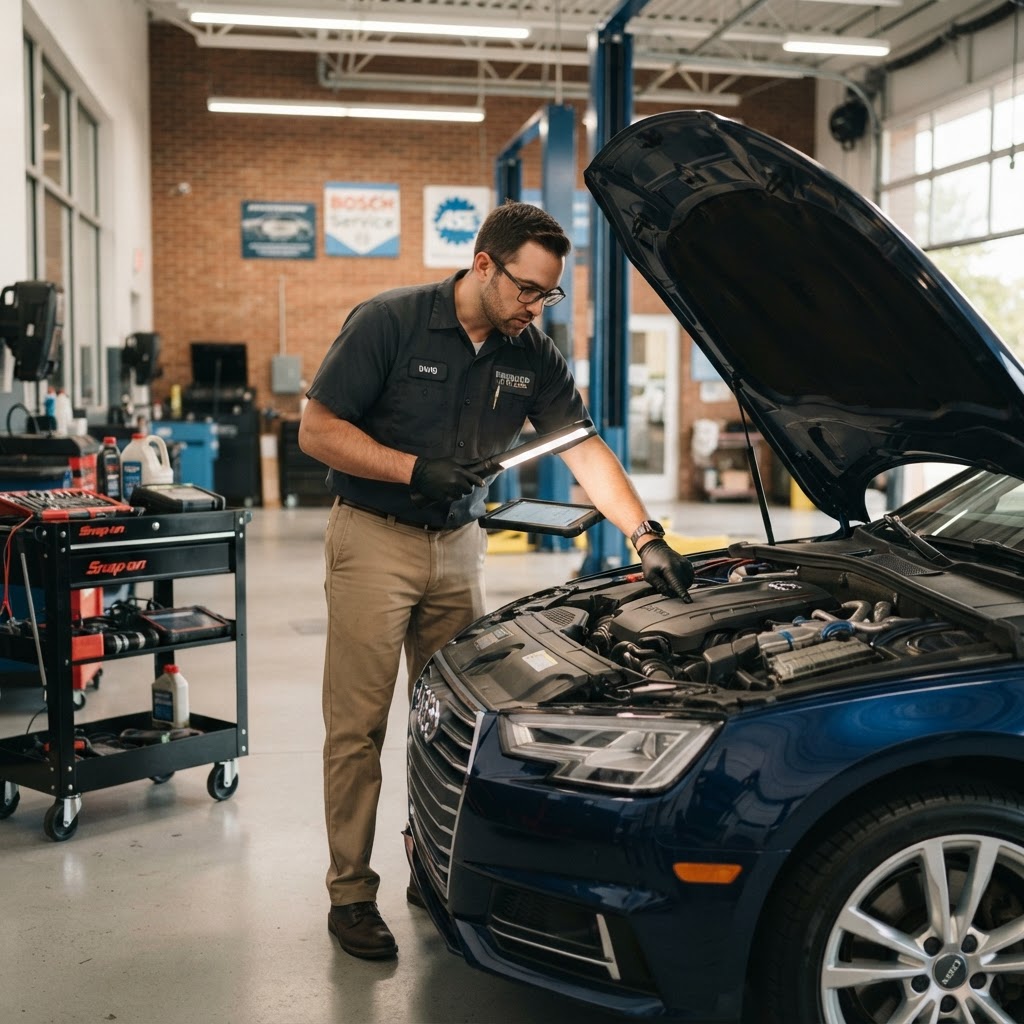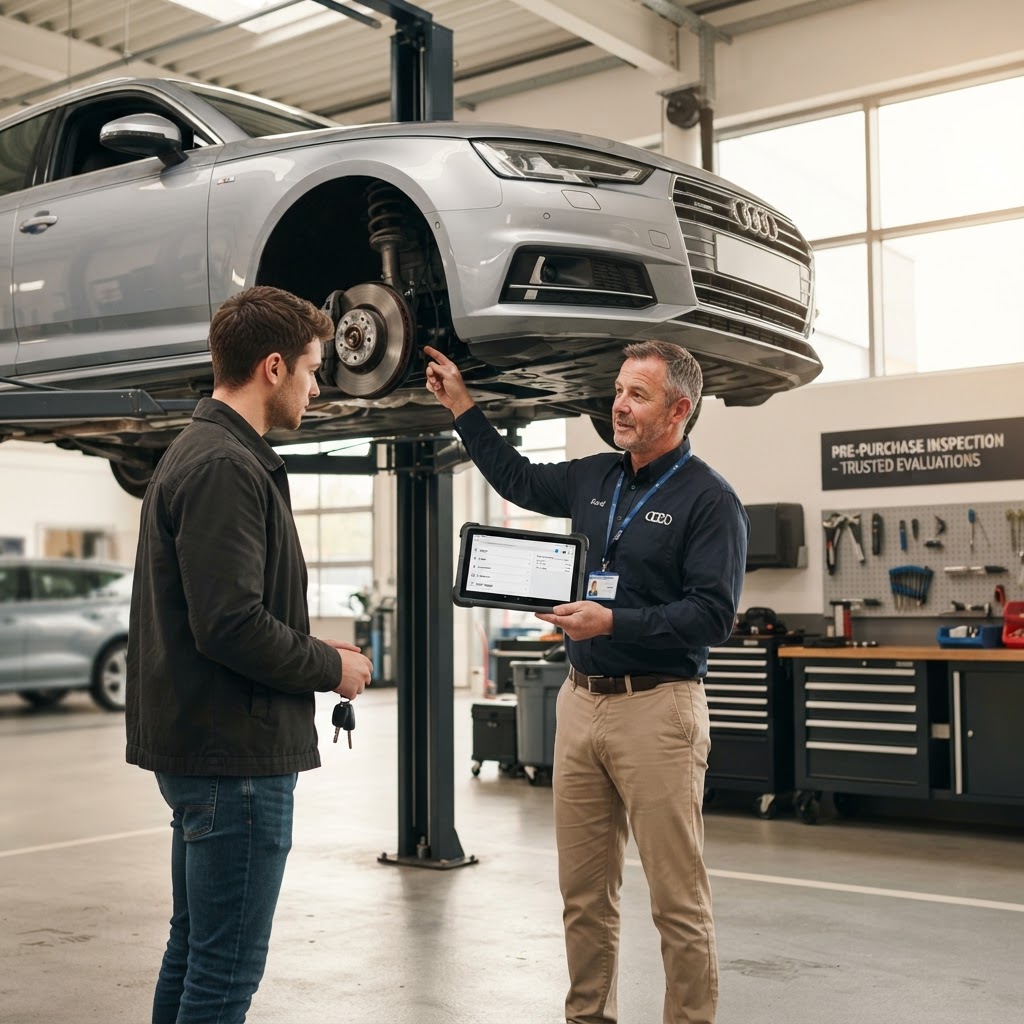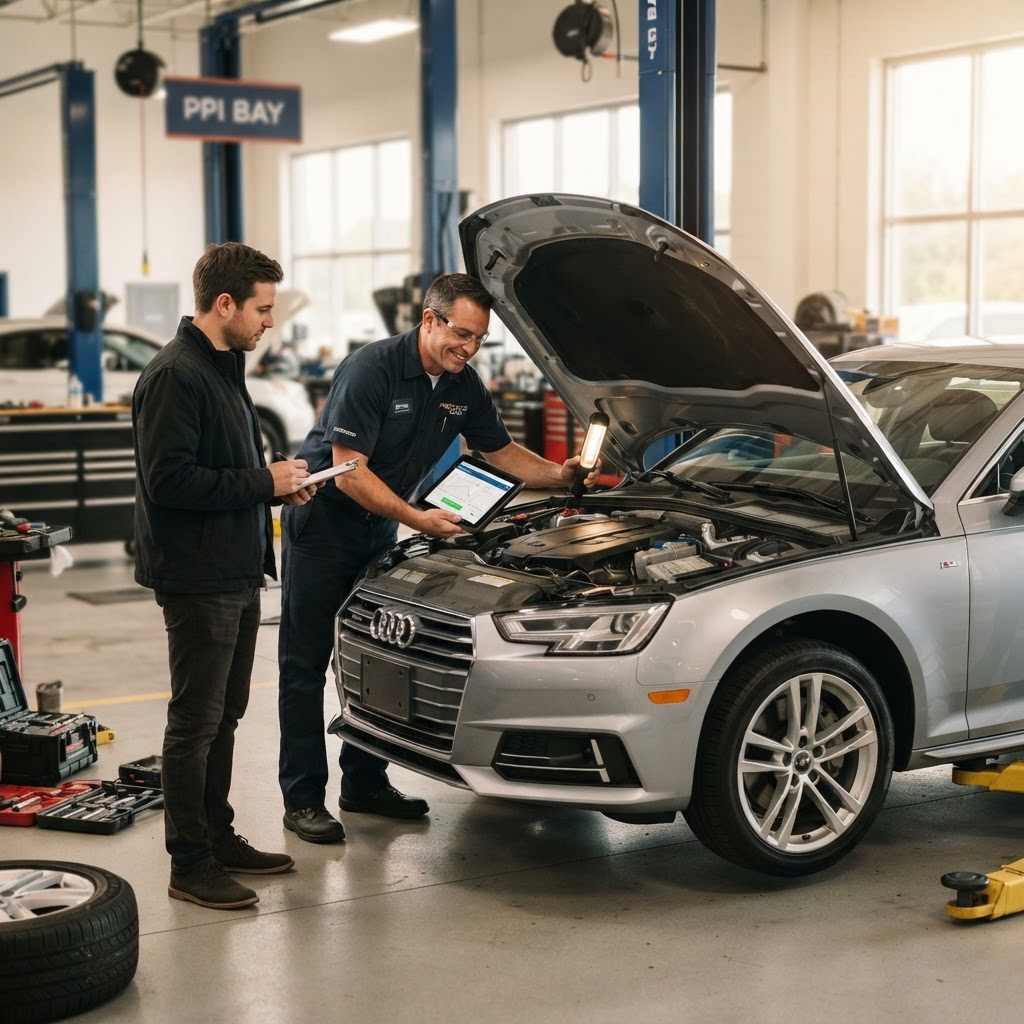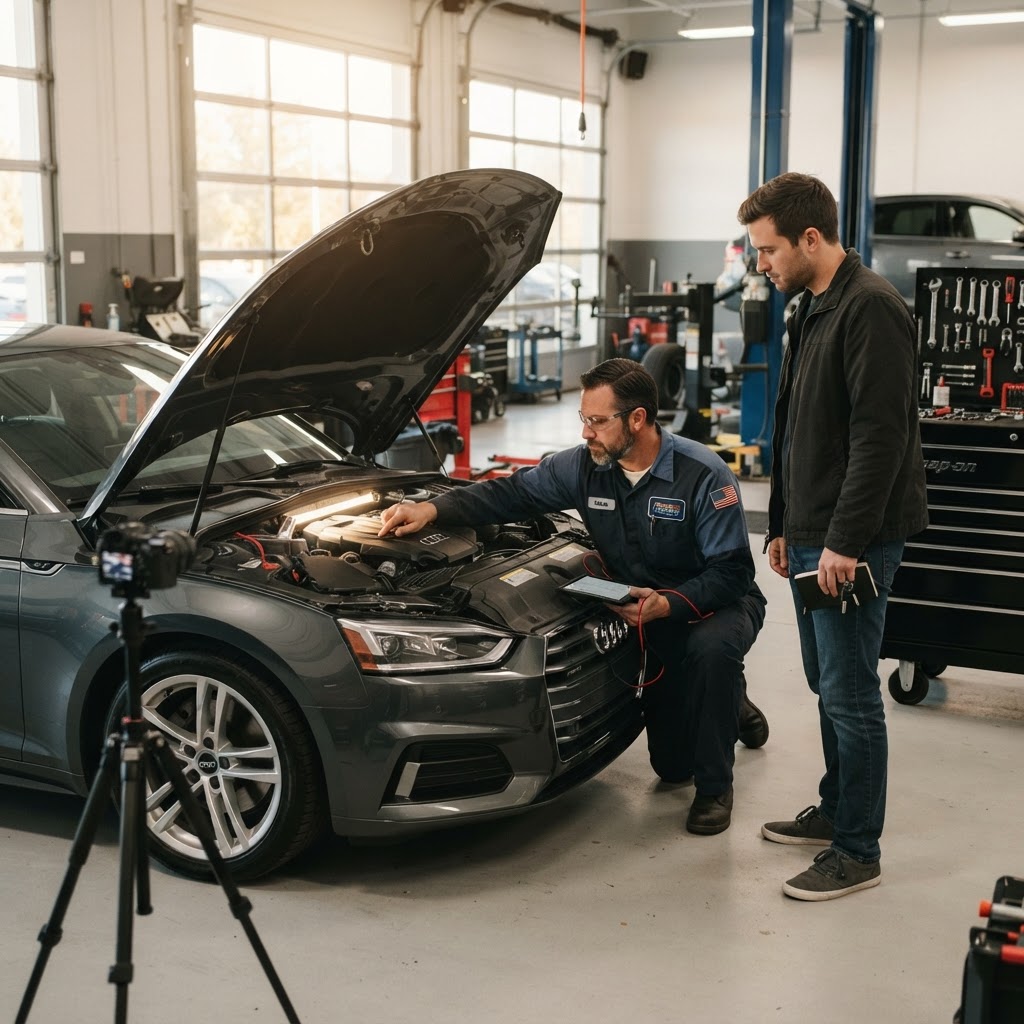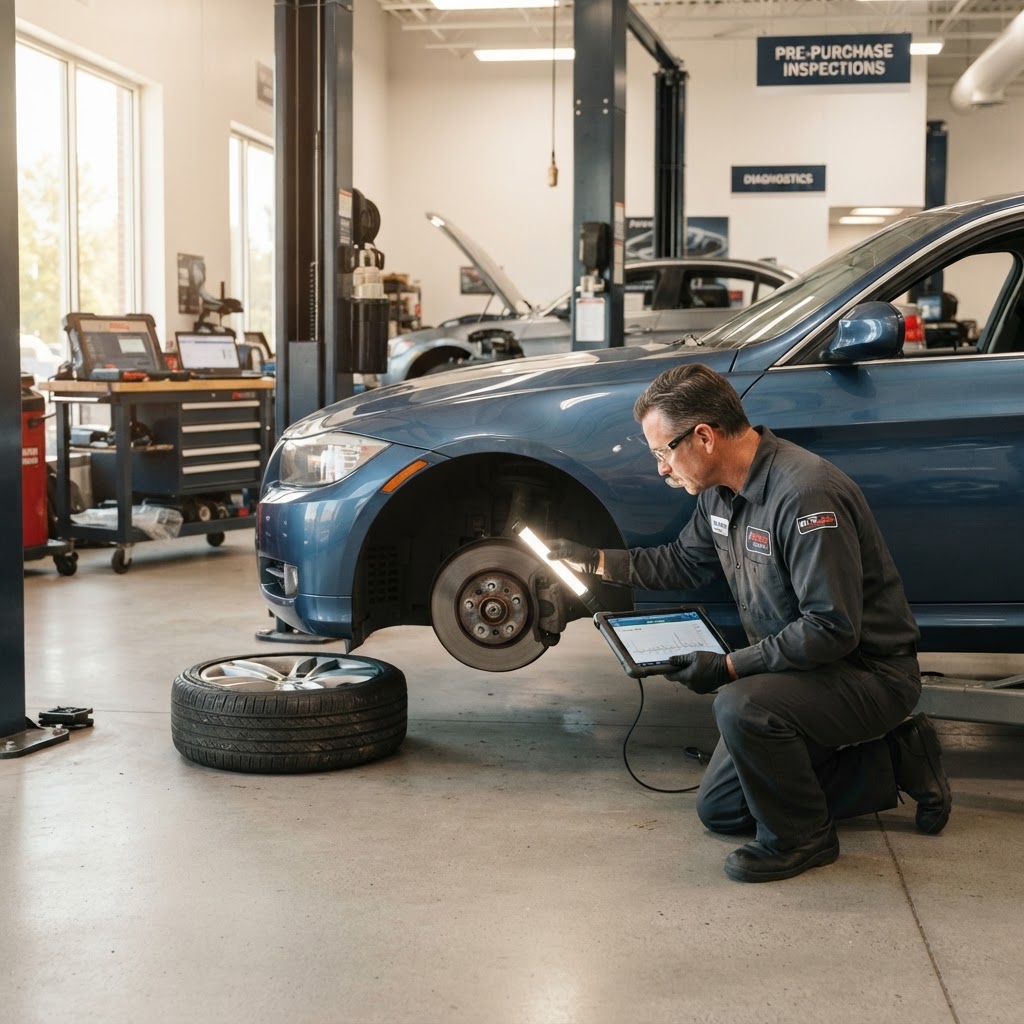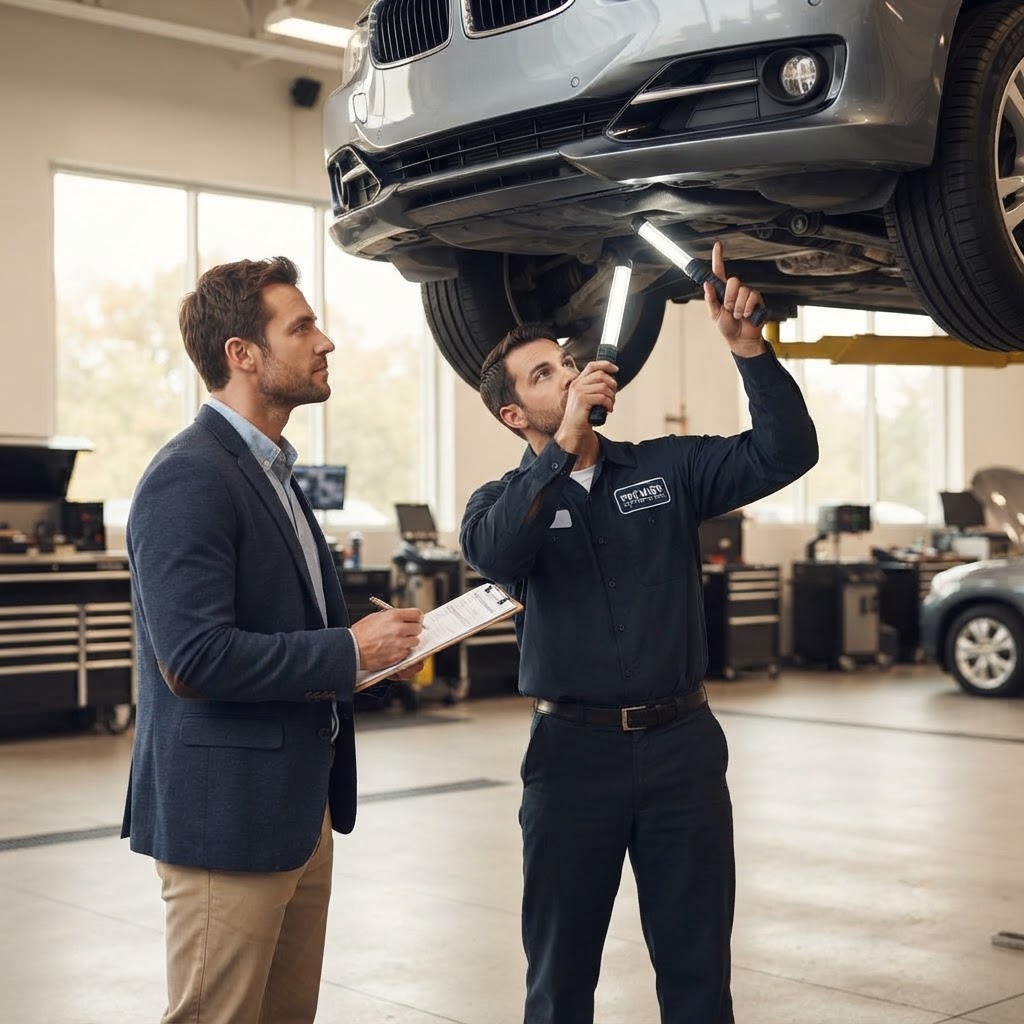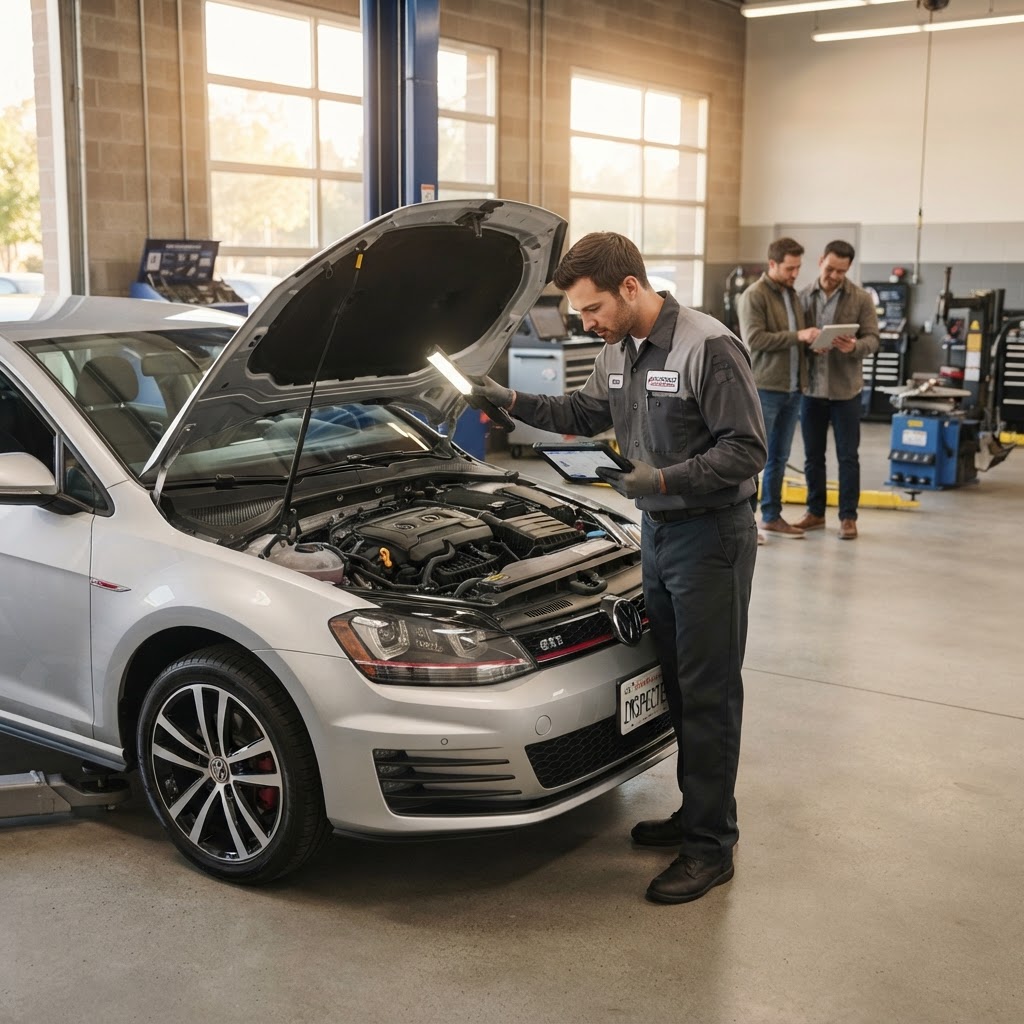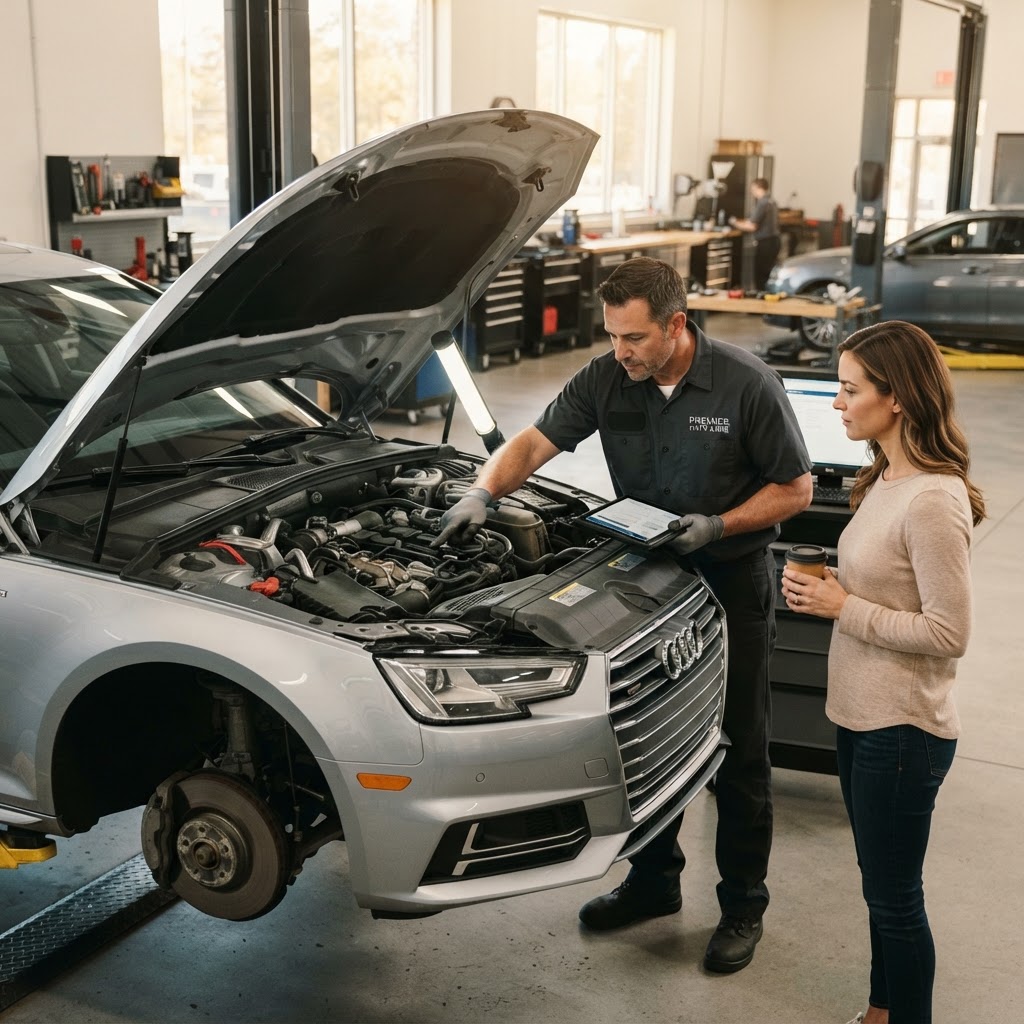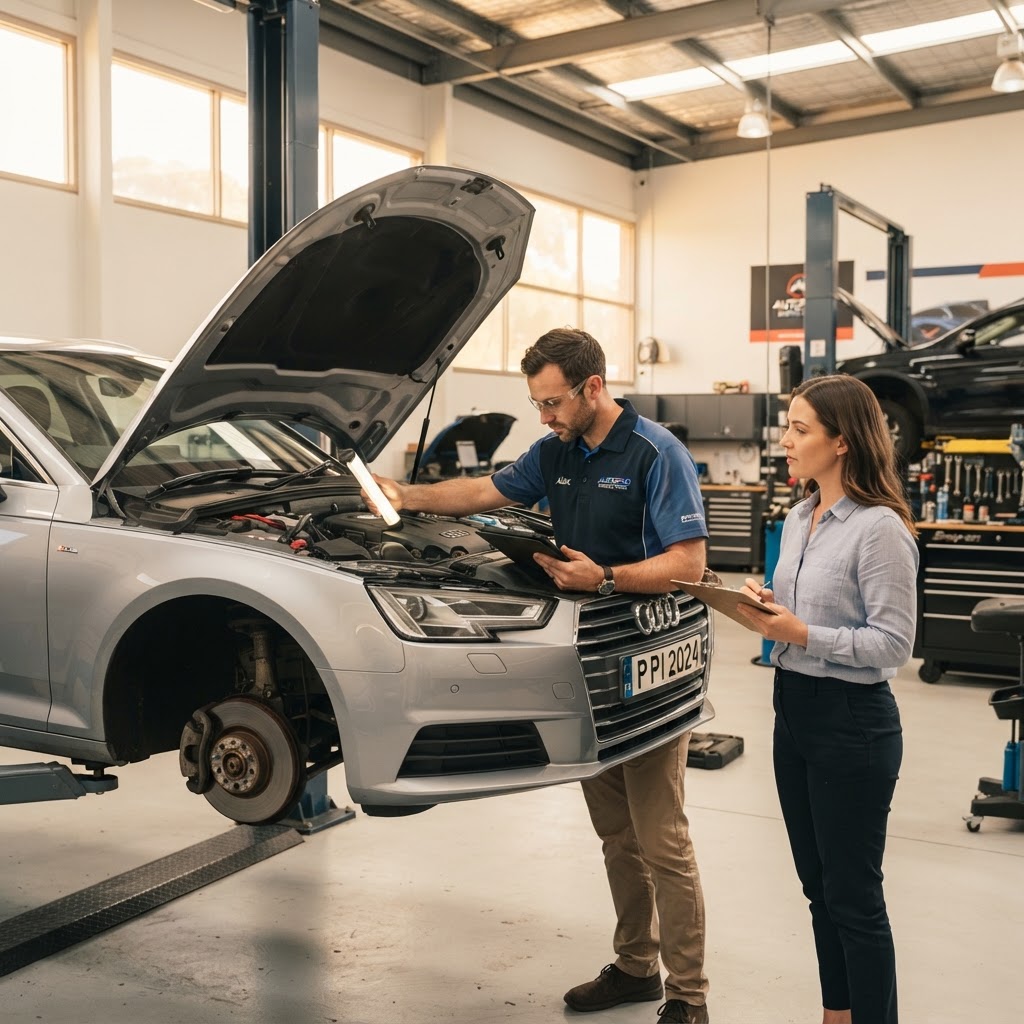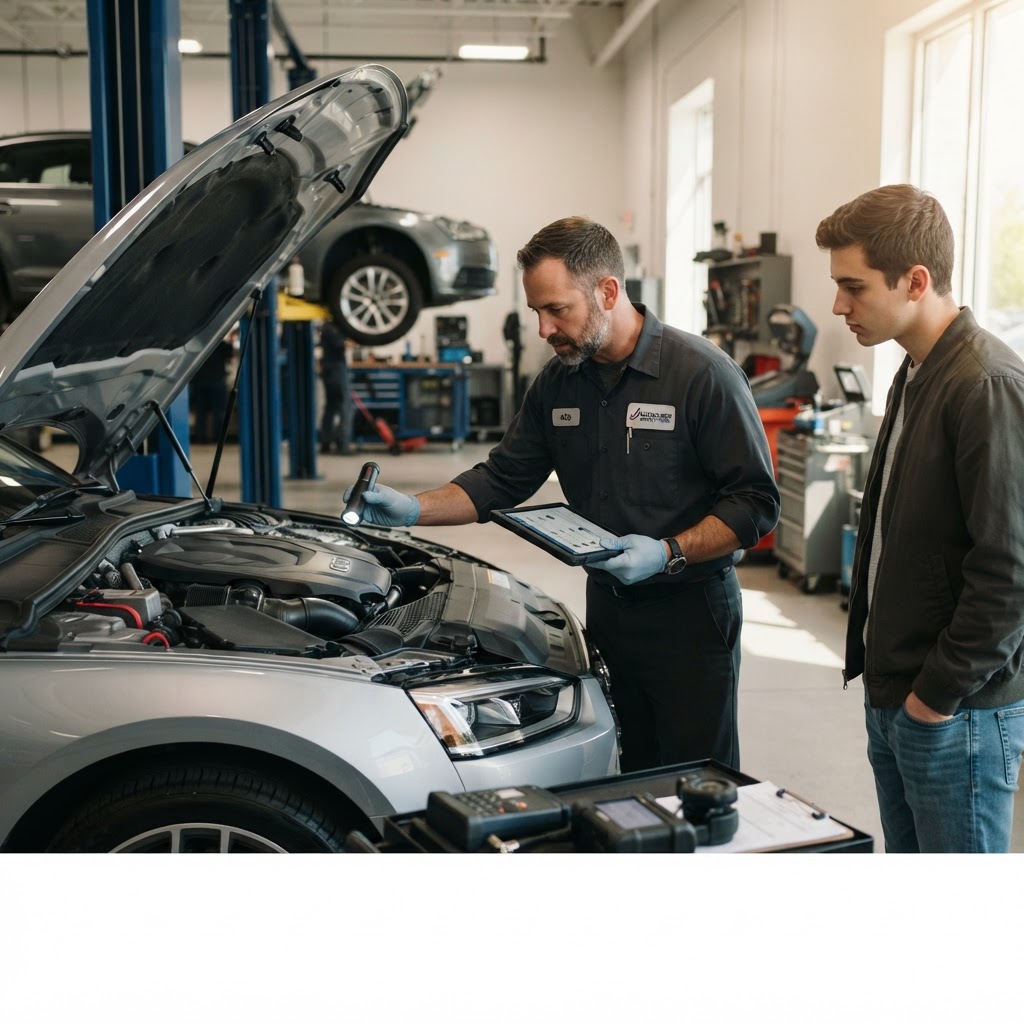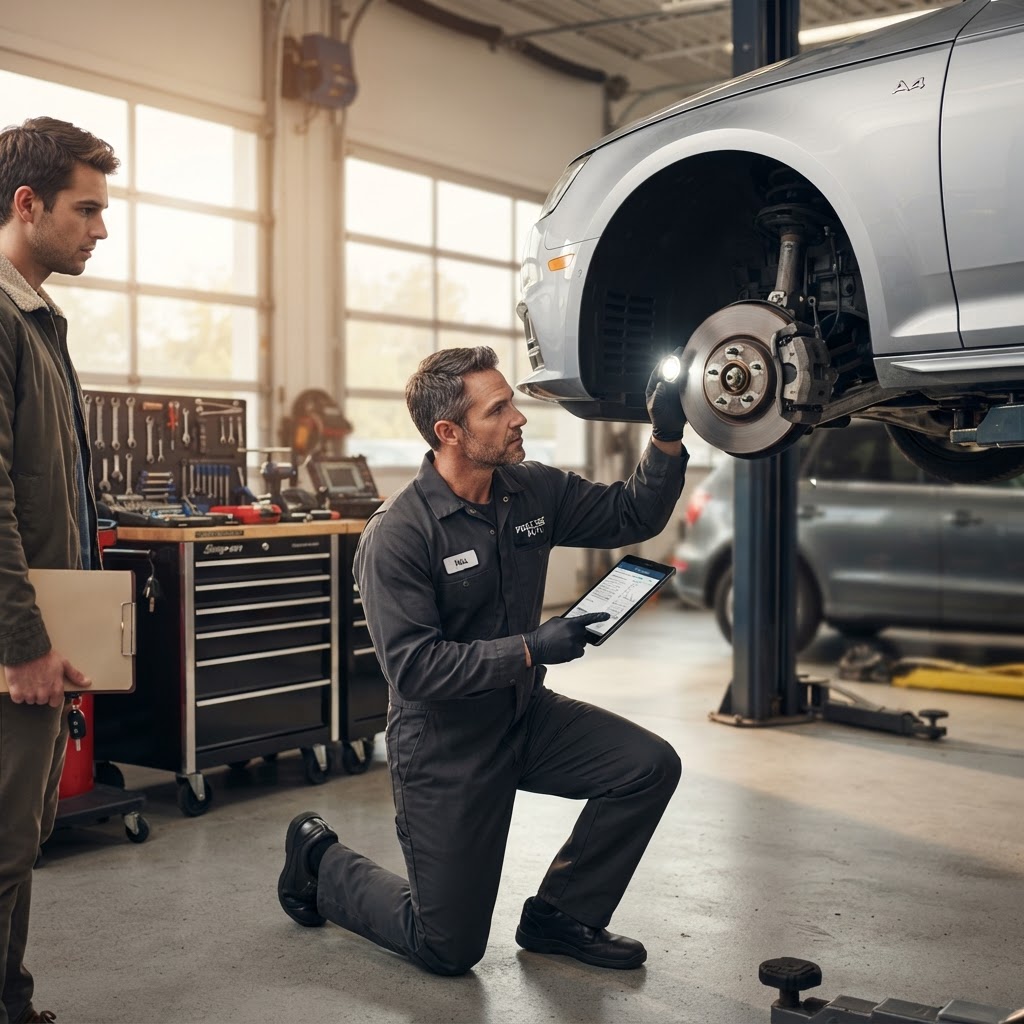
A vehicle deal can slow down fast when the inspection step is unclear. If you are trying to figure out how to schedule mobile car inspection services without delays, the key is simple: have the right vehicle details ready, confirm the location, and book with a provider that uses a documented process.
Mobile inspection is built for convenience, but convenience only works when the booking workflow is organized. Whether you are a private buyer, seller, dealership, or fleet contact, scheduling goes more smoothly when the inspection scope, access instructions, and reporting expectations are clear before the appointment is assigned.
How to schedule mobile car inspection without delays
The fastest way to book is to treat the inspection like an operational handoff, not an informal favor. A mobile inspector is being dispatched to a vehicle at a specific address, often with a limited access window and a report deadline tied to a sale, trade, transport, or internal approval. That means the booking needs enough information to support the visit on the first attempt.
Start with the basics: year, make, model, VIN if available, current vehicle location, and the name and phone number of the person who will provide access. If the vehicle is at a dealership, include the store name and any stock number. If it is at a residence, apartment, storage lot, auction facility, repair shop, or office campus, include any gate code, parking instructions, or restrictions that could affect arrival.
Timing matters too. If you need the report before purchase funds are released or before a seller moves to another offer, say that upfront. A good scheduling process accounts for appointment availability, drive time, inspection duration, and report delivery. Same-day service may be possible in some markets, but it depends on inspector capacity, distance, and whether the vehicle can actually be accessed when the inspector arrives.
What information you should have before booking
Most scheduling problems happen before the inspection starts. The appointment gets delayed because the location is incomplete, the contact person does not answer, or the inspector arrives to find the vehicle blocked in, locked, or off-site. Those issues are avoidable.
Before you submit a request, confirm that the vehicle will be physically present at the address during the time window you are booking. This sounds obvious, but vehicles move. Dealers shift inventory between lots, private sellers take cars to work, and repair shops may have units in service bays that are not immediately accessible.
You should also know what type of inspection you need. Some customers want a pre-purchase inspection. Others need a condition report for sale, lease return, lending review, fleet documentation, transport verification, or internal inventory control. The purpose affects what details matter most in the report and how quickly the findings need to be delivered.
Photos, sample reports, and prior disclosures can help as well. If the seller already mentioned body damage, warning lights, title branding, or mechanical concerns, include that in the request. It does not replace an inspection, but it helps the scheduling and inspection teams prepare for the right scope and avoid surprises.
Choosing the right appointment window
A mobile inspection is only as efficient as the access window behind it. Broadly speaking, wider windows create more scheduling flexibility, while narrow windows increase the chance of rescheduling. If you can offer a half-day window instead of one exact hour, you may get faster placement.
That said, there is a trade-off. Buyers and sellers often want precision because they are coordinating around work hours, transport pickups, or dealership staffing. If you need a tighter appointment time, communicate that early and expect that availability may be more limited.
Lighting and weather can matter too, especially for exterior condition documentation. Midday appointments can be useful for visibility, while late evening requests may not produce the same inspection conditions depending on the site. Severe weather, low-light environments, and crowded lots can affect what is practical to document during a mobile visit.
When same-day scheduling makes sense
Same-day requests usually work best when the vehicle is in a metro area, access is straightforward, and the contact person is responsive. If the car is on a dealership lot with normal business hours and a confirmed point of contact, scheduling can be efficient.
Same-day can be harder when the vehicle is in a rural location, inside a secured facility, or tied to a seller who can only meet during a short break. In those cases, next-day scheduling may actually be faster than trying to force a same-day appointment that fails on access.
When to book in advance
Advance booking is the better move when the inspection supports a larger workflow. Dealership groups, fleet managers, lenders, and repeat buyers often need predictable slotting, not just speed. If the inspection is tied to auctions, transport dispatch, approvals, or multi-vehicle coordination, booking ahead reduces operational friction.
What to expect during the scheduling process
A professional booking flow should be straightforward. You provide vehicle and contact details, select or request a time window, confirm the service area, and receive appointment confirmation. In a more organized operation, you may also receive status updates when the job is assigned, in progress, and completed.
This process matters because inspection quality is not just about what the inspector sees on-site. It is also about chain of communication. Clear scheduling supports accurate dispatch, fewer missed visits, and cleaner report turnaround.
If a provider asks detailed questions, that is usually a good sign. They are not creating friction. They are reducing failure points. A documented workflow is especially valuable when multiple parties are involved, such as a buyer in one state, a seller in another, and a vehicle sitting at a dealership or storage location.
How to avoid common booking issues
The most common mistake is assuming the provider can solve access problems after arrival. In reality, mobile inspections depend on the customer side being organized. If no one can release the keys, move surrounding vehicles, or authorize access, the appointment may need to be reworked.
Another issue is incomplete contact routing. If the person booking the inspection is not the person holding the car, make that clear. Share both contacts and identify who has decision-making authority on-site. For dealership and business users, giving the exact department or lot contact can save time.
It also helps to set expectations about report timing. Some customers expect an instant result the moment the inspector leaves. Others are comfortable with a formal report delivered later the same day. Ask how the reporting workflow works so the inspection timeline matches your transaction timeline.
If the vehicle is at a dealership
Dealership appointments are often easier to schedule because staff are on-site, but they still need coordination. Provide the store name, address, sales contact, and stock number if one exists. Mention whether the vehicle is new inventory, used inventory, wholesale stock, or a trade-in awaiting processing.
Large dealerships may have overflow lots or off-site storage, so do not assume the front-line sales desk can immediately present the car. A well-documented request helps avoid a wasted dispatch.
If the vehicle is with a private seller
Private-party inspections usually require tighter coordination. The seller may have limited availability, may not be familiar with inspection procedures, or may be hesitant about sharing exact location details too early. Clear communication helps. Confirm the address, parking setup, and whether the car can be started, moved, and inspected safely on-site.
If the seller is balancing multiple buyers, speed matters, but so does reliability. A missed appointment can cost you the vehicle.
Why process matters as much as convenience
Mobile inspections are attractive because they remove the need to bring the vehicle to a shop. But the real value is not just mobility. It is documentation, consistency, and accountability. For buyers, that reduces purchase risk. For sellers, it creates a more credible condition record. For dealerships and fleet stakeholders, it supports repeatable workflows.
This is where a platform-driven inspection process stands out. An organized provider like RIZQ Car Inspection is not just sending someone to look at a car. The service is built around booking control, field execution, and report delivery in a format that can be reviewed, shared, and tracked.
If your goal is to move from inquiry to decision without confusion, schedule early, provide complete details, and confirm access before the inspector is dispatched. That approach saves more time than chasing the earliest possible slot with incomplete information.
The best booking decision is usually the one that gives the inspector a clear assignment and gives you a report you can actually act on.