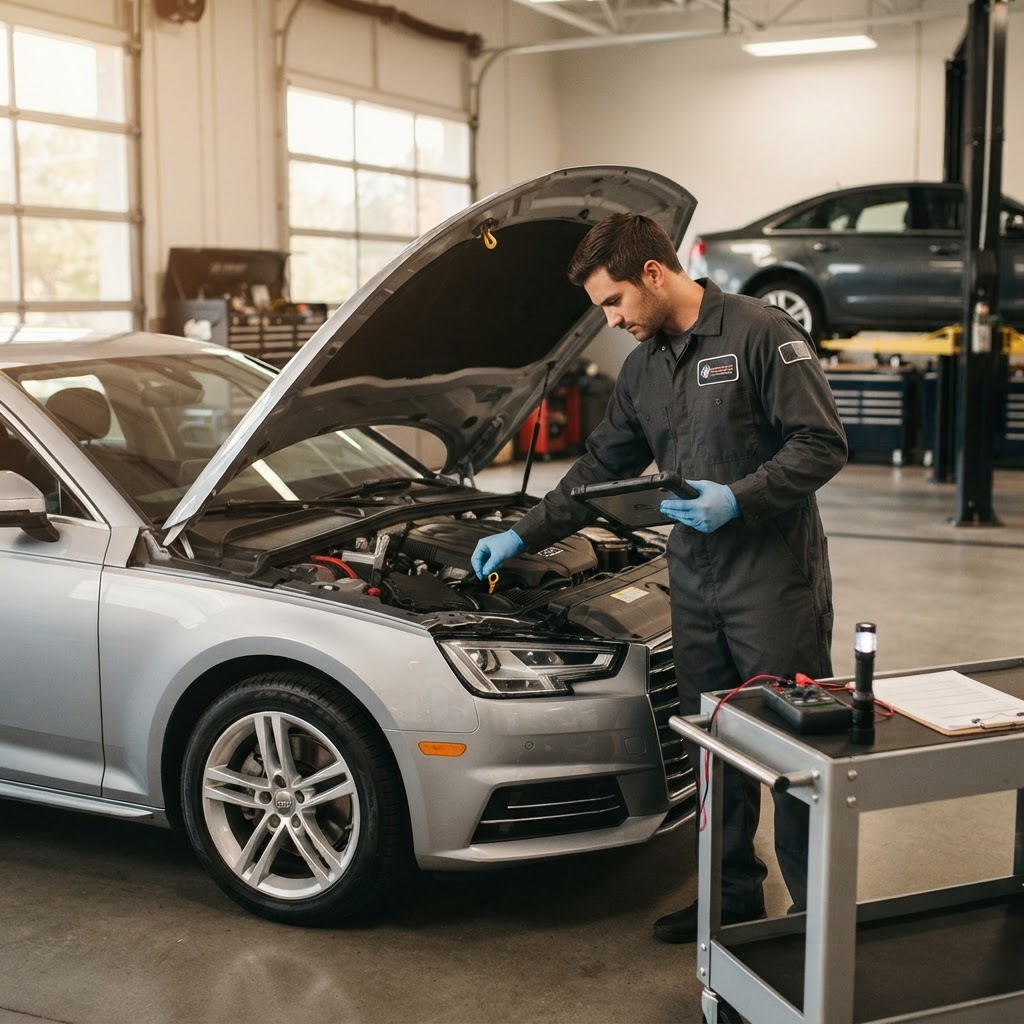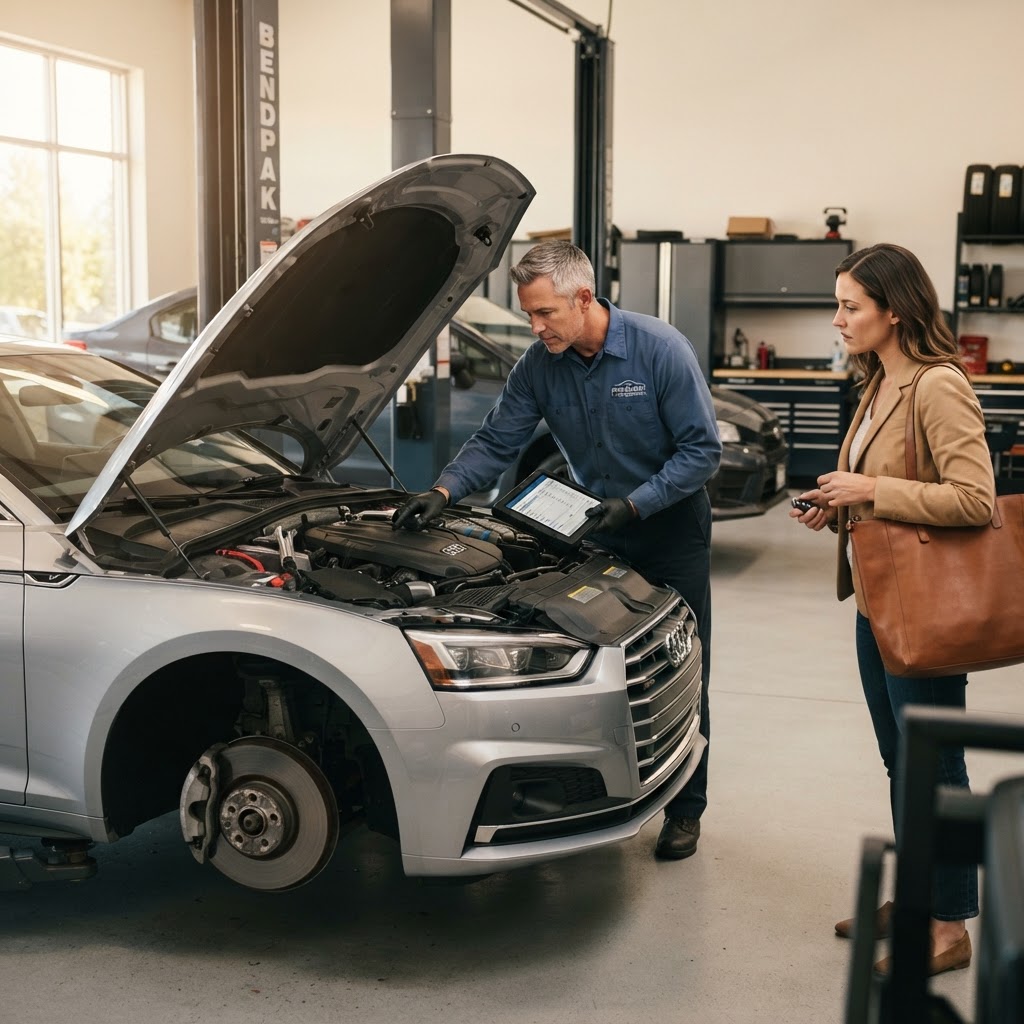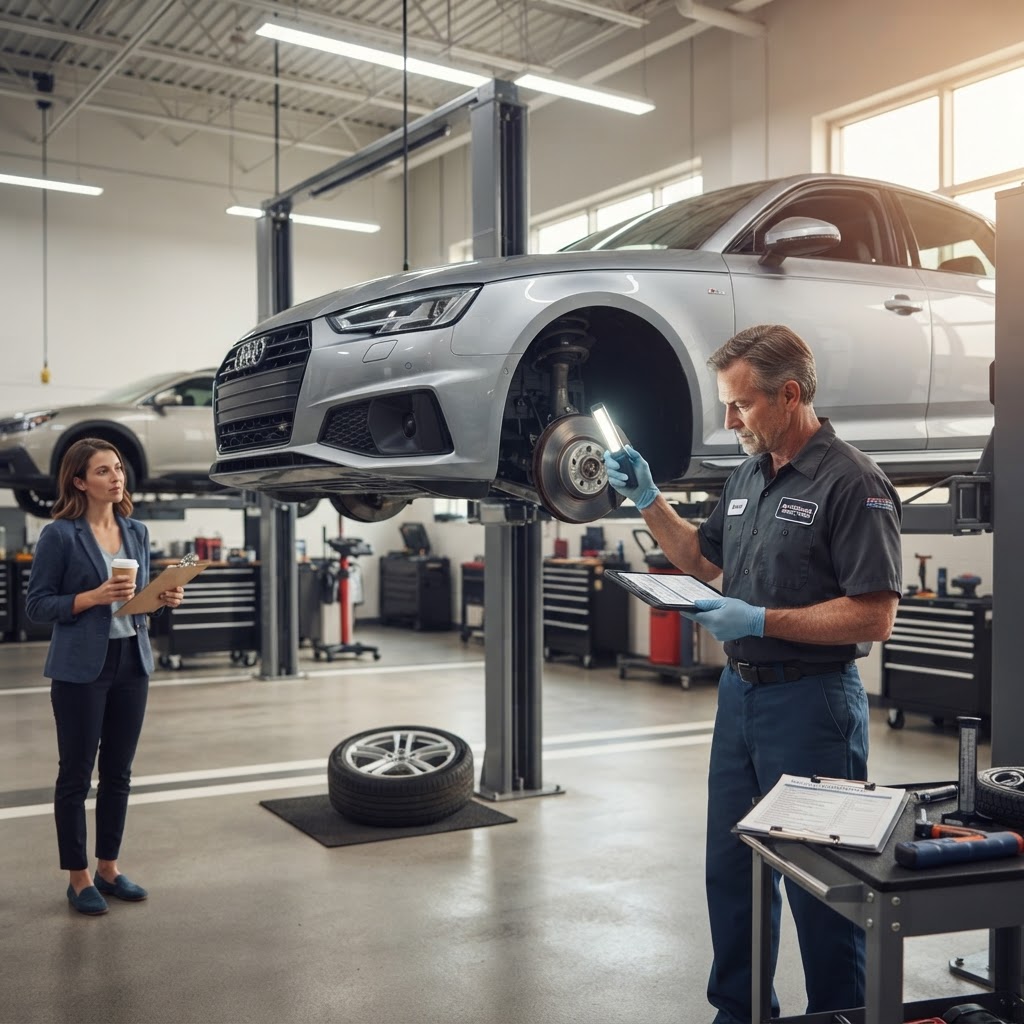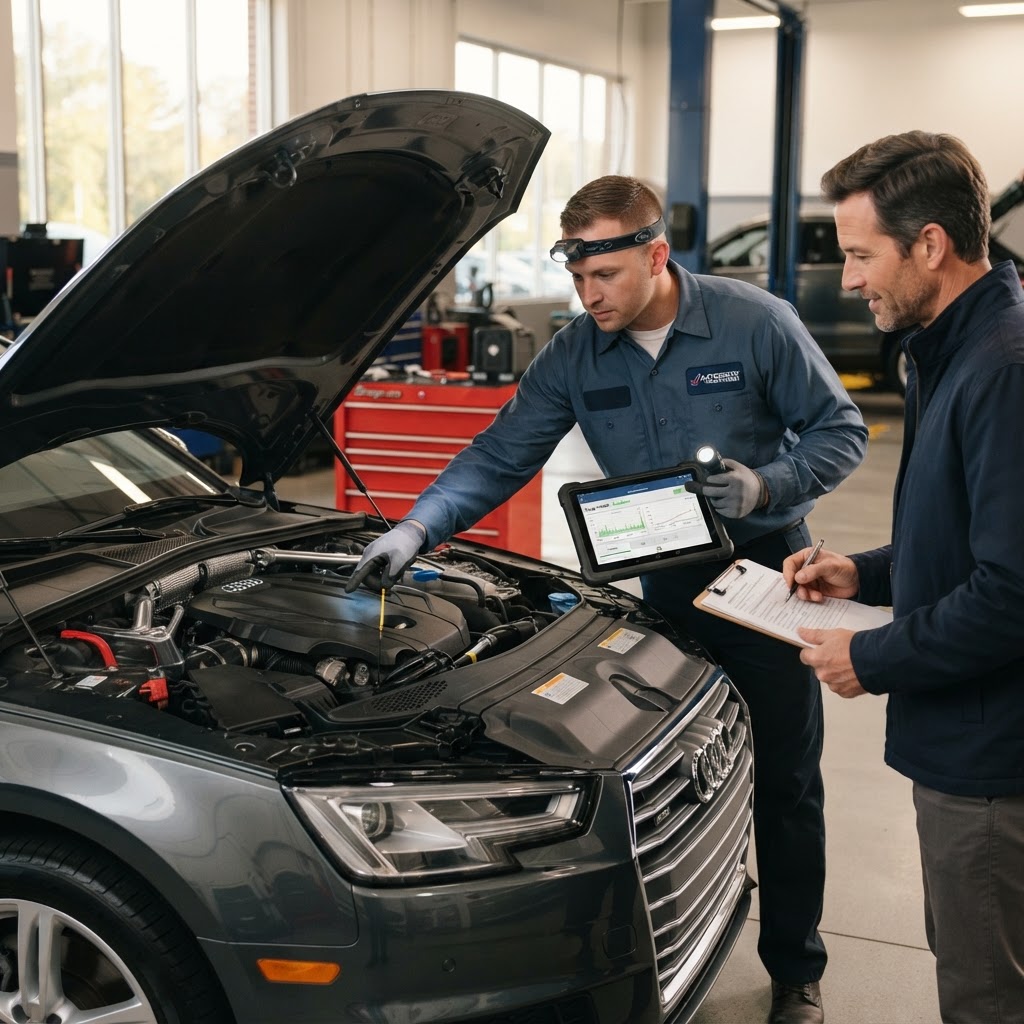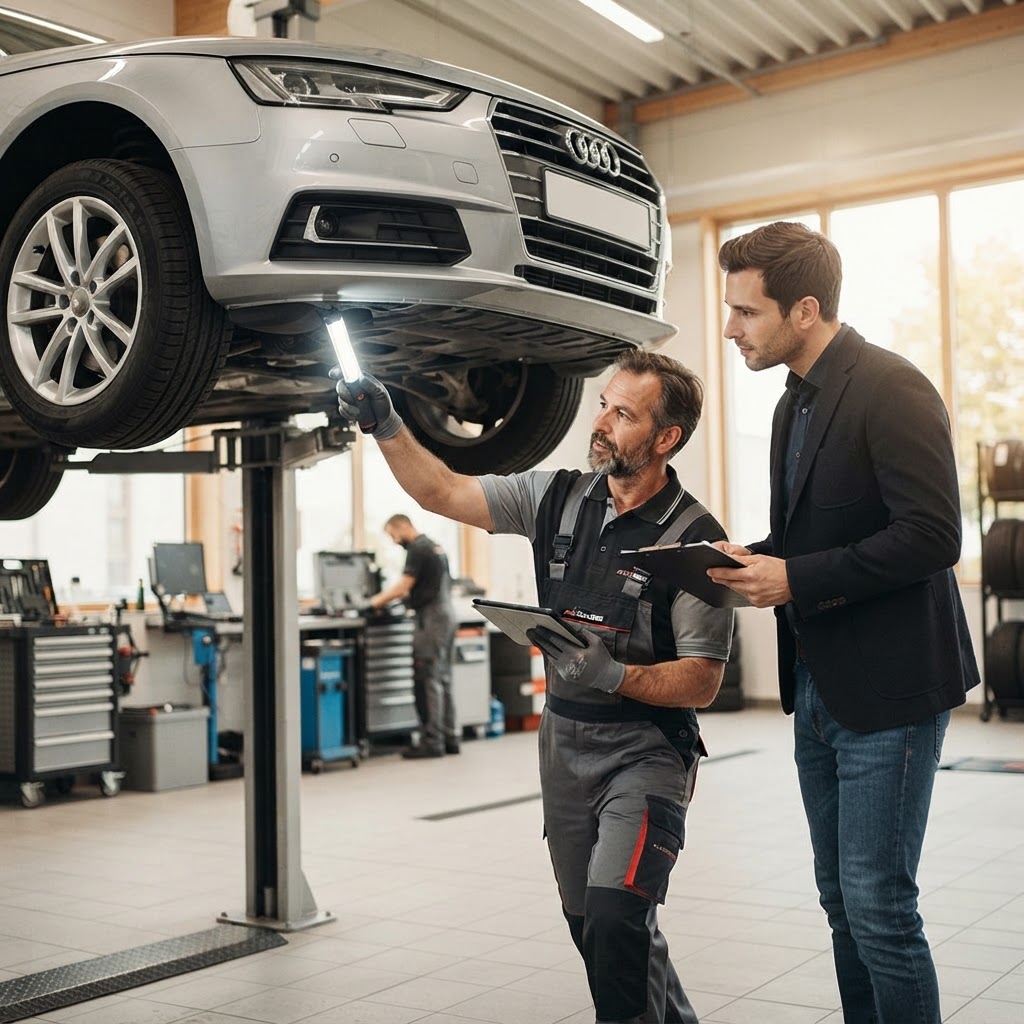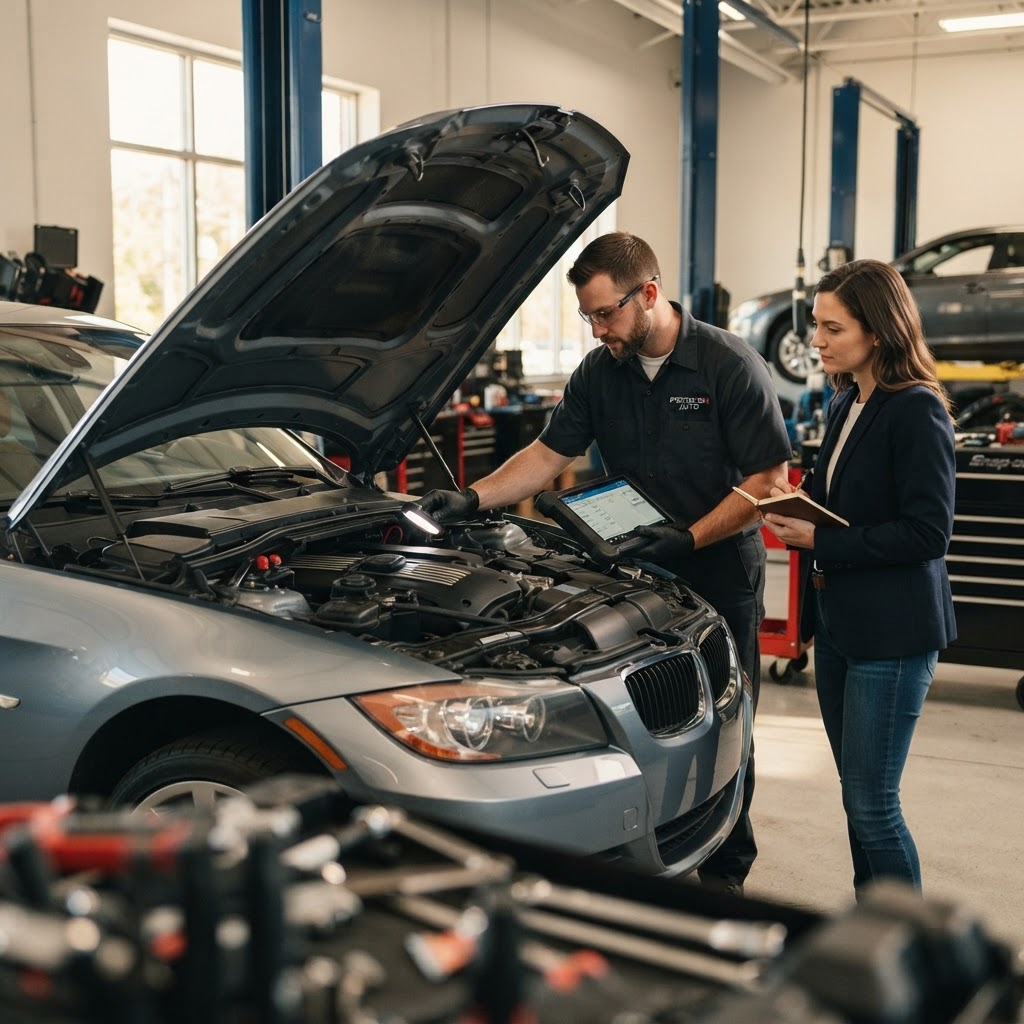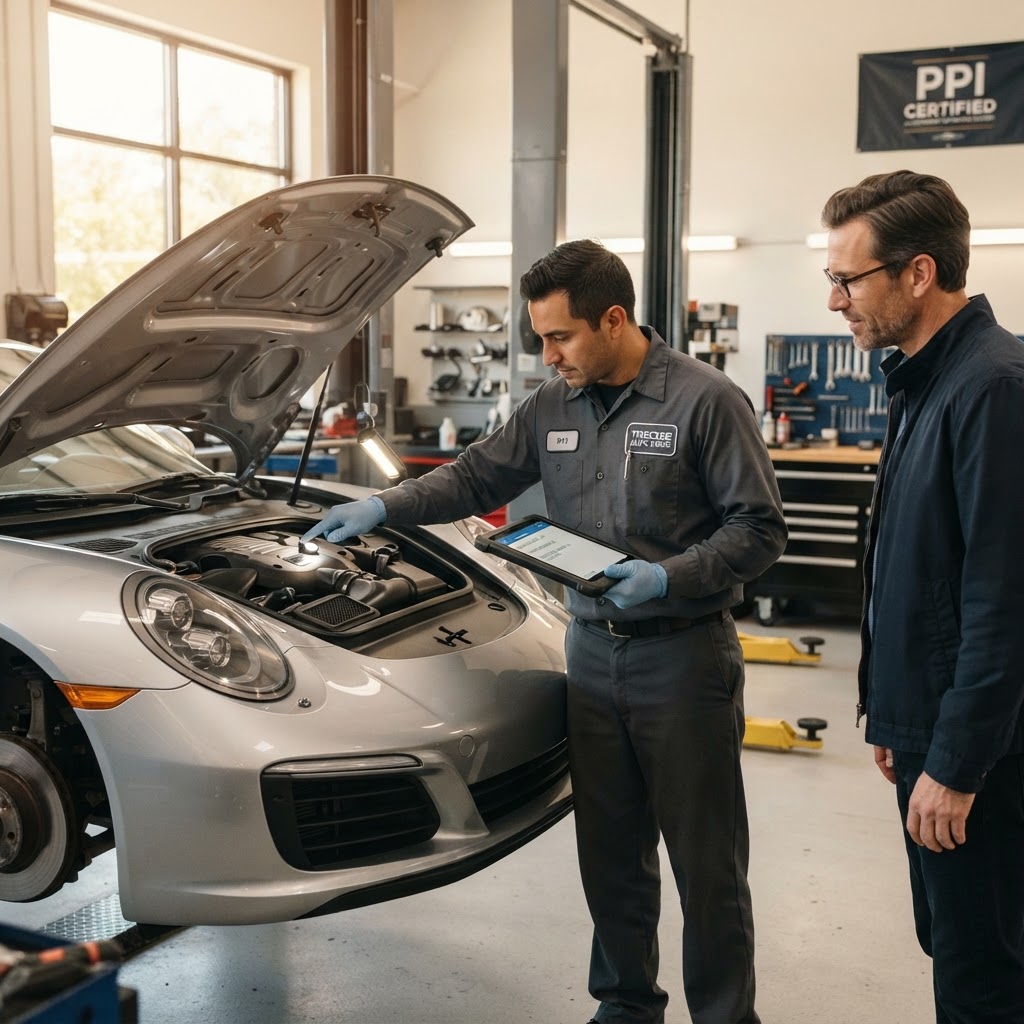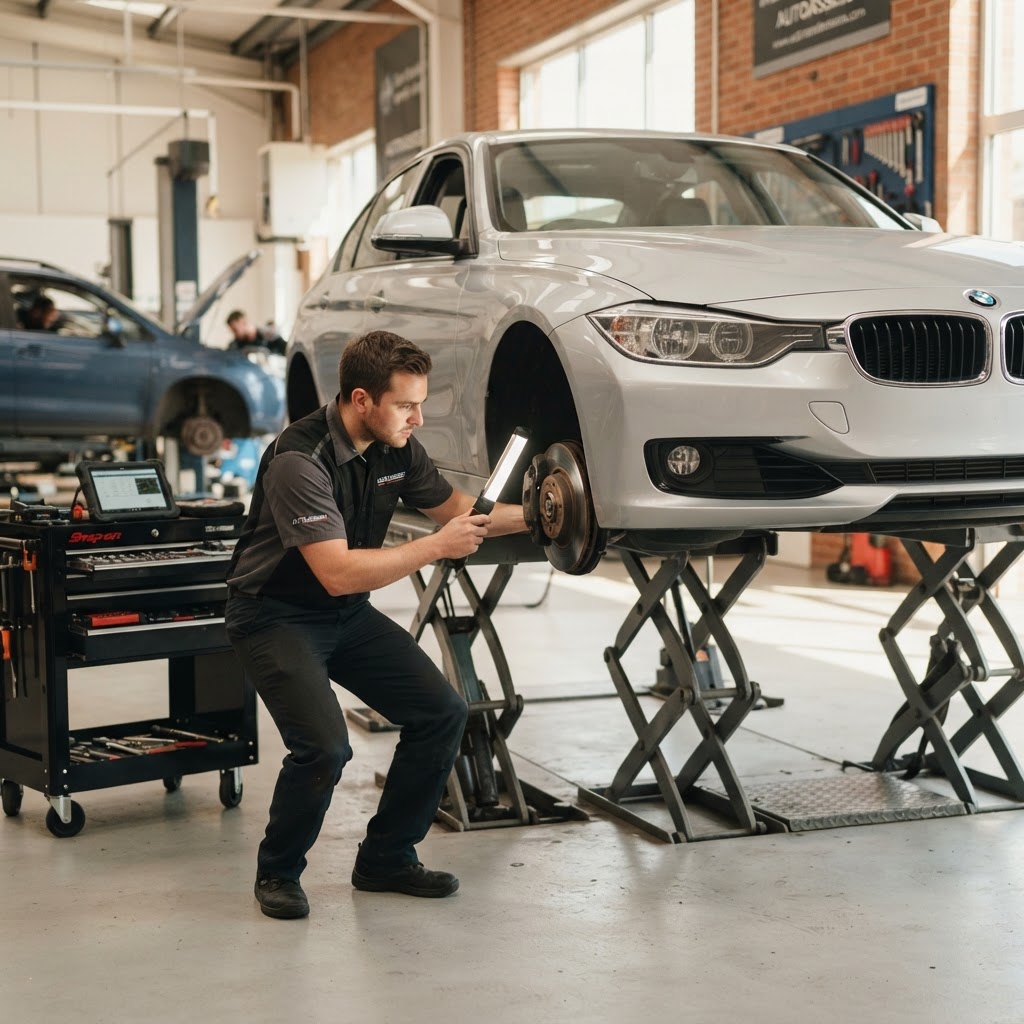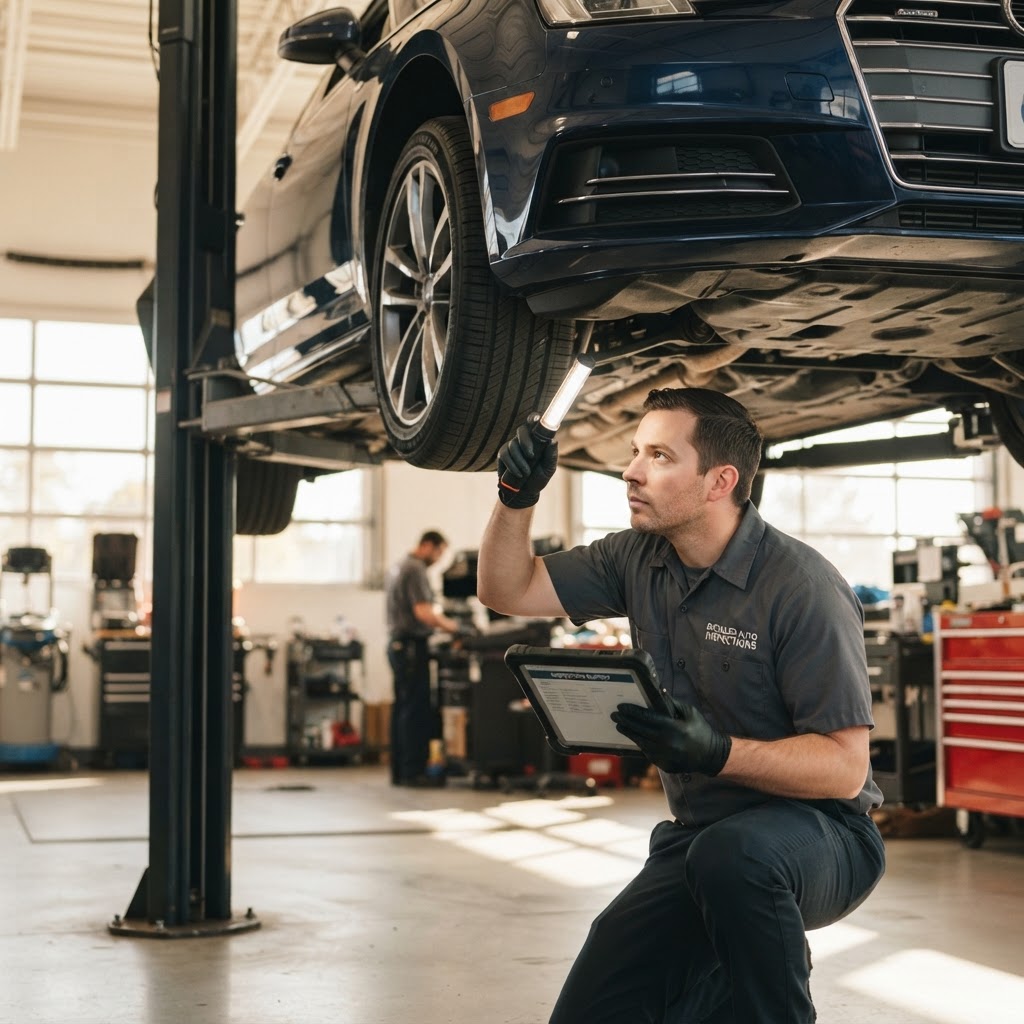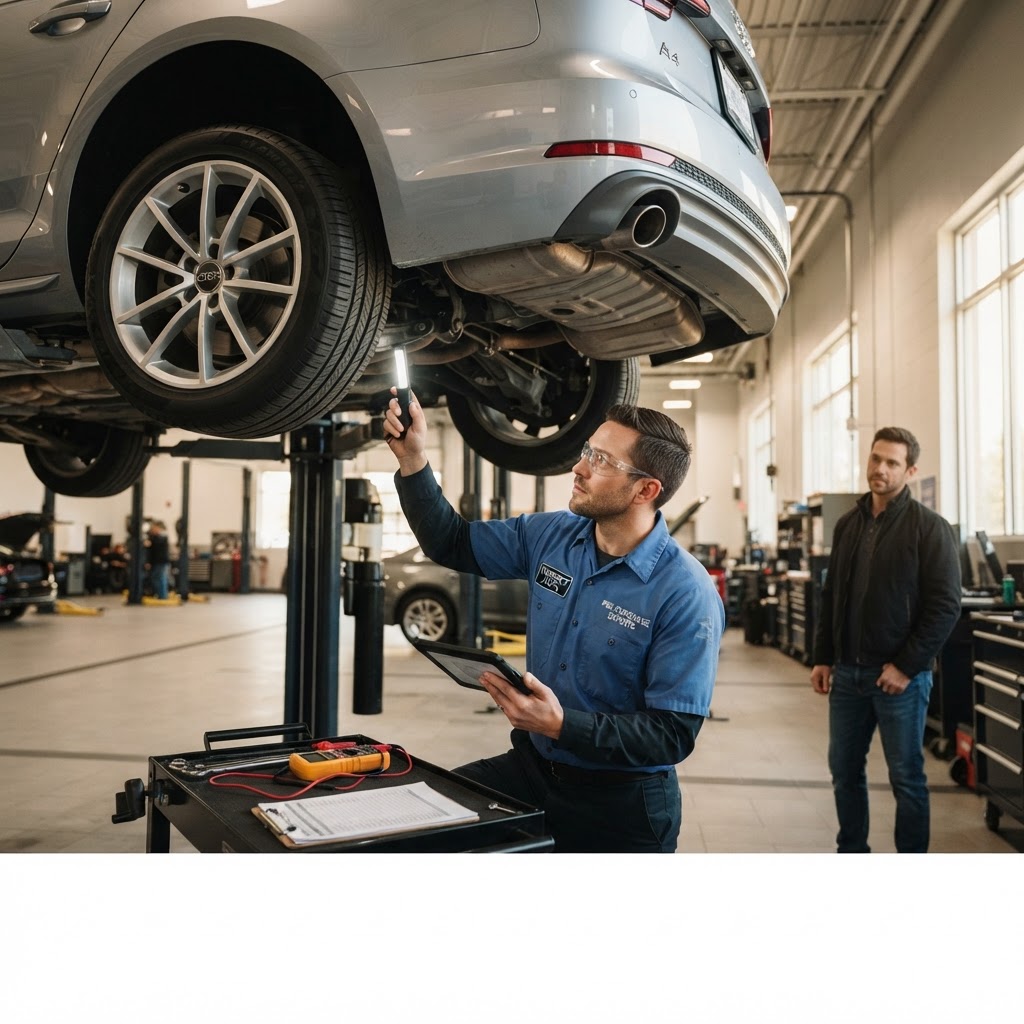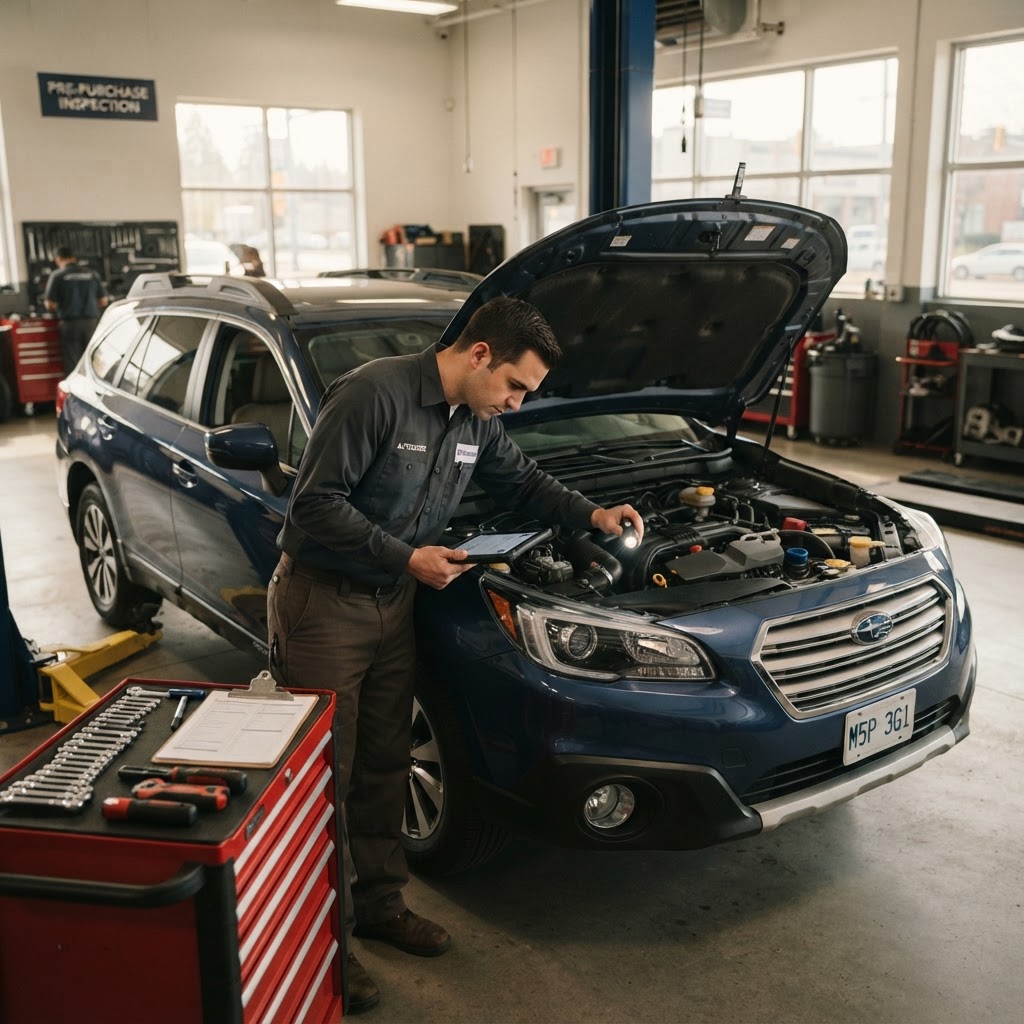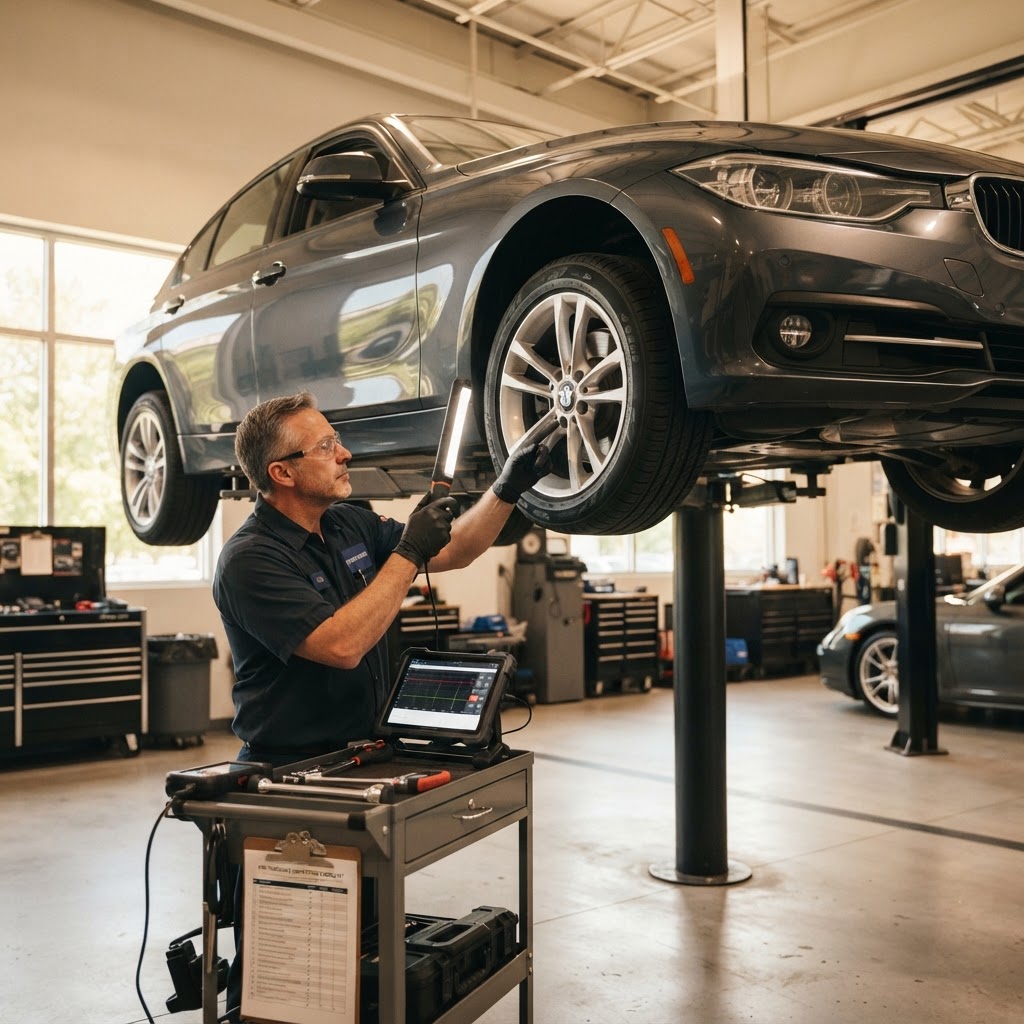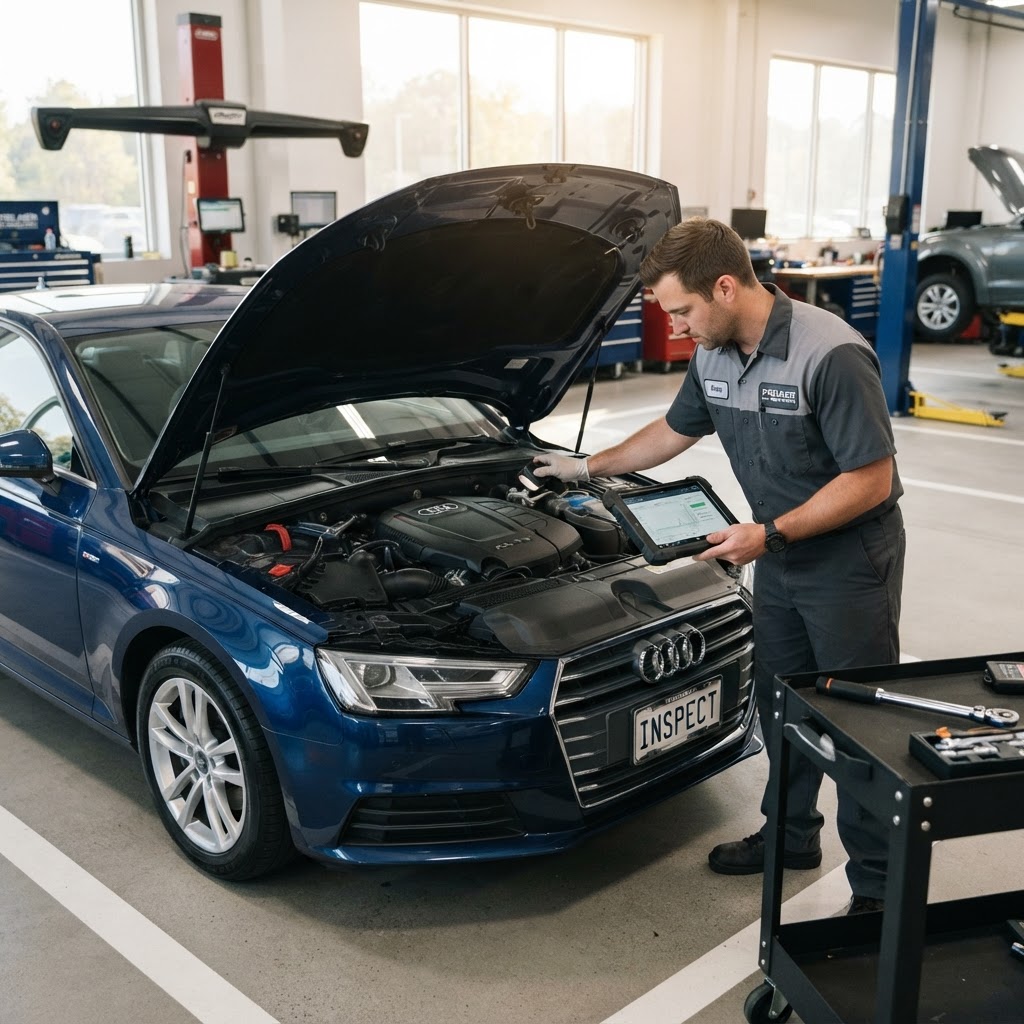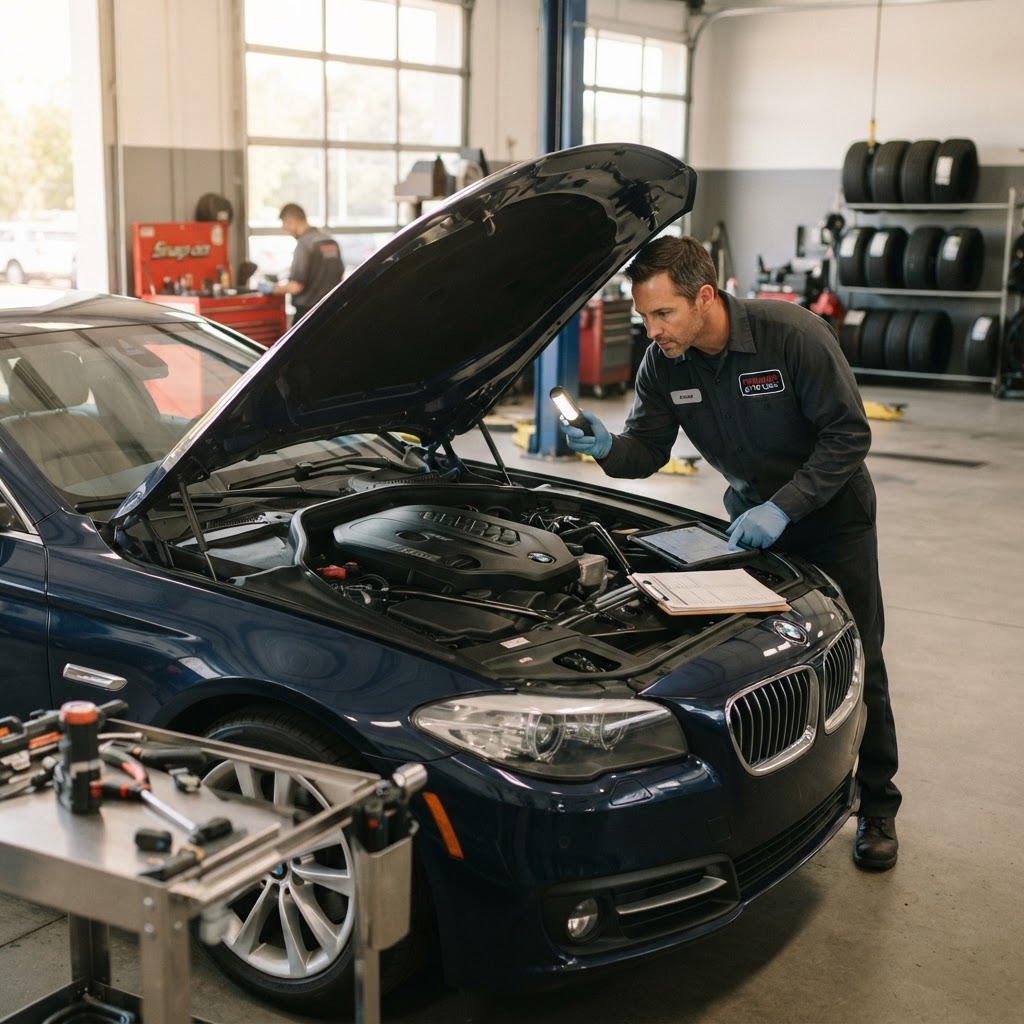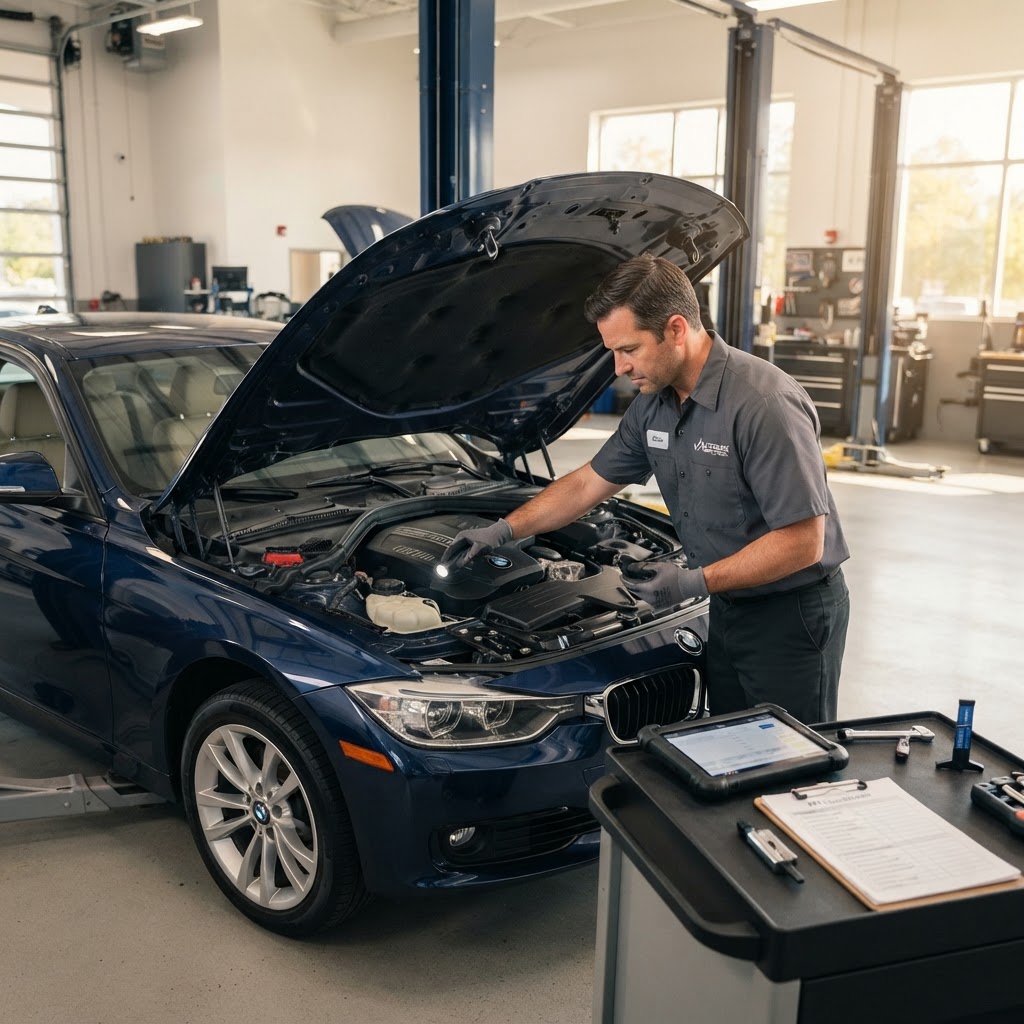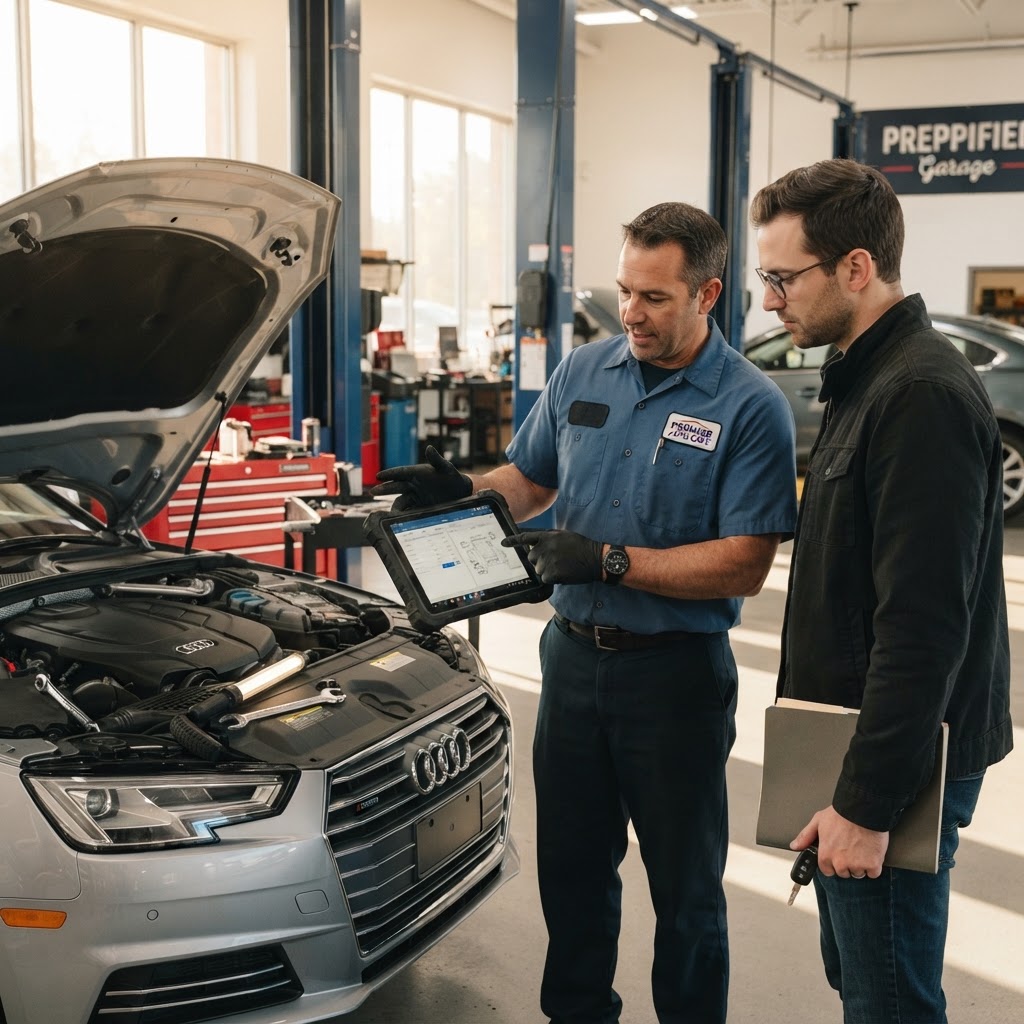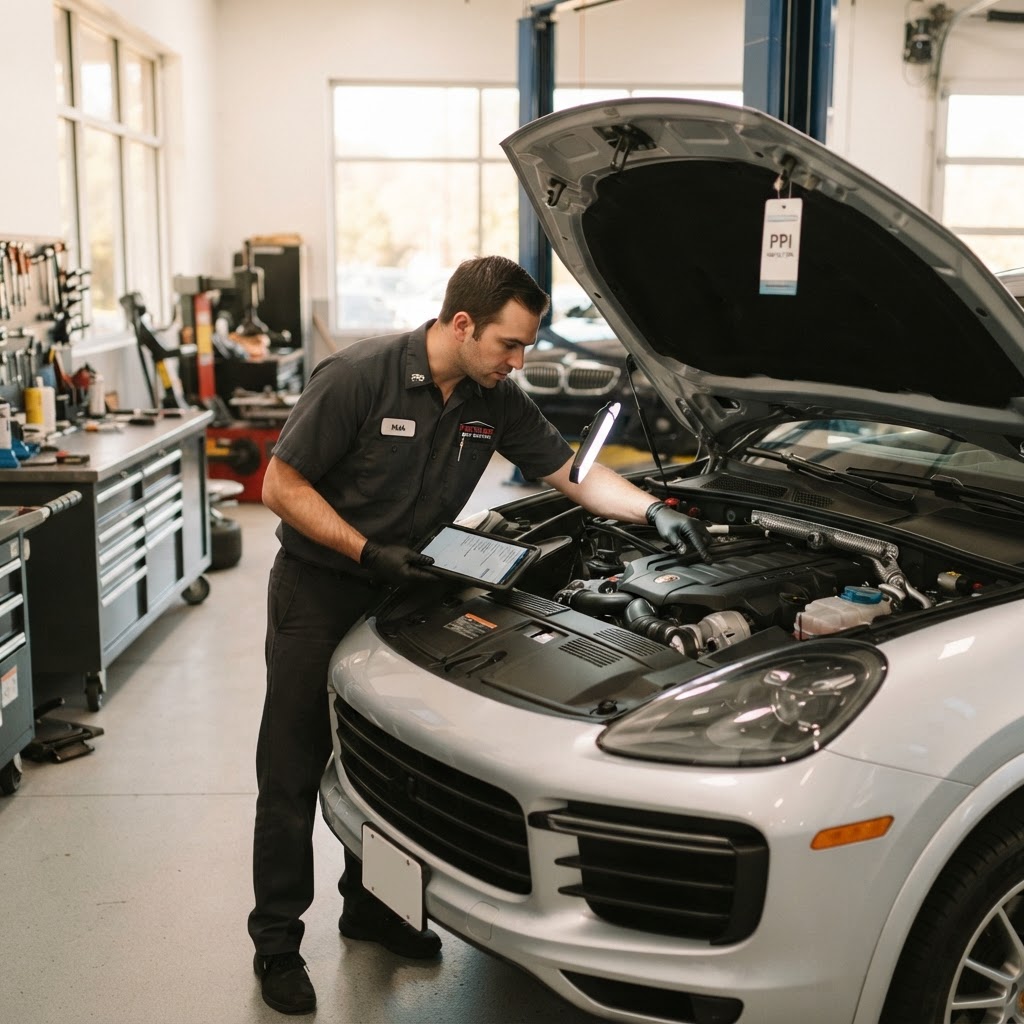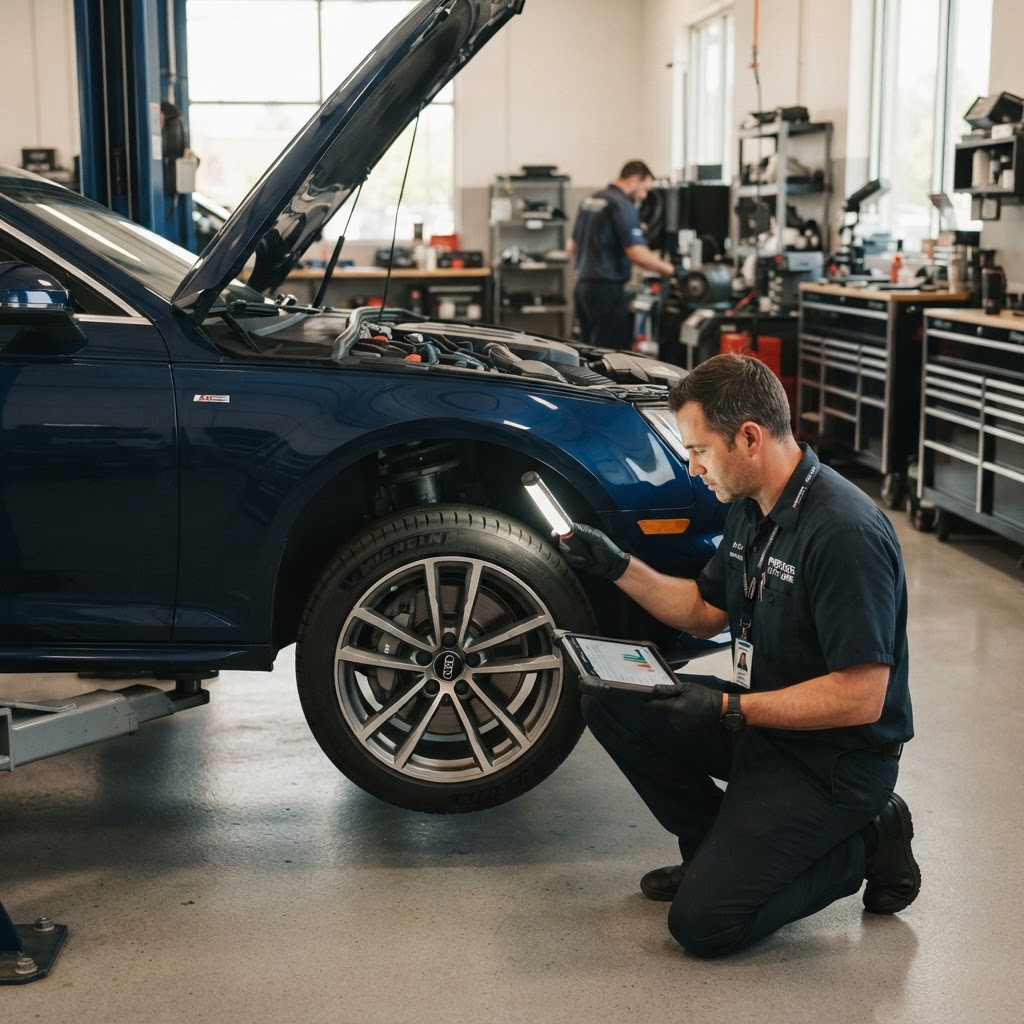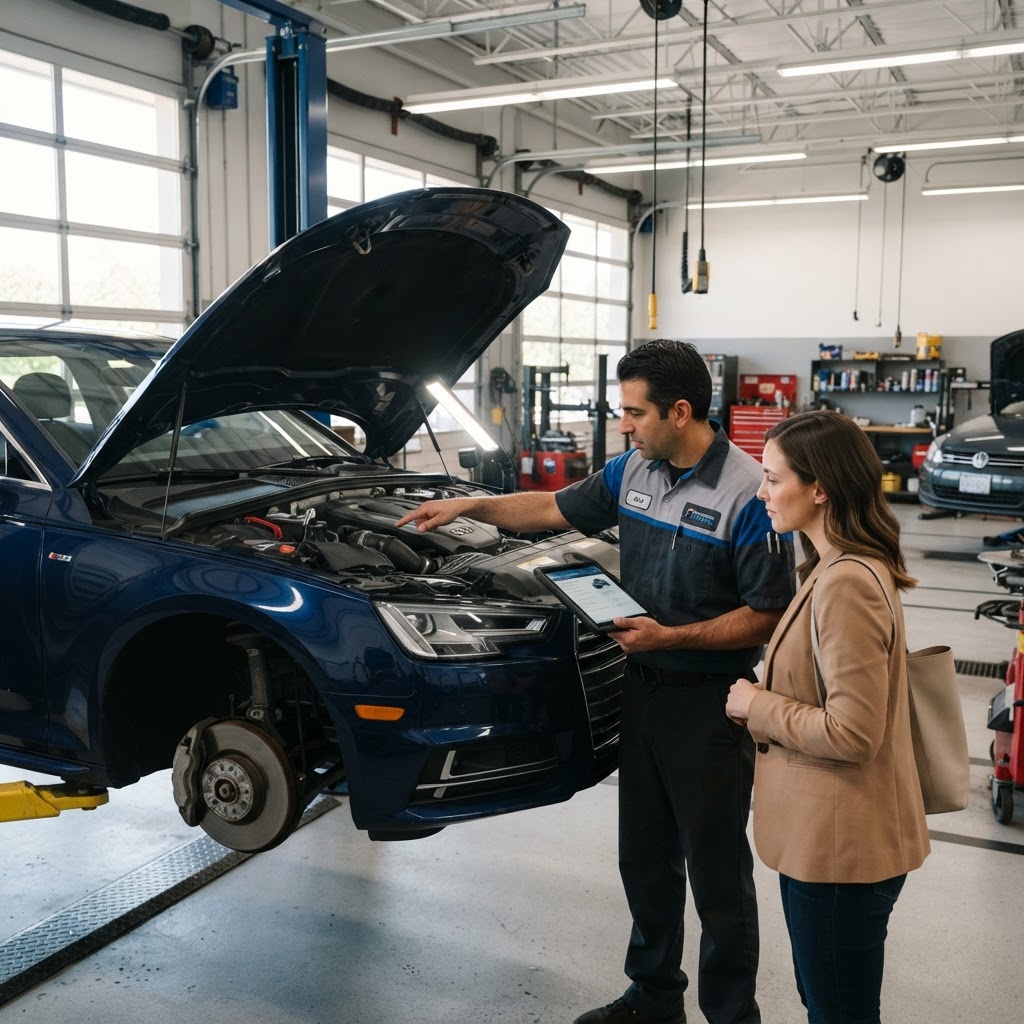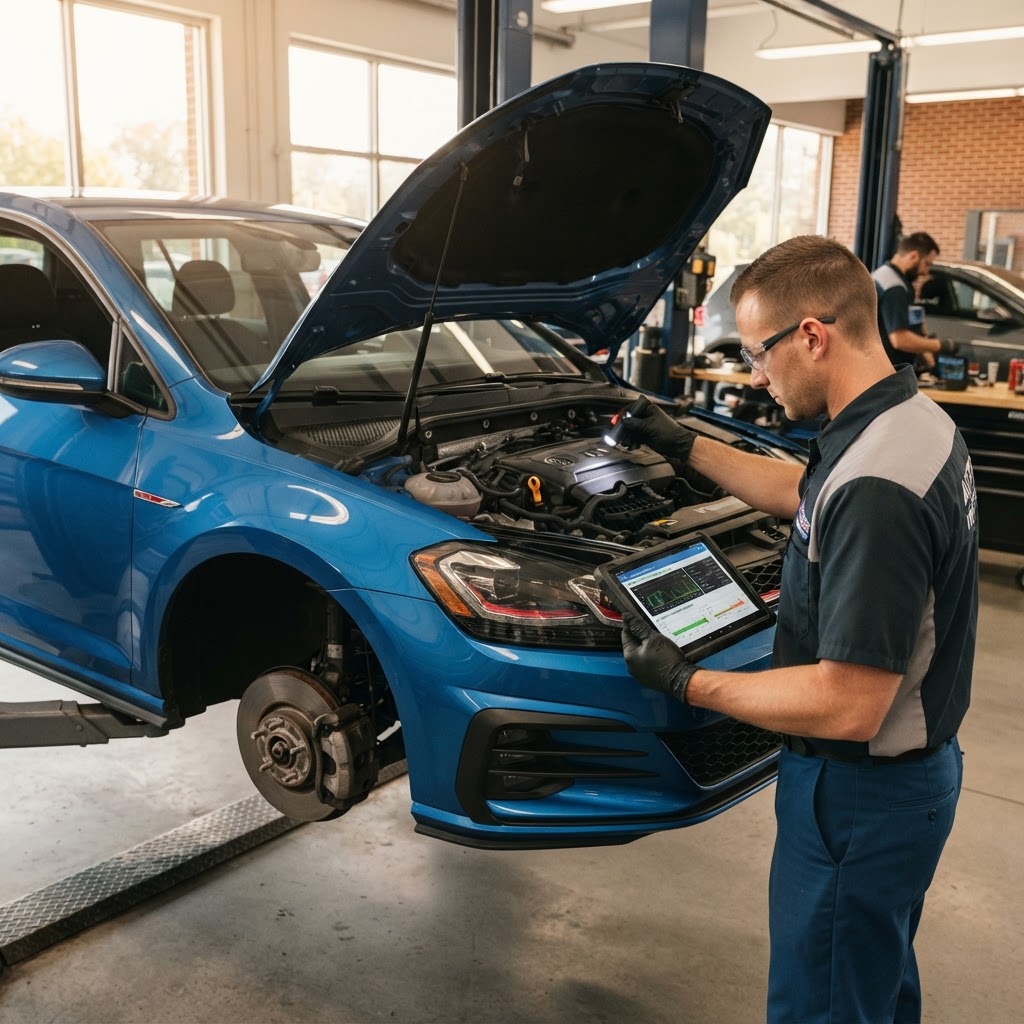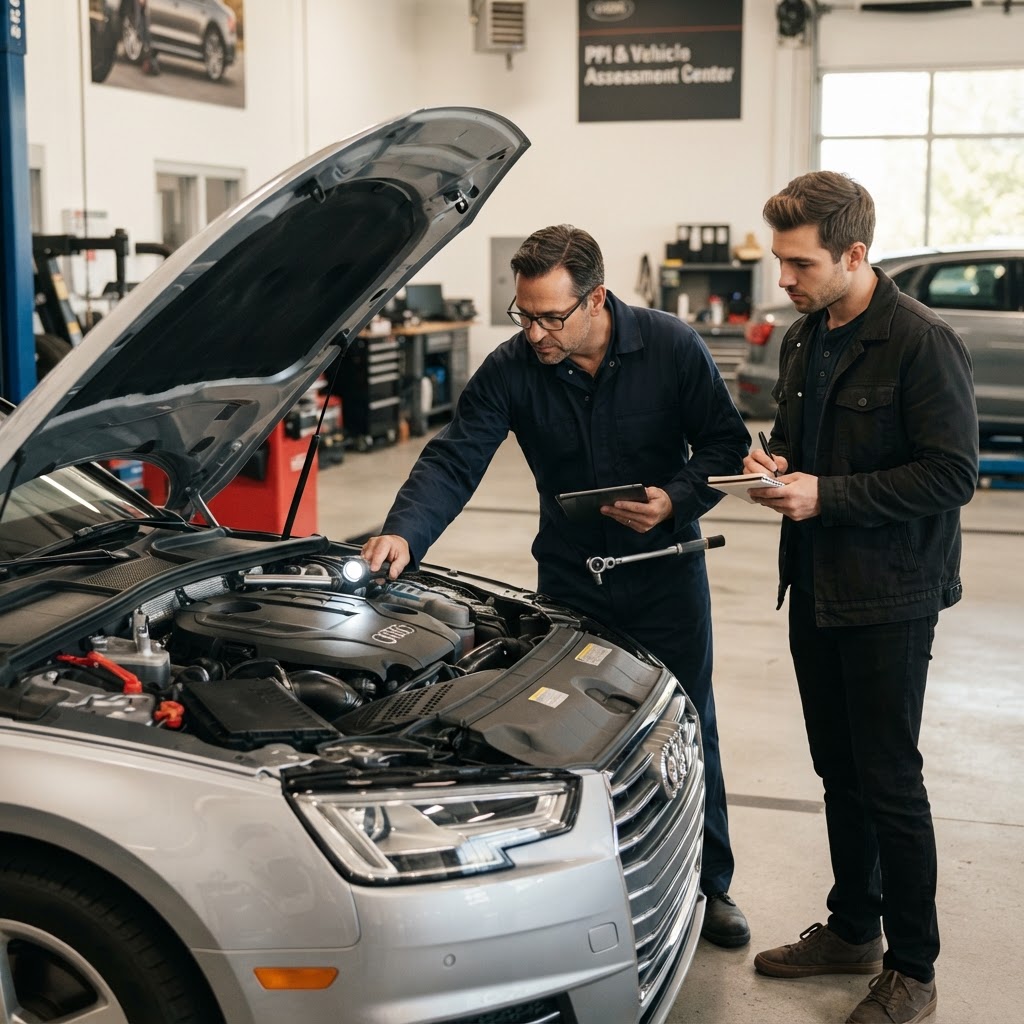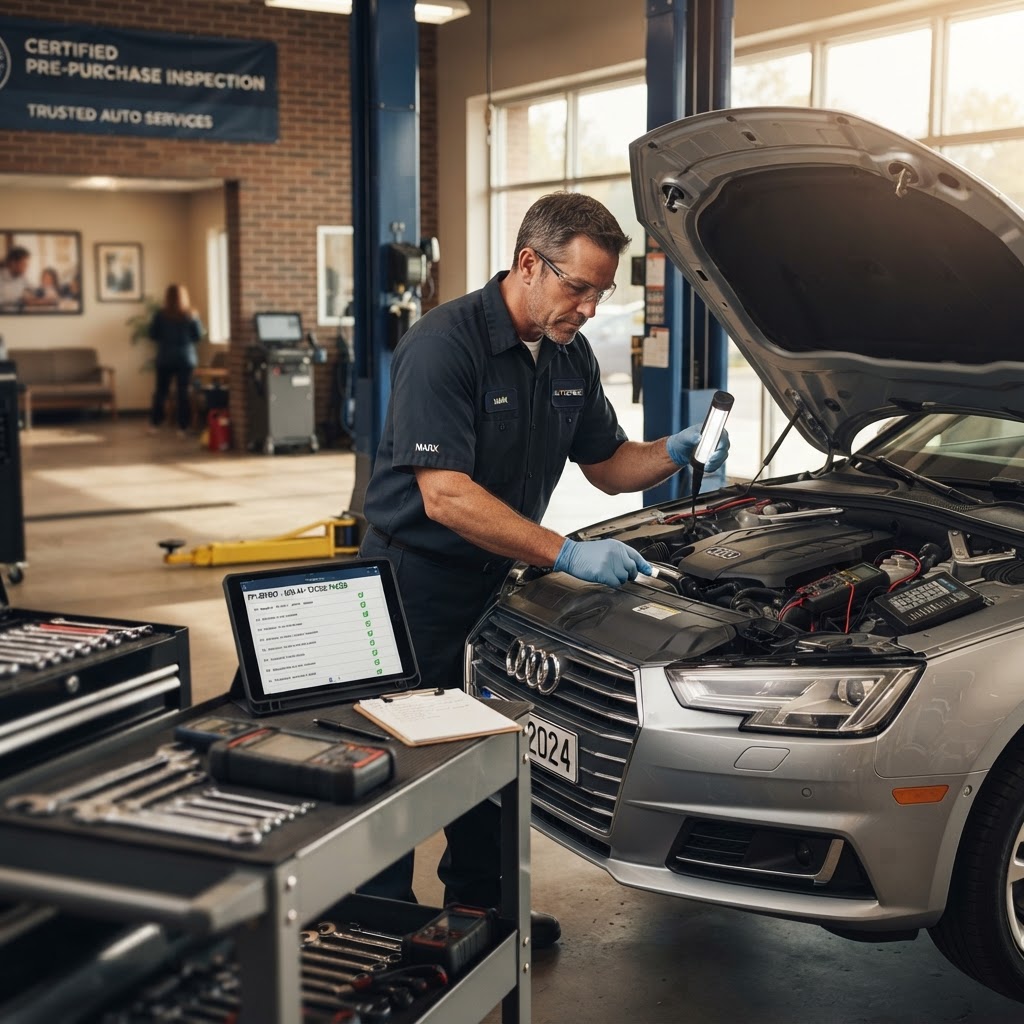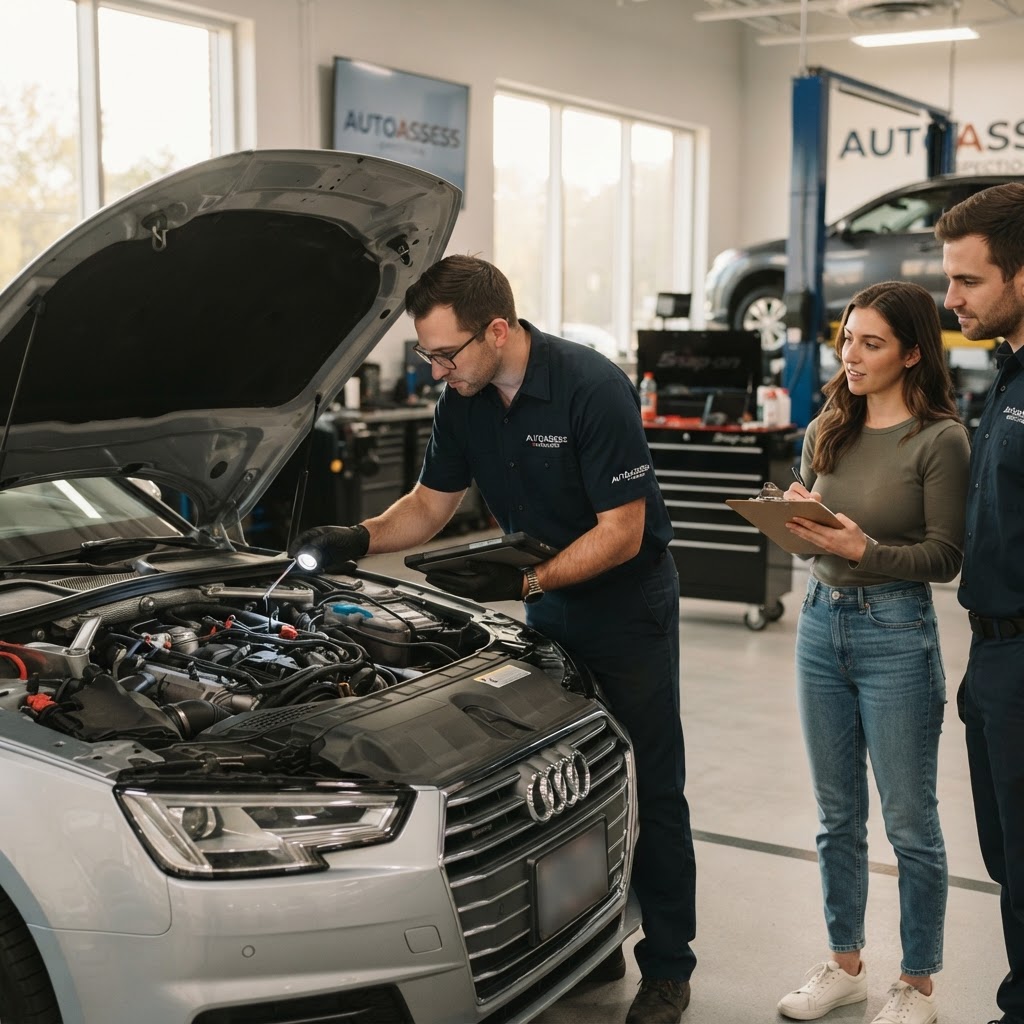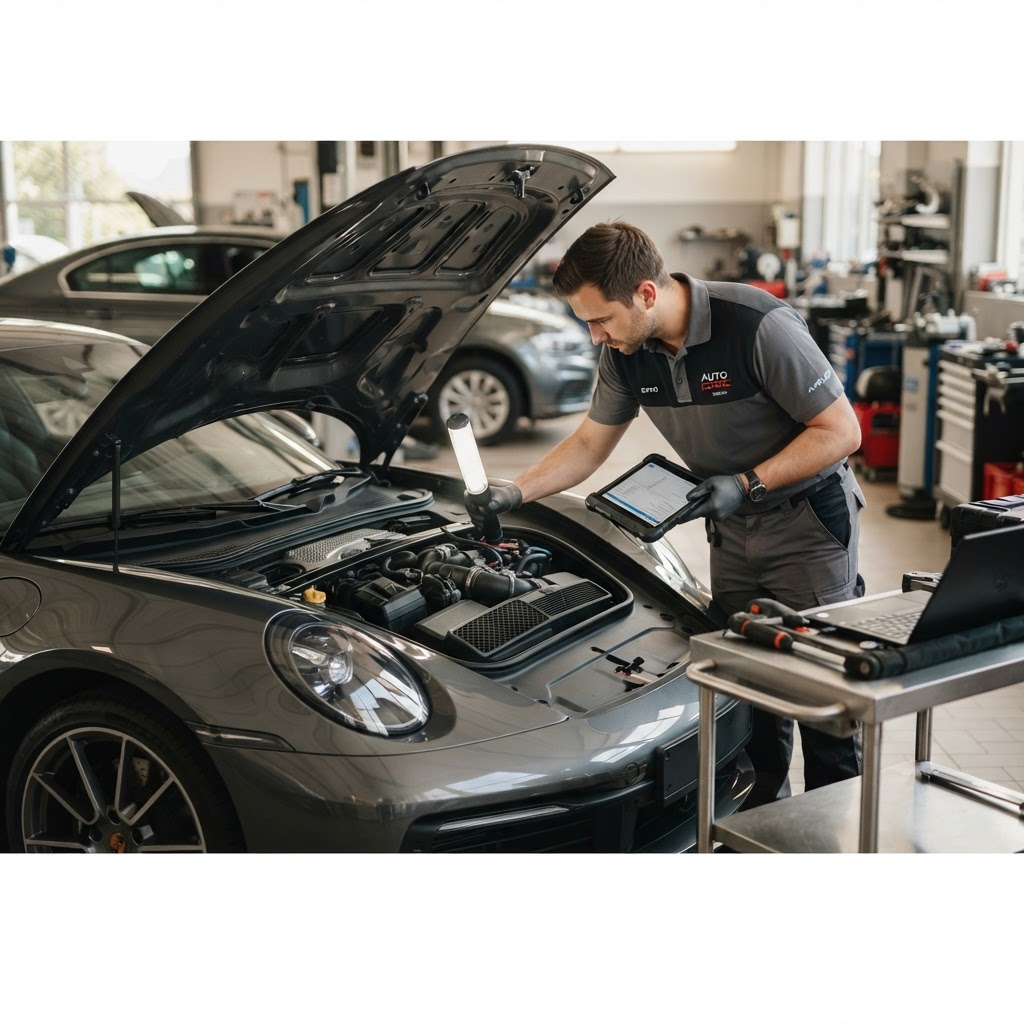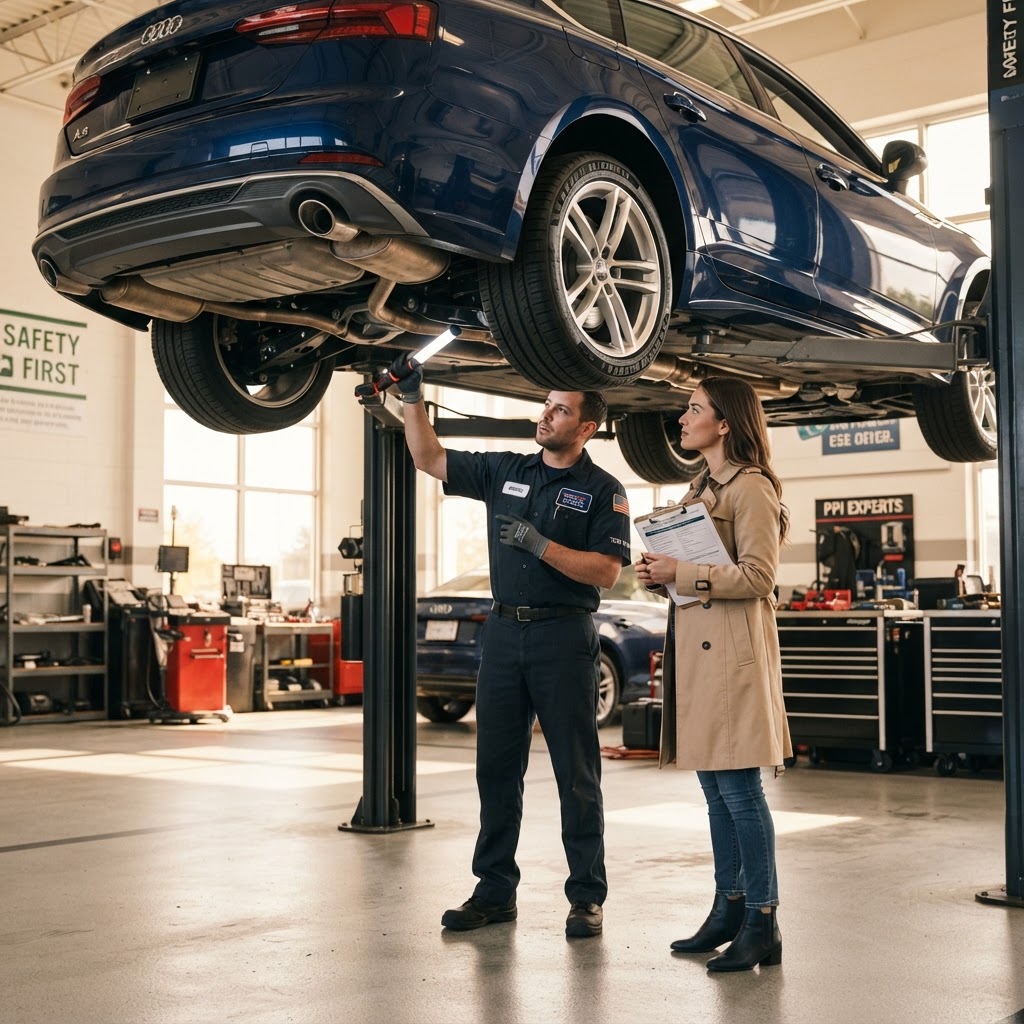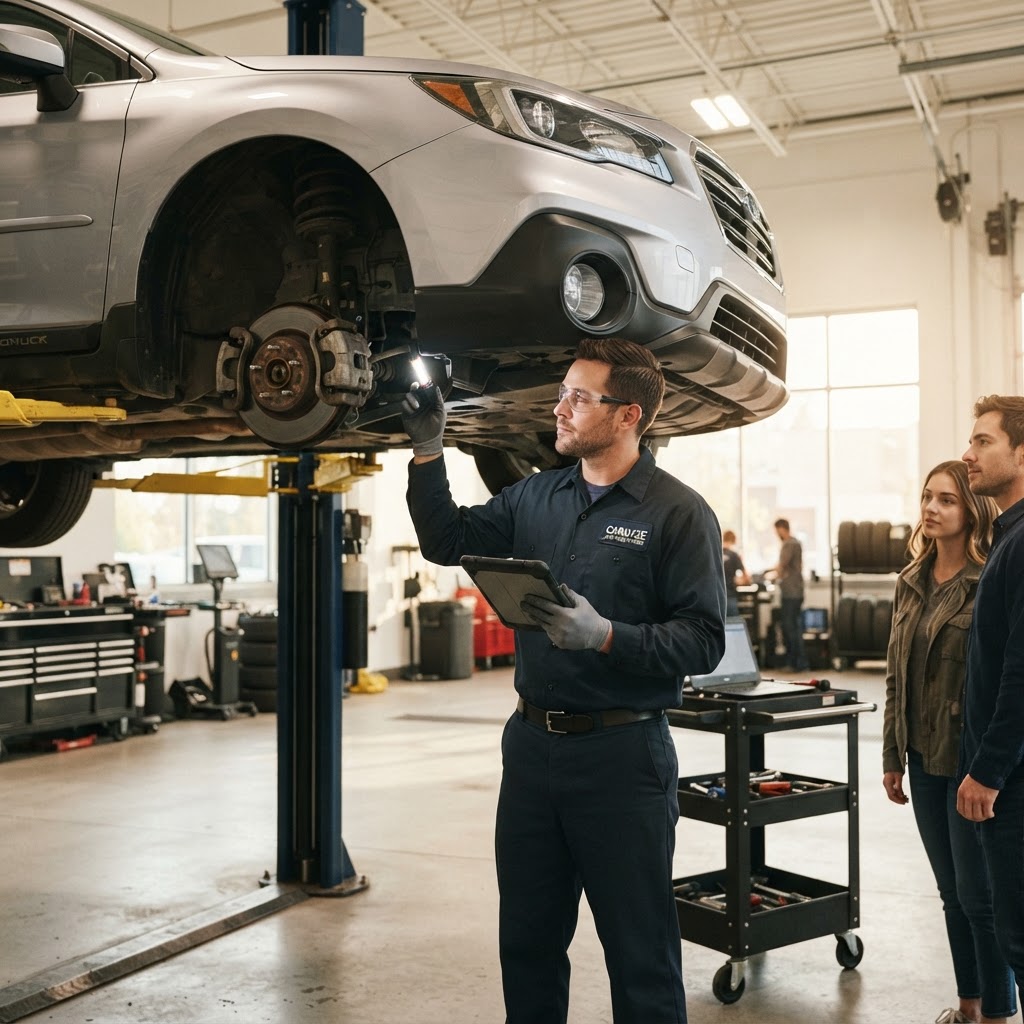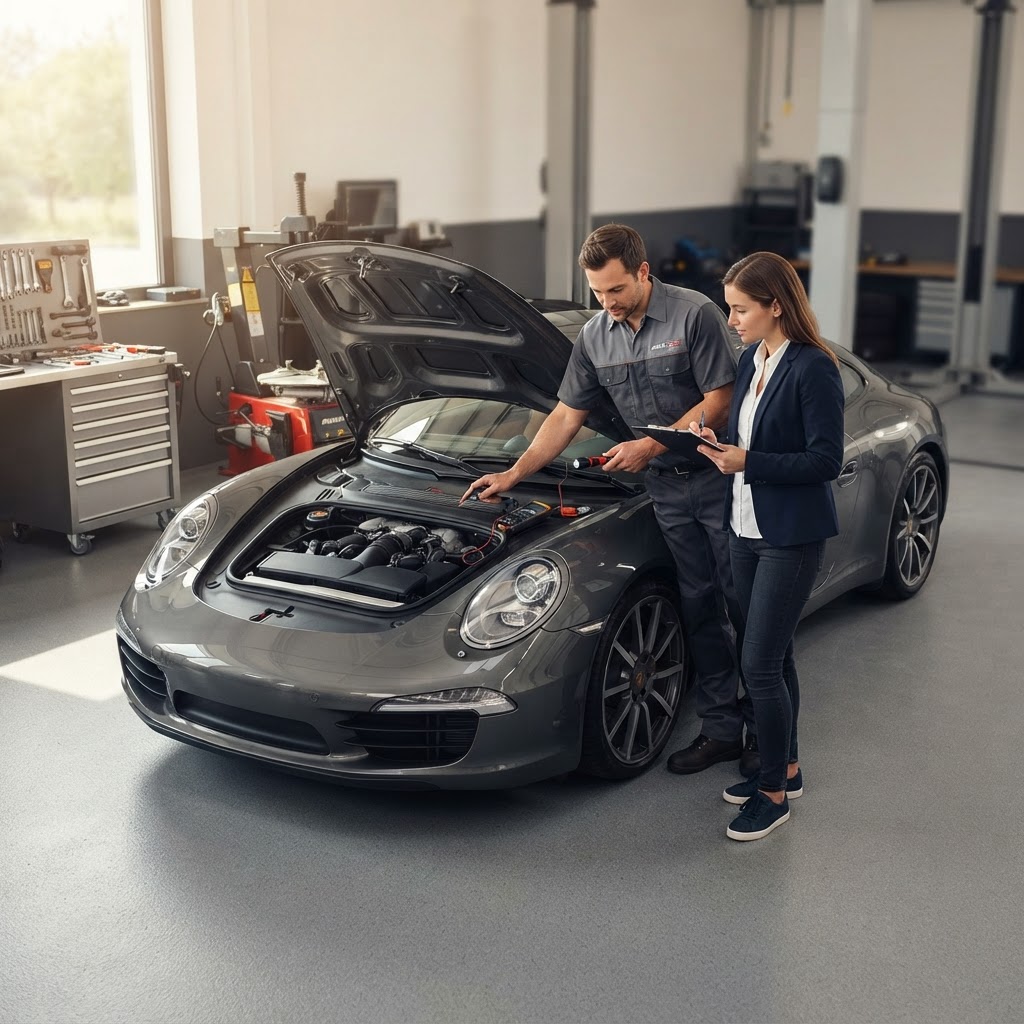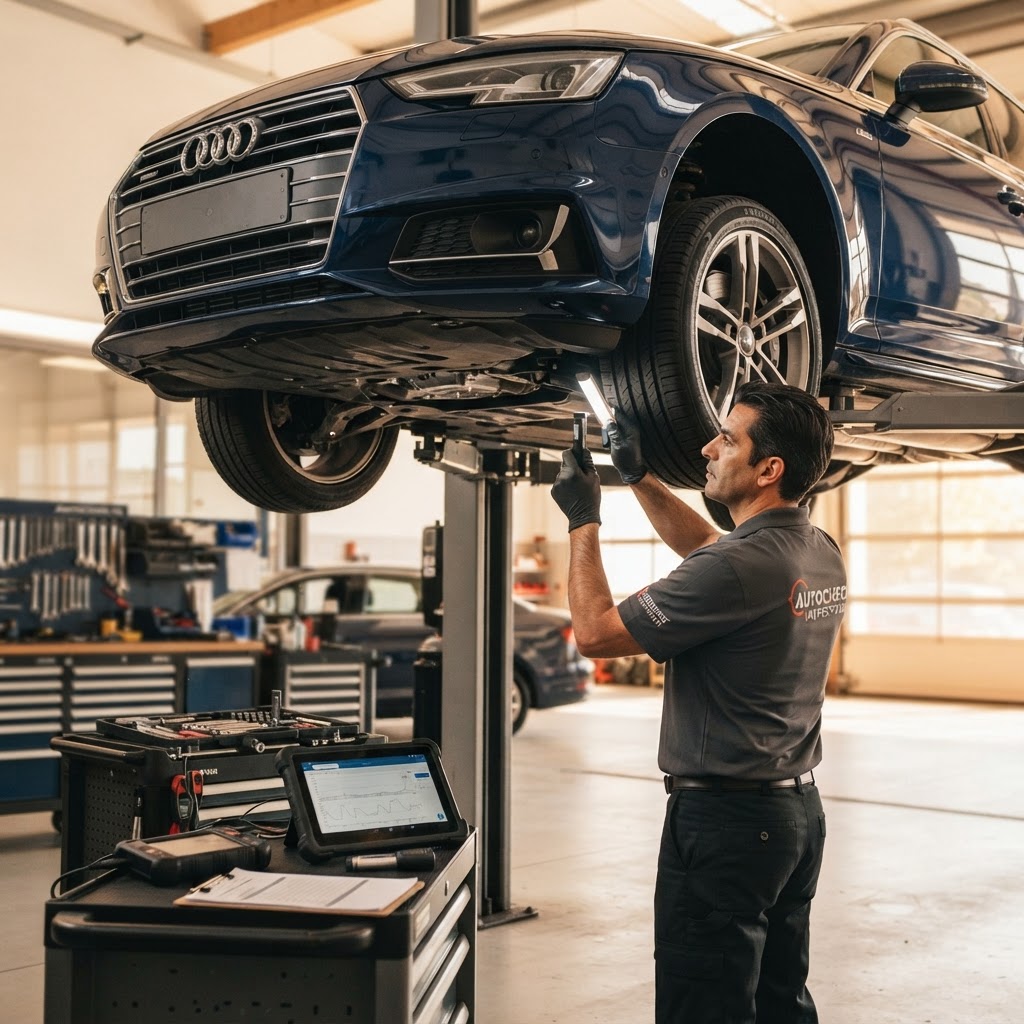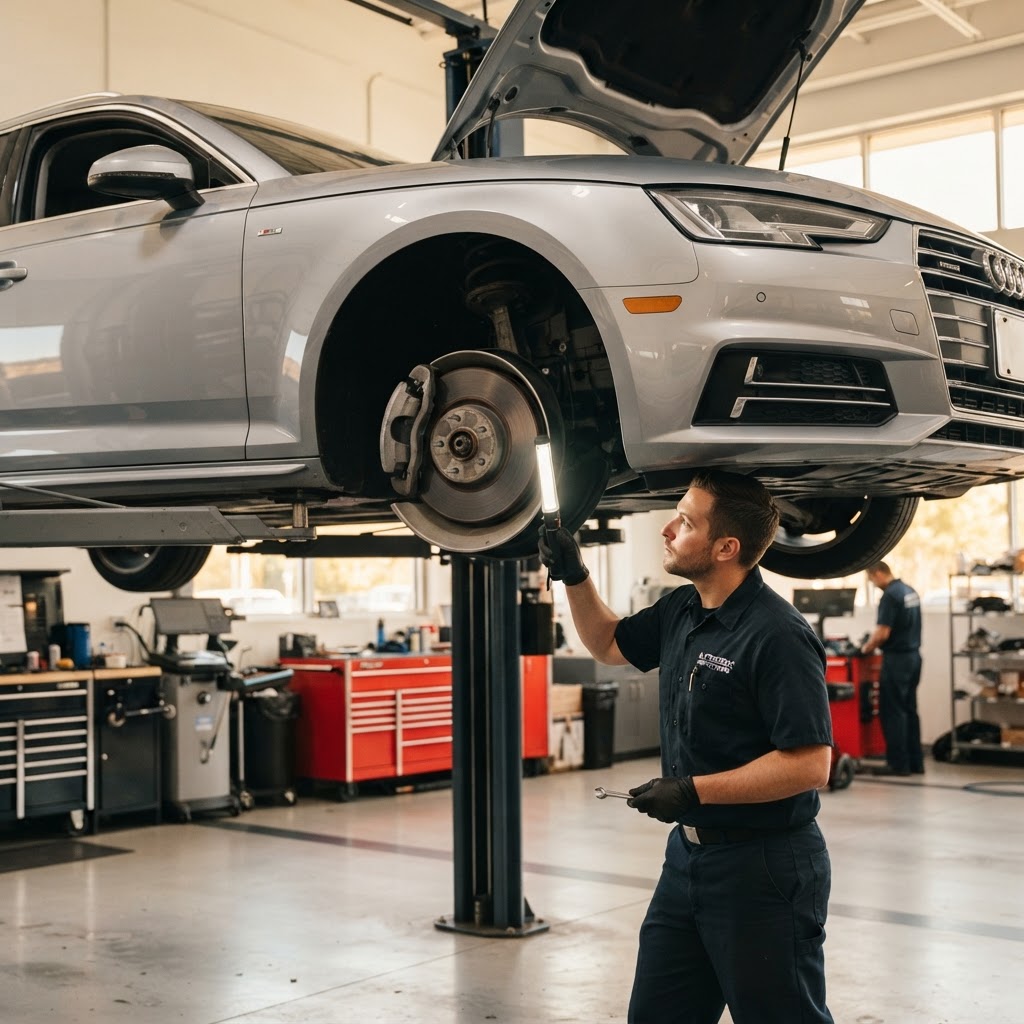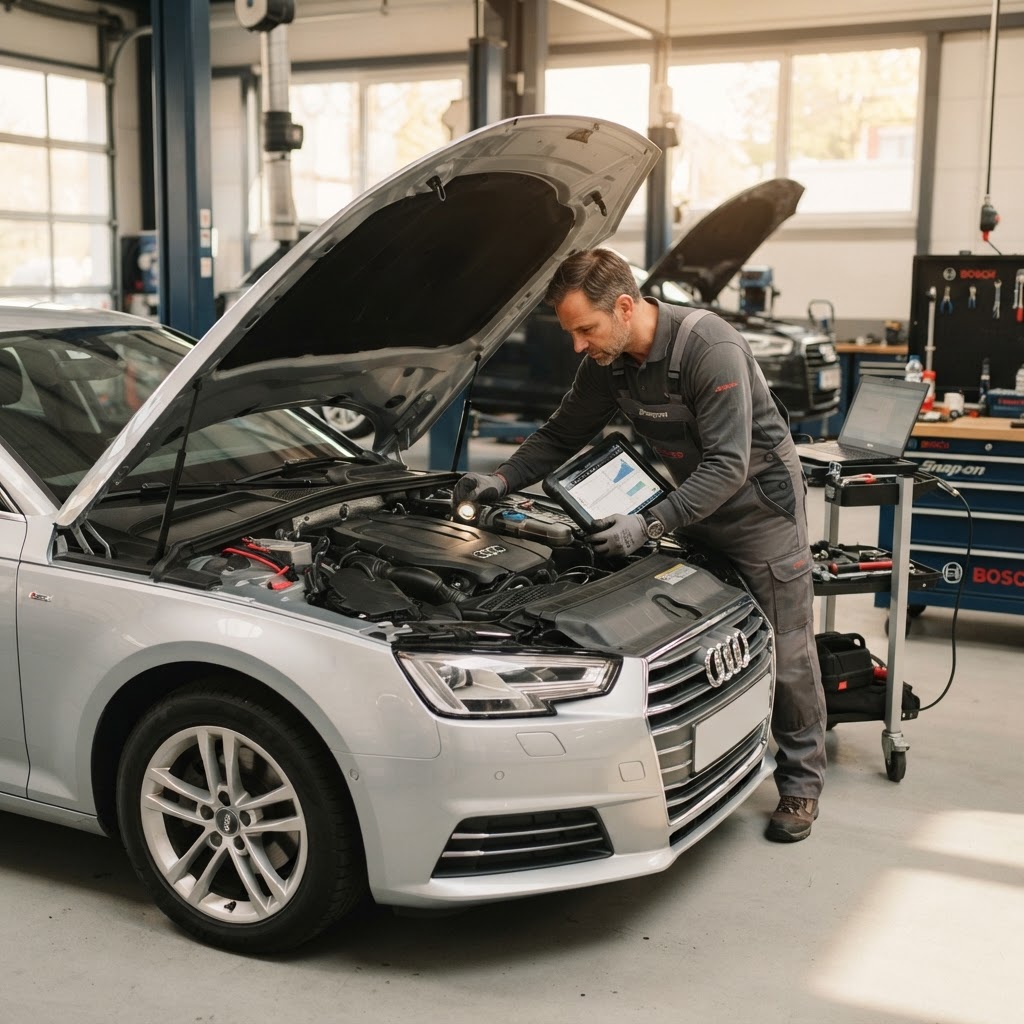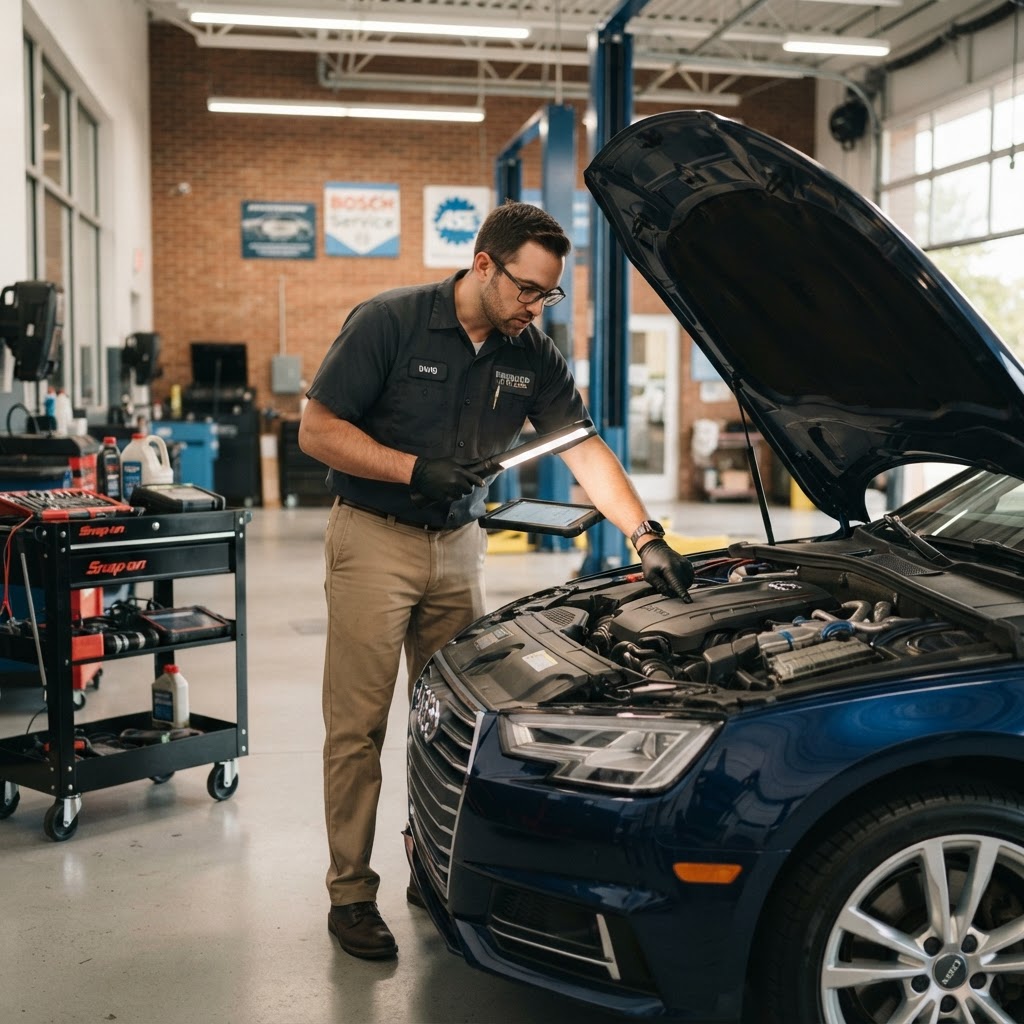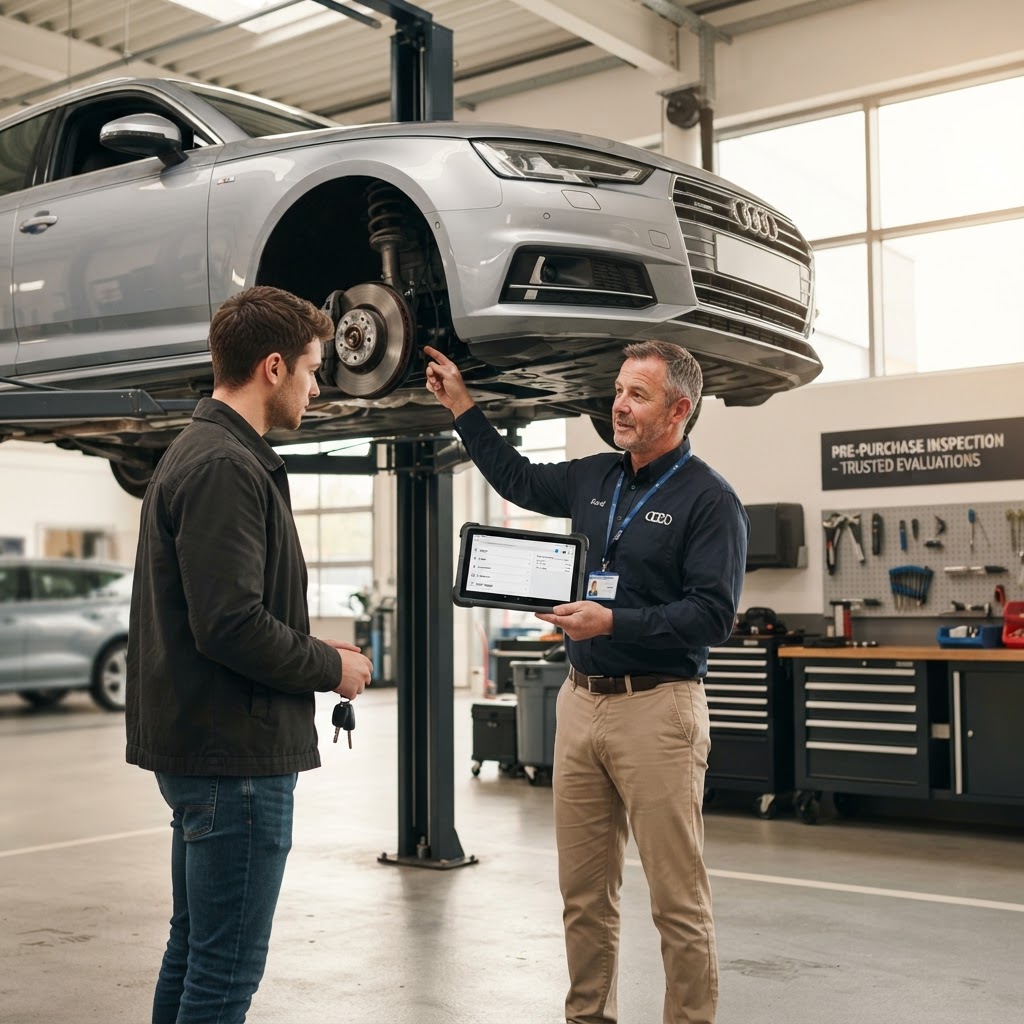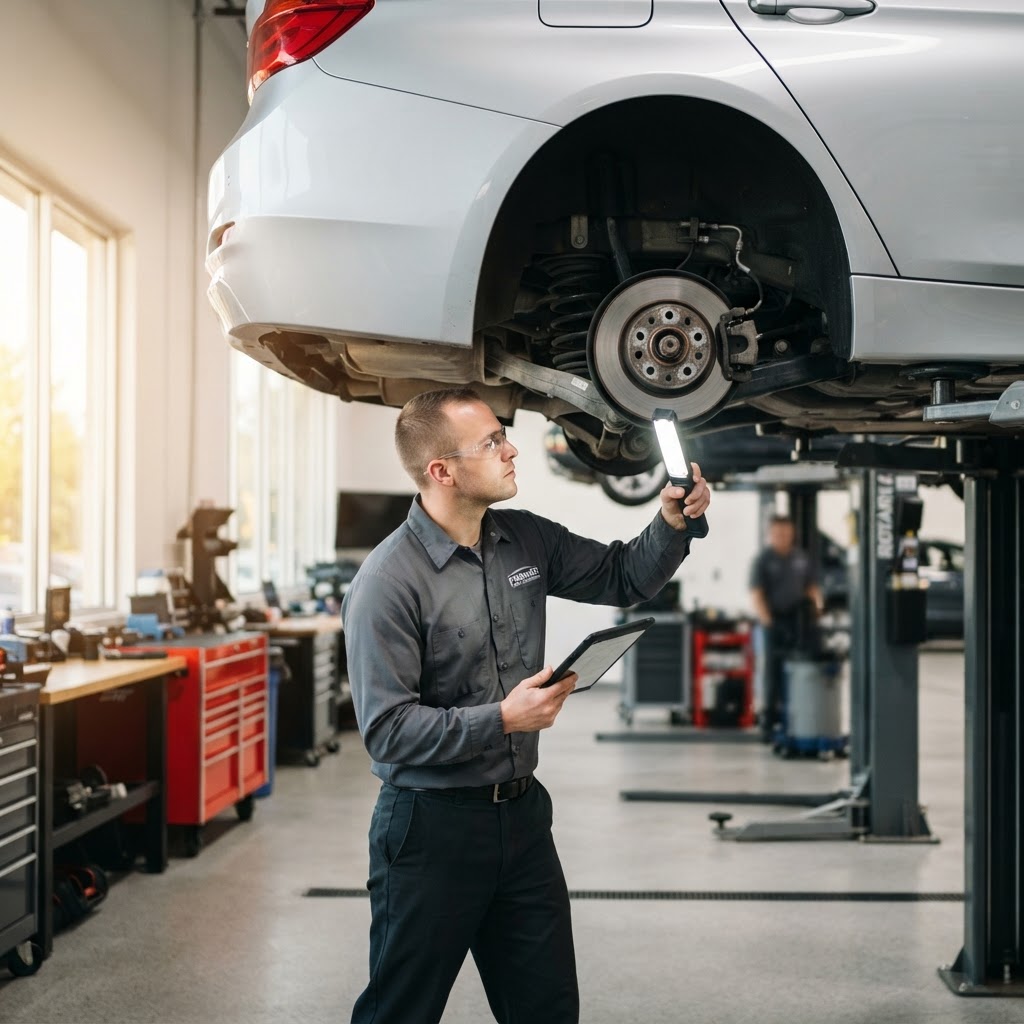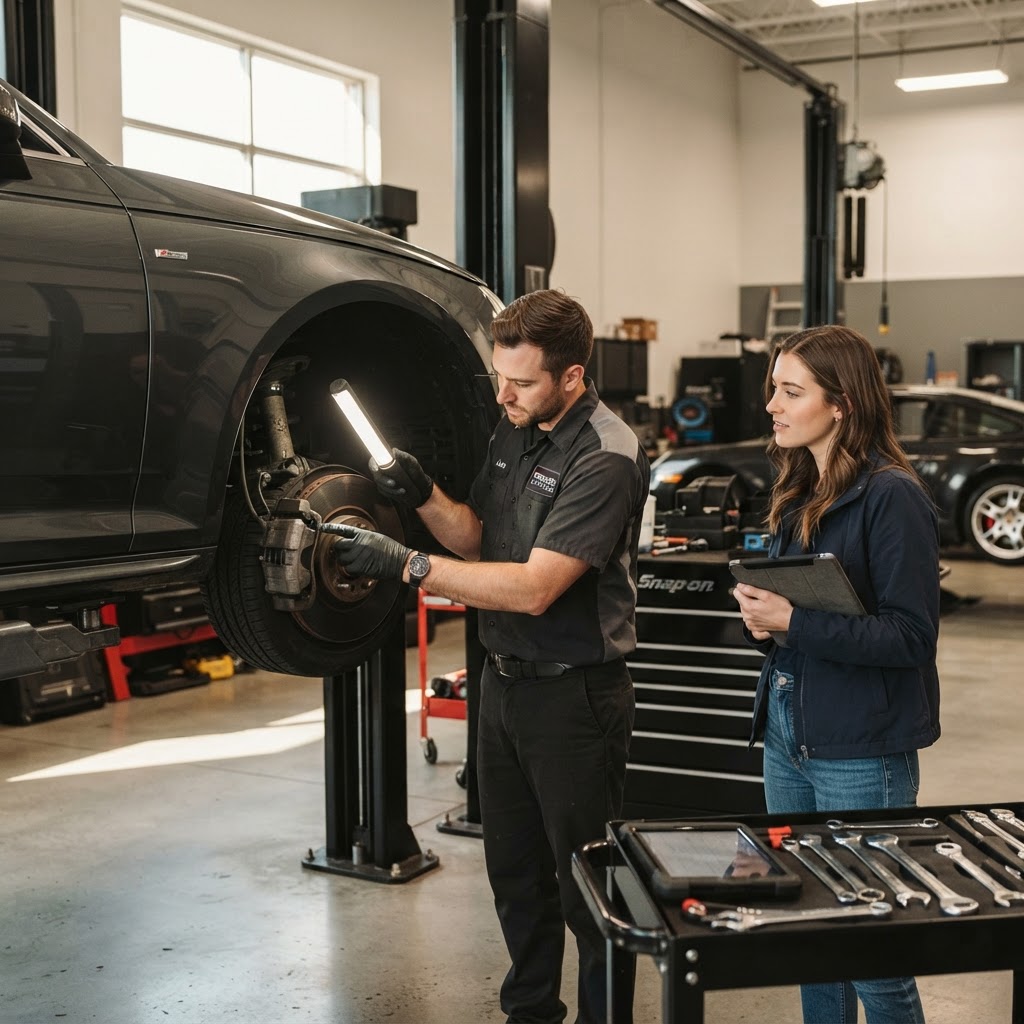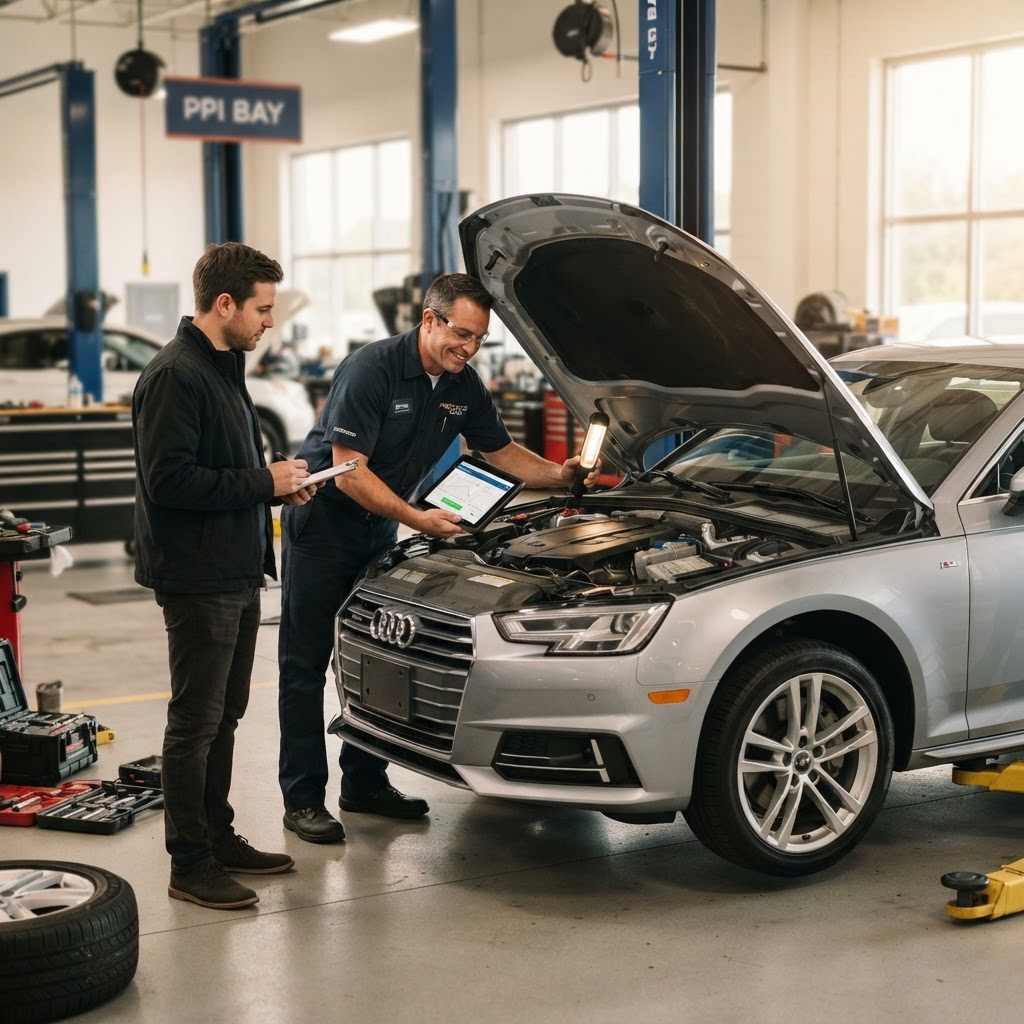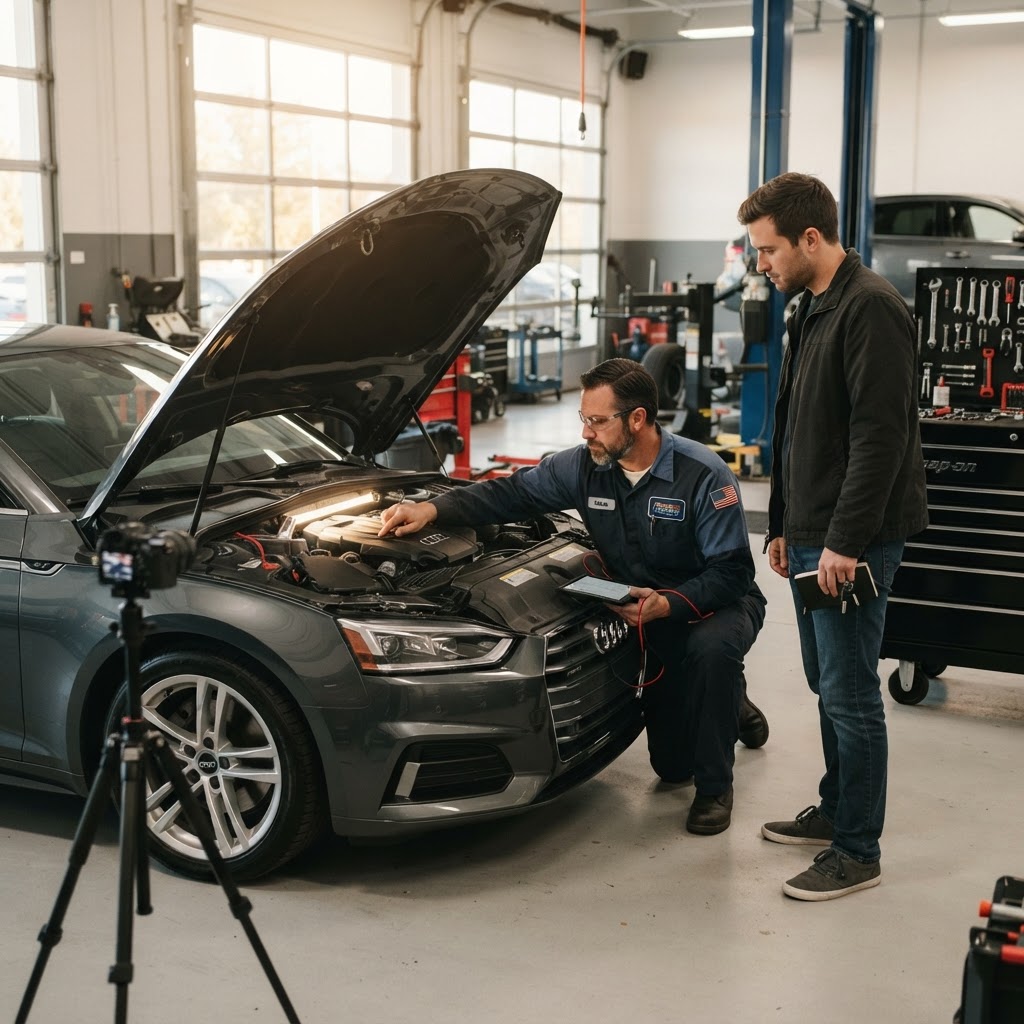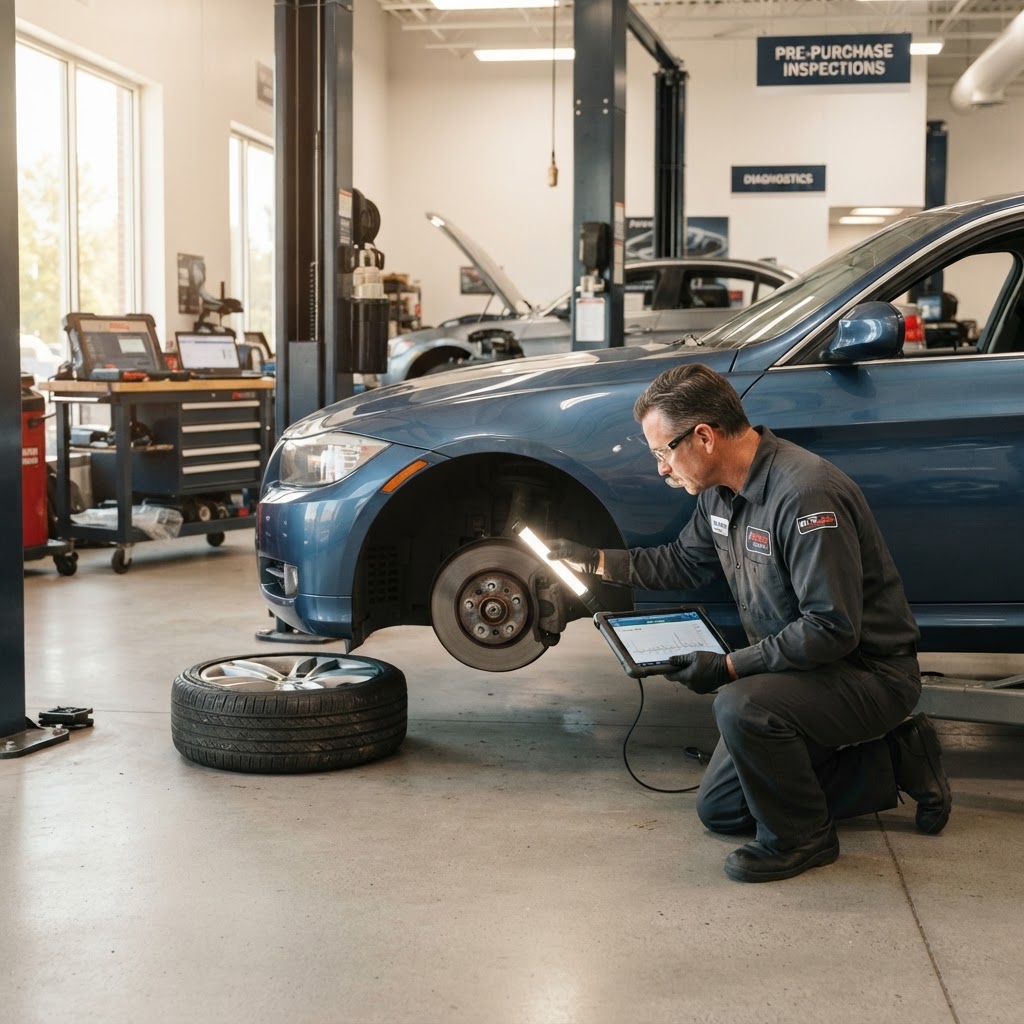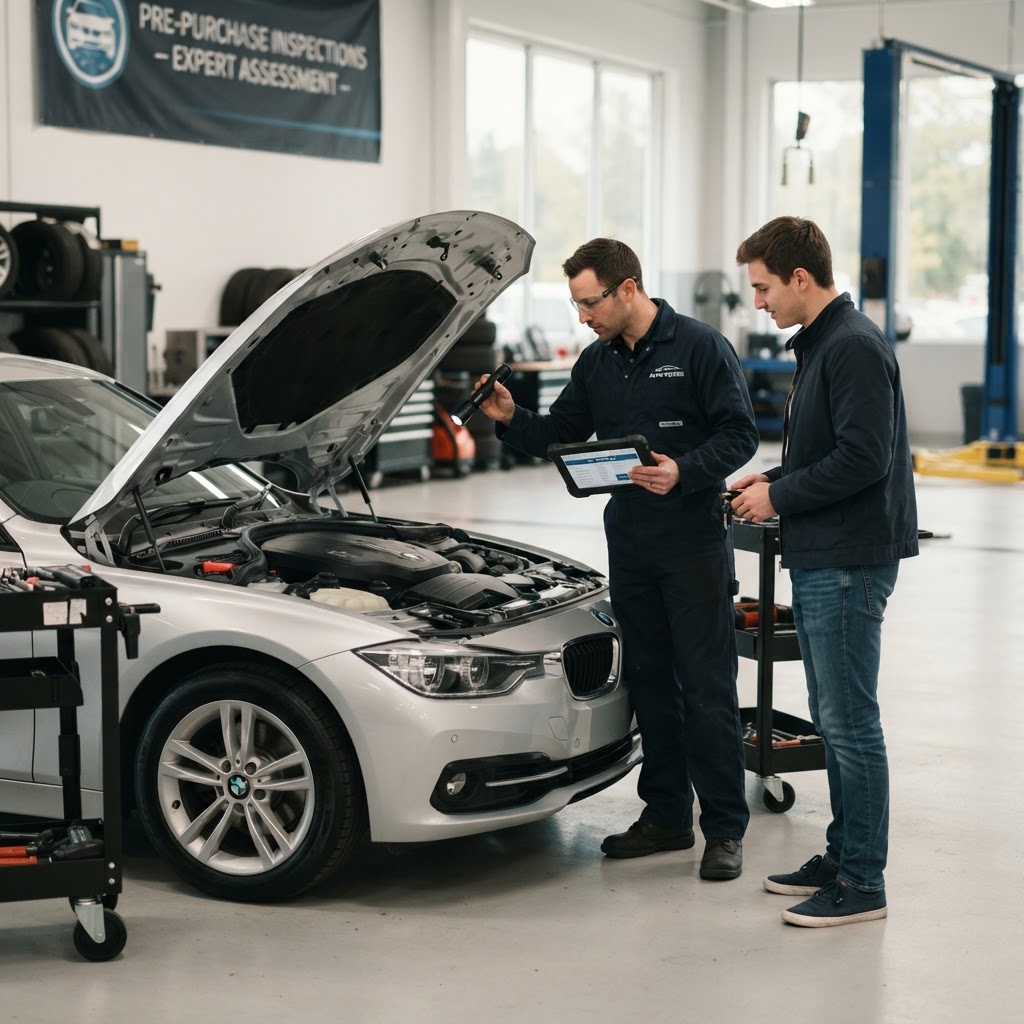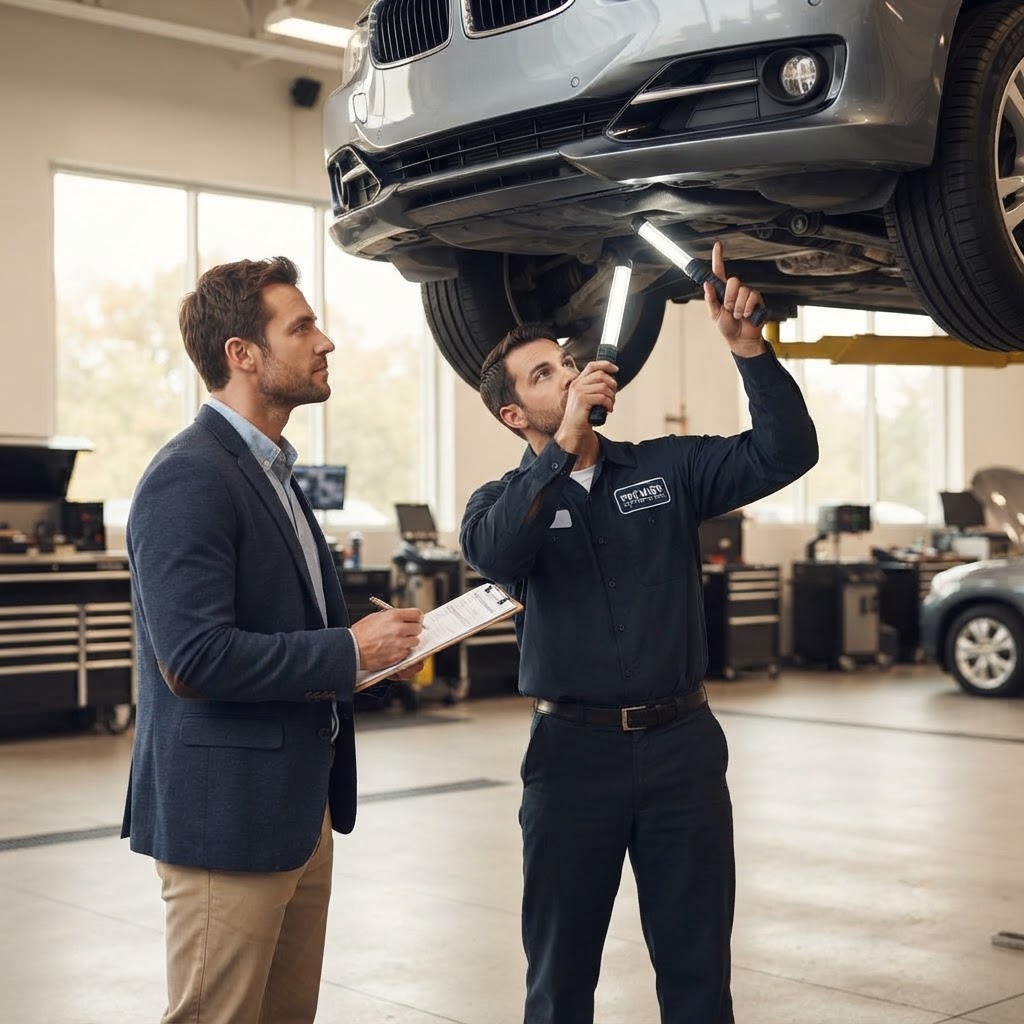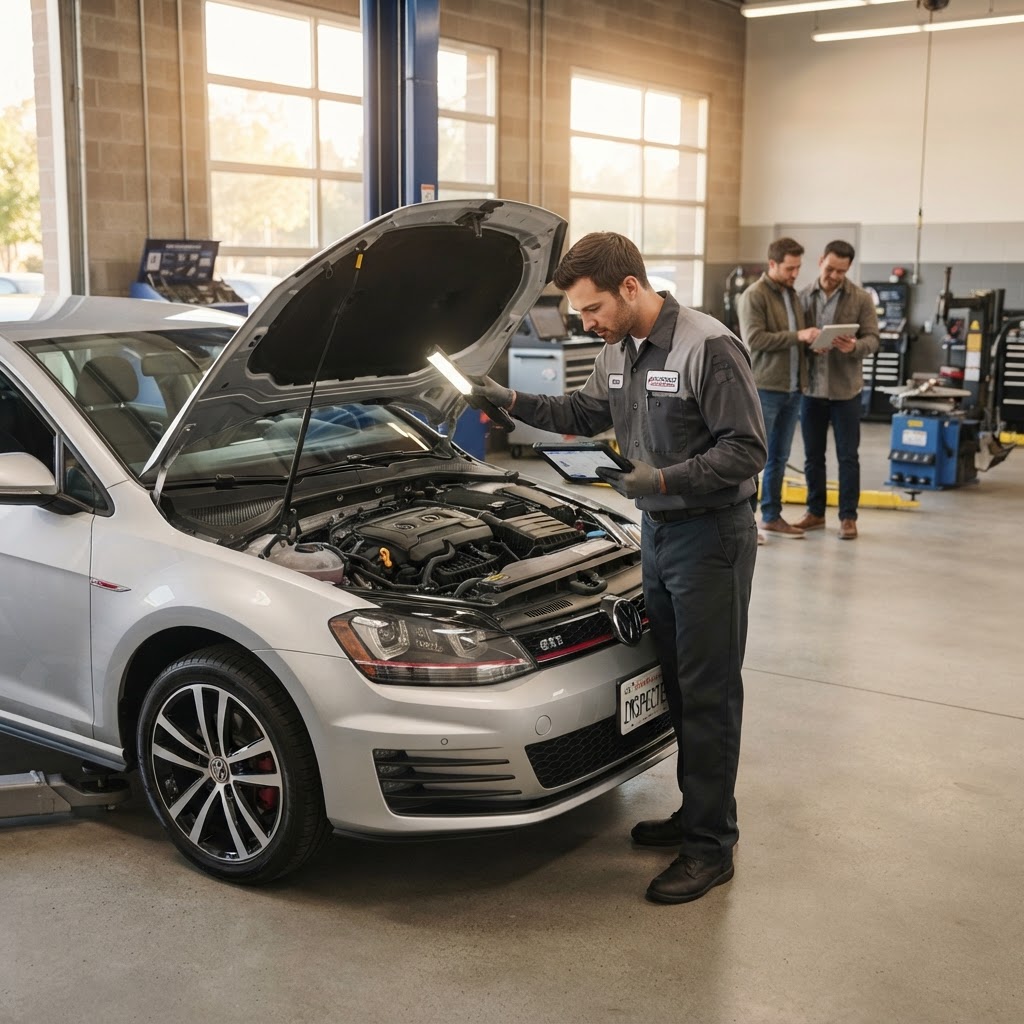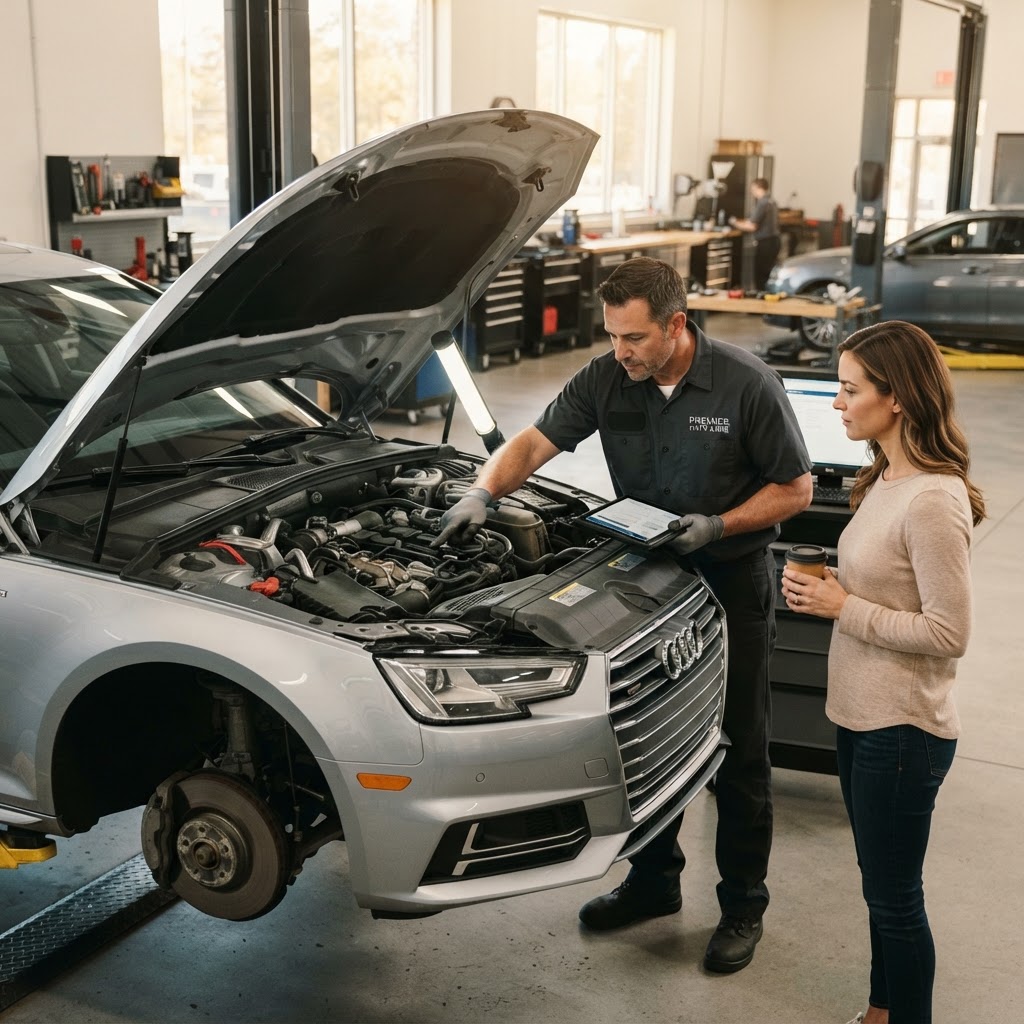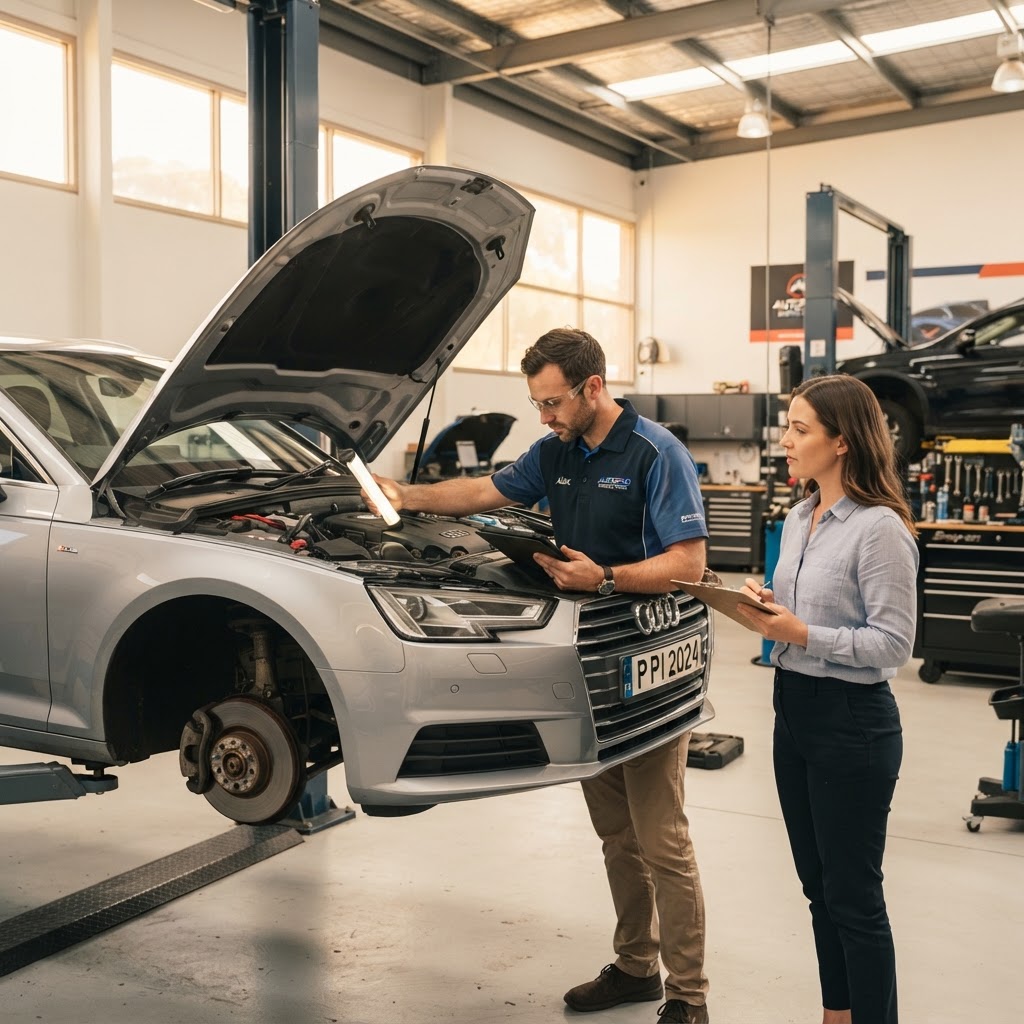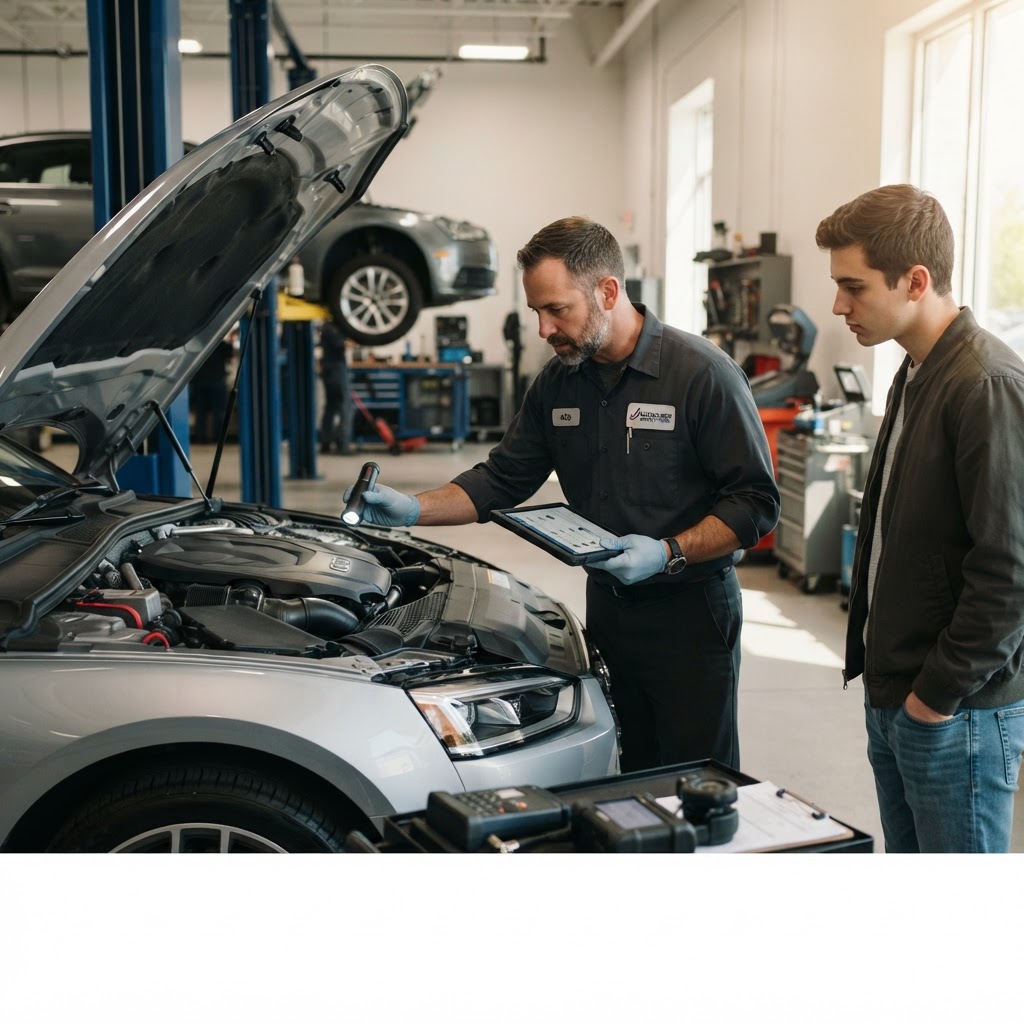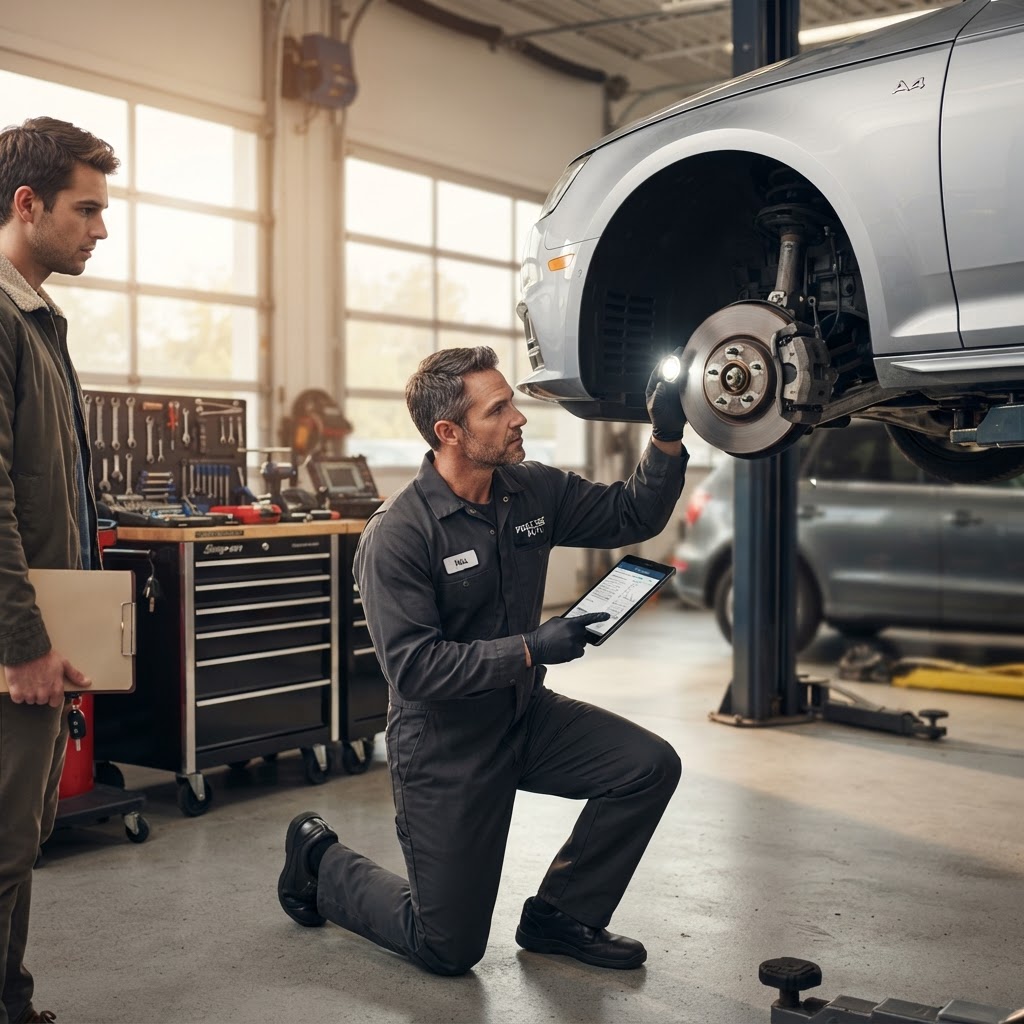
A car that shows up late, dirty, low on fuel, and missing paperwork usually gets the same reaction from an appraiser: more questions, more uncertainty, and less confidence in the condition story. If you want to know how to prepare car for appraisal, the goal is not to make the vehicle look perfect. The goal is to reduce doubt. A clean presentation, complete records, and clear access to the vehicle help the appraiser document condition faster and assess value with fewer assumptions.
That matters whether you are a private seller, a dealership, a fleet manager, or a buyer arranging a third-party inspection. Appraisals are tied to pricing, negotiation, financing, trade-in decisions, and liability. Good preparation supports a cleaner report and a more defensible number.
How to prepare car for appraisal before the appointment
Start with the basics that affect access, visibility, and documentation. The appraiser needs to inspect exterior panels, glass, wheels, tires, interior surfaces, electronics, lights, and mechanical condition indicators. If the vehicle is blocked in, covered in road grime, or buried under personal items, the process slows down and details can be missed or delayed.
Wash the exterior and clean the interior, but do not overdo cosmetic shortcuts. A normal wash, vacuum, and wipe-down are useful because they make dents, scratches, upholstery wear, and trim damage easier to identify. Heavy tire shine, fresh cover-up products, or temporary fixes can work against you if they suggest the vehicle is being staged rather than presented accurately.
Make sure the car can be started, moved, and inspected safely. Charge the battery if needed. Inflate tires to an appropriate pressure. Confirm there is enough fuel for startup and a short operational check if required. Replace dead key fob batteries if entry or ignition is inconsistent. If the hood, trunk, or fuel door has a known issue, note it in advance instead of hoping it will not come up.
Remove personal property from the cabin, trunk, door pockets, glove box, and cargo area. This is partly about appearance, but mostly about inspection access. Appraisers often need to check spare tire compartments, trunk floors, seat operation, warning labels, VIN plates, and interior condition points that are hidden by bags, tools, paperwork, or child seats.
Get the paperwork in order
Documentation often has as much impact as presentation. An appraiser can observe current condition, but maintenance history and ownership records provide context. When records are missing, the vehicle may still appraise well, but the file contains more uncertainty.
Have the title or registration available, depending on the purpose of the appraisal. Gather service records, repair invoices, emissions paperwork if relevant, warranty information, and receipts for major recent work such as brakes, tires, suspension, battery replacement, or transmission service. If the vehicle has had body repairs, paintwork, or insurance claims, include documentation if you have it. The repair itself is not automatically a negative. Poorly documented repair history is harder to interpret.
It also helps to prepare both sets of keys, owner manuals, wheel lock keys, accessory remotes, and any factory equipment that came with the vehicle. Missing items can affect value, especially on newer vehicles or higher-trim models where replacement costs are not minor.
If you are managing multiple units, organize records by VIN before the appointment. For dealership and fleet operations, this is where process discipline pays off. When each vehicle has a consistent documentation packet, appraisals move faster and condition reporting is easier to share internally.
Condition matters, but honesty matters more
One of the biggest mistakes sellers make is trying to fix every flaw right before the appraisal. Some repairs make sense. Some do not. The right choice depends on cost, timing, and whether the fix changes value more than it changes your expense.
Low-cost, high-clarity fixes are usually worth doing. Replace burnt-out bulbs. Top off fluids if they are low for routine reasons. Install missing trim pieces if you already have them. Address simple issues like wiper blades that are clearly worn out. These are small items, but they affect how complete the vehicle feels during inspection.
Major cosmetic or mechanical work is more situational. Repainting a panel, replacing a cracked windshield, or correcting a check engine light issue may improve appraisal results, but only if the repair quality is good and the economics make sense. A rushed repair done just to get through appraisal can create new problems. If you decide not to repair something, disclose it clearly. A documented defect is easier to evaluate than a hidden one.
Do not clear warning lights or diagnostic codes immediately before appraisal in an attempt to avoid detection. That usually creates a different kind of red flag because readiness monitors may not be set, and the vehicle history becomes less transparent. A credible appraisal process depends on accurate condition reporting, not temporary resets.
Prepare the vehicle for visibility
Appraisers work from what they can verify. Good lighting and physical access improve the quality of the report. If the appointment is mobile, park the car in an open area with space around all sides. Avoid tight garages, crowded lots, or places where one side of the vehicle cannot be photographed properly.
If the inspection is taking place indoors, make sure the area is well lit. If outdoors, avoid scheduling at dusk or in poor weather when possible. Rain can hide scratches and paint defects. Harsh direct sun can make some imperfections harder to photograph. There is no perfect environment, but a dry, accessible, reasonably bright setting is the most efficient.
Leave enough room to open all doors fully, raise the hood, and inspect the trunk or tailgate. If the vehicle has removable covers, bed liners, floor mats, or cargo organizers, keep them available but not obstructive. The appraiser may need to check what is underneath.
How to prepare car for appraisal when damage exists
Many vehicles being appraised are not in perfect condition. That is normal. The key is to present the actual condition in a way that is inspectable and documented.
If the car has collision damage, curb rash, cracked glass, interior tears, fluid leaks, or mechanical concerns, do a quick written note for the appraiser. Include what happened, when it happened, whether the issue was repaired, and who performed the work if known. This does not replace the inspection. It gives the appraiser a starting point and reduces confusion when matching visible evidence to the vehicle history.
The same applies to modifications. Aftermarket wheels, suspension changes, tint, audio systems, performance parts, wraps, and non-factory lighting can affect value positively, negatively, or not much at all depending on the buyer and market. What matters is that they are disclosed and documented. Include receipts if available, especially for quality brands or professionally installed equipment.
For older vehicles, be realistic about age-related wear. Small chips, seat creasing, and minor trim fading are expected at certain mileage levels. Trying to argue that every flaw is insignificant usually weakens credibility. A better approach is to separate normal wear from exceptional damage and let the appraisal reflect that distinction.
What appraisers notice that owners often miss
Owners live with their vehicles, which makes gradual changes easy to overlook. Appraisers do not have that familiarity. They notice patterns.
Uneven tire wear can suggest alignment or suspension issues. Damp carpet can point to a leak. Mismatched paint texture may indicate prior bodywork. Smoke odor, pet hair, or heavy air freshener use can affect interior impression because they suggest a condition that is difficult to reverse. Dashboard warning lights, malfunctioning infotainment, non-working seat controls, and missing spare tire tools are also common value-impact items.
This is why a pre-appraisal review is useful. Walk around the vehicle slowly. Test the windows, locks, lights, horn, seat adjustments, and climate controls. Check the tire tread and look for cracked lenses, chipped glass, or obvious fluid spots under the car. You do not need to become the inspector. You just need to catch avoidable surprises before the appointment.
For higher-volume operations, standardized intake helps. A repeatable checklist, photo set, and record packet create consistency across vehicles and reduce last-minute scrambling. That process-driven approach is one reason companies such as RIZQ build inspection workflows around documentation first, not guesswork.
Timing can change the result
Preparation is not only about what you do. It is also about when you do it. If the car just came back from body repair, is waiting on a replacement part, or has not been driven enough after service to confirm normal operation, delaying the appraisal may produce a cleaner outcome.
The same goes for very recent detailing or wet engine cleaning. Fresh products can hide condition temporarily and raise questions about what the appraiser is supposed to see. Give the vehicle enough time to present naturally.
If market timing matters, balance that against mechanical readiness. An appraisal done too early may lock in uncertainty. An appraisal done after basic issues are addressed and records are updated is often more useful for pricing and negotiation.
A well-prepared car does not guarantee the number you want. It does give the appraiser a clearer, more verifiable basis for the number you get. That is the part you can control, and it usually makes the whole transaction easier for everyone involved.