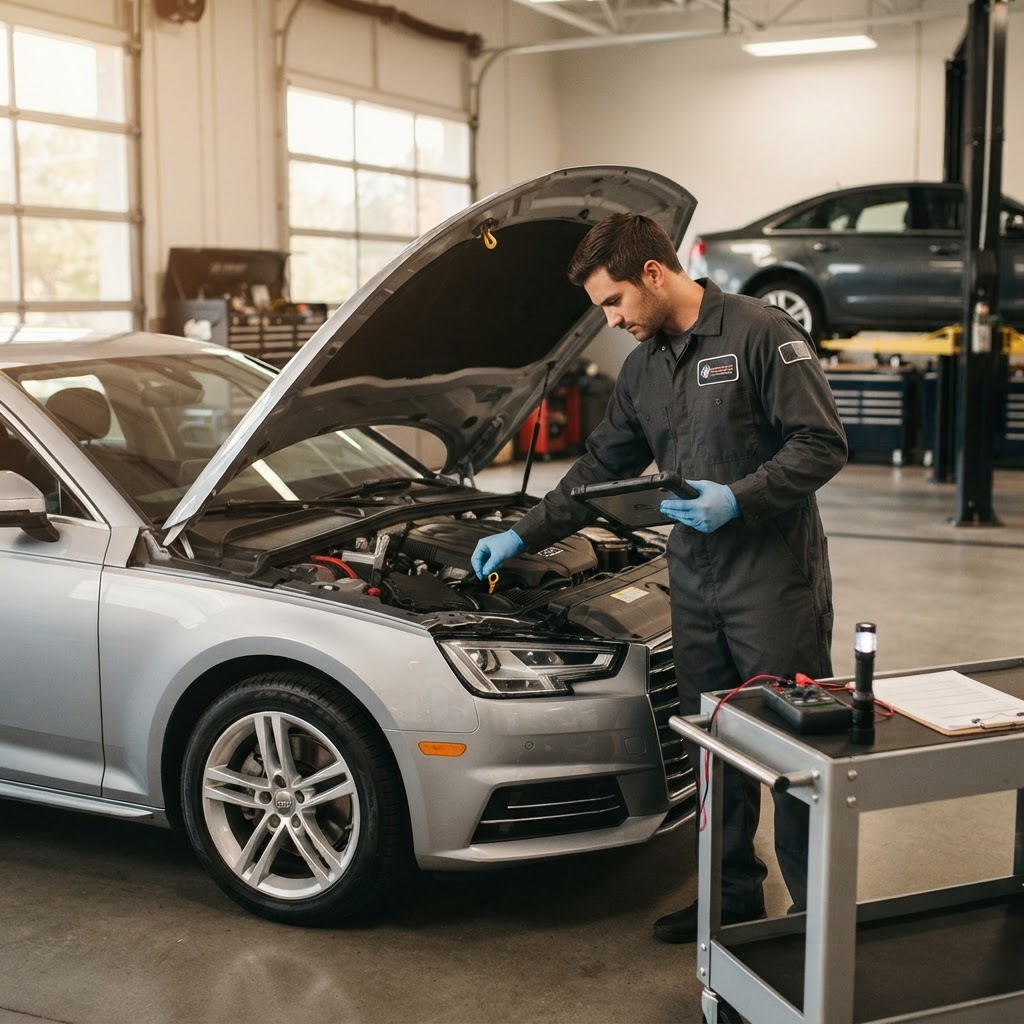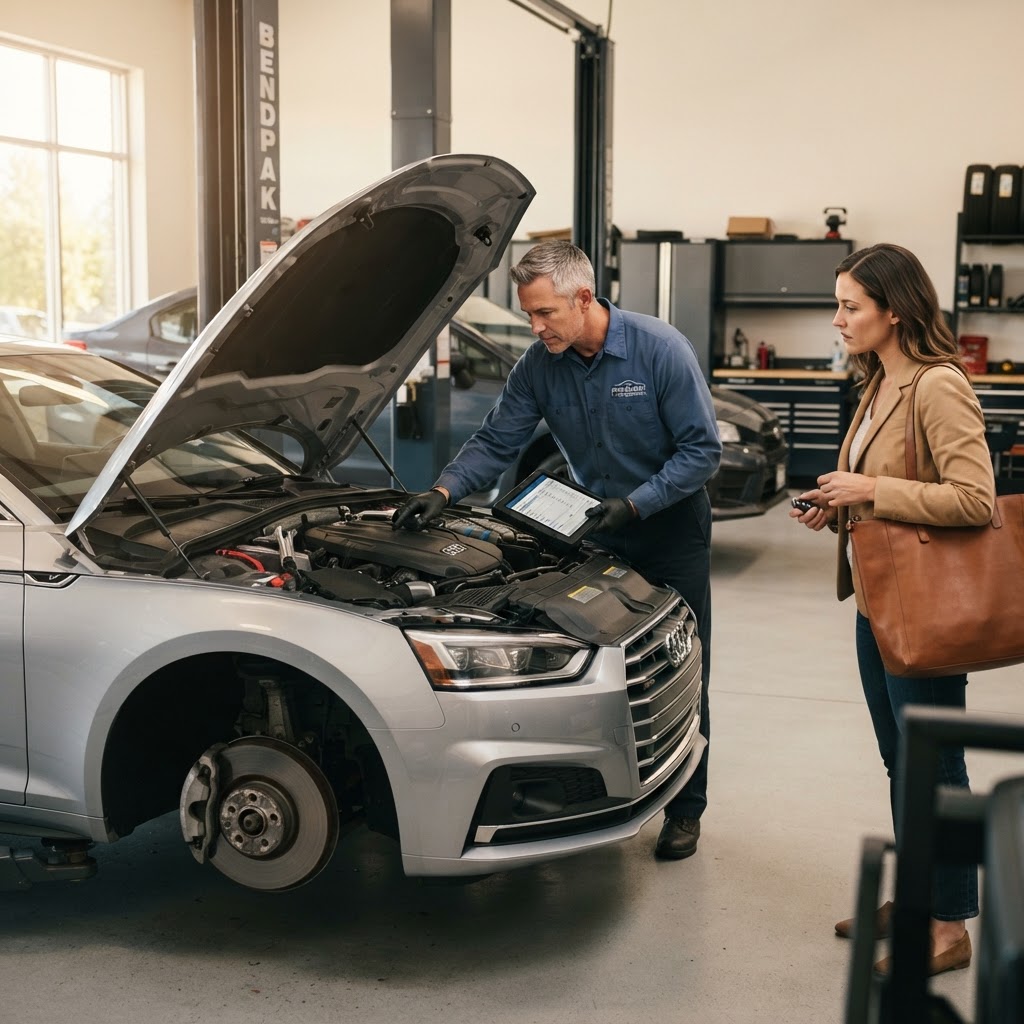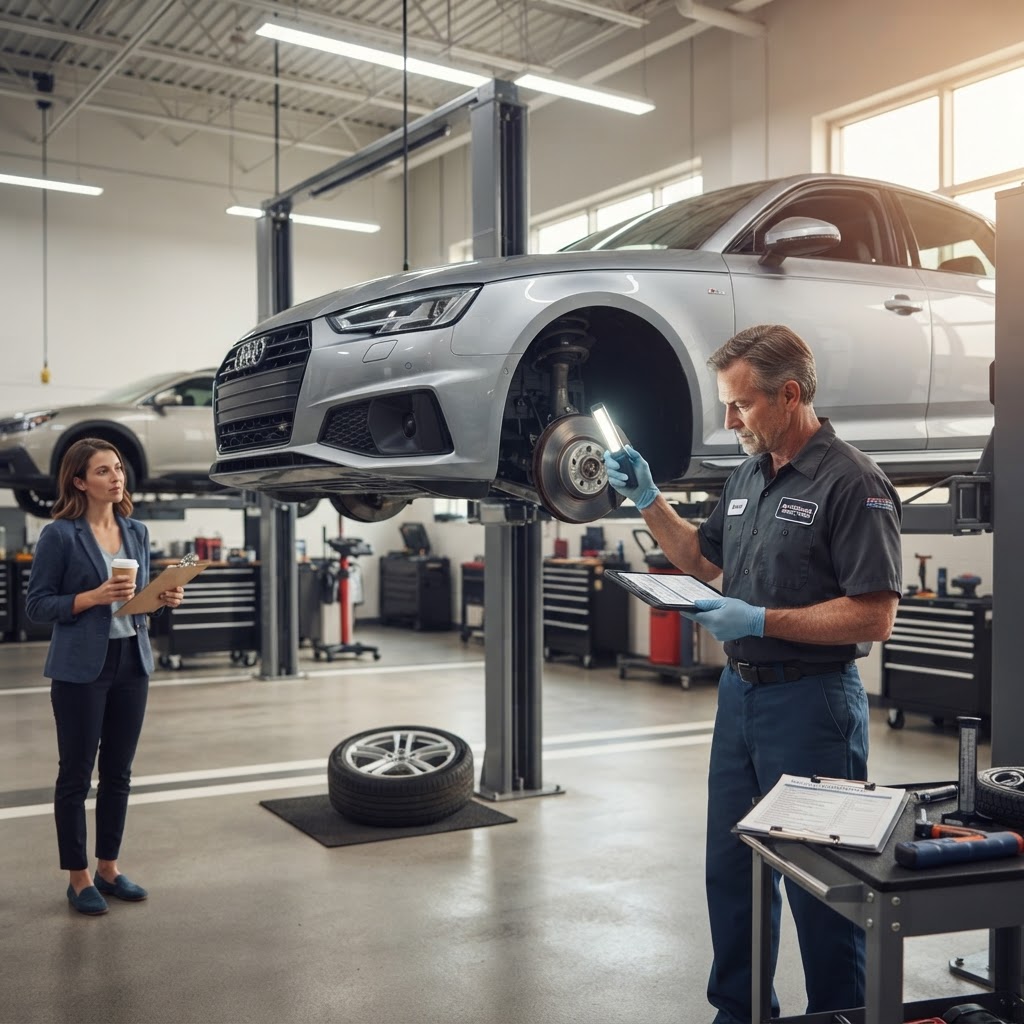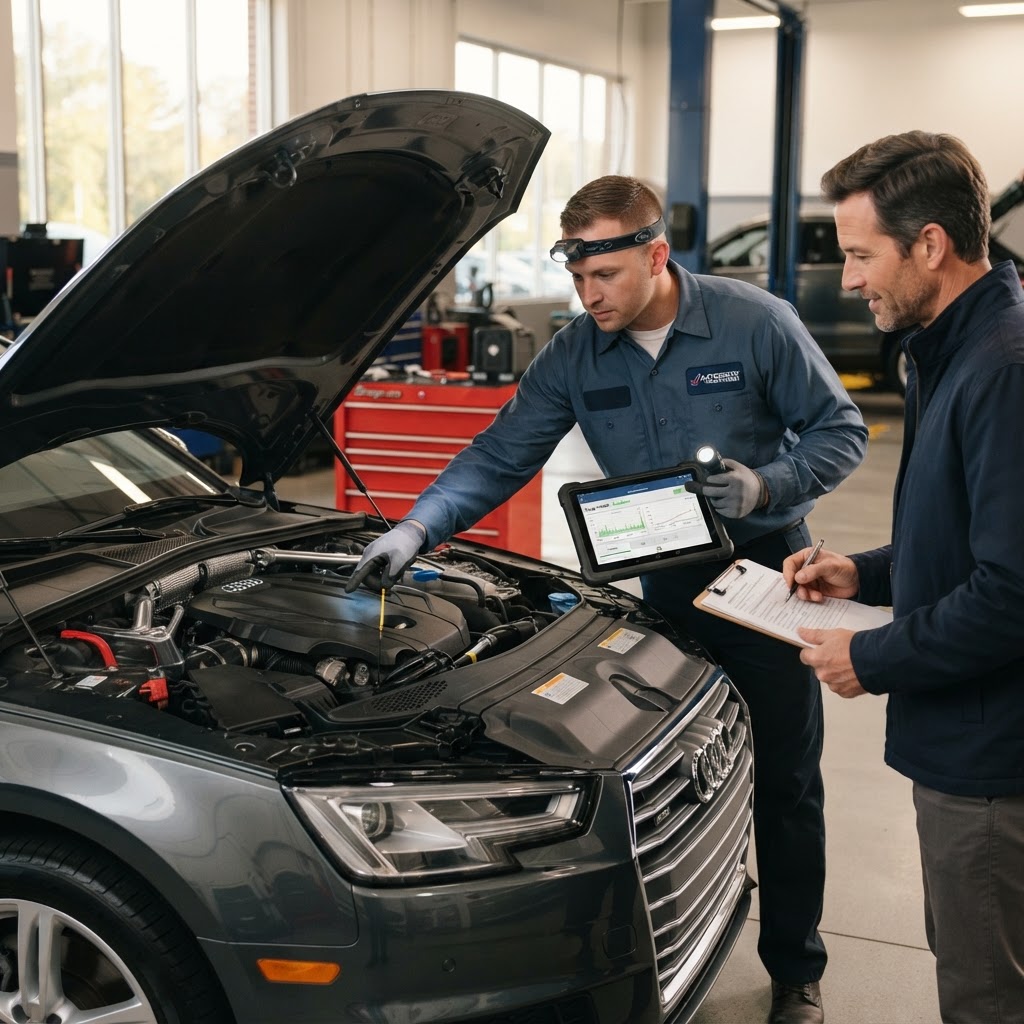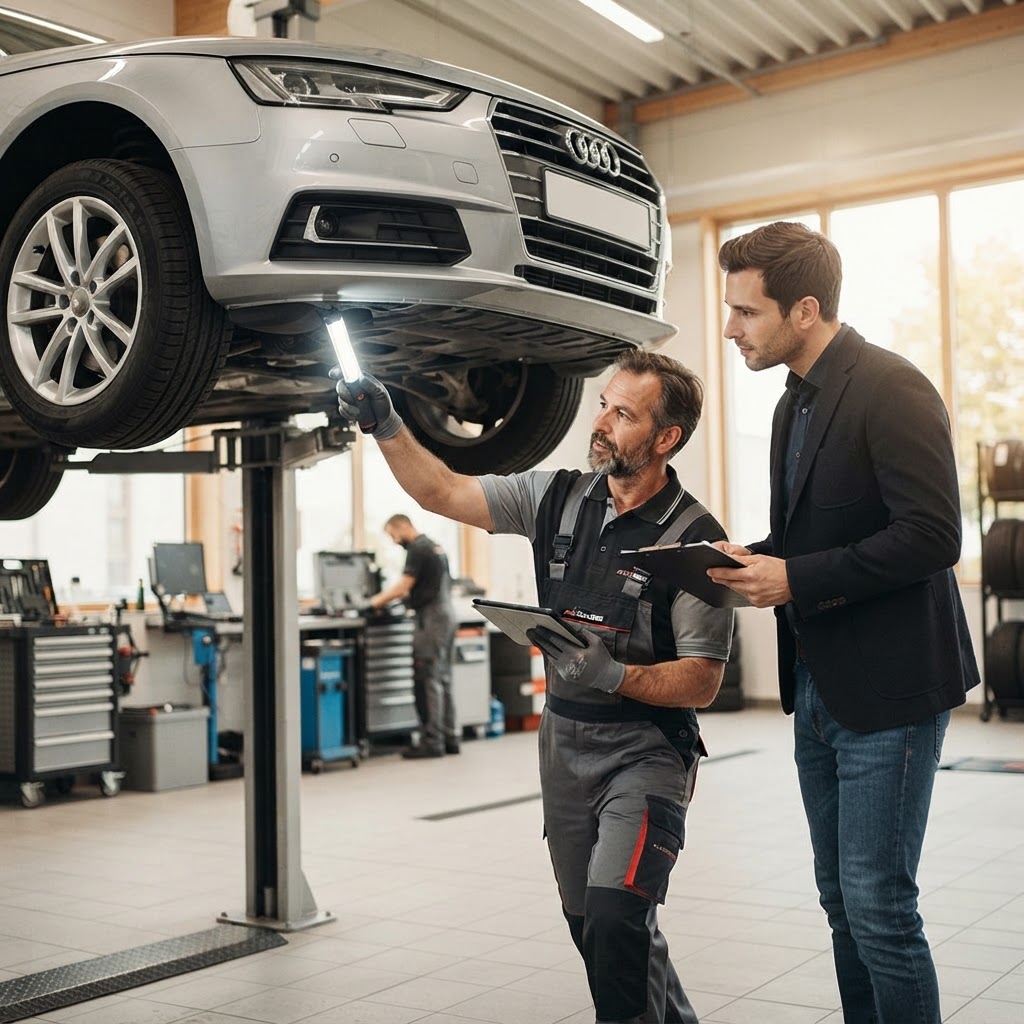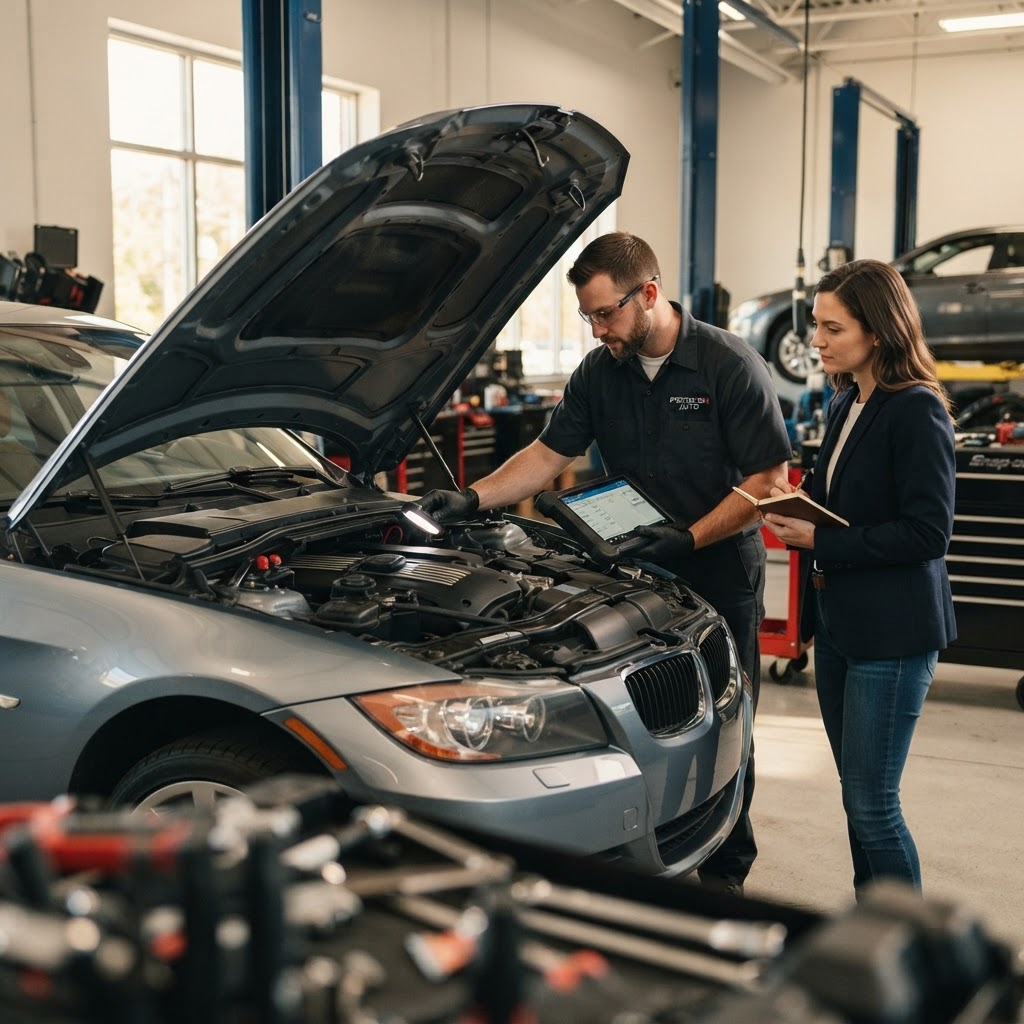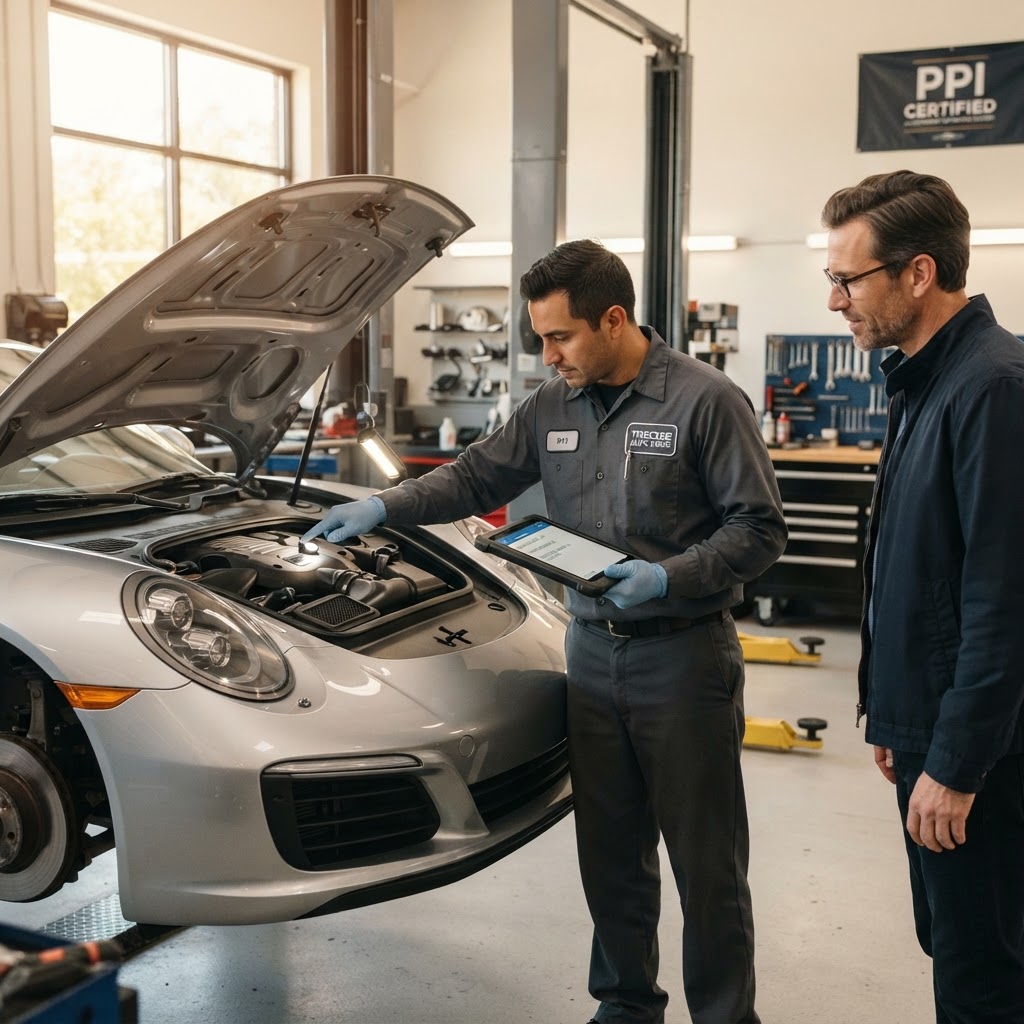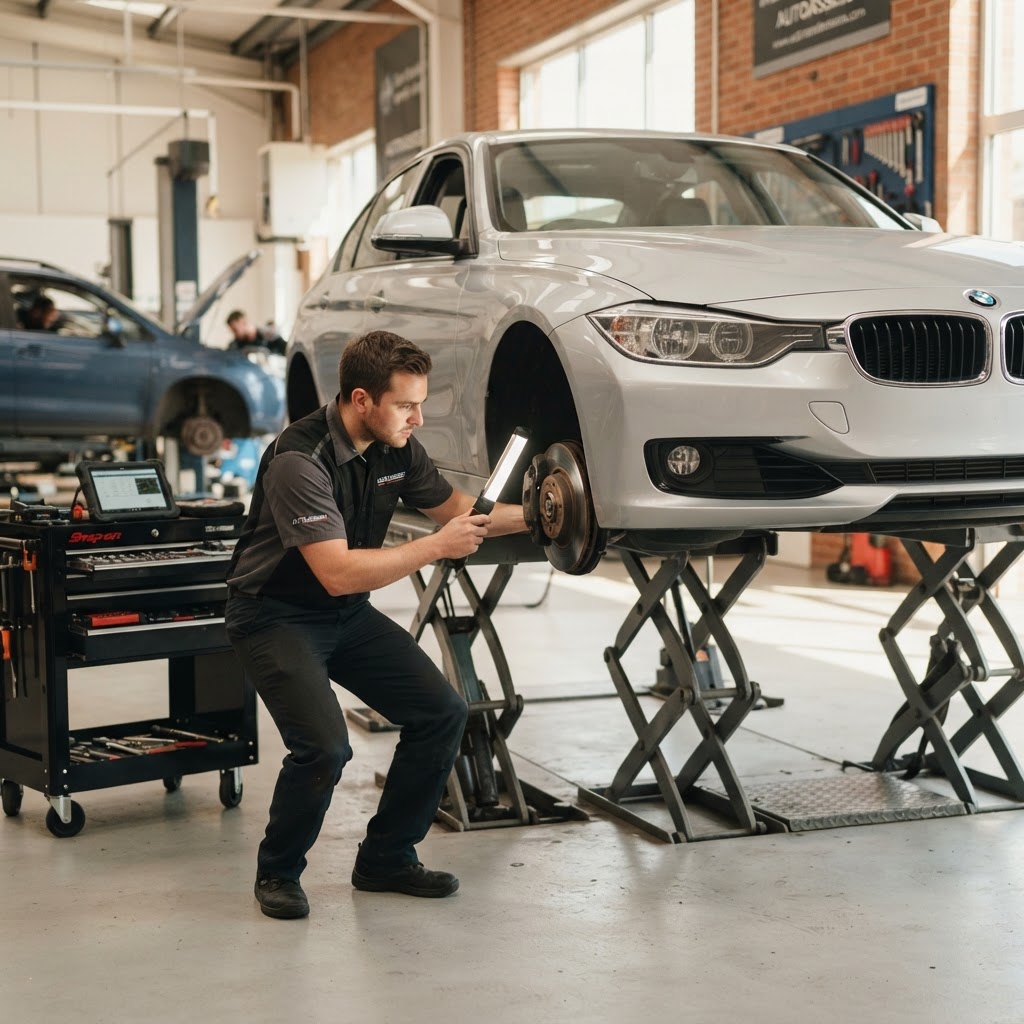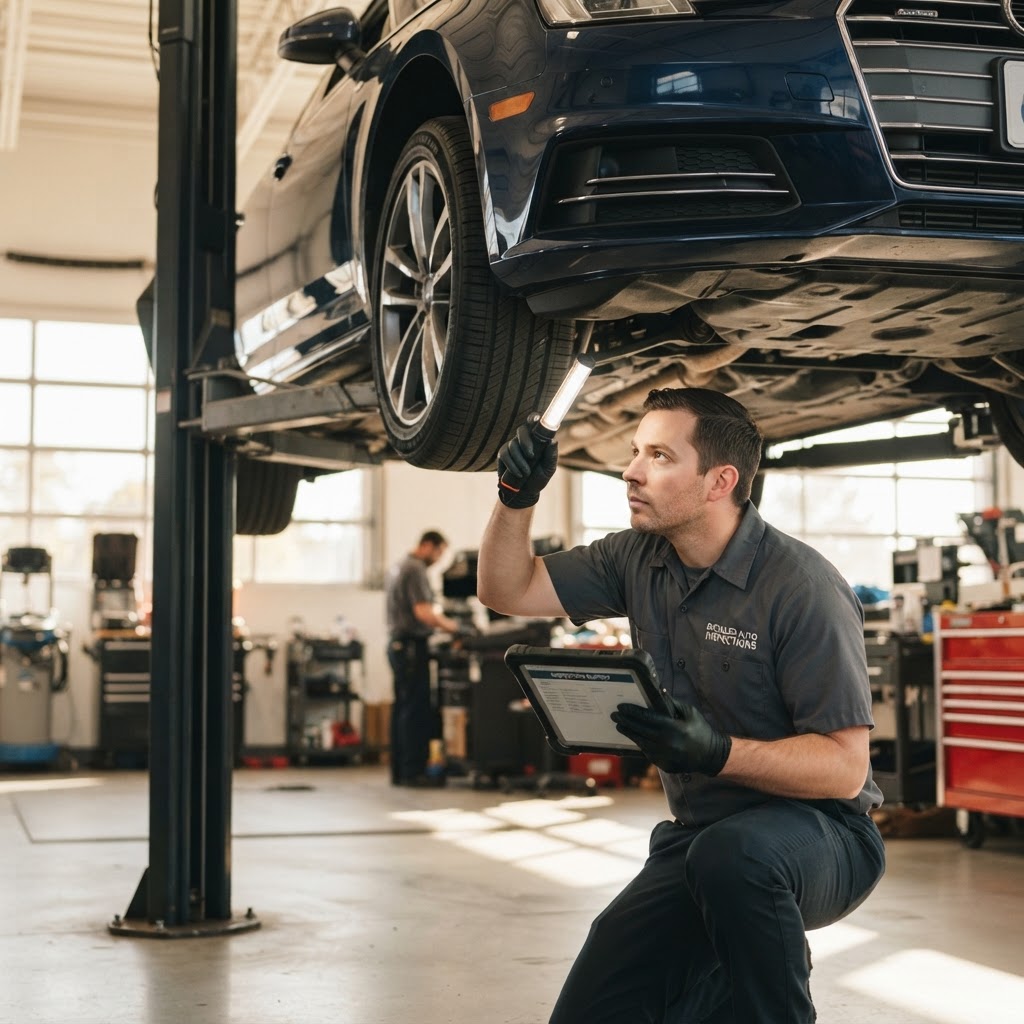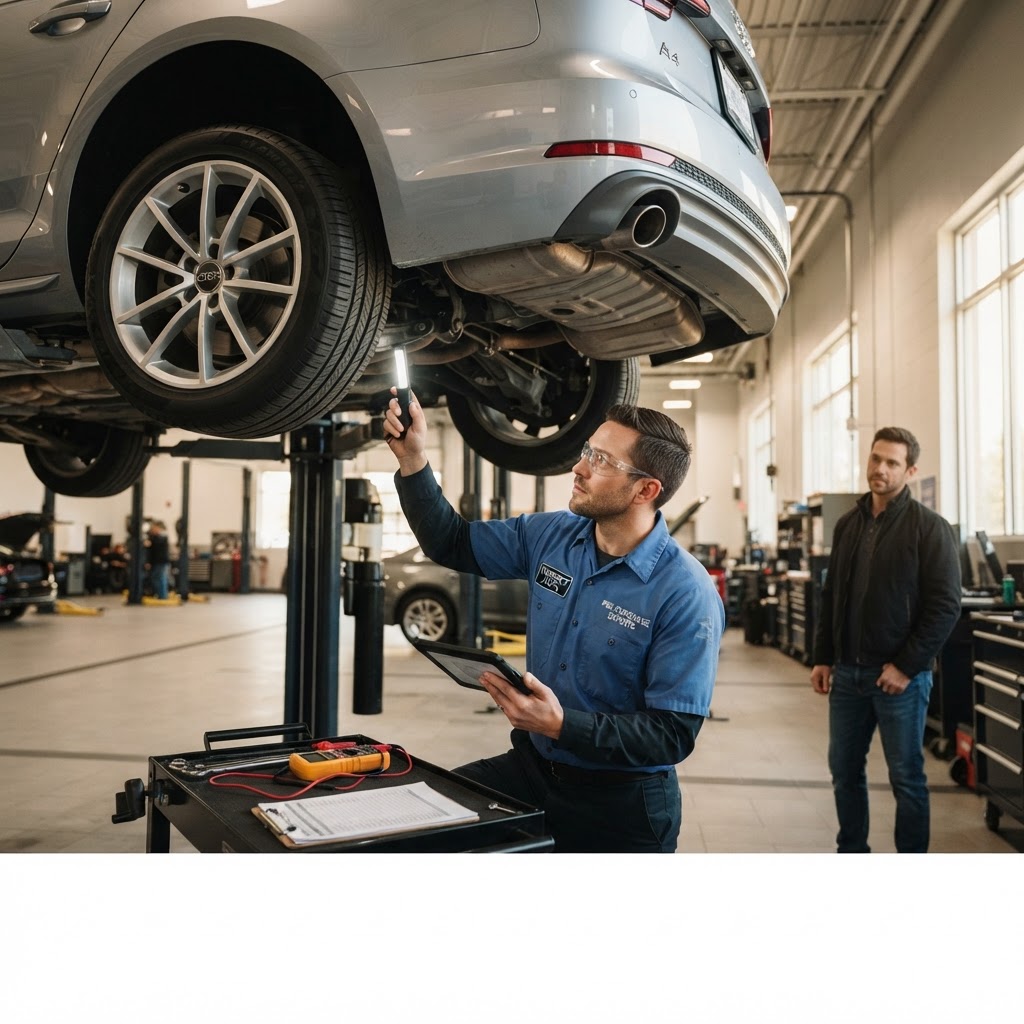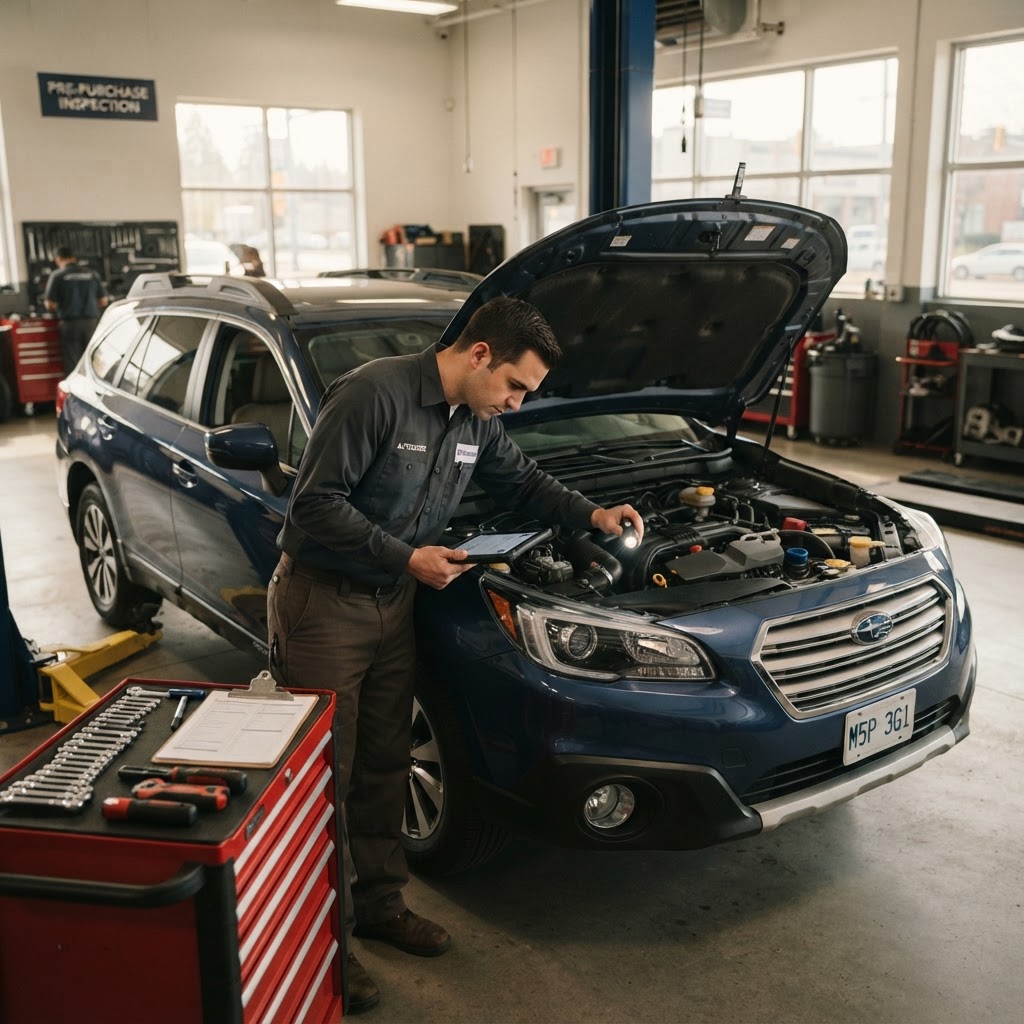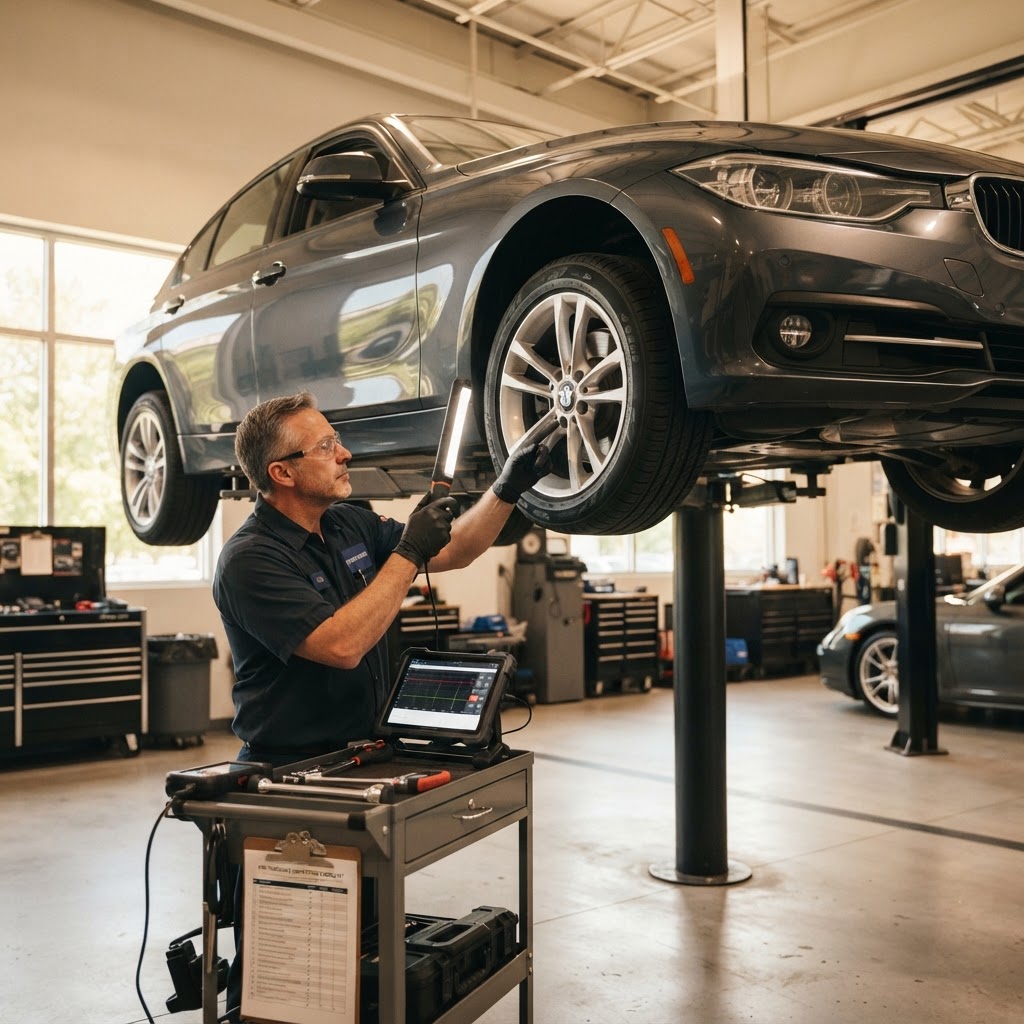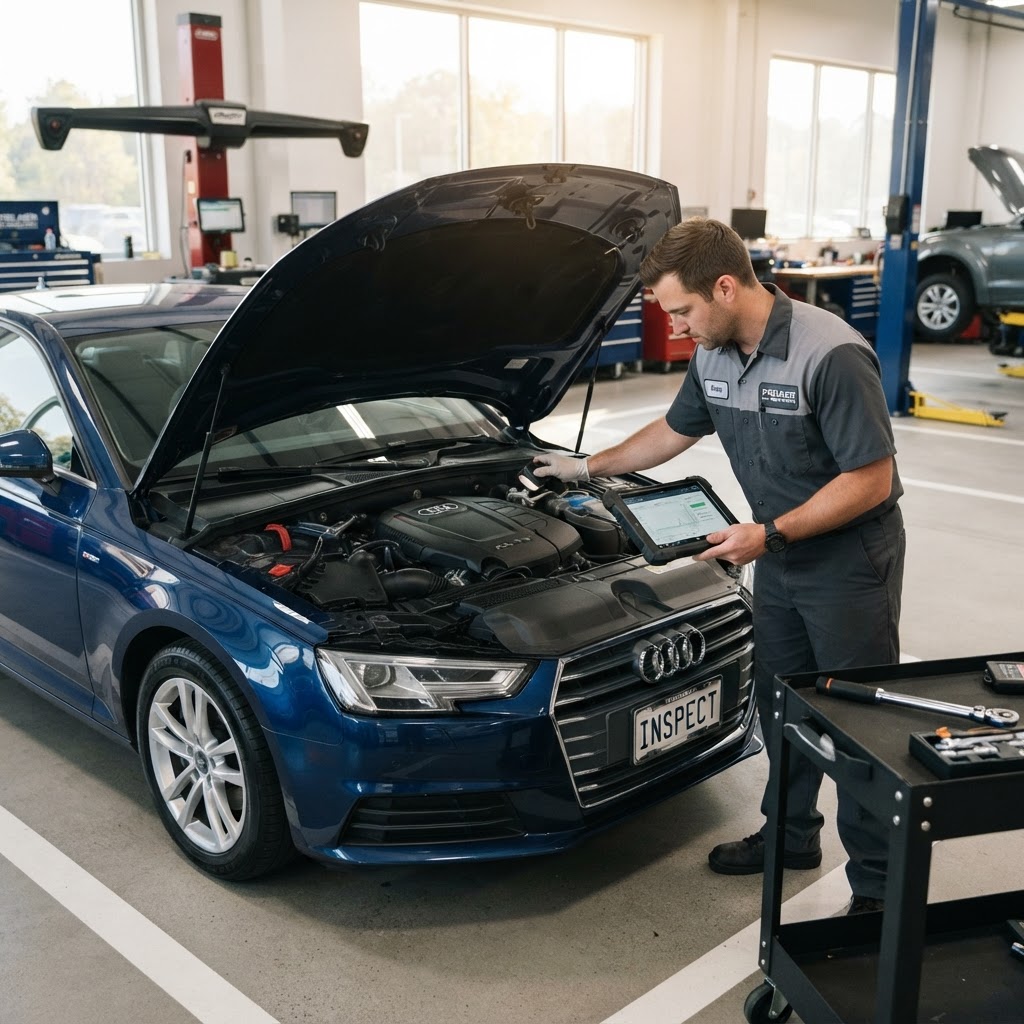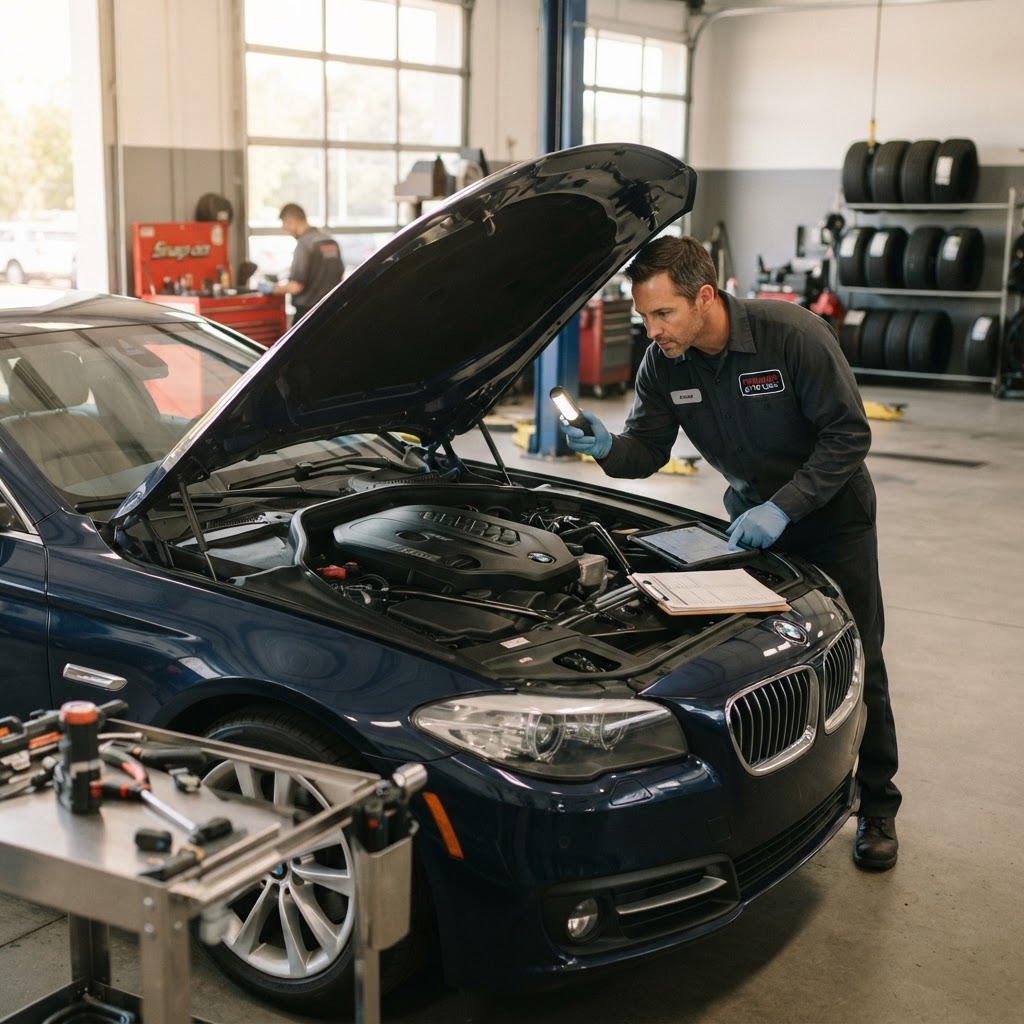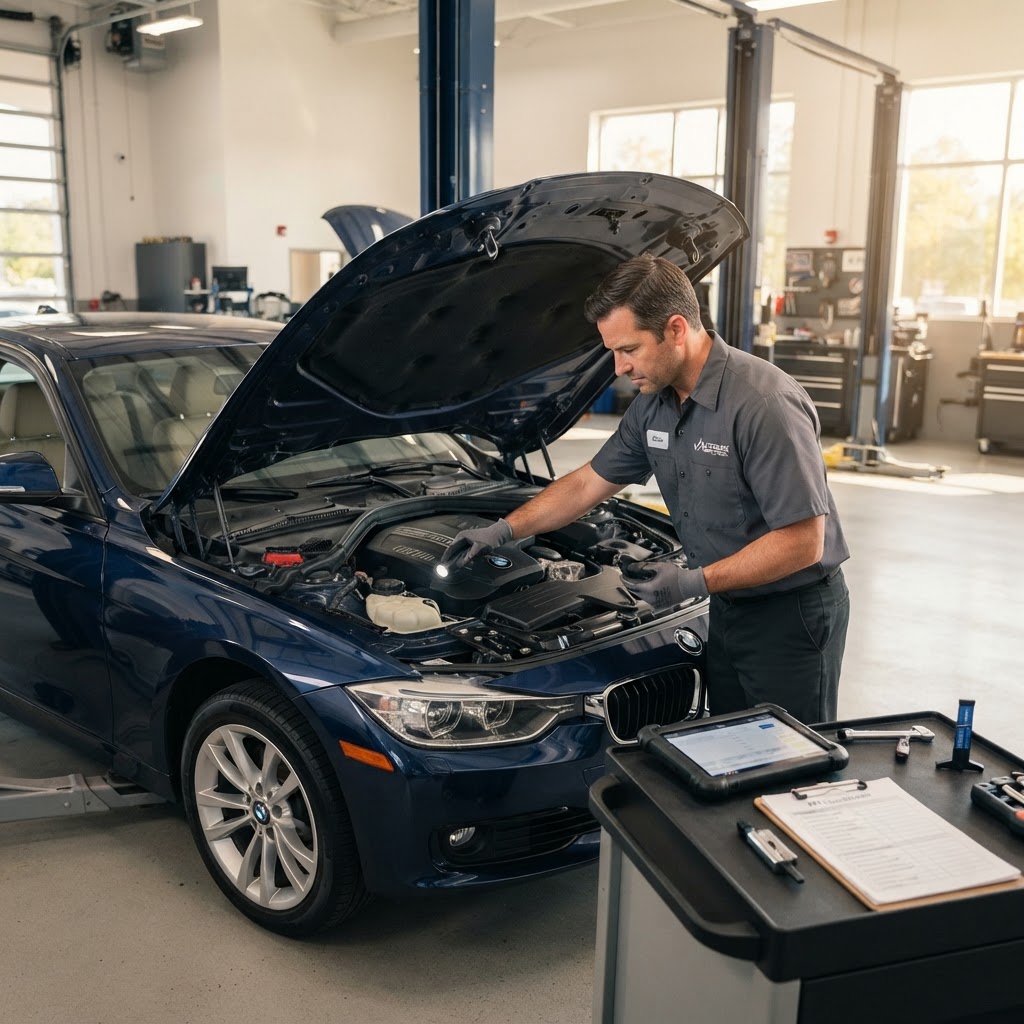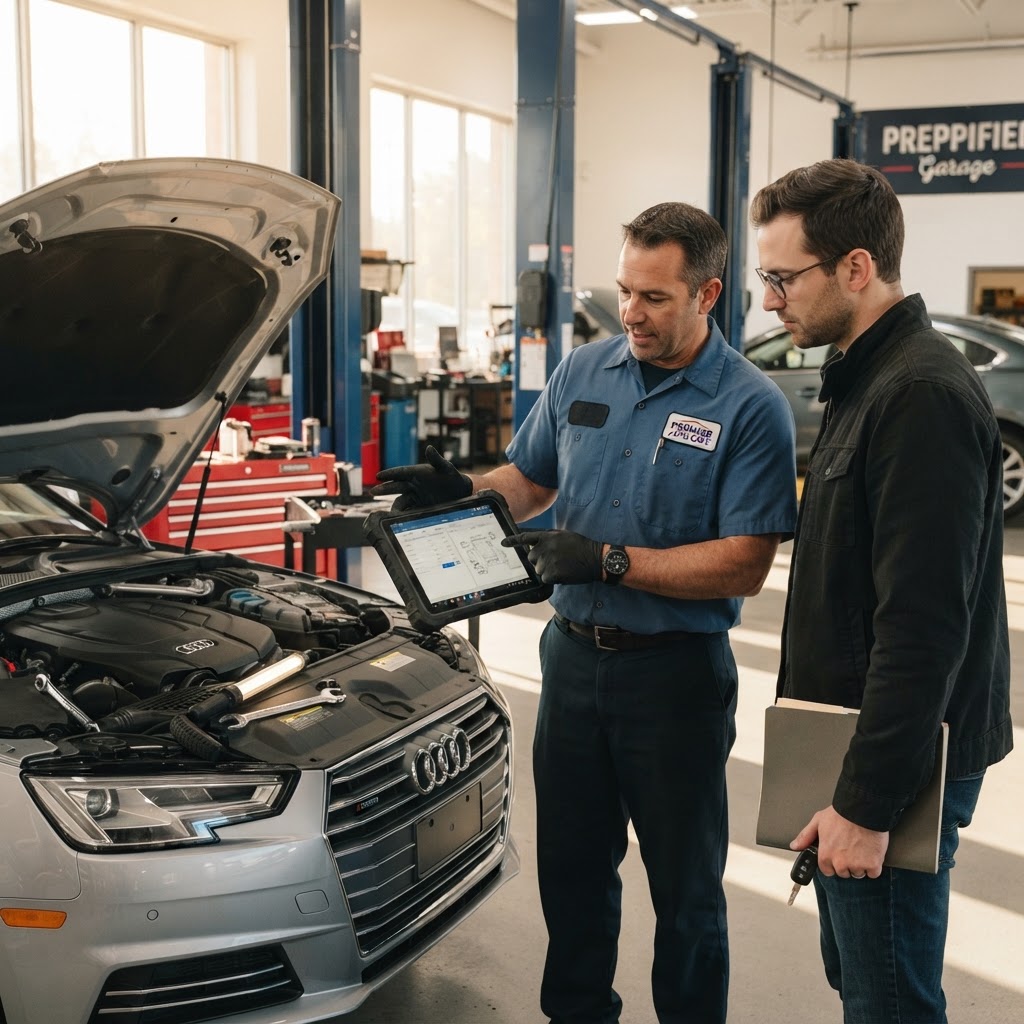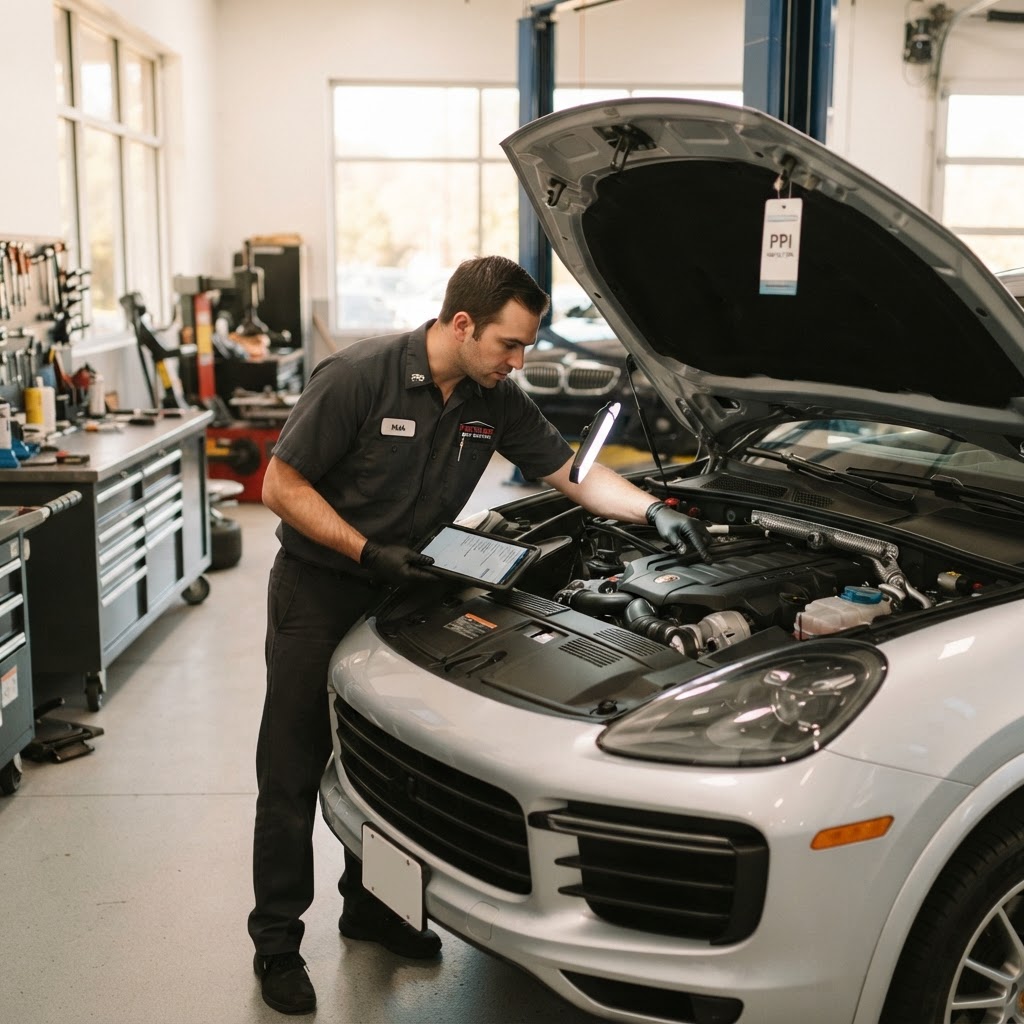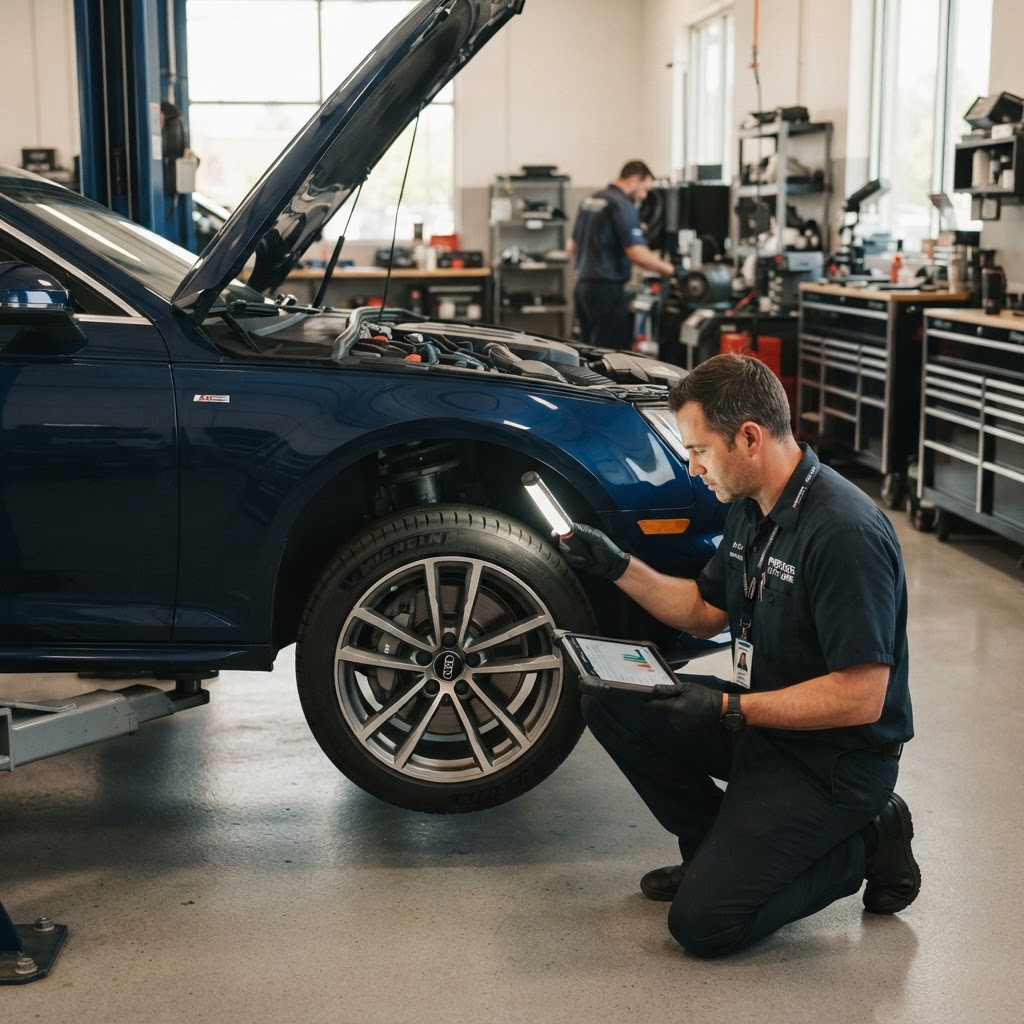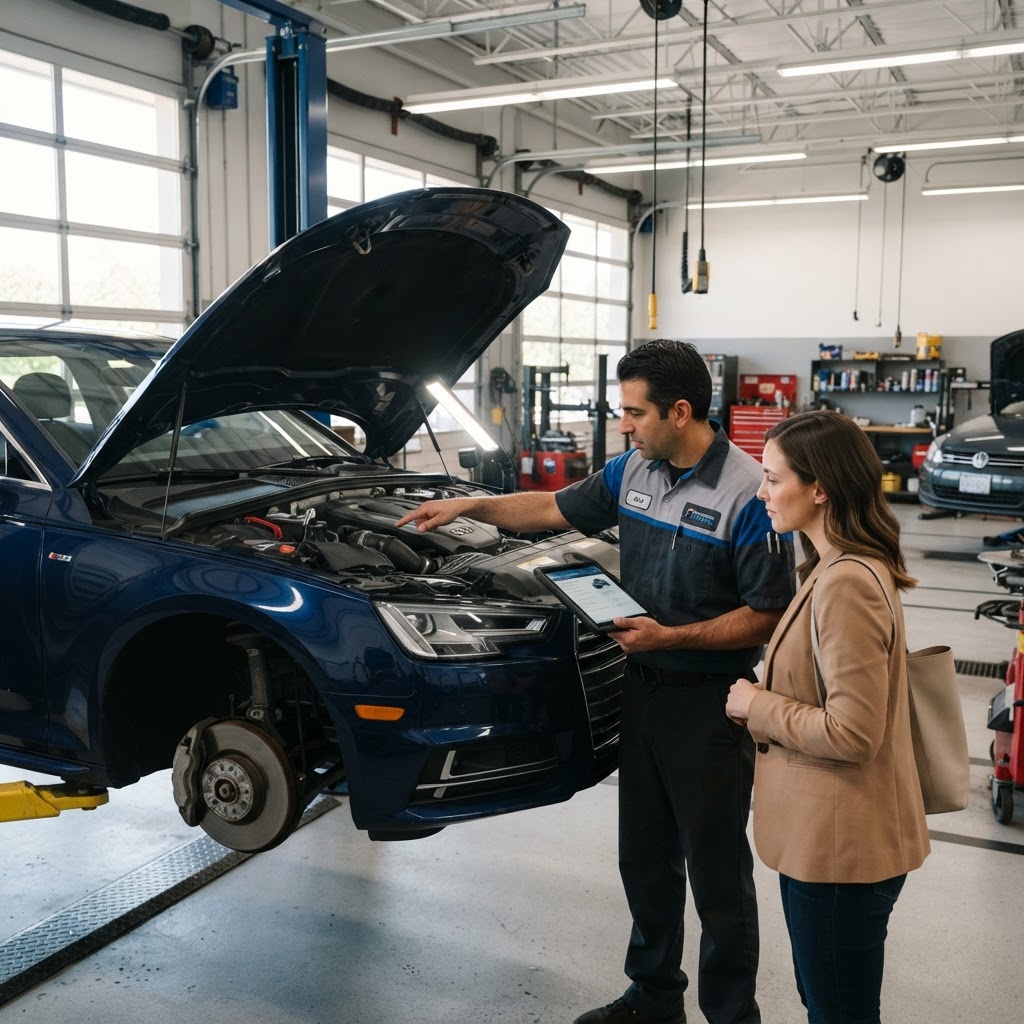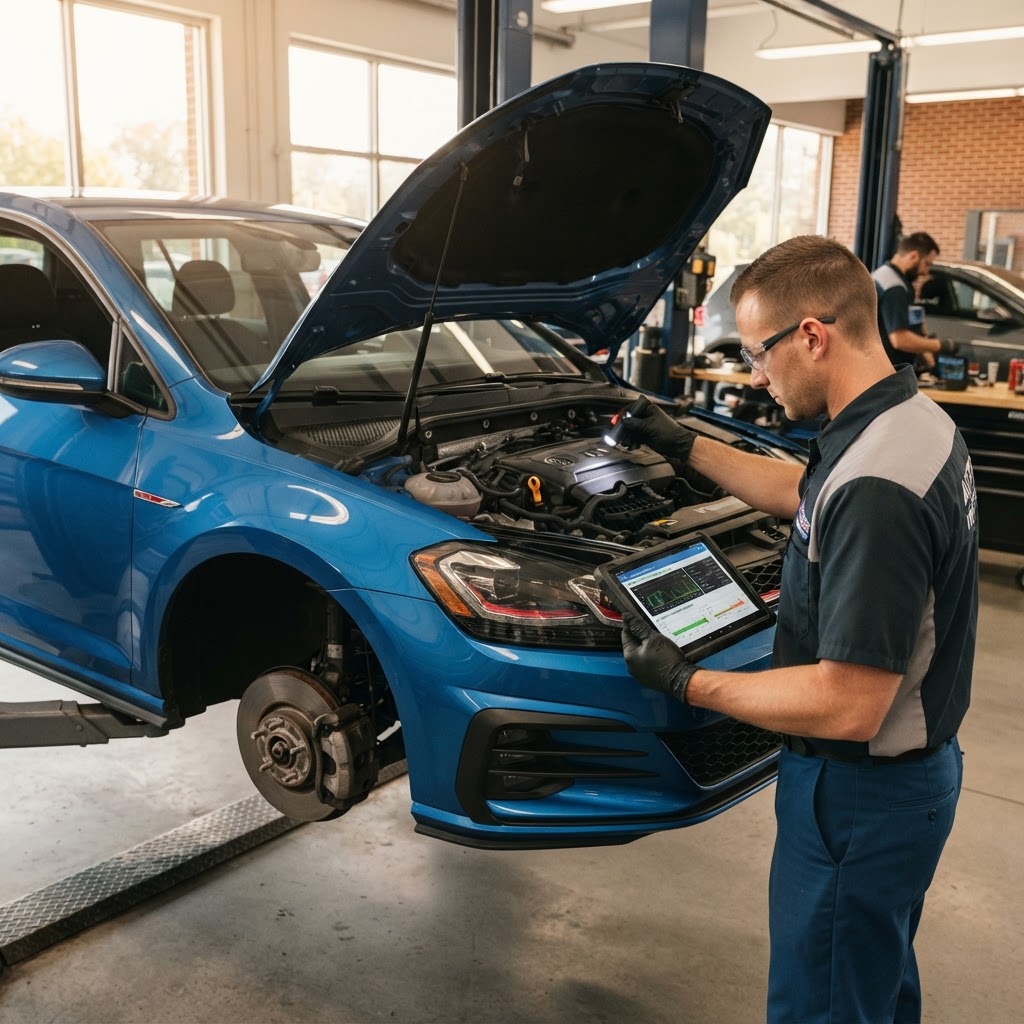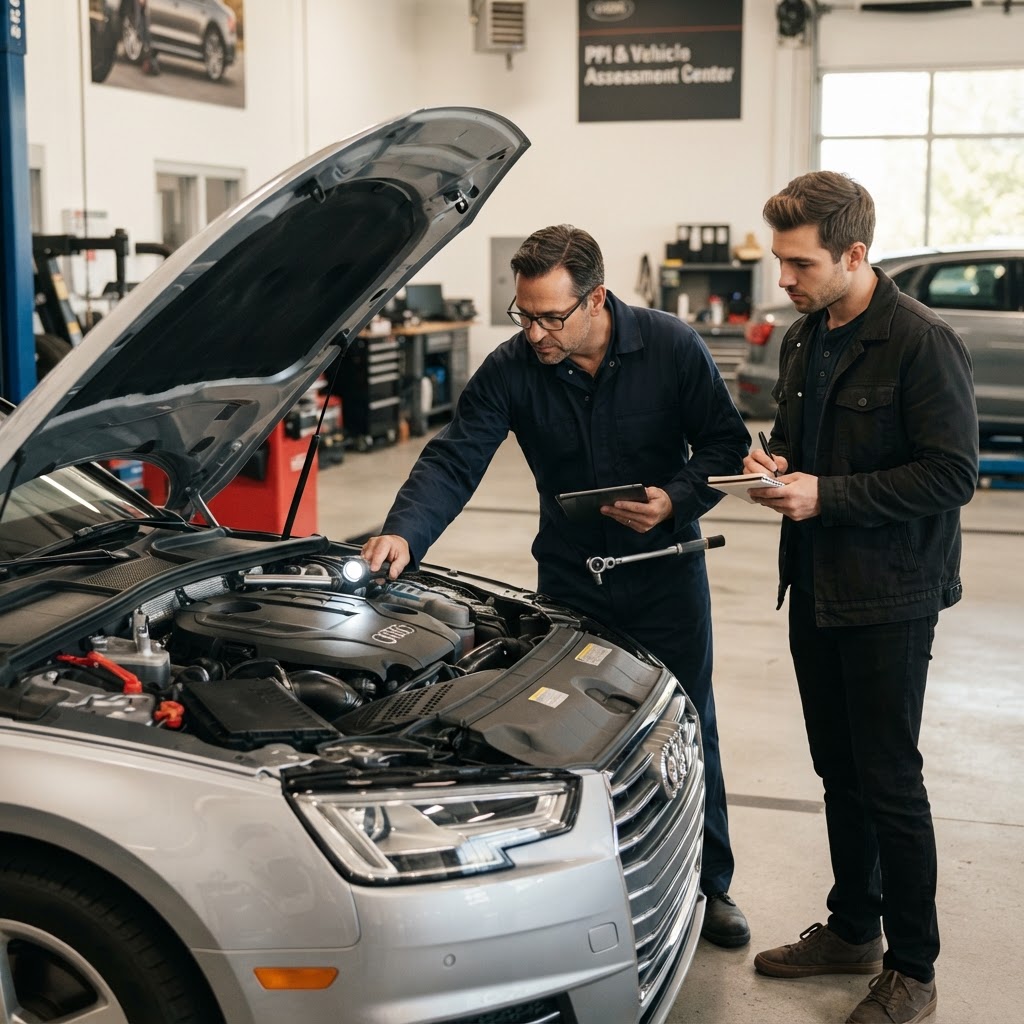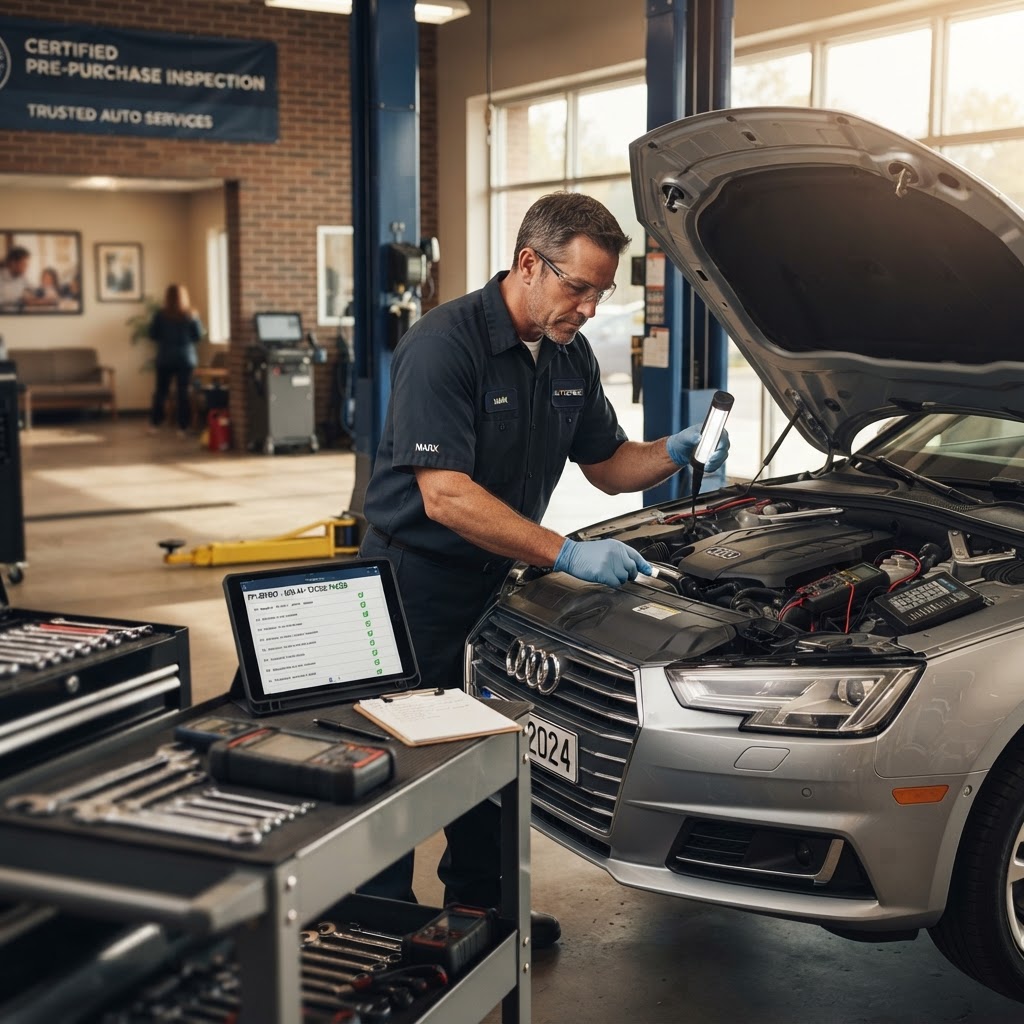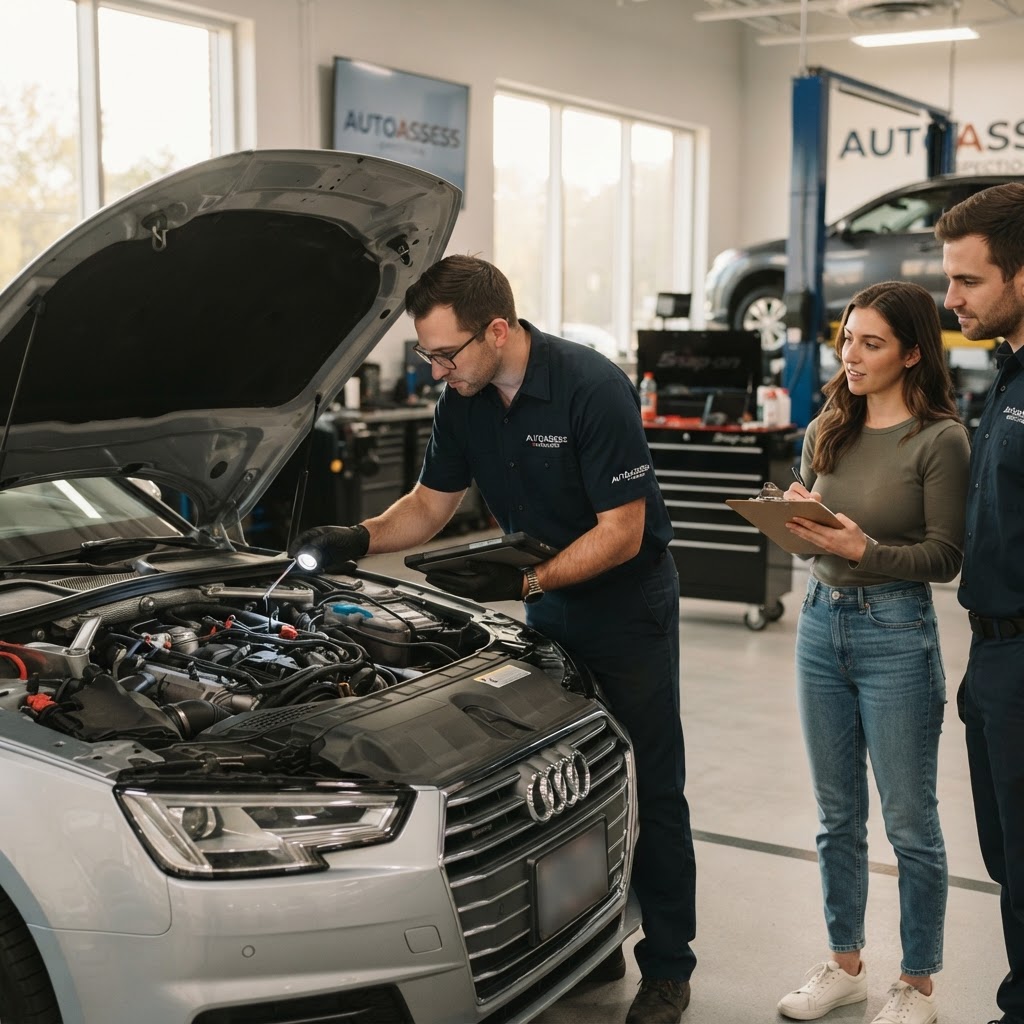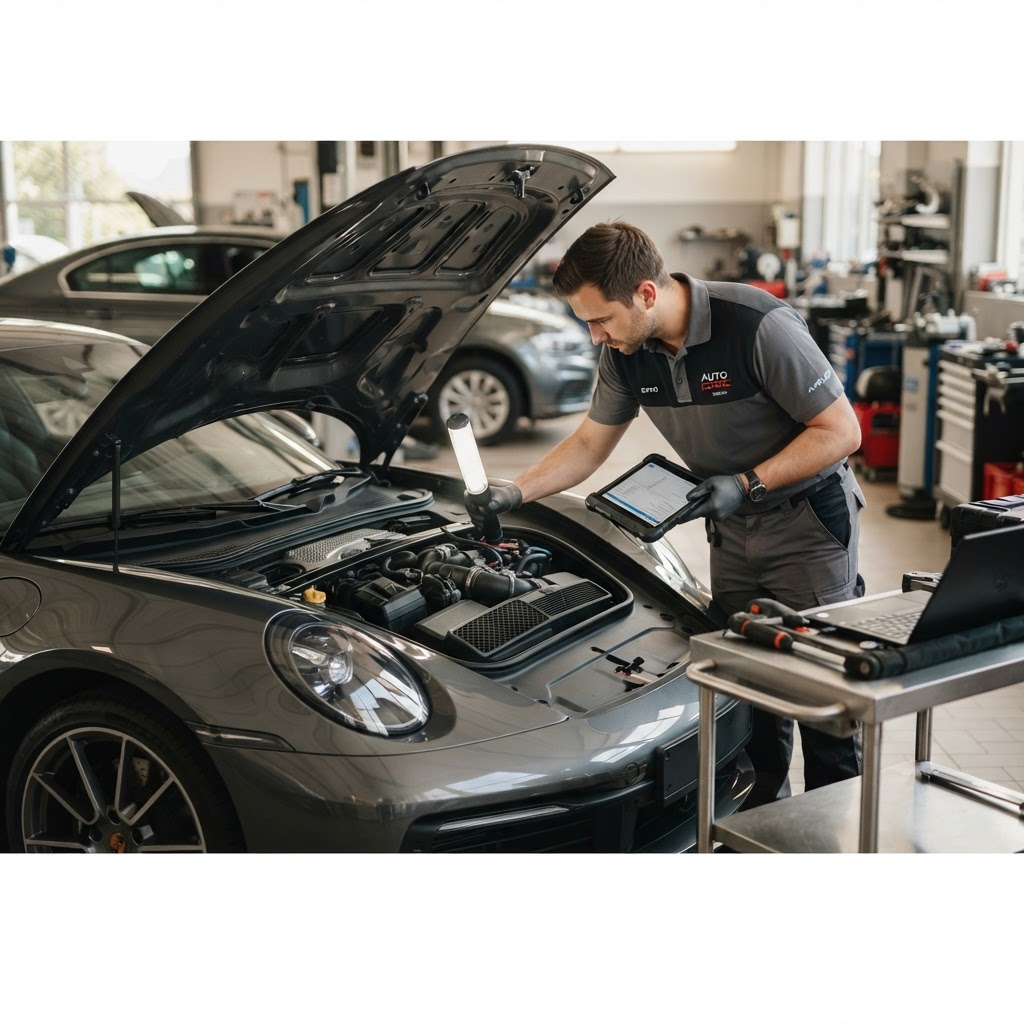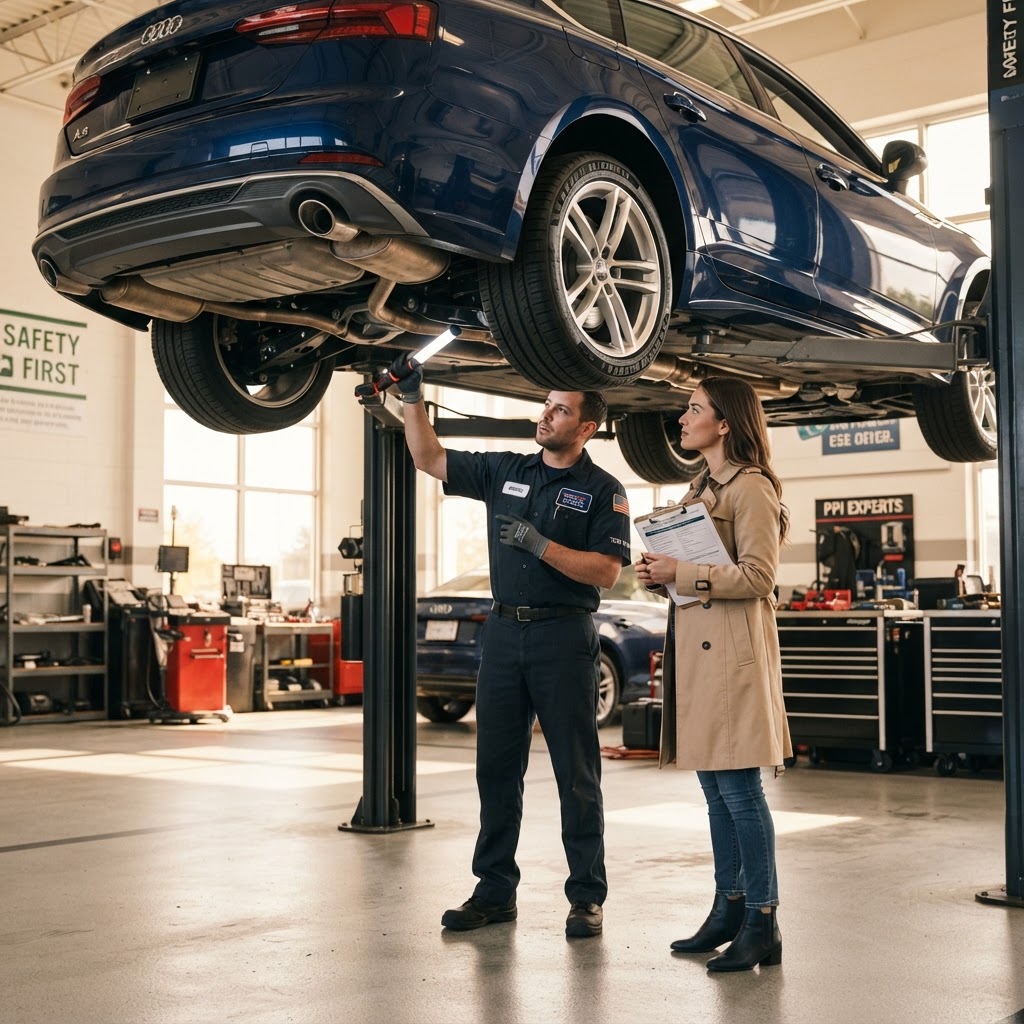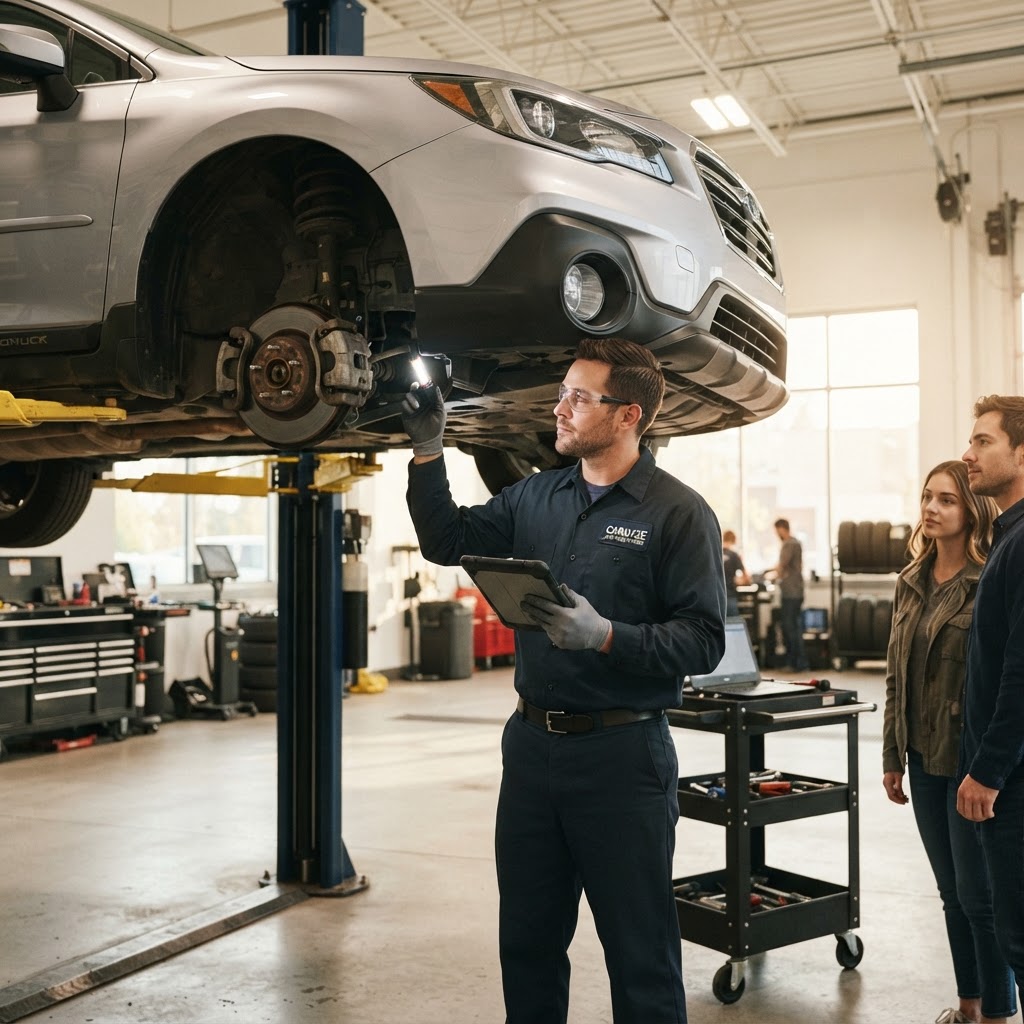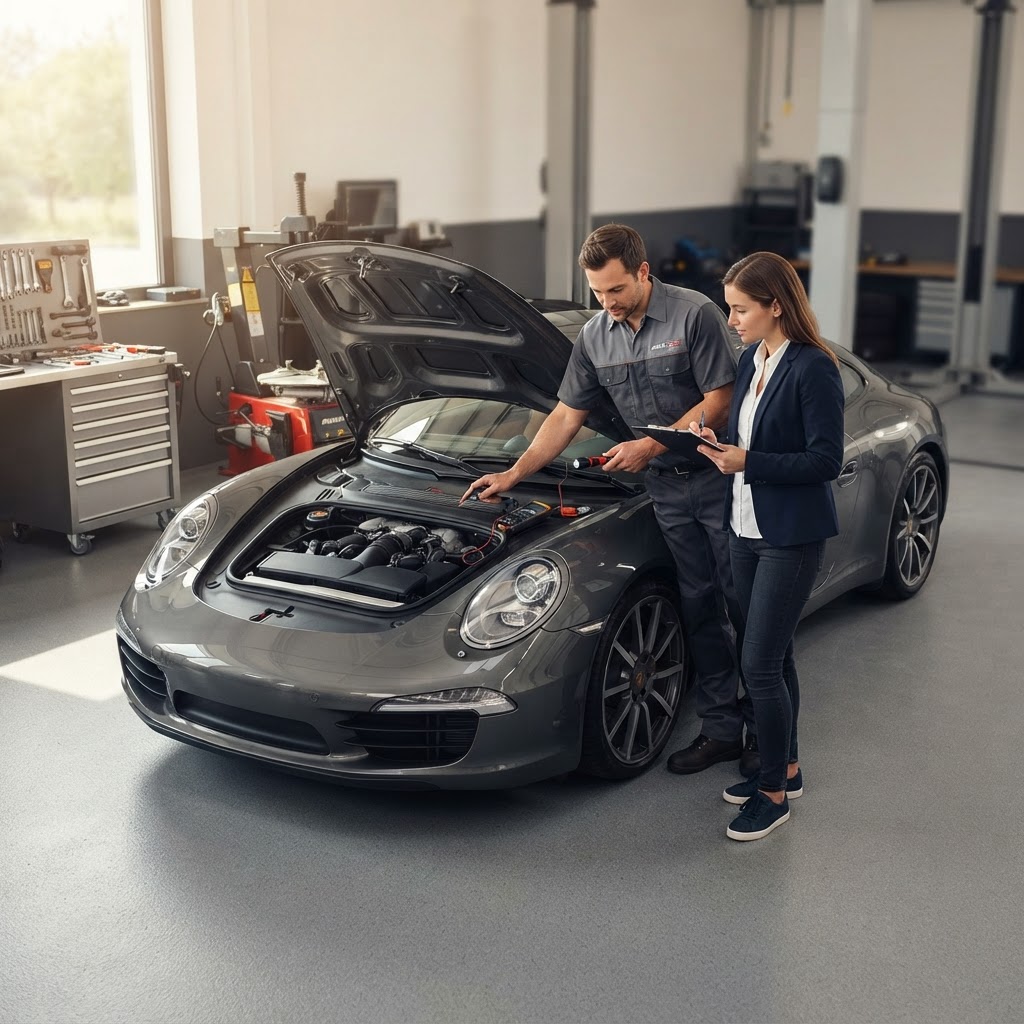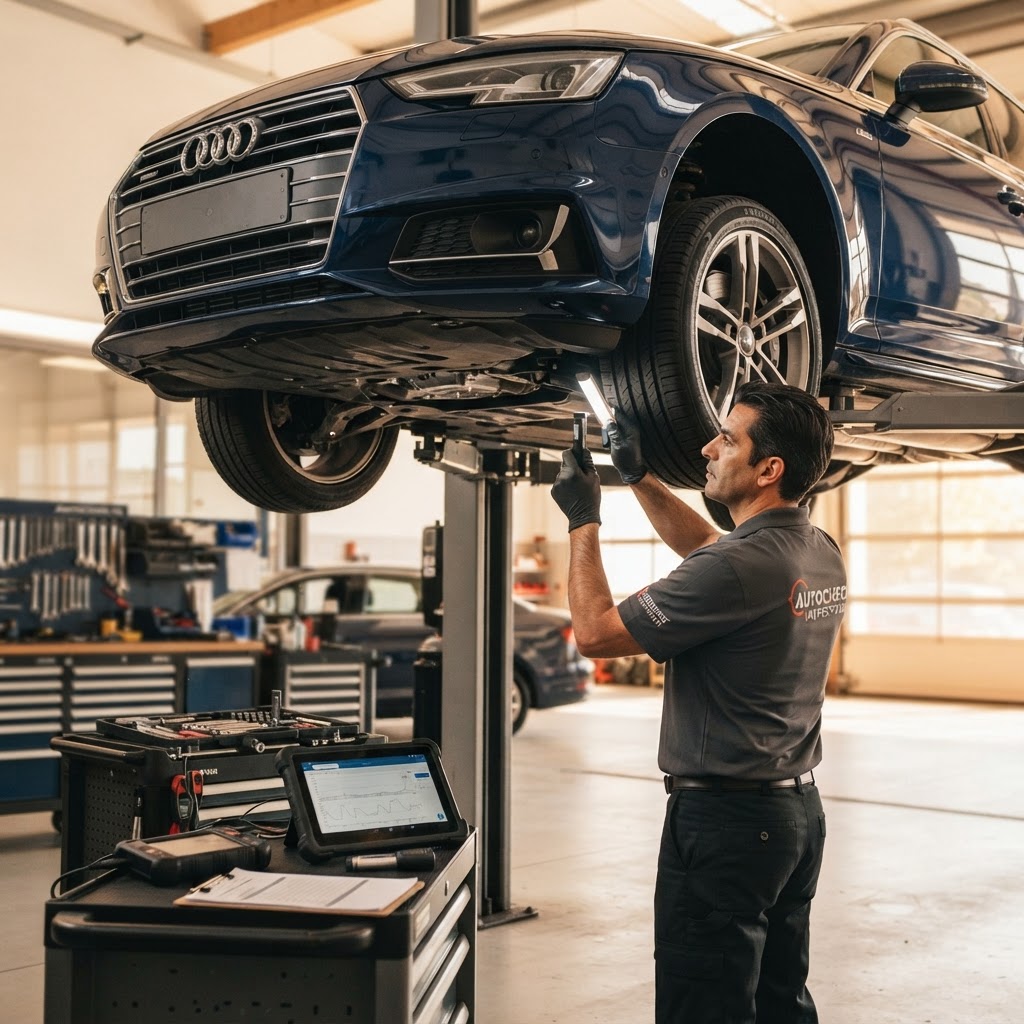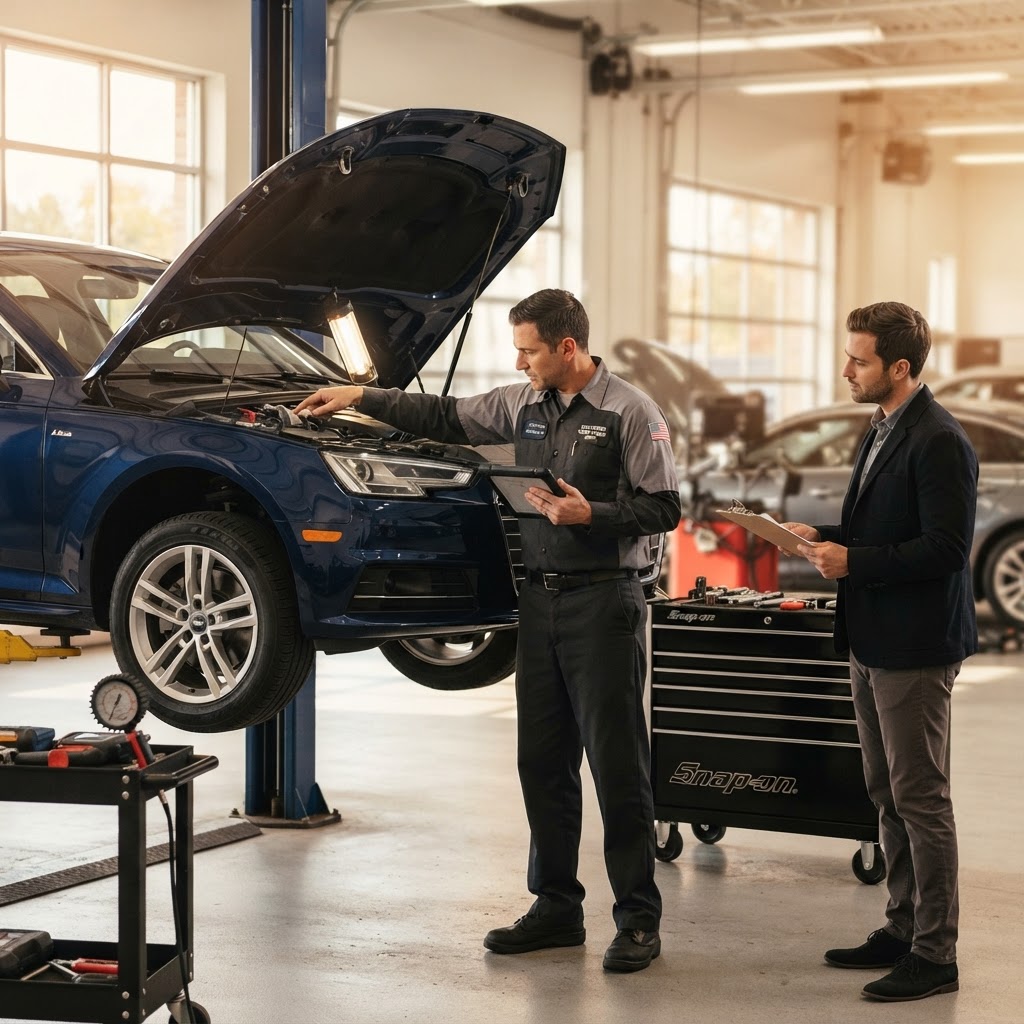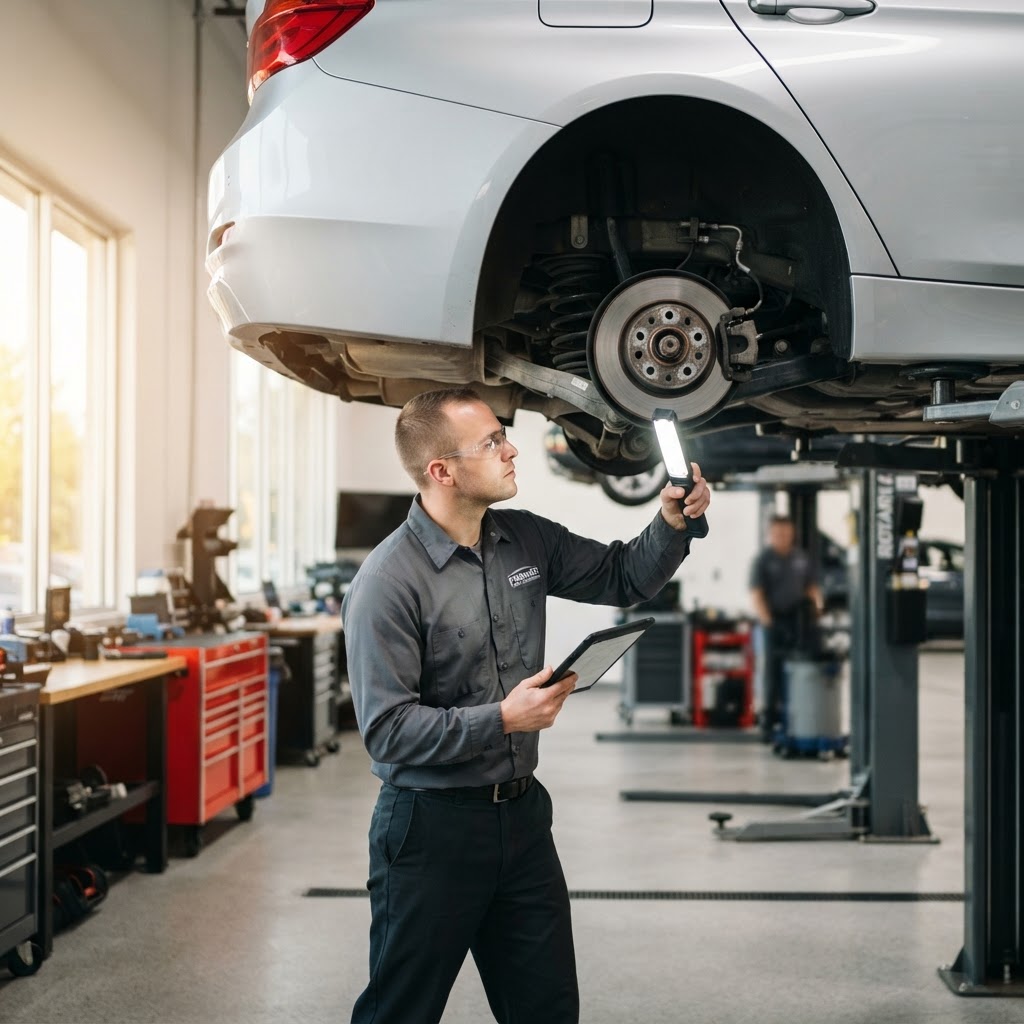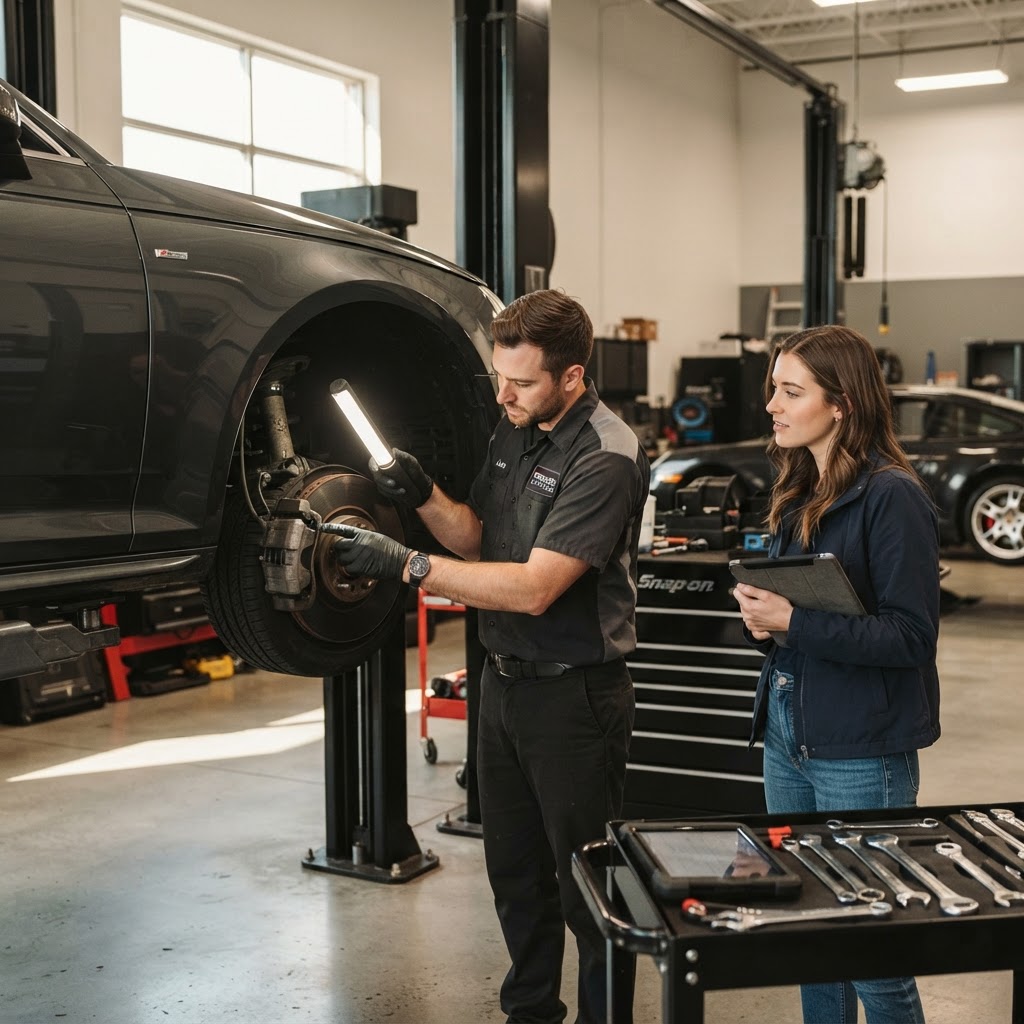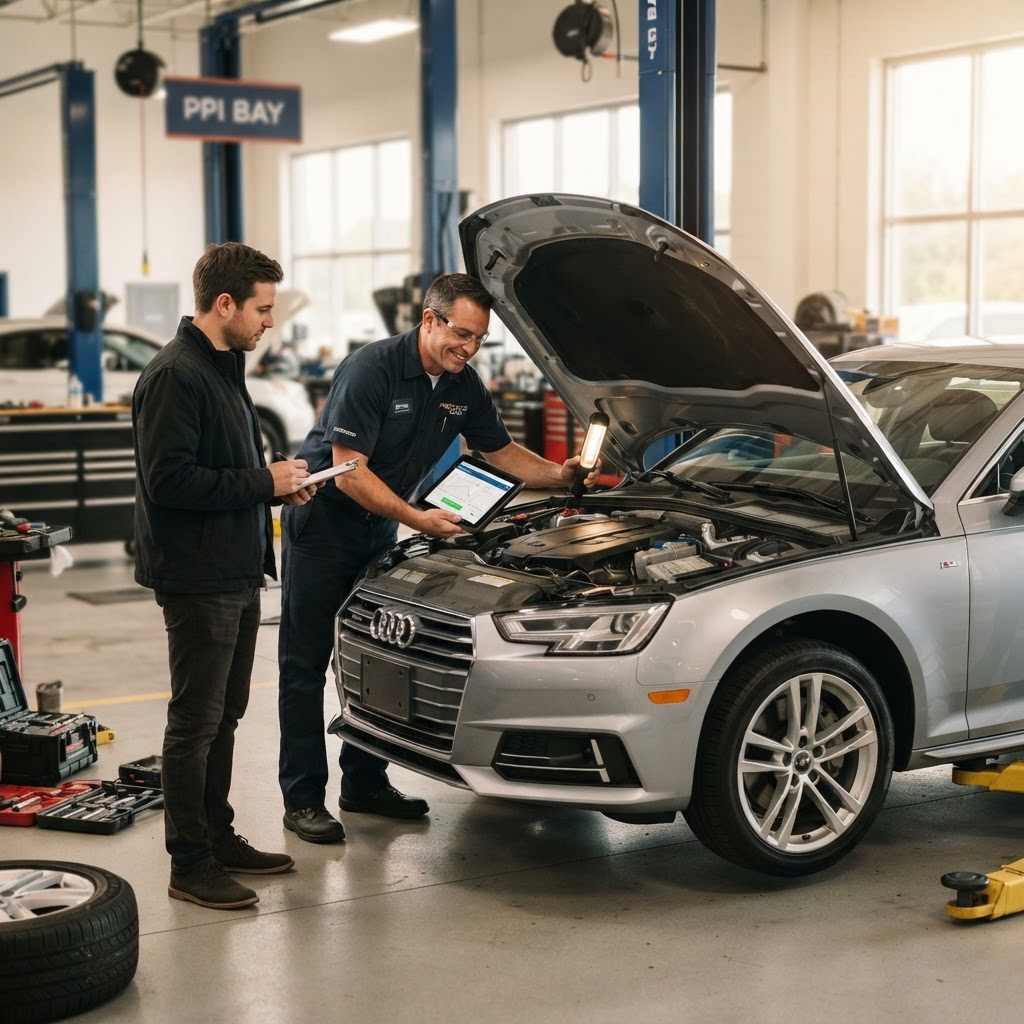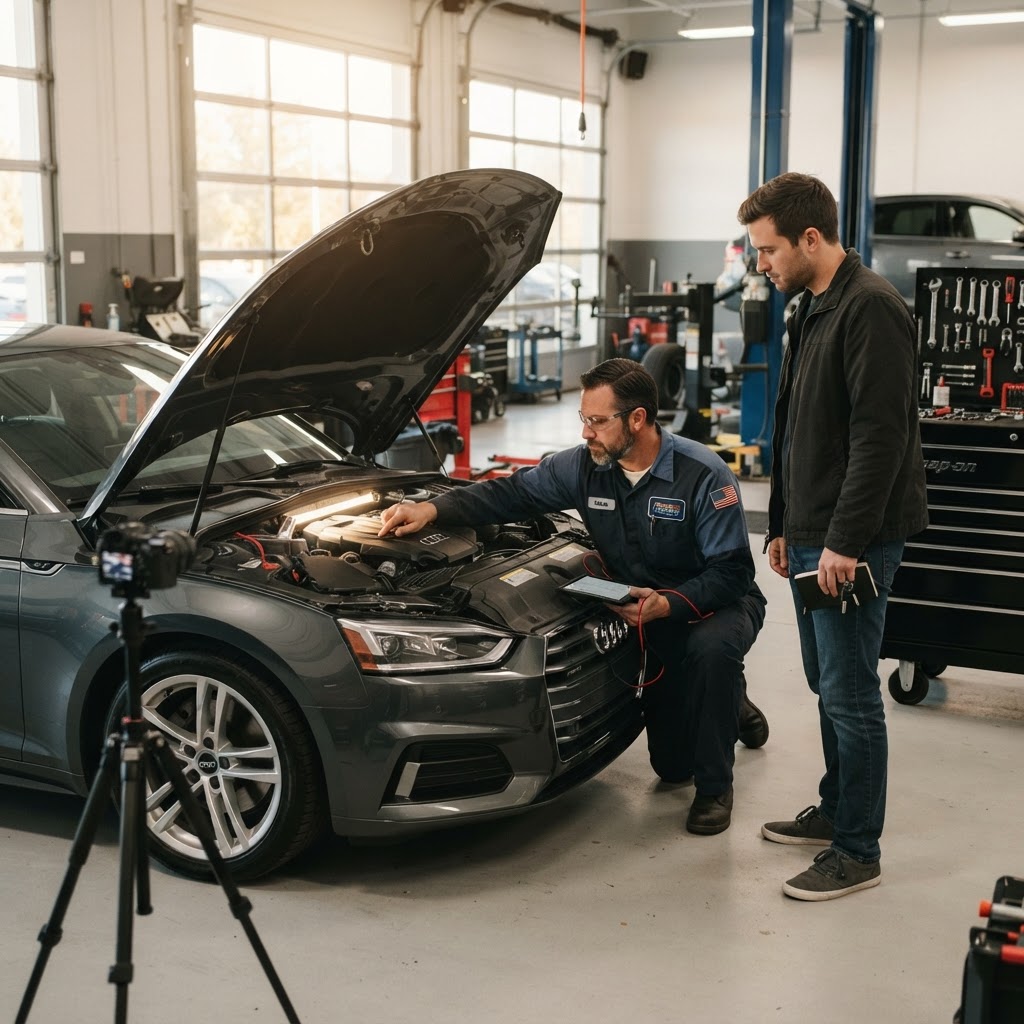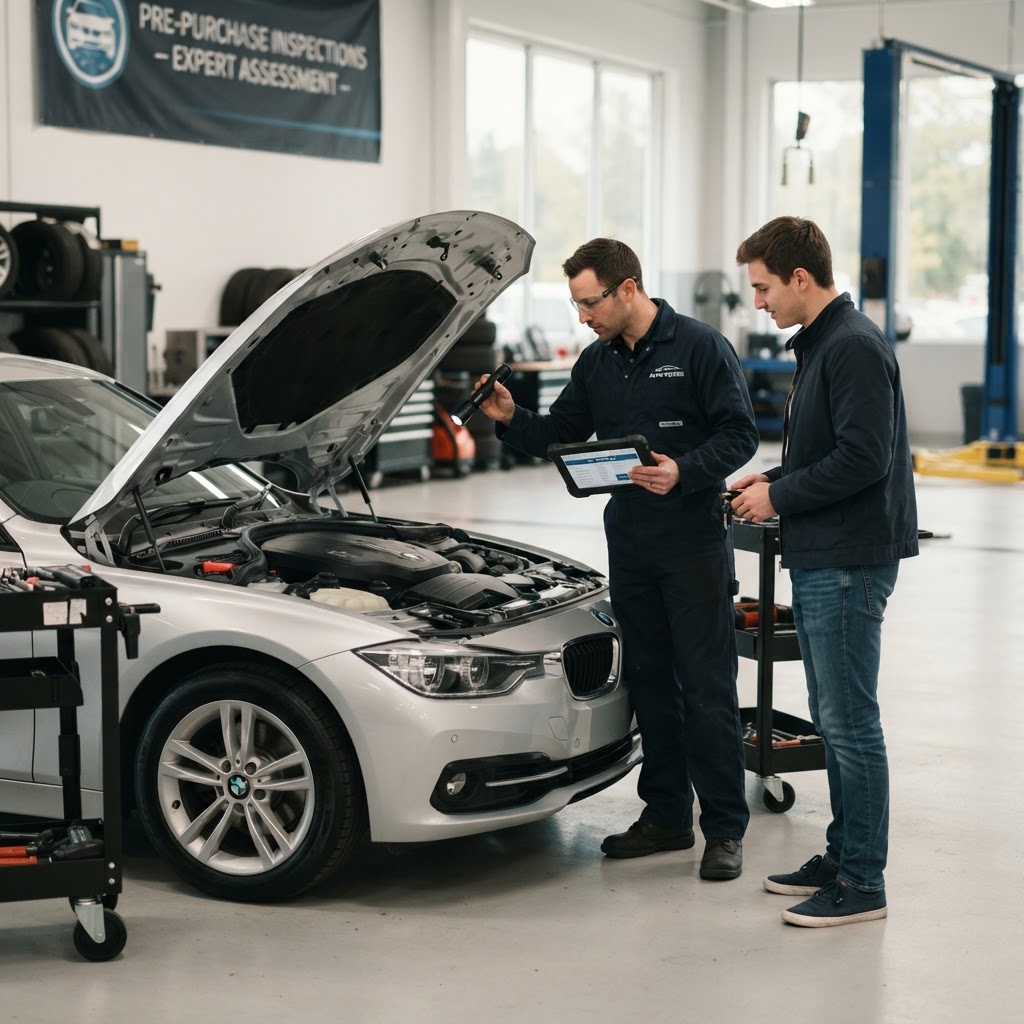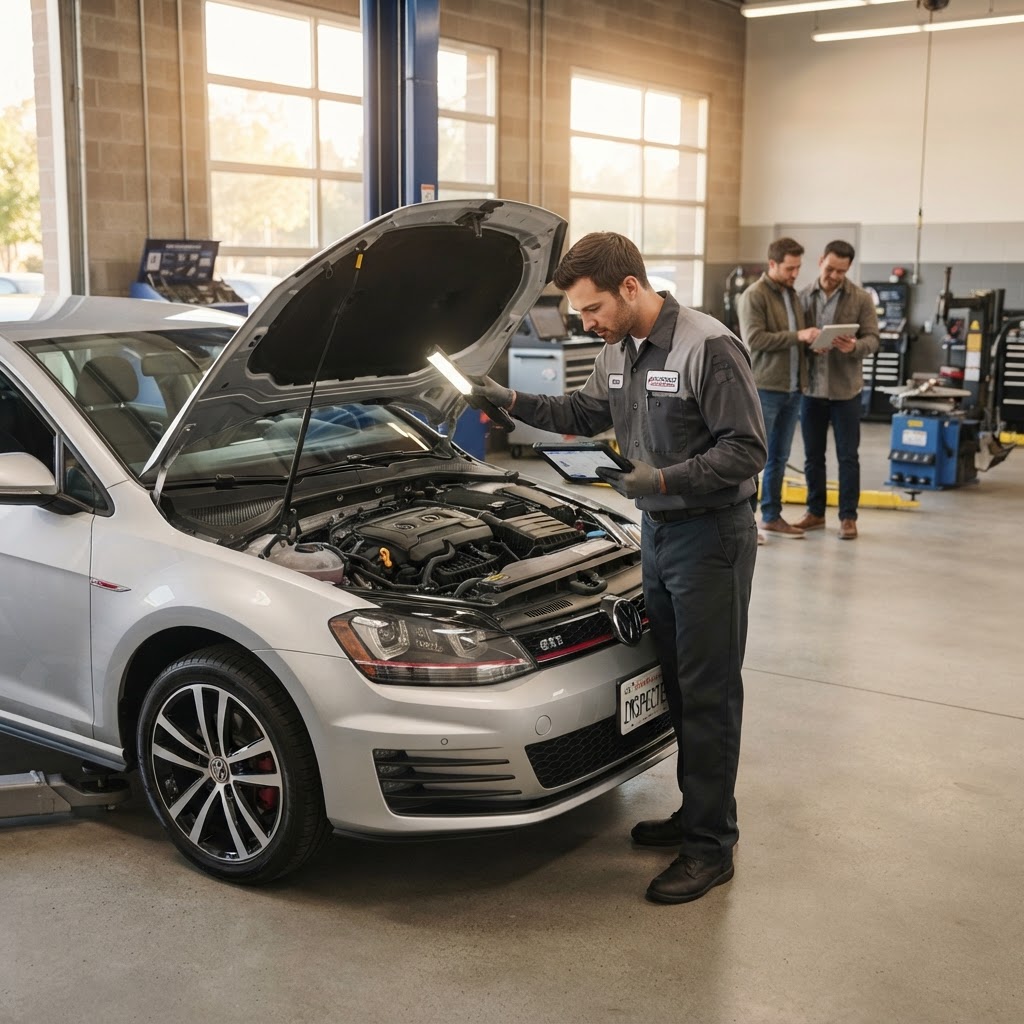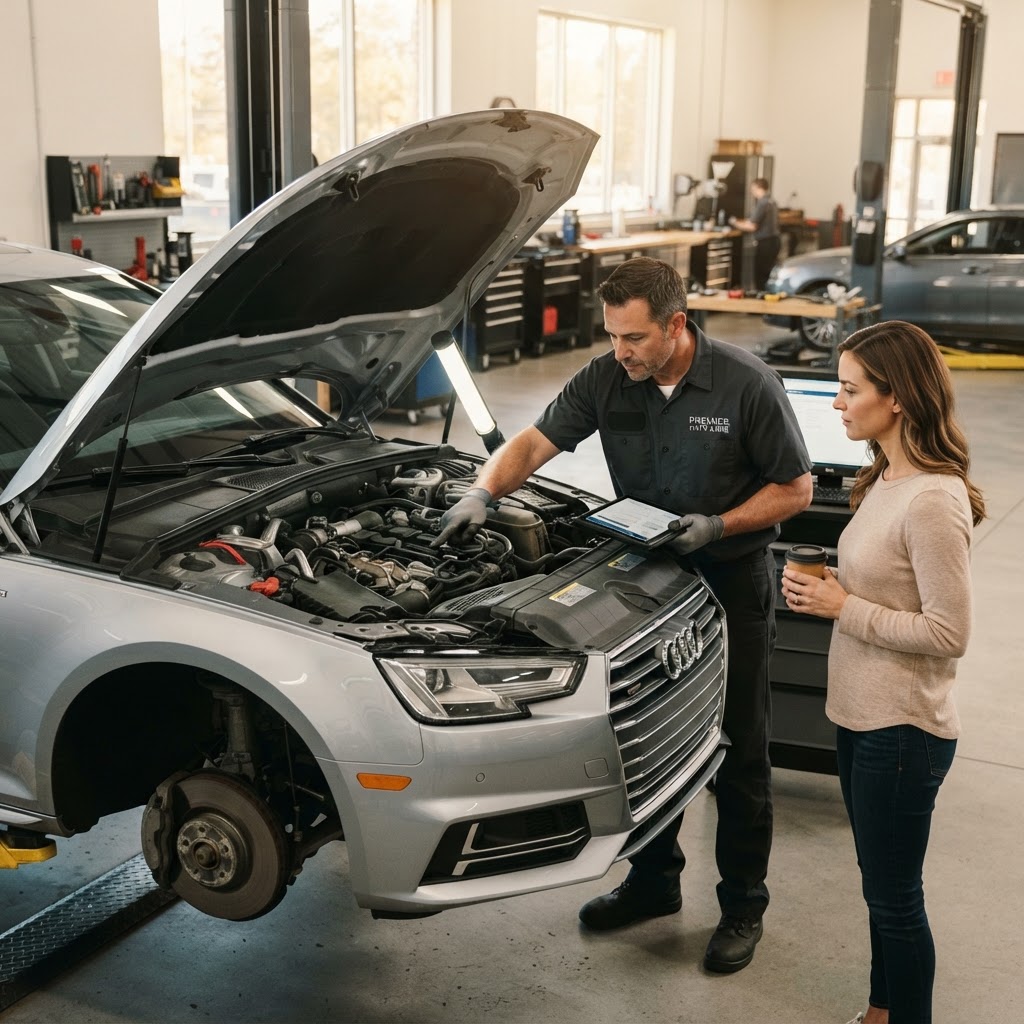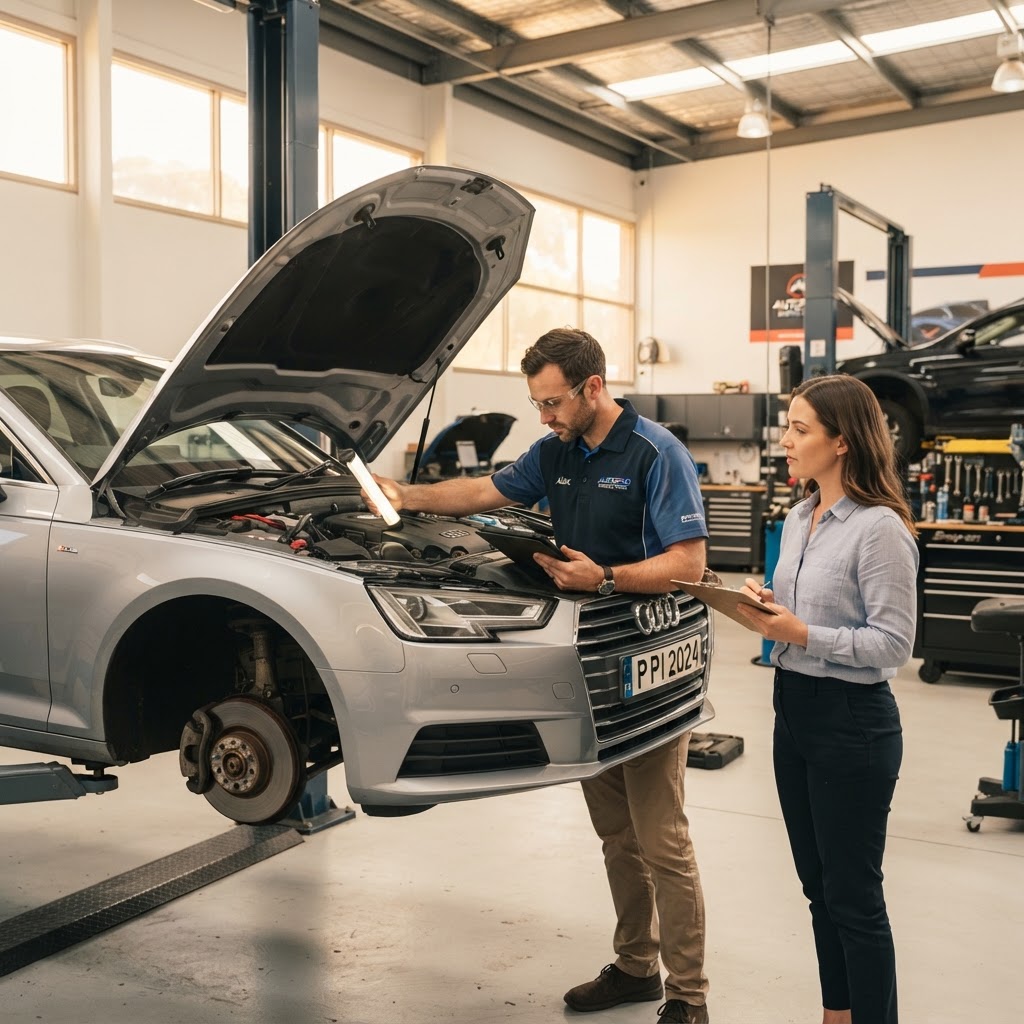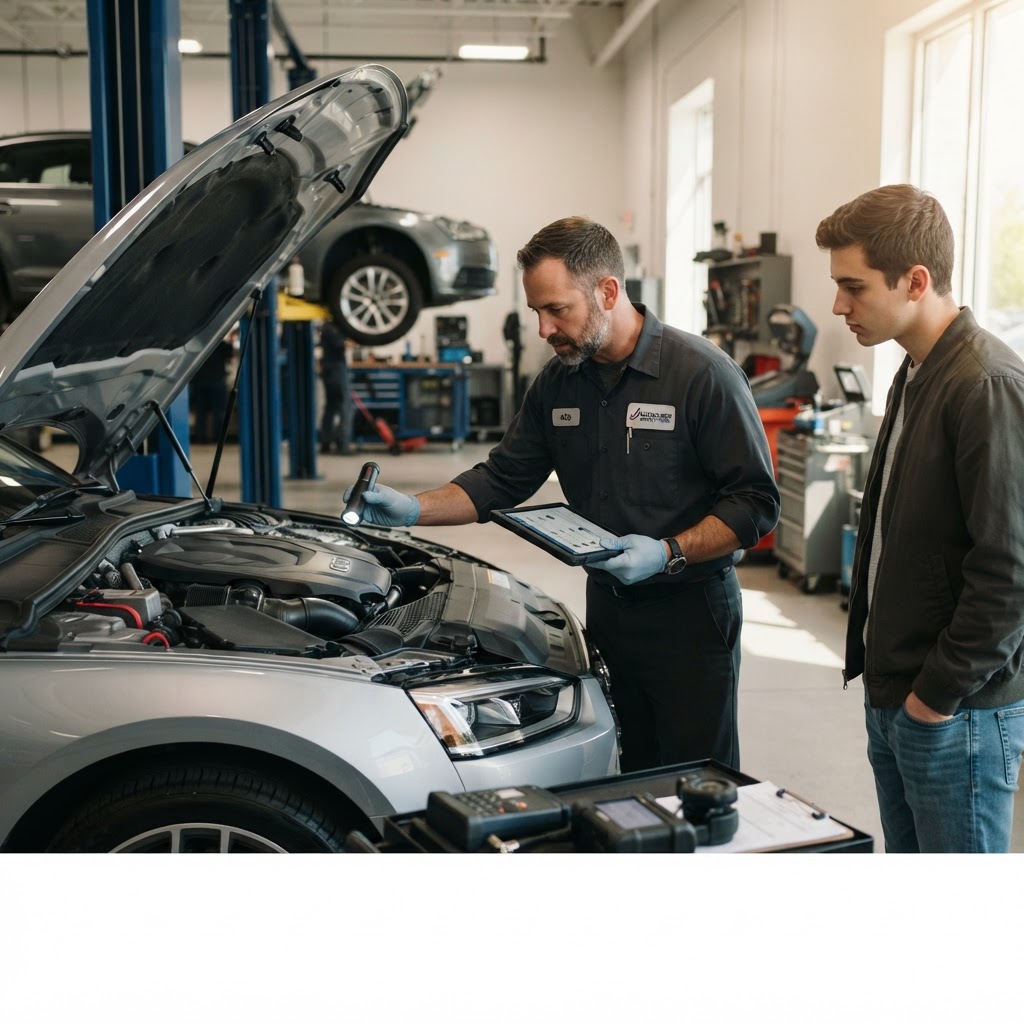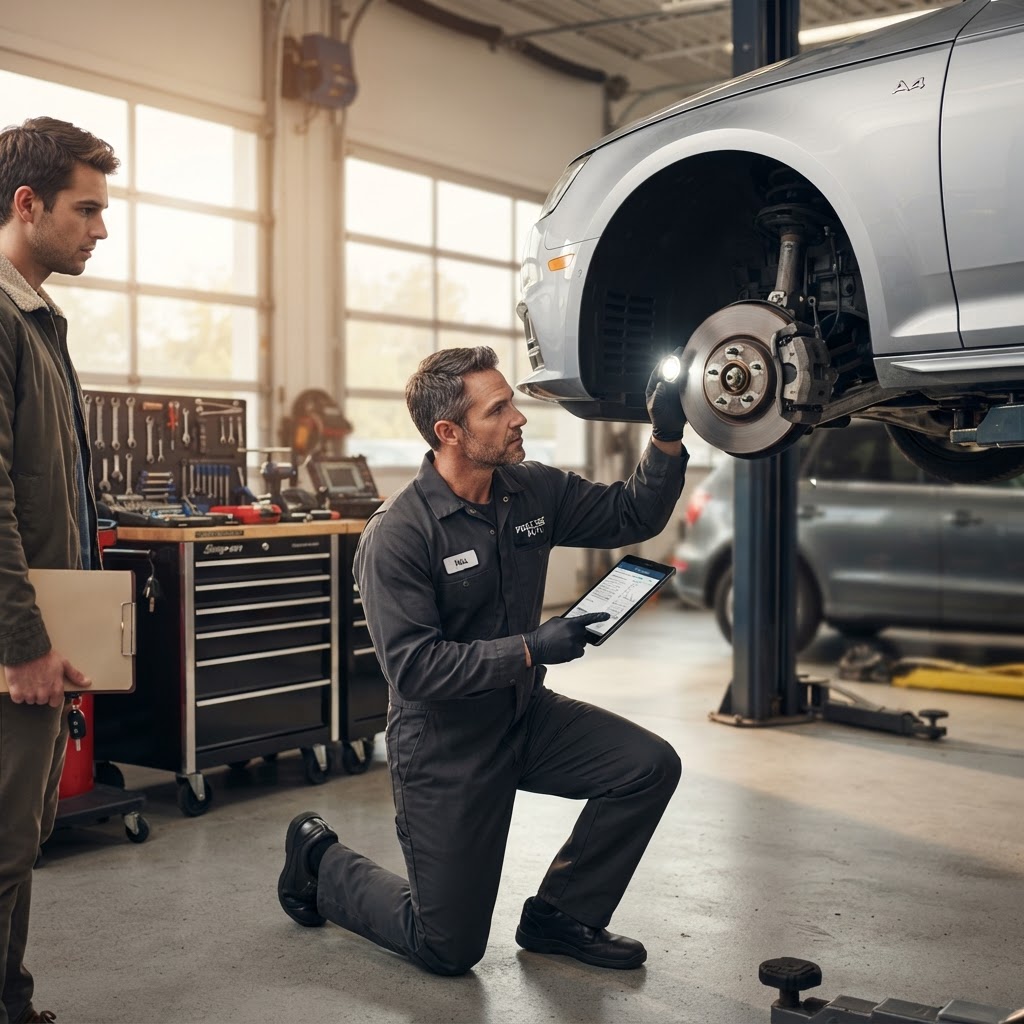
A vehicle inspection usually fails for predictable reasons, not mysterious ones. If you want to know how to pass vehicle inspection, the best approach is to treat it like a pre-delivery checklist: confirm the safety basics, correct obvious defects, and make sure the vehicle can be reviewed without delays.
For most drivers, the problem is not one major issue. It is a group of smaller items that signal poor maintenance or incomplete preparation. A burned-out bulb, worn wiper blades, a tire close to the limit, or a check engine light can turn a routine visit into a failed inspection and a second appointment. A little prep is usually cheaper than the time and cost of a reinspection.
How to pass vehicle inspection before you arrive
Start with the items an inspector can verify quickly. Exterior lighting is one of the first areas that creates avoidable failures. Test headlights on both settings, brake lights, reverse lights, turn signals, side markers, and the license plate light. If one bulb is out, replace it before your appointment. This is a low-cost fix, and it immediately improves your chances of passing.
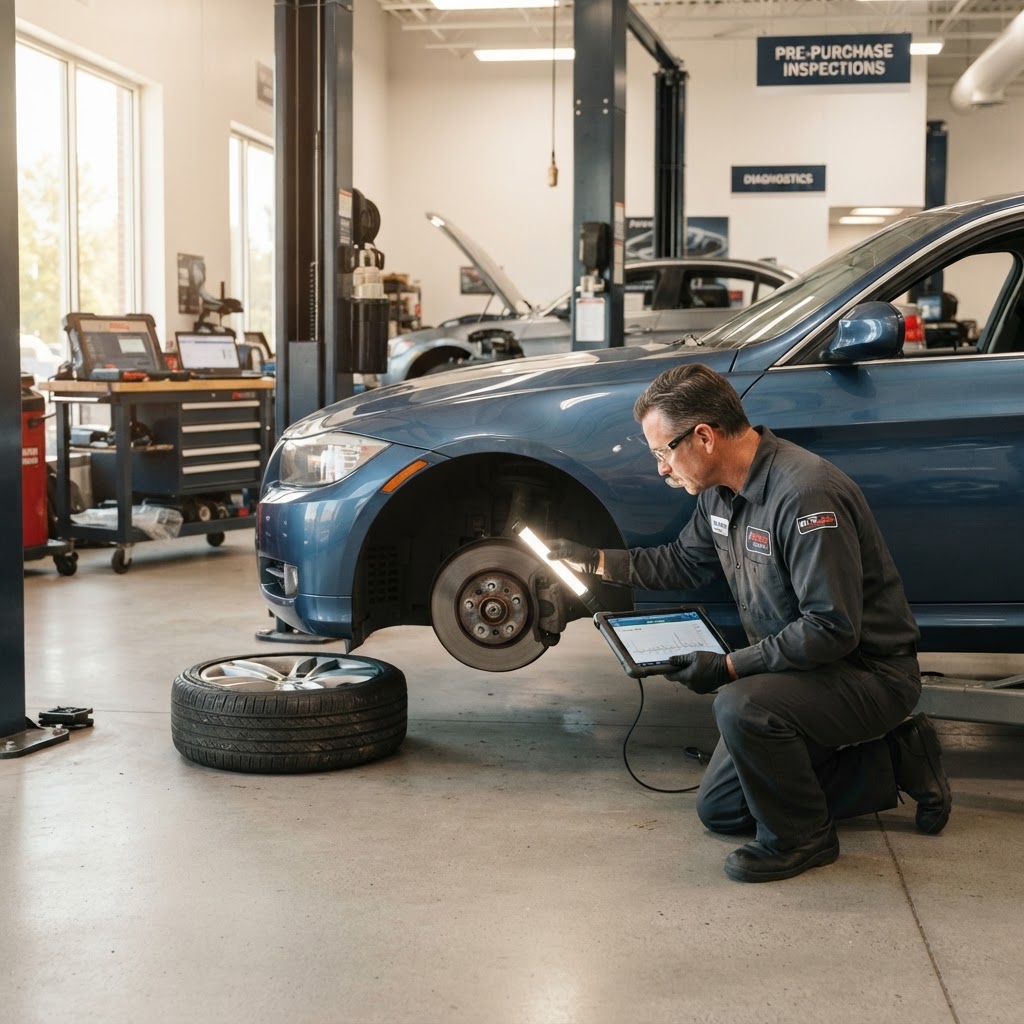
Next, check your tires. Inspectors look at tread depth, visible damage, and sometimes uneven wear that may indicate suspension or alignment issues. If the tread is near the wear bars, the tire has sidewall damage, or cords are showing, plan on replacement. Also confirm that tire sizes are appropriate and that all four tires are inflated to a reasonable level. Underinflation alone may not fail every inspection, but it can point to neglect and complicate the process.
Windshield condition matters more than many owners expect. A small chip outside the driver’s line of sight may be acceptable, but larger cracks or damage that affects visibility often are not. Wipers should clear the windshield properly and washer fluid should spray as intended. If the blades streak badly or chatter across the glass, replace them. It is one of the simplest pre-inspection corrections you can make.
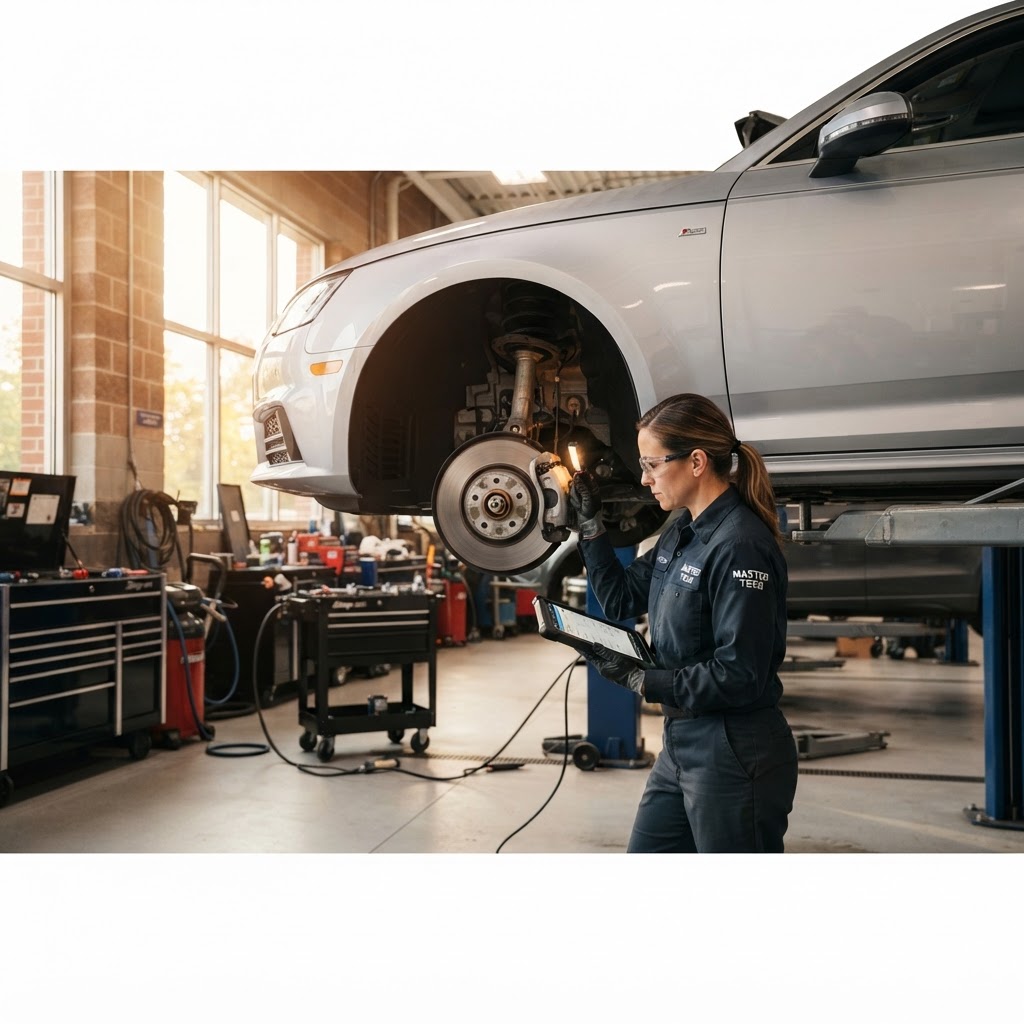
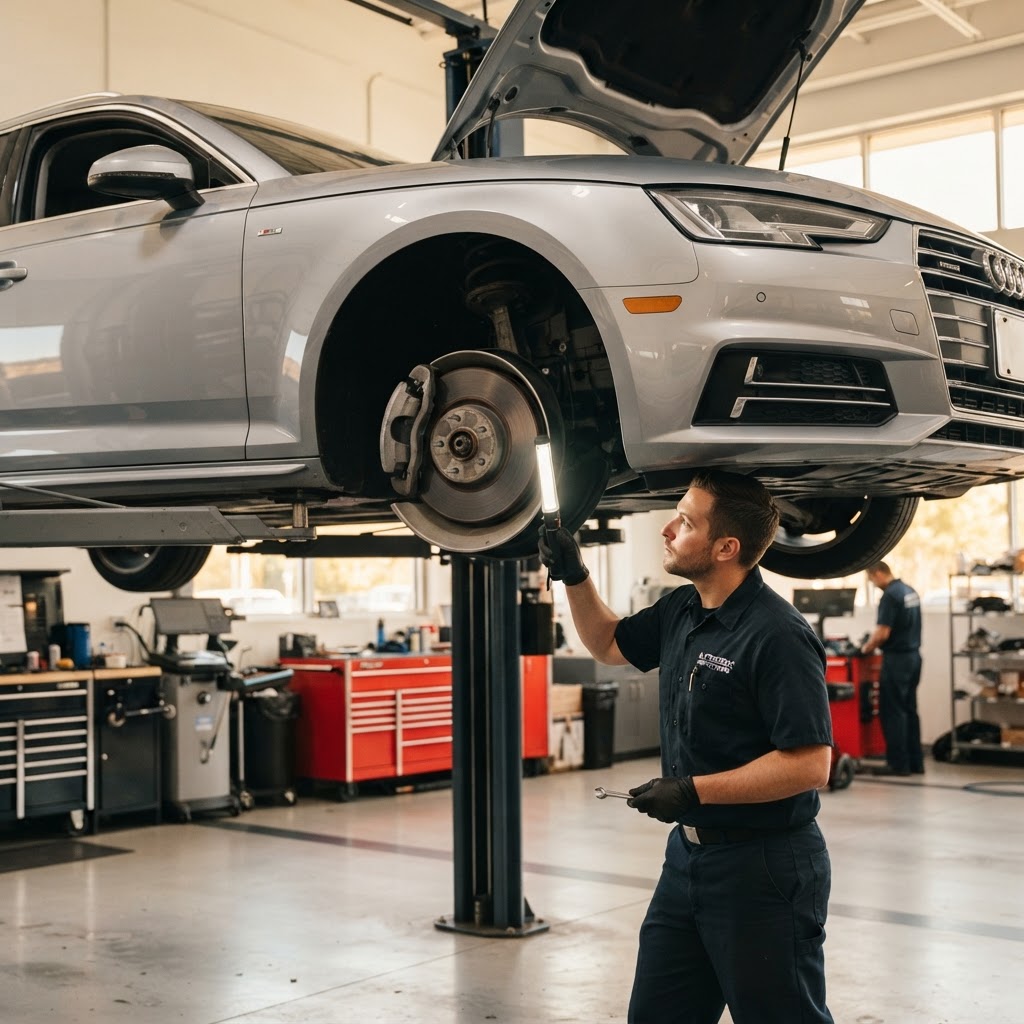
Your brakes deserve a closer look than a quick visual check. If the brake pedal feels soft, the steering wheel shakes while braking, or you hear grinding, do not assume you will get through inspection. Those symptoms usually point to measurable wear or a mechanical issue. The same goes for suspension noises, loose steering, or a vehicle that pulls strongly to one side. These are not cosmetic concerns. They affect roadworthiness and often lead to failure.
Common reasons vehicles fail inspection
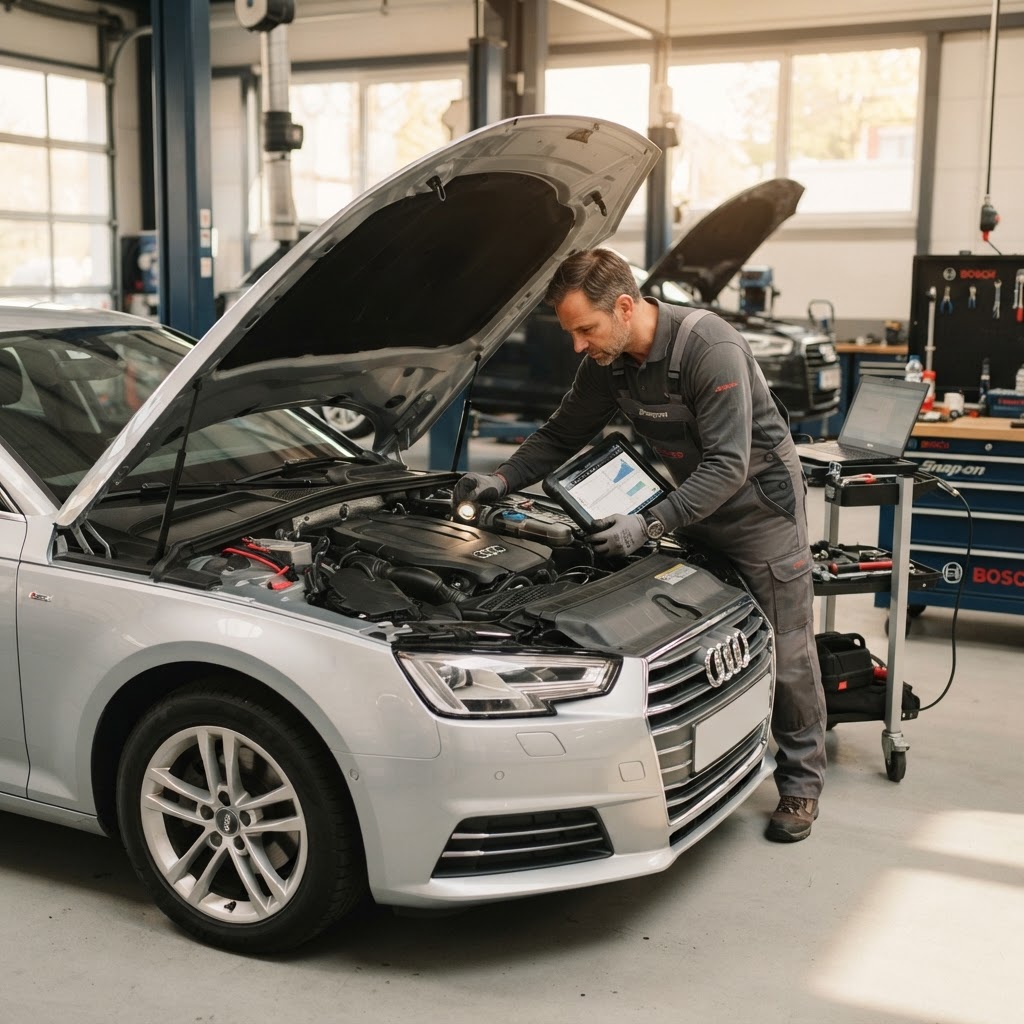
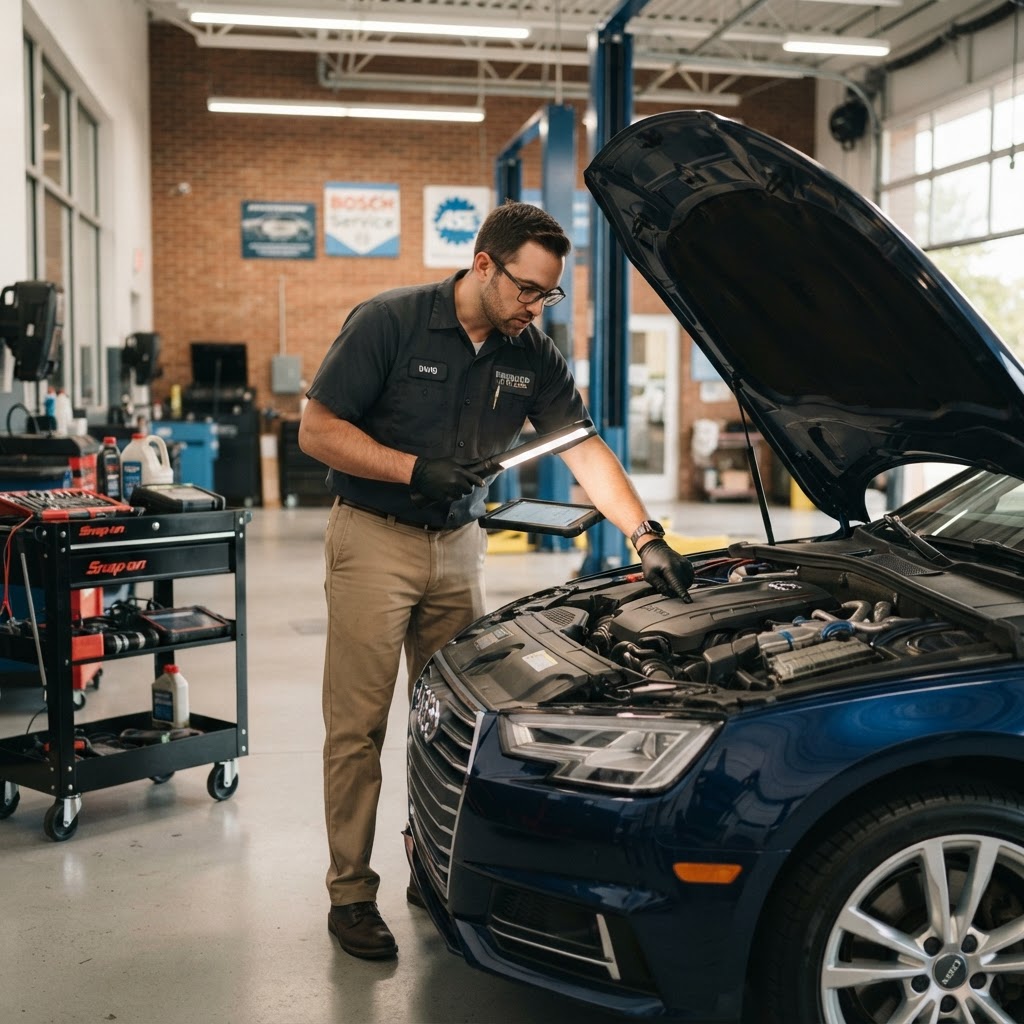
The exact standards depend on the state and inspection type, but the failure patterns are consistent. Warning lights are high on the list, especially the check engine light where emissions testing applies. In many states, an active check engine light means an automatic failure even if the car seems to run normally. Do not clear the code the night before and expect that to solve it. If the onboard monitors have not reset, the vehicle may still fail.
Emissions readiness creates confusion for many owners. After a battery disconnect, recent repair, or code reset, the system may show incomplete monitors. That means the vehicle has not completed the required self-checks. In that case, the fix is not paperwork or guesswork. The car needs enough normal driving to complete the readiness cycle. The distance and conditions vary by vehicle.
Safety-related failures are also common. Brake pad wear below the limit, damaged rotors, broken lights, heavily tinted windows where prohibited, horn failure, mirror damage, and exhaust leaks all show up regularly. Some owners focus on what looks serious and miss the simple items that are easy for an inspector to document. Inspection is a process-driven review. If a required item does not meet the standard, it does not matter whether the rest of the vehicle is in excellent shape.
Paperwork can also create problems. In some states, expired registration, missing insurance documentation, or a VIN issue can delay or stop the inspection process. Before you go, confirm what your state requires and make sure the vehicle is legally ready for review.
A practical pre-inspection check you can do at home
If you are preparing your own vehicle, walk around it slowly and check it the way an inspector would. Turn the ignition on and confirm that no warning lights remain illuminated after startup. Have someone help you test brake lights and turn signals. Check the horn, mirrors, seat belts, and all windows that are expected to operate.
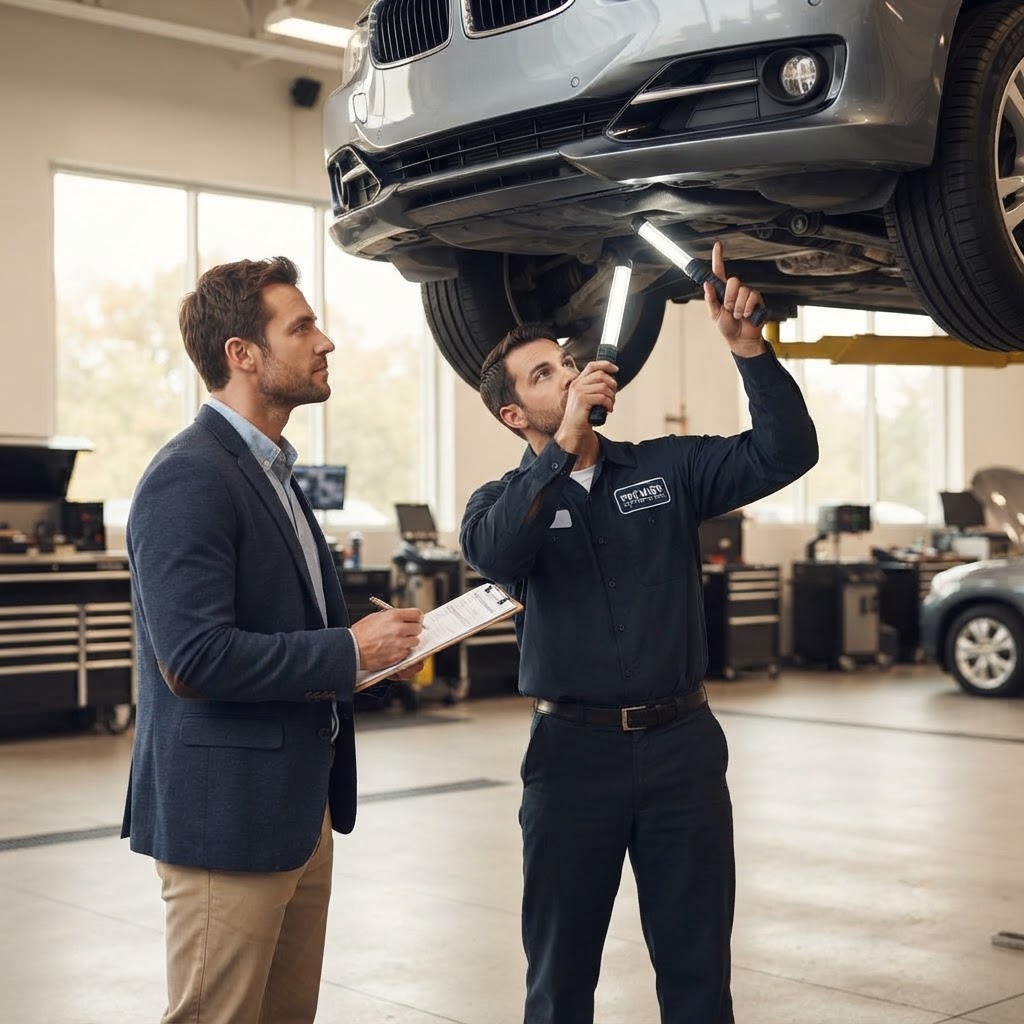
Then look underneath. You do not need a full shop inspection to notice obvious fluid leaks, hanging exhaust components, or damaged underbody parts. A minor damp area is one thing. Active dripping from the engine, transmission, brake system, or cooling system is another. If you see fresh fluid on the ground after parking, do not ignore it.
Take a short drive on local roads. Pay attention to brake response, steering stability, suspension noise, and whether the vehicle tracks straight. If the car vibrates at normal speed, clunks over bumps, or feels unstable during braking, inspection day is the wrong time to find out how serious the issue is.
Clean the vehicle enough for key components to be visible. An inspector does not need a detailed car, but a plate covered in dirt, a windshield cluttered with stickers, or a trunk packed so tightly that access is limited can slow down the visit. Good inspection outcomes are often tied to clear access and complete visibility.
When a repair is worth doing before inspection
Some owners try to get through inspection first and repair only what fails. That can work for minor items, but it is not always efficient. If your tires are clearly worn out, your brakes are noisy, or the check engine light is on, inspection will mostly confirm what you already know. In those cases, fixing the issue first usually saves time.
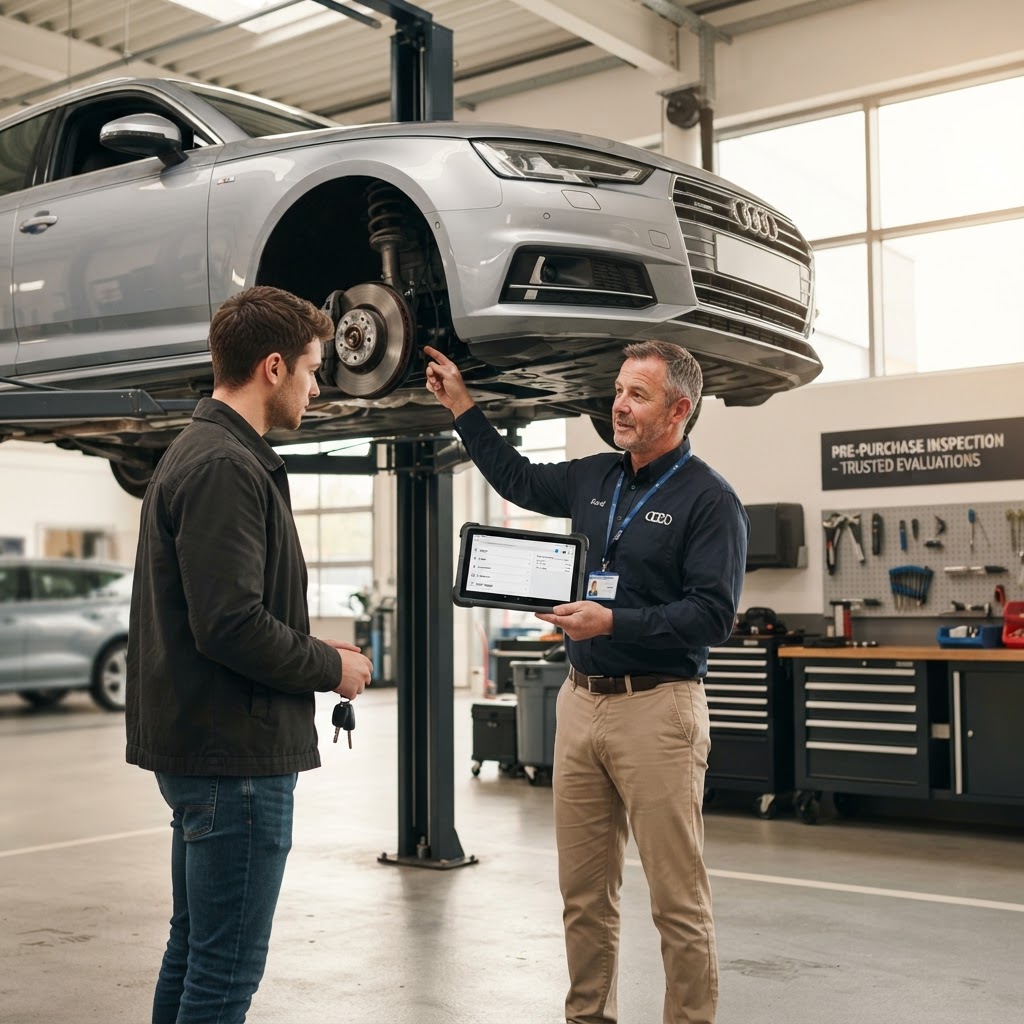
The trade-off is cost control. If you suspect one small issue, getting the inspection done may be a reasonable way to identify exactly what is required. But if the vehicle has multiple visible problems, the better process is to schedule a pre-inspection assessment, address the likely failures, and return when the car is actually ready. That is especially true for sellers, dealers, and fleet managers who need predictable turnaround and documented condition status.
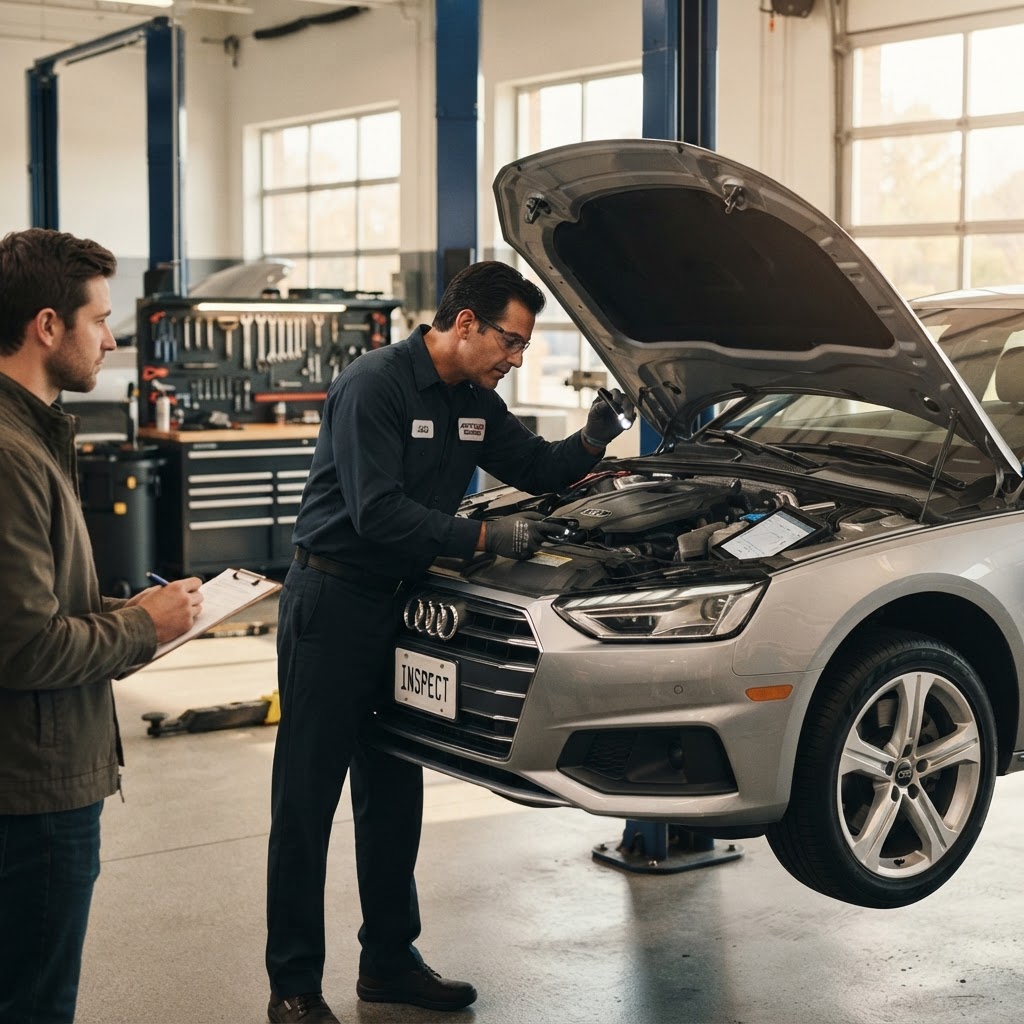
A structured inspection service can help here because it creates a record of condition rather than relying on memory or informal checks. For vehicles tied to a sale, appraisal, or operational handoff, documented findings reduce back-and-forth and make repair decisions easier to prioritize.
State rules can change the answer
One reason advice about how to pass vehicle inspection can feel inconsistent is that inspection programs differ across the US. Some states emphasize emissions. Others focus on safety. Some counties have additional requirements, while others do not require periodic inspection at all.
That means preparation should match the local standard. A cracked windshield might be a bigger issue in one place than another. Window tint, emissions readiness, or modified exhaust systems can also be treated differently depending on where the vehicle is registered. The practical takeaway is simple: do not rely on general advice alone if your state publishes specific pass-fail criteria.
For business users, this matters even more. Dealerships, transport coordinators, and fleet operators working across multiple jurisdictions need a repeatable process, not assumptions. A vehicle that passes in one market may need additional correction in another. Standardized documentation helps keep those differences visible.
What to do if your vehicle already failed
A failed inspection is not the end of the process. It is a report of deficiencies that need correction. Read the failure document carefully and separate the items into immediate safety repairs, emissions-related repairs, and administrative issues. That keeps the repair path organized.
Do not guess at warning lights or drivability symptoms. Proper diagnosis matters. Replacing parts without confirming the cause can cost more than the inspection itself. If the issue is emissions-related, confirm that repairs are complete and that readiness monitors have had time to reset before returning.
Also pay attention to deadlines. Many states allow a reinspection window, and some offer reduced fees if the return visit happens within a set period. Missing that window can add avoidable cost.
Passing inspection is usually less about luck and more about process. Check the obvious items early, handle warning lights properly, and fix known safety defects before the appointment. If the vehicle supports a sale, a purchase decision, or a business workflow, documented condition reporting gives you a clearer path than trial and error. A well-prepared car moves through inspection faster, and the result is easier to trust.