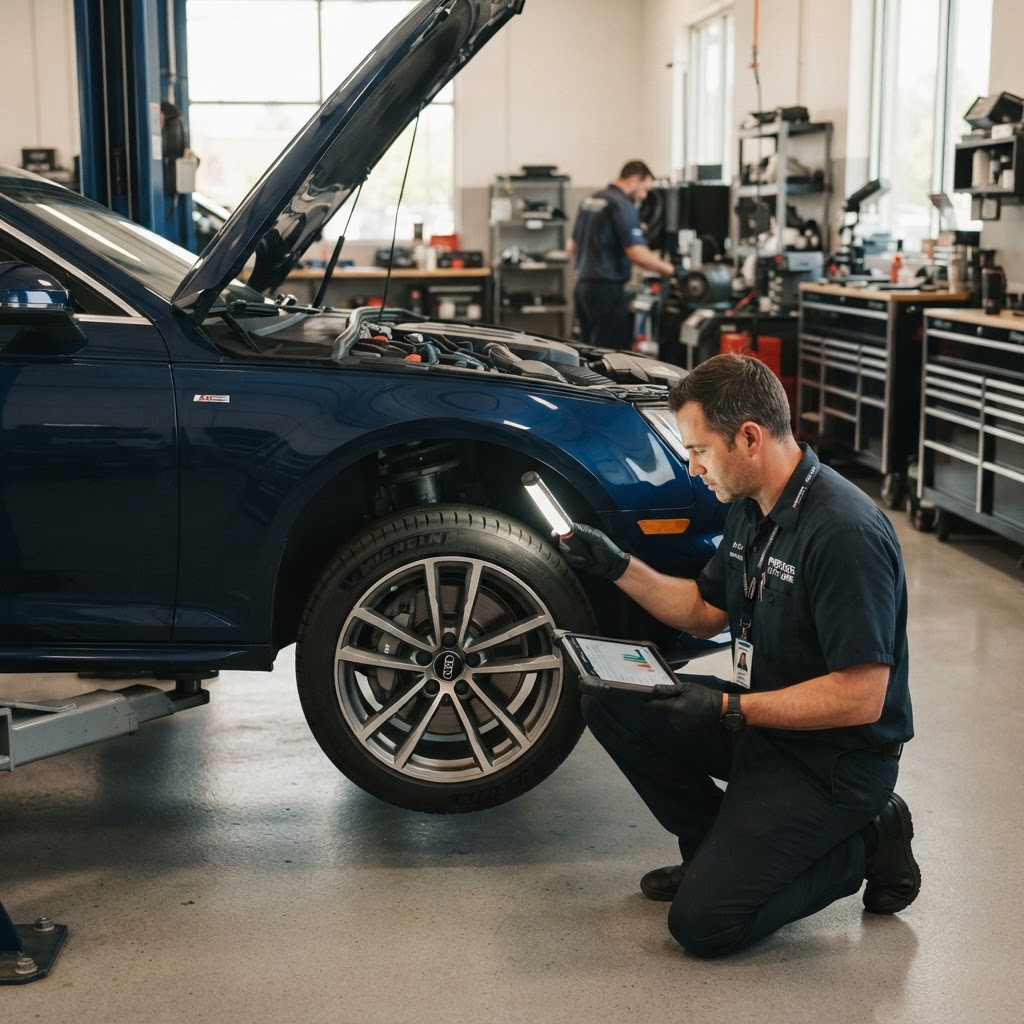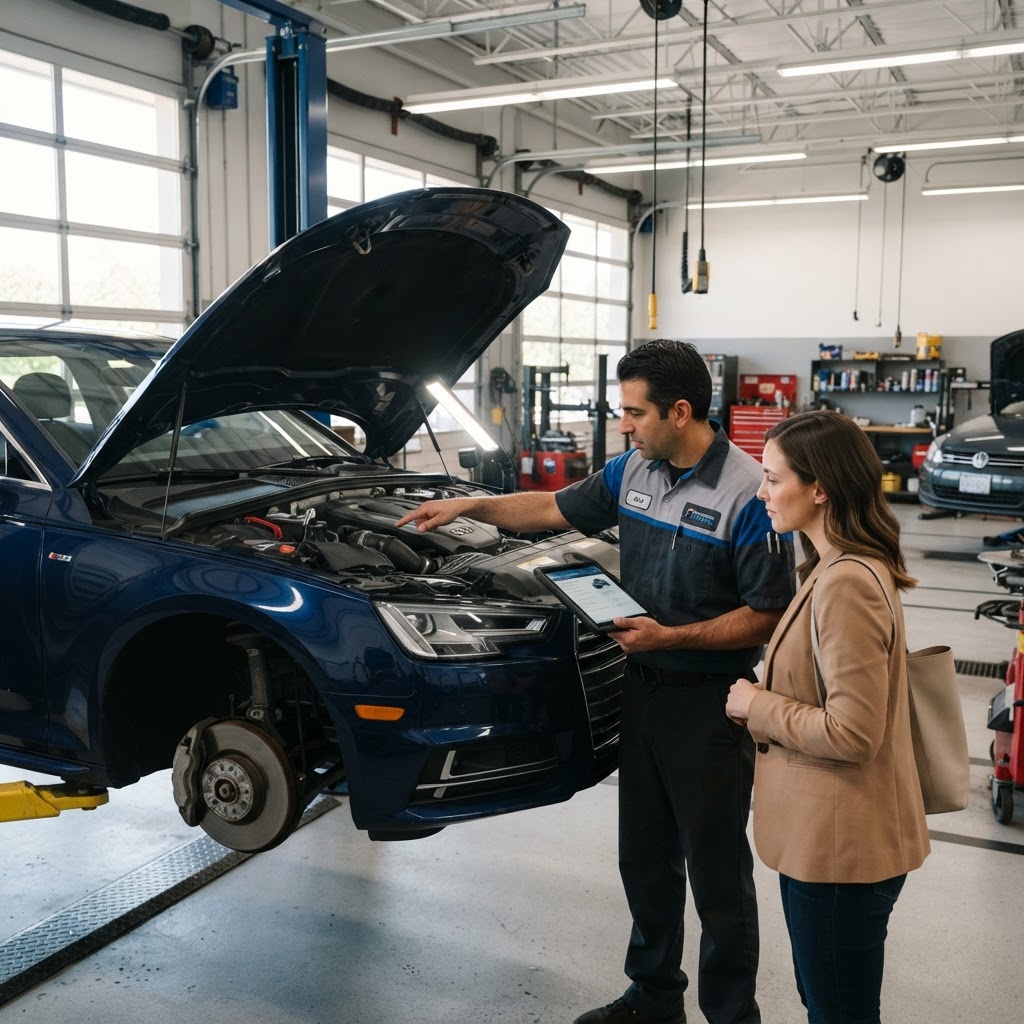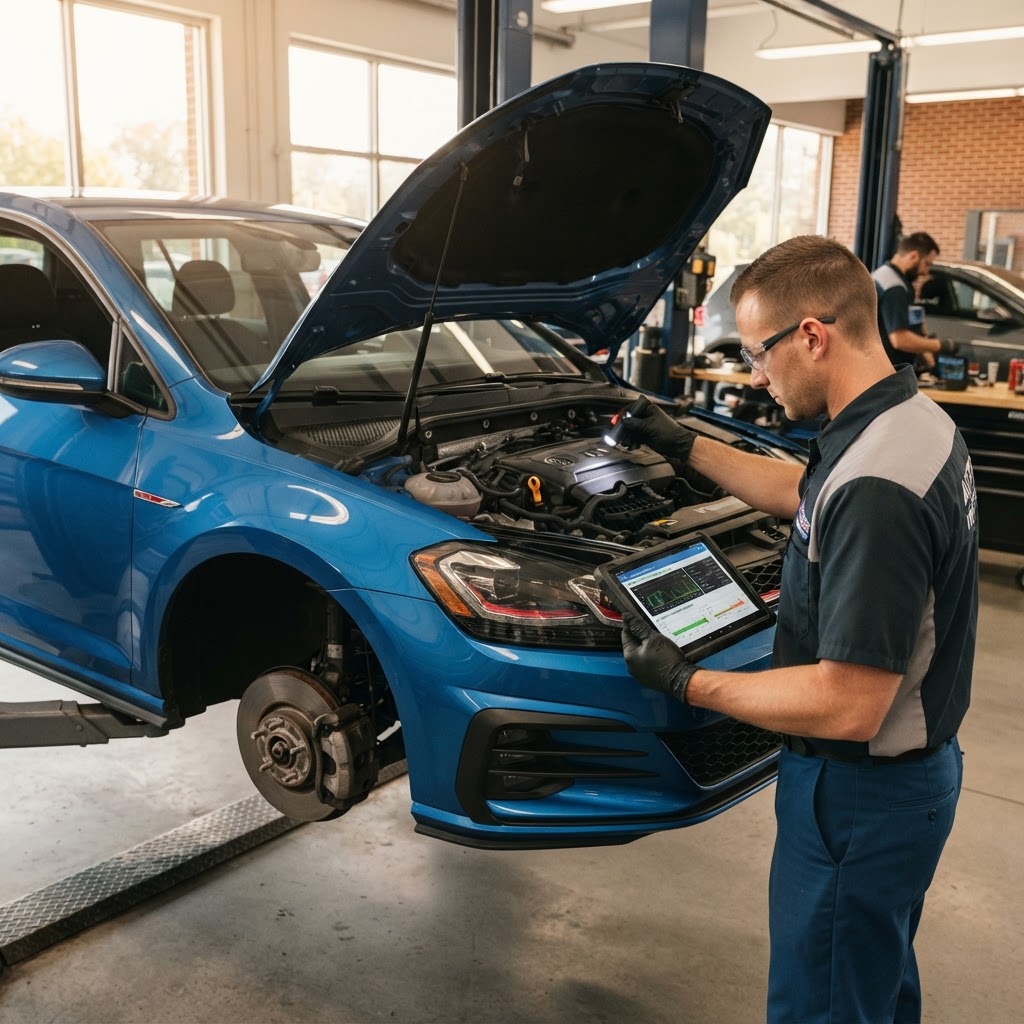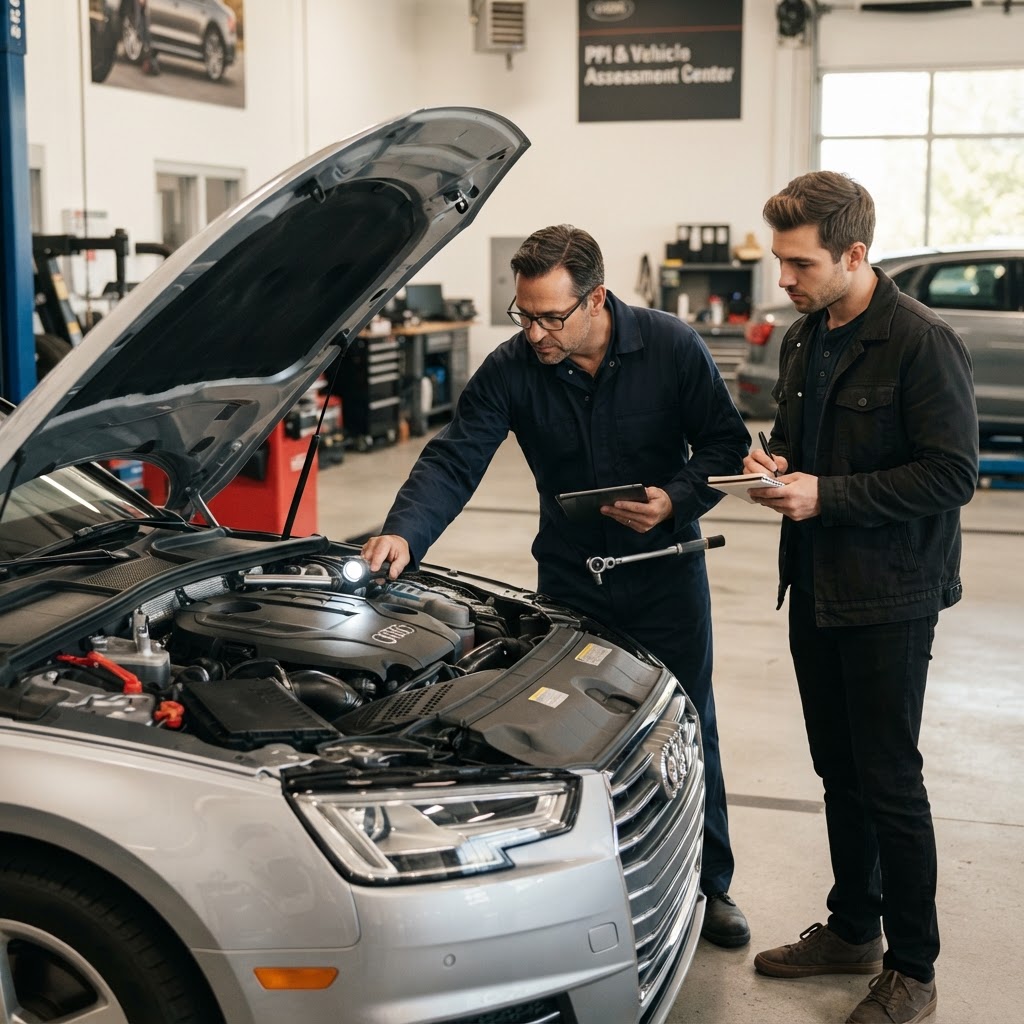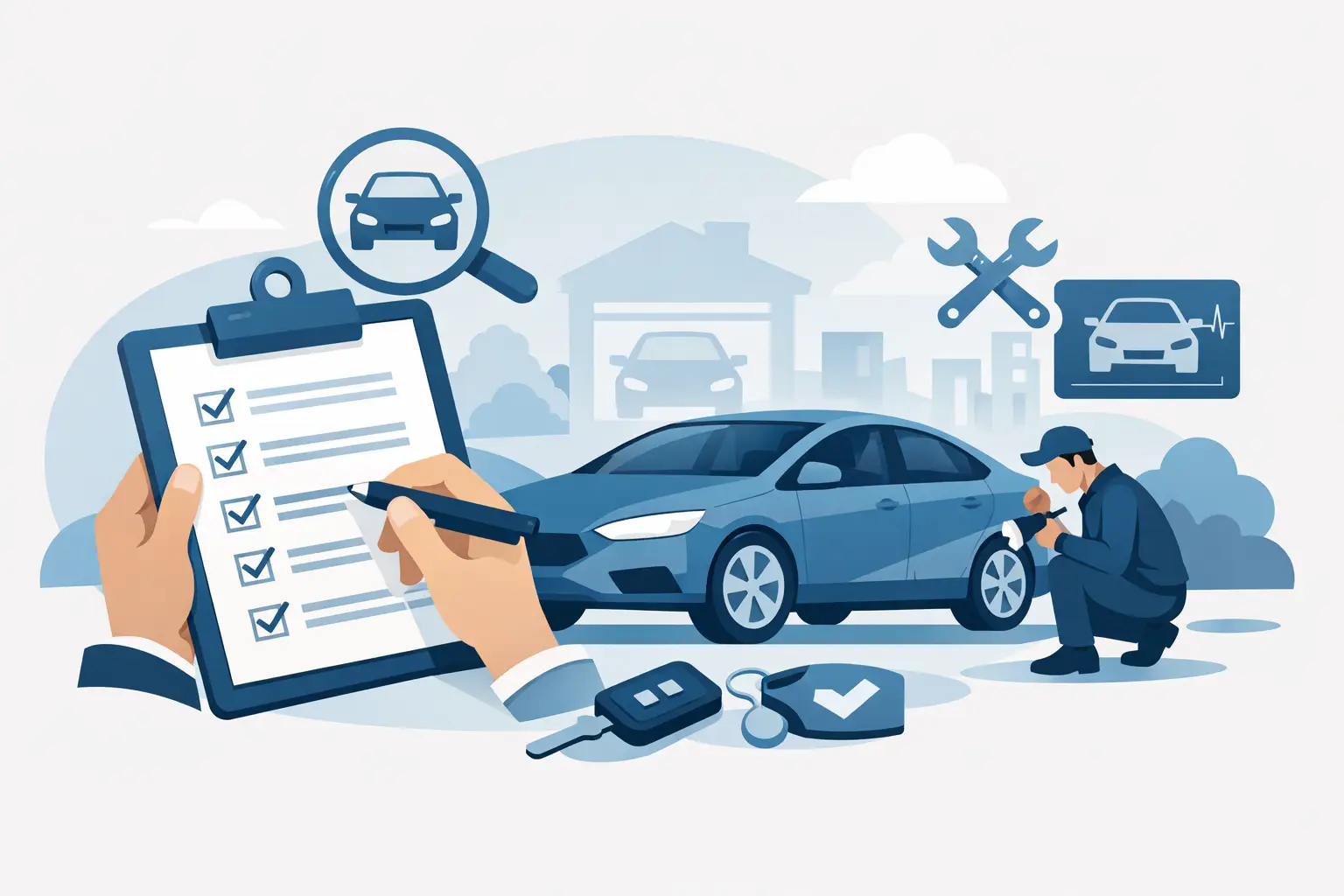
A used car can look clean in photos, idle smoothly for five minutes, and still carry enough hidden issues to turn a good deal into a repair file. The best pre purchase inspection checklist is not just a list of parts to glance at. It is a way to verify condition, confirm documentation, and reduce the risk of buying a vehicle based on assumptions.
For individual buyers, that means making a better purchase decision. For dealerships, fleets, and independent inspectors, it means using a repeatable process that creates consistent reporting and fewer missed items. A proper inspection should move from paperwork to exterior, interior, mechanical systems, road test, and final documentation.
Why a checklist matters before you commit
Pre-purchase decisions usually happen under time pressure. A seller wants an answer, another buyer may be interested, and the vehicle may already look acceptable at first glance. That is exactly when informal checks fail.
A structured checklist slows the process down in the right way. It helps you separate cosmetic condition from mechanical condition, and seller claims from verifiable facts. It also creates a record of what was reviewed, what was not accessible, and what needs follow-up.
That record matters because not every issue is equal. A scratched bumper and a transmission hesitation do not carry the same financial impact. The purpose of an inspection is not to find a perfect used car. It is to identify material risk, estimate likely next-step costs, and support a documented decision.
Best pre purchase inspection checklist: start with documents
Before anyone opens the hood, confirm the vehicle identity and available records. This first stage often reveals more than the test drive.
Match the VIN on the dashboard, door label, and title or registration documents. If those numbers do not align, stop and verify the reason before moving forward. Check the odometer reading and compare it with service records, emissions paperwork, and prior listings if available. Inconsistencies do not automatically mean fraud, but they do require explanation.
Service history should be reviewed for pattern, not just presence. A stack of invoices is helpful only if it shows meaningful maintenance over time. Look for oil changes, brake service, tire replacement, fluid service, battery replacement, and any major repairs. A car with detailed records and proactive maintenance typically presents lower ownership risk than one with no history at all.
Title status also needs attention. Salvage, rebuilt, flood, or lemon-related branding can affect value, insurability, and future resale. Even when a rebuilt vehicle has been repaired competently, the trade-off is long-term marketability and added scrutiny.
Exterior condition tells you how the vehicle was treated
Walk the vehicle slowly and inspect it in good lighting. Panel gaps, mismatched paint, overspray, and uneven reflections may indicate previous body repair. That does not always mean poor quality work, but it should lead to closer review.
Check the bumpers, hood, doors, roof, quarter panels, and trunk or liftgate for dents, scratches, rust, and signs of corrosion around wheel arches or lower body edges. Surface rust and structural rust are not the same issue. Surface rust may be manageable. Structural corrosion underneath the vehicle is far more serious.
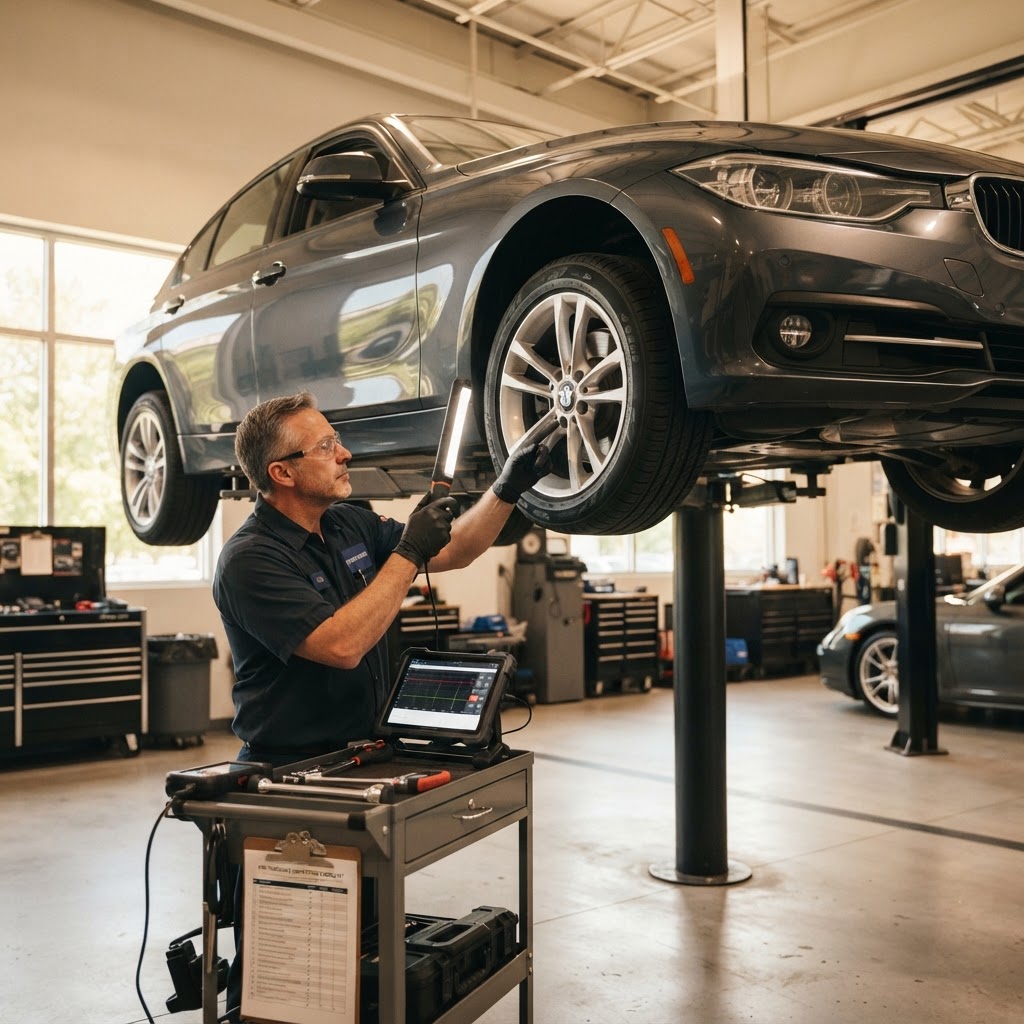
Glass and lighting deserve a closer look than many buyers give them. Windshield cracks, headlamp condensation, broken mounts, and non-functioning bulbs can point to collision history or deferred maintenance. Tires should also be checked closely. Uneven tread wear often signals alignment, suspension, or inflation issues. If one tire is newer than the rest, ask why.
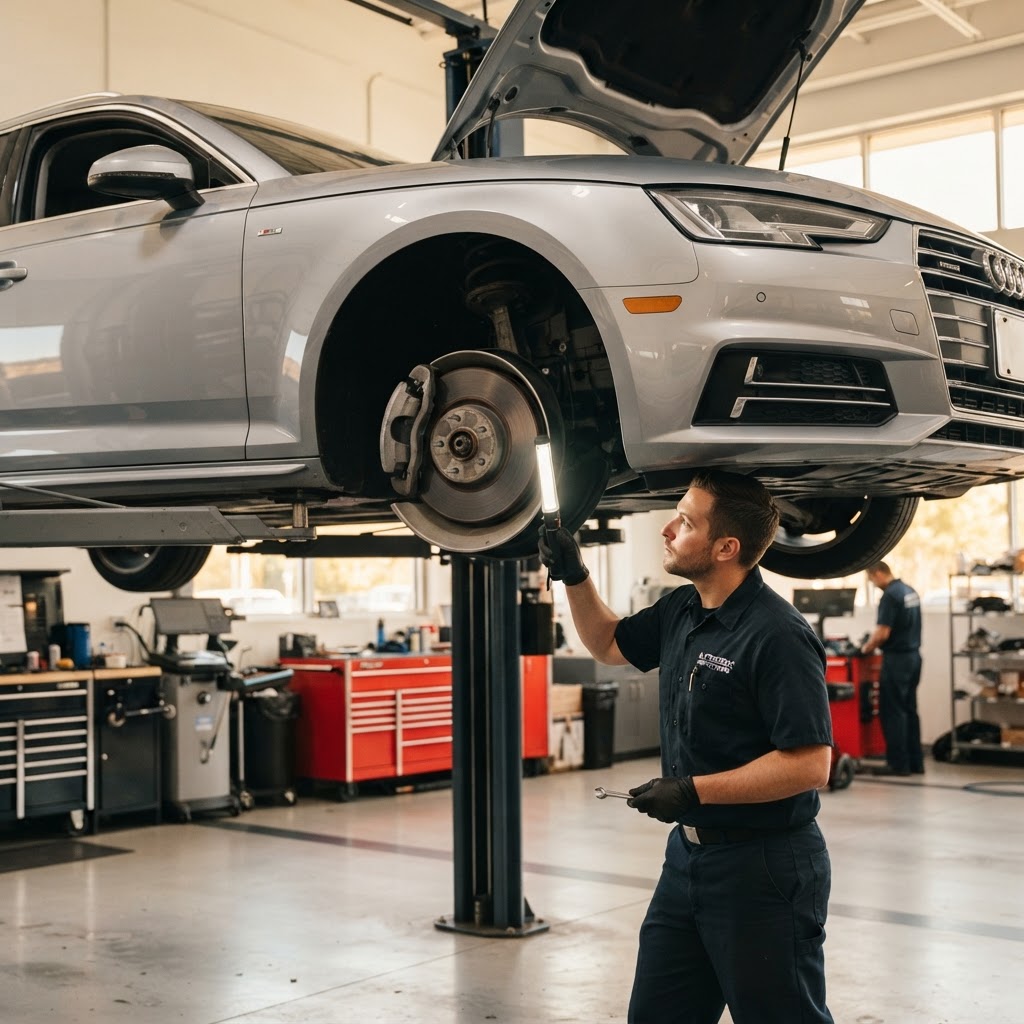
Wheel condition can reveal impact damage from potholes or curbs. Bent rims, sidewall cuts, and aged tires with good tread are all valid concerns. Tire date codes matter because old rubber can become unsafe even if tread depth still appears acceptable.
Interior inspection is about wear, function, and warning signs
Interior condition helps confirm whether the mileage and ownership story make sense. Excess wear on the steering wheel, seat bolsters, pedals, and shifter can be normal, but it should generally align with the odometer reading.
Test all major functions. That includes power windows, locks, mirrors, seat controls, climate control, infotainment, backup camera, charging ports, horn, wipers, and interior lighting. If a vehicle is marketed as fully equipped, features should be verified one by one, not assumed to work.
Pay attention to smell and moisture. Mold odor, damp carpeting, or water staining under mats may suggest leaks or past water intrusion. Air freshener alone is not a concern, but strong fragrance can sometimes be used to mask smoke, mildew, or pet-related odors.
Dashboard warning lights need a disciplined check. When the ignition is turned on, the appropriate warning lights should illuminate briefly, then clear after startup if no active issue exists. If certain lights never appear at key-on, that can indicate tampering or bulb removal.
Under the hood, focus on condition and consistency
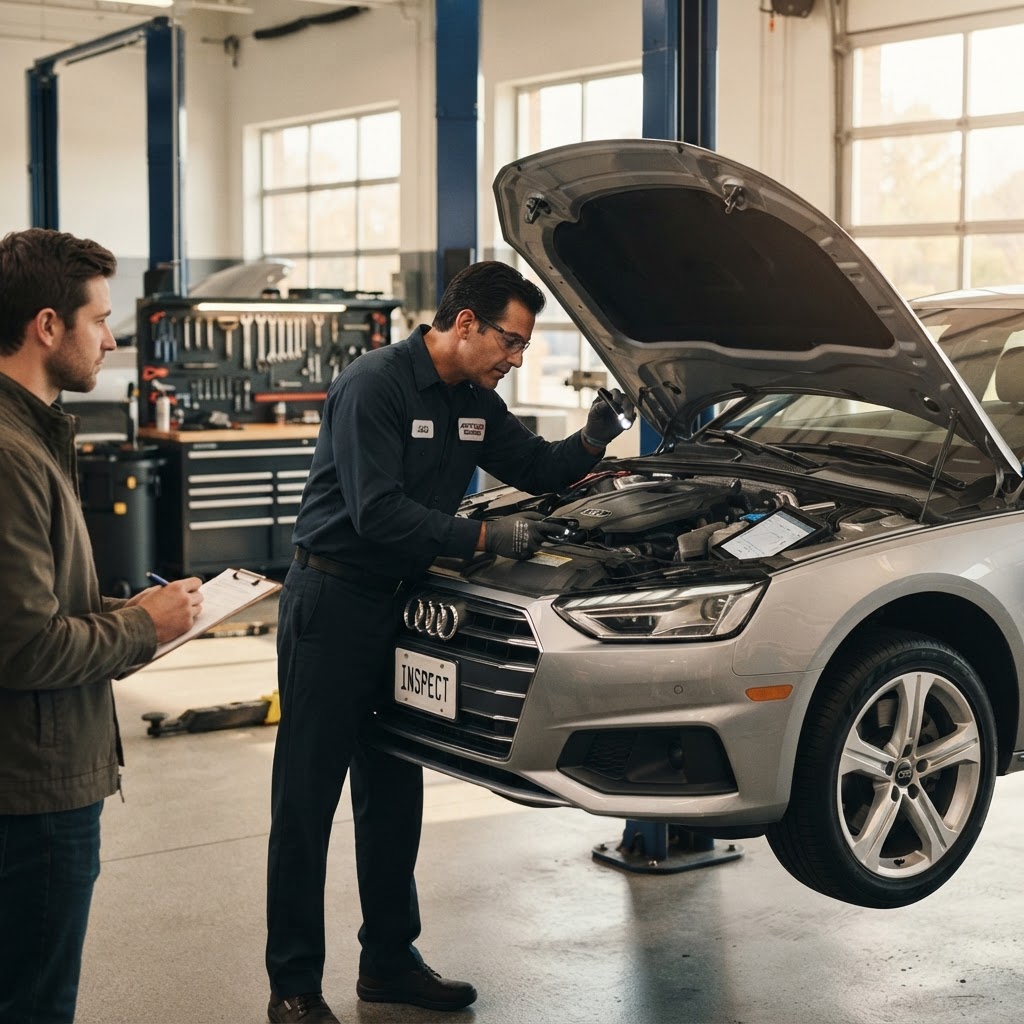
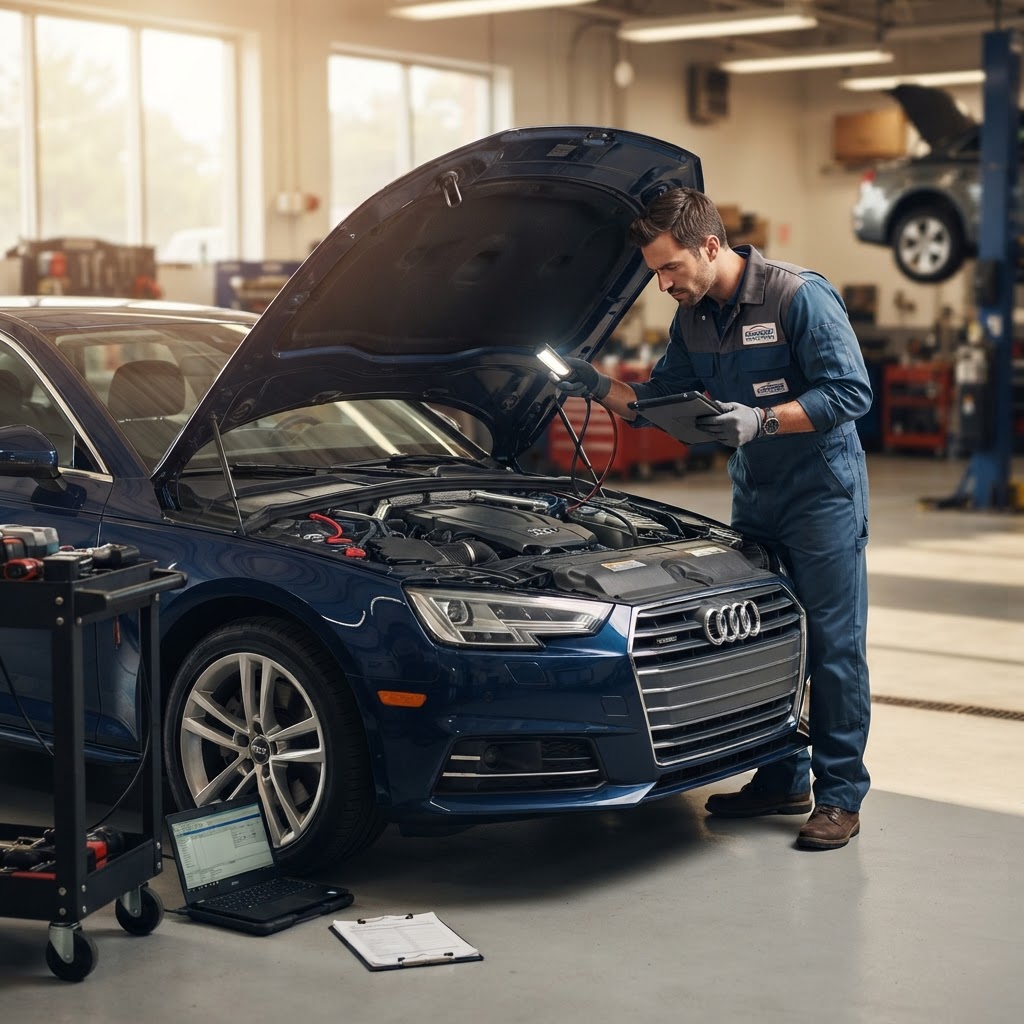
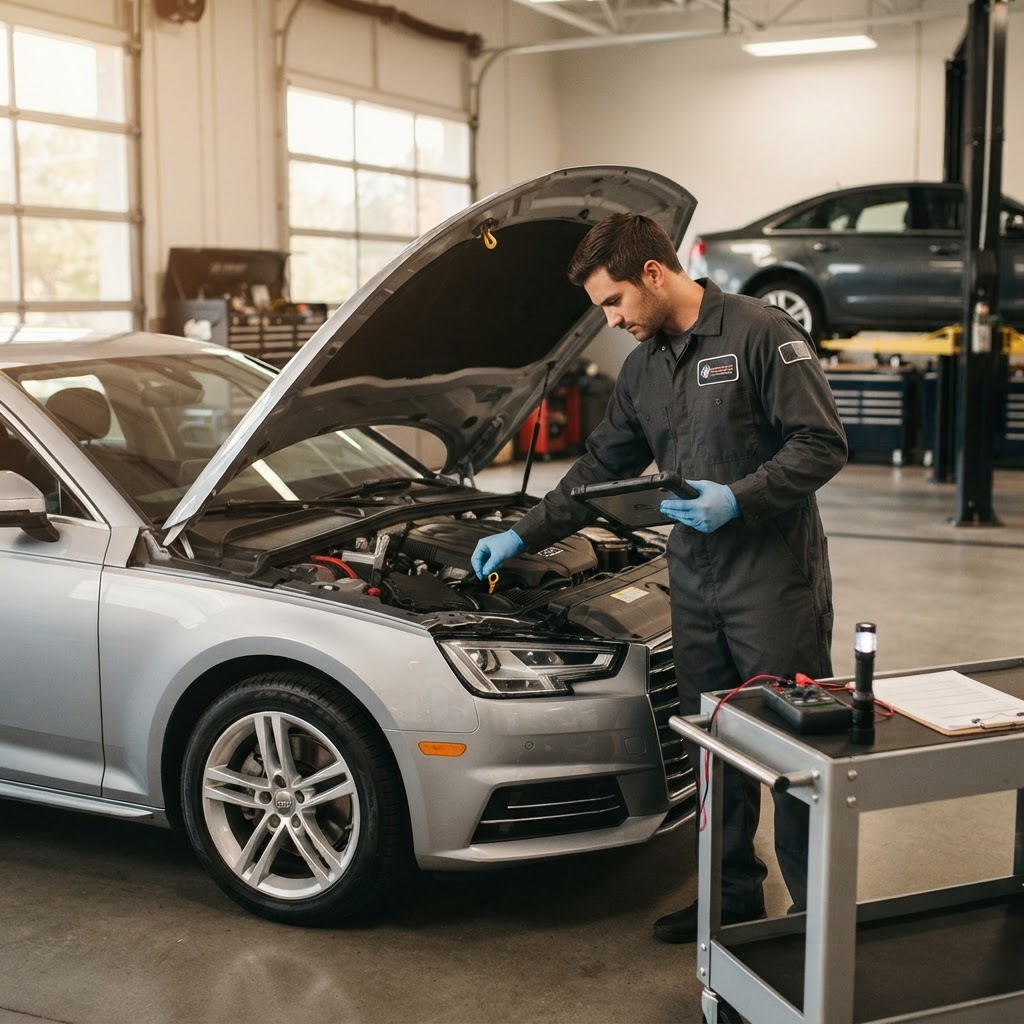
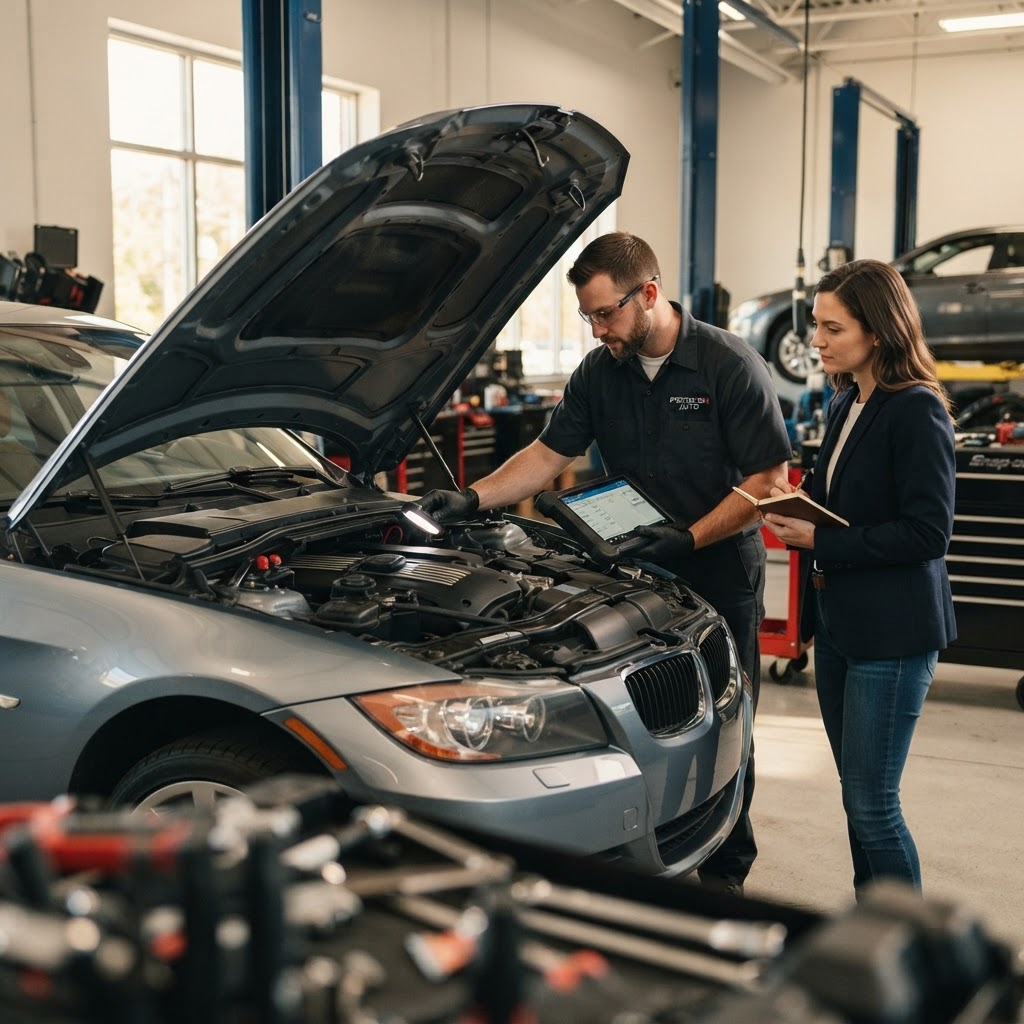
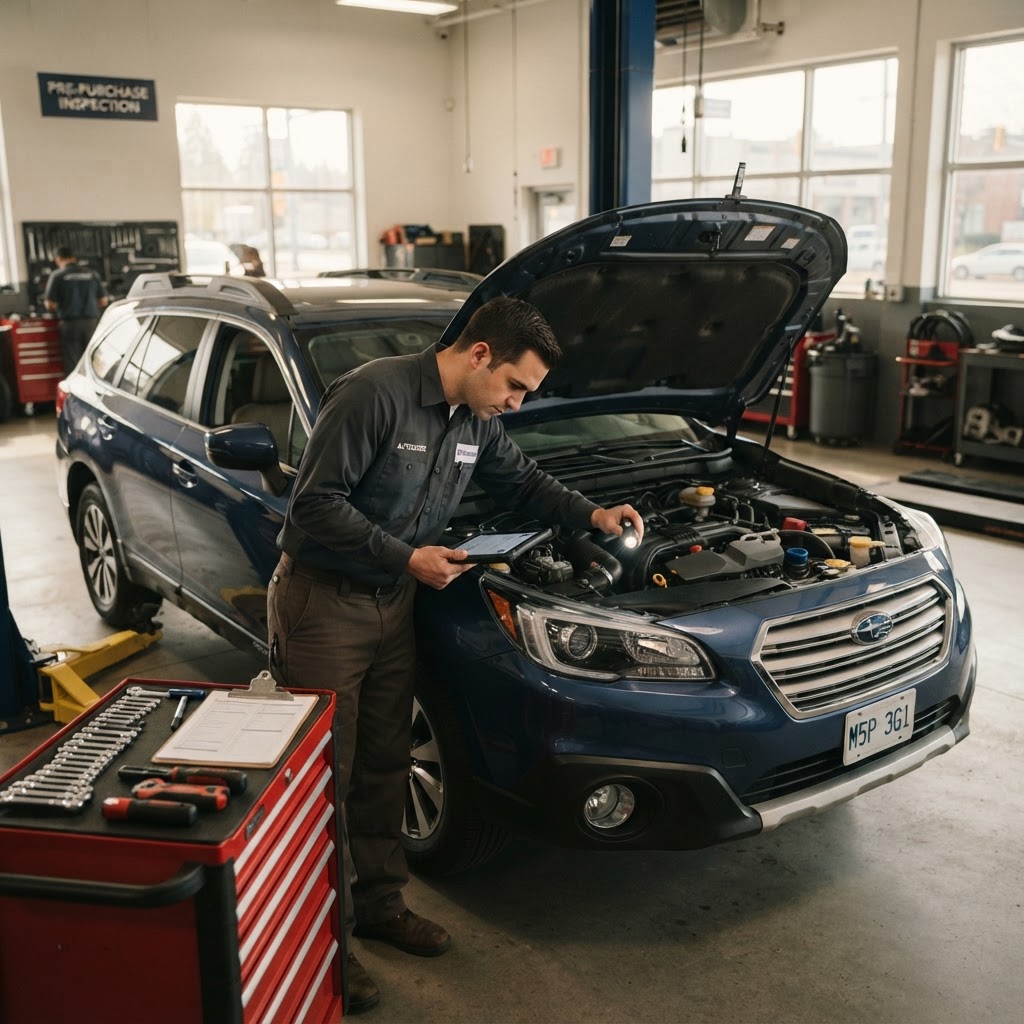
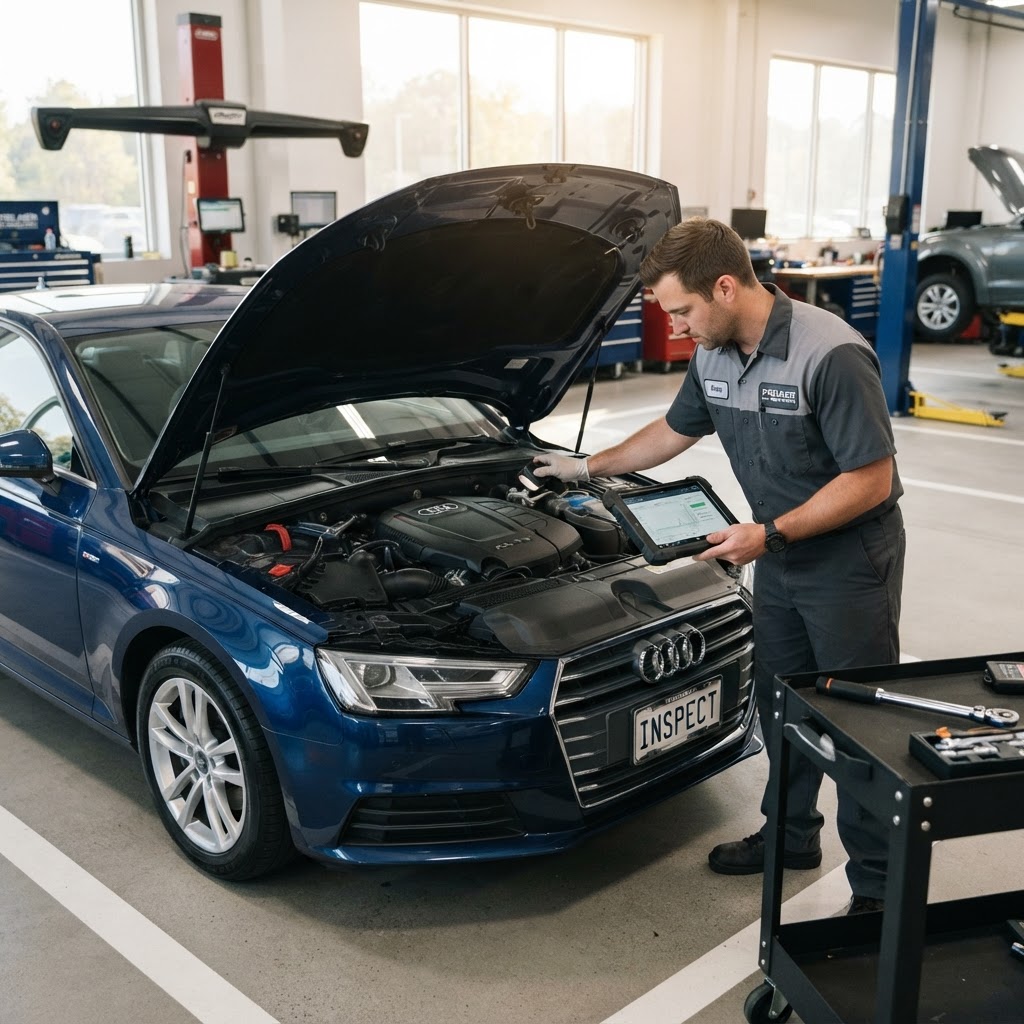
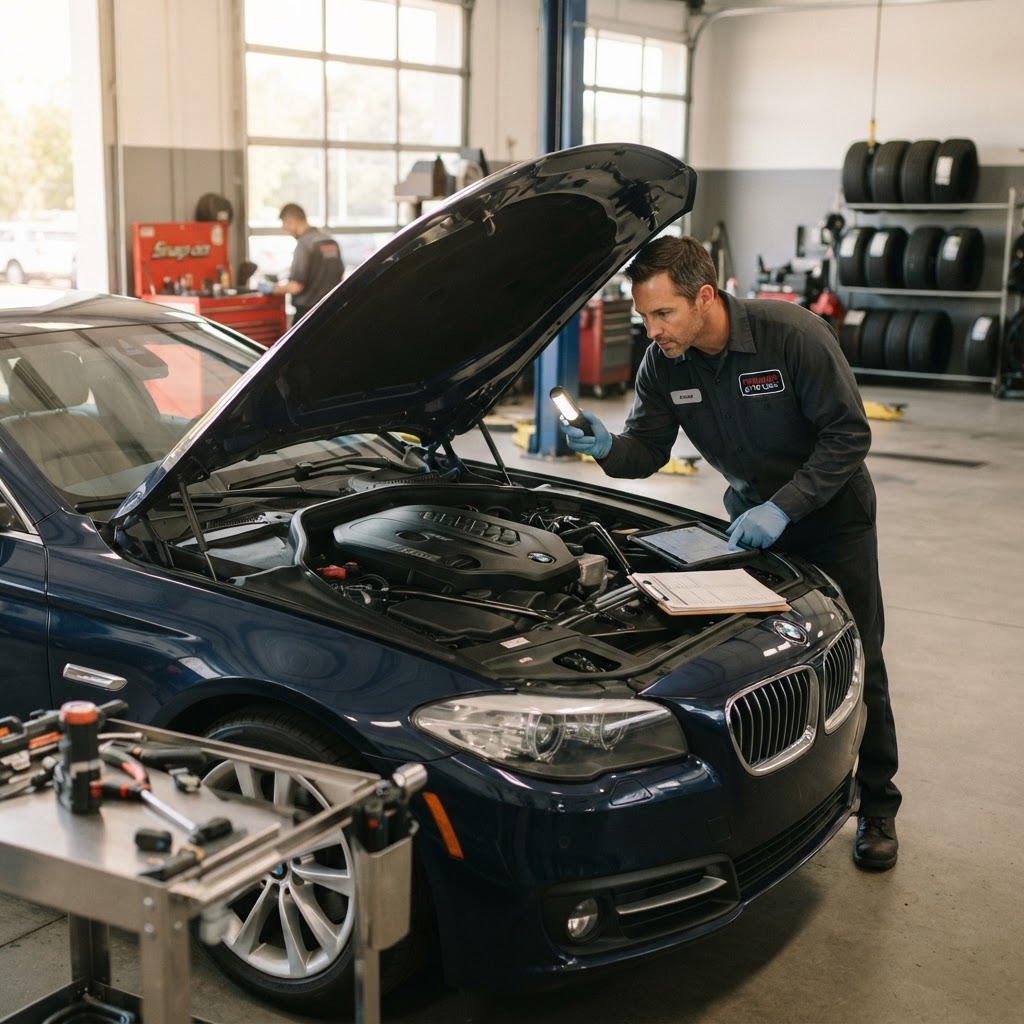
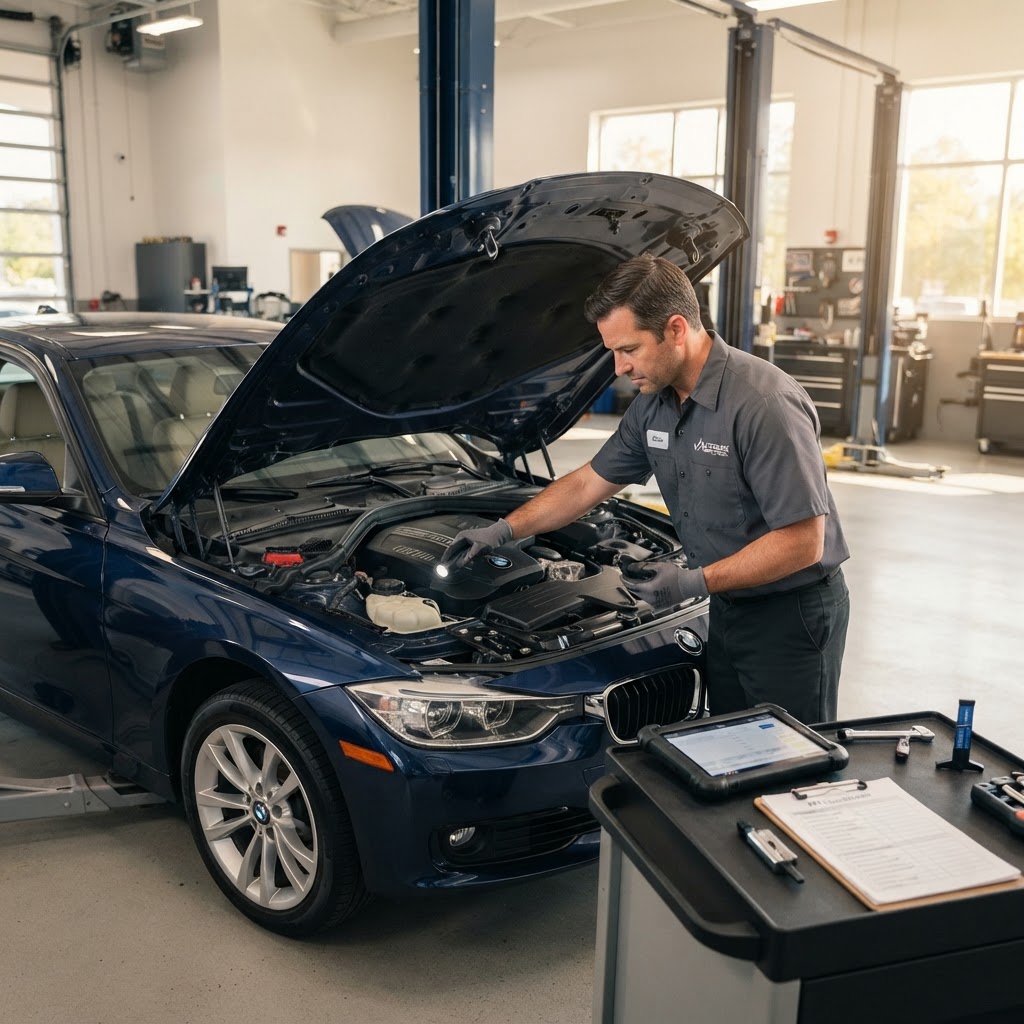
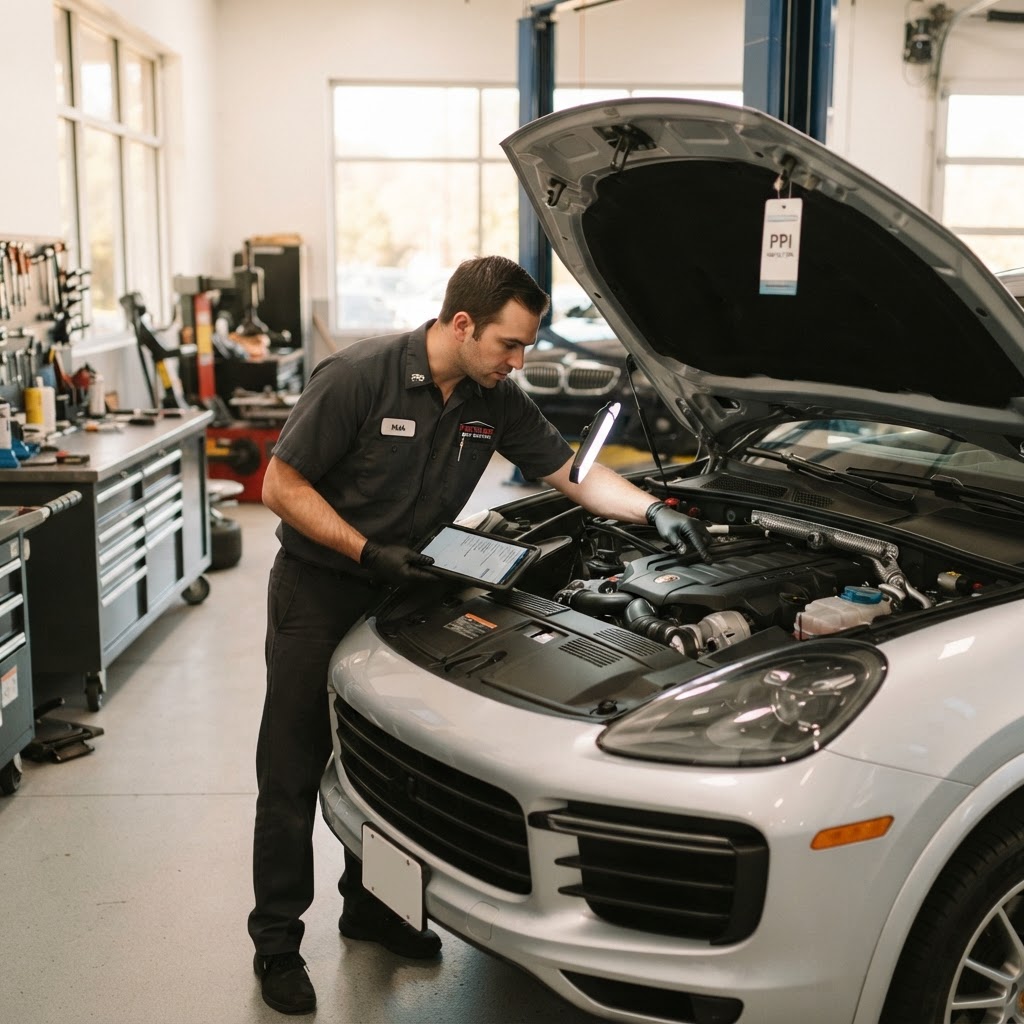
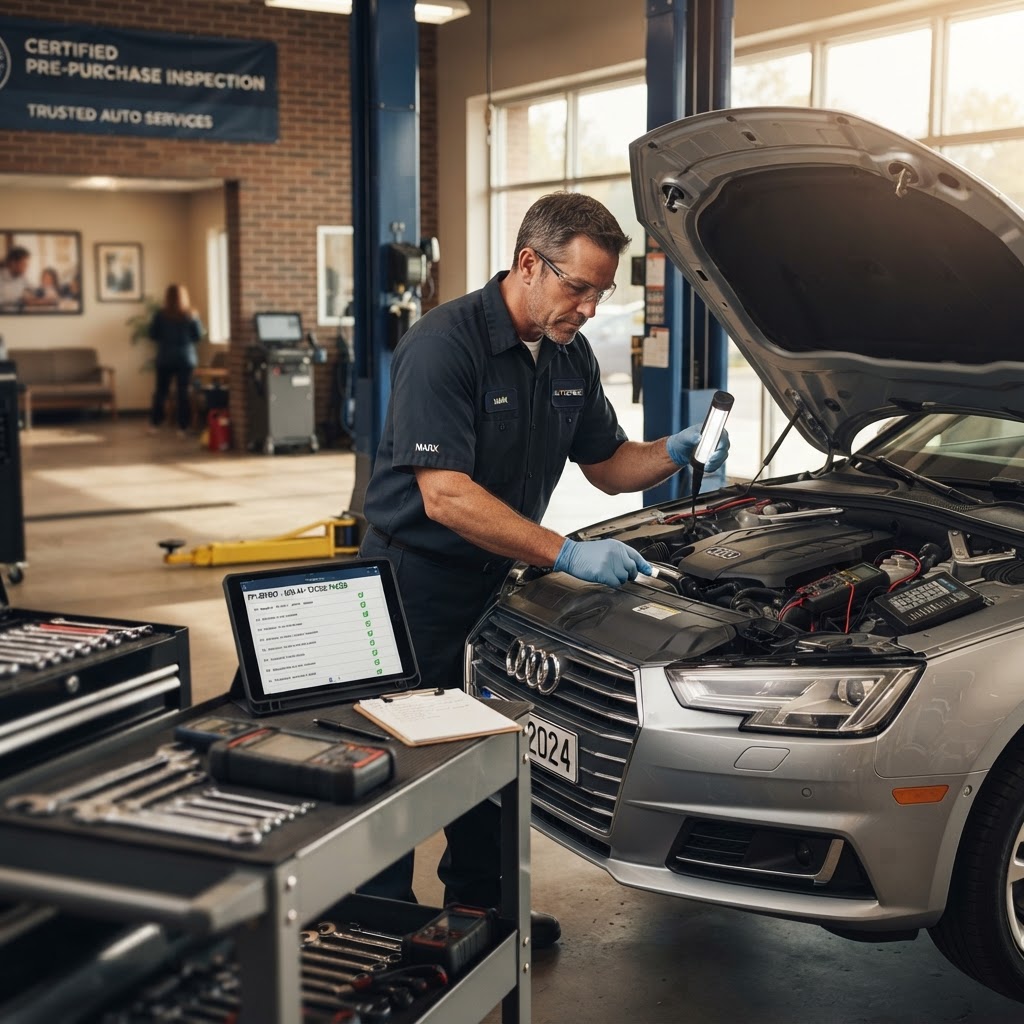
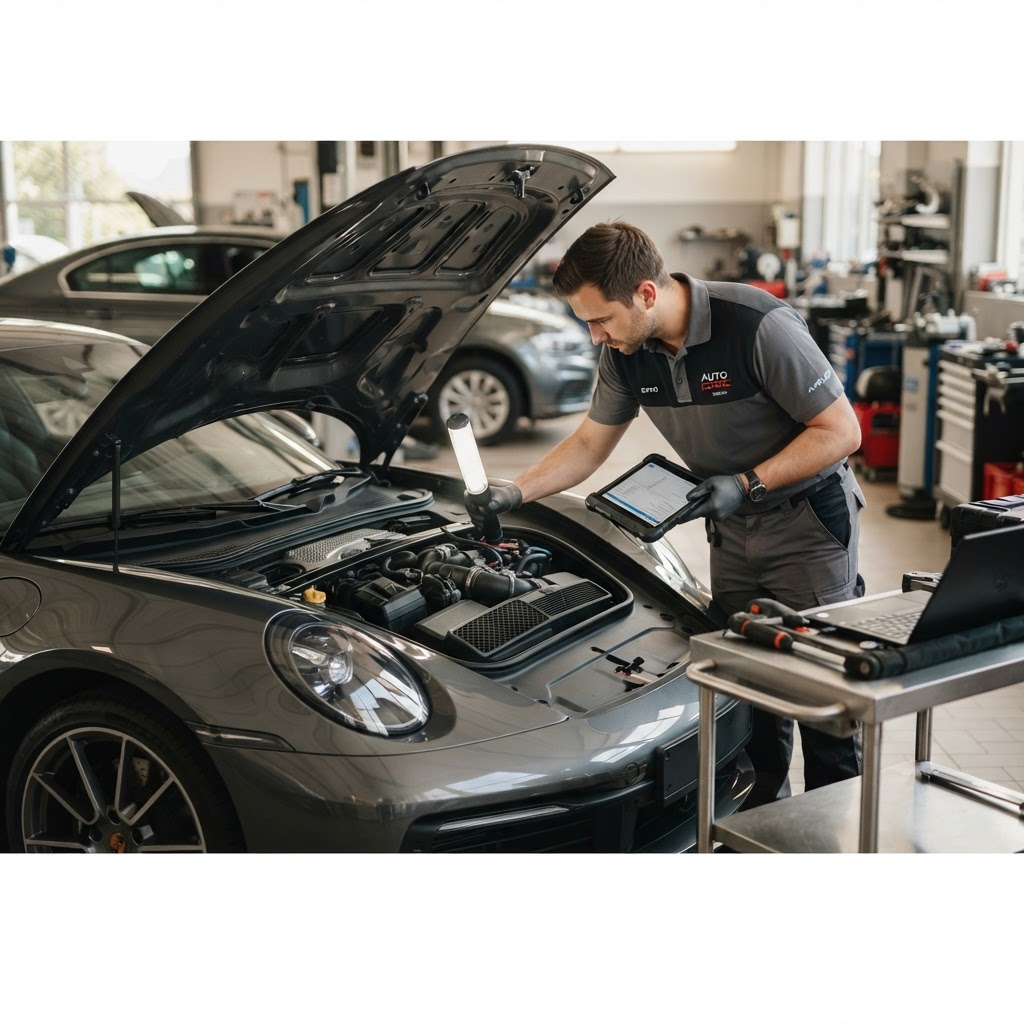
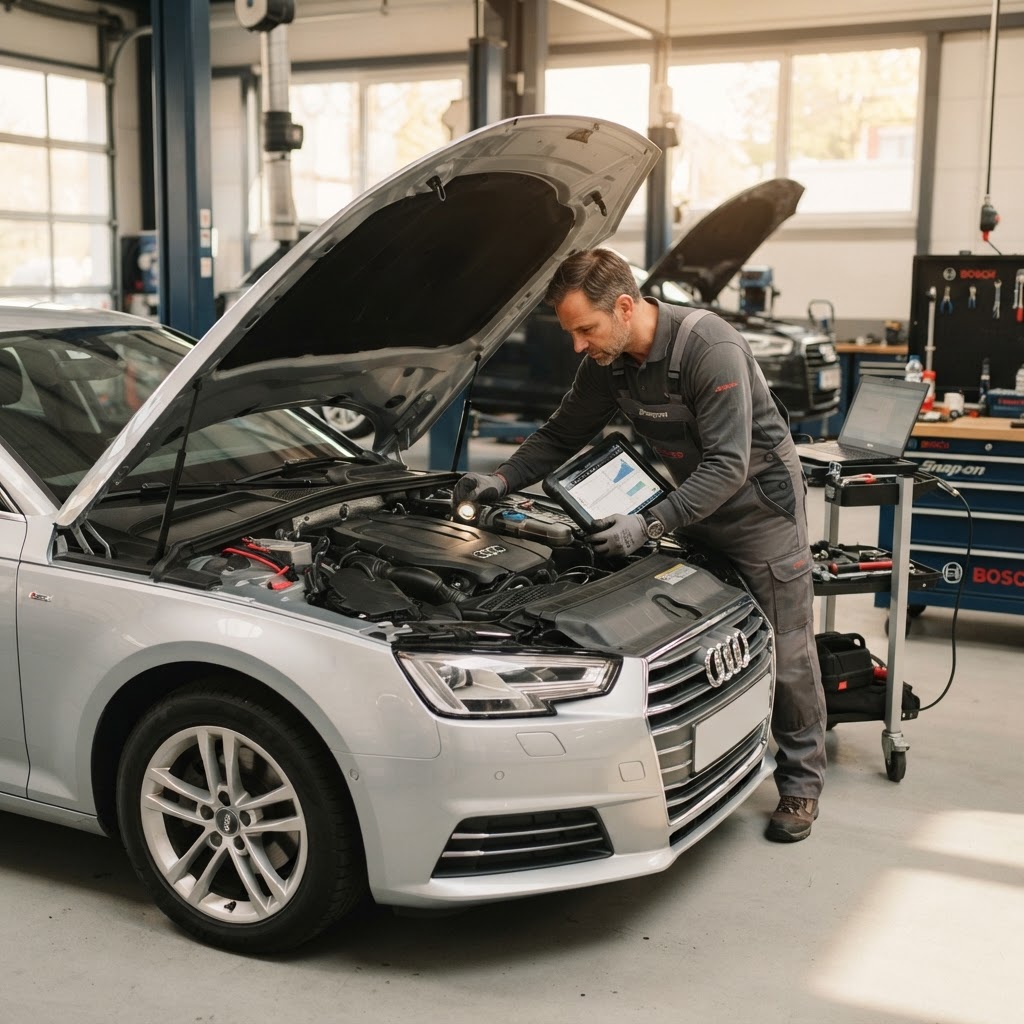
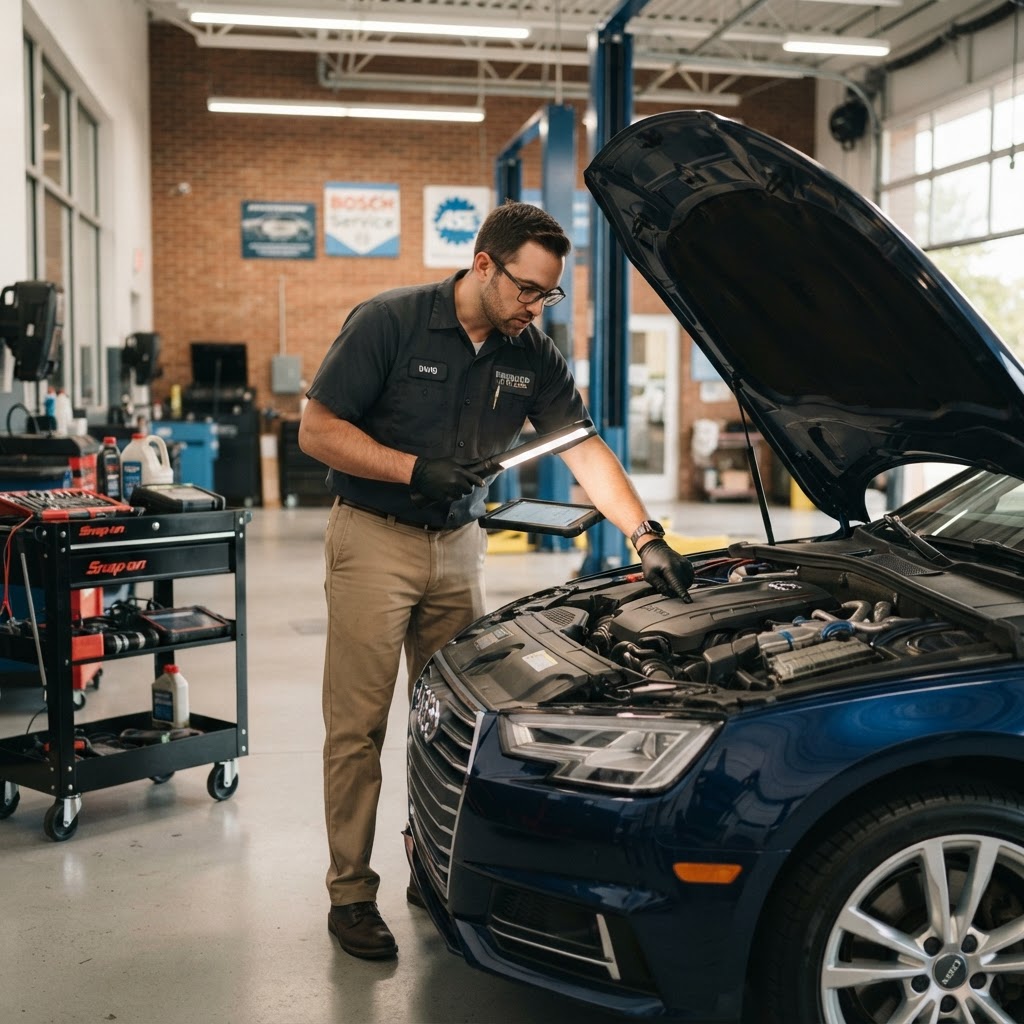
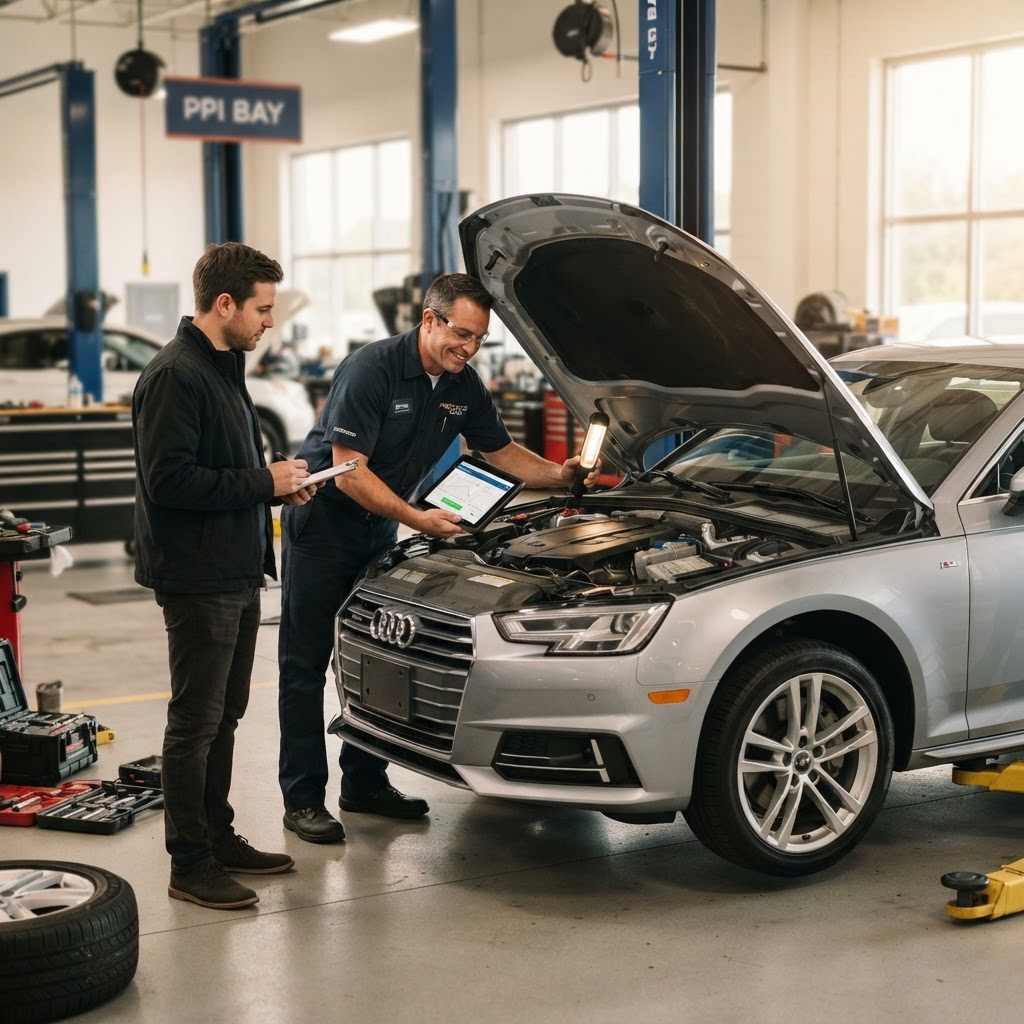
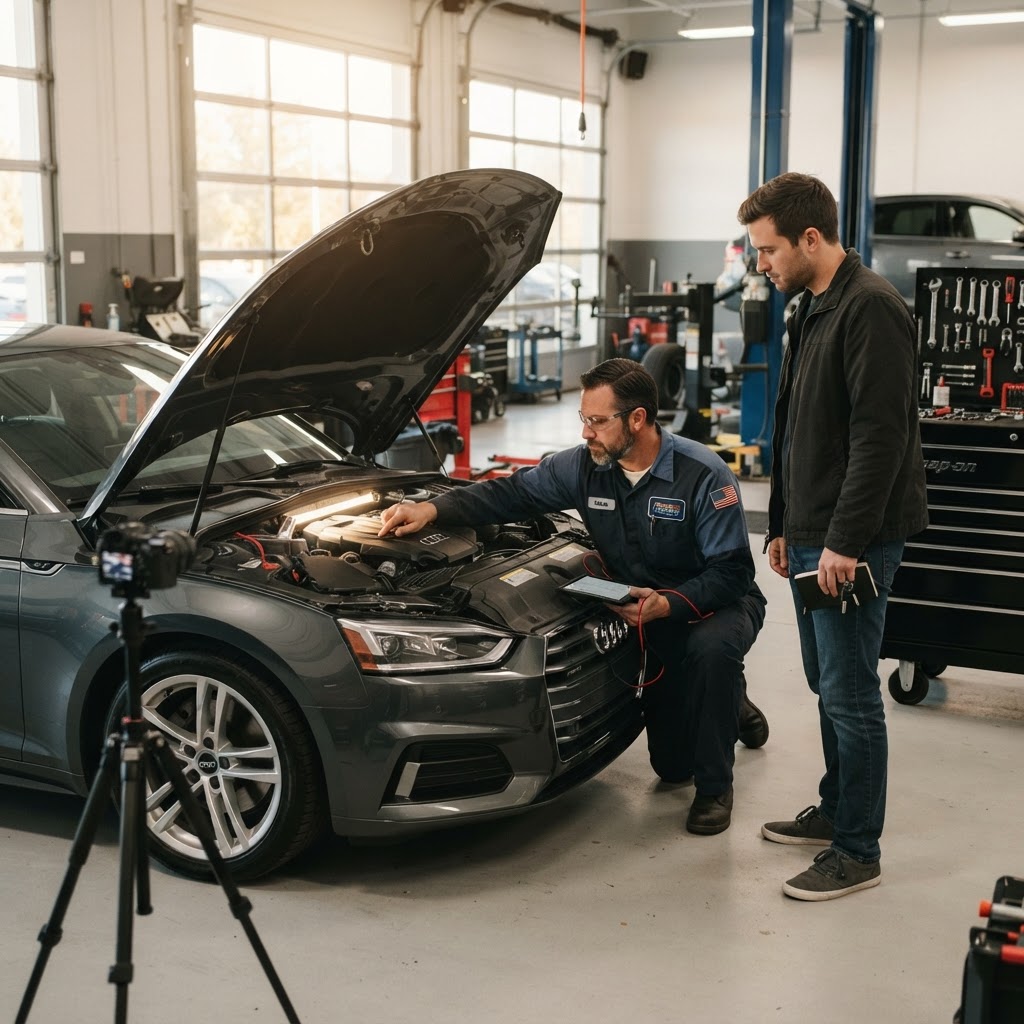
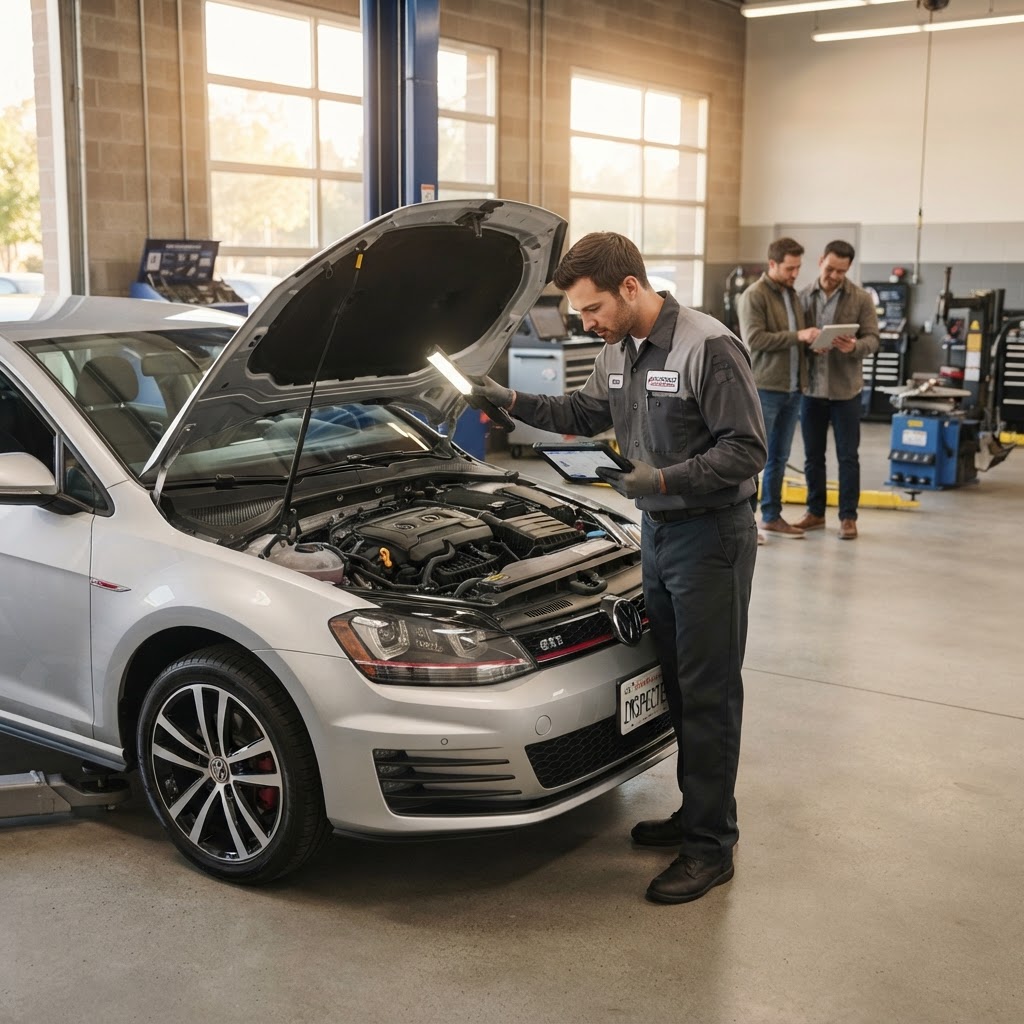
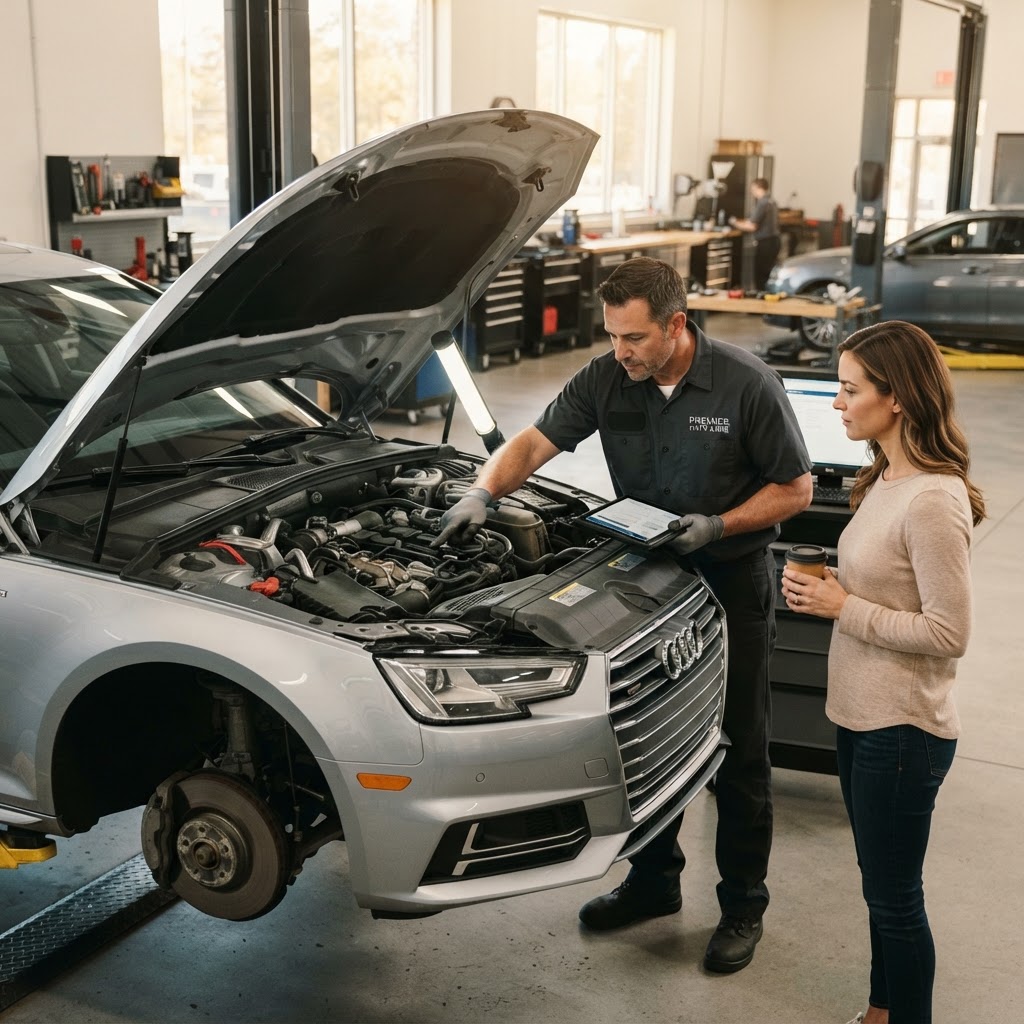
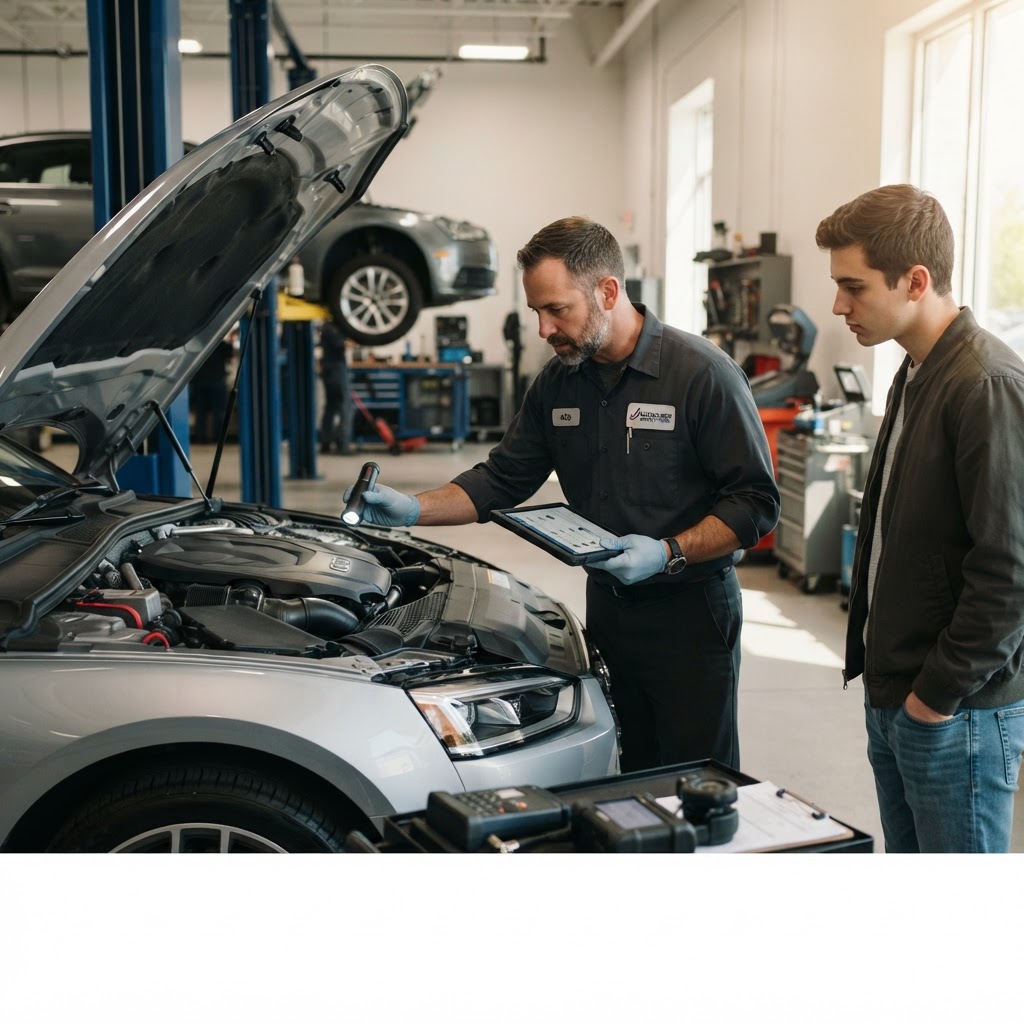
A clean engine bay is not automatically a good sign. Some sellers clean engines before sale, which may be harmless, but it can also make fresh leaks harder to identify. Look for oil seepage, coolant residue, cracked hoses, worn belts, loose wiring, and poor-quality repairs.
Fluid checks matter, even when the car seems to run fine. Engine oil should be at the correct level and should not show obvious contamination. Coolant should appear consistent with the correct type and should not contain oil residue. Brake fluid, power steering fluid where applicable, and transmission fluid on serviceable systems should also be reviewed.
Battery condition is easy to overlook. Corrosion at the terminals, weak startup, or an aging battery can create an immediate post-purchase expense. Check the visible condition of mounts, caps, and cables.
Listen to the engine at idle and on light throttle. Knocking, ticking, belt squeal, misfires, rough idle, or excessive exhaust smoke all deserve follow-up. Smoke color also matters. Blue may indicate oil burning, white may point to coolant issues, and black can suggest fuel mixture problems.
The underside often exposes the real story
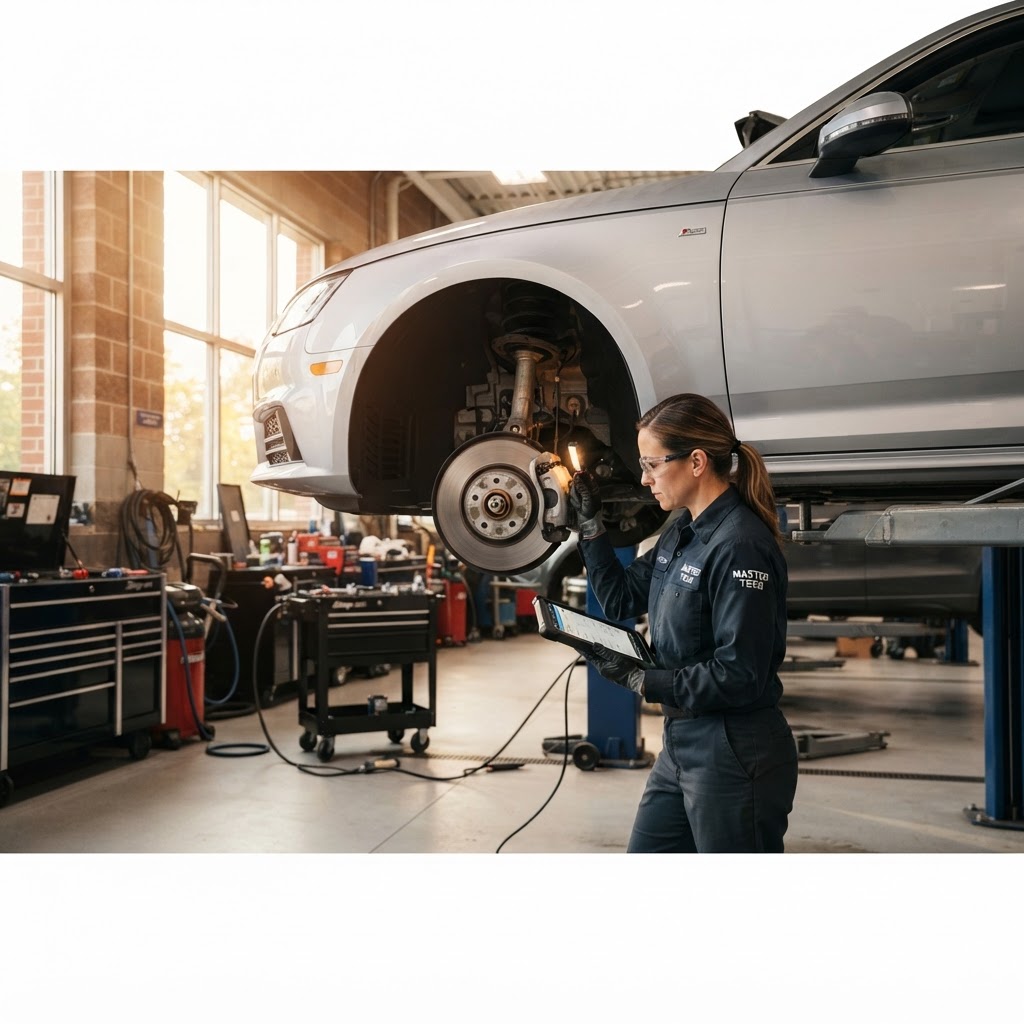
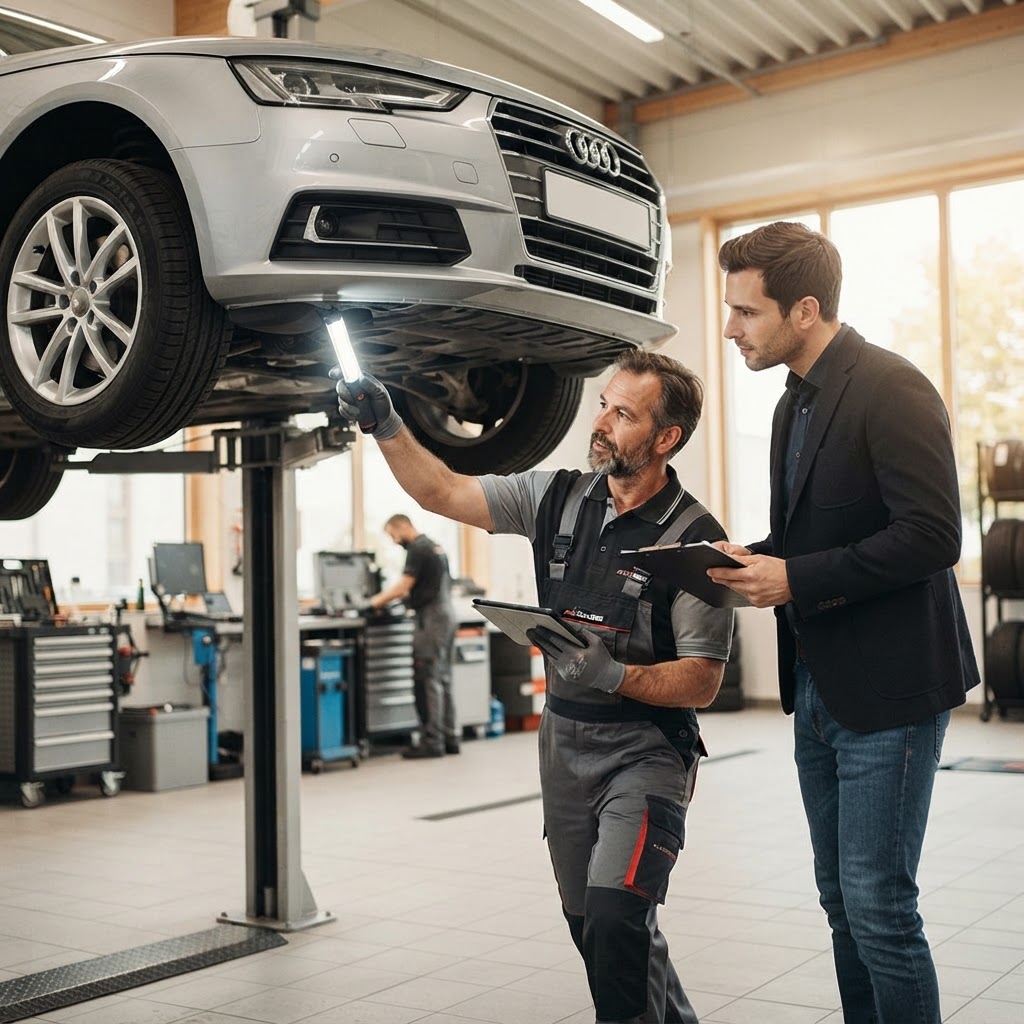
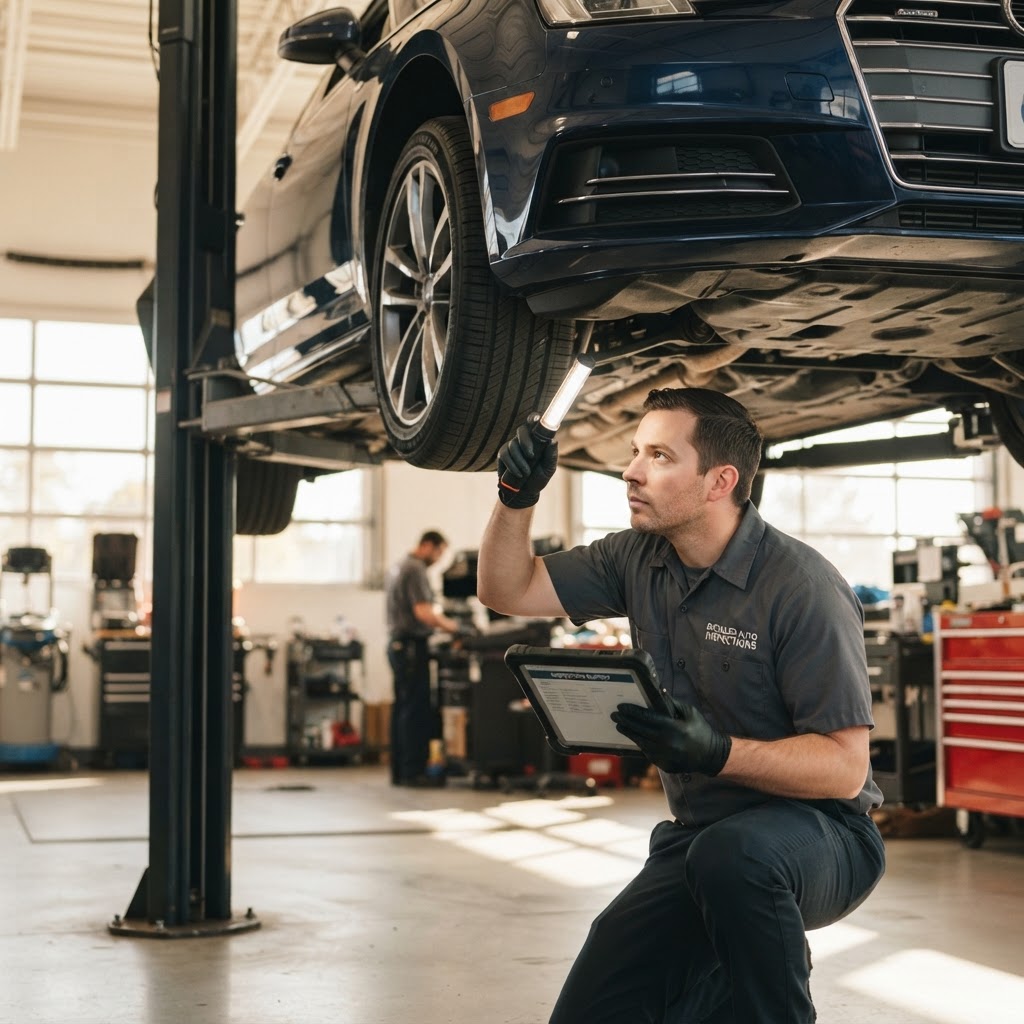
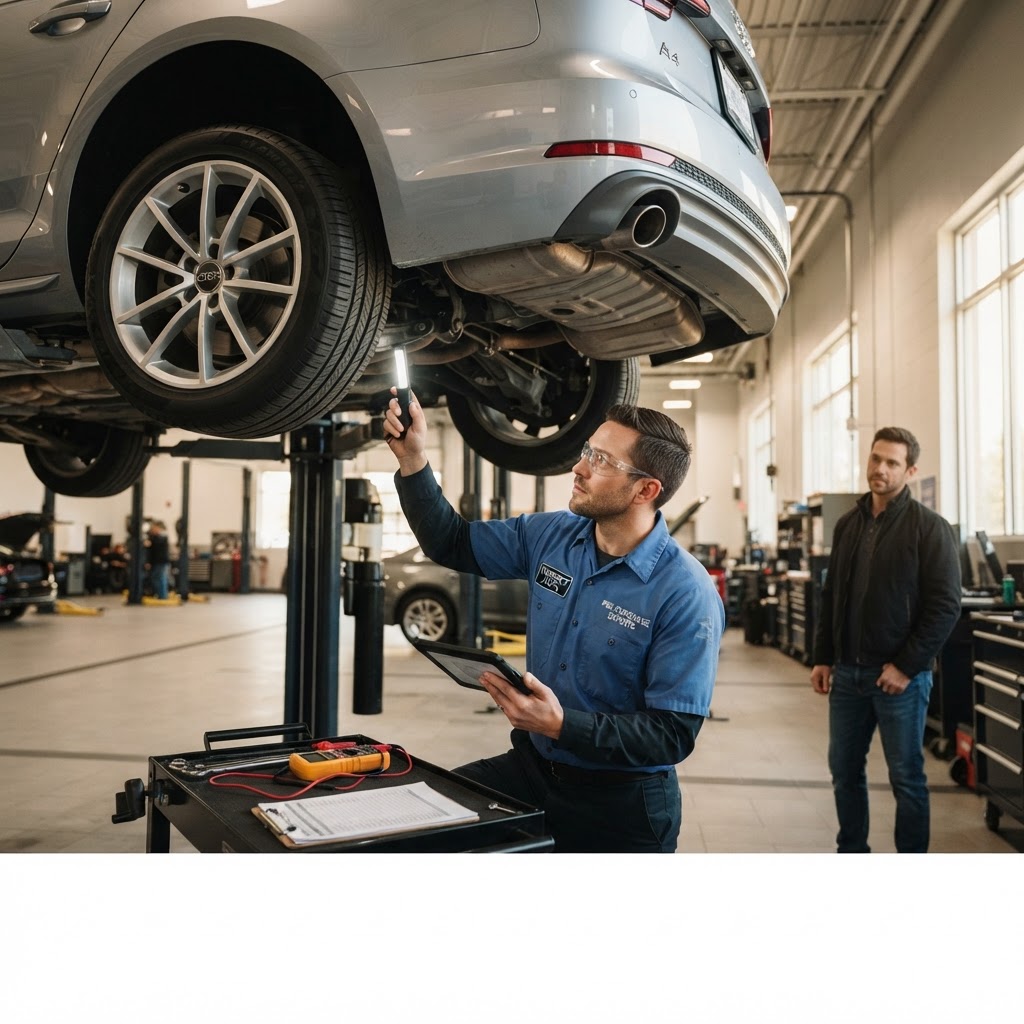
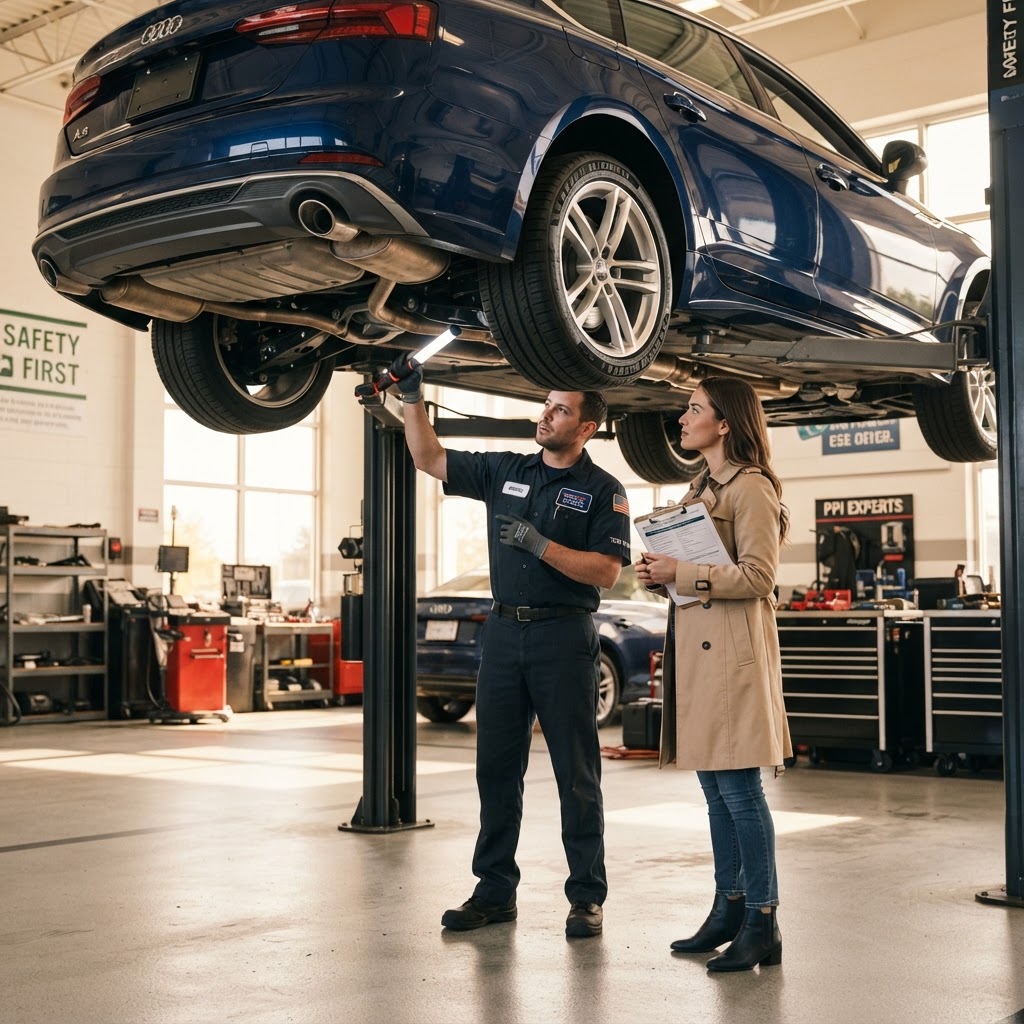
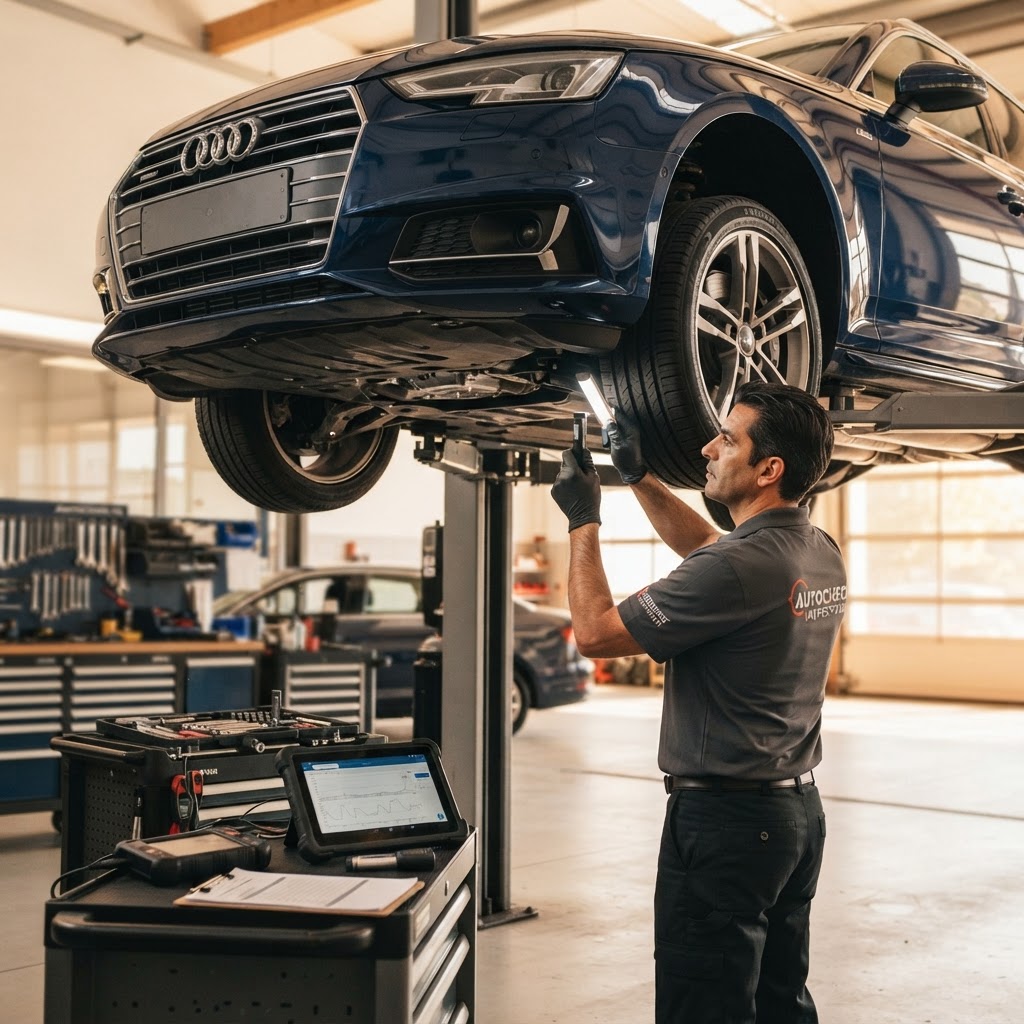
The best pre purchase inspection checklist should include an underside review whenever possible. This is where leaks, impact damage, rust, and rushed repairs become much easier to identify.
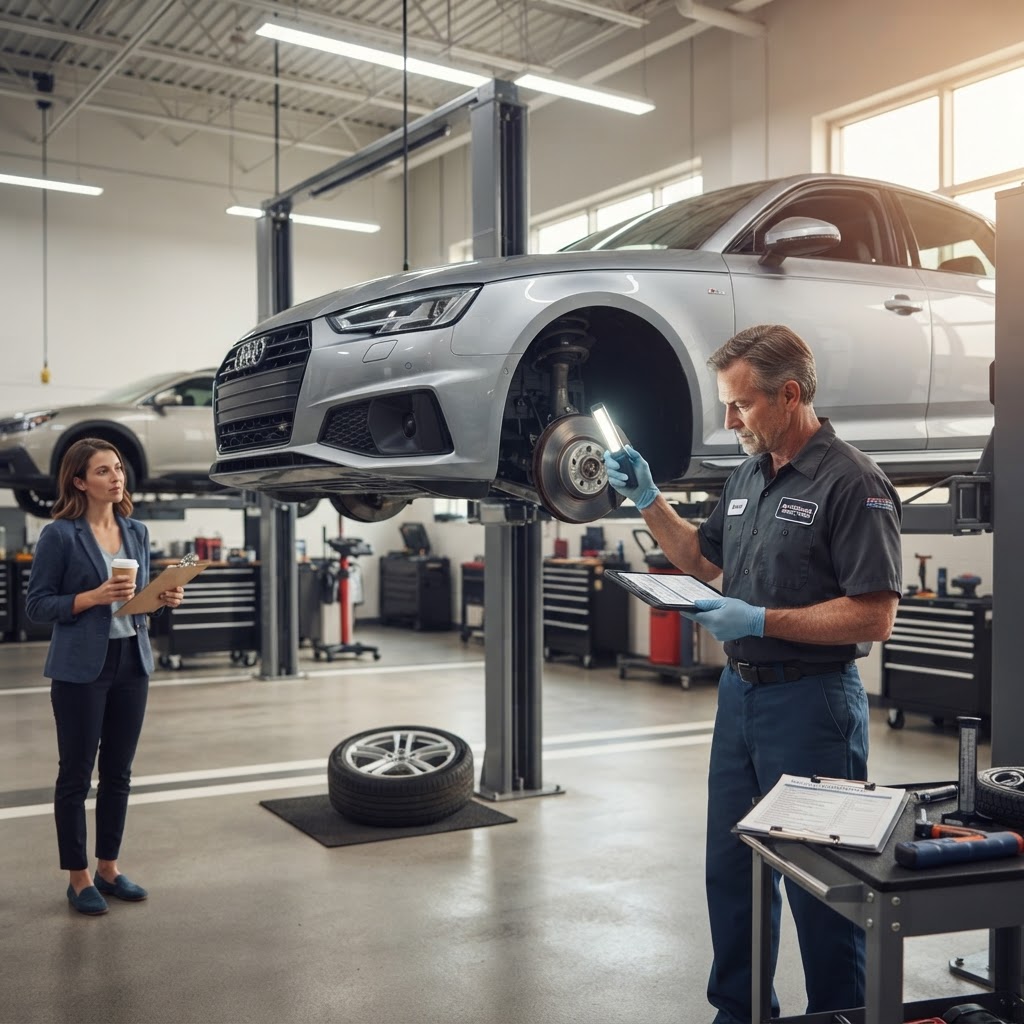
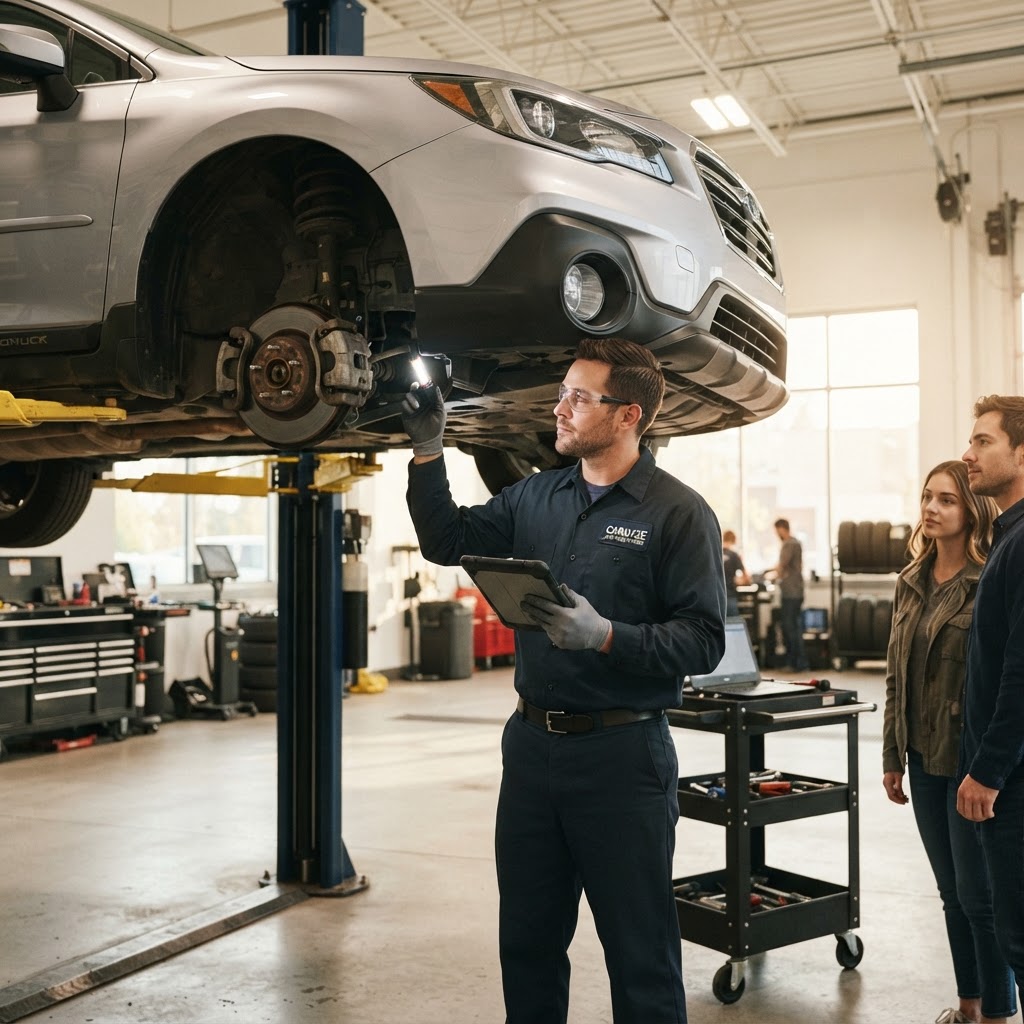
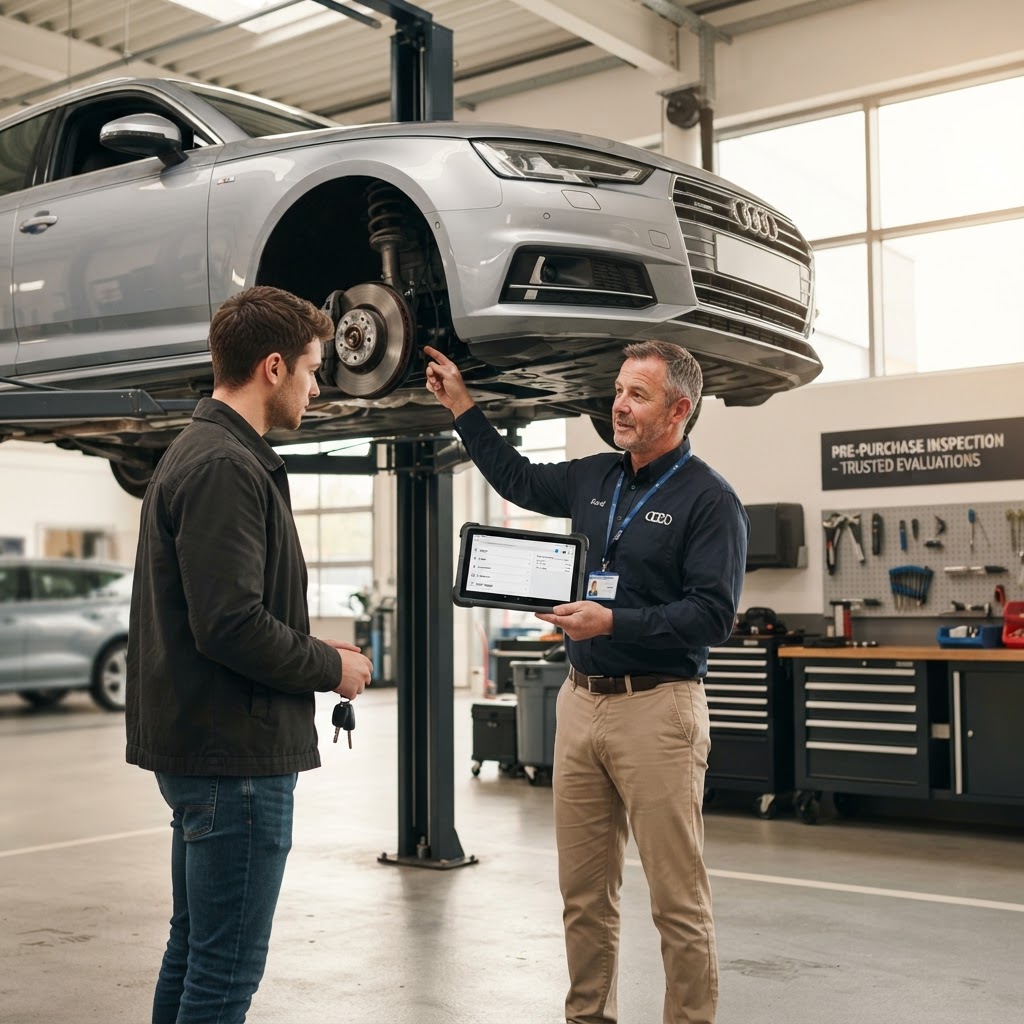
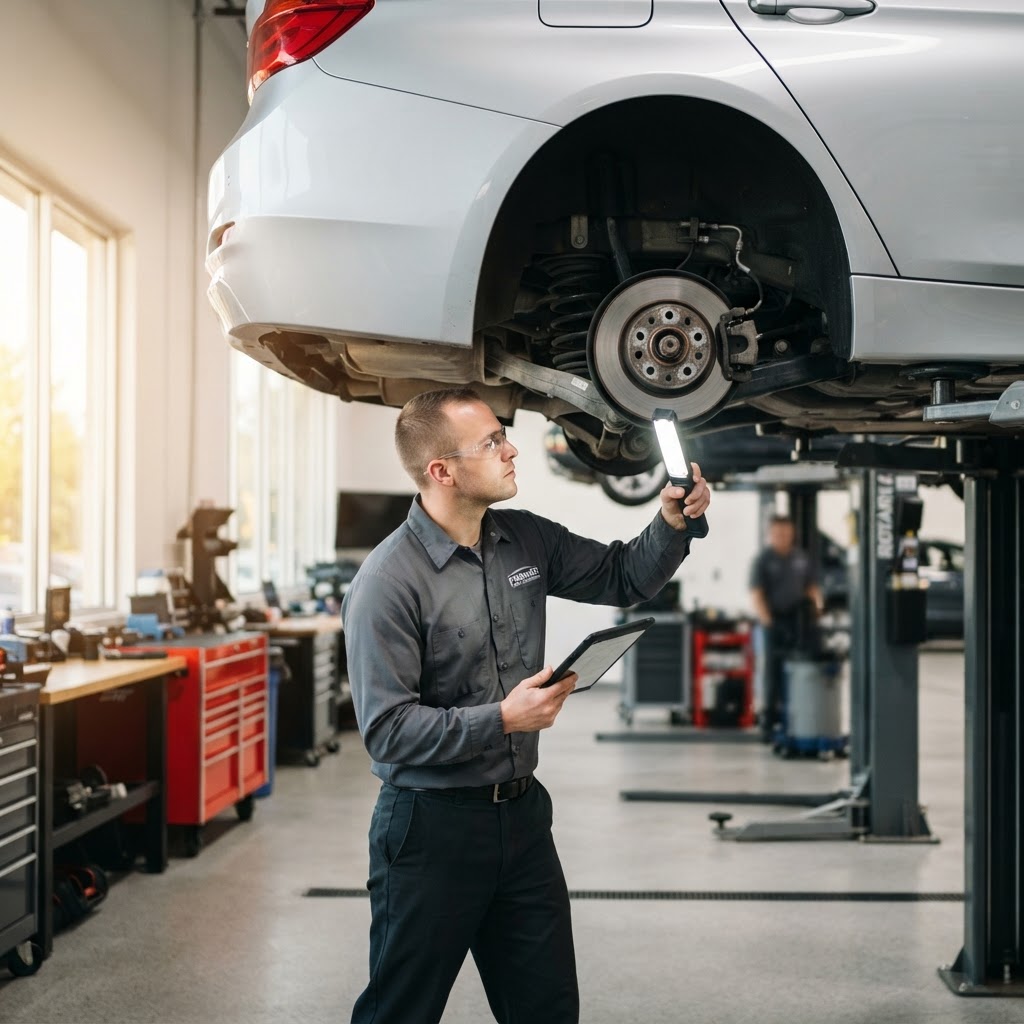
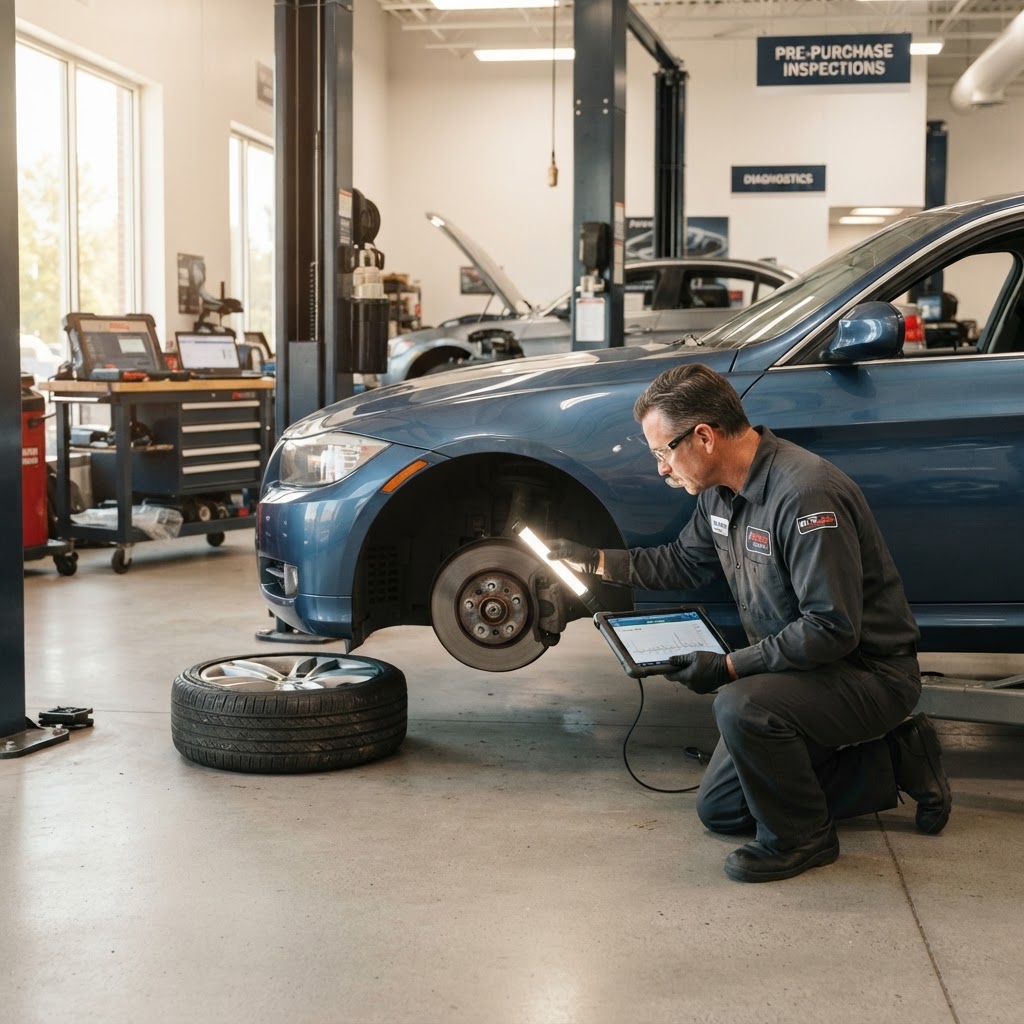
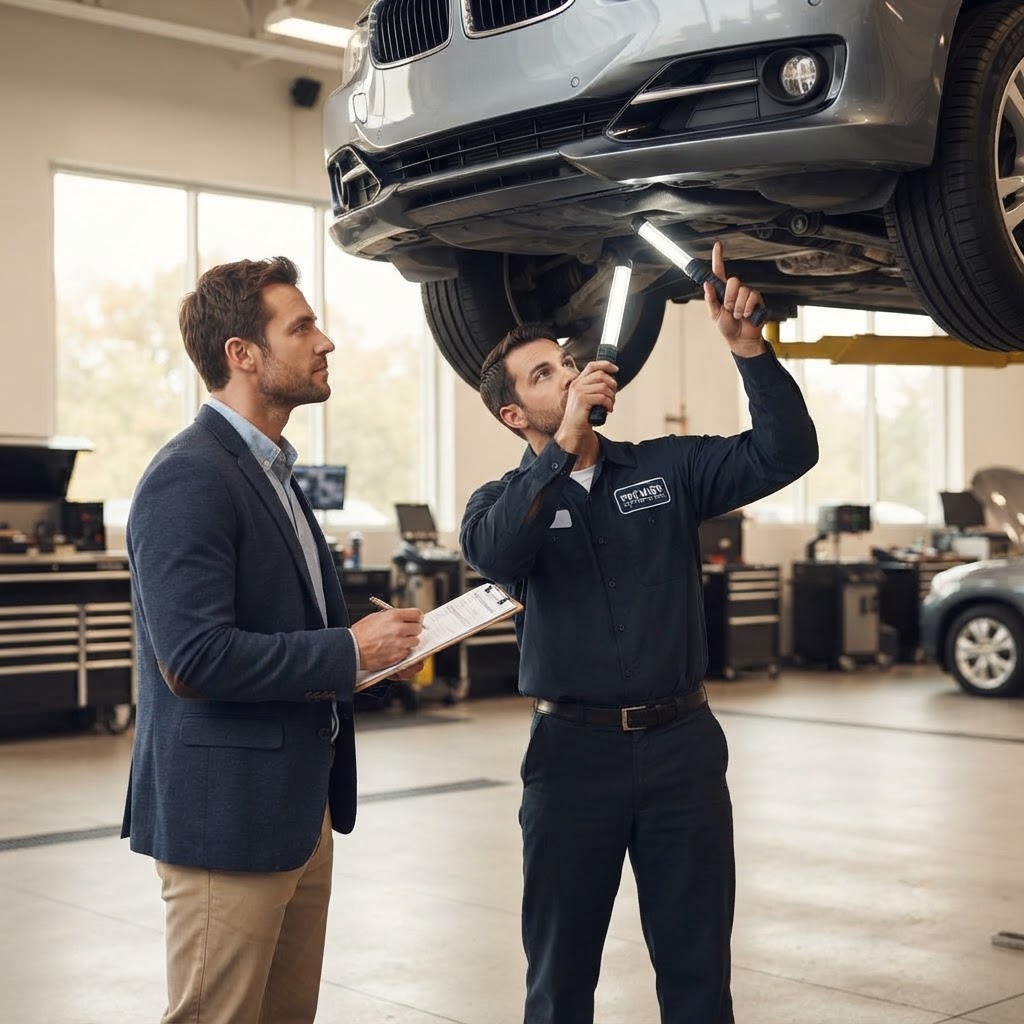
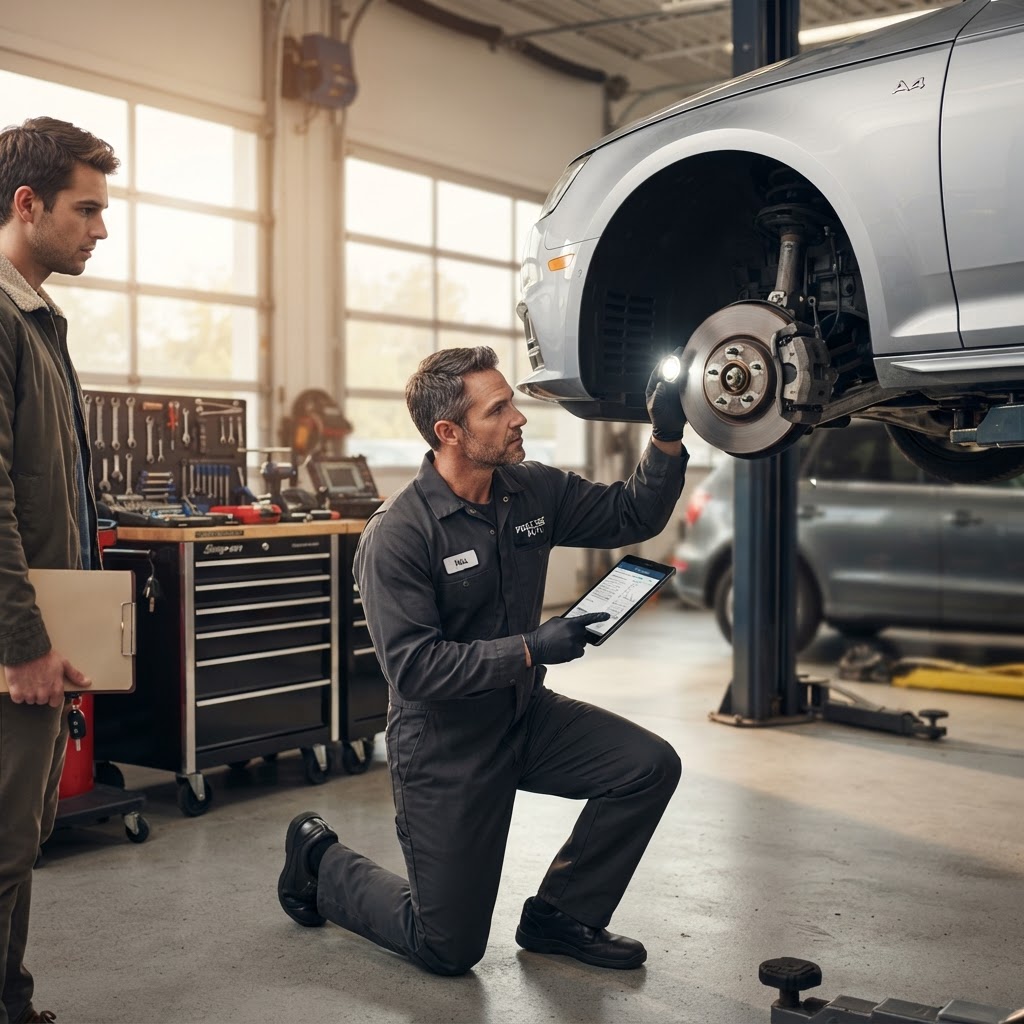
Inspect suspension components, bushings, shocks, struts, brake lines, exhaust routing, and underbody panels. Look for fluid leaks from the engine, transmission, differential, and cooling system. Freshly cleaned sections underneath can be a signal to inspect more carefully, not less.
Frame damage or poor structural repair should be treated seriously. A vehicle can be made presentable on top while carrying major compromise underneath. This is one of the strongest reasons professional inspection support remains valuable, especially for higher-dollar purchases.
Road test findings should be documented, not guessed
A short drive around the block is better than nothing, but it is rarely enough. The vehicle should be tested at neighborhood speed and highway speed when practical. Start with a cold engine if possible, since many issues are easier to detect before the vehicle warms up.
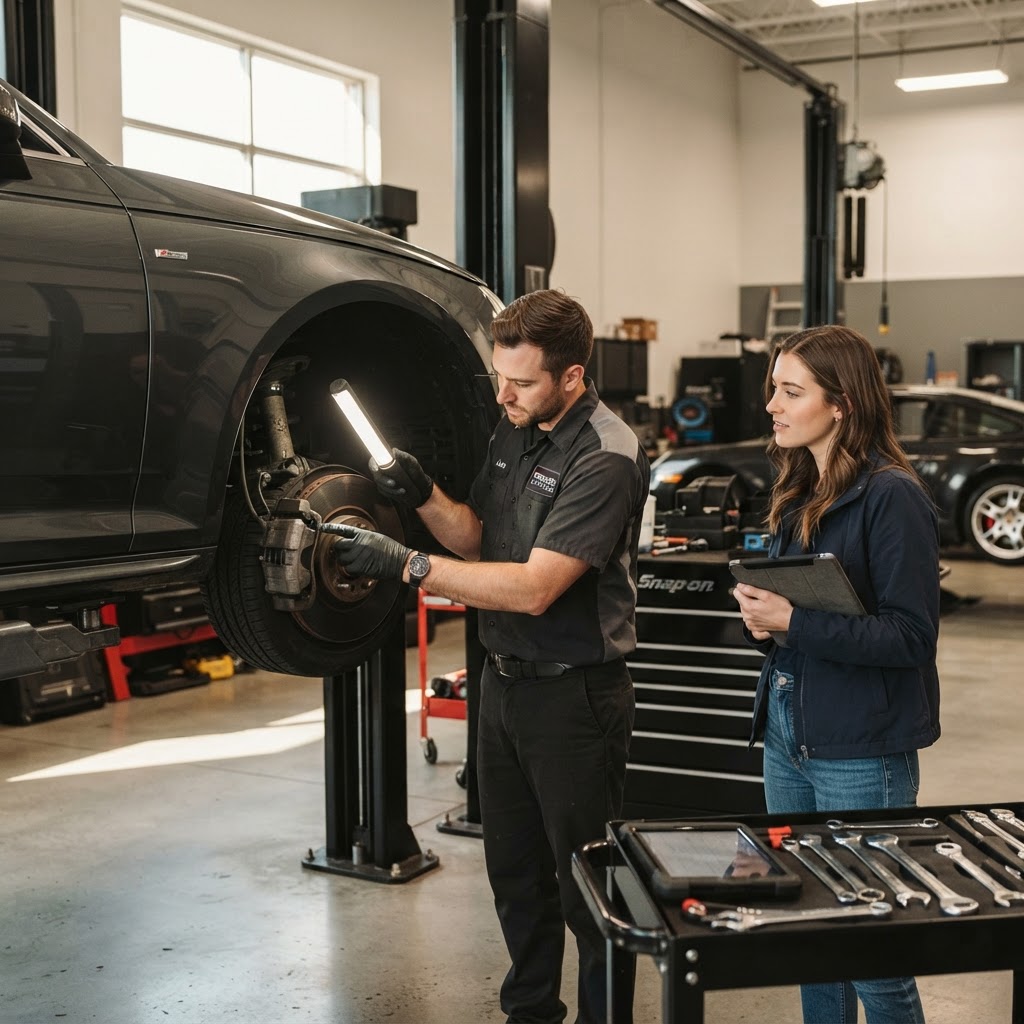
Watch how it starts, shifts, brakes, accelerates, and tracks in a straight line. The steering should feel controlled and predictable. Braking should be smooth without vibration, pulling, or unusual pedal travel. Transmission operation should be consistent, with no slipping, harsh engagement, or delayed response.
Listen for clunks over bumps, humming from wheel bearings, wind noise from poor sealing, and vibrations at certain speeds. Also confirm that cruise control, driver assistance systems, and parking sensors work if equipped. Technology features add value only when they function correctly.
What to flag after the inspection
At the end of the review, the goal is not to say the car is good or bad in general terms. The goal is to sort findings into three categories: normal used-vehicle wear, corrective items needed soon, and high-risk concerns that should affect pricing or stop the purchase altogether.
Normal wear might include minor cosmetic flaws or routine maintenance nearing due date. Corrective items could include tires, brakes, a battery, or fluid service. High-risk concerns usually involve structural damage, major leaks, overheating signs, transmission issues, flood evidence, title problems, or unresolved warning lights.
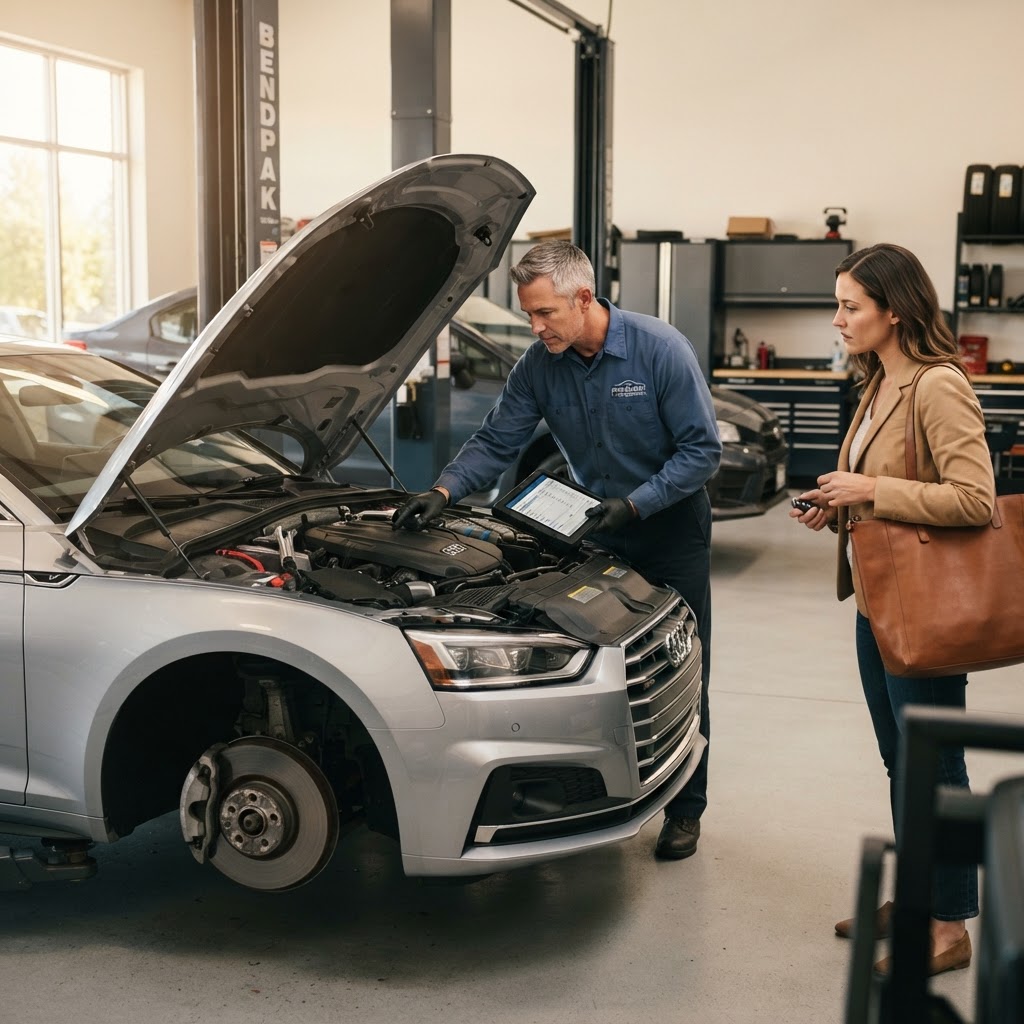
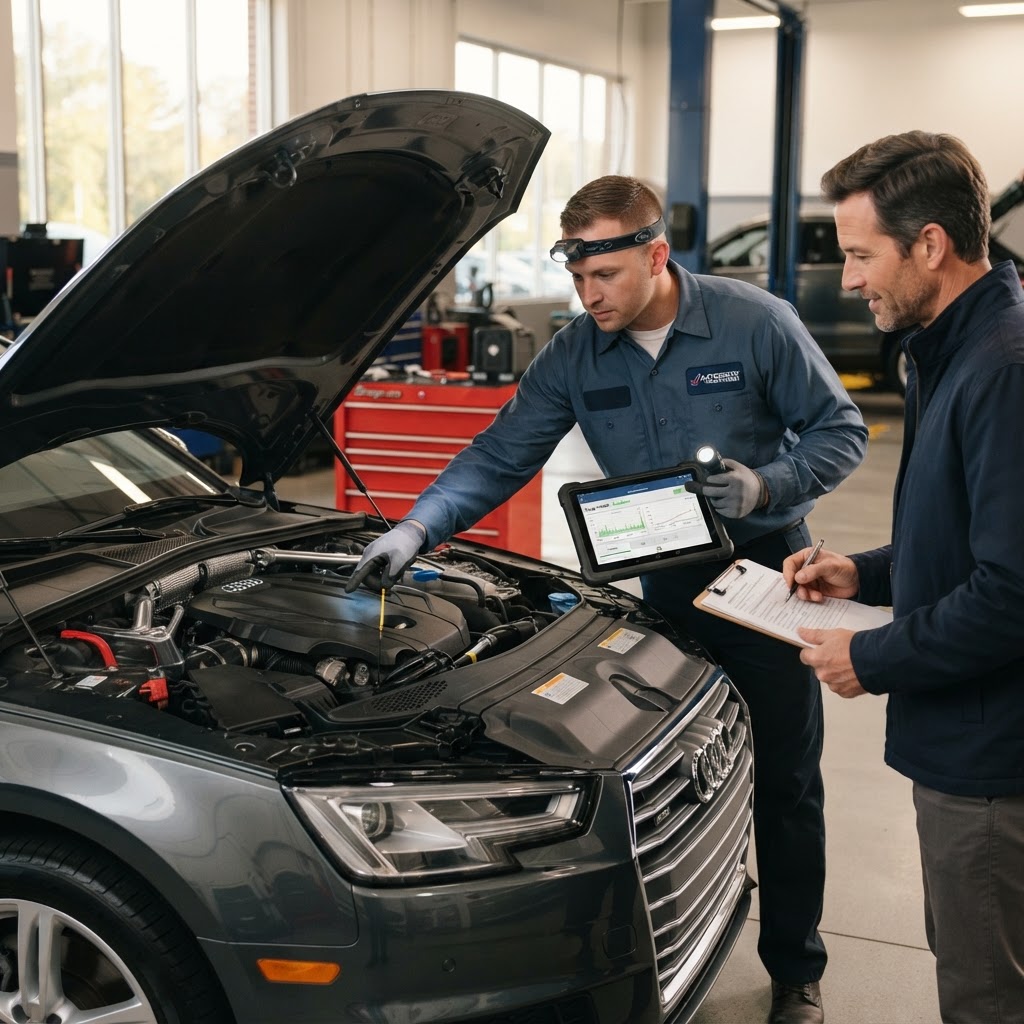
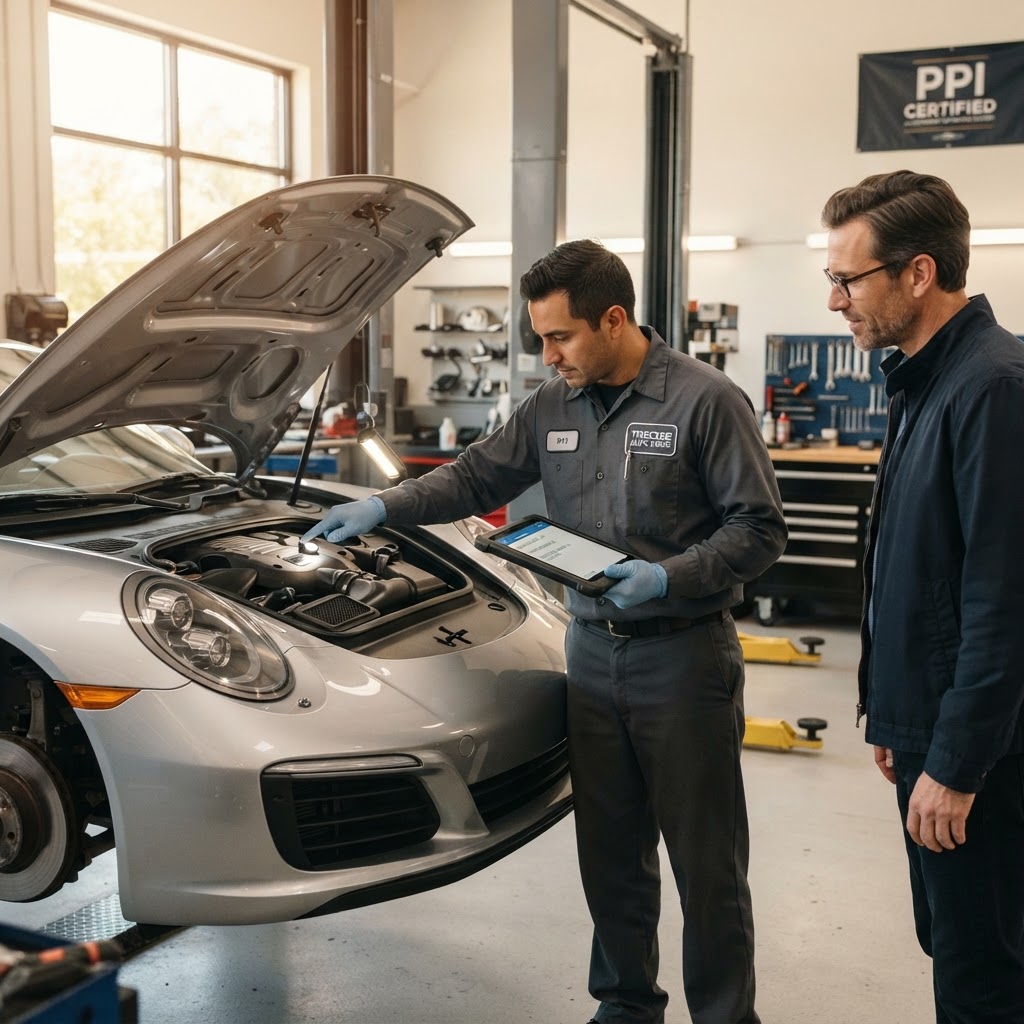
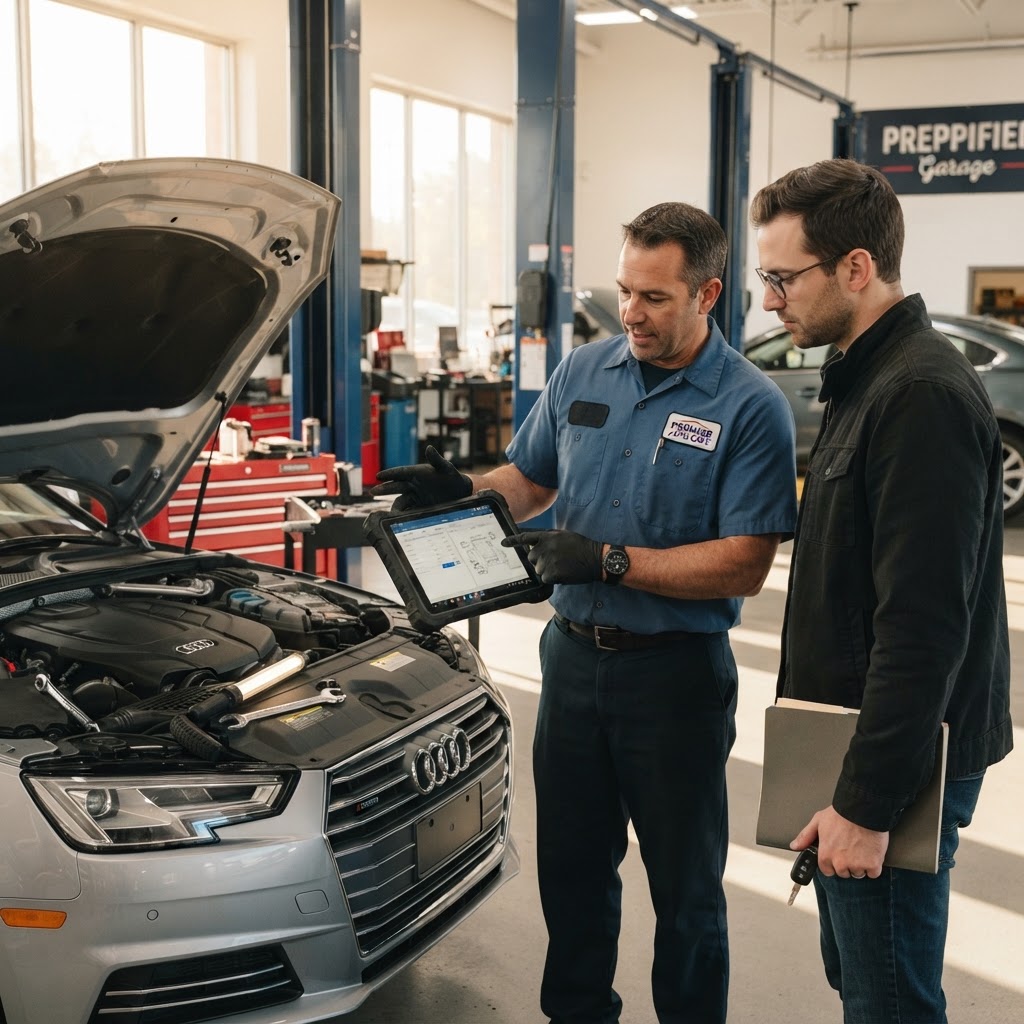
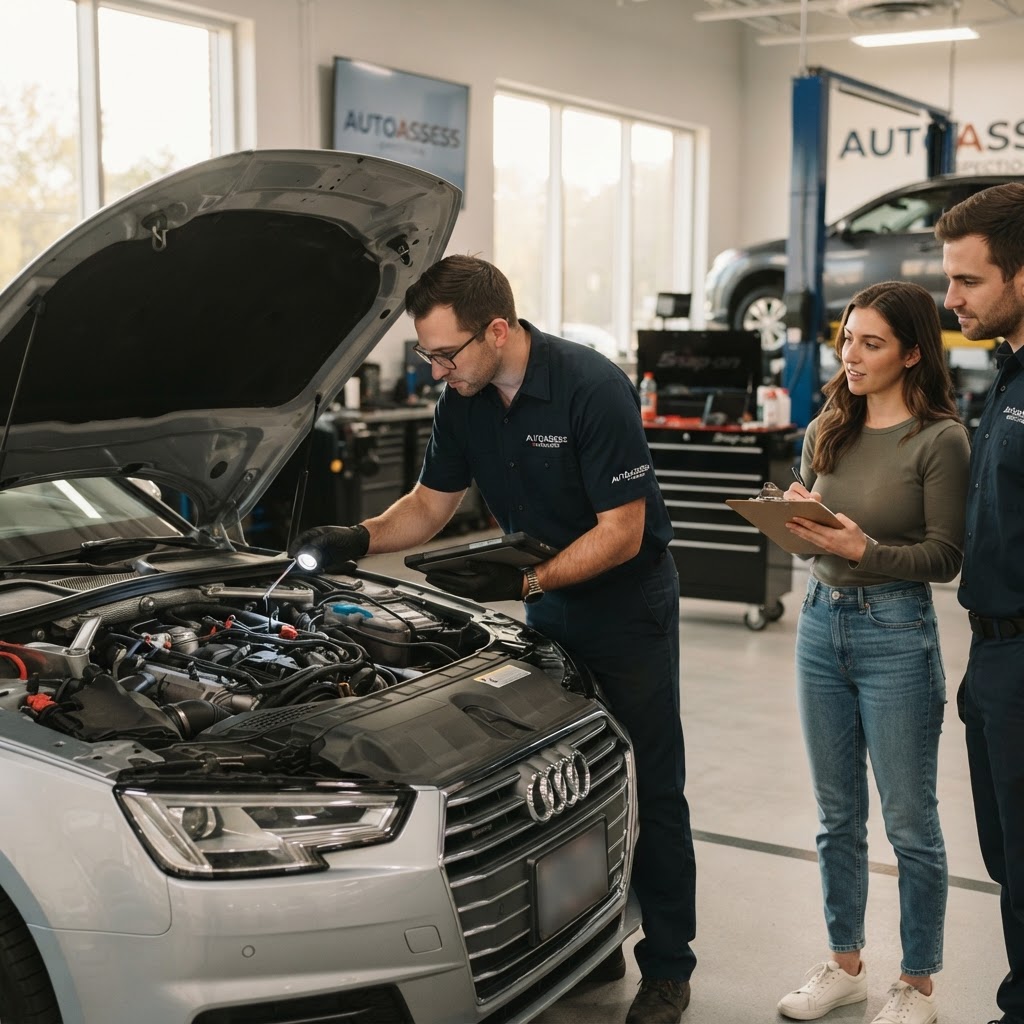
This is where documentation matters. A professional report with photos, observations, and condition notes creates a clearer basis for negotiation and internal review. For buyers managing multiple opportunities, or dealerships handling volume, consistency in reporting is what keeps decisions organized. That is why a process-driven inspection platform such as RIZQ Car Inspection can be useful when the purchase needs more than a casual opinion.
A vehicle does not need to be flawless to be worth buying. It needs to be understood well enough that the price, condition, and next-step costs make sense together. That is what a real checklist is for - not to slow a deal down, but to keep it from going wrong.