Mobile Car Inspection
A RIZQ inspector comes to the car — the dealer lot, the private seller's driveway, the car park where it actually sits — runs OBD-II diagnostics, drives it where it can be driven, and photographs every section. You never have to move the vehicle, and you do not have to be there.
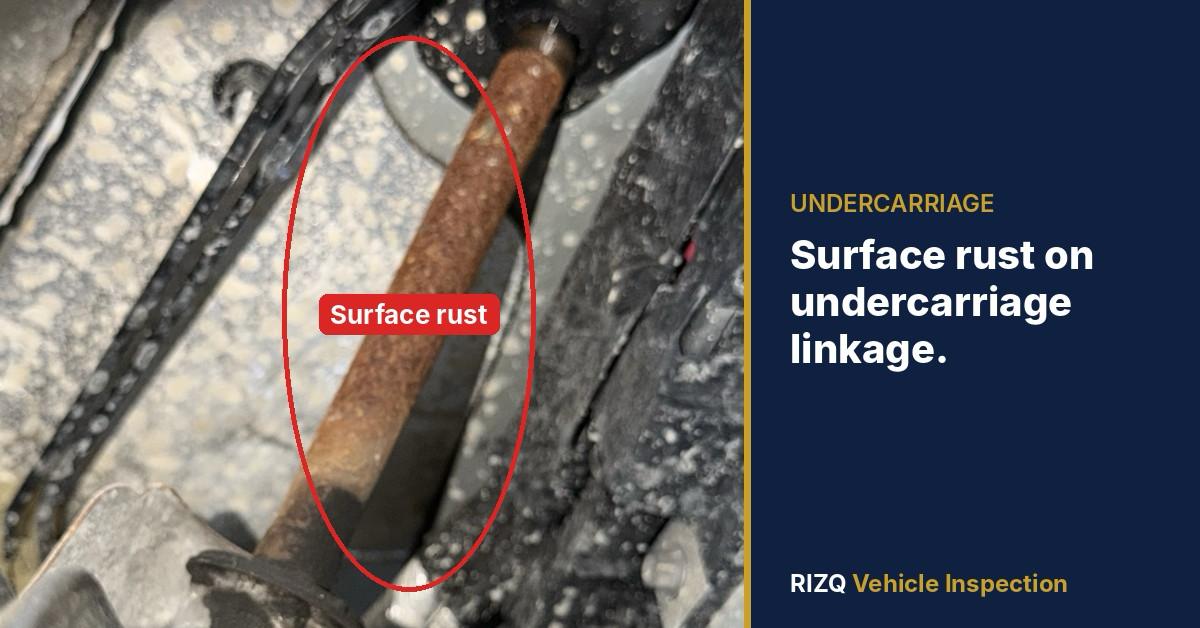
Found under a car that looked clean on the lot.
Undercarriage rust and corroded calipers. Exactly what a seller's photos leave out, and what a ground-level check at the seller's own location turns up.
What we check
The full checklist, done where the car is parked
A mobile inspection is not a lighter inspection. It is the same checklist, the same scan tool and the same written report — the only thing that changes is who travels.
Computer diagnostics (OBD-II)
A scan tool is plugged in and every stored and pending fault code is read, along with the readiness monitors. A car whose codes were cleared shortly before the sale shows up here, because the monitors will not have reset.
Engine, transmission and drivability
The engine is started from cold, listened to, and the vehicle is driven on the road where it is legal and insured to be driven. Shifting, braking, steering, suspension noise and pulling are all assessed on that drive.
Undercarriage and structural condition
The underside is photographed properly: frame rails, floor pans, subframe, suspension, exhaust, and any sign of rust, impact damage or previous structural repair. This is the section a seller never photographs and a mobile inspection exists to reach.
Exterior, panel by panel
Every panel is photographed with close-ups of dents, scratches, chips and mismatched paint. Panel gaps and paint texture are checked for signs of repair the listing does not mention.
Interior and electronics
Seats, trim, headliner and dashboard condition, plus every switch, window, seat function, screen and accessory. Damp carpets, water lines and odour are recorded where present.
Fluids, tyres and warning lights
Oil, coolant, brake and washer fluid levels checked, tyre tread and manufacture dates measured, and every dashboard warning light noted. Glass, mirrors and lights are checked at the same time.
What the report actually shows
Undercarriage and engine bay, photographed and annotated
These are real RIZQ inspection photographs, not stock. The undercarriage can only be documented from underneath the car, which is exactly the part a seller never shows you — and where leaks, rust and previous repairs live.
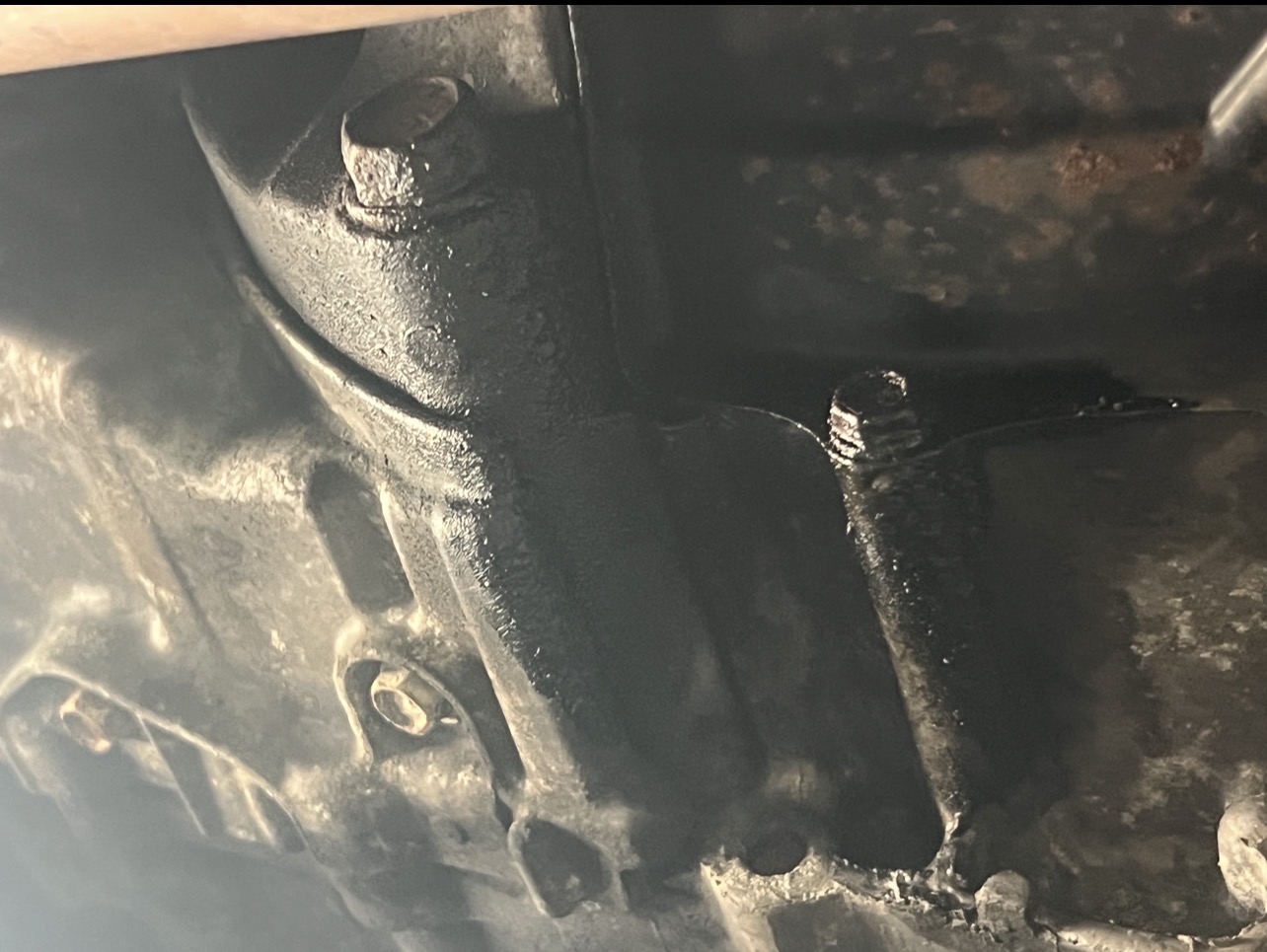
Undercarriage — oil leak
Minor oil leak residue found — appears to be an old or prior leak with baked-on residual oil present, not actively leaking. Photos documented.
Written by the inspector, on site. It appears in the report exactly like this.


Photographs are taken at the vehicle, in the condition it is in at the time of inspection. Leaks, seepage and residue are documented as found — an old, baked-on leak is described as old, not as an active fault.
How it works
You tell us where it is. We handle the rest.
The office arranges access with the seller or dealership, so you are not the one chasing a time slot. You get the report either way.
- 1
Book the car, not the shop
Tell us the vehicle and where it is parked - a dealer lot, a private seller’s driveway, your own office car park. You do not have to move the car and you do not have to be there.
- 2
We arrange access with the seller
The office contacts the seller or dealership to agree a time and confirm the vehicle will be available and able to be started and driven. Most cars are inspected within one to three days of booking.
- 3
The inspector comes to it
A RIZQ inspector arrives at the vehicle with a scan tool and works through every check on this page on site, photographing as they go. Most inspections take 45 to 90 minutes.
- 4
Your report arrives within 24 hours
Photographs of every section, the RIZQ inspection score, estimated repair cost ranges for anything found, and a straight buy, buy with conditions or walk away verdict.
Why mobile
A car you cannot take to a shop still needs inspecting
Private sellers will not hand over their car and dealers will not release one before it is paid for. Coming to the vehicle is what makes the inspection possible at all.
The seller does not have to release the car
A private seller will rarely let a stranger drive their car to a shop, and a dealer will not release one before it is paid for. Coming to the vehicle removes that objection, which is why a mobile inspection can be arranged on cars a shop inspection cannot.
You see the car where it actually lives
An inspection at the seller’s own location means the car is seen cold, not warmed up and cleaned for a shop appointment. Cold starts, overnight leaks and stains on the ground underneath are all visible there.
Same checks, same report, same price
A mobile inspection is not a lighter version of a shop inspection. It is the same checklist, the same OBD-II diagnostics and the same written report - the only difference is who travels.
Questions
Mobile inspection questions, answered
What people ask us most before booking an inspector to come to the car.
Book your mobile inspection
Tell us where the car is
The vehicle, and where it is parked. It takes about a minute, then you go straight to secure checkout. We arrange access with the seller.
Mobile inspection
$189 flat
Have an inspector come to the car
Nationwide, flat price, no travel fee, and the report in your hands within 24 hours of the inspection.
Questions first? Call or text (952) 563-7444.