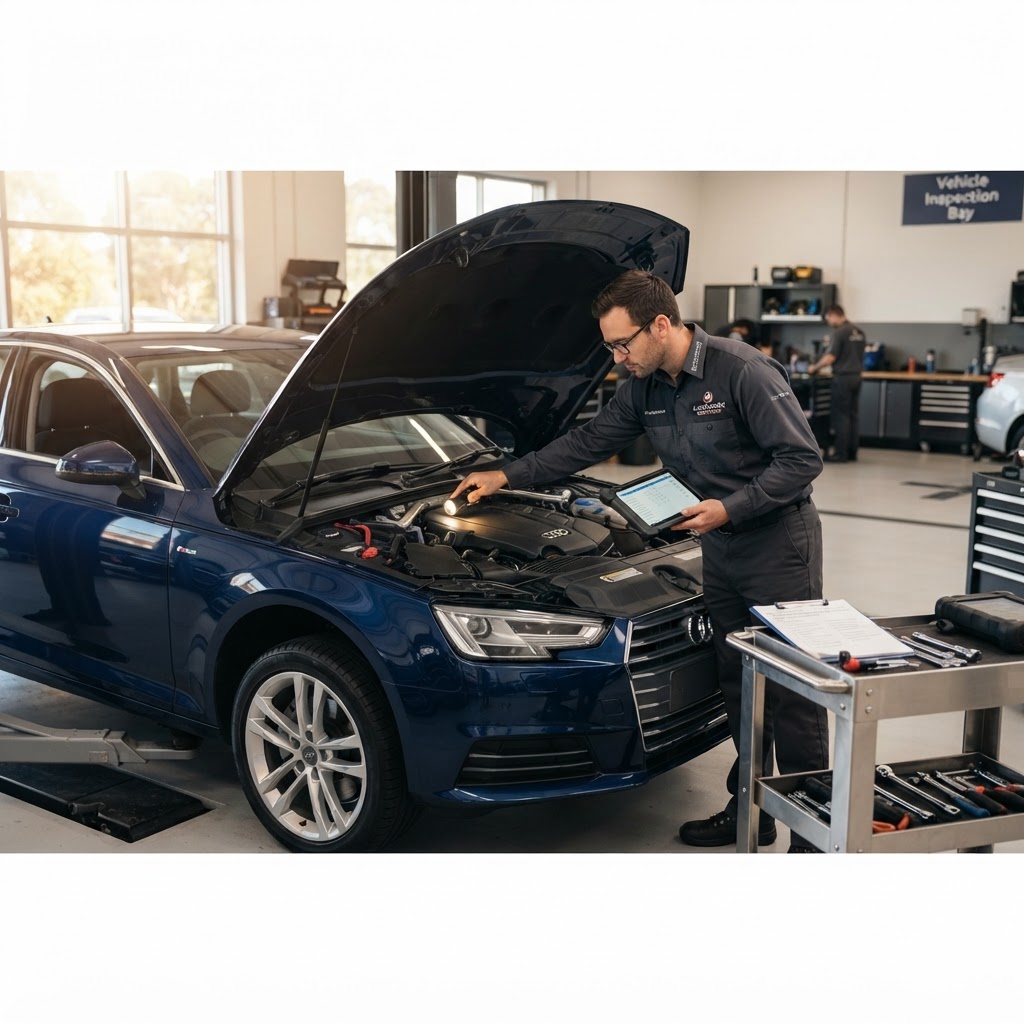
Curious about the RIZQ vehicle inspection process? Learn what a comprehensive pre-purchase inspection covers to protect your next automotive investment.
Understanding the Value of an Independent Inspection
Buying a vehicle, whether it is a daily commuter, a fleet truck, or a classic car, is a significant financial decision. While a test drive reveals how a vehicle handles and how the interior feels, it rarely uncovers the mechanical gremlins hidden beneath the chassis or within the complex electronic systems. This is where a pre-purchase vehicle inspection becomes an essential bridge between a seller's claims and the reality of the car's condition.
The Multi-Point Inspection Process
A professional inspection is a systematic, objective evaluation of a vehicle's health. When experts at RIZQ Vehicle Inspection perform an assessment, they follow a standardized protocol designed to identify potential failures before they become costly repairs. The process typically breaks down into several critical categories:
- Engine and Drivetrain: Inspectors check for fluid leaks, unusual noises, belt conditions, and signs of improper maintenance. This includes verifying the integrity of the cooling system and checking for head gasket issues.
- Structural Integrity: By inspecting the frame, suspension components, and body panels, technicians look for signs of past accidents, hidden rust, or poorly executed frame repairs that could compromise safety.
- Electronic Systems: Modern vehicles rely heavily on computer modules. A diagnostic scan is used to check for stored trouble codes, even if the 'Check Engine' light is currently off, revealing intermittent issues.
- Safety Features: This includes verifying the condition of the brake pads, rotors, tires, and lights, as well as testing internal features like airbags and seatbelt tensioners.
Mitigating Risks in Specialized Markets
The need for inspections extends far beyond the average consumer. For instance, those navigating the high-stakes world of online auctions often encounter vehicles described as 'run and drive,' a term that does not always guarantee mechanical soundness. Without a physical inspection, buyers risk inheriting hidden frame damage or catastrophic powertrain failures. Similarly, lenders and credit unions use these inspections to verify collateral value, ensuring that the asset backing an auto loan matches the requested loan amount. Whether you are dealing with standard passenger vehicles or complex heavy equipment, independent verification provides the data needed to make an informed decision at rizqvehicleinspection.com.
Understanding Appraisal and Valuation
Beyond simple mechanical checks, professional inspections often intersect with asset valuation. If a vehicle has been involved in a prior incident, it may suffer from 'diminished value,' a concept where the car's market worth drops even after repairs are completed. An expert inspection report provides the documentation necessary to support insurance claims or appraisal clause disputes. By detailing the quality of repair work, the inspector helps buyers and lenders understand the true market position of the vehicle.
Why Objectivity Matters
The primary advantage of an independent inspection is neutrality. Unlike a dealership or a private seller who may be incentivized to highlight a vehicle's strengths while downplaying its faults, an objective third-party inspector has no stake in the transaction. Their role is to provide a 'snapshot' of the vehicle’s condition at a specific moment in time. This transparency empowers buyers to negotiate the purchase price based on documented repair costs or to walk away from a deal that presents too much risk.
Finalizing Your Decision
Once the inspection is complete, you receive a detailed report that outlines findings, usually accompanied by photographs of specific concerns. This document is a powerful tool. It allows you to prioritize repairs, ask the seller for a price adjustment, or gain peace of mind that the investment is sound. Taking the time to verify a vehicle’s condition is not just a cautious step—it is a standard practice for savvy buyers who value long-term reliability and financial security.