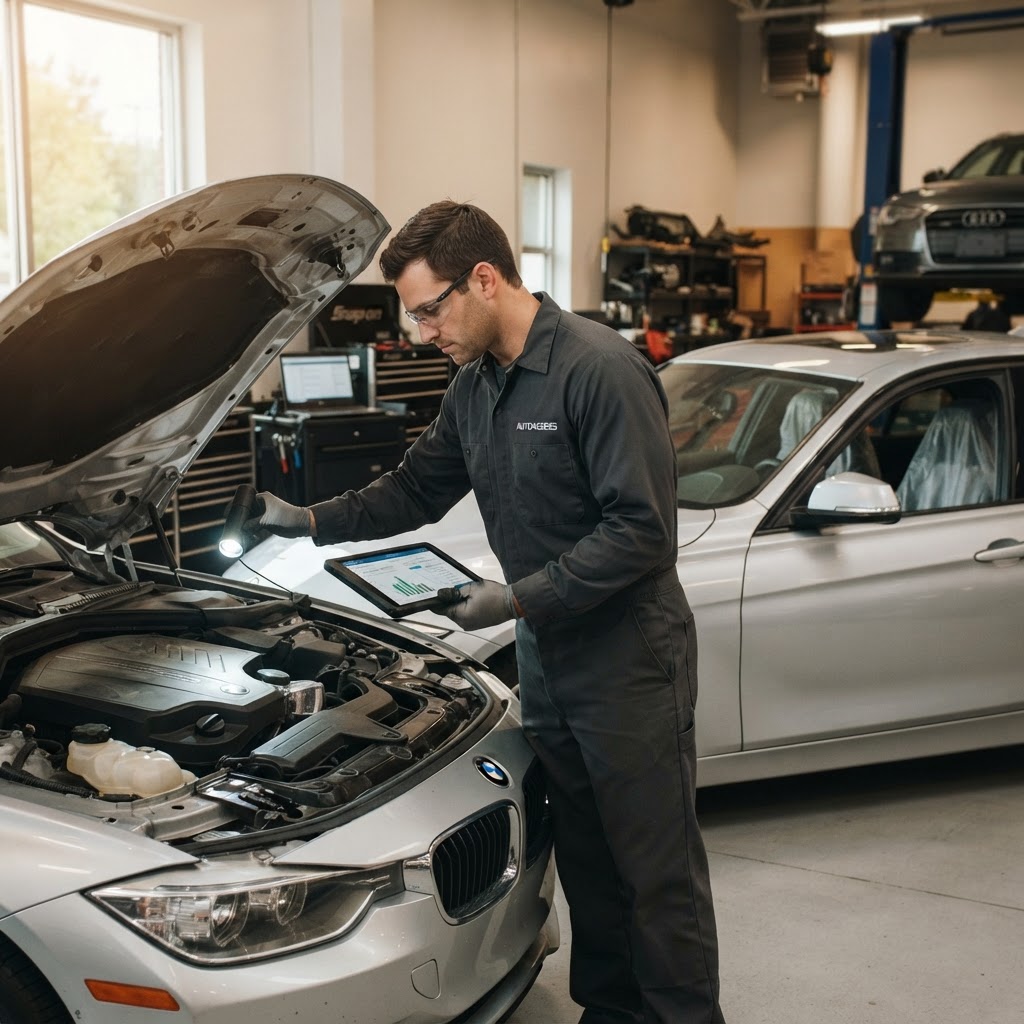
Curious about what happens during a RIZQ pre-purchase vehicle inspection? Learn how our detailed evaluations help buyers and lenders make informed decisions.
Understanding the Value of a Pre-Purchase Inspection
Buying a vehicle is one of the most significant financial commitments an individual or business can make. Whether you are a private buyer eyeing a used sedan, a credit union evaluating collateral, or a dealer managing inventory, the risks associated with hidden mechanical or structural issues are substantial. A pre-purchase vehicle inspection (PPI) is an independent, objective assessment designed to uncover these hidden details before the transaction is finalized.
When you engage a service like RIZQ Vehicle Inspection, the objective is not just to check if the car starts, but to provide a comprehensive health report of the vehicle's current condition. By understanding what happens during this process, buyers can move forward with confidence or walk away from potentially costly mistakes.
The Inspection Process: A Multi-Point Systematic Approach
A professional inspection follows a rigorous, standardized procedure. While every vehicle is different, the core of a professional PPI typically covers several critical domains:
- Body and Frame Analysis: Inspectors examine the exterior for signs of previous accidents, poor paint work, or structural damage. This includes checking for frame misalignment or panel gaps that suggest past bodywork.
- Mechanical Systems: The engine, transmission, and cooling systems are evaluated for leaks, unusual noises, or performance irregularities. Inspectors check fluid conditions, belt wear, and electrical system functionality.
- Under-Carriage Assessment: By accessing the vehicle from below, inspectors look for rust, oil leaks, suspension wear, and potential damage to the exhaust system or floor pans.
- Safety and Interior Features: All safety-related items, including brakes, tires, lighting systems, and seatbelts, are tested. Furthermore, interior electronics, air conditioning, and climate controls are inspected for operational integrity.
- Diagnostic Scanning: Modern vehicles are complex computers on wheels. Using OBD-II scanners, professionals can retrieve stored trouble codes that might be hidden by a cleared dashboard light, revealing past or current electronic faults.
Beyond the Surface: Mitigating Risk in Specialized Purchases
The need for inspections extends far beyond standard passenger vehicles. For instance, in the world of heavy equipment, the stakes are even higher. A malfunctioning hydraulic system or a failing transmission on a piece of industrial machinery can result in thousands of dollars in downtime. Specialized inspections ensure these high-value assets meet operational requirements.
Similarly, participating in vehicle auctions introduces a unique set of challenges. Auctions often sell vehicles 'as-is,' providing little to no information regarding their mechanical history. Having an independent party conduct an inspection at the auction site allows the bidder to verify that the vehicle is not a ‘lemon’ in disguise, effectively mitigating the inherent risks of the auction format.
For those navigating the complexities of appraisal clauses or determining diminished value after a loss, an accurate inspection report is essential documentation. It provides the objective evidence required to establish a vehicle’s actual cash value, ensuring that all parties are negotiating based on factual data rather than estimates.
How RIZQ Vehicle Inspection Supports the Industry
Whether you are dealing with a standard pre-purchase evaluation or a more complex scenario involving heavy machinery or commercial fleets, the goal remains the same: clarity. RIZQ Vehicle Inspection operates with a focus on providing transparent, detailed reports that help stakeholders understand exactly what they are investing in. By visiting rizqvehicleinspection.com, interested parties can learn more about how mobile inspection services work to provide this necessary layer of due diligence.
Why Informed Decisions Matter
Ultimately, a pre-purchase inspection is a tool for risk management. It bridges the information gap between the seller’s claims and the vehicle’s reality. By identifying mechanical issues early, buyers can negotiate a more accurate price, request repairs, or choose to walk away if the findings indicate significant long-term financial burden. For lenders and credit unions, these inspections act as a safeguard for the collateral underpinning their auto loans. By demanding a professional assessment, institutions can protect their portfolios and ensure that the assets being financed are truly worth the amount being borrowed.
A vehicle is a dynamic machine, and even well-maintained cars can have underlying issues that are not visible to the untrained eye. Investing in a professional inspection is not about pessimism; it is about due diligence. It is the practice of gathering all available facts so that you can make the best decision for your budget and your future safety on the road.