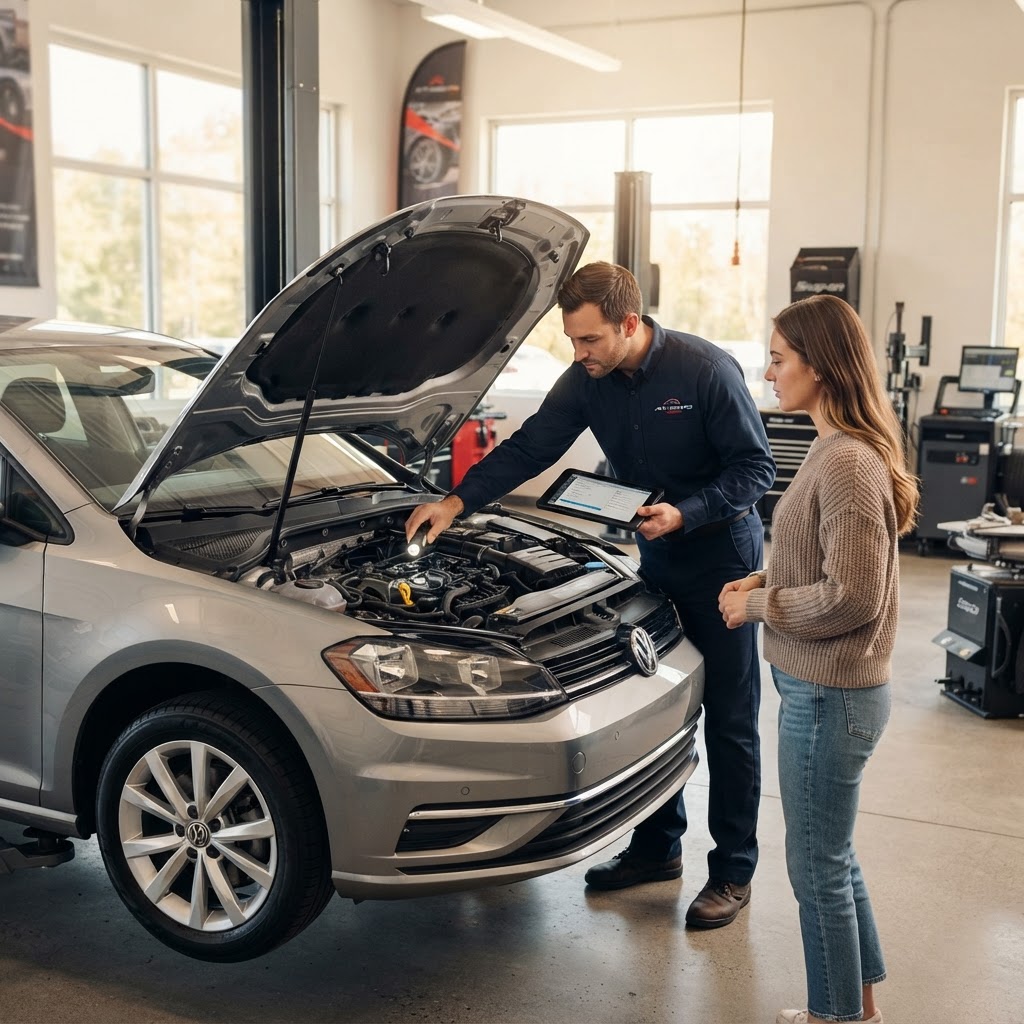
Curious about the RIZQ inspection process? Discover what happens during a pre-purchase vehicle inspection to ensure your next car buy is a safe investment.
Understanding the Pre-Purchase Inspection Process
Buying a vehicle, whether it is a daily commuter, a heavy-duty commercial truck, or a classic motorcycle, is one of the most significant financial decisions an individual or business makes. Without a technical background, it is easy to miss underlying mechanical issues that are hidden behind a fresh coat of wax or a clean engine bay. A professional pre-purchase vehicle inspection (PPI) bridges this knowledge gap, providing an objective assessment of a vehicle's condition before any money changes hands.
The Core Objectives of an Inspection
The primary goal of a pre-purchase inspection is risk mitigation. When you engage a service like RIZQ Vehicle Inspection, the objective is not to tell you whether you should buy the car, but to provide you with the data required to make an informed decision. By evaluating the mechanical integrity, safety systems, and structural history, a professional inspector helps buyers avoid "lemon" purchases and hidden maintenance nightmares.
What Does a Comprehensive Inspection Include?
A thorough inspection involves a multi-point examination that covers various critical systems of the vehicle. Here is what you can generally expect during a professional visit:
- Engine and Drivetrain Assessment: Inspectors check for fluid leaks, unusual noises, belt conditions, and overall engine performance. They look for signs of overheating or neglected maintenance.
- Safety and Braking Systems: This includes checking brake pad thickness, rotor condition, and the status of ABS or traction control sensors. Safety is non-negotiable.
- Structural Integrity: By inspecting the frame for signs of prior accidents, rust, or poor repair work, inspectors can determine if the vehicle has been compromised in a way that affects its safety or future value.
- Electronic and Computer Diagnostics: Modern vehicles are packed with sensors. Using OBD-II scanners, technicians look for stored error codes that indicate current or intermittent faults that might not trigger a dashboard warning light.
- Interior and Accessory Functionality: From climate control systems to infotainment and safety features like cameras or sensors, every button and toggle is verified.
- Road Test: If the vehicle is in a drivable state, a short test drive allows the inspector to evaluate how the transmission shifts, how the suspension handles road imperfections, and whether there are any steering alignment issues.
The Value for Different Stakeholders
The need for inspections extends far beyond the average consumer. For credit unions and lenders, an inspection serves as collateral verification. It ensures that the asset securing the loan actually exists, is in the condition described, and is worth the amount being financed. This protects the lender against fraud and valuation errors. For dealerships, having an independent, third-party report adds a layer of transparency that can accelerate the sales process and build trust with buyers who may be shopping remotely.
Addressing Specific Inspection Needs
Not all inspections are created equal. Different categories of vehicles require specialized expertise:
- Auction Inspections: Purchasing at auction carries unique risks because buyers often cannot test drive the vehicle. A detailed onsite inspection at the auction house is essential to identify "hidden" issues that are often glossed over in auction descriptions.
- Heavy Equipment: Commercial equipment inspections require a different set of criteria, focusing on hydraulic systems, structural welds, and hour-meter verification.
- Appraisal Clause and Diminished Value: In the event of an insurance claim, an appraisal or inspection report can be vital in justifying the value of a vehicle, particularly when an appraisal clause is invoked to settle disputes over repair quality or total loss valuations.
Why Objectivity Matters
One of the biggest advantages of working with an independent firm like RIZQ Vehicle Inspection is the separation of interests. Because the inspector does not perform repairs, there is no conflict of interest. They are not incentivized to find "problems" to upsell you on parts or service; their sole mandate is to report the facts as they are observed. By visiting the website at rizqvehicleinspection.com, stakeholders can understand the full scope of mobile inspection services available to help them make decisions with confidence.
Final Thoughts on Due Diligence
A pre-purchase inspection is an investment in peace of mind. Whether you are dealing with a private party seller, an online auction, or a wholesale dealership transaction, knowing exactly what you are buying is the best way to protect your capital. By standardizing the assessment of vehicle condition, buyers and lenders can navigate the automotive market with clarity, ensuring that safety and financial stability remain at the forefront of every transaction.