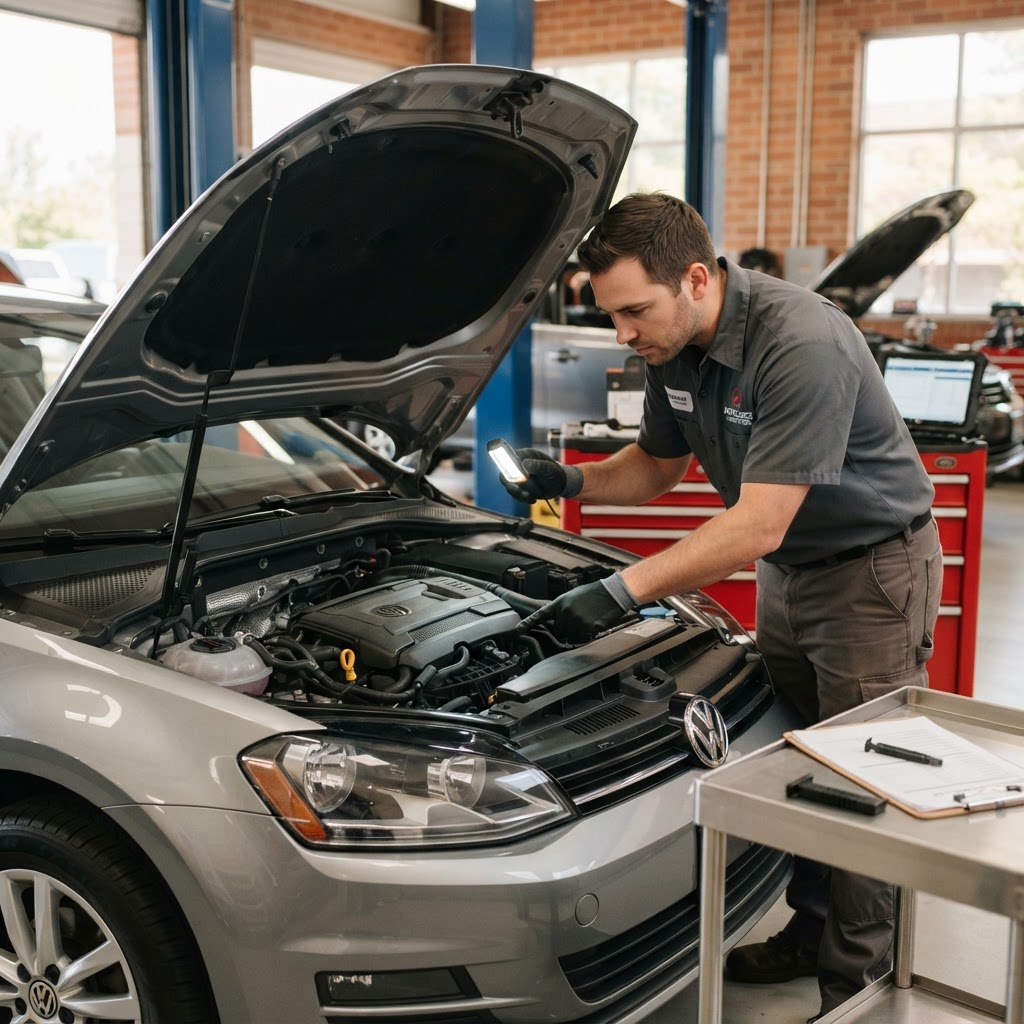
Learn how to inspect a used car effectively. Trust RIZQ for expert vehicle inspections.
How to Inspect a Used Car Before Buying
Purchasing a used car can be a daunting task, particularly when you're trying to ensure that your investment is sound. An inspection can help uncover any hidden issues and give you peace of mind. Here’s a comprehensive guide on how to inspect a used car before you buy, ensuring you make an informed decision.
1. Start with Research
Before you even set foot on a dealership lot or private seller's driveway, do your homework. Research the make and model of the vehicle you are interested in. Look for common problems associated with that model and read reviews to gauge overall reliability. Websites such as Consumer Reports and Kelley Blue Book can provide invaluable insights.
2. Check the Vehicle History Report
Obtaining a vehicle history report is crucial for understanding the car's background. You can get this report from services like Carfax or AutoCheck. The report will tell you:
- Number of previous owners
- Accident history
- Service records
- Title status (e.g., salvage or rebuilt)
These factors can significantly affect the car's value and safety.
3. Conduct a Visual Inspection
Once you have the history report, it’s time to examine the car itself. Here’s what to look for:
- Body Condition: Look for rust, dents, or mismatched paint, which may indicate previous accidents.
- Glass: Check for cracks or chips in the windshield and windows.
- Tires: Inspect the tire tread depth and look for uneven wear, which could signal alignment issues.
- Lights: Make sure all lights, including headlights, brake lights, and turn signals, are functioning properly.
- Under the Hood: Check for any signs of leaks and ensure that the fluids are at proper levels.
Don’t be afraid to get your hands dirty. A thorough visual inspection can reveal a lot about the car's condition.
4. Take a Test Drive
A test drive is essential for assessing the car's functionality and comfort. Here are some factors to consider:
- Engine Performance: Listen for any unusual noises—engine knocking or excessive vibration can be warning signs.
- Transmission: The car should shift smoothly without any hesitation.
- Brakes: Test the brakes for responsiveness and listen for any grinding noises.
- Steering: The steering should feel tight and responsive, without any pulling to one side.
Make sure to take the car on different types of roads—highways, city streets, and even bumpy roads—to fully evaluate its performance.
5. Get a Professional Vehicle Inspection
While personal inspections are helpful, the best way to ensure you don’t overlook any critical issues is to have a professional vehicle inspection done. That’s where RIZQ Vehicle Inspection comes in. Our nationwide service specializes in pre-purchase inspections, evaluating the car's mechanical and safety features thoroughly.
6. Review the Paperwork
Finally, ensure that all vehicle paperwork is in order. Check the following:
- Title: Ensure the title is clean and not branded (e.g., salvage).
- Registration: Confirm that the car is registered and that registration fees are up to date.
- Warranty: If applicable, review the warranty coverage and what it entails.
Having all the correct documents can save you from future disputes.
Conclusion
Buying a used car doesn’t have to be overwhelming if you take the right steps. From research and visual inspections to professional evaluations, following these guidelines can help you make an informed decision. Remember, investing in a comprehensive inspection service like RIZQ not only saves you money but also protects your safety. Happy car hunting!