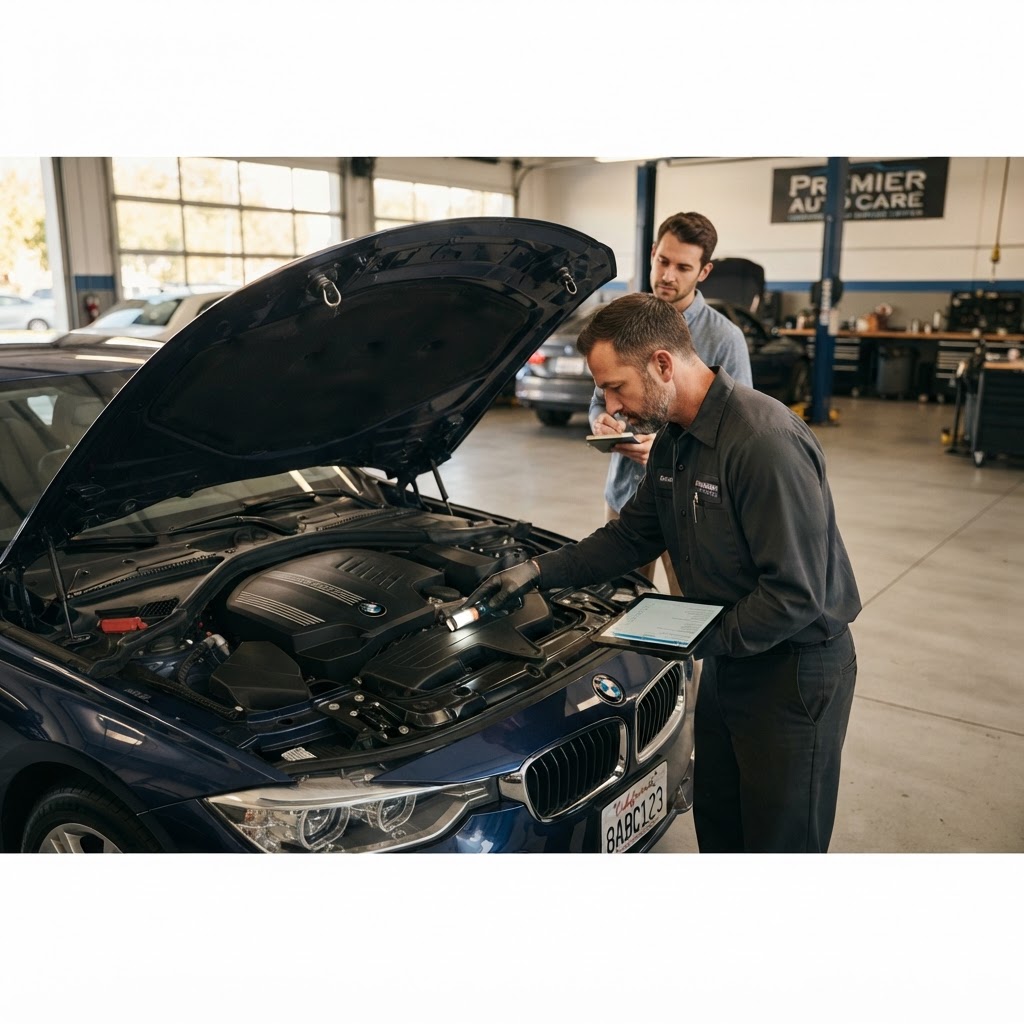
Learn key tips on used car inspection. Trust RIZQ for expert evaluations before purchasing your next vehicle.
Why Inspecting a Used Car is Crucial
Purchasing a used car can be a thrilling experience, but it comes with its own set of risks. A pre-purchase inspection is vital to ensuring you're making a sound investment.
Here, we will explore essential tips for inspecting a used car before buying—keeping your hard-earned money protected.
1. Start with Research
Before you even set foot in a dealership or a private seller's lot, perform comprehensive research. Look into the car's make and model, common issues associated with it, and reviews from other buyers.
- Check reliability ratings from credible sources like Consumer Reports or J.D. Power.
- Read reviews and customer feedback on automotive forums.
- Investigate the vehicle's history through services like Carfax or AutoCheck.
2. Schedule a Test Drive
Once you've narrowed down your options, it's time to schedule a test drive. This step allows you to evaluate the car's handling, comfort, and performance.
- Drive the car under different conditions (highway, residential).
- Test all features, including air conditioning, radio, and navigation systems.
- Listen for any unusual sounds like rattles or squeaks.
3. Visual Inspection
A thorough visual inspection can reveal a lot about the car's condition. Here’s what to look for:
- Exterior: Check for scratches, dents, and rust. Ensure that paint color matches across all panels.
- Interior: Inspect upholstery for signs of wear, stains, or odors. Test seat adjustments and seat belts.
- Under the Hood: Look for signs of leaks, corrosion, or worn belts and hoses.
4. Checking the Tires
Tires are essential for vehicle safety and performance. Here’s how to check their condition:
- Examine tread depth using the penny test: insert a penny upside down into the tread. If you can see Lincoln's entire head, the tires need to be replaced.
- Check for uneven wear on the tires.
- Inspect for any visible damage or bulges in the sidewalls.
5. Mechanic’s Inspection
While you can perform a great initial inspection, consider hiring professionals to conduct a more thorough evaluation of the vehicle’s mechanical condition. Services such as RIZQ Vehicle Inspection offer comprehensive pre-purchase inspections, giving you peace of mind that you're making a sound investment.
6. Test the Features and Electronics
Modern cars are packed with technology; failing components in this area can lead to costly repairs later. During your inspection:
- Test the lights—headlights, taillights, and turn signals.
- Check the infotainment system and any additional features.
- Make sure all power components, like windows and mirrors, are functional.
7. Review Maintenance Records
Always ask for a car's maintenance records. These documents can provide insight into how well the previous owner cared for the vehicle.
- Look for routine maintenance logs like oil changes, tire rotations, and brake services.
- Check if any major repairs or recalls were addressed.
8. Negotiate Wisely
Based on your findings, be prepared to negotiate the price. Use any deficiencies you uncovered during your inspection as leverage in your negotiations.
Conclusion
Inspecting a used car before making a purchase is not just advisable—it’s essential. By following these tips, you’ll be well-equipped to make a smart buying decision. Remember, when in doubt, consider professional help from suppliers such as RIZQ Vehicle Inspection, which can provide detailed assessments of any vehicle you’re considering.
Taking these steps could save you money, time, and potential frustration in the long run. Happy car buying!