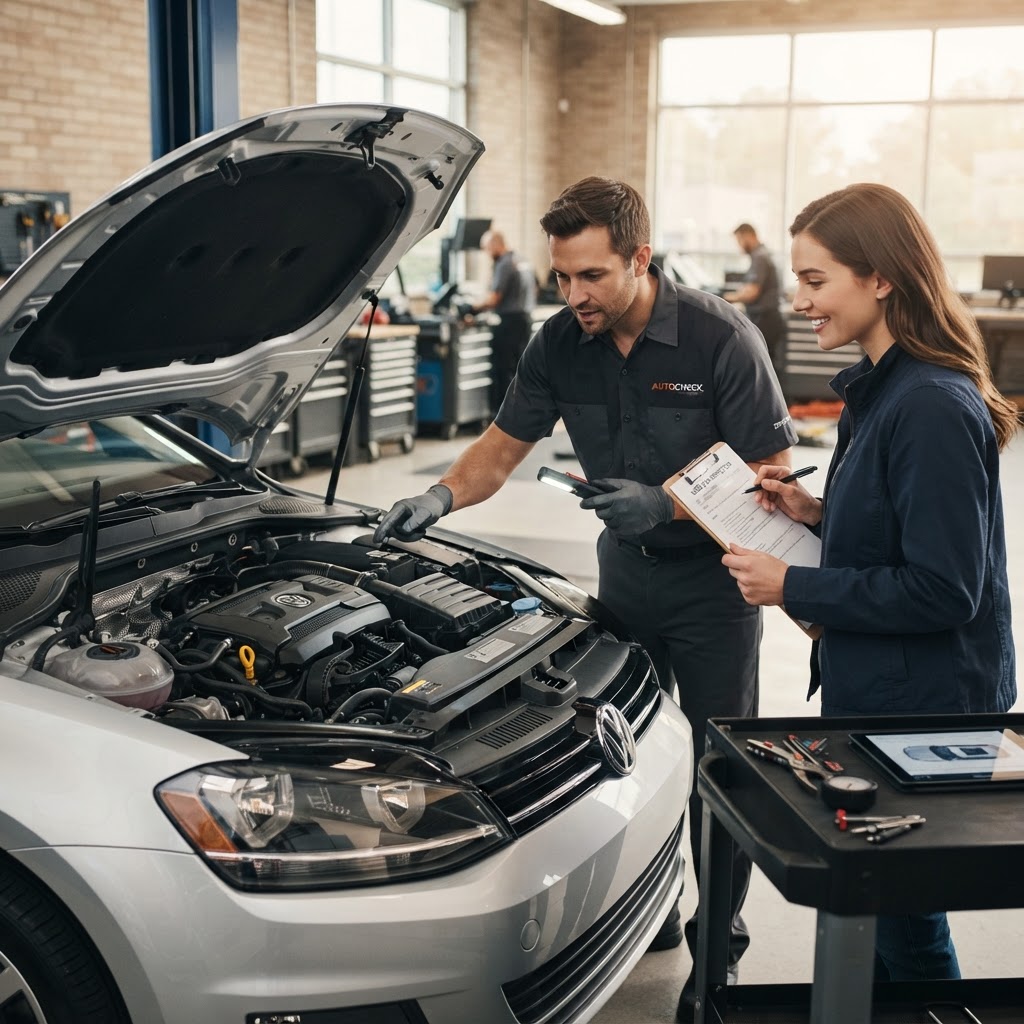
Learn how to thoroughly inspect a used car before buying with our expert tips and RIZQ Vehicle Inspection services.
Why Inspecting a Used Car is Crucial
Purchasing a used car is a significant investment, and performing a thorough inspection can save you time, money, and future headaches. Whether you’re a car buyer looking for a new ride, a credit union supporting customers, or a lender assessing vehicle value, understanding how to inspect a used car is essential.
Your Step-by-Step Guide to Used Car Inspection
Here’s a practical guide on how to inspect a used car before making a purchase. By following these steps, you can ensure that you’re making a smart buying decision.
1. Conduct a Visual Inspection
- Exterior Condition: Walk around the vehicle and look for dents, scratches, and rust. Pay attention to the paint job; inconsistent paint or signs of touch-ups can indicate past accidents.
- Tires: Check the tire condition, including tread depth and uneven wear, which can signify alignment issues.
- Glass and Lights: Inspect the windows for chips and cracks. Ensure all lights and indicators function correctly.
2. Check Under the Hood
- Fluid Levels: Check the oil, coolant, brake fluid, and transmission fluid levels. Dark or dirty fluids can indicate neglect.
- Belt and Hoses: Look for cracks, fraying, or leaks. These components should be in good condition for optimal performance.
- Battery: Inspect the battery for corrosion and ensure it is securely fastened.
3. Interior Condition
- Seats and Upholstery: Examine the seats for stains, tears, or unusual wear, which can indicate heavy use or neglect.
- Dashboard Functions: Test all the electronics, including the air conditioning, radio, and navigation system, to ensure everything is functional.
- Odor: Be wary of musty or cigarette odors, which can be signs of past water damage or heavy use.
4. Test Drive the Vehicle
A test drive is non-negotiable. Here’s what to focus on:
- Noise: Listen for any unusual sounds, such as squeaks or clunks, that could indicate mechanical issues.
- Braking and Acceleration: Pay attention to any vibrations or pulling to one side when braking or accelerating.
- Steering: The steering should be responsive and not overly stiff or loose.
5. Confirm Vehicle History
Always check the vehicle’s history report using services like Carfax or AutoCheck. This report can reveal:
- Previous accidents
- Service records
- Ownership history
6. Professional Inspection
While a personal inspection is beneficial, a professional pre-purchase vehicle inspection is recommended for the best results. RIZQ Vehicle Inspection offers comprehensive services that cover all aspects of vehicle health, including mechanical, structural, and safety assessments.
When to Consider Professional Help
If you're not comfortable performing all the checks or if you want peace of mind, seeking expert assistance is wise. RIZQ's trained inspectors will provide a detailed report, highlighting any potential concerns.
Visit rizqvehicleinspection.com to learn more about our nationwide services.
Final Thoughts
Purchasing a used car doesn’t have to be fraught with risk. By following these assessment steps and considering professional help from RIZQ Vehicle Inspection, you can make an informed decision and drive away with confidence in your purchase.
Trust and Transparency is Key
When it comes to buying a used car, trust is paramount. Ensure that you do your due diligence, and don’t shy away from professional inspections. It’s an investment that pays off in the long run.