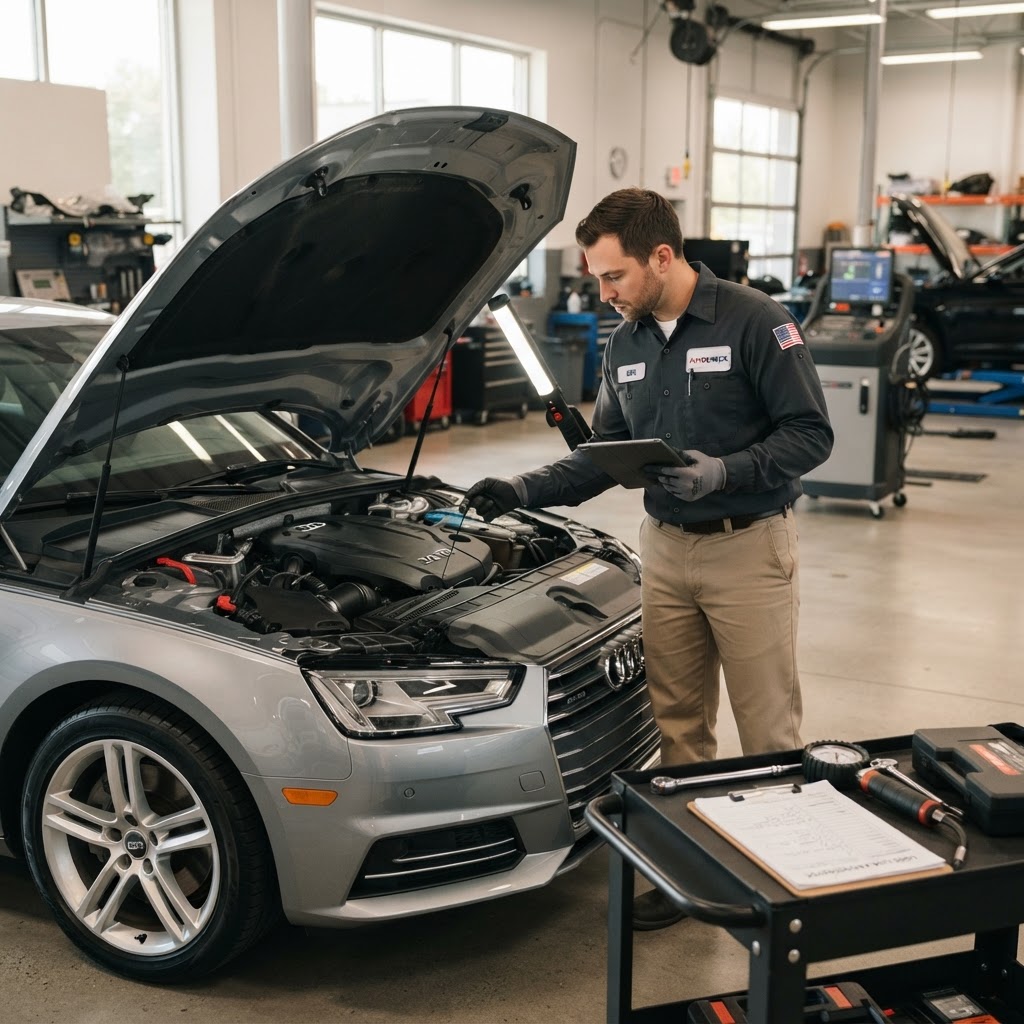
Don't get stuck with a lemon. Learn the professional steps to inspect a used car before buying with expert tips from RIZQ Vehicle Inspection.
The Importance of a Pre-Purchase Inspection
Buying a used car is one of the most significant financial decisions you will make. While a shiny exterior and a clean interior might look promising, the true condition of a vehicle often lies hidden beneath the surface. Whether you are an individual buyer protecting your savings or a lender mitigating risk, a thorough inspection is your best line of defense against future mechanical failures and costly repairs.
Phase 1: The Exterior Walkaround
Start by inspecting the body panels in broad daylight. Look for uneven gaps between doors, hoods, and fenders, which could indicate previous accident damage or poor repair work. Check the paint for subtle color mismatches or 'orange peel' textures, suggesting a respray. Examine the tires—not just for tread depth, but for uneven wear patterns. Uneven wear often signals suspension misalignment or serious alignment issues that can compromise safety.
Phase 2: Under the Hood
Open the hood and look for telltale signs of neglect. Check the oil; it should be amber or dark brown, not milky or foamy, which could indicate a blown head gasket. Inspect hoses and belts for cracking, fraying, or soft spots. Look for any signs of fluid leaks on the engine block itself or pooling on the ground beneath the engine bay. A clean engine is good, but if it looks suspiciously steam-cleaned, the seller might be trying to hide an active leak.
Phase 3: The Interior and Electronics
Sit inside the car and test everything. Turn the ignition to the 'on' position without starting the engine to see if all warning lights (Check Engine, ABS, Airbag) illuminate and then turn off. If a light stays on, or if you notice missing bulbs, this is a red flag. Test the air conditioning, heater, all windows, and the infotainment system. Water stains on the headliner or a musty smell in the carpets can indicate flood damage, a major concern that can lead to long-term electrical corrosion.
Phase 4: The Road Test
Never skip the test drive. Listen for strange noises: clicking during turns (CV joint issues), squealing during braking (pad wear), or clunking over bumps (suspension failure). Accelerate firmly to ensure the transmission shifts smoothly without hesitation or slipping. Pay attention to how the car handles; it should track straight on a level road without pulling to one side.
Professional Expertise Makes the Difference
While DIY checks are valuable, they cannot replace the trained eye of a professional. Internal mechanical failures, sophisticated sensor issues, and hidden frame damage often require specialized diagnostic tools to detect. This is where RIZQ Vehicle Inspection comes in. Our team of certified technicians provides a comprehensive, unbiased report that gives you total clarity before you finalize your transaction. By leveraging our nationwide network at rizqvehicleinspection.com, you can ensure that the vehicle you are financing or purchasing meets safety and performance standards, saving you from expensive surprises down the road.
Final Steps Before Signing
Once your inspection is complete, review the findings carefully. If the report uncovers minor issues, you can use these as leverage to negotiate a lower price. However, if the inspection reveals major safety concerns—such as engine damage or compromised structural integrity—it is usually best to walk away from the deal. Remember, a used car is only a good deal if it is a reliable one. By taking the time to inspect thoroughly or bringing in professionals like RIZQ Vehicle Inspection, you protect your investment and secure your peace of mind.