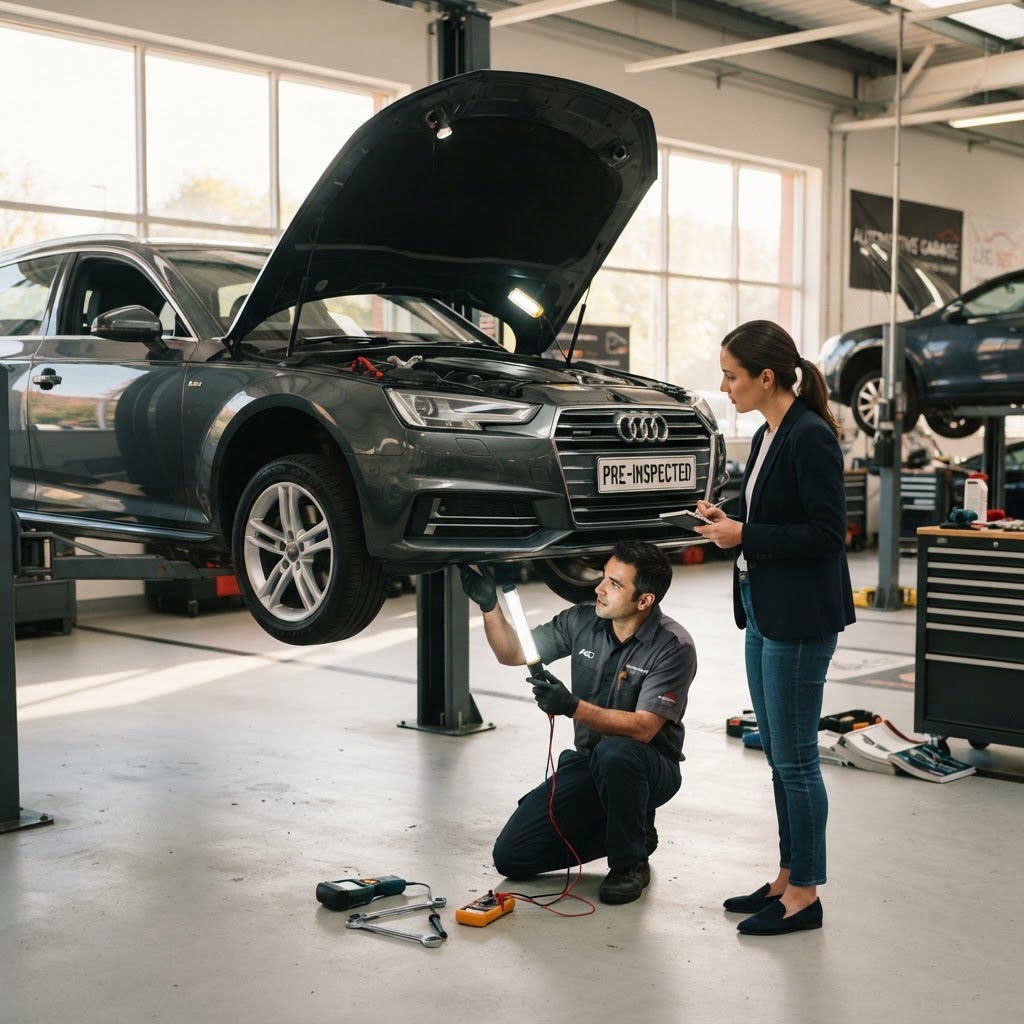
Don't get stuck with a lemon. Learn how to inspect a used car before buying with these pro tips from RIZQ Vehicle Inspection to ensure peace of mind.
The Importance of a Pre-Purchase Inspection
Buying a used vehicle is a major financial decision that carries inherent risks. While a shiny exterior might catch your eye, the true condition of a car lies beneath the surface. As experts at RIZQ Vehicle Inspection, we have seen countless buyers fall in love with a car’s appearance only to discover thousands of dollars in mechanical repairs shortly after purchase. A systematic inspection process is the only way to protect your investment.
Phase 1: The Exterior Walk-Around
Start with the exterior. Look for inconsistencies in the body panels, such as mismatched paint colors or uneven gaps between doors, which often indicate prior accident repairs. Check the tires for uneven wear patterns, which can signal alignment or suspension issues. Finally, crouch down and look under the vehicle for any signs of fluid leaks. A small puddle of oil or coolant is a red flag that requires immediate attention.
Phase 2: Under the Hood
Pop the hood and examine the engine bay. While a perfectly clean engine looks good, it can sometimes be used to hide active leaks. Instead, look for brittle hoses, cracked belts, and any corrosion around the battery terminals. Check the engine oil; if it looks milky, it may indicate a blown head gasket, which is a catastrophic failure. Always check the transmission fluid as well—it should be a clean, translucent red or light brown. Dark, burnt-smelling fluid is a sign of neglect.
Phase 3: The Interior and Electronics
Step inside and test every button. From power windows and seat adjustments to the air conditioning and infotainment system, everything should function as intended. Pay close attention to warning lights on the dashboard. If the Check Engine, ABS, or Airbag lights remain illuminated after the car is started, walk away or demand a professional scan. These sensors are not just lights; they are warning signs of complex system failures.
Phase 4: The Test Drive
A test drive is non-negotiable. Drive the car on both city streets and the highway. Listen for strange noises, such as clunks when going over bumps or high-pitched squeals during braking. Pay attention to how the vehicle shifts—it should be smooth without any hesitation or grinding. If the steering wheel pulls to one side, the car likely needs an alignment, or worse, has chassis damage.
Why Expert Validation Matters
Even if you are mechanically inclined, modern vehicles are filled with complex computer systems that cannot be diagnosed with a casual glance. This is where a third-party, unbiased inspection becomes your most valuable tool. At rizqvehicleinspection.com, our technicians provide a comprehensive, standardized report that covers hundreds of critical checkpoints. Whether you are an individual buyer or a credit union evaluating collateral, our expertise ensures that you know exactly what you are getting before money changes hands. RIZQ Vehicle Inspection helps bridge the gap between uncertainty and confidence, ensuring that your next vehicle purchase is a sound one. Never skip the inspection step; it is the best insurance policy for your wallet.