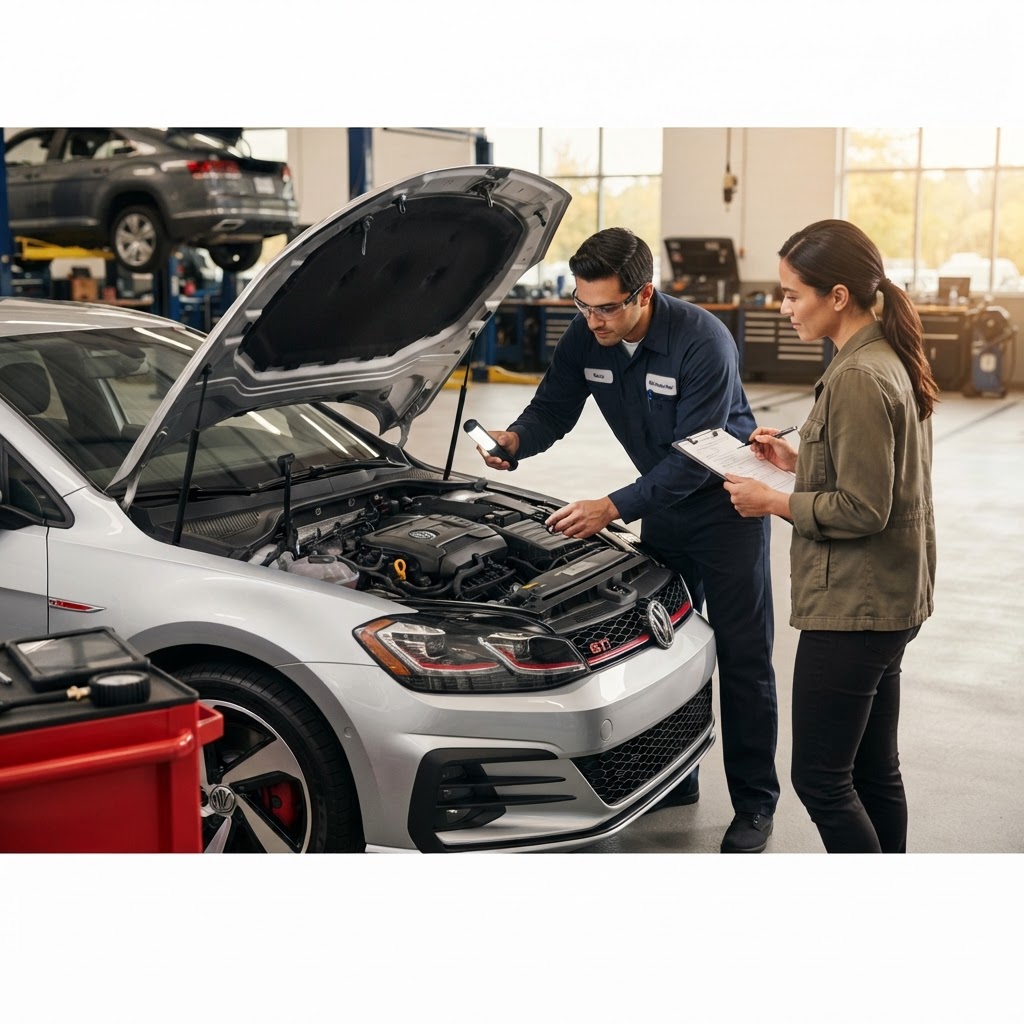
Don't gamble on a used car. Follow this expert guide from RIZQ Vehicle Inspection to learn how to inspect a used car before buying and avoid costly repairs.
Introduction: Why the Pre-Purchase Inspection is Your Best Investment
Buying a used vehicle is one of the most significant financial commitments you will make, yet many buyers skip the most important step: the pre-purchase inspection. Whether you are a private buyer or a lender assessing risk, understanding the mechanical health of a vehicle is critical. At RIZQ Vehicle Inspection, we believe that transparency is the key to a successful transaction.
The Exterior and Bodywork
Start your inspection by walking around the vehicle in broad daylight. Never inspect a car in the rain or at night, as these conditions mask imperfections. Check for uneven panel gaps between doors, the hood, and the trunk. Large, inconsistent gaps are a telltale sign of previous accident damage or poor body repair.
- Paint Consistency: Look for mismatched colors or textures (orange peel effect) that suggest a repainted section.
- Tire Health: Check the tread depth and look for uneven wear. Uneven wear often indicates suspension or alignment issues that could cost hundreds to fix.
- Glass: Check all windows and the windshield for stress cracks, which can propagate and become expensive safety hazards.
Under the Hood: The Heart of the Vehicle
When you open the hood, you are looking for evidence of neglect. A squeaky-clean engine bay might look good, but it can also be a trick to hide recent oil leaks. Look for:
- Fluids: Inspect the oil, transmission fluid, and brake fluid. Oil should not look like a milkshake; if it does, it indicates a coolant leak into the engine.
- Belts and Hoses: Squeeze the rubber hoses. They should feel firm but pliable. If they are cracking, bulging, or brittle, they are due for replacement.
- Corrosion: Check battery terminals for heavy corrosion, which can lead to starting failures.
Interior and Electronics
Technology failures in modern vehicles are costly. Test every single button. Turn on the infotainment, the heated seats, the sunroof, and the air conditioning. If the A/C blows warm air, it might just need a recharge, or it could be a failing compressor. Check for dampness in the floor carpets, as this is often a sign of a clogged sunroof drain or a leaking windshield seal, leading to mold and electrical gremlins.
The Test Drive
A static inspection only tells half the story. During the test drive, turn off the radio and listen. You are listening for clicking sounds (often CV joints), clunks over bumps (suspension components), or whining noises (transmission or differential). Test the brakes firmly in a safe area to ensure the car tracks straight and doesn't pull to one side.
The Professional Advantage
While DIY checks are valuable, they cannot replace the trained eye of an expert using diagnostic tools. This is where professional services like RIZQ Vehicle Inspection come into play. By leveraging our nationwide network of certified technicians, you ensure that hidden issues—such as frame damage, ECU error codes, or impending mechanical failure—are identified before money changes hands. Visit rizqvehicleinspection.com to learn how our comprehensive reports provide the peace of mind you need to close the deal with confidence. Relying on a professional inspection protects you from hidden liabilities and provides leverage during price negotiations, making it the most cost-effective step in your car buying journey.