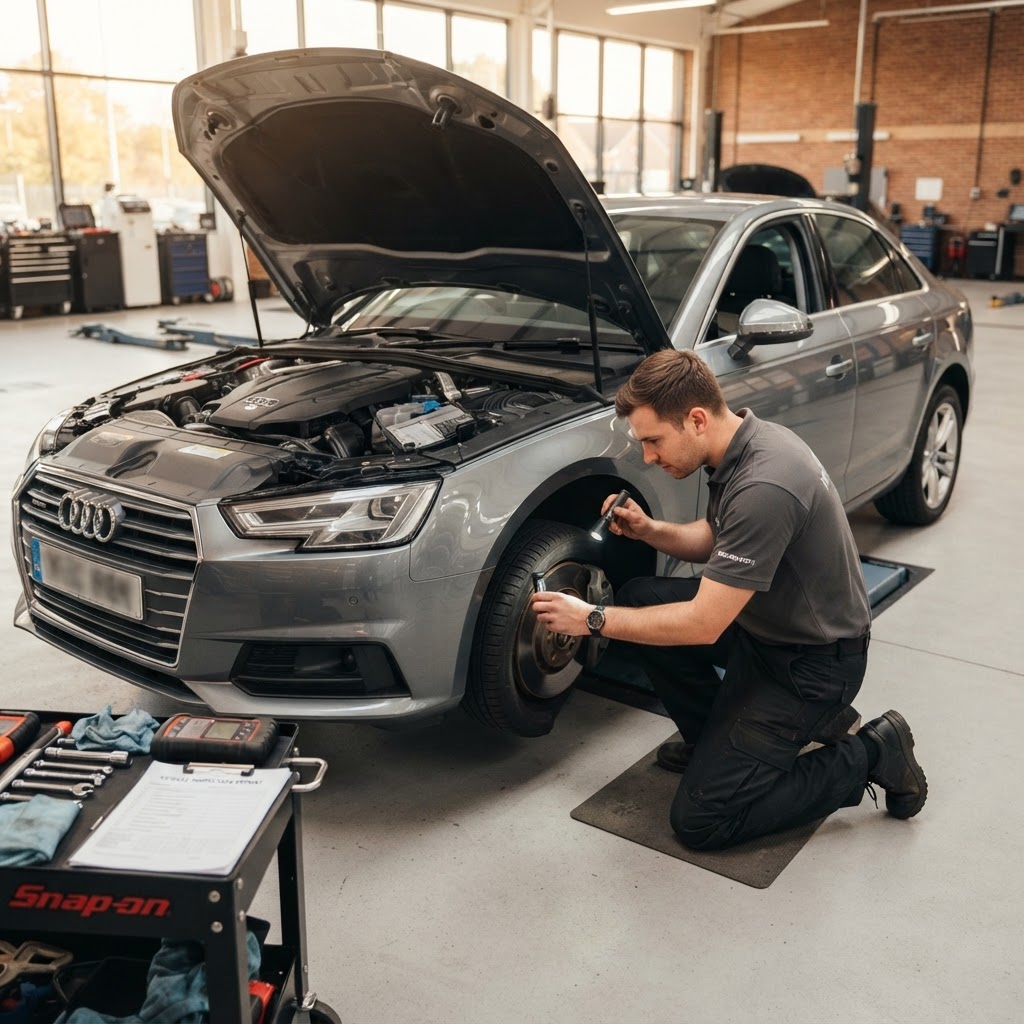
Avoid costly repair nightmares with our expert guide on how to inspect a used car. Trust RIZQ Vehicle Inspection to ensure your next vehicle is a sound buy.
The Importance of a Pre-Purchase Inspection
Buying a used car is a significant financial commitment. While a shiny exterior and a low price tag might seem appealing, the hidden mechanical reality is what truly dictates the value of the investment. As an automotive professional, I have seen too many buyers skip the pre-purchase inspection only to find themselves facing thousands of dollars in repairs weeks after purchase. Performing a systematic inspection helps you gain leverage in negotiations or walk away from a potential lemon.
Phase 1: The Exterior Walk-Around
Before you even step inside, look for signs of poor maintenance or previous accidents. Start by checking panel gaps; if they are uneven, the car may have been in a collision. Inspect the tires for uneven wear, which often signals alignment or suspension issues. Use a flashlight to look underneath the car for fluid leaks—oil, coolant, or transmission fluid staining the driveway is a red flag that requires immediate investigation.
Phase 2: Under the Hood
Open the bonnet and look for cleanliness. While a spotless engine bay is great, be wary of one that looks 'too clean,' as it might be hiding recent leaks. Check the engine oil; if it looks milky, this could indicate a blown head gasket. Inspect all belts and hoses for cracking or fraying. If you notice signs of corrosion on the battery terminals or excessive rust on engine components, proceed with extreme caution.
Phase 3: The Interior and Electronics
Test every single button, switch, and feature. From the air conditioning and infotainment system to the power windows and seat adjustments, ensure everything is functional. Check the dashboard for warning lights that stay illuminated while the engine is running—sometimes, unscrupulous sellers will disconnect these bulbs to hide engine codes. If you lack the diagnostic tools to read the ECU, professional services like RIZQ Vehicle Inspection can perform a comprehensive scan for hidden fault codes.
Phase 4: The Road Test
Never buy a car without a test drive. During the drive, pay attention to how the vehicle handles. Does it pull to one side? Do you hear clunking noises over bumps? Does the transmission shift smoothly, or is there a shuddering sensation? Listen for unusual engine noises at different speeds. Remember, even a quick test drive can reveal a lot about the vehicle's long-term health.
Why Expert Inspection Matters
While you can check the basics yourself, many modern vehicle issues are hidden deep within electronic systems or internal mechanical components that require specialized equipment to detect. This is where RIZQ Vehicle Inspection provides peace of mind. By leveraging certified inspectors who understand the nuances of various makes and models, you can rest assured that your purchase decision is backed by data, not just an educated guess. Whether you are an individual buyer, a credit union, or a lender, having a professional report is the best way to mitigate risk. Protect your assets and ensure the safety of your drive by prioritizing a thorough inspection before the keys change hands.
Conclusion
The used car market can be intimidating, but with a structured approach, you can navigate it with confidence. By following these inspection steps, you are well on your way to making an informed decision. Don't leave your investment to chance—always prioritize transparency and technical validation before finalizing your purchase.