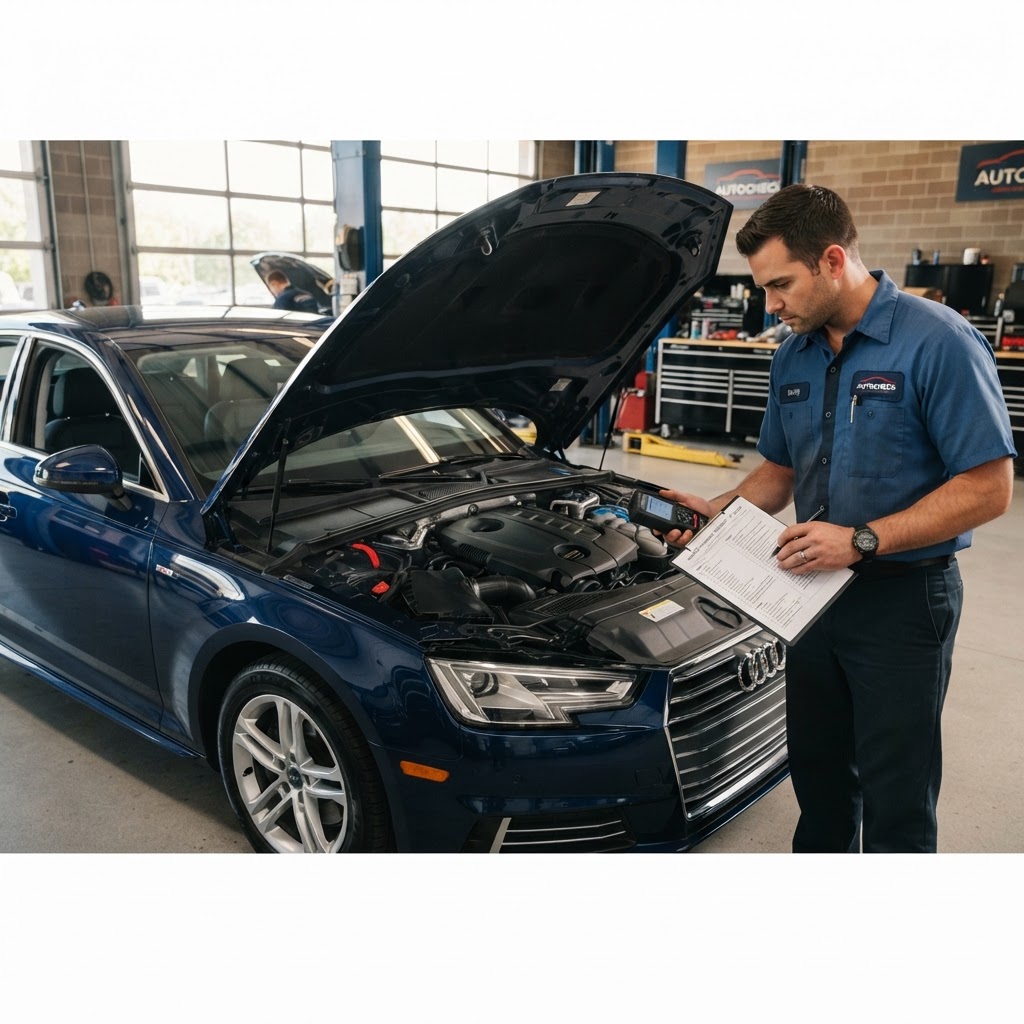
Don't buy a headache! Learn how to inspect a used car before buying with our expert guide from RIZQ. Protect your investment with a professional inspection.
Introduction: Why You Should Never Buy Blind
Purchasing a pre-owned vehicle is one of the most significant financial decisions you will make. While the allure of a new-to-you car is exciting, the hidden risks of mechanical failure and structural damage can turn a dream purchase into a financial nightmare. Whether you are an individual buyer, a credit union evaluating a loan, or a dealer, knowing how to inspect a used car before buying is the ultimate safeguard for your capital.
1. The Exterior Walkaround: More Than Just Aesthetics
Start with the exterior. Park the vehicle on level ground in broad daylight. Do not inspect a car in the rain or at night, as these conditions mask imperfections.
- Panel Gaps: Check the gaps between doors, hood, and trunk. Uneven gaps often indicate past collision repairs or poor-quality bodywork.
- Paint Consistency: Look for orange-peel textures or paint overspray on rubber seals, which suggest a recent paint job aimed at hiding damage.
- Tire Health: Check for uneven tread wear. If the wear is deeper on the inside or outside, the vehicle may have serious suspension or alignment issues.
2. Under the Hood: The Heart of the Vehicle
Pop the hood and look beyond the surface. You are looking for signs of deferred maintenance or catastrophic failure.
- Fluid Levels and Conditions: Oil should be amber or dark brown; if it looks like a milky chocolate milkshake, walk away—that is a sign of a blown head gasket.
- Leaks: Use a flashlight to look for fresh oil or coolant pooling on the engine block or underneath the car.
- Belts and Hoses: Squeeze the radiator hoses. They should be firm, not spongy or cracked. Inspect the serpentine belt for fraying or missing chunks.
3. The Interior and Electronics: Testing Functionality
Modern vehicles are computers on wheels. A simple test drive isn't enough; you must test the systems.
- Dashboard Warning Lights: Ensure all lights, including the Check Engine Light, illuminate when the ignition is turned on and turn off once the engine starts. If a light never turns on, the bulb may have been removed to hide a fault.
- Air Conditioning and Heating: Test both extremes. The A/C should blow ice-cold within 60 seconds.
- Electrical Components: Test every window, lock, wiper, and infotainment feature. Fixing a broken power window motor is cheap, but replacing an entire electrical control module is not.
4. The Road Test: Listen to the Vehicle
During your test drive, turn off the radio and air conditioning. You need to hear the car talk to you.
- Braking Performance: The car should stop in a straight line. Any pulsating in the pedal or grinding noise indicates warped rotors or worn pads.
- Transmission Shifts: Notice any hesitation or 'clunking' when the transmission changes gears. Automatic transmissions should shift smoothly without slippage.
- Suspension Feel: Drive over a few bumps or speed bumps. Listen for rattling, squeaking, or knocking, which usually points to worn bushings, ball joints, or struts.
The Professional Advantage
Even with this guide, there are some issues that only a certified technician with specialized equipment can detect, such as frame integrity, hidden electronic codes, or internal engine wear. This is where RIZQ Vehicle Inspection comes in. Our team provides comprehensive, nationwide pre-purchase inspections to give you peace of mind. By utilizing our services at rizqvehicleinspection.com, you can ensure that the vehicle you are buying meets safety and mechanical standards before you sign any paperwork. Whether you are a private buyer or a lender, a professional report from RIZQ is the gold standard in vehicle transparency.
Conclusion: Trust, but Verify
Inspecting a used car requires patience, a critical eye, and the willingness to walk away if something feels wrong. By following this guide, you move from an emotional buyer to an informed investor. Remember, the cost of a professional inspection is a fraction of the cost of a major repair. Make the right choice and verify the condition of your next vehicle today.