Learn how to inspect a used car before buying with expert tips from RIZQ. Protect your investment and avoid costly mechanical surprises today.
Why a Pre-Purchase Inspection Is Non-Negotiable
Buying a used vehicle is one of the most significant financial commitments a household or lender makes. While a polished exterior and a clean interior can hide a multitude of mechanical sins, a professional evaluation remains the only way to peel back the curtain. At RIZQ Vehicle Inspection, we believe that transparency is the bedrock of a successful transaction, whether you are an individual buyer or a credit union facilitating a loan.
Phase 1: The Exterior Walk-Around
Begin by inspecting the vehicle under natural, bright light. Never inspect a car in the rain or at night. Look for paint inconsistencies or gaps between body panels; uneven gaps often indicate that a vehicle has been involved in a collision and repaired improperly. Check the tire tread depth manually—if the wear is uneven across the width of the tire, it is a clear indicator of alignment issues or worn suspension components.
Phase 2: Under the Hood
Pop the hood and look for signs of neglect. The engine bay should be clean but not aggressively 'pressure-washed' to hide leaks. Check all fluid levels and, more importantly, the condition of the fluids. Transmission fluid should be a translucent red; if it is dark or smells like burnt toast, walk away. Look for white, milky residue under the oil cap, which is a classic symptom of a blown head gasket.
Phase 3: Inside the Cabin
Step inside and test every single electronic component. Does the AC blow cold? Do the windows operate smoothly? Don't forget to test the safety systems, including seatbelt pretensioners and the dashboard warning lights. Ensure that the 'Check Engine' light is not suppressed; a quick way to test this is to see if the light illuminates briefly when the key is turned to the 'on' position before starting the engine.
Phase 4: The Road Test
A static inspection only tells half the story. During the test drive, turn off the radio and listen for clicks, clunks, or rattles. Pay attention to the braking—does the steering wheel shake when you apply pressure? Does the car pull to one side? Ensure the transmission shifts through gears seamlessly without hesitation or slamming.
When to Bring in the Professionals
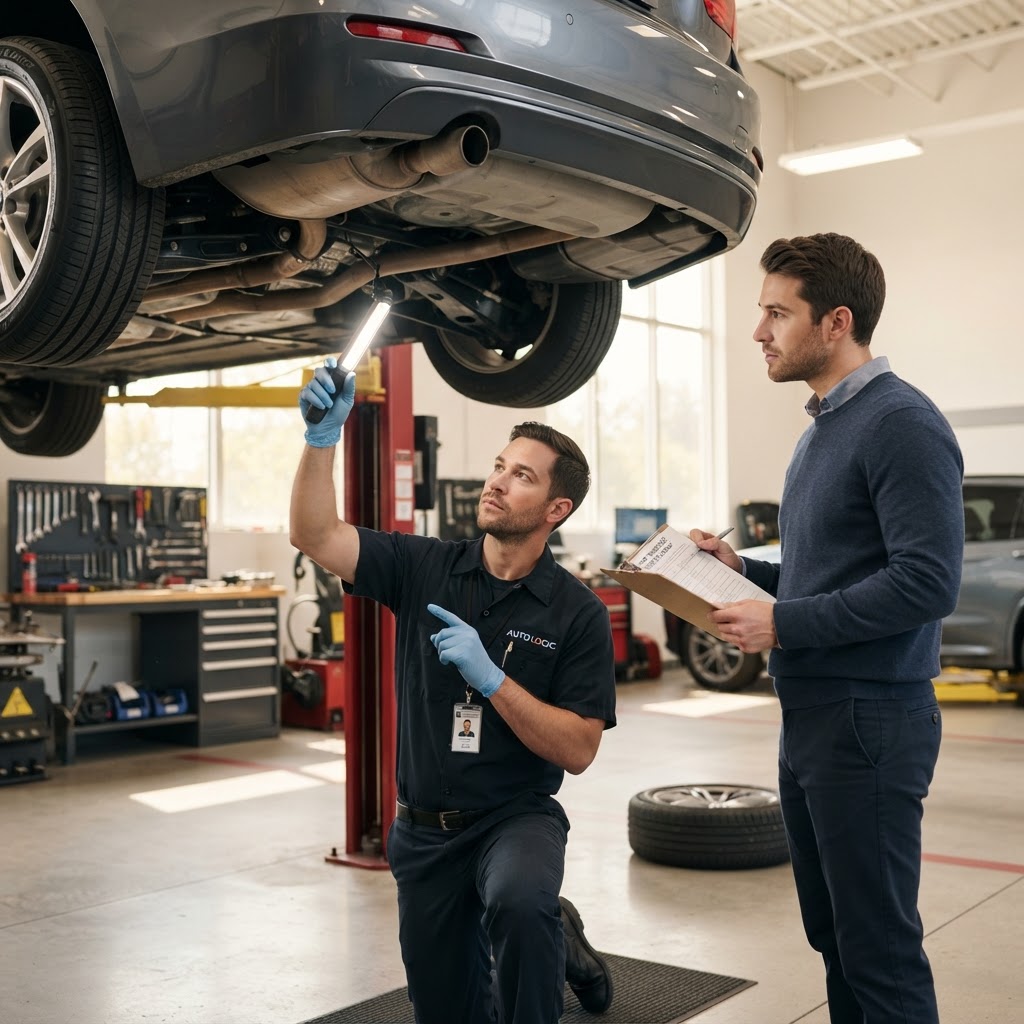
While DIY checks are a great first step, they cannot replace a comprehensive diagnostic scan or an undercarriage inspection performed by a certified technician. Hidden issues, such as frame damage, deep-seated electrical shorts, or sub-frame rust, often go undetected by untrained eyes. This is where a service like RIZQ Vehicle Inspection becomes invaluable. We bridge the gap between a seller's word and the cold, hard mechanical truth. Our nationwide network of certified inspectors provides a detailed report that gives lenders and buyers the peace of mind they deserve. By choosing RIZQ Vehicle Inspection, you are not just checking a box; you are mitigating risk and ensuring that the vehicle you are financing is worth every penny of the loan amount.
Final Thoughts
Before you sign any paperwork, always insist on a professional inspection. A few hundred dollars spent today can save you thousands in repairs tomorrow. Remember, a reputable seller will rarely object to an independent evaluation. If they do, take it as a red flag and move on to the next listing.