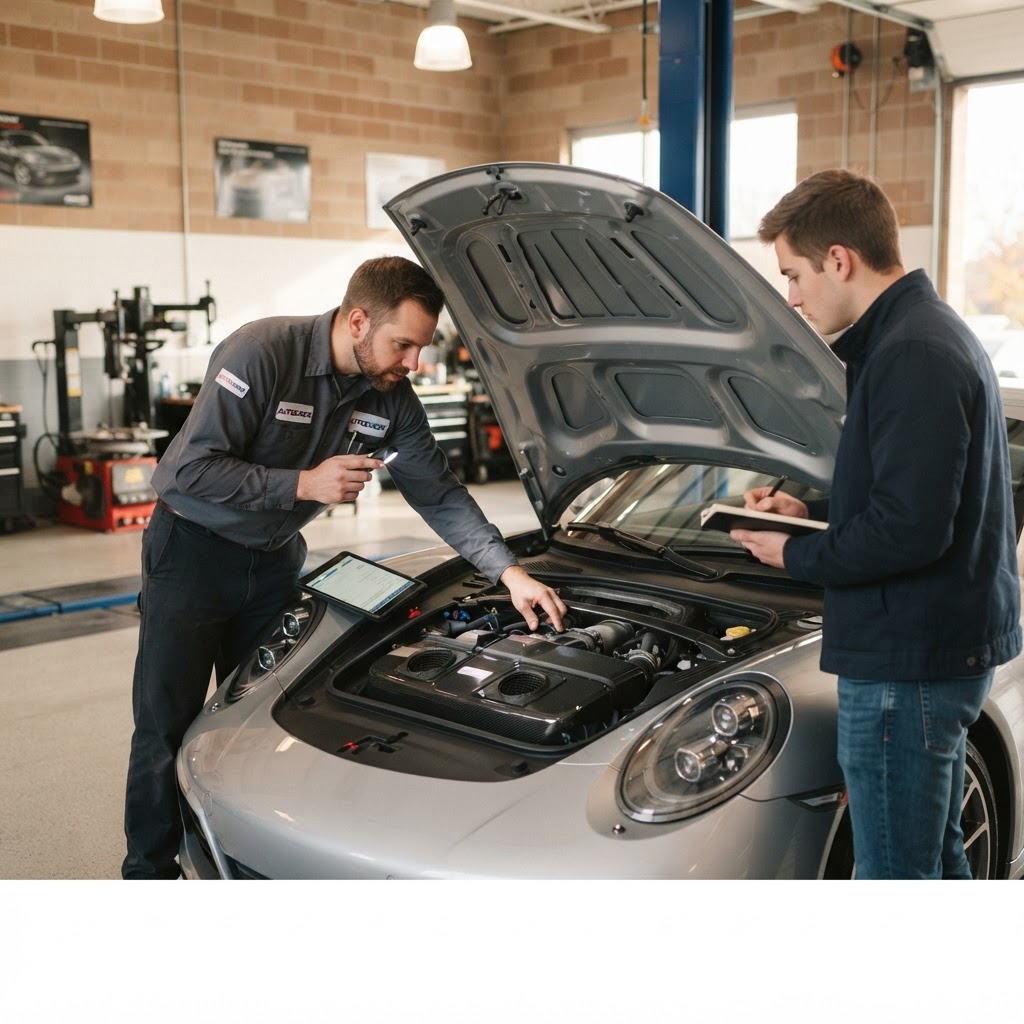
Learn how to inspect a used car before buying with expert tips. RIZQ Vehicle Inspection helps buyers and lenders avoid costly mistakes.
For individual car buyers, credit unions, and auto lenders, purchasing a used vehicle represents a significant financial transaction. Whether you are protecting your personal investment or safeguarding your institution's collateral, skipping a proper vehicle evaluation can lead to costly mechanical failures, diminished resale value, and safety risks. Knowing how to inspect a used car before buying is a critical skill that separates savvy buyers from those left with expensive lemons.
While online listings and vehicle history reports provide a baseline, they do not replace a physical, bumper-to-bumper assessment. Here is a comprehensive, expert-level guide to evaluating a used vehicle.
1. The Exterior Walkaround: Looking for Collision Clues
Begin your inspection in broad daylight. The vehicle's exterior tells a story about its past life and how well it was maintained. Look beyond the shine and focus on structural alignment.
- Panel Gaps and Paint Matching: Stand at the front and rear of the car, looking down the sides. The gaps between doors, fenders, and the hood should be uniform. If one gap is significantly wider than the other, the car may have been in an unreported collision. Use a magnet or an app to check for body filler, which indicates prior collision repair.
- Glass and Lights: Check the windshield for chips or stars, which can spread into cracks. Ensure all headlights and taillights are functional and free of moisture condensation, which indicates failing seals.
- Tire Tread and Wear Patterns: Use the penny test to check tread depth. More importantly, look for uneven wear. Excessive wear on the inside or outside edges suggests alignment issues or worn suspension components. If the car has low mileage but the tires are heavily worn, the odometer may have been tampered with.
2. Under the Hood: Fluids, Belts, and Leaks
You don't need to be a master mechanic to spot red flags under the hood. Open the hood before the engine is warm to safely inspect the major components.
- Engine Oil: Pull the dipstick and wipe it on a clean paper towel. Oil should be amber to dark brown. If it looks like a chocolate milkshake, coolant is leaking into the engine block—often a sign of a blown head gasket, which is an expensive repair.
- Transmission Fluid: For automatic transmissions, the fluid should be pink or red. If it is dark brown or smells burnt, the transmission may be failing.
- Battery and Belts: Check the battery terminals for white, crusty corrosion. Inspect the serpentine belt for fraying or glazing. A squealing belt is a sign of wear and imminent failure.
- Visible Leaks: Look under the engine and transmission for fresh drips. Black fluid is engine oil, reddish fluid is transmission or power steering fluid, and green or orange fluid is coolant.
3. Interior Assessment: Electronics and Environment
The interior can reveal how the previous owner treated the car. A well-kept cabin usually means the mechanicals were also maintained.
- Odors: Close the doors and windows, sit inside, and take a deep breath. A strong air freshener might be masking cigarette smoke or mildew. If you smell dampness or mold, the car may have water intrusion from a leaky windshield, sunroof, or worst-case scenario, flood damage.
- Dashboard Warning Lights: Turn the key to the accessory position (without starting the engine). All warning lights should illuminate. Start the engine, and they should all turn off. If the Check Engine, ABS, or Airbag light stays on, further diagnostics are required.
- Electronics Check: Test every single button. Turn the air conditioning to maximum cold and the heater to maximum hot. Roll all windows up and down. Test the infotainment system, backup camera, and power seats. Replacing modern electronic modules is highly expensive.
4. The Test Drive: Listening to the Drivetrain
Never buy a used car without a thorough test drive. Turn off the radio and ask the seller to stay quiet so you can hear the vehicle.
- Cold Start: Ask to start the car when the engine is completely cold. Listen for rattling or metal-on-metal sounds, which could indicate timing chain issues or exhaust leaks.
- Steering and Braking: On a flat, straight road, lightly grip the steering wheel. If the car pulls to one side, it needs an alignment or has dragging brakes. When braking from 40 mph, the steering wheel should not shake. A pulsating brake pedal indicates warped rotors.
- Suspension Noises: Drive over rough pavement and speed bumps. Listen for clunks, knocks, or squeaks. These sounds point to worn struts, control arm bushings, or sway bar links.
- Transmission Shifts: Ensure the transmission shifts smoothly without hesitation or jerking. A slipping transmission will cause the engine RPM to spike without a corresponding increase in speed.
5. Paperwork and The Professional Advantage
Once you are satisfied with your personal inspection, verify the VIN (Vehicle Identification Number) on the dashboard matches the door jamb and title paperwork. Cross-reference this with a vehicle history report to check for accidents, title brands (like salvage or rebuilt), and odometer discrepancies.
However, a DIY inspection has its limits. Modern vehicles are highly complex, and major structural issues can be hidden underneath the car where the average buyer cannot see them without a lift. For credit unions, lenders, and private buyers, the most reliable way to mitigate risk is to secure an independent, third-party assessment.
This is where RIZQ Vehicle Inspection comes in. By utilizing a certified nationwide inspection service, you gain access to ASE-level expertise, comprehensive diagnostic scans, and detailed photographic documentation. Whether you are an individual buying out of state or a lender verifying collateral, scheduling a professional evaluation through rizqvehicleinspection.com ensures that you have objective, trustworthy data before any money changes hands.
Conclusion
Knowing how to evaluate a vehicle protects you from hidden dangers and financial loss. By methodically checking the exterior, under the hood, interior, and taking a focused test drive, you can weed out the worst offenders. But to secure total peace of mind, always back up your personal findings with a professional, independent inspection. Doing so ensures your investment—or your institution's collateral—is built on a solid, roadworthy foundation.