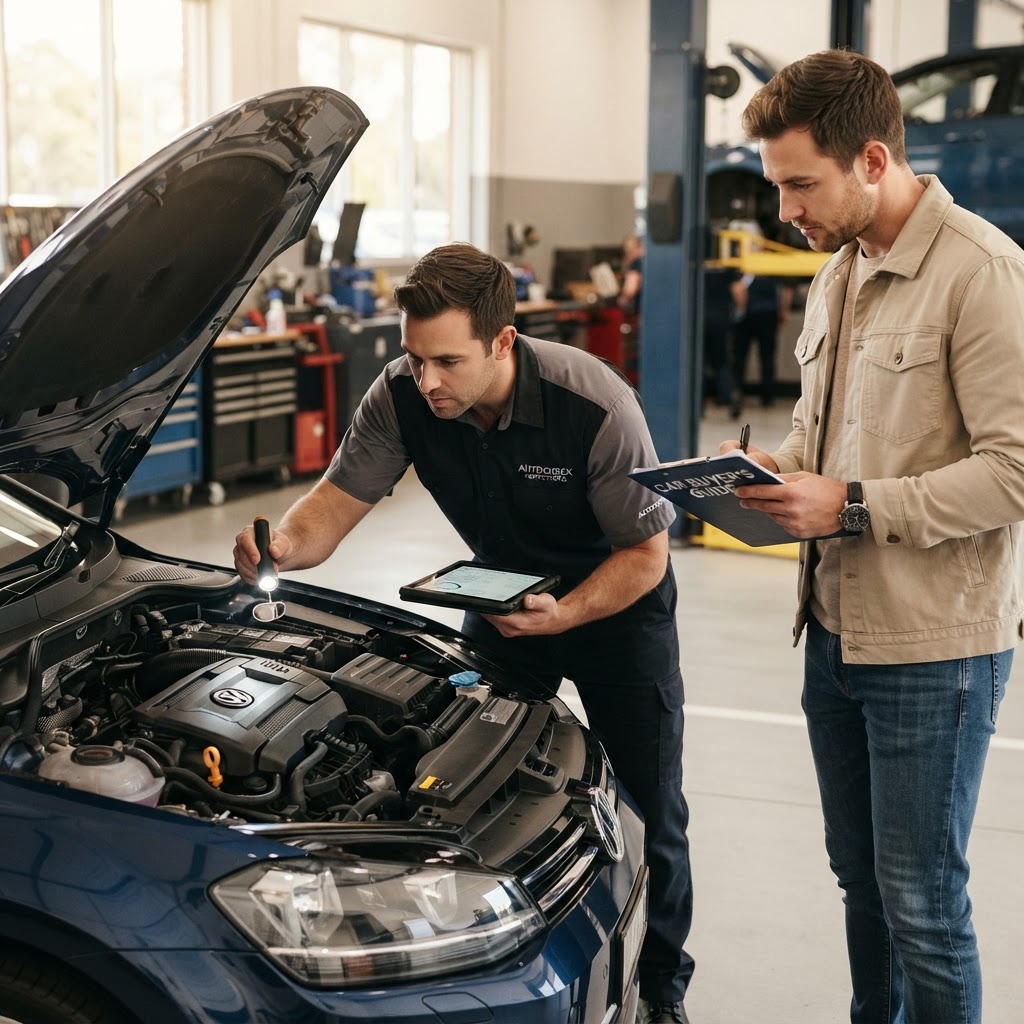
Learn how to thoroughly inspect a used car before buying and discover RIZQ's expert vehicle inspection services.
Why Inspecting a Used Car Is Essential
Purchasing a used car can be a daunting experience, especially with countless options available in the market. When investing your hard-earned money, it's imperative to ensure that the vehicle you’re considering is reliable and worth the price. This is where a thorough inspection comes into play. With the right checklists and knowledge, you can save yourself from future headaches and unexpected costs.
1. Start with Research
Before stepping foot onto a car lot, gather information about the make and model you’re interested in. Check online resources for user reviews, common issues, and reliability ratings from credible sources like J.D. Power or Consumer Reports. Understanding what to expect can give you a head start in spotting potential red flags.
2. Visual Inspection
Your visual assessment is the first line of defense in ensuring you’re making a sound investment. Here’s what to check:
- Exterior Check: Look for mismatched paint, rust, or dents that could indicate previous accidents. Inspect the tires for uneven wear—this could be a sign of alignment issues.
- Interior Assessment: Examine the upholstery and dashboard for wear and tear. Make sure all electronic systems are functional, including lights, windows, and climate control.
- Under the Hood: Check for any fluid leaks, corrosion, or worn belts and hoses. The engine should appear clean without signs of oil leaks.
3. Take It for a Test Drive
A test drive is not just about how the vehicle feels; it’s a crucial part of the inspection process. During your drive, pay attention to:
- Engine Performance: Listen for any unusual noises, such as knocking or whining, and ensure that the engine accelerates smoothly.
- Brakes: Test the brakes in various scenarios to see how responsive they are. Squeaking or grinding noises may indicate that the brake pads need replacement.
- Handling: Make sure the car handles well through turns and doesn’t pull to one side. This could indicate alignment problems.
4. Verify Important Documentation
Ensure that the vehicle has clear documentation. Look for:
- Title and Registration: Verify that the seller is the legal owner and ensure there are no liens on the car.
- Service Records: Ask for maintenance history. Regular oil changes and service can indicate good care.
- VIN History Report: Obtain a vehicle history report using the VIN (Vehicle Identification Number) to check for accidents, title issues, or odometer discrepancies.
5. Professional Vehicle Inspection
While personal inspections are essential, they may not catch everything. Consider hiring a professional service, like RIZQ Vehicle Inspection, to perform a comprehensive pre-purchase inspection. Their experts will:
- Thoroughly assess the mechanical condition of the vehicle.
- Provide a detailed report highlighting any issues or concerns.
- Give you peace of mind before making your purchase.
For more information on their services, visit rizqvehicleinspection.com.
6. Final Negotiation
With all your findings from the visual inspection, test drive, and professional assessment, you now have the power to negotiate effectively. Use any discovered issues as leverage to negotiate a better price.
Conclusion
Buying a used car doesn’t have to be stressful. By taking the time to inspect the vehicle thoroughly and leveraging expert services like RIZQ Vehicle Inspection, you can make an informed decision and avoid costly pitfalls. Happy car hunting!